

The Essential Guide to API 5L X42 Pipe Specification: What You Need to Know
If you’re in industries like oil and gas, construction, or infrastructure, understanding api 5l x42 pipe specification isn’t just a technical detail — it’s fundamental. These steel pipes quietly support the backbone of energy transport globally, and their quality, strength, and reliability often make or break projects on every continent. Whether you’re a project manager, engineer, or buyer, getting familiar with this standard can save you headaches, money, and even safety hazards down the line.
Why Does API 5L X42 Pipe Specification Matter Globally?
The world moves billions of barrels of oil and volumes of gas every day, traveling thousands of kilometers beneath earth and ocean surfaces. According to the World Bank’s energy data, pipelines handle about 70%+ of global crude oil transportation — that’s a staggering figure. The pipes themselves, especially those under the API 5L X42 rating, are critical components engineered to withstand harsh environments, heavy pressure, and extreme weather.
But here’s a puzzling challenge: Many operators struggle with corrosion, material failures, and uncertain quality in pipeline projects, leading to costly delays or environmental risks. This is where the api 5l x42 pipe specification steps in — defining a strict, universally accepted benchmark to ensure pipe integrity and safety worldwide.
Mini takeaway: Global infrastructure depends on high-standard pipe materials to run safely and efficiently, making API 5L X42 an industry keystone.
What Exactly Is API 5L X42 Pipe Specification?
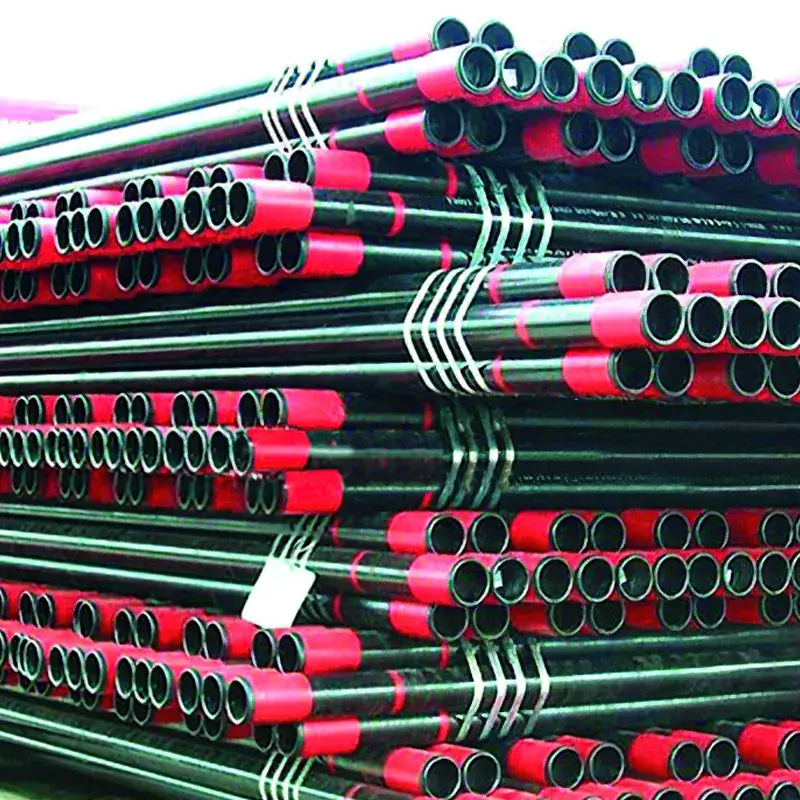
In the simplest terms, the API 5L specification defines requirements for the manufacturing, testing, and quality of line pipes used to transport oil, gas, and water. "X42" refers to a grade level indicating minimum yield strength of 42,000 psi (approximately 290 MPa). It’s a mid-tier strength level useful for many pipelines across a variety of pressures and environments.
Essentially, this spec tells manufacturers and users exactly how the pipe should behave mechanically — toughness, ductility, chemical composition, and surface quality. That way, companies get pipes that won’t suddenly rupture or degrade under pressure, helping to maintain safety and environmental standards worldwide.
Interestingly, the specification aligns well with humanitarian and environmental priorities. Safe pipelines mean reduced risk of spills and accidents, which protect communities reliant on nearby water sources and farmland.
Mini takeaway: Think of api 5l x42 pipe specification as a blueprint for robust, dependable pipeline steel — a global “gold standard” ensuring consistent quality.
Core Components of API 5L X42 Pipes
1. Durability and Strength
With a minimum yield strength of 42,000 psi, these pipes handle moderate to high pressure gas or liquids without deforming or cracking. This is crucial when the pipeline cuts through varied terrains or climates.
2. Chemical Composition
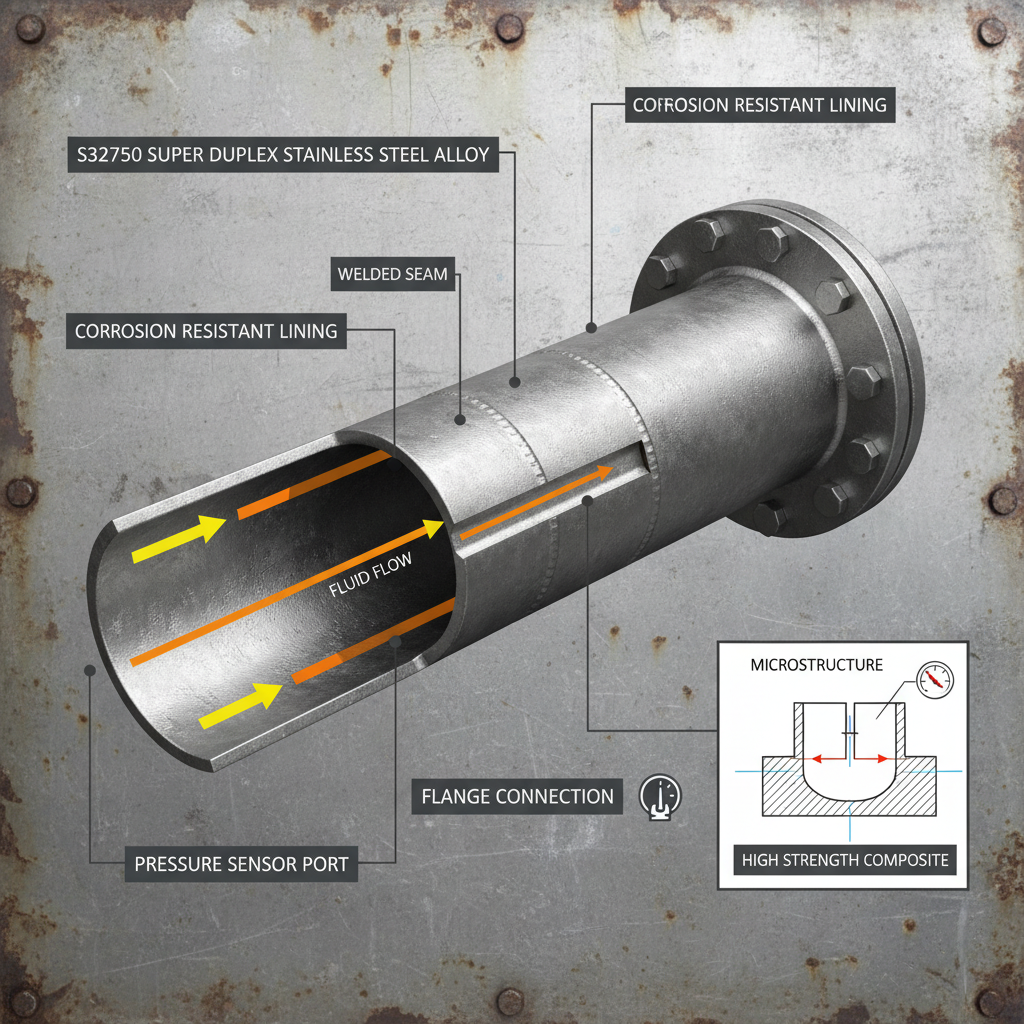
Strict chemical limits ensure resistance to corrosion and cracking. Elements like carbon, manganese, and microalloying elements are tightly controlled to balance strength with flexibility.
3. Manufacturing Quality
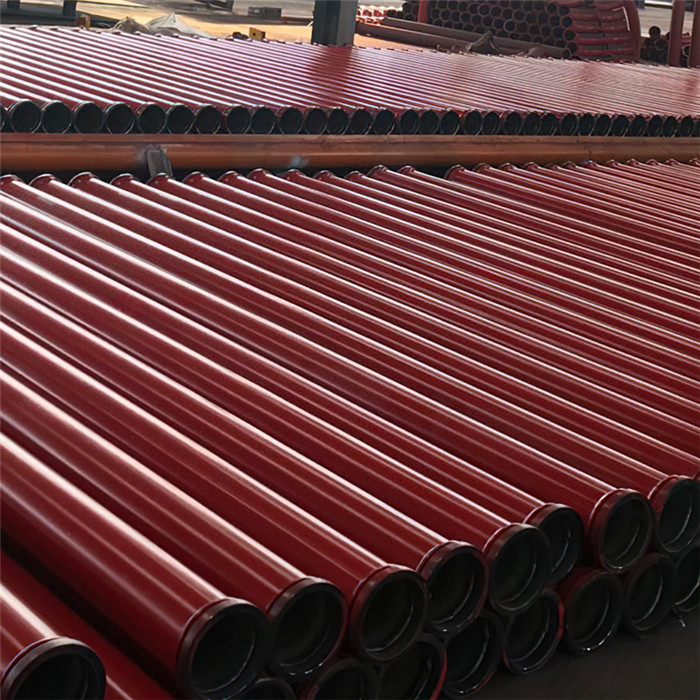
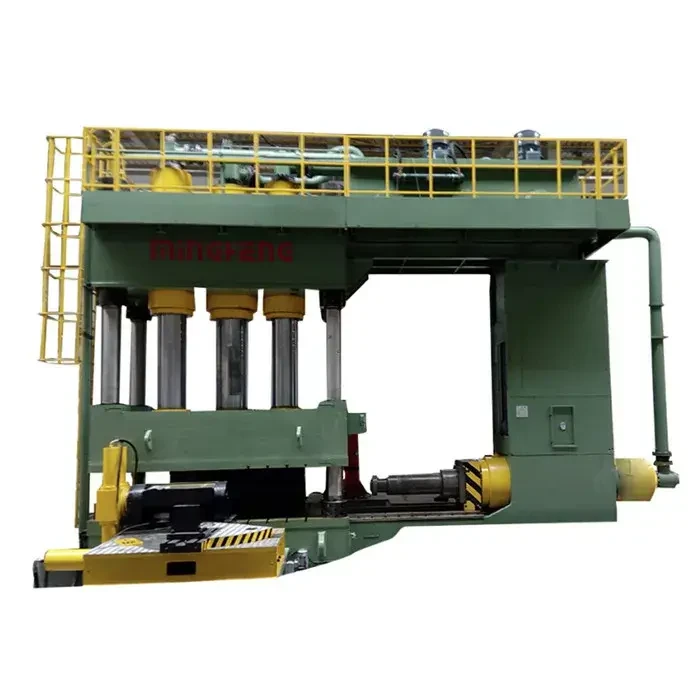
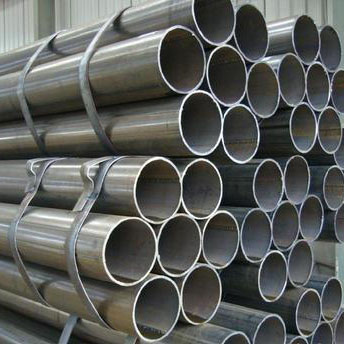
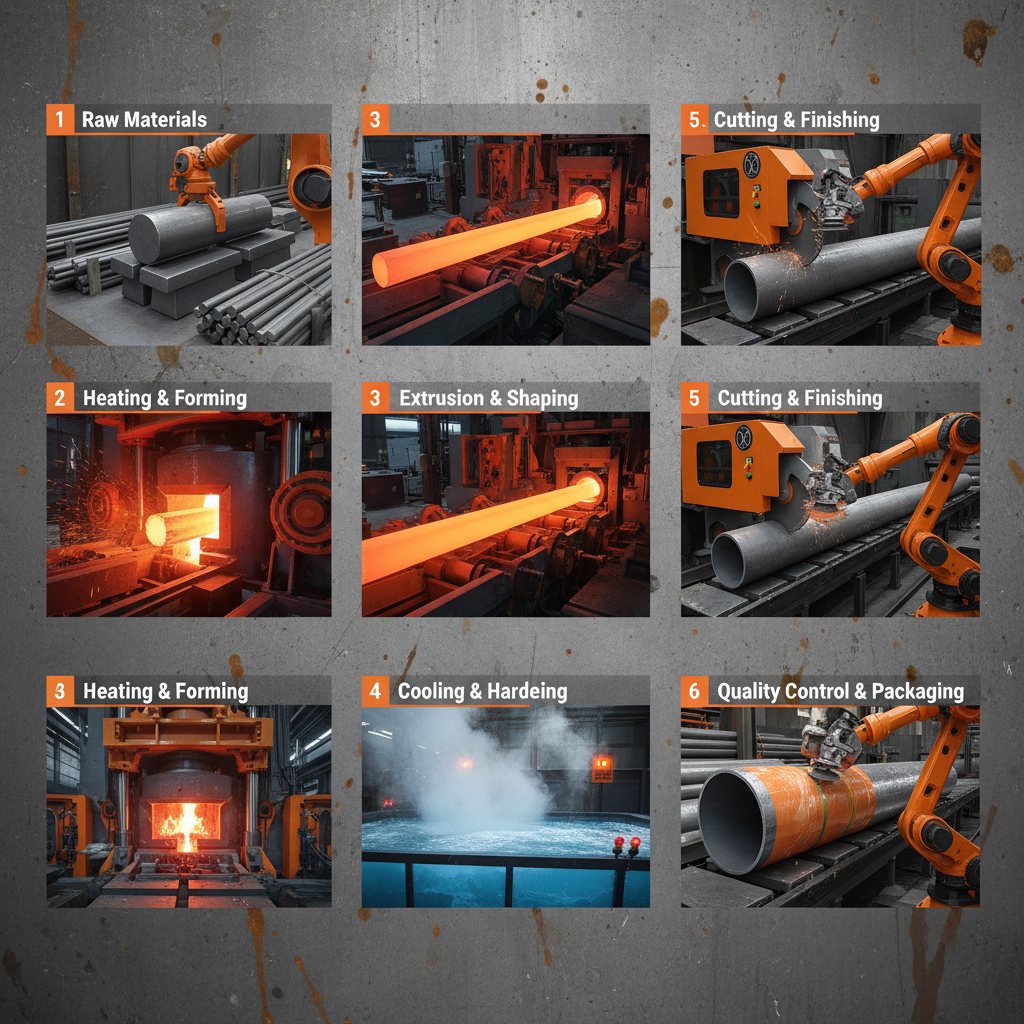
Pipes under API 5L X42 can be made via seamless or welded methods, but both must pass rigorous tests, including hydrostatic testing, impact toughness, and non-destructive evaluation to detect flaws.
4. Dimensional Accuracy
Exactness in diameter, wall thickness, and ovality is mandated to fit pipeline systems perfectly, preventing leaks and downstream mechanical issues.
5. Surface and Coating
External coatings or linings are commonly applied to improve corrosion resistance especially when pipes are buried underground or submerged.
6. Testing and Certification
Each batch is accompanied by test certificates verifying compliance. This fosters trust across international supply chains.
Mini takeaway: The details behind API 5L X42 are more than technicalities — they align with real-world demands of safety, longevity, and precision.
Where Do API 5L X42 Pipes Really Come Into Play?
Across continents, these pipes shape vital infrastructure:
- North America: Extensive natural gas pipelines rely heavily on X42 for mainline transmission and distribution networks.
- Middle East & Africa: Oil export pipelines in desert and coastal zones use API certified pipes due to extreme thermal and corrosive conditions.
- Asia-Pacific: Growing industrial zones and energy projects utilize this grade for new pipeline developments and repairs.
- Europe: Aging pipelines in need of refurbishment are often replaced using pipes meeting or exceeding API 5L X42 standards to guarantee future performance.
For example, in post-disaster reconstruction in energy hubs, pipelines made with these pipes can be rapidly deployed to restore flow, ensuring economic stability and energy security.
Mini takeaway: The application of api 5l x42 pipe specification crosses borders and industries, underpinning both national economies and humanitarian efforts.
Advantages & Why It’s Worth the Investment
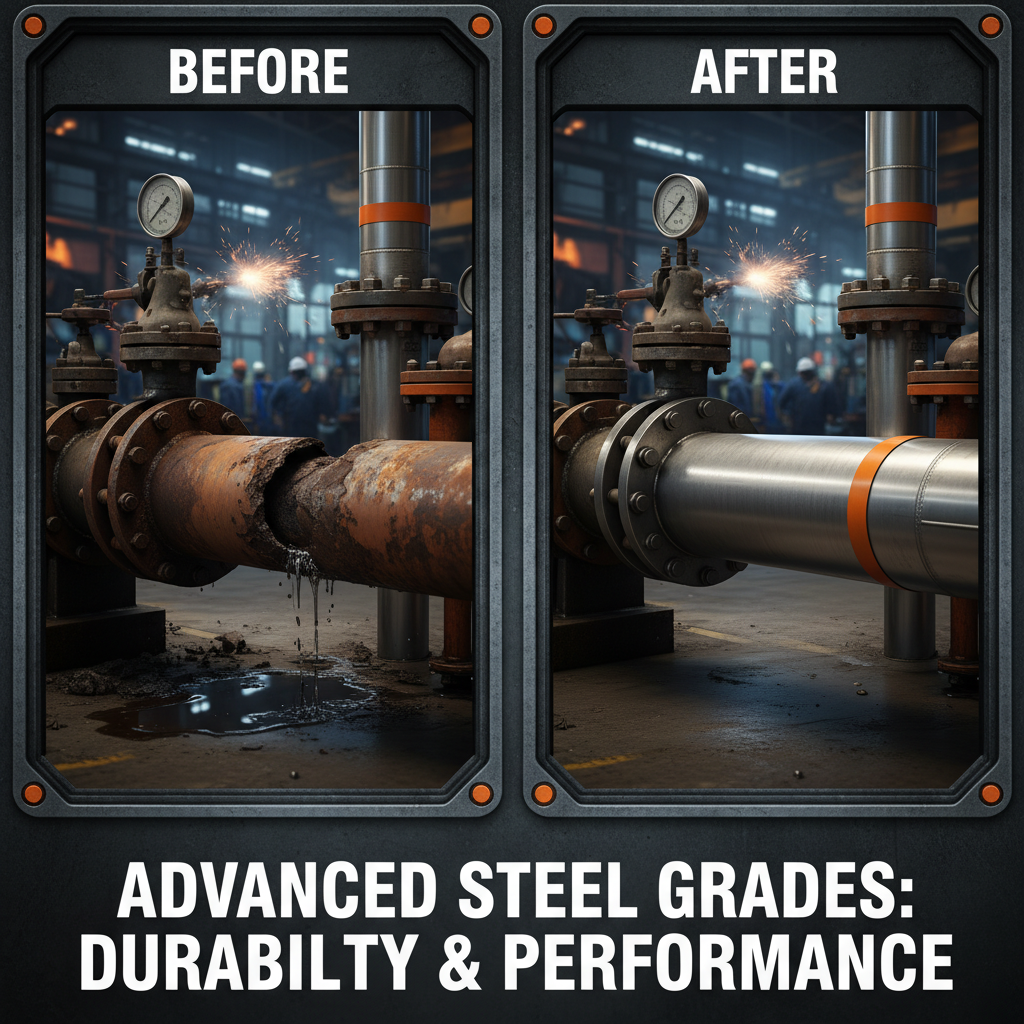
First off, cost efficiency arises from decreased maintenance and longer service life — nobody wants to replace pipelines regularly given the huge capital expenditures involved. The consistent quality also reduces the likelihood of pipeline failures, fostering safer operations and environmental stewardship.
On a more human note, reliable pipelines support community welfare by safeguarding against leaks and contamination. The idea that someone downstream can trust the energy supply feels deeply reassuring — in some ways, pipes are unsung protectors.
Product Specification Table: API 5L X42 Pipe
| Specification | Details |
|---|---|
| Grade | X42 |
| Minimum Yield Strength | 42,000 psi (290 MPa) |
| Tensile Strength | 55,000 - 70,000 psi |
| Pipe Types | Seamless, ERW, LSAW |
| Diameter Range | 2 inches to 48 inches |
| Wall Thickness | 0.25" to 2" |
| Testing | Hydrotest, PMI, Ultrasonic |
How Vendors Stack Up on API 5L X42 Pipes
| Supplier | Manufacturing Method | Certification | Lead Time | Geographic Reach |
|---|---|---|---|---|
| SteelCo Global | Seamless & ERW | API, ISO 9001 | 6-8 weeks | Americas, Asia |
| Pipeline Materials Ltd. | LSAW | API, PED, ISO | 8-10 weeks | Europe, Middle East |
| Global Steelworks | ERW | API, ISO | 5-7 weeks | Global |
What’s Next? Trends and Innovations in API 5L X42 Pipes
The energy sector struggles to balance operational needs with sustainability. New coatings based on nanotechnology are emerging to further extend pipe life and resist corrosion without toxic chemicals. Digital sensors embedded in pipes (part of the “smart pipeline” trend) are starting to monitor structural health in real-time, reducing downtime and risk.
Plus, green energy pipelines — think biofuels or hydrogen — demand slight modifications in pipe materials and standards, keeping API 5L X42 relevant but also evolving.
Challenges on the Horizon and Clever Workarounds
Of course, it’s not all smooth sailing. Variability in raw materials, logistical hurdles, and inconsistent adherence to testing protocols in some manufacturing hubs can cause headaches. However, growing digital oversight and independent verification labs have helped close the gap, improving trust.
Customizing pipes — such as special coatings or heavier-gauge walls — can also mitigate risks, though that needs to be balanced with cost budgets.
FAQ: What You’re Really Wondering About API 5L X42 Pipes
- Q: How do I know if a pipe truly meets the API 5L X42 standard? A: Always ask for full test certificates, including chemical composition, mechanical properties, and NDT reports. Reputable vendors will provide these audited documents along with traceability numbers.
- Q: Is API 5L X42 suitable for both gas and liquid transport? A: Yes, pipes at this grade are versatile enough for oil, gas, and even water pipelines, given the installation follows pressure and environmental guidelines.
- Q: Can these pipes be welded onsite? A: Absolutely. Welding procedures must align with API and AWS standards for pipeline quality to avoid weak points, but onsite joining is standard practice.
- Q: What kind of maintenance should I expect after installation? A: Regular inspections for corrosion (often enhanced with cathodic protection), structural integrity, and coating condition are recommended to maximize lifespan.
- Q: How to comply with environmental regulations using API 5L X42 pipes? A: Using certified pipes with proven durability significantly lowers spill risks. Coupled with proper installation and monitoring, this supports compliance with most international regulations.
Wrapping Up: Why API 5L X42 Pipe Specification Remains a Smart Bet
It boils down to durability, safety, and trust — hard to overstate in energy and infrastructure fields. Whether you’re building new projects or maintaining existing systems, standing behind a trusted api 5l x42 pipe specification helps mitigate risks and ensures smooth operations. Frankly, understanding this spec isn’t just a checkbox — it’s peace of mind.
For more details and sourcing options, feel free to visit https://www.world-steelmaterial.com — your gateway to world-class pipeline materials and specs.
References:
Post time: Nov . 28, 2025 21:20
 English
  Arabic
  Bengali
  China
China  French
  German
  Hausa
Hausa  Indonesian
  Italian
  Japanese
  Javanese
  Malay
Malay  Persian
  Portuguese
  Punjabi
  Russian
  Spanish
  Swahili
  Telugu
  Vietnamese