

Understanding the 2.5 Metal Pipe: Why It Matters Worldwide
On the surface, a 2.5 metal pipe might sound like just another industrial component — a simple tube of metal with a numeric label. But this humble piece of steel or alloy plays a crucial role in everything from infrastructure to manufacturing, essentially shaping how modern economies, utilities, and even humanitarian projects operate. Whether it’s the backbone of plumbing systems or the arteries of oil and gas transportation, understanding the specs, uses, and global impact of pipes like the 2.5 metal pipe helps us appreciate their silent yet steadfast contributions worldwide.
At a glance, the challenge is clear: scaling up infrastructure while maintaining durability and cost-efficiency. Pipes like the 2.5 metal pipe address this by providing just the right balance of size and strength, making them indispensable in various sectors.
The Global Landscape of 2.5 Metal Pipe Use
Globally, the demand for standardized metal piping continues to skyrocket. According to data from the International Organization for Standardization (ISO), metal pipes account for nearly 60% of all piping used in energy and water distribution networks worldwide. The 2.5-inch diameter variety, in particular, finds favor because it hits a sweet spot – not too bulky, yet robust enough for mid-level pressure systems. Industrializing economies, notably in Asia and Africa, have seen an uptick in construction and industrial projects that fuel this demand.
But there’s also a real problem this pipe helps solve: infrastructure degradation in developing zones combined with the urgent need for reliable sanitation and water delivery. The 2.5 metal pipe is often the unsung hero here, supporting projects that improve quality of life.
Defining the 2.5 Metal Pipe: What Is It Exactly?
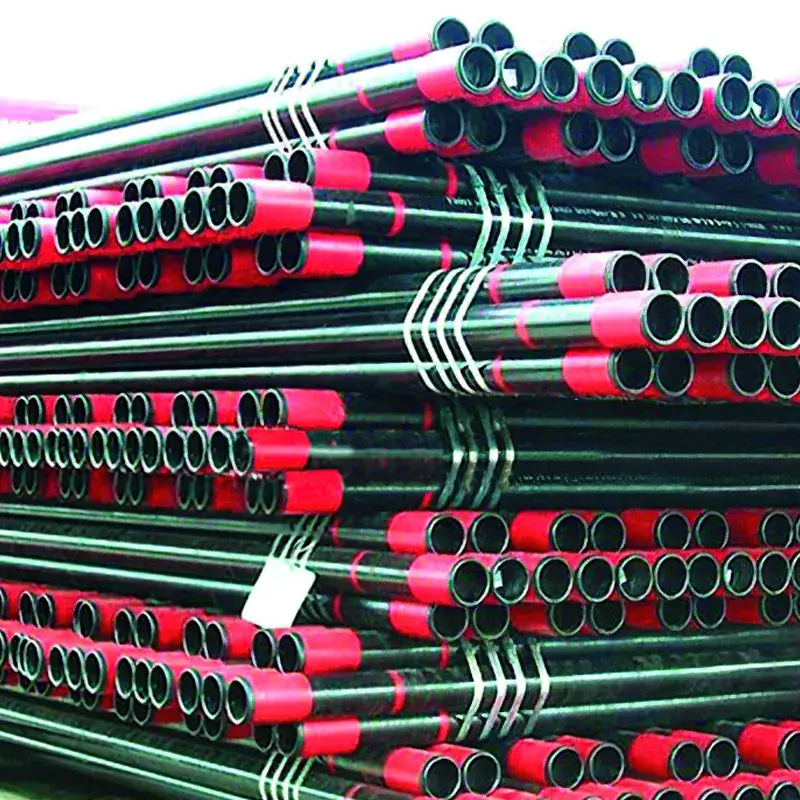
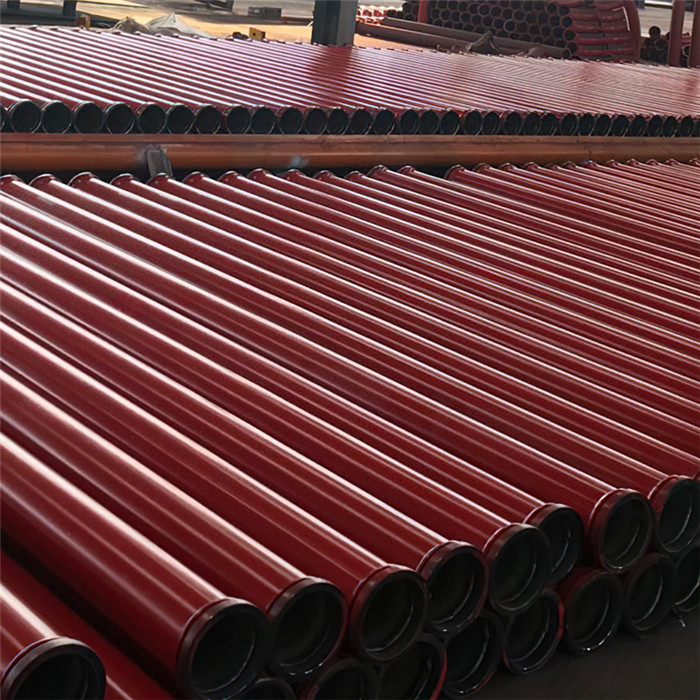
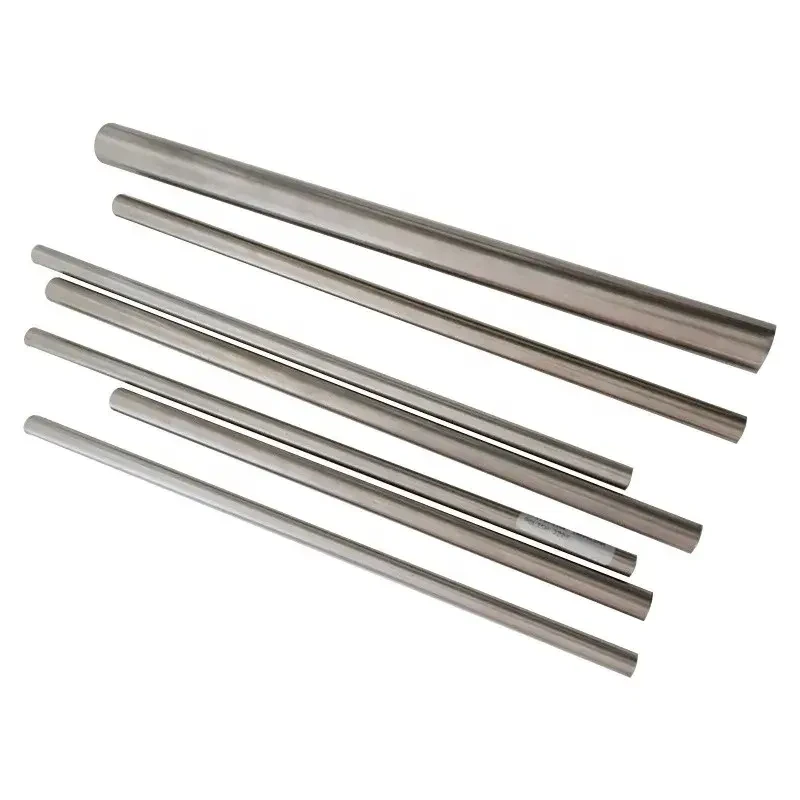
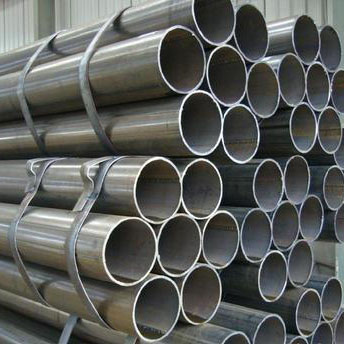
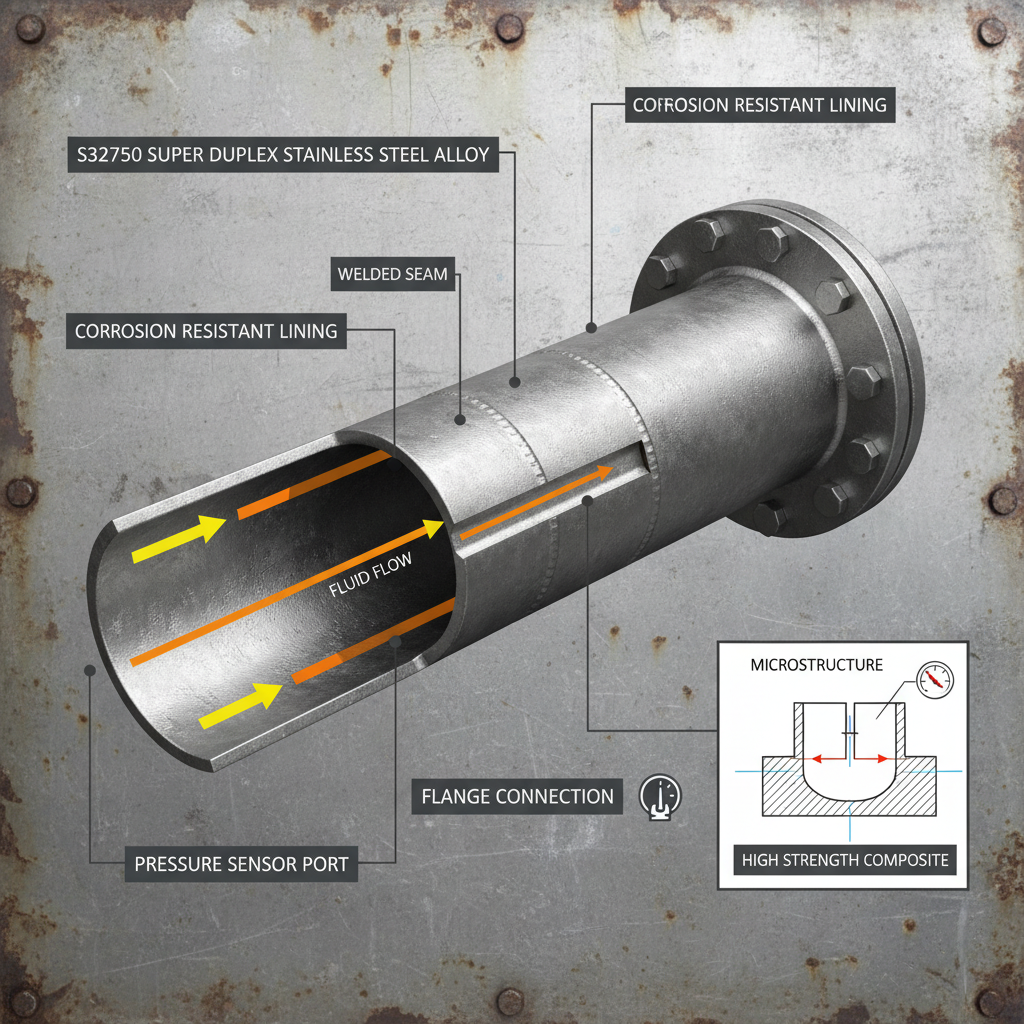
Simply put, a 2.5 metal pipe refers to a metal tube with an outer diameter of roughly 2.5 inches (≈63.5 mm). These pipes come in a variety of metals — commonly carbon steel, stainless steel, or galvanized steel — each bringing specific benefits for corrosion resistance or tensile strength. Their dimensions and material choice tailor them to specific pressure ratings, environmental conditions, and mechanical demands.
Beyond just industrial applications, this pipe size is familiar in sectors like municipal plumbing systems, irrigation, oil transport, and even specialty uses like scaffolding and structural support. It’s a size that’s versatile enough to straddle small to medium scale infrastructure projects, making it vital in both developed and developing worlds.
Core Components and Factors That Make 2.5 Metal Pipes Stand Out
1. Durability
Durability is king when you're talking metal pipes. The thickness (measured as schedule) and metal grade dictate how well a 2.5 metal pipe resists corrosion, mechanical stress, and environmental hazards. For instance, stainless steel options can last 50+ years in corrosive conditions, which is frankly impressive for components that often go unnoticed.
2. Cost Efficiency
While copper or plastic pipes sometimes get plaudits for ease of installation, 2.5 metal pipes strike a good balance between upfront material cost, longevity, and maintenance expenses. Many engineers argue that their lifecycle cost is actually lower, especially in industrial contexts where failure is not an option.
3. Scalability & Versatility
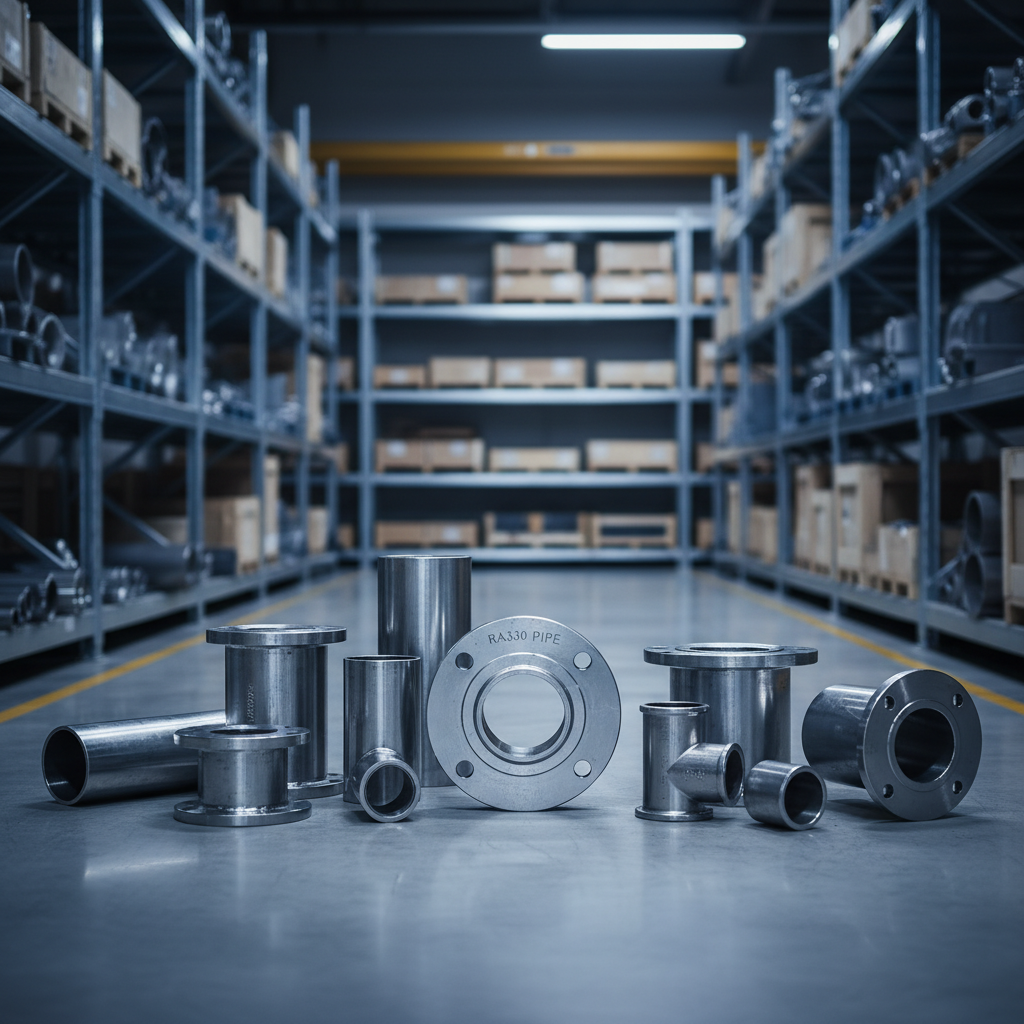
The 2.5 inch diameter size is more than arbitrary. It fits nicely within modular piping systems that scale horizontally or vertically with ease. Plus, it integrates well with fittings, valves, and coupling devices widely available — making it a practical choice across multiple industries.
4. Compliance & Standards
These pipes often comply with international standards like ASTM A53, ISO 3183, or API 5L, ensuring consistent quality and safety benchmarks. This opens doors for global projects and smooths import-export logistics.
5. Environmental Adaptability
Thanks to advancements in coatings and alloys, many 2.5 metal pipes perform admirably under extreme temperatures, high pressures, or corrosive environments found in chemical plants or offshore rigs.
Where Are 2.5 Metal Pipes Making a Difference?
- Water & Sewage Networks: In urban and rural contexts worldwide, they form part of vital water delivery and drainage systems.
- Oil & Gas Industry: These pipes conduct fluids in mid-pressure pipelines, especially in refineries and supply lines.
- Construction & Architecture: Used as support scaffolding and structural elements for buildings.
- Disaster Relief Operations: NGOs deploying temporary water distribution systems often rely on 2.5 inch metal pipes due to their portability and robustness.
- Manufacturing Plants: Conveying compressed air, steam, or feedstock where proper material specifications are essential for safety.
For example, a recent post-disaster water restoration effort in Southeast Asia depended heavily on rapid deployment of these pipes for clean water channels — backing the community's recovery. Meanwhile, industrial zones in remote parts of Africa have shifted towards these pipes to improve durability over locally sourced alternatives.
Advantages and Long-Term Value of Choosing 2.5 Metal Pipes
People sometimes overlook the subtle mix of benefits, but here’s what stands out:
- Durability yields trust: Once installed, these pipes reliably function for decades, reducing downtime and repair costs.
- Eco-friendly footprint: Metal pipes are increasingly recyclable, and innovations in coatings reduce leakages and contamination.
- Economic sense: Less frequent replacements and maintenance translate into bigger savings long term.
- Social impact: Reliable infrastructure built on quality pipes impacts communities’ health, safety, and dignity.
Technical Specifications of Typical 2.5 Metal Pipe Models
| Specification | Carbon Steel Pipe | Stainless Steel Pipe | Galvanized Pipe |
|---|---|---|---|
| Outer Diameter | 63.5 mm (2.5 inch) | 63.5 mm (2.5 inch) | 63.5 mm (2.5 inch) |
| Wall Thickness (Schedule 40) | 5.16 mm (0.203 inch) | 5.16 mm (0.203 inch) | 5.16 mm (0.203 inch) |
| Max Pressure | 150 psi | 200 psi | 160 psi |
| Weight per meter | 6.8 kg | 8.0 kg | 7.2 kg |
| Typical Applications | Water, Gas | Chemical, Food Processing | Outdoor Pipelines, Landscaping |
Comparing Leading Vendors of 2.5 Metal Pipes
| Vendor | Material Options | Price Range (USD/m) | Certifications | Lead Time |
|---|---|---|---|---|
| SteelPro Ltd. | Carbon, Galvanized | $15 - $20 | ASTM A53, ISO 9001 | 2-3 weeks |
| Global Stainless | Stainless Steel Only | $25 - $35 | ISO 3183, API 5L | 3-4 weeks |
| EcoPipe Supplies | Galvanized & Recycled Steel | $18 - $22 | ISO 14001, ASTM A53 | 1-2 weeks |
What’s Next? Trends and The Future of 2.5 Metal Pipes
The industry is definitely in motion. Manufacturers are increasingly leveraging advanced alloys that reduce weight but maintain strength, crucial for offshore and high-tech applications. “Smart pipes” embedded with sensors to monitor pressure or leaks remotely are no longer science fiction but an emerging reality in pipeline management.
There’s also a growing focus on sustainability. Many vendors now offer pipes made from recycled steel or with eco-friendly coatings that reduce environmental impact — vital as governments set tougher standards. In parallel, digital transformation is streamlining the supply chain, making it faster to source and install standardized pipes like the 2.5 metal pipe in remote areas.
Challenges in Using 2.5 Metal Pipes and How to Overcome Them
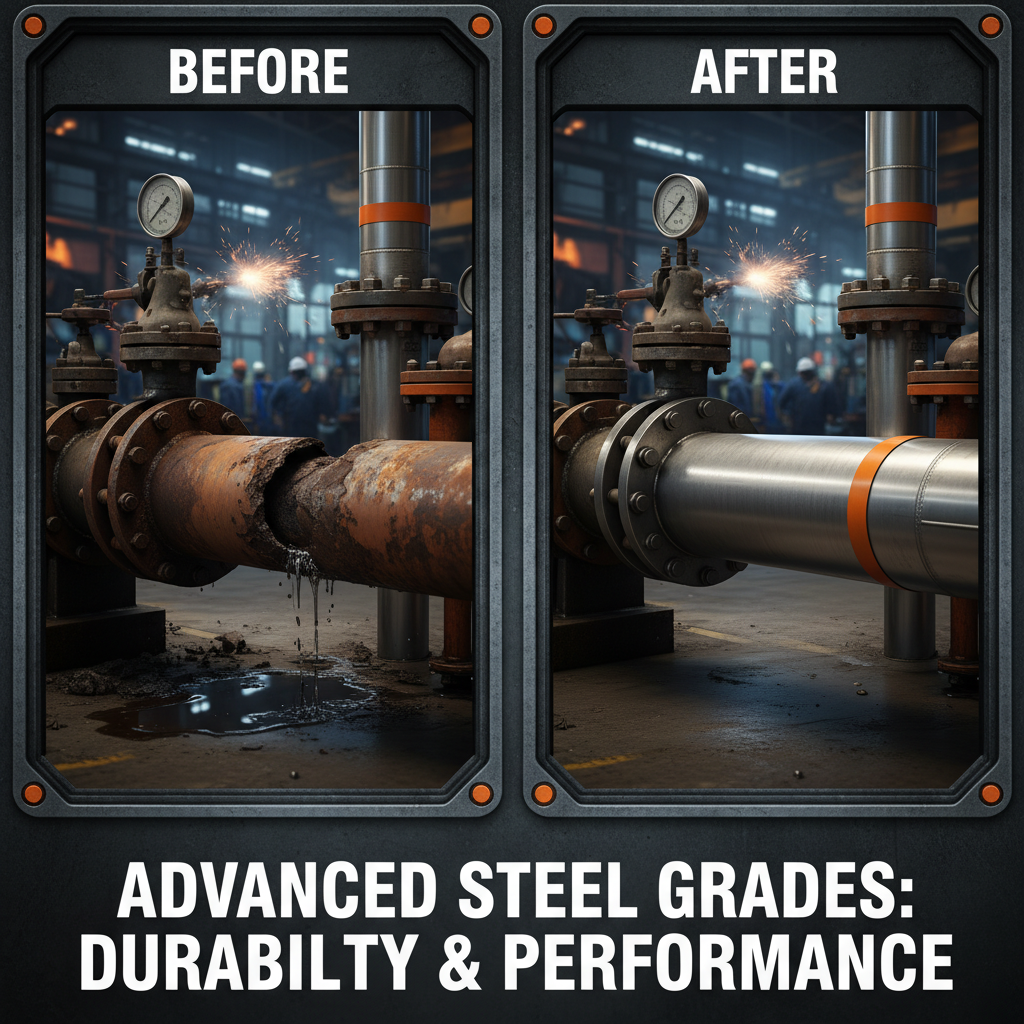
No product is perfect, and these pipes come with their own issues. For one, metal pipes can be prone to corrosion, especially if not properly coated or maintained. Also, transportation and installation costs may be higher than plastics in some contexts. Finally, global supply chain delays sometimes disrupt timely project completions.
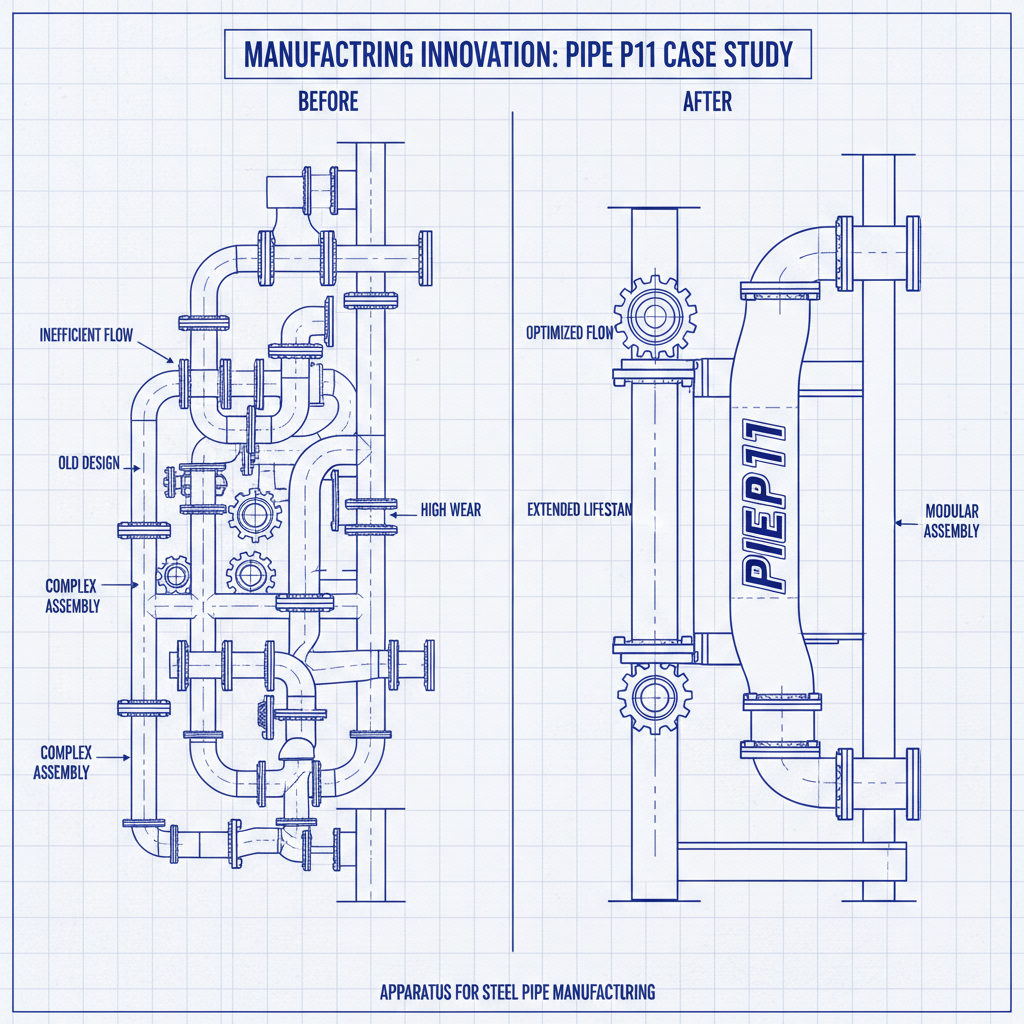
Fortunately, innovations such as improved galvanization, internal lining, and use of stainless alloys mitigate corrosion issues. Prefabrication and modular pipe systems ease installation challenges, while diversified sourcing options like 2.5 metal pipe suppliers help hedge against disruptions.
Frequently Asked Questions About 2.5 Metal Pipe
- What factors should I consider when choosing a 2.5 metal pipe for industrial use?
- Consider material type (carbon, stainless, galvanized), pressure ratings, environmental exposure (corrosiveness), and compatibility with your existing fittings. Also, review certifications like ASTM or ISO to ensure quality and compliance.
- How does the 2.5 metal pipe compare economically to plastic alternatives?
- While initial costs may be higher, metal pipes generally offer longer durability, less maintenance, and better pressure tolerance. Over time, this often means lower total cost of ownership, especially for critical infrastructure.
- Can the 2.5 metal pipe be used in potable water systems?
- Yes, stainless steel and galvanized 2.5-inch pipes are commonly used for potable water. Make sure to use certified materials compliant with local health standards.
- How quickly can suppliers deliver 2.5 metal pipes in bulk?
- Lead times vary by vendor but typically range from 1 to 4 weeks depending on material, quantity, and location. Partnering with reputable suppliers, like those listed above, can ensure timely delivery.
- Is it possible to customize the length or coating of 2.5 metal pipes?
- Absolutely. Many manufacturers offer tailored lengths, wall thicknesses, and surface treatments to fit unique project specifications. It’s advisable to speak directly with suppliers for custom requirements.
Conclusion: Why Investing in Quality 2.5 Metal Pipe Pays Off
In real terms, the 2.5 metal pipe might not grab headlines, but it quietly supports entire economies, critical infrastructure, and community well-being. Its balance of strength, versatility, and cost-effectiveness makes it a smart choice whether you’re upgrading urban water systems or building a factory in a remote zone.
If you want to explore quality, certified, and competitively priced pipes, I’d highly recommend starting with trusted industry suppliers. For more info and a broad product range, visit 2.5 metal pipe — they make sourcing these essential components straightforward.
Post time: Nov . 26, 2025 16:50
 English
  Arabic
  Bengali
  China
China  French
  German
  Hausa
Hausa  Indonesian
  Italian
  Japanese
  Javanese
  Malay
Malay  Persian
  Portuguese
  Punjabi
  Russian
  Spanish
  Swahili
  Telugu
  Vietnamese