

Everything You Should Know About 25mm Metal Pipe
If you’ve ever wandered through a construction site, industrial plant, or even peeked at plumbing under a sink, you’ve likely seen metal pipes at work — some skinny, some chunky, all crucial. One specific size that’s quietly essential across global industries is the 25mm metal pipe. Why does this seemingly humble product matter on a global scale? Well, the 25mm metal pipe is a versatile, durable, and cost-effective solution that supports everything from infrastructure projects and water supply to industrial machinery and humanitarian relief efforts. Understanding its role helps industries manage resources smartly and build with confidence, especially when longevity and efficiency are on the line.
Global Context: Why the 25mm Metal Pipe Matters Worldwide
Metal pipes don’t just sit there; they keep the world’s gears turning. The 25mm metal pipe, roughly an inch in diameter, fills a sweet spot between larger piping for heavy flows and smaller tubing for precision applications. According to ISO standards, metal pipe sizing is crucial for safe and efficient operations. As the UN reports, over 2 billion people worldwide still lack access to safe drinking water, making durable piping indispensable to humanitarian efforts and sustainable infrastructure development.
Yet, a key challenge remains: balancing quality, price, and environmental impact. Smaller diameter pipes like 25mm sizes are often overlooked but critical for specific uses such as compressed air lines, chemical transport, and irrigation. Knowing the nuances of this component is vital for engineers and planners facing budget constraints, durability requirements, and ecological standards.
Mini takeaway:
The 25mm metal pipe is a quietly powerful enabler of infrastructure that affects millions, if not billions, across many sectors and regions.
What Exactly Is a 25mm Metal Pipe?
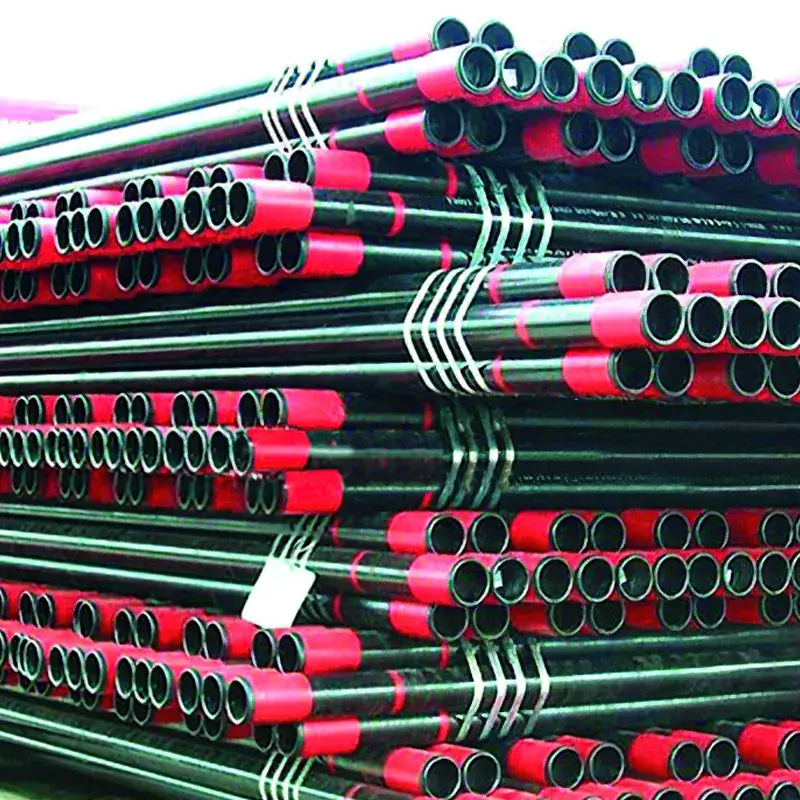
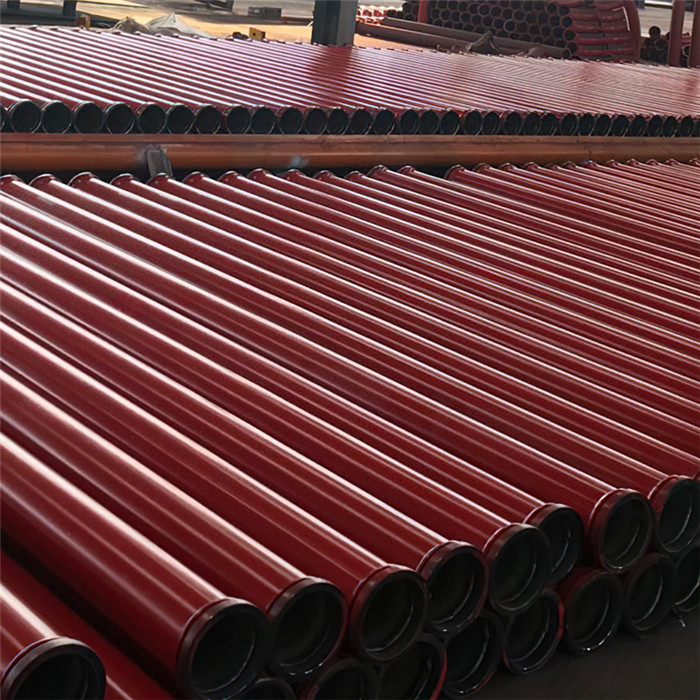
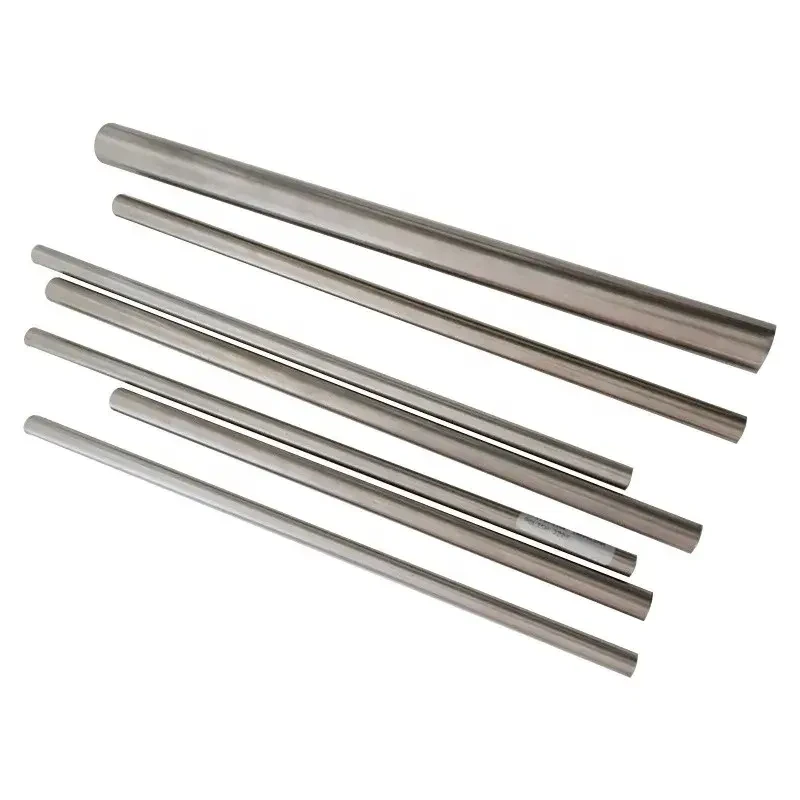
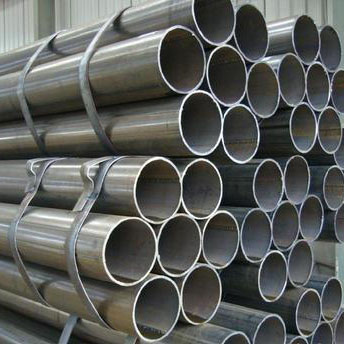
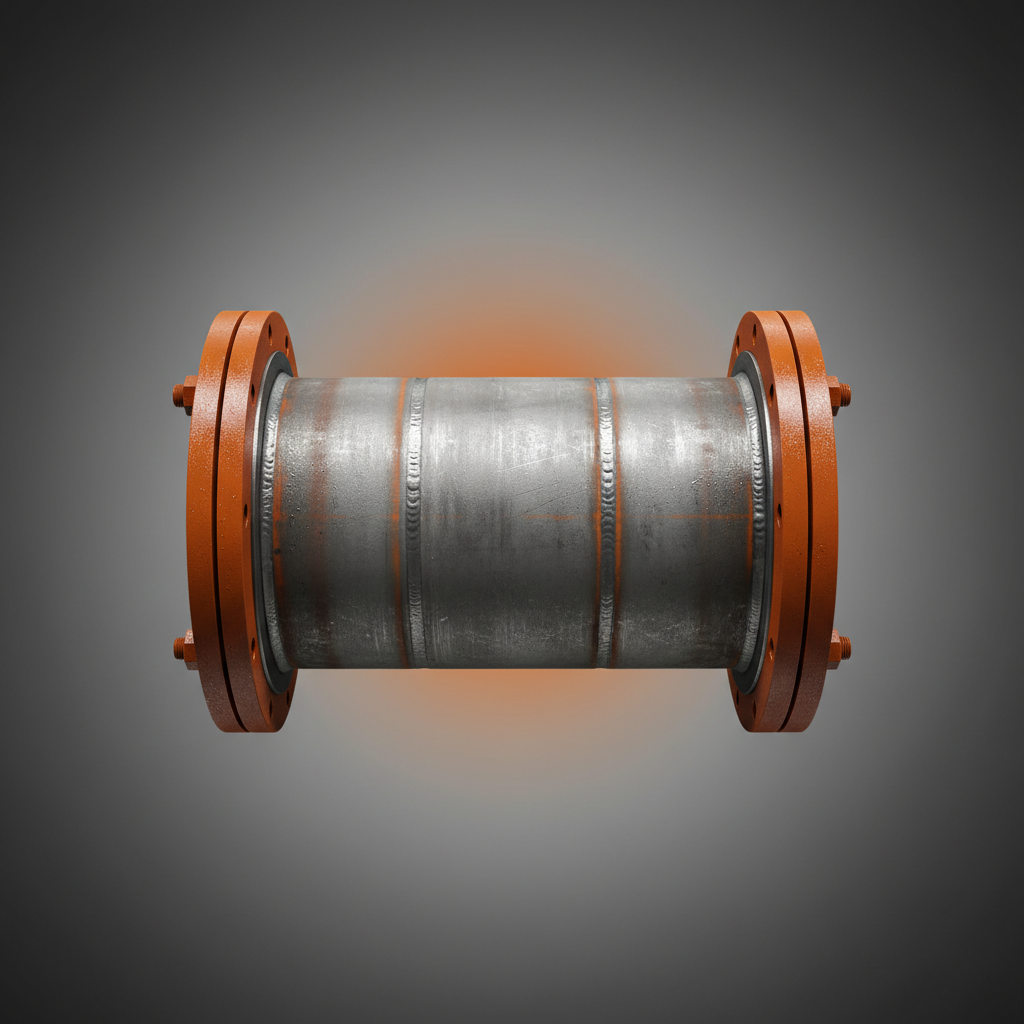
Simply put, a 25mm metal pipe is a hollow, cylindrical tube with an outer diameter of 25 millimeters (approximately one inch). Commonly made from steel, stainless steel, or sometimes copper/aluminum alloys, it serves as a conduit for fluids, gas, or mechanical protection. It’s a fundamental part of many systems—water treatment, heating, HVAC, automotive exhausts, and beyond.
What ties it to modern industry and humanitarian needs alike? It’s the balance of size and strength—small enough to fit into tight systems but strong enough to withstand pressure and environmental factors. In disaster zones, for instance, 25mm metal pipes can be rapidly deployed to establish safe water distribution lines without excessive bulk or complex fittings.
Mini takeaway:
Think of the 25mm metal pipe as a dependable workhorse: small, sturdy, and adaptable to many needs.
Core Features That Make 25mm Metal Pipes Special
Durability and Corrosion Resistance
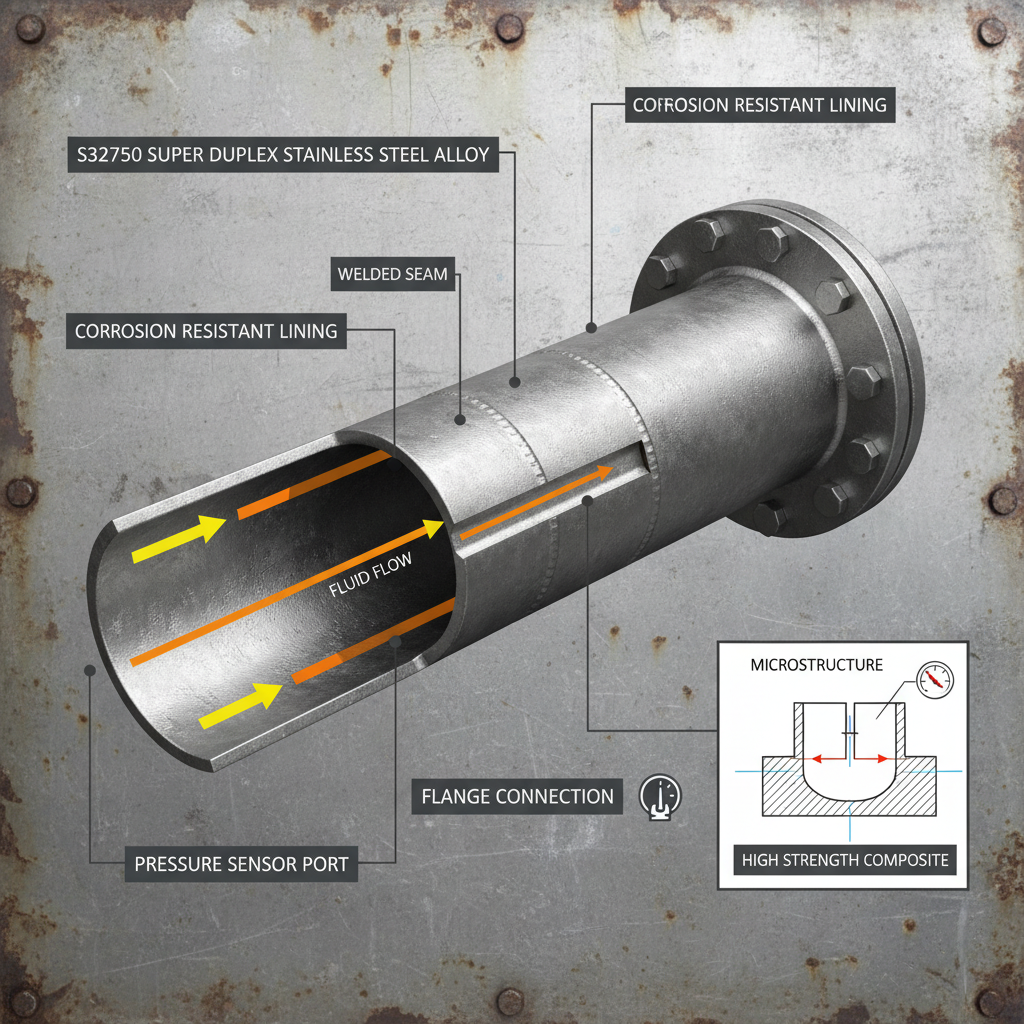
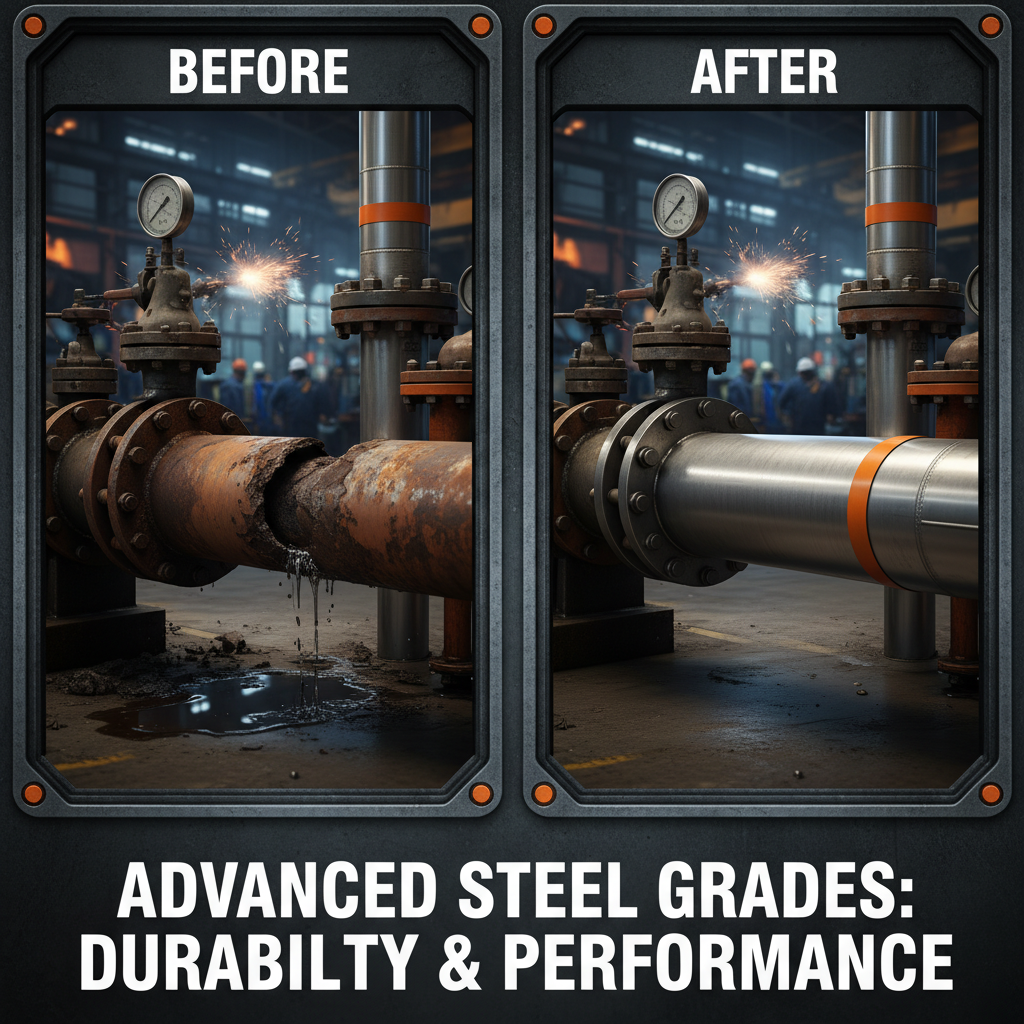
Metal pipes can’t afford to fail — particularly not in critical applications. Many 25mm metal pipes use galvanized steel or stainless steel coatings to resist rust and extend service life, even in damp or chemically aggressive environments. This durability translates to fewer replacements and less downtime.
Precision Manufacturing and Scalability
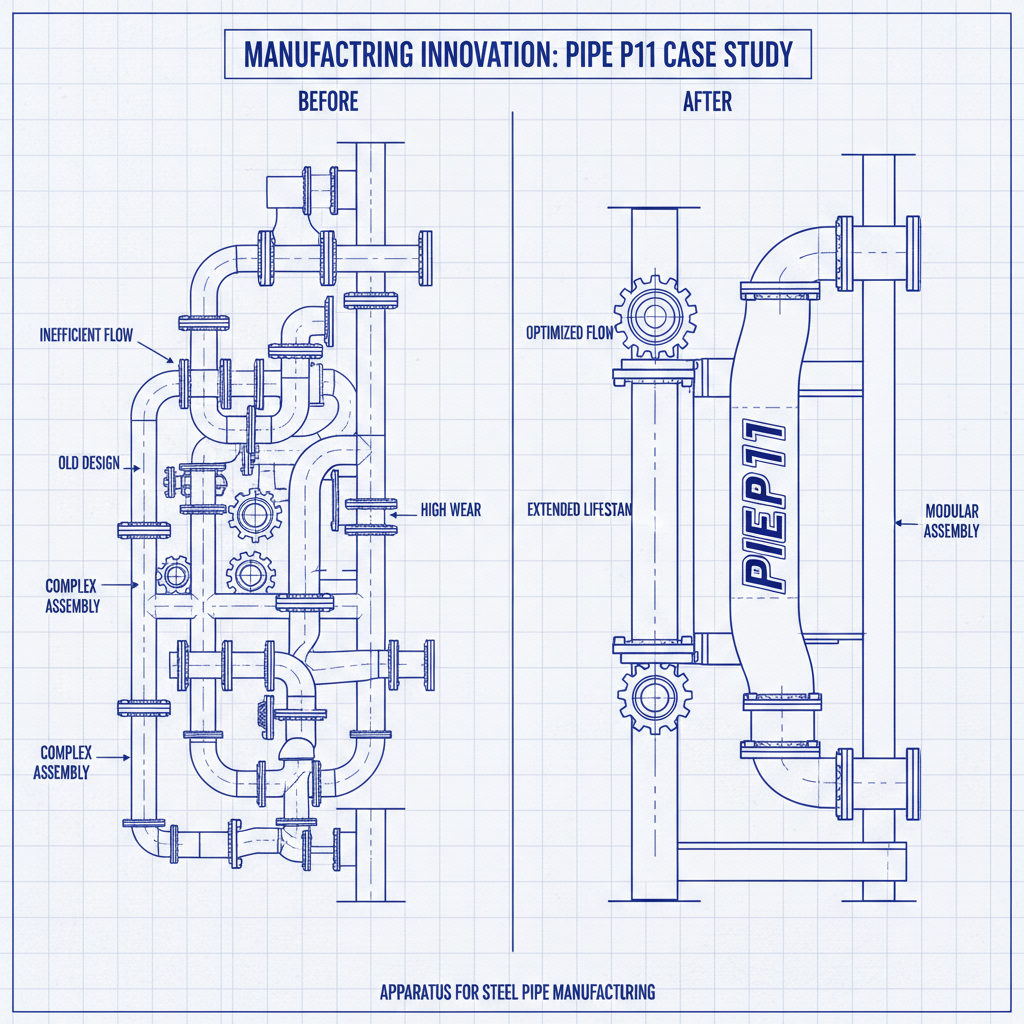
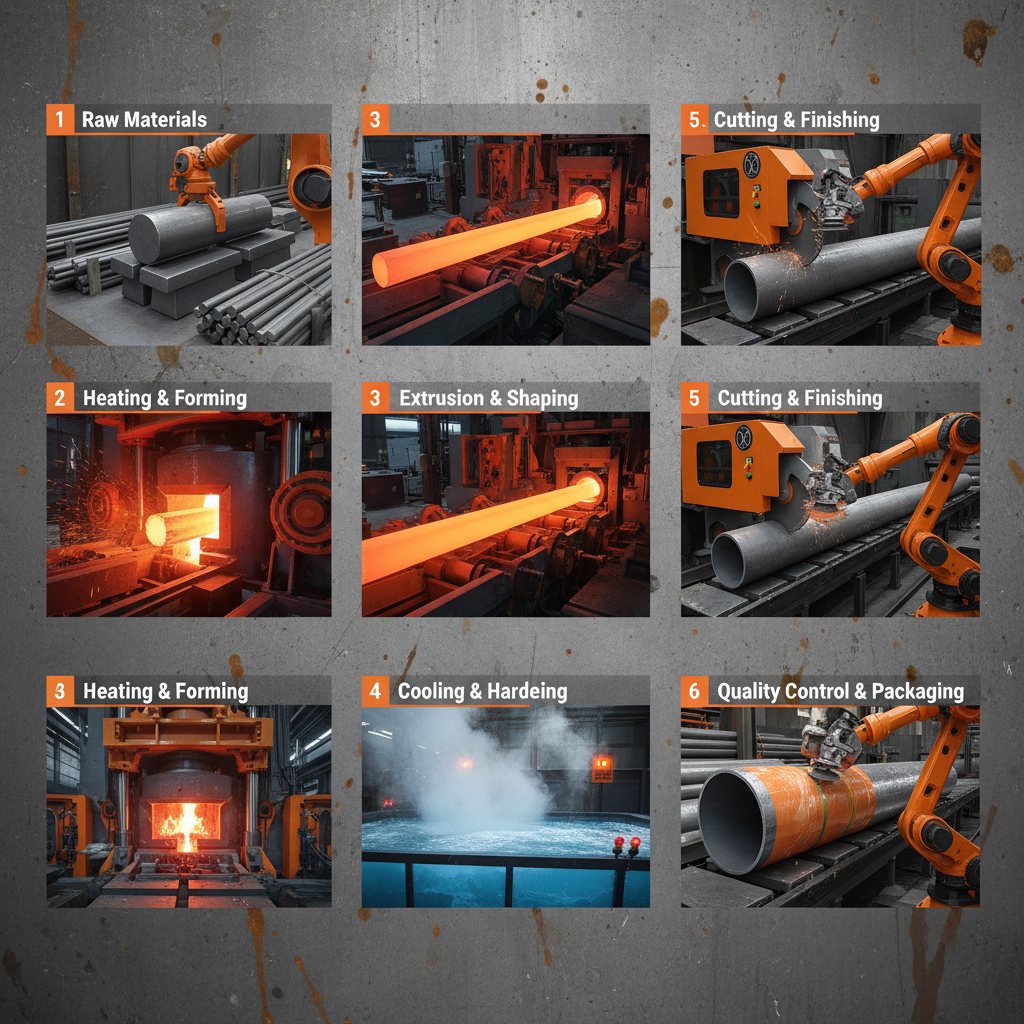
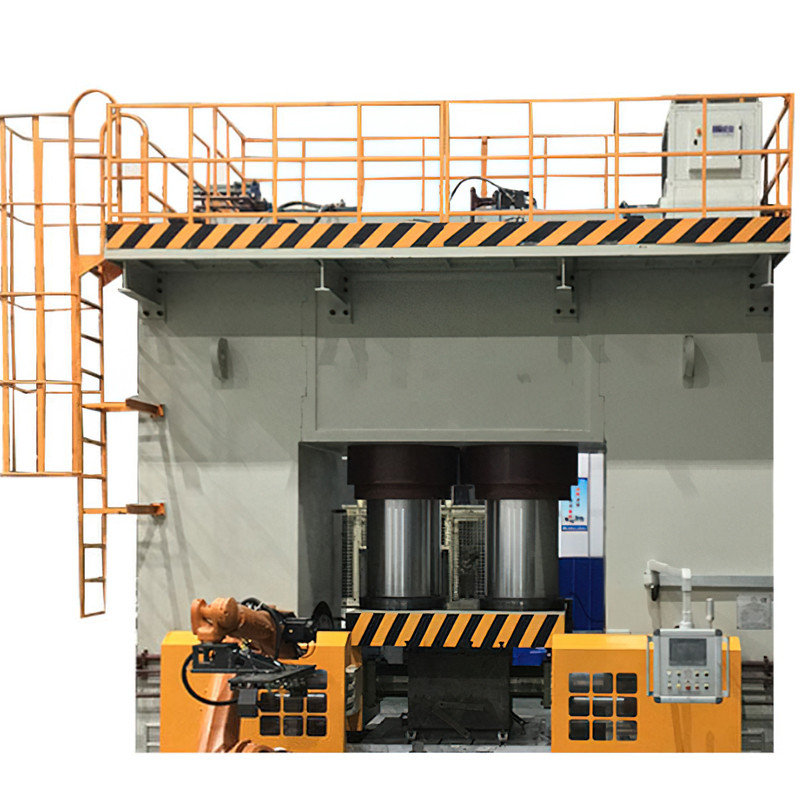
Manufacturers produce 25mm metal pipes to exact tolerances ensuring smooth integration into systems — important when the slightest leak can cause major headaches. Because they’re a standard size, industries quickly scale up installations using modular components, minimizing delays.
Cost Efficiency
It’s not just how strong pipes are but how they fit budget realities. The 25mm size tends to hit a “sweet spot” cost-wise: cheaper than thick heavy-duty pipelines yet durable enough for demanding environments.
Versatility of Use
From compressed air lines in factories to irrigation systems on farms, the size and mechanical properties of 25mm metal pipes lend themselves to a surprisingly broad array of uses. It’s fascinating how one size can thread through industries as diverse as automotive manufacturing and disaster relief.
Easy Maintenance and Repair
Because of their size and commonality, replacement parts and repair expertise for 25mm metal pipes are widely available, making maintenance straightforward and cost-effective.
Mini takeaway:
- Durability means long service life.
- Precision and standard sizing reduce integration hassles.
- Cost efficiency and versatility keep projects flexible.
Specification Table: Typical 25mm Metal Pipe Parameters
| Property | Standard Value | Unit |
|---|---|---|
| Outer Diameter | 25.4 | mm |
| Wall Thickness (typical) | 2.5 | mm |
| Material | Galvanized Steel, Stainless Steel | - |
| Standard Length | 6 | meters |
| Working Pressure | 10-16 | bar |
Where and How Are 25mm Metal Pipes Used Around the World?
It’s kind of amazing how a simple 25mm metal pipe pops up across the globe. In Europe and Japan, these pipes often form the backbone of HVAC and plumbing systems, prized for their reliability and industry standard sizing. Southeast Asia’s booming construction sectors use them extensively in irrigation and urban water services. Humanitarian organizations, meanwhile, deploy 25mm pipes in refugee camps and post-disaster rebuilding, where the need for fast, durable water lines outweighs more complex infrastructure.
Oddly enough, in remote industrial zones — think mining camps or oil fields — 25mm metal pipe lines move essential compressed air or fuel where heftier options would be impractical. And yes, agricultural networks lean on them for drip irrigation and fertigation due to their appropriate size and adaptability.
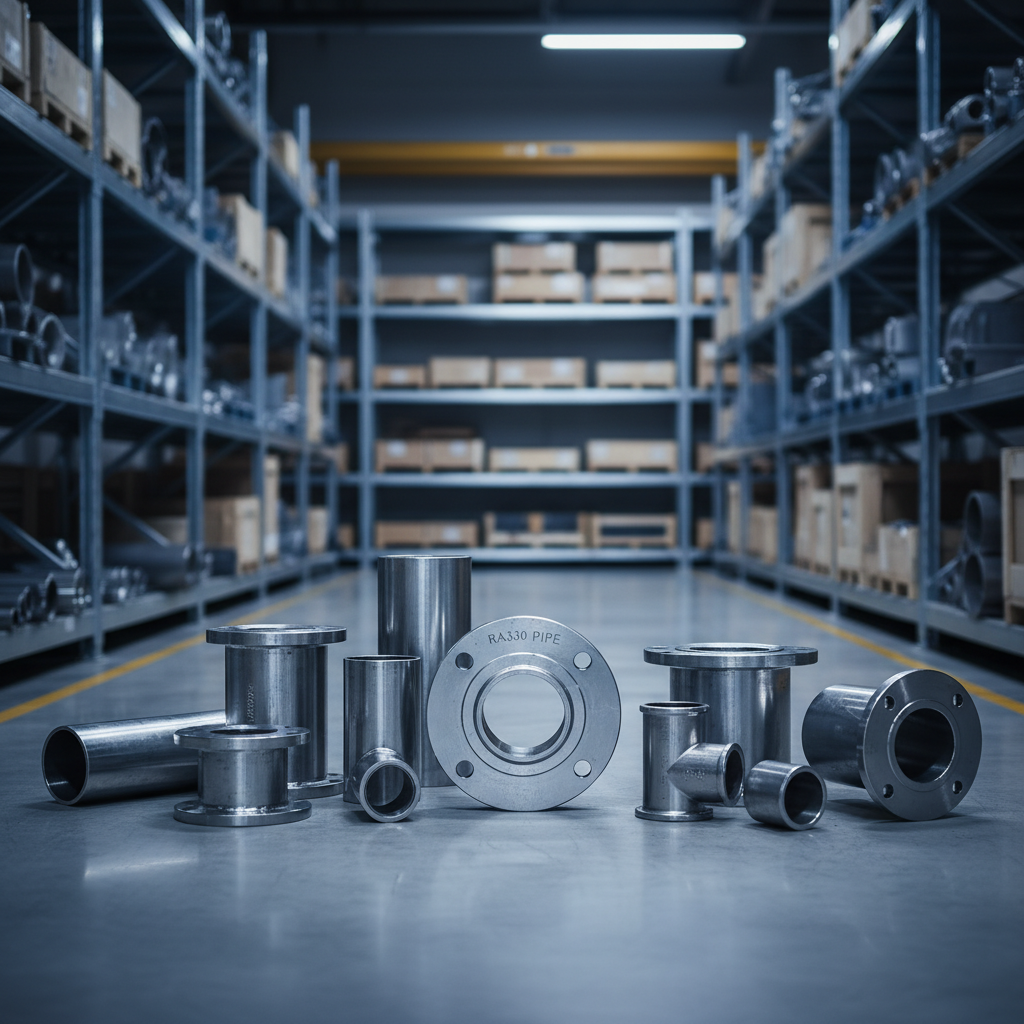
(Speaking of adaptability, if you’re ever designing projects or sourcing parts, don’t forget to check for 25mm metal pipe availability. It saves a lot of headaches.)
Mini takeaway:
- Widely used in HVAC, plumbing, irrigation, and compressed air.
- Essential in both developed economies and humanitarian contexts.
- Favored in remote zones for practical, durable resource distribution.
Advantages and Lasting Value of 25mm Metal Pipe
Why do engineers keep coming back to the 25mm metal pipe? Several reasons. For one, cost: these pipes are budget-friendly without compromising strength. For another, environmental factors—a long-lasting pipe cuts the need for replacements, reducing waste and resource consumption. Socially, delivering clean water or efficient ventilation translates into better health and dignity, which, frankly, should always be the goal.
And from a reliability standpoint, metal pipes offer peace of mind. Knowing that the infrastructure isn’t likely to degrade quickly or leak brings comfort to everyone — from homeowners to disaster relief workers deploying emergency systems. It’s a strangely emotional angle for something so “invisible” in daily life, but trust matters.
Looking Ahead: Trends and Innovations Around 25mm Metal Pipe
The pipe industry isn’t static. Innovations keep the 25mm metal pipe relevant. For instance, advances in coatings mean improved corrosion resistance without added weight — some manufacturers are even exploring nano-ceramic layers. Smart integration is beginning too: imagine embedded sensors inside pipes for real-time flow and pressure monitoring, aiding predictive maintenance.
Green energy sectors increasingly rely on metal pipes designed to handle hydrogen and biofuels safely, often at sizes like 25mm for specialized equipment. Automation in manufacturing also allows customization in length, wall thickness, and coatings faster than ever. The future promises a blend of traditional strength and modern tech...
Challenges and How They’re Being Tackled
No product is without issues. Some challenges with 25mm metal pipes include susceptibility to corrosion in extremely harsh environments, potential logistical challenges in hard-to-access areas, and sometimes incompatibility with certain chemicals or fluids. But engineers counter these problems with innovations — from improvements in materials to modular repair systems simplifying onsite fixes.
Experts suggest that investing in pre-coated and tested pipes and leveraging digital inspections can dramatically increase lifespan and safety margins. Frankly, keeping a pipeline secure feels like one of those invisible safety nets — when it’s good, everyone forgets it’s there, which is exactly how it should be.
Vendor Comparison for 25mm Metal Pipe (Example)
| Vendor | Material Options | Coating Types | Available Lengths (m) | Lead Time | Price Range ($ per unit) |
|---|---|---|---|---|---|
| SteelWorks Inc. | Galvanized Steel, Stainless | Zinc, Epoxy | 3, 6, 12 | 1-2 weeks | 15-22 |
| GlobalPipes Ltd. | Stainless Steel only | Polyurethane | 6, 9 | 3-4 weeks | 20-28 |
| RapidPipe Solutions | Galvanized Steel | Zinc-based | 4, 6 | 5-7 days | 13-18 |
FAQs About 25mm Metal Pipe
1. What industries most commonly use 25mm metal pipes?
They find use across HVAC, water treatment, agriculture (irrigation), compressed air supply, and even in automotive manufacturing. Their size strikes a balance between strength and flexibility, making them useful in various sectors.
2. Can 25mm metal pipes handle high-pressure applications?
Typically, these pipes can sustain working pressures between 10-16 bar depending on material and wall thickness. For extremely high pressures, thicker or different pipe sizes may be necessary.
3. Are 25mm metal pipes suitable for outdoor installations?
Yes, especially when galvanized or properly coated to resist corrosion. Stainless steel options offer enhanced durability in harsh environments.
4. How do I ensure compatibility with specific fluids or gases?
Always consult material compatibility charts and standards. For corrosive or reactive substances, stainless steel or specialty alloys might be required rather than simple galvanized steel.
5. Where can I buy reliable 25mm metal pipes?
Reputable industrial suppliers and manufacturers like World Steel Material offer certified pipes with quality guarantees and customizable options.
Wrapping It Up: Why 25mm Metal Pipes Are Worth Your Attention
The 25mm metal pipe may seem modest but quietly delivers big impacts in many industries. From infrastructure to humanitarian projects, its balance of durability, cost, and flexibility keeps it in demand worldwide. If you’re sourcing pipes, tackling an engineering challenge, or just curious, don’t overlook this versatile component — it might just be what your next project needs.
For detailed product options and expert guidance, visit www.world-steelmaterial.com and see how their selection can support your plans.
References
Post time: Nov . 26, 2025 14:40
 English
  Arabic
  Bengali
  China
China  French
  German
  Hausa
Hausa  Indonesian
  Italian
  Japanese
  Javanese
  Malay
Malay  Persian
  Portuguese
  Punjabi
  Russian
  Spanish
  Swahili
  Telugu
  Vietnamese