

Understanding 50mm Metal Pipe: Why It Matters Globally
At first glance, a 50mm metal pipe might seem like just another component on an engineer's checklist — a simple steel tube with specific dimensions. But dig a little deeper, and you'll find these seemingly unassuming pipes form the backbone of countless infrastructure projects across continents. From water distribution systems in bustling cities to vital constructions in remote industrial zones, the 50mm metal pipe carries a significance that's surprisingly vast. Understanding its uses, benefits, and challenges doesn’t just matter to manufacturers and engineers — it’s relevant to governments, NGOs, and anyone interested in sustainable development and efficient resource management worldwide.
In real terms, the global metal pipe market is expected to grow steadily, driven in part by urbanization, industrial expansion, and the pressing need to replace aging infrastructure. According to the International Organization for Standardization (ISO), standardized piping dimensions like the 50mm size ensure compatibility and safety across international projects, simplifying logistics and construction timelines.
50mm Metal Pipe: What Is It Exactly?
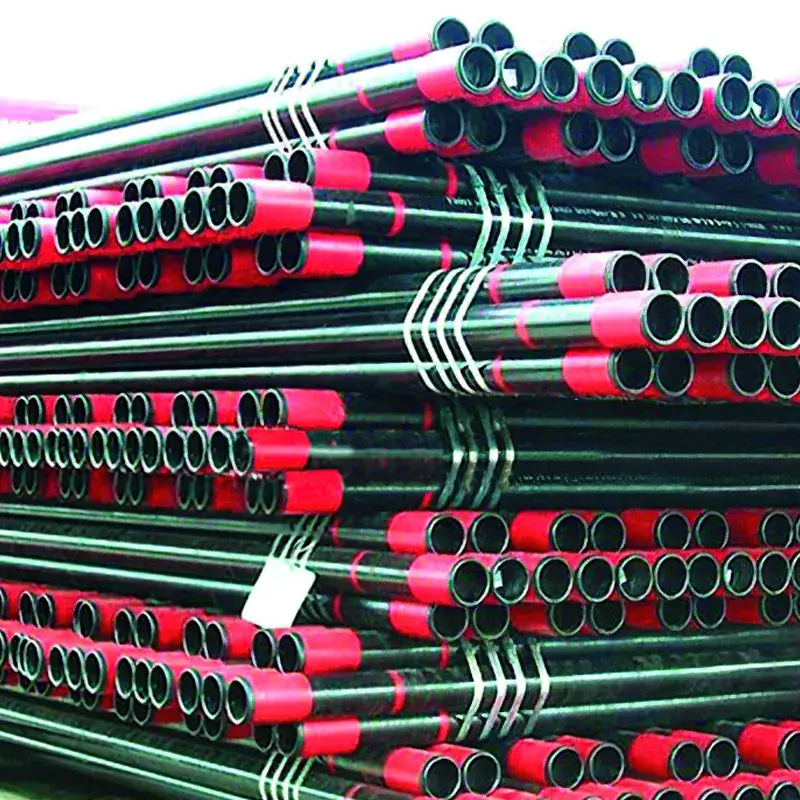
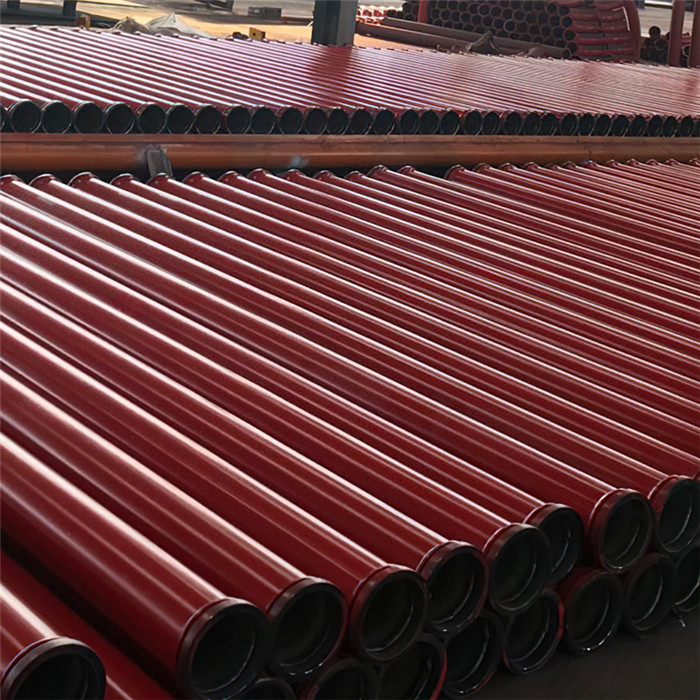
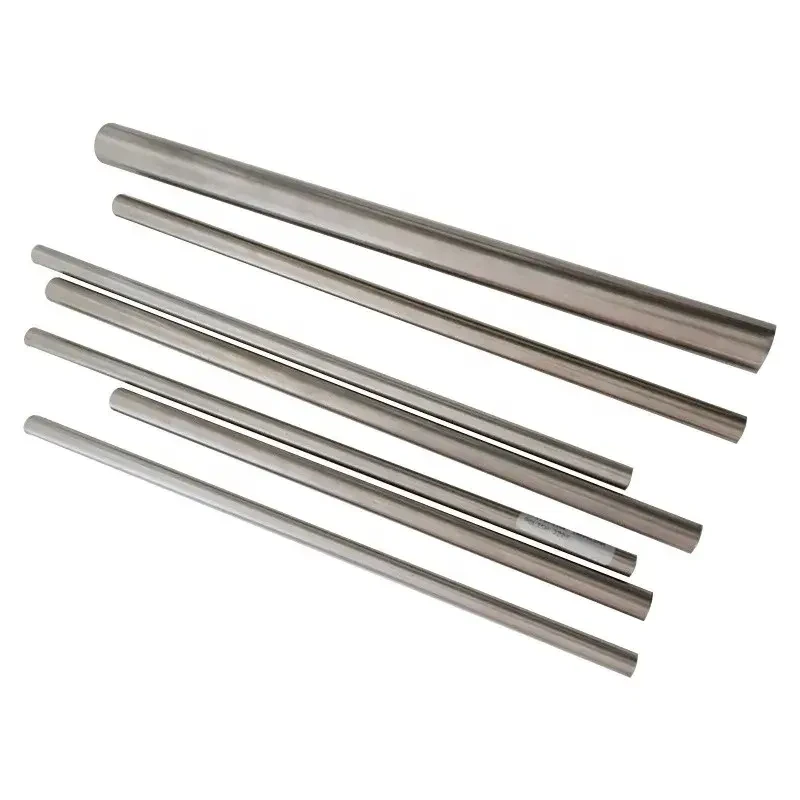
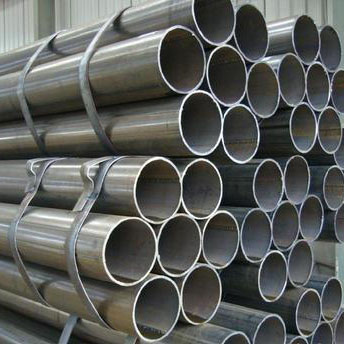
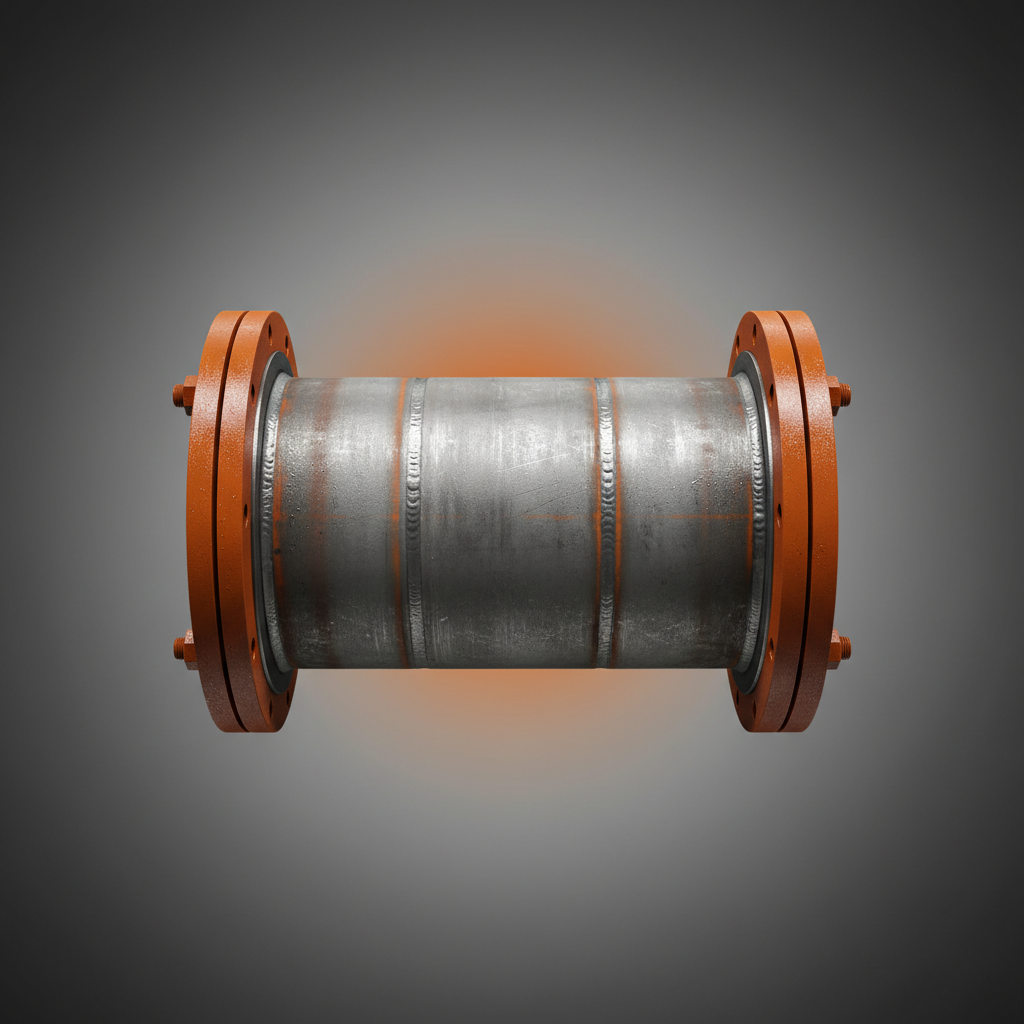
Simply put, a 50mm metal pipe is a cylindrical tube made primarily from steel or other metals, with an outer diameter roughly 50 millimeters or 2 inches. It plays a key role in transporting liquids, gases, or sometimes solids under pressure or vacuum. The “50mm” specification is widely used because it offers a balanced size — large enough to handle moderate flow rates, yet small and flexible enough for diverse applications.
In modern industrial and humanitarian projects, these pipes are crucial. Picture a disaster zone where clean water needs to reach refugees quickly: 50mm metal pipes often form part of modular, rapidly deployable plumbing systems. Or think of factories requiring durable conduit options that can withstand varying temperatures and pressures. Their standardization helps speed up procurement and installation, which matters when every hour counts.
Quick takeaway:
- A 50mm metal pipe is a standard, versatile industrial tube used globally for fluid transport.
- Its size balances usability and performance, making it popular in diverse sectors.
- Standardization drives efficiency and reduces downtime.
Core Attributes That Make 50mm Metal Pipes Worth Using
Durability and Strength
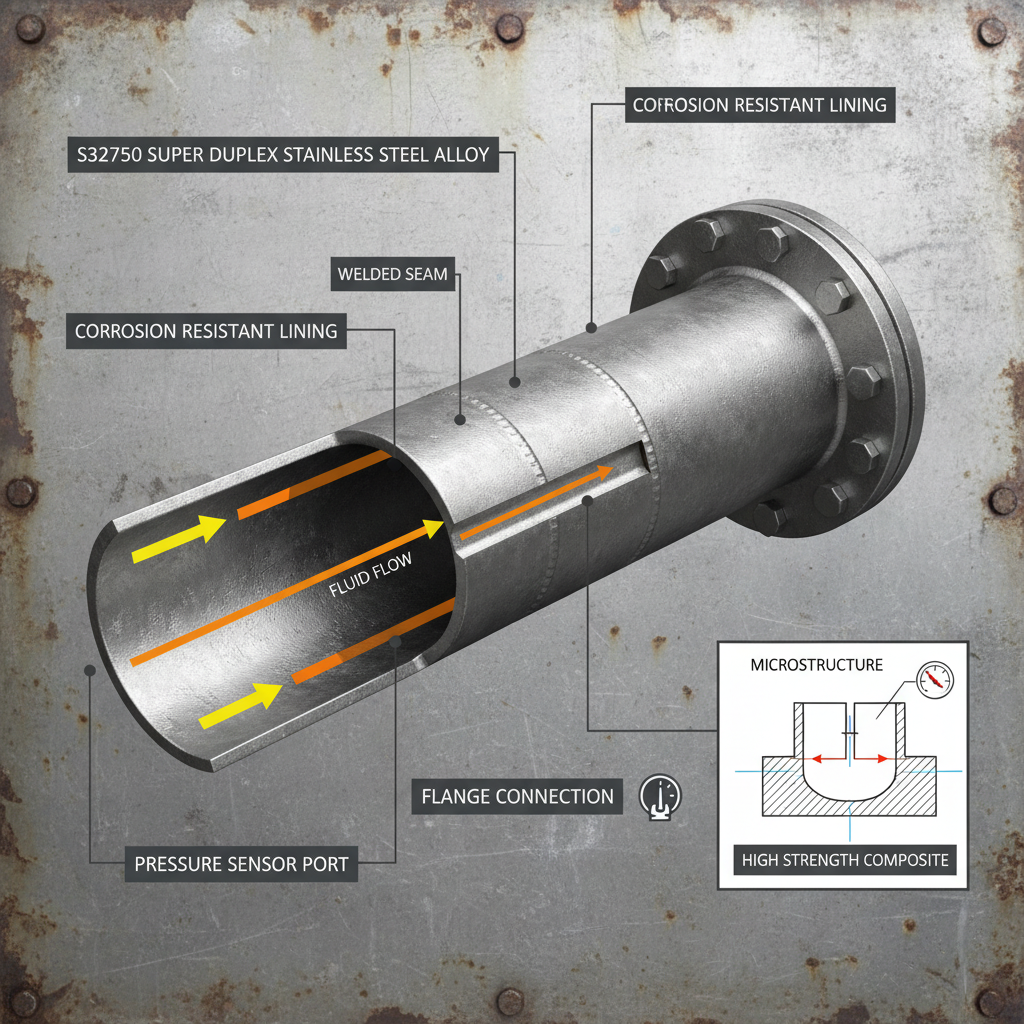
Steel pipes with a 50mm diameter are often manufactured from carbon steel, stainless steel, or galvanized steel, all known for excellent load-bearing capacity and resistance to corrosion. In harsh environments—say, coastal regions or industrial sites with chemical exposure—the durability factor reduces the need for frequent replacements, cutting costs and environmental impact.
Scalability and Modularity
Because of their standard size and wide availability, 50mm metal pipes are easy to integrate into scalable systems. Whether forming part of a small plumbing network or a complex industrial pipeline spanning kilometers, they slip in neatly alongside other standardized components, which simplifies maintenance and future upgrades.
Cost Efficiency
Using 50mm pipes often strikes a balance between material usage and functionality. While smaller diameters might risk insufficient flow, and larger diameters increase cost and installation effort, the 50mm pipe hits a sweet spot. Mass production and international standards keep prices competitive, making them a favorite among budget-conscious project managers.
Temperature and Pressure Tolerance
Many 50mm metal pipes are engineered to withstand both high pressure and wide temperature ranges—from subzero conditions in northern climates to the intense heat found in factories. This flexibility is key for industries like petrochemical, manufacturing, and agriculture, where operating environments vary drastically.
Ease of Installation
Compared to custom piping solutions, 50mm metal pipes are well-understood, allowing experienced technicians to install them rapidly. Connections, welds, and fittings have been standardized to minimize errors. This reduces labor costs, speeds up project timelines, and ultimately boosts reliability.
Mini summary:
- Key attributes include durability, scalability, cost-efficiency, and tolerance to environmental extremes.
- Ease of installation is also a major selling point, especially for fast-moving projects.
Global Applications: Where 50mm Metal Pipe Makes a Difference
You’ll find these pipes everywhere, but a few scenarios highlight their importance.
- Urban infrastructure: Water supply and sewage systems often rely on 50mm pipes for small- to medium-diameter sections.
- Industrial plants: Chemical processing facilities in Asia and Europe use them extensively to carry gases and fluids along different stages of production.
- Post-disaster relief: NGOs deploying emergency clean water systems in places like Southeast Asia and Africa trust 50mm pipe setups because they’re easy to ship and assemble.
- Remote mining operations: In Australia and Canada, they serve as vital conduits for compressed air, water, and hydraulic fluids in rugged terrains.
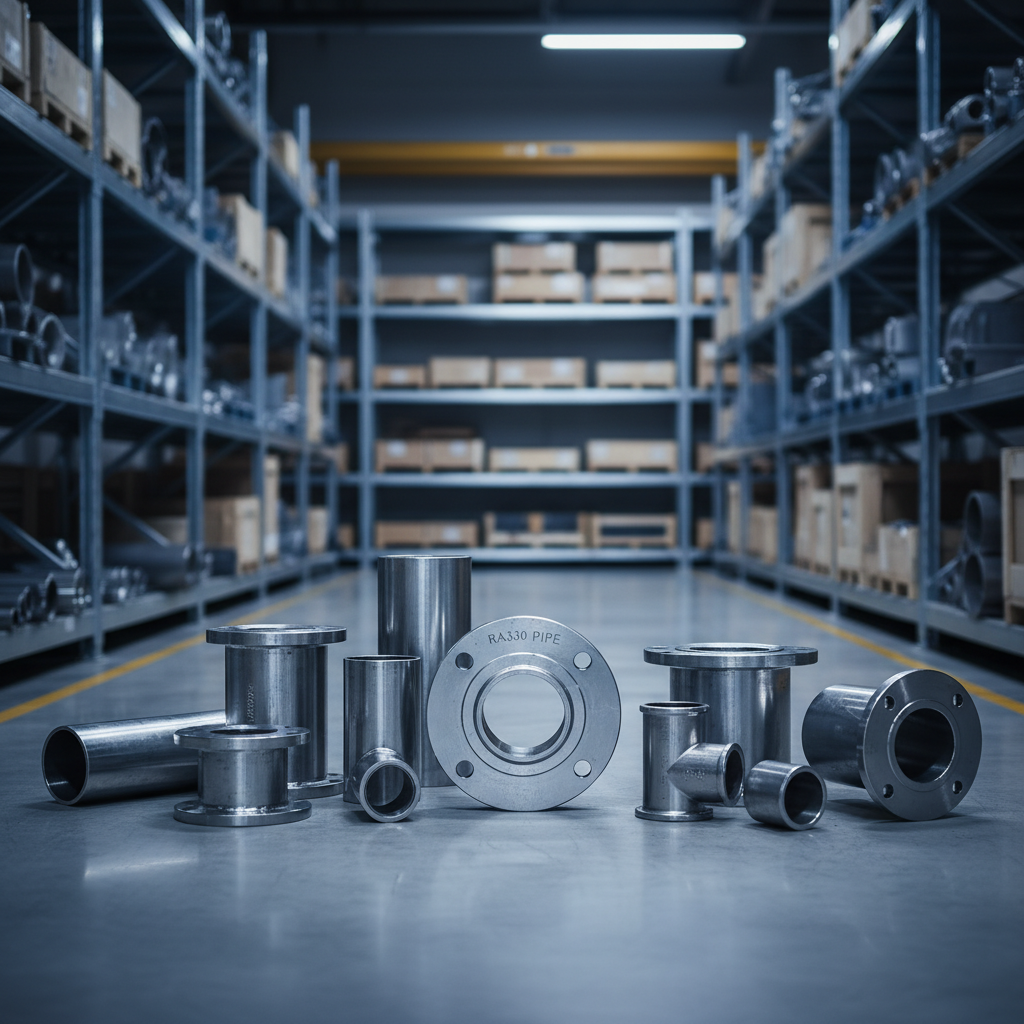
For readers looking for specific products, manufacturers offer easily sourced 50mm metal pipe, making local procurement possible in many parts of the world.
Product Specification Table
| Specification | Details |
|---|---|
| Material | Carbon Steel, Stainless Steel, Galvanized Steel |
| Outer Diameter | 50mm ±0.5mm |
| Wall Thickness | 2.5mm to 5mm (various grades) |
| Length | 6m standard, customizable |
| Max Operating Pressure | Up to 25 bar, depending on grade and thickness |
| Temperature Range | -40°C to +250°C |
Comparing Leading Vendors: A Snapshot
| Vendor | Material Options | Customization | Lead Time | Price Level |
|---|---|---|---|---|
| SteelCo Supplies | Carbon, Stainless | Yes, Wall Thickness & Length | 2-3 weeks | Mid |
| MetroPipes Intl | Galvanized Steel only | Limited | 1 week | High |
| GlobalPipe Corp | Carbon, Stainless, Galvanized | Full Customization | 3-4 weeks | Variable |
Advantages & Longevity: Why Choose 50mm Metal Pipes?
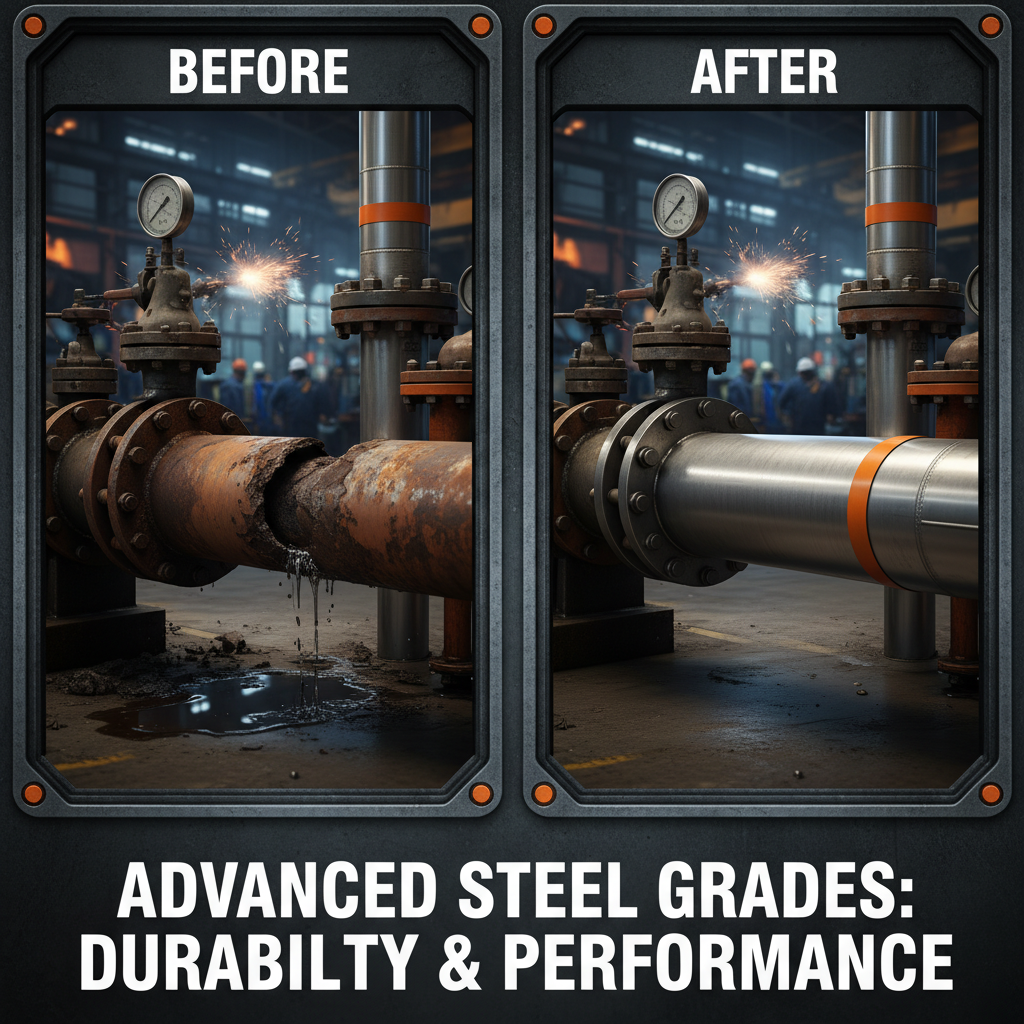
Many engineers swear by 50mm metal pipes because of their reliability and long lifespan. When well maintained, these pipes can last decades — sometimes over 50 years — saving money and minimizing production stoppages. But beyond the dollars and cents, there’s an emotional side too. Safe, durable infrastructure reduces worries about leaks, contamination, or failures. Communities trust these pipes to deliver clean water, factories bet on them for safety, and governments depend on them to uphold standards.
Moreso, because these pipes have become part of circular economy initiatives — steel is highly recyclable — they contribute to sustainability goals. When old pipes are replaced, the scrap steel rarely goes to waste, unlike many plastics or composites.
Looking Ahead: Future of 50mm Metal Pipe Technologies
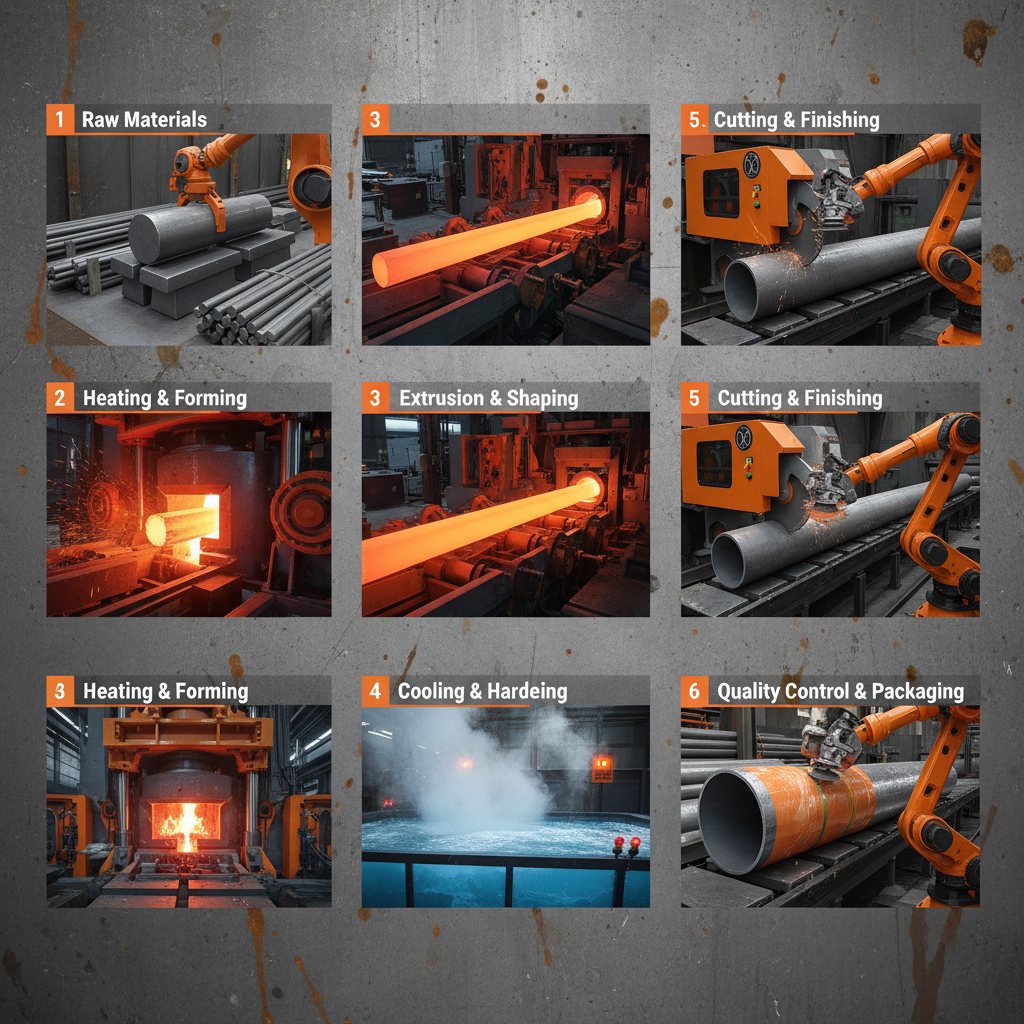
Innovation never slows down, and the 50mm metal pipe arena is no exception. We’re seeing new coatings and alloys improving corrosion resistance dramatically. Nanotechnology-based surface treatments promise to extend life spans further. Plus, manufacturers are adopting automated welding and inspection robots, reducing human error and speeding installations.
In terms of sustainability, there's a push toward lower carbon steel production methods and exploring hybrid designs combining metal with polymers to optimize weight and durability. Digitally linked “smart pipes” embedded with sensors are gradually emerging, enabling real-time monitoring of flow, pressure, and leak detection — a game changer for maintenance and emergency response.
Challenges in Application & Emerging Solutions
Despite all this, some challenges remain. For instance, transporting longer lengths in tough terrains can be tricky, and welding 50mm pipes in field conditions requires expertise. Corrosion in particularly aggressive environments can still shorten useful life if protective measures aren’t carefully applied.
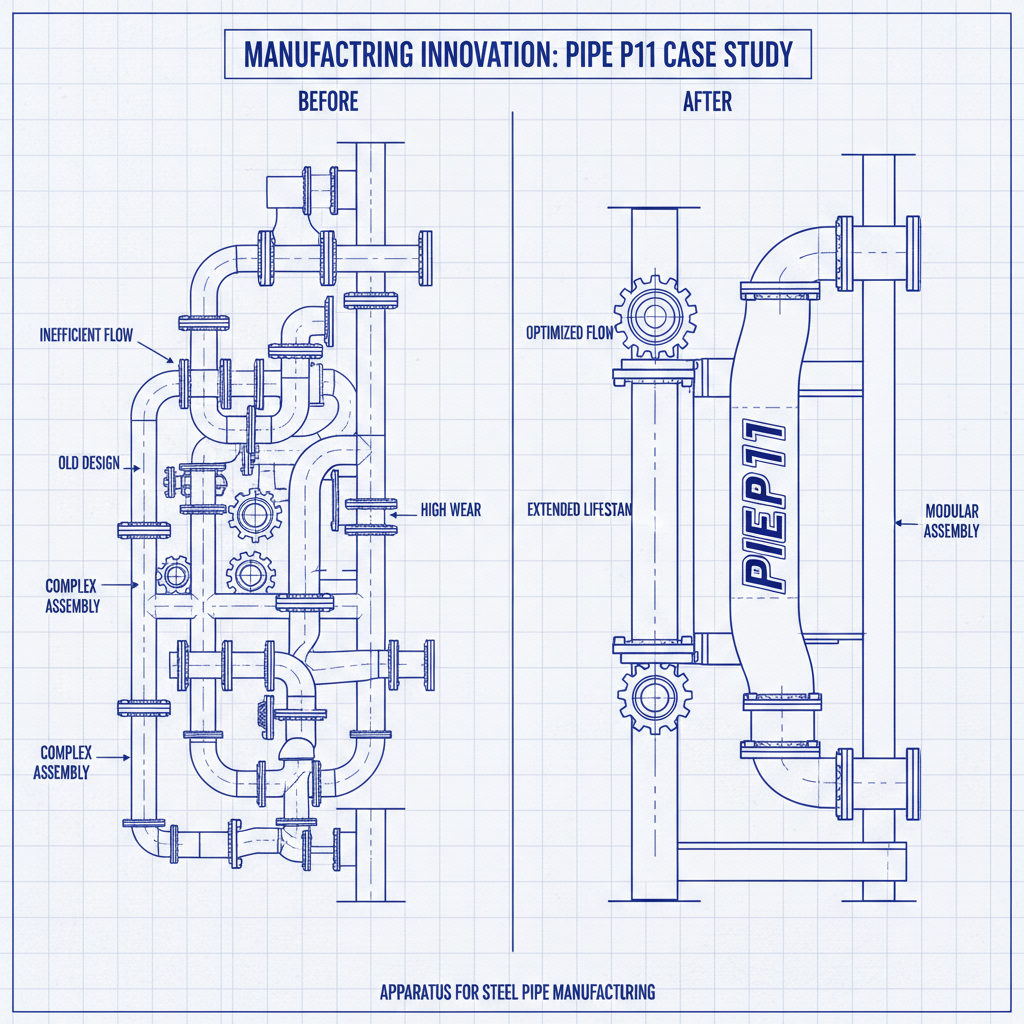
Experts recommend thorough training, better quality control during installation, and increased investment in protective coatings. There’s also a trend toward modular piping kits that simplify assembly and reduce welding needs on site — speeding deployment especially in emergency or remote locations.
FAQs About 50mm Metal Pipe
- Q1: What types of coatings are best for protecting 50mm metal pipes from corrosion?
- A1: Common options include galvanizing, epoxy coatings, and polyurethane layers. The choice depends on environment and budget. Galvanizing offers good protection in moist environments, while epoxy is preferred in more chemically aggressive conditions. Consistent maintenance ensures coating longevity.
- Q2: Can 50mm metal pipes be custom cut for specialized projects?
- A2: Absolutely. Most manufacturers offer customization in length, wall thickness, and sometimes alloy composition. Custom orders might require longer lead times but provide the exact specifications needed for specialized industrial or construction setups.
- Q3: How does the use of 50mm metal pipe contribute to sustainability efforts?
- A3: Steel pipes are highly recyclable. Using standardized 50mm pipes facilitates reuse and refurbishment. Additionally, replacing plastic piping with steel in some applications can reduce overall environmental impact due to steel’s durability and recyclability.
- Q4: Are 50mm metal pipes suitable for high-pressure industrial applications?
- A4: Yes, depending on the material grade and wall thickness, 50mm metal pipes can safely handle pressures up to approximately 25 bar or more. Always consult technical data sheets and comply with industry standards when selecting pipes for high-pressure use.
Final Thoughts
When you piece it all together, the 50mm metal pipe feels less like a mere component and more like a quiet workhorse of modern infrastructure. It balances robustness, adaptability, and cost-efficiency in a way few materials can. Whether for a sprawling city water grid, a humanitarian relief mission, or a precision manufacturing line, these pipes keep things moving smoothly and safely. If you’re looking to source quality, standardized 50mm metal pipes, I highly recommend checking out suppliers at World Steel Material — they blend reliability with customization that fits most project needs.
So, next time you walk past an industrial site or read about a development project, remember — that modest 50mm pipe is quietly playing a huge role.
References
Post time: Nov . 26, 2025 11:30
 English
  Arabic
  Bengali
  China
China  French
  German
  Hausa
Hausa  Indonesian
  Italian
  Japanese
  Javanese
  Malay
Malay  Persian
  Portuguese
  Punjabi
  Russian
  Spanish
  Swahili
  Telugu
  Vietnamese