

Understanding the Global Significance of 5 Metal Pipe
Throughout infrastructure development and manufacturing worldwide, the term 5 metal pipe pops up more often than you might think. But why exactly does this collection of five metals used in pipe construction matter on a global scale? Simply put, these pipes are the backbone of countless industries — from oil and gas to water management — and understanding their nuances helps engineers, designers, and decision-makers specify the right materials for safe, cost-efficient, and sustainable projects.
As population growth and urbanization escalate, so does the demand for resilient and adaptable piping systems. These metal pipes provide durability, resistance to corrosion, and versatility needed in harsh environments, ensuring our cities, energy systems, and industries keep humming. Learning about them is a bit like discovering the unsung hero of modern infrastructure.
Mini takeaway: 5 metal pipe isn't just jargon; it’s the quiet workhorse behind global progress.
Global Context: Why 5 Metal Pipe Matters Worldwide
The global metal pipe market is projected to reach an impressive valuation — recent data from the World Steel Association highlights steel pipe production topping 100 million tons annually, while organizations like ISO set international standards ensuring safety across borders. However, challenges such as resource scarcity, climate change, and demand for eco-friendly materials mean the industry needs to evolve constantly.
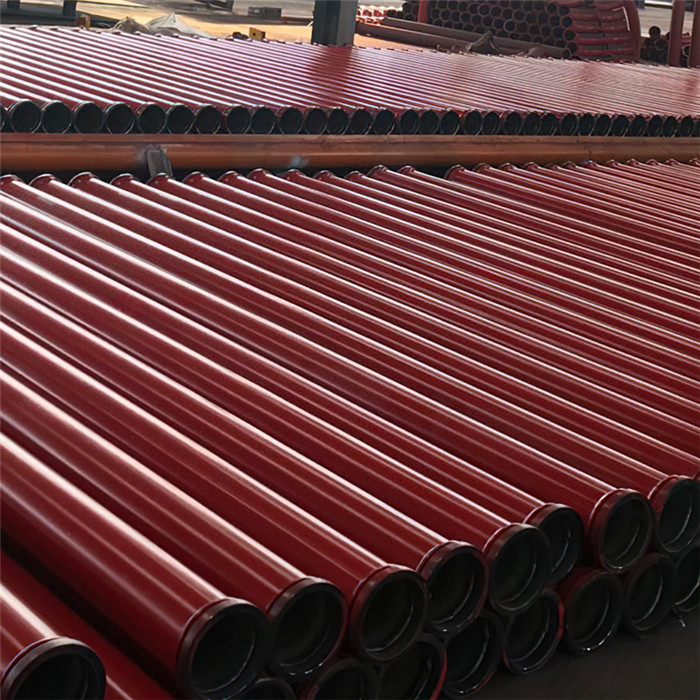
Enter the concept of the 5 metal pipe — commonly a reference to pipes made from five predominant metals or alloys within the sector: steel, stainless steel, aluminum, copper, and cast iron. Each serves unique purposes and addresses different technical challenges.
For example, pipelines transporting natural gas in harsh climates must guard against corrosion and pressure variations, a problem the right selection of metal pipes can solve effectively. The demand for flexibility and durability especially rises in developing economies, where infrastructure builds must balance cost and lifespan.
Mini takeaway: The 5 metal pipe category reflects global priorities in sustainability, versatility, and industry standards.
Defining the 5 Metal Pipe
Simply put, a 5 metal pipe refers to piping solutions composed primarily of five different metals or alloy types — steel, stainless steel, aluminum, copper, and cast iron. This group isn't rigidly defined but rather a collective of the most common and industrially significant metal pipes used worldwide.
Why is this grouping practical? Because each metal brings key benefits tailored to needs across various sectors:
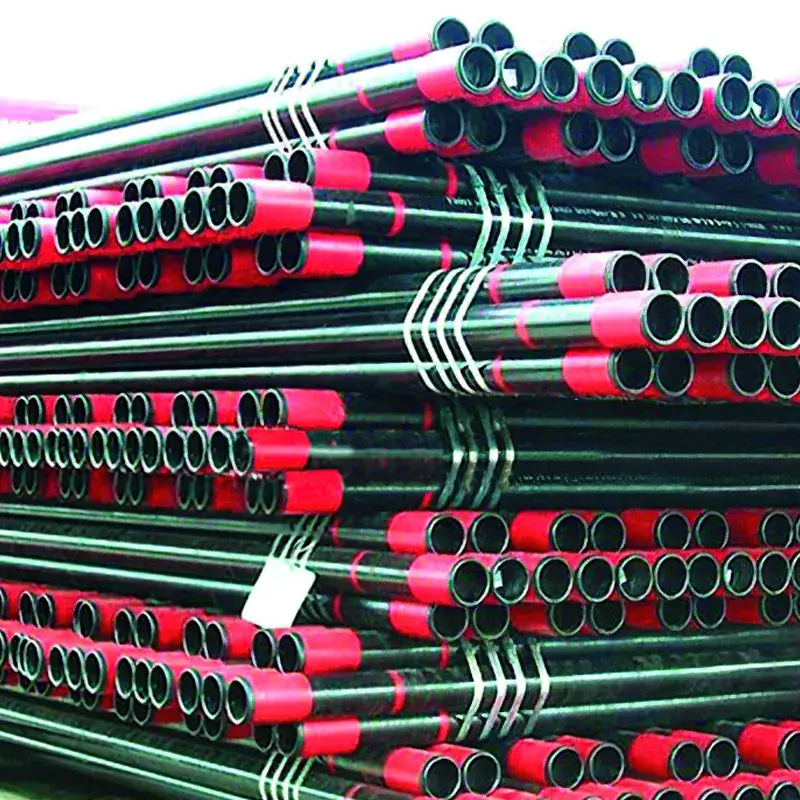
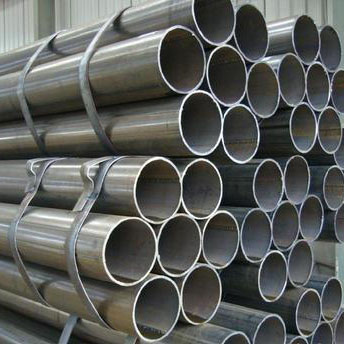
- Steel: Strong and cost-effective; widely used in oil and gas.
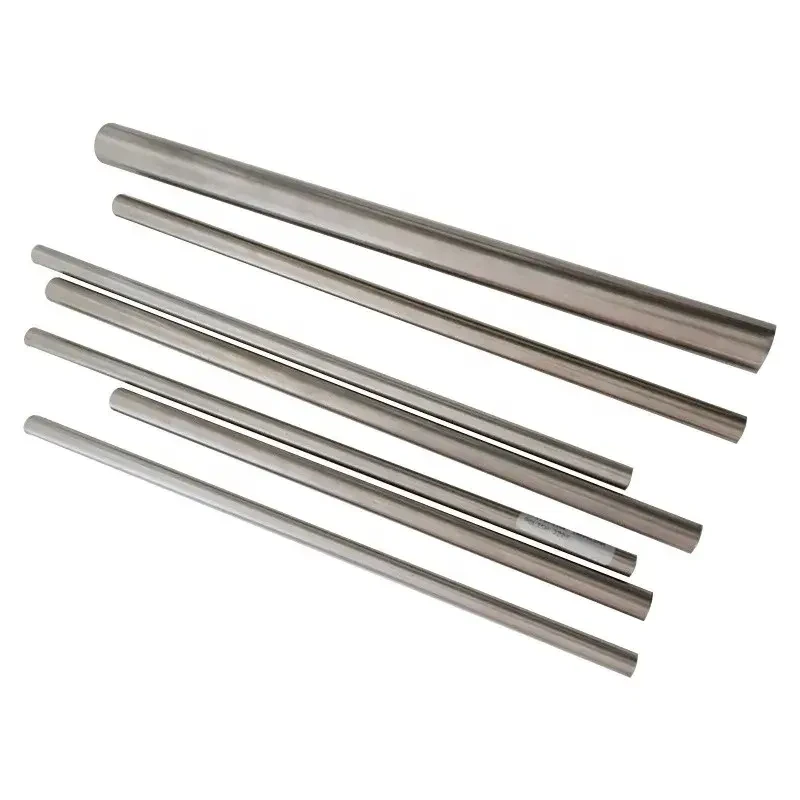
- Stainless steel: Corrosion-resistant, perfect for food and pharmaceutical industries.
- Aluminum: Lightweight, ideal for aerospace and lightweight structures.
- Copper: Excellent thermal and electrical conductivity, vital in plumbing and HVAC.
- Cast iron: Traditional yet enduring, often used in water infrastructure.
Together, they cover a spectrum of properties critical for modern infrastructure lifecycles and humanitarian aid projects alike. Imagine disaster zones needing rapid deployment of water pipes made from corrosion-resistant stainless steel or lightweight aluminum to ease transport — that’s the cross-sector relevance.
Mini takeaway: The 5 metal pipe category is a shorthand for material options balancing strength, durability, and application-specific needs.
Key Factors Influencing the Performance of 5 Metal Pipes
Durability & Corrosion Resistance
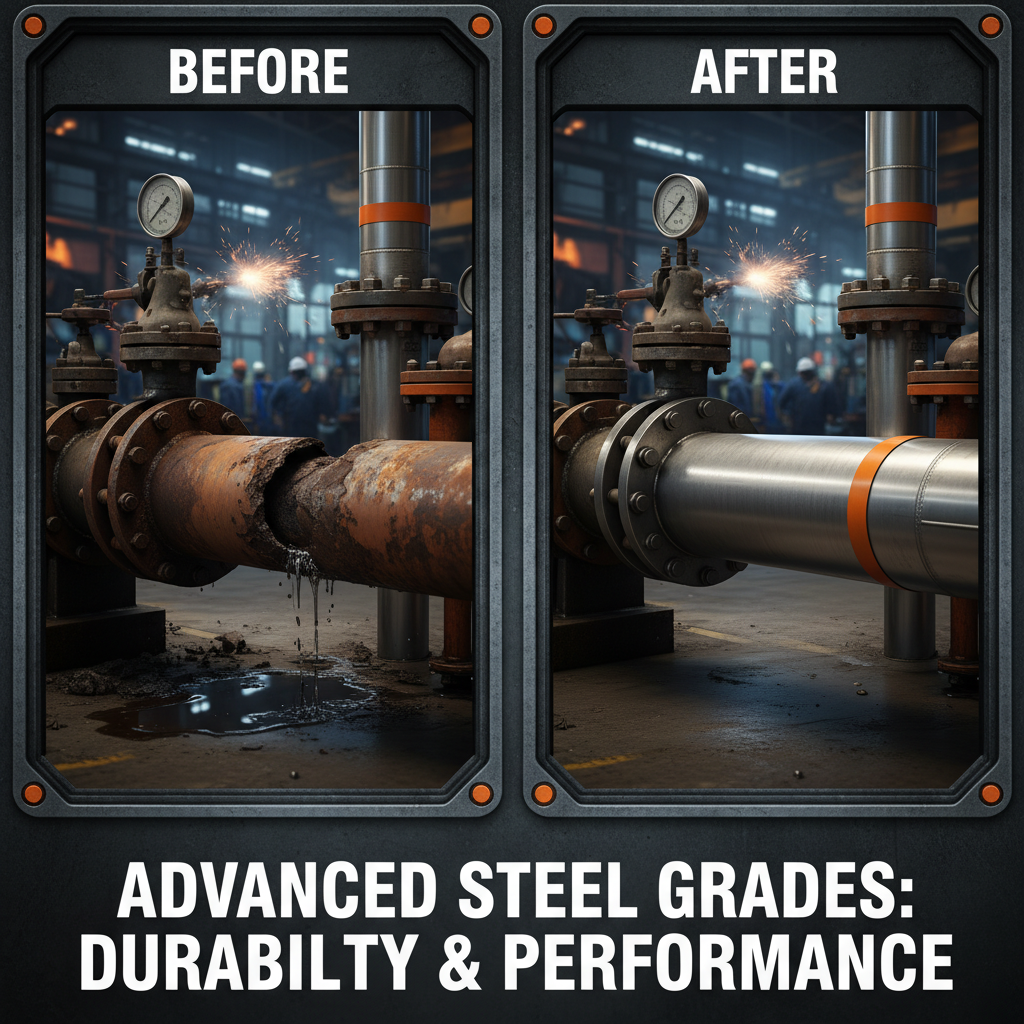
Durability tops the list — especially in aggressive environments. Stainless steel outscores others for corrosion resistance, while galvanized steel and cast iron are often coated to extend service life. Copper naturally resists biofouling, a plus for potable water.
Weight & Handling
Weight matters in logistics and installation. Aluminum pipes, thanks to their low density, simplify transport especially in remote or disaster-prone areas. Conversely, cast iron’s heaviness offers robustness but needs more manpower or machinery.
Cost Efficiency
Steel pipes generally strike a cost-performance sweet spot. Copper and stainless steel, while pricier, deliver longevity and hygiene benefits that justify upfront investment in certain industries.
Temperature & Pressure Tolerance
Depending on whether pipes are used in cryogenic settings, steam transport, or high-pressure zones, certain metals outperform others. Stainless steel, for example, handles extreme temperatures better than aluminum.
Environmental Impact & Sustainability
With sustainability front and center, recyclable metals like aluminum and steel get preference. Innovations in coatings reduce harmful chemical leaching, making pipes safe for sensitive ecosystems.
Customization & Coating Technologies
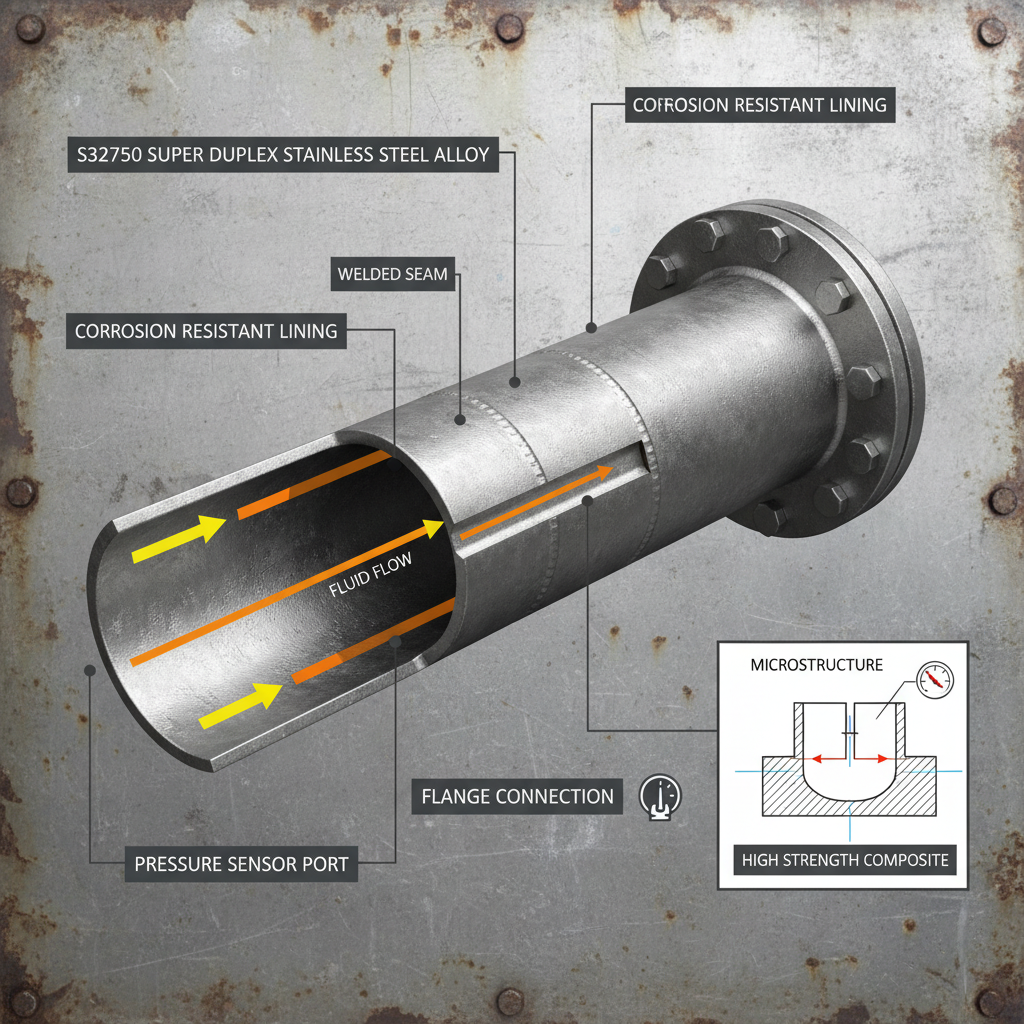
Many manufacturers now offer tailored alloys and protective coatings to extend pipe life, prevent corrosion, and improve mechanical performance, making the 5 metal pipe category evolve with technological advances.
Mini takeaway: Choosing the right metal pipe boils down to balancing physical demands, cost, and environmental factors.
Where Are 5 Metal Pipes Used? A Global Tour
By now, you’re probably wondering just how widespread and diverse the applications are. Actually, very much so.
- Energy Sector: Steel and stainless steel pipes form the veins in oil and gas transport infrastructures, particularly in the Middle East and North America.
- Water Distribution: Cast iron and copper pipes are extensively used in city water systems across Europe and Asia for their longevity.
- Construction: Aluminum pipes are gaining traction in lightweight framework in areas dealing with seismic activity, such as Japan and California.
- Disaster Relief: NGOs often use combinations of lightweight aluminum and stainless steel pipes for emergency water and sanitation facilities in disaster zones.
- Industrial Manufacturing: Stainless steel pipes are common in food, pharma, and chemical plants worldwide.
Practical example: In Nepal’s 2015 earthquake relief, lightweight metal pipes were crucial to quickly re-establish water delivery under challenging logistics — proving that “one size fits all” definitely does not apply in metal pipe selection.
Mini takeaway: The 5 metal pipe category is a chameleon, adapting to regional needs and industry-specific demands.
Product Specification Table: Typical Properties of 5 Metal Pipes
| Metal Type | Density (g/cm³) | Corrosion Resistance | Typical Use-Case | Price Range |
|---|---|---|---|---|
| Steel | 7.85 | Moderate (coating needed) | Oil & Gas, Construction | $ |
| Stainless Steel | 8.0 | High | Food, Pharma, Water | $$$ |
| Aluminum | 2.7 | High (natural oxide layer) | Aerospace, Lightweight Structures | $$ |
| Copper | 8.96 | High | Plumbing, HVAC | $$$ |
| Cast Iron | 6.9-7.3 | Moderate (coating advised) | Water, Sewage Pipes | $ |
Price Range: $ = Low, $$ = Moderate, $$$ = High (relative to steel)
Comparing Leading 5 Metal Pipe Suppliers
| Vendor | Main Metals Offered | Global Reach | Customization & R&D | Eco Initiatives |
|---|---|---|---|---|
| AquaMetal Pipes Ltd. | Steel, Cast Iron, Copper | Asia, Europe | High – Tailored alloys | Water recycling and waste reduction |
| Global Pipe Solutions | Stainless Steel, Aluminum | North America, Middle East | Innovative coatings & automation | Carbon-neutral facility goals |
| EcoMetal Works | Copper, Aluminum | Europe, Africa, South America | Focus on recycled materials | LEED-certified manufacturing plants |
Why Investing in 5 Metal Pipe Offers Long-Term Value
Choosing the right metal pipes is more than a technical decision — it’s a long-term investment in infrastructure resilience and social welfare. Engineers I’ve chatted with frequently stress how upfront cost savings can lead to expensive repairs down the road if inferior materials are used.
Moreover, metal pipes contribute to safety (resisting leaks and contamination), dignity (ensuring reliable water delivery to communities), and innovation (encouraging improved alloys designed for sustainability). This is especially critical where pipes support vulnerable populations or critical industries.
I felt that every metal pipe is a small but vital thread weaving together economic efficiency, environmental stewardship, and human wellbeing. Quite remarkable for something so “everyday”.
Looking Ahead: Future Trends in 5 Metal Pipe Technologies
As the energy transition and digital transformation sweep industrial landscapes, new trends are shaping the future of metal pipes:
- Smart Pipes: Embedded sensors monitoring flow, corrosion, and pressure in real-time.
- Green Coatings: Eco-friendly, self-healing coatings reducing maintenance and environmental impact.
- Lightweight High-Strength Alloys: Combining aluminum and steel attributes for enhanced transportability without sacrificing durability.
- Recycling & Circular Economy: Greater emphasis on recycled metals in pipe manufacturing.
For example, a pilot project in Norway has recently tested steel pipes integrated with sensor arrays to predict failure before it happens — potentially saving millions in outages and repairs.
Challenges & Practical Solutions When Working with 5 Metal Pipes
Despite their strengths, metal pipes face common hurdles:
- Corrosion and Wear: Solutions include improved coatings and cathodic protection systems.
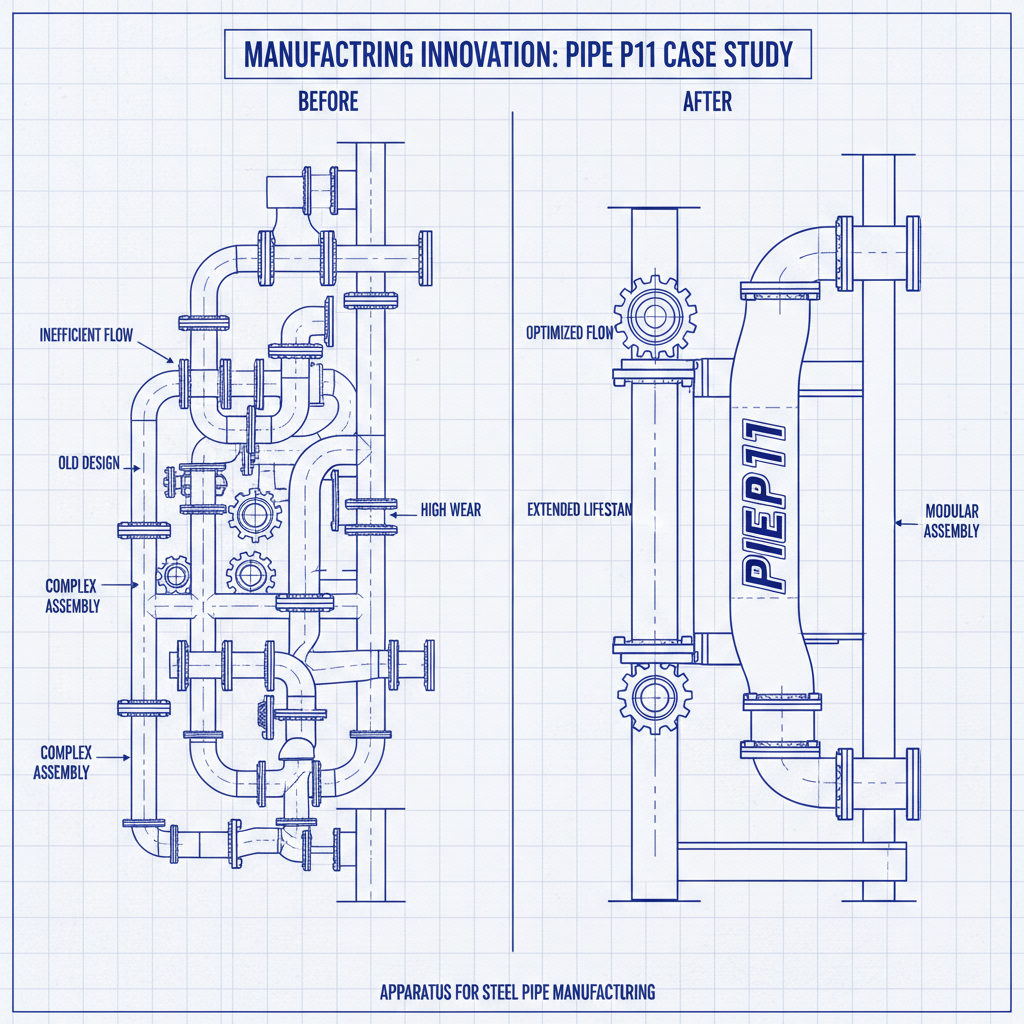
- Weight and Transport Constraints: Use of modular, lightweight alloys or hybrid piping systems.
- Cost Pressures: Balancing quality and price by adopting lifecycle cost analysis rather than initial price alone.
- Standardization: Harmonizing international standards to ease cross-border projects.
Innovations such as digital twins and predictive maintenance models are also helping industries stay one step ahead.
FAQs About 5 Metal Pipe
- What makes stainless steel pipes better for food industry applications?
- Stainless steel is highly corrosion-resistant and doesn’t leach chemicals, making it hygienic and easy to clean — critical for food safety and compliance with health standards.
- How long can aluminum pipes last in industrial zones?
- With proper coatings and maintenance, aluminum pipes can last 20–30 years in industrial settings, especially where their lightweight properties reduce stress on structures and facilitate repairs.
- Are copper pipes cost-effective for residential plumbing?
- Copper is pricier upfront but offers longevity, antimicrobial benefits, and high thermal conductivity, which translate to energy savings and fewer repairs over decades.
- Can NGOs import specialized metal pipes for disaster relief easily?
- Yes, but they often need to navigate customs regulations and ensure product certifications align with local requirements to expedite procurement and deployment.
- How do corrosion-resistant coatings improve pipe lifespan?
- Coatings act as barriers against water and chemicals that cause rust, significantly reducing maintenance and extending the effective service life of metal pipes.
Wrapping Up: Why 5 Metal Pipe Deserves Your Attention
To sum it all up, 5 metal pipe represents a vital group of materials supporting global infrastructure, environmental goals, and humanitarian efforts. Their varied properties offer engineers choices to suit diverse needs — whether it's a skyscraper in Dubai, a water system in rural Africa, or emergency shelters after a disaster.
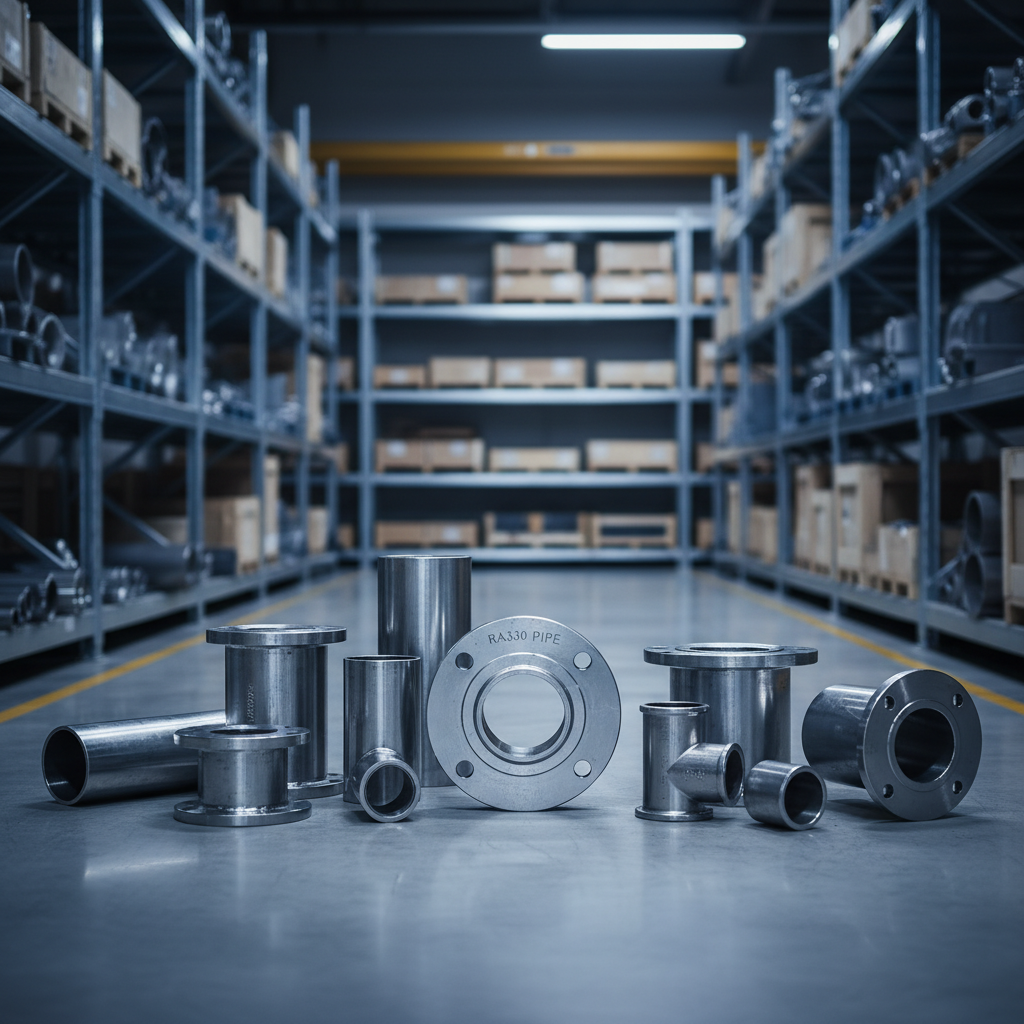
If you want to explore a wide selection of these pipes or understand the latest industry innovations, be sure to visit our partner site 5 metal pipe, where detailed catalogs and expert insights await you.
Intrigued? I know I am — the humble metal pipe is more fascinating than it ever seemed.
References
Post time: Nov . 26, 2025 03:30
 English
  Arabic
  Bengali
  China
China  French
  German
  Hausa
Hausa  Indonesian
  Italian
  Japanese
  Javanese
  Malay
Malay  Persian
  Portuguese
  Punjabi
  Russian
  Spanish
  Swahili
  Telugu
  Vietnamese