

Understanding the 5 Inch Metal Pipe: Why It’s Still Essential in a Changing World
Metal pipes have quietly shaped modern civilization—from the water running through our taps, to the infrastructure holding up cities and industries worldwide. Among the variety of sizes and diameters, the 5 inch metal pipe holds a particularly versatile role, bridging small-scale applications with heavier industrial use. Why does this specific size still matter in 2024 and beyond? Because its balance of durability, flow capacity, and adaptability means it solves real problems around the globe—be it in harsh industrial zones, urban developments, or urgent humanitarian projects.
In a nutshell: understanding the nuances of the 5 inch metal pipe opens the door to smarter infrastructure decisions, more sustainable manufacturing, and a quieter confidence in systems we so often take for granted.
Global Context: The 5 Inch Metal Pipe and Its Worldwide Impact
The global steel pipe market is projected to exceed 200 million metric tons annually, with a steady CAGR of about 3.5% through 2030 (source: ISO and World Steel Association). Within this, the 5 inch metal pipe—equivalent roughly to a nominal diameter of 125mm—serves as a versatile staple for pipelines, structural supports, and more.
Think of the last decade's rapid urbanization: over 55% of humanity now lives in cities (UN, 2023). That’s a lot of pipes carrying water, gas, and wastewater over growing distances. The challenge is always to balance cost, durability and ease of installation. The 5 inch metal pipe answers this with its optimal thickness and flow capabilities, making it a preferred choice for mid-sized infrastructure.
But there’s another problem it tackles—speed and reliability in disaster relief. After floods or earthquakes, setting up temporary but robust piping is critical, and this is where the 5 inch pipe’s modular strength comes into play. So, it’s not just industry, but also humanitarian aid reaping its benefits.
Mini takeaway: The 5 inch metal pipe holds a sweet spot globally, powering urban growth and critical infrastructure resilient enough for emergencies.
What Is a 5 Inch Metal Pipe? Breaking It Down
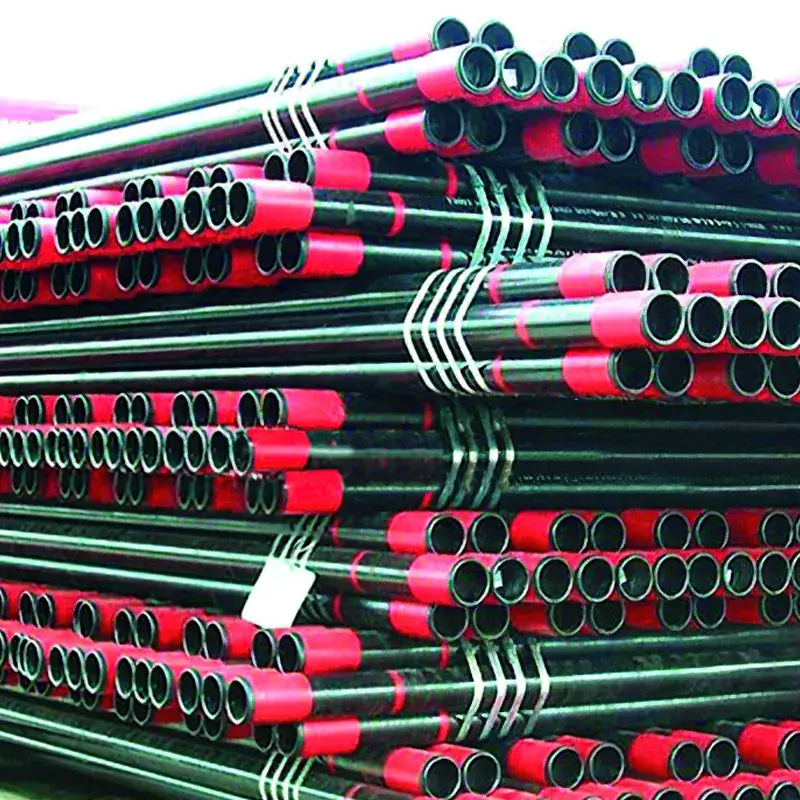
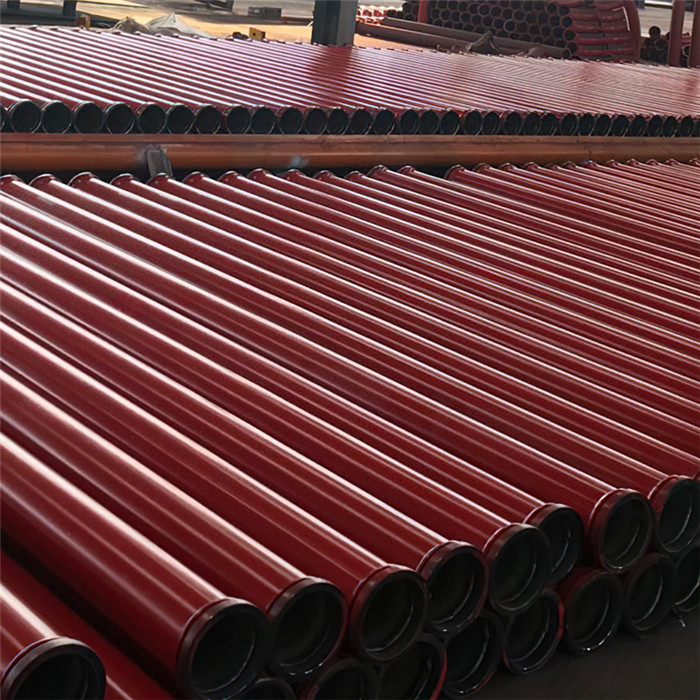
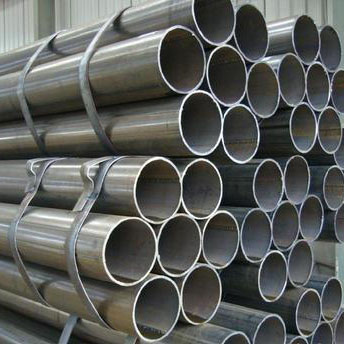
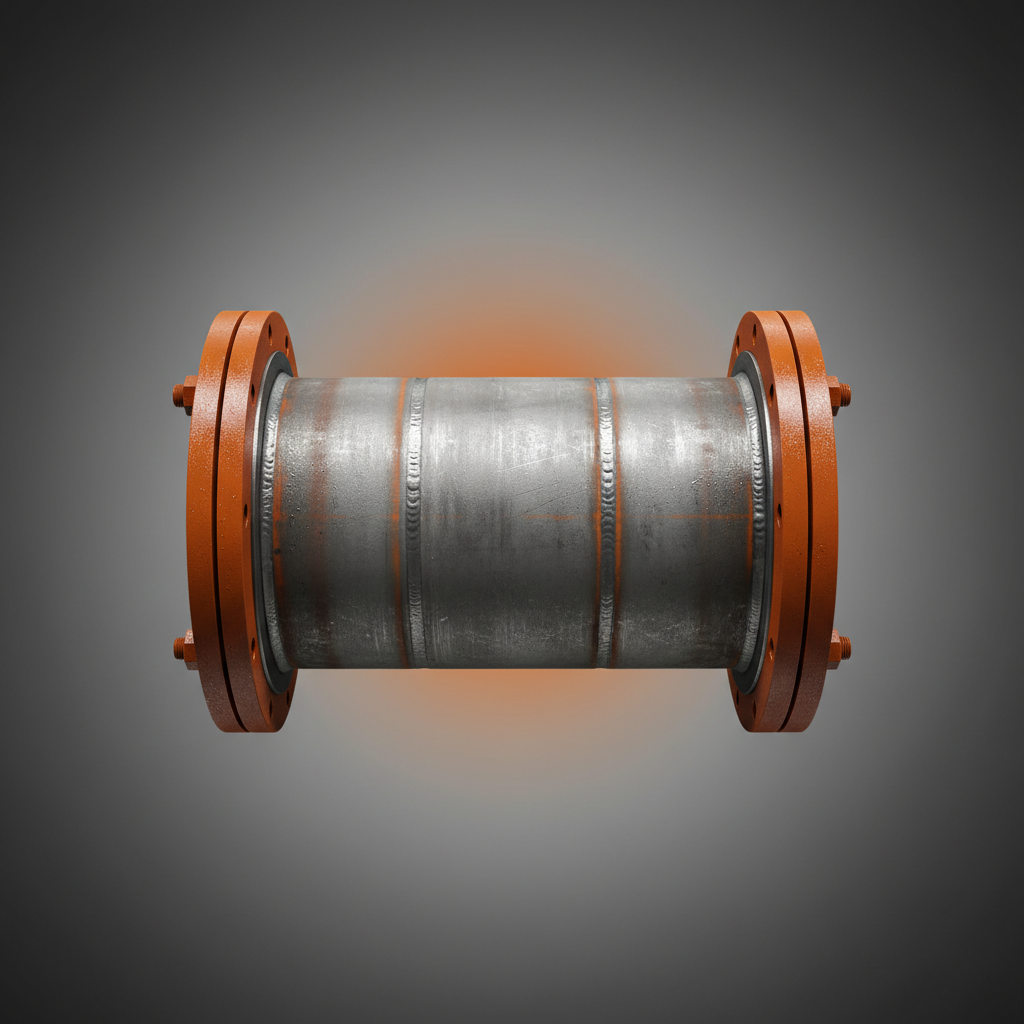
At its core, a 5 inch metal pipe is simply a hollow cylinder made typically of steel or other metal alloys, with an outer diameter designed to fit nominally within a 5 inch dimension. In pipe lingo, that “5 inch” nominal size actually corresponds to an outer diameter around 5.56 inches (141.3 mm), but the key takeaway is it’s built to handle moderate pressures and flow rates.
Why metals, you might wonder? Metals like carbon steel offer strength and longevity beyond plastic or composite pipes, especially under extreme temperatures or mechanical stress. In contemporary industry and humanitarian projects alike, these pipes create reliable conduits for water, oil, gas, and even structural loads.
Key Characteristics of the 5 Inch Metal Pipe
Durability & Strength
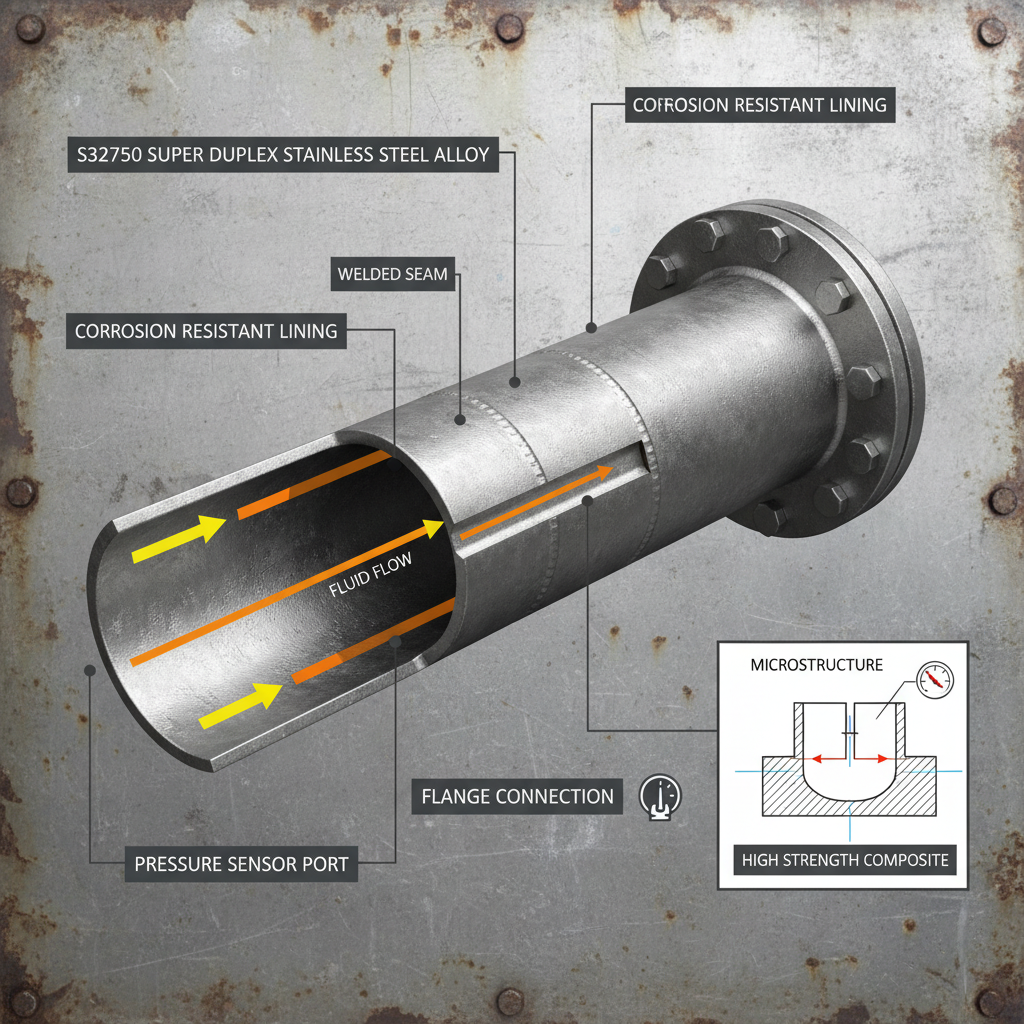
Proven time and again, the 5 inch metal pipe can endure high internal pressures and harsh external conditions—corrosion resistance depends largely on coatings or alloy choice, but in general, steel versions handle physical abuse well. Think mining operations or elevated oil rigs.
Cost Efficiency
Compared to larger diameter pipes, the 5 inch pipe offers a solid price-to-performance ratio. It’s easier to transport, cut, and install, which reduces labor and logistical costs—yet large enough to provide meaningful throughput.
Scalability & Modularity
This size is often favored for modular pipeline systems, where sections can be quickly connected or repaired without heavy machinery. Many engineers report it as a “sweet spot” for temporary setups or phased industrial rollouts.
Compatibility with Industry Standards
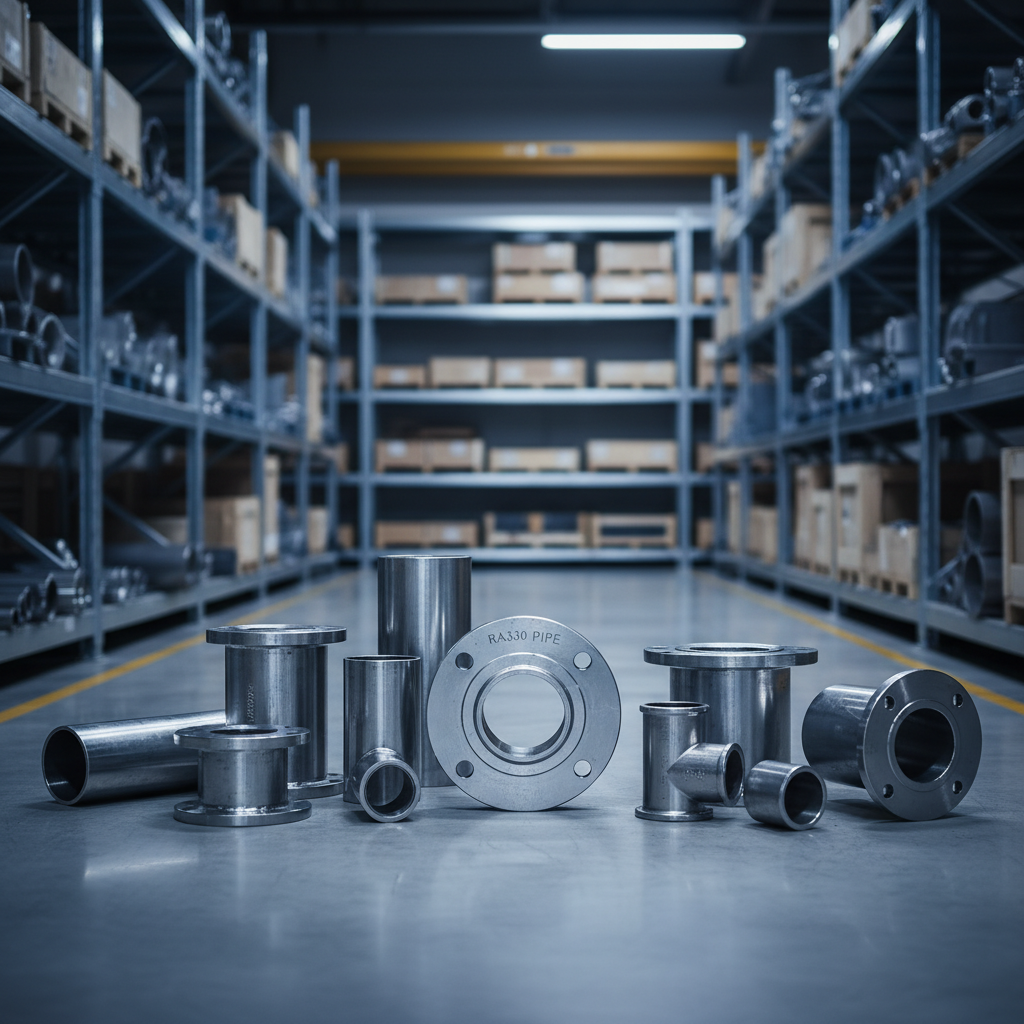
Standardization (such as ASTM A53, DIN, or ISO 3183 guidelines) ensures 5 inch metal pipes from various vendors are interchangeable globally, simplifying cross-border projects and maintenance.
| Specification | Value |
|---|---|
| Outer Diameter (OD) | 5.56 inches (141.3 mm) |
| Wall Thickness (Schedule 40) | 0.237 inches (6.02 mm) |
| Material | Carbon Steel / Stainless Steel |
| Standard Lengths | 20 ft / 6 m (custom lengths available) |
| Operating Pressure | Up to 2850 psi (dependant on schedule) |
Mini takeaway: The 5 inch metal pipe stands out as a durable, cost-effective, and modular option that meets global standards, making it a go-to for many engineers.
Real-World Uses: Where Does the 5 Inch Metal Pipe Shine?
Regions with rapid industrialization like Southeast Asia and the Middle East rely heavily on robust pipeline networks; the 5 inch pipe is often the unseen backbone. Shipping ports, oil refineries, and water treatment plants find this size indispensable. Oddly enough, humanitarian groups also use these pipes to swiftly create temporary water systems after natural disasters in Africa or South America.
In mining, especially remote operations in Canada and Australia, 5 inch metal pipes move slurry and water efficiently without succumbing to wear. Meanwhile, urban fire safety systems in Europe often use this diameter for sprinkler piping. I once chatted with a maintenance engineer who called it the “Goldilocks pipe”—not too big for the job, not too small to limit flow.
Long-Term Benefits and Why You Should Care
Beyond the technical specs, the 5 inch metal pipe offers long-term value through:
- Reliability: a trusted workhorse that requires less frequent replacements.
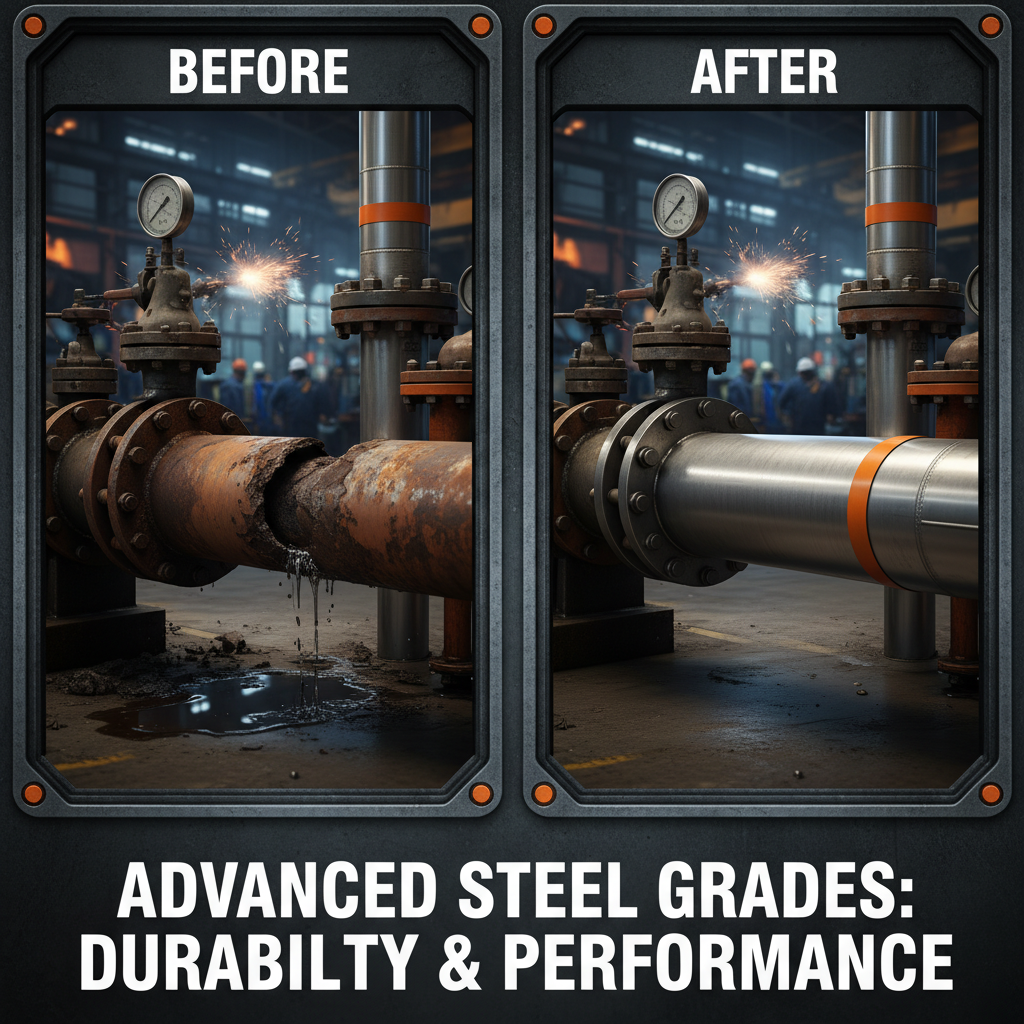
- Sustainability: Steel is highly recyclable; new eco-friendly coatings cut corrosion, extending lifecycle.
- Safety and dignity: In disaster relief, ensuring clean water via reliable pipes means lives saved and communities restored.
- Innovation: New smart coatings and IoT sensors are being integrated to monitor pipe health remotely.
Looking Ahead: Trends Transforming 5 Inch Metal Pipe Technology
The rise of Industry 4.0 means sensors embedded in pipes can now detect pressure drops or corrosion before failure, helping prevent costly shutdowns. Meanwhile, the green energy revolution pushes for pipes compatible with hydrogen gas, demanding new alloys and welding techniques (see 5 inch metal pipe in hydrogen transport).
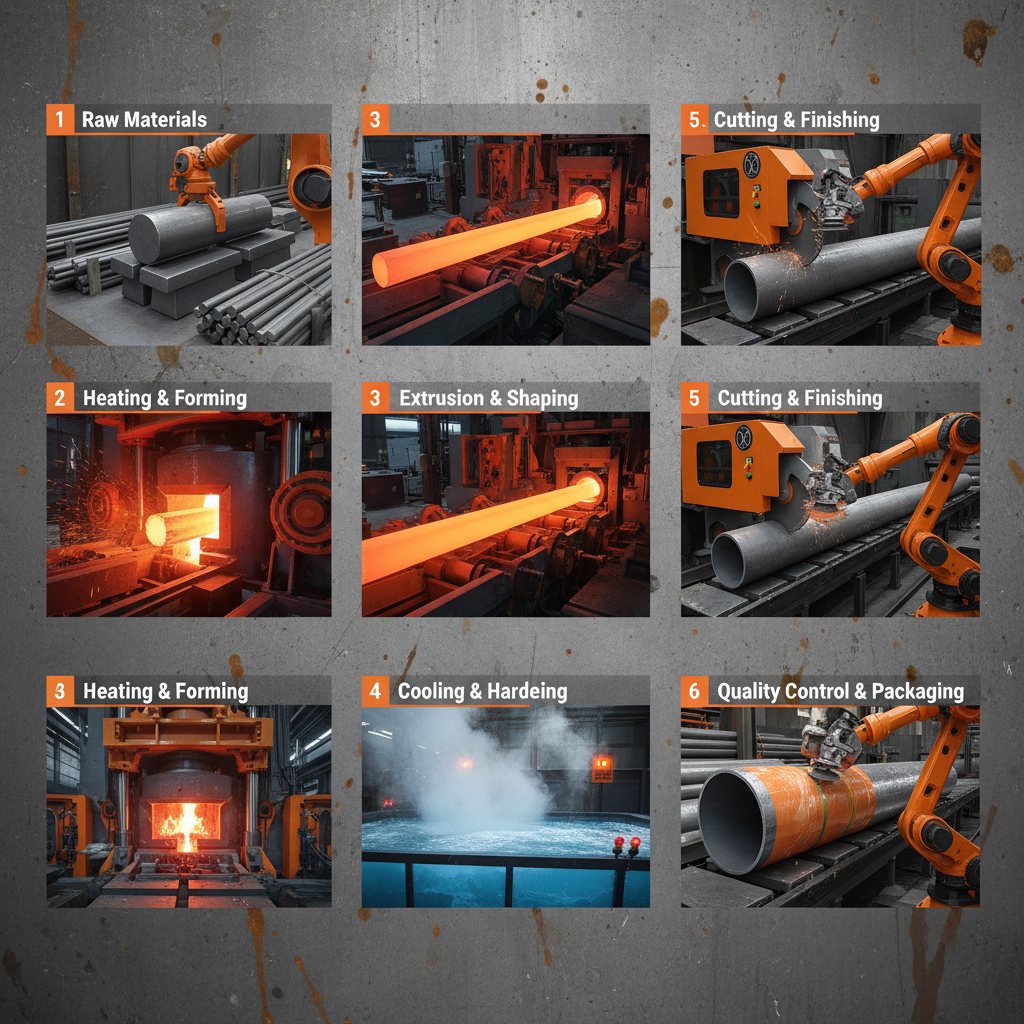
Automated robotic welding and inspection further speed up production and improve quality in pipe mills globally. We’re also seeing policy shifts encouraging domestic production for critical infrastructure, which impacts availability and specs for pipes, including that trusty 5 inch size.
Challenges and How Industry Experts Are Overcoming Them
Despite the perks, 5 inch metal pipes face challenges: corrosion in harsh environments, heavy weight complicating transport, and rising steel costs. Industry leaders tackle these by:
- Developing advanced corrosion resistant coatings based on nanomaterials.
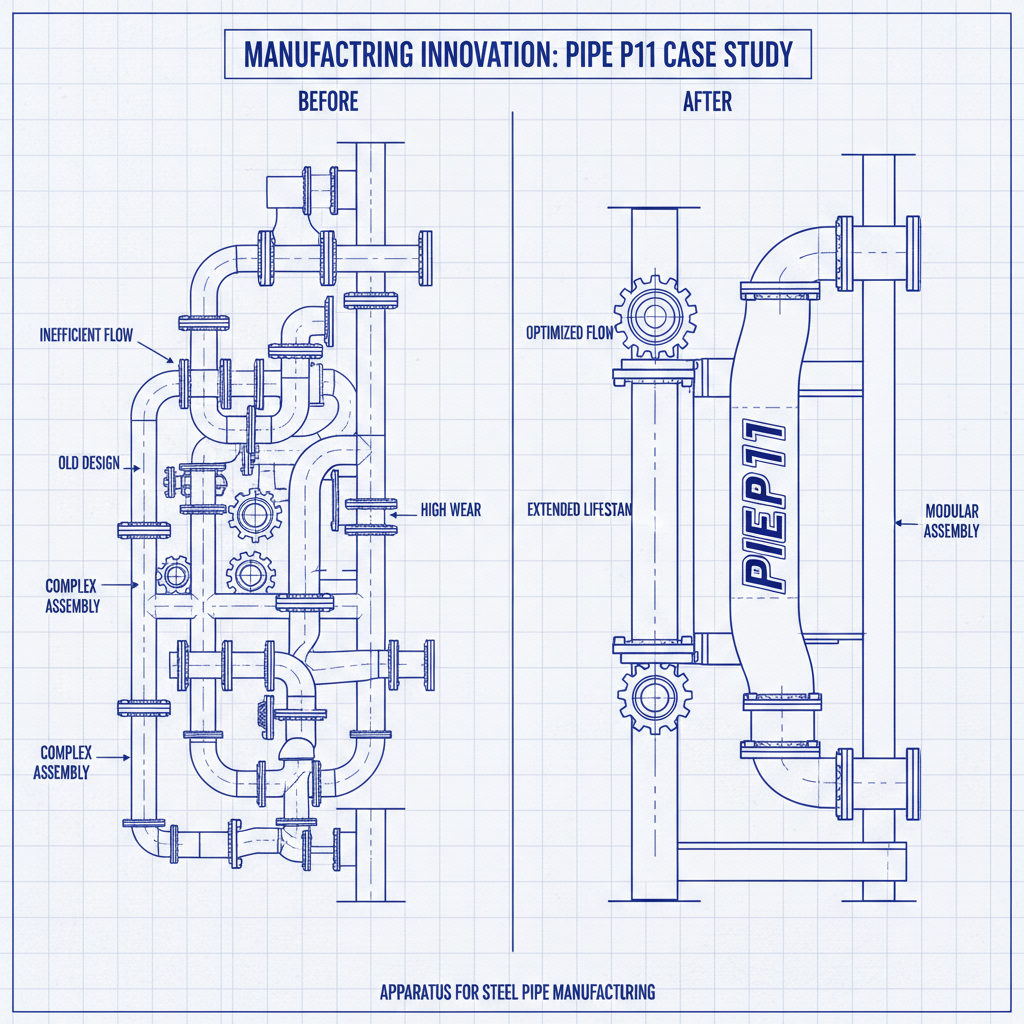
- Using modular joint systems that simplify handling on-site.
- Optimizing alloy compositions to balance cost and performance.
Manufacturers and end-users alike emphasize training and quality checks to avoid premature failures—an area often overlooked in fieldwork.
Vendor Comparison: Which 5 Inch Metal Pipe Manufacturer Fits Your Needs?
| Vendor | Material Quality | Price Range (per ft) | Lead Time | Global Shipping |
|---|---|---|---|---|
| SteelCo Ltd. | High grade carbon steel | $3.50 - $4.10 | 2-3 weeks | Yes |
| PipeMasters Inc. | Stainless steel options | $4.80 - $5.40 | 1-2 weeks | Limited (regions only) |
| GlobalPipe Solutions | Alloy steel blends | $3.80 - $4.50 | 3-4 weeks | Yes |
FAQs About 5 Inch Metal Pipes
Q1: What are the primary industries using 5 inch metal pipes?
A1: Industries like oil & gas, water treatment, mining, and construction most commonly use 5 inch metal pipes due to their balance of flow capacity and structural strength. They're also increasingly seen in temporary setups during disaster relief.
Q2: How long does a typical 5 inch steel pipe last under normal conditions?
A2: When properly coated and maintained, a 5 inch metal pipe can last 30 to 50 years, sometimes longer. Corrosion control and periodic inspections play a crucial role in extending service life.
Q3: Can 5 inch metal pipes be used for transporting hydrogen gas safely?
A3: Yes, but pipes must meet specialized standards for hydrogen embrittlement resistance. New alloys and coatings are being developed to ensure safe hydrogen transport using pipes around this size.
Q4: What factors influence the cost of a 5 inch metal pipe?
A4: Material grade, wall thickness (schedule), length, and supply chain variability all impact cost. Custom coatings and certifications can also add to the price.
Wrap-Up: Why the 5 Inch Metal Pipe Remains a Smart Choice
The 5 inch metal pipe is more than just steel shaped into a tube—it’s a quietly powerful enabler of infrastructure resilience, environmental progress, and rapid emergency response. Its mix of durability, cost-efficiency, and adaptability keeps it relevant even as the world embraces more advanced materials and tech.
For those looking to source reliable 5 inch metal pipe products, staying attuned to innovations and understanding supplier offerings will pay dividends in value and peace of mind.
Ready to upgrade your pipeline systems or explore sturdy, trusted piping solutions? Visit our website: https://www.world-steelmaterial.com
References:
Post time: Nov . 25, 2025 18:30
 English
  Arabic
  Bengali
  China
China  French
  German
  Hausa
Hausa  Indonesian
  Italian
  Japanese
  Javanese
  Malay
Malay  Persian
  Portuguese
  Punjabi
  Russian
  Spanish
  Swahili
  Telugu
  Vietnamese