

Why Understanding the Metal Pipe 4 Inch Matters Globally
At first glance, a metal pipe 4 inch might seem like just another piece of industrial hardware, but its significance in global infrastructure is anything but small. From city water supplies and gas distribution networks to large-scale manufacturing plants, these pipes play a vital role. Their standardized size—nominally 4 inches in diameter—means they're widely accepted across industries, making them a backbone element of global supply chains. Understanding their design, applications, and benefits is key for industries aiming for efficiency, durability, and sustainability.
Globally, the demand for robust piping solutions is soaring. The World Bank estimates infrastructure investments reaching trillions over the next decade, a large chunk of which involves piping systems—whether for clean water access, energy transport, or industrial fluid flow. Yet, challenges like corrosion, mechanical wear, and environmental impacts persist. Knowing the ins and outs of metal pipe 4 inch not only improves operational reliability but also helps address pressing global concerns like water scarcity and energy security.
The Global Context: Metal Pipe 4 Inch in Industry and Beyond
Did you know that according to ISO standards, the nominal diameter of pipes like the metal pipe 4 inch plays a crucial role in unifying manufacturing and design worldwide? Industries across the Americas, Europe, and Asia rely heavily on these standardized pipes for everything from plumbing to specialized oil and gas transfers.
Further, the United Nations’ Sustainable Development Goals (SDG 6) emphasize access to clean water and sanitation, which calls for durable, efficient metallic piping like the 4-inch varieties to build or refurbish water delivery networks in developing nations.
However, there are hurdles: corrosion from the elements, installation complexity, and the constant push for cost efficiency means suppliers and engineers must innovate continuously. The 4-inch metal pipe emerges as a compromise: not too big for most applications but large enough to handle heavy duty needs.
What Exactly Is a Metal Pipe 4 Inch?
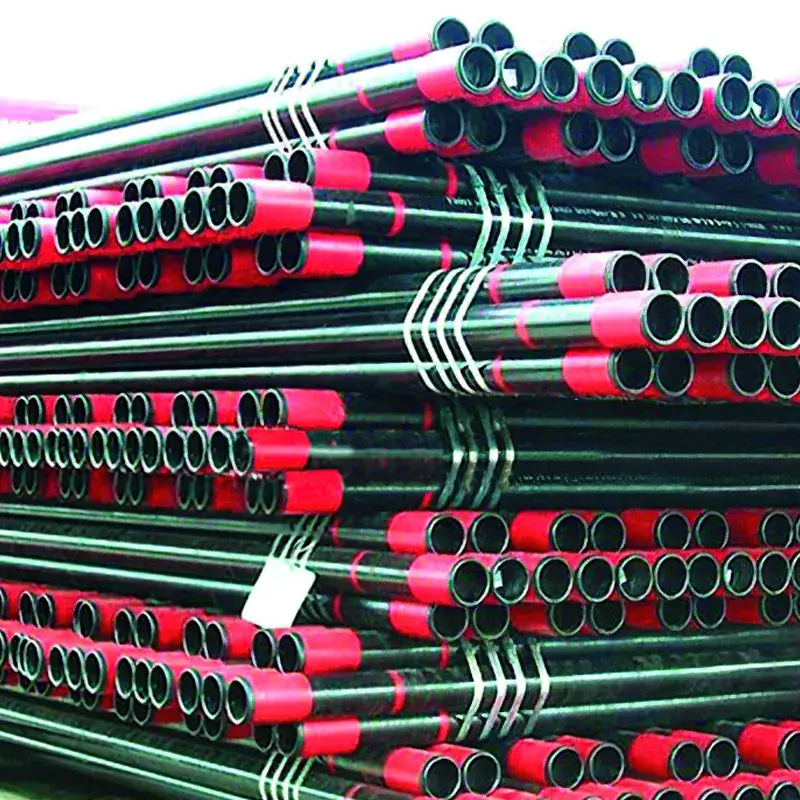
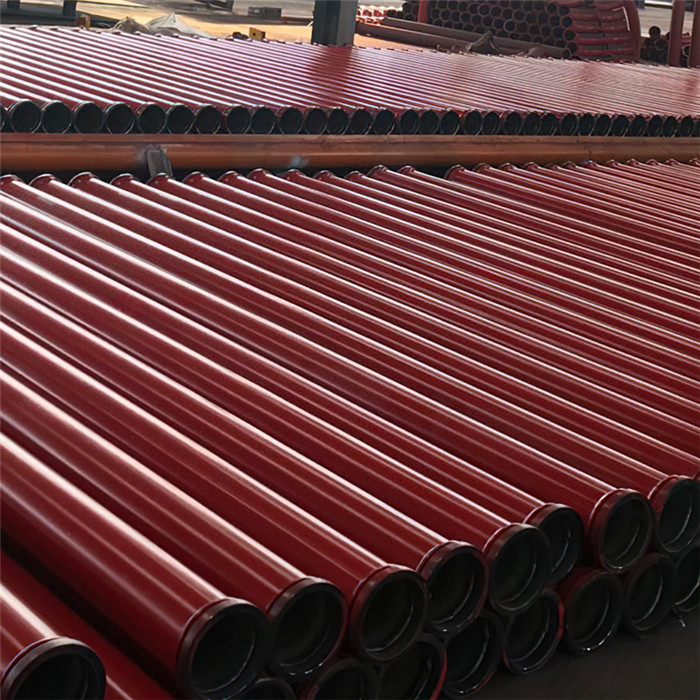
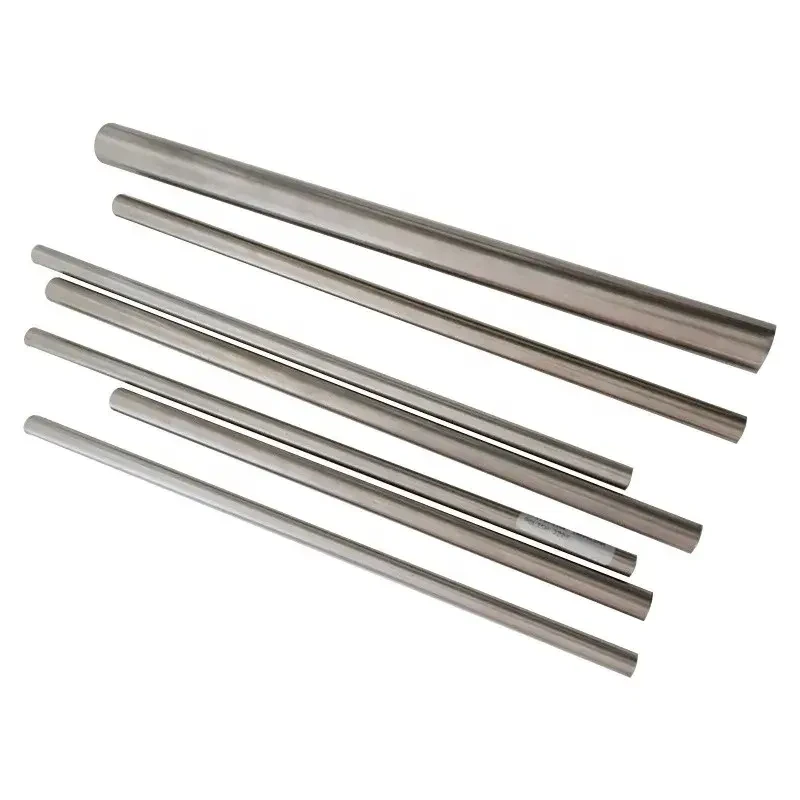
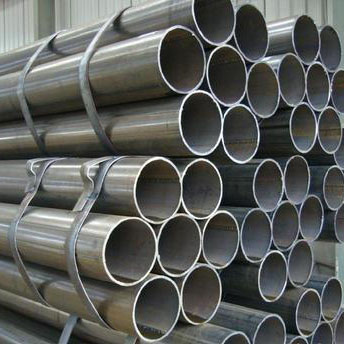
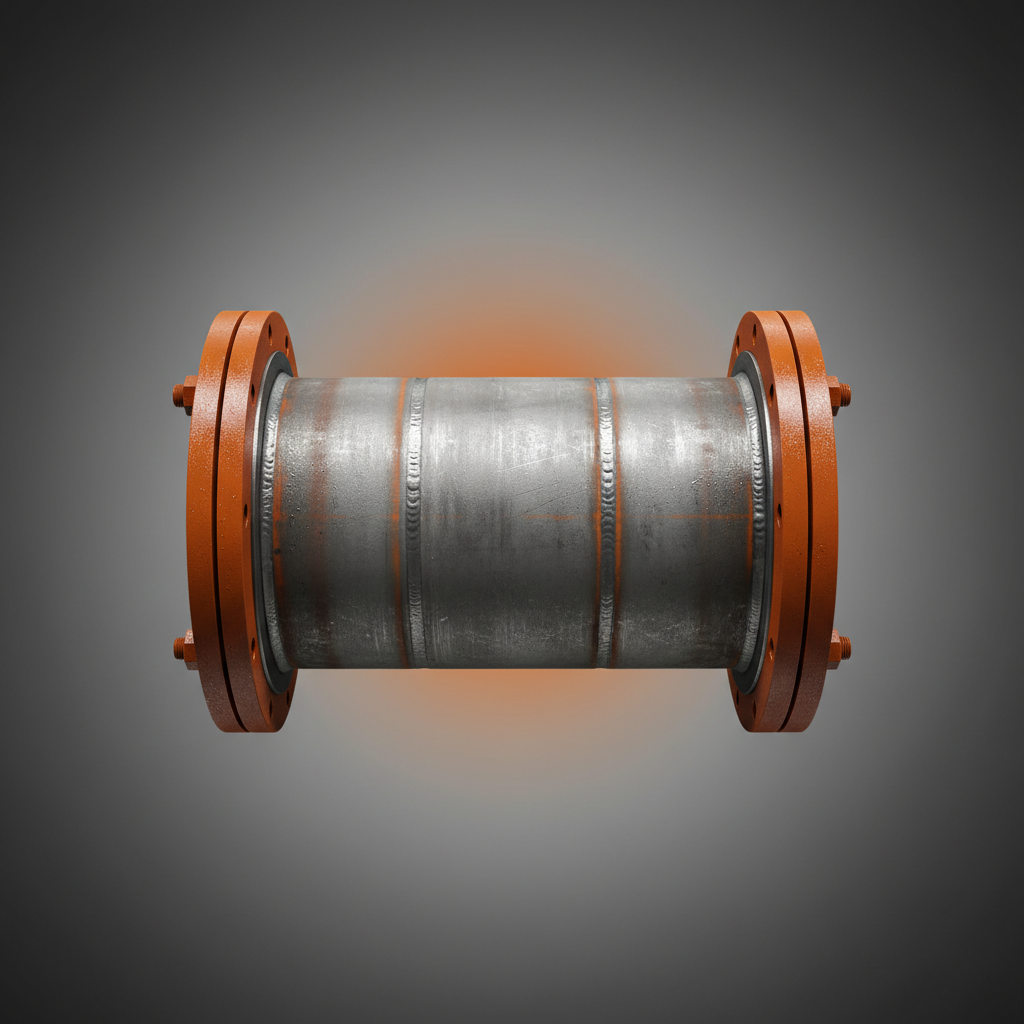
Let’s break down the term. A metal pipe 4 inch refers to a cylindrical conduit typically made of steel, stainless steel, or sometimes galvanized metal with an outer diameter near four inches. This size is nominal—not exact—since wall thickness varies depending on the pipe schedule (like Schedule 40, 80, etc.).
These pipes serve as conduits for liquids or gases, used extensively in industries, residential water systems, and even humanitarian infrastructure projects, like setting up emergency water supply lines post-disaster. Without the dependable 4-inch standard, supply chains for parts would be a daily headache.
Key Features That Make the Metal Pipe 4 Inch so Widely Used
Durability and Strength
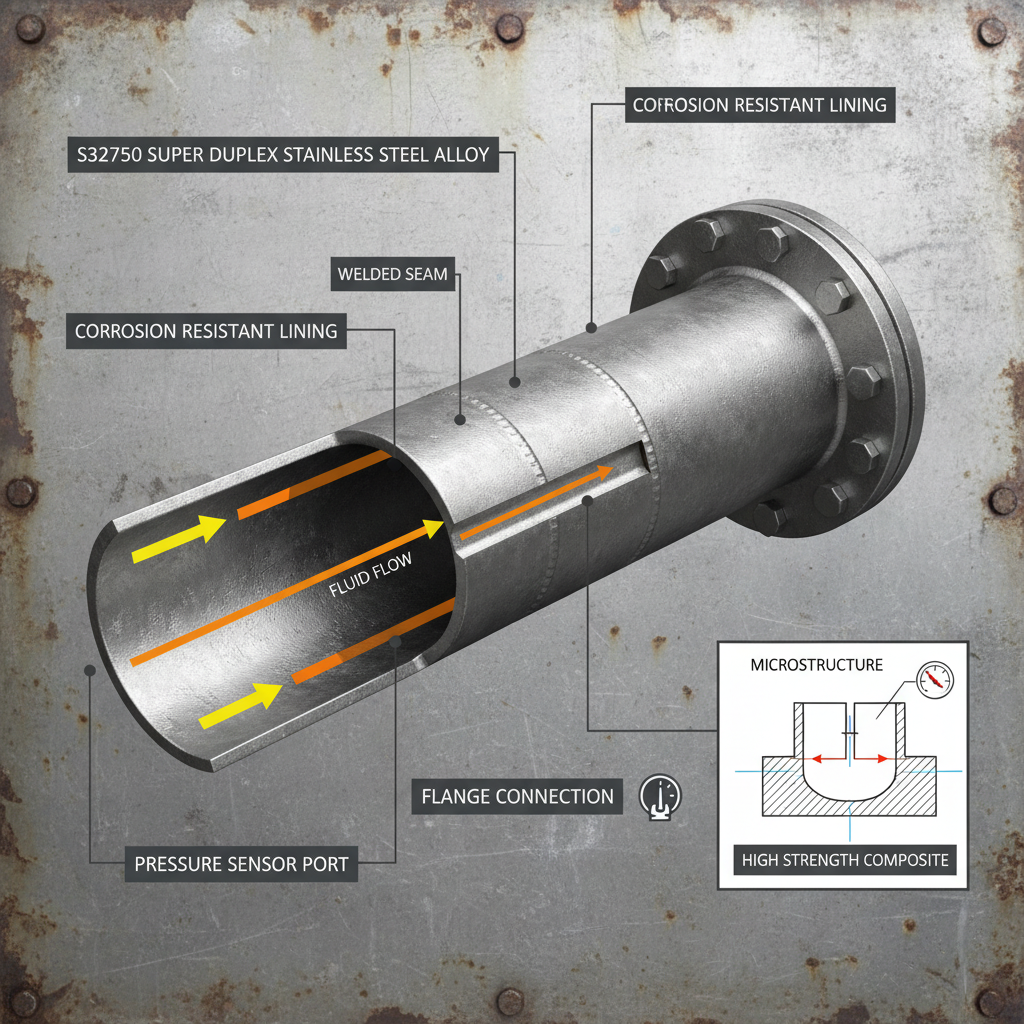
Steel and its alloys offer high tensile strength and resistance to wear. The 4-inch size is versatile because it holds up well under pressure, making it common in natural gas, water, and even steam transport lines. Many engineers note that thickness variants help tune durability for different environments—think interior plumbing vs. offshore rigs.
Cost Efficiency
Because metal pipe 4 inch is mass-produced and standardized, it benefits from economies of scale. Bulk purchasing lowers costs and speeds up project timelines. Plus, the balance of robustness and affordability means fewer replacements, shaving operational expenditures.
Ease of Scalability
This mid-sized pipe fits neatly into both large and small systems. It's not so bulky that handling becomes a pain, nor so narrow as to restrict flow capacity unnecessarily. It’s kind of the Goldilocks size for many applications.
Corrosion Resistance
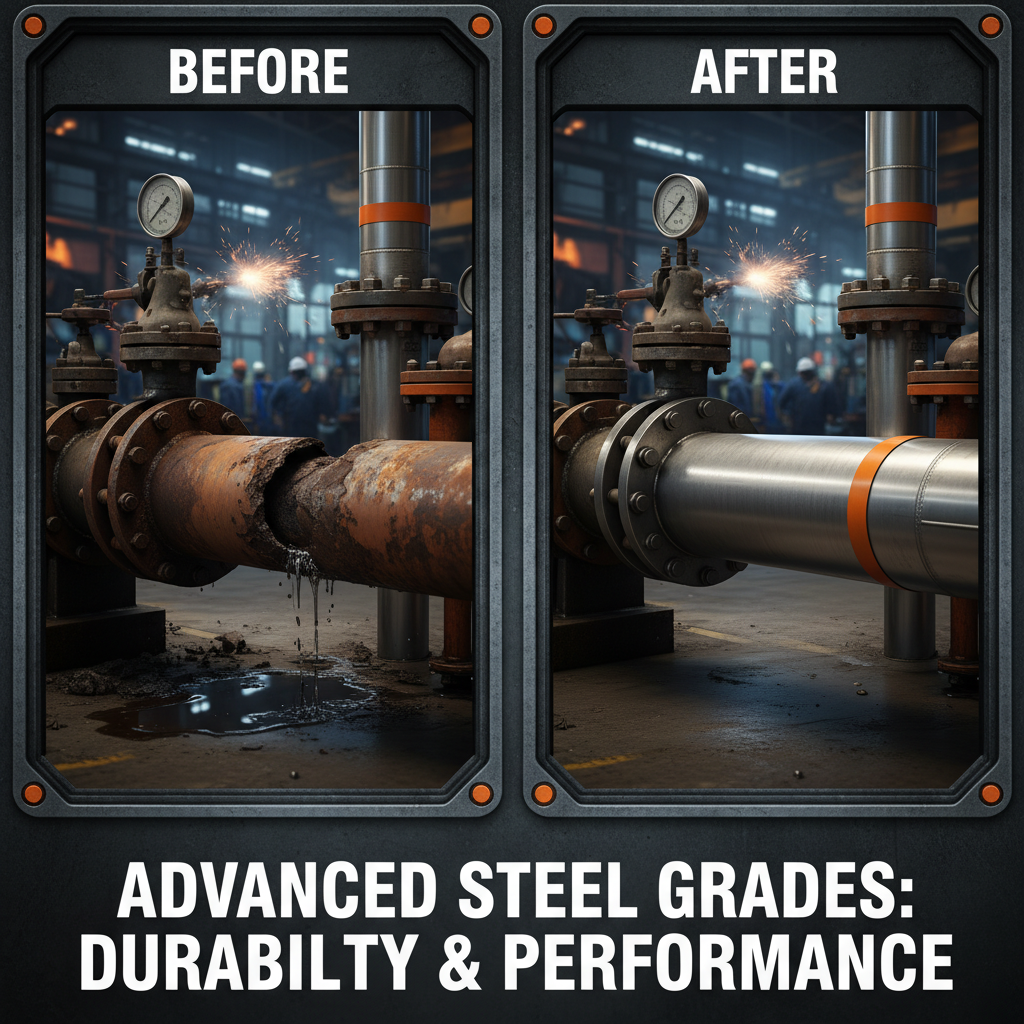
Depending on the metal and coating (galvanized, stainless), the 4-inch pipes can resist rust and chemical deterioration. This expands their lifecycle, particularly in damp or chemically aggressive environments like sewage systems or industrial effluents.
Compatibility and Standardization
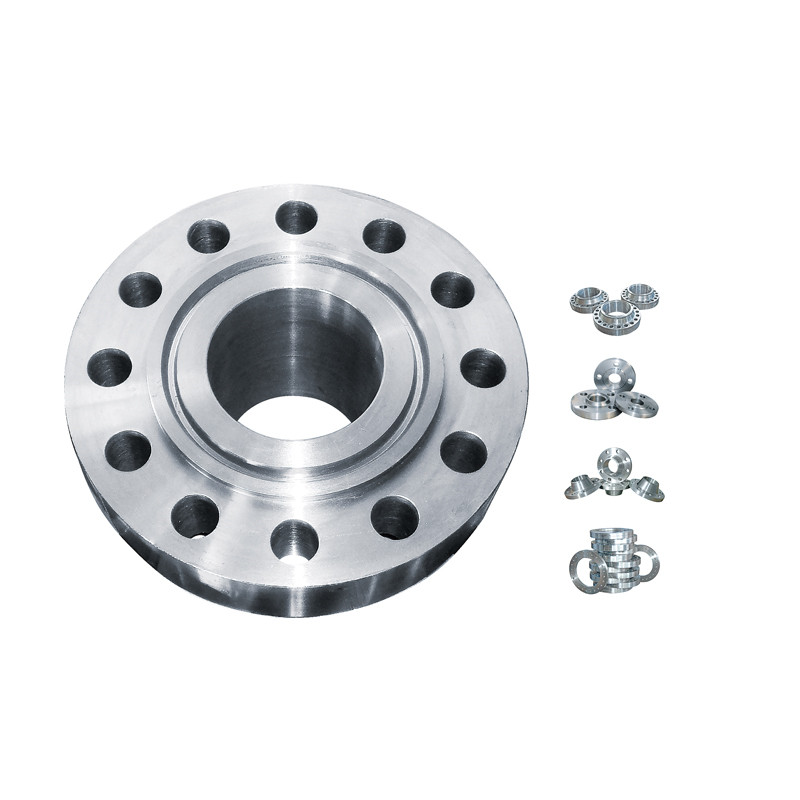
The beauty of the metal pipe 4 inch lies in its adherence to global standards — making fittings, valves, and flanges compatible regardless of manufacturer or country. This standardization reduces logistical hassles, an often overlooked but vital factor.
How the Metal Pipe 4 Inch Powers Real-World Applications
From the water treatment plants of Singapore to the vast oil fields of the Middle East, metal pipe 4 inch finds itself everywhere useful tubing is needed.
- Post-Disaster Relief: NGOs use 4-inch metal pipes to rapidly rebuild water lines after floods or earthquakes because they strike the right balance of portability and flow capacity.
- Industrial Manufacturing: Plants employ these pipes in cooling systems or chemical transfer lines where reliability and safety are paramount.
- Urban Infrastructure: Municipalities often install these pipes underground for gas distribution, sewers, and fire hydrant connections.
- Remote Zones: Mining and remote industrial zones favor the 4-inch pipes because they are robust, easy to transport, and fit specialized equipment.
A Look at Metal Pipe 4 Inch Specifications
| Specification | Typical Value | Notes |
|---|---|---|
| Outer Diameter | 4.5 inches (114.3 mm) | Nominal 4 inch size per ANSI/ASME |
| Wall Thickness | 0.237 - 0.5 inches | Varies with Schedule 40 to 80 |
| Material | Carbon Steel / Stainless Steel / Galvanized | Material choice depends on use case |
| Weight | ~9-20 lbs per foot | Varies by wall thickness and metal |
| Pressure Rating | Up to 3000 psi | Dependent on schedule and material |
Vendor Comparison: Finding the Right Metal Pipe 4 Inch Supplier
| Vendor | Material Options | Custom Sizes | Pricing | Delivery Speed |
|---|---|---|---|---|
| SteelPro Pipes | Carbon, Galvanized | Yes | Mid-range | 2-3 weeks |
| GlobalMetal Supply | Carbon, Stainless | Limited | Premium | 1-2 weeks |
| EcoPipe Industries | Recycled Steel Only | Yes | Budget-Friendly | 3-4 weeks |
Advantages and the Long-Term Value of Metal Pipe 4 Inch
Put simply: these pipes deliver reliable performance and long-lasting results. Their high tensile strength assures safety for handling high-pressure applications, while corrosion-resistant coatings keep them working longer in harsh environments. Environmentally, many now come with recycled content, making them a greener choice compared to alternatives like plastic.
Equally important is the social impact: strong, trustworthy pipes secure consistent water and energy delivery to homes and industries alike. This breeds trust in infrastructure systems, enabling innovation in smart city planning and emergency response.
Looking Ahead: Emerging Trends in Metal Pipe 4 Inch Technology
Manufacturers are embracing digital transformation: smart sensors attached to pipes help monitor pressure, temperature, and corrosion remotely. It’s fascinating how a traditional product like the metal pipe 4 inch isn’t just “old school” anymore, but actually part of the smart infrastructure wave.
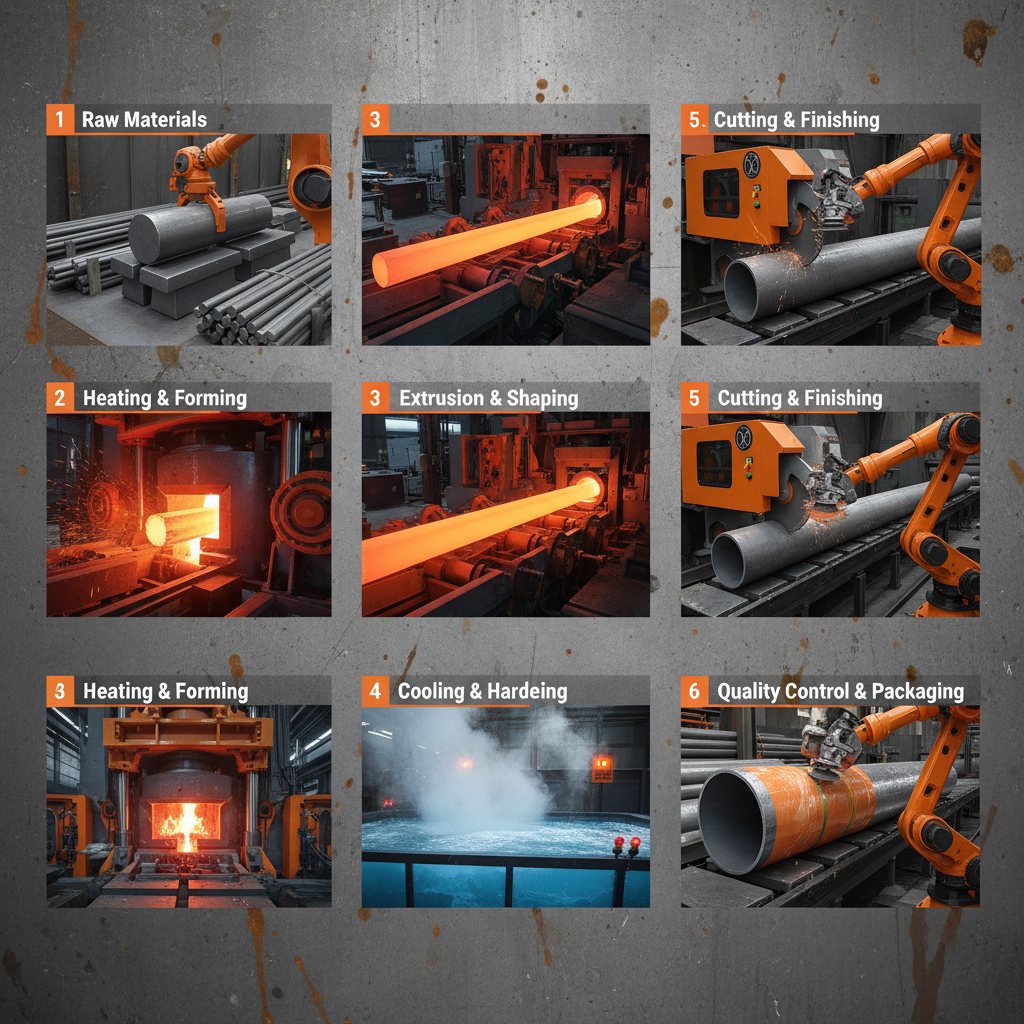
Green energy is another driver. New alloys and coatings resistant to acidic environments or biofilms are being developed to extend lifespan in renewable energy plants and water reuse systems. Automation in production lines is also increasing quality consistency.
Challenges and Solutions in Deploying Metal Pipe 4 Inch
Of course, nothing’s perfect. Corrosion remains a headache despite improvements, and fitting large infrastructure into tight urban settings can complicate deployment. Supply chain disruptions lead to delays, especially with raw steel availability fluctuating.
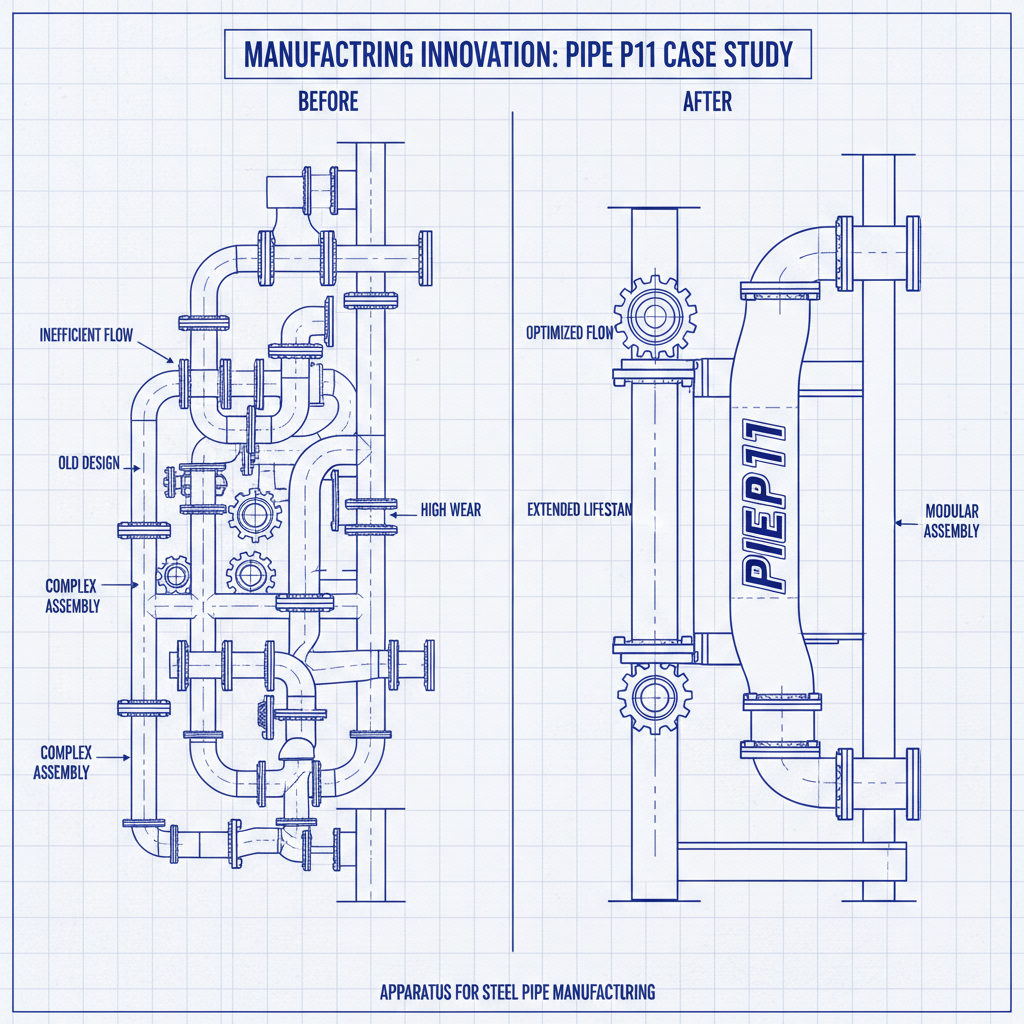
Experts suggest combining metal pipe 4 inch with protective liners or cathodic protection systems as a frontline defense. Modular prefabricated piping sections improve installation speed. And sourcing from diverse suppliers—like those listed above—helps mitigate delivery risks.
FAQ: Quick Answers About Metal Pipe 4 Inch
- Q: What industries most commonly use metal pipe 4 inch?
- A: They’re widely used in water and gas distribution, chemical industries, and construction projects ranging from residential plumbing to offshore oil rigs.
- Q: How do I choose the right schedule or thickness for a 4-inch metal pipe?
- A: It depends on the pressure and medium transported. Schedule 40 is standard for most plumbing, while schedule 80 suits higher-pressure or more hazardous applications.
- Q: Can these pipes be used for potable water?
- A: Yes, stainless steel and properly galvanized pipes are suitable for drinking water systems—just ensure the coating meets health standards.
- Q: Are metal pipe 4 inch systems environmentally sustainable?
- A: Increasingly so. Many manufacturers use recycled steel and offer corrosion-resistant coatings that extend life, reducing waste and the need for replacements.
Wrapping Up: The Quiet Workhorse of Modern Infrastructure
The metal pipe 4 inch really is the unsung hero beneath our feet and inside our walls. It balances strength, cost, and adaptability in a way few products can, making it indispensable worldwide. Whether you’re building a high-tech factory, laying urban pipelines, or recovering vital water lines after a disaster, this trusty pipe keeps the world flowing.
Need to source reliable metal pipe 4 inch for your next project? Visit our website for detailed specs, competitive pricing, and expert advice: metal pipe 4 inch.
1. Wikipedia - Steel Pipe
2. ISO Standards for Pipes
3. United Nations SDG 6 - Clean Water
Post time: Nov . 25, 2025 09:00

 English
  Arabic
  Bengali
  China
China  French
  German
  Hausa
Hausa  Indonesian
  Italian
  Japanese
  Javanese
  Malay
Malay  Persian
  Portuguese
  Punjabi
  Russian
  Spanish
  Swahili
  Telugu
  Vietnamese