

The Ultimate Guide to RA330 Pipe: Properties and Industrial Applications
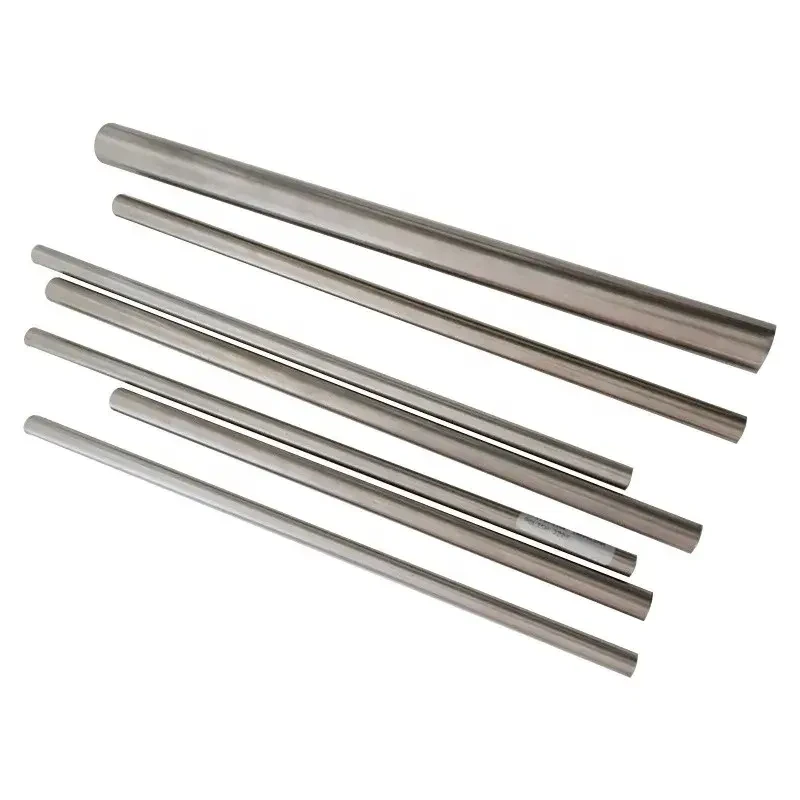
In the demanding world of high-temperature industrial processing, the selection of metallurgy is critical to operational safety and longevity. The ra330 pipe is engineered specifically to withstand extreme oxidative environments where standard stainless steels would fail. Known for its exceptional resistance to scaling and oxidation, this alloy is a cornerstone in heat-treating and petrochemical applications. Understanding the nuanced chemical composition and mechanical behavior of the RA330 alloy allows engineers to optimize system efficiency and reduce maintenance downtime. In this comprehensive guide, we will explore why this specific piping solution is the gold standard for extreme thermal stability.
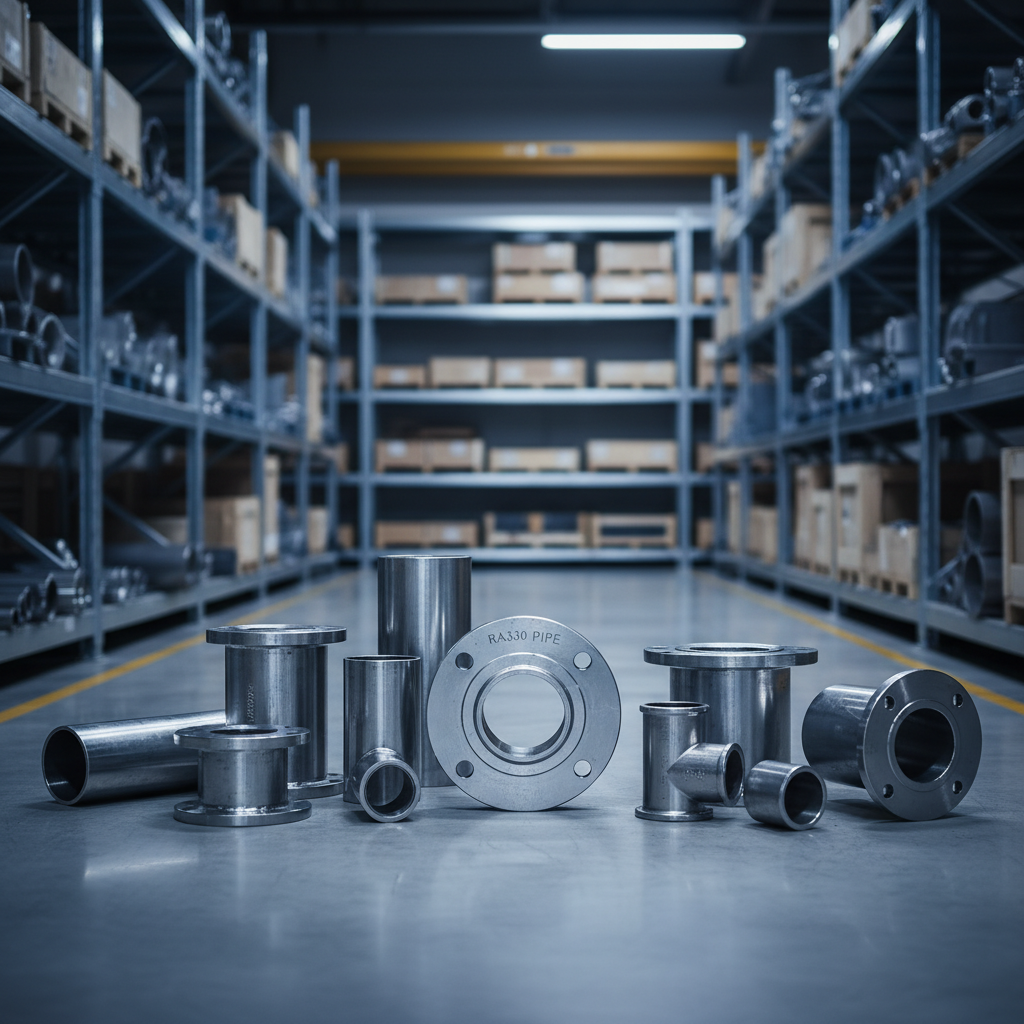
Material Composition of RA330 Pipe
The superior performance of ra330 pipe stems from its high nickel and chromium content. Unlike standard 300-series stainless steels, the RA330 alloy is formulated to create a stable, adherent oxide layer that protects the base metal from further atmospheric attack at temperatures exceeding 1000°C. This chemical synergy prevents the "spalling" effect—where the protective layer flakes off—thereby maintaining the structural thickness of the pipe wall over long periods of service. The precise balance of alloying elements ensures that the material remains ductile and weldable, even after exposure to intense heat cycles.
Technical Insight: The high nickel content in RA330 not only provides oxidation resistance but also enhances the alloy's resistance to chloride-induced stress corrosion cracking, making it versatile for diverse chemical environments.
Key Advantages of Using RA330 Pipe in Heat Treatment
When implementing an ra330 pipe system, the primary advantage is the dramatic reduction in oxidation rates. In furnace components and heat exchangers, the ability to resist carburization and nitriding is essential. RA330 resists these phenomena better than most nickel-chromium alloys, ensuring that the piping does not become brittle over time. This longevity translates directly into lower operational costs, as the frequency of component replacement is significantly decreased. Moreover, its ability to maintain mechanical strength at elevated temperatures prevents sagging and deformation under its own weight.
RA330 Pipe Technical Specifications and Data
To properly integrate the ra330 pipe into an industrial design, engineers must refer to strict material specifications. The following table outlines the typical chemical composition and mechanical properties that define this high-performance alloy, ensuring compliance with international quality standards.
Comparing RA330 Pipe to Standard Stainless Steel
While many industries rely on 310S or 304 stainless steel, the ra330 pipe offers a distinct advantage in ultra-high temperature ranges. Standard stainless steels often suffer from rapid oxidation and scaling once temperatures exceed 900°C, leading to thinning of the pipe walls and potential rupture. RA330 is specifically engineered to bridge the gap between high-grade stainless steels and expensive superalloys. It provides a cost-effective yet highly durable alternative for components that must remain stable in oxidizing atmospheres.
Fabrication and Installation of RA330 Pipe
The versatility of ra330 pipe extends to its fabrication ease. It can be welded using standard GTAW (TIG) or GMAW (MIG) processes, provided that the correct filler metals are used to match the base alloy's properties. Proper annealing is often recommended after welding to relieve internal stresses and ensure maximum corrosion resistance. Because the material is designed for extreme heat, thermal expansion must be carefully calculated during the installation phase to prevent joint failure or warping of the piping network.
Installation Best Practices:
• Use matching filler metals to maintain oxidation resistance at welds.
• Implement thermal expansion loops to accommodate high-temperature growth.
• Ensure precise cleaning of joint surfaces to avoid contamination.
Conclusion: Optimizing Industrial Efficiency with RA330
The ra330 pipe represents the ideal intersection of performance and value for high-temperature industrial applications. Its unrivaled ability to resist oxidation, coupled with strong mechanical properties and fabrication flexibility, makes it an essential component for any facility operating in extreme thermal environments. By choosing the right materials, companies can ensure the safety of their personnel and the continuity of their production cycles. For those seeking a reliable, long-term solution for heat-resistant piping, RA330 is the definitive choice.
Frequently Asked Questions (FAQs)
What is the primary difference between RA330 and 310 stainless steel?
The primary difference lies in the nickel content and the resulting oxidation resistance at extreme temperatures. While 310 stainless steel is excellent for many high-temperature tasks, RA330 is specifically designed for environments exceeding 1000°C where 310 may begin to scale rapidly. The higher nickel concentration in RA330 ensures a more stable protective oxide layer, which prevents the metal from thinning and maintains structural integrity in more aggressive oxidizing atmospheres.
Can RA330 pipe be used in corrosive chemical environments?
Yes, RA330 pipe offers significant resistance to various corrosive agents. Due to its high nickel and chromium content, it is particularly effective against chloride-induced stress corrosion cracking and various oxidizing acids. However, it is primarily optimized for high-temperature oxidation. For specific chemical applications, it is always recommended to consult a materials engineer to ensure the alloy is compatible with the specific chemicals and concentrations present in your process stream.
How should RA330 pipe be welded to maintain its properties?
To maintain the high-temperature properties of ra330 pipe, it is crucial to use filler metals that match the base alloy's chemistry (typically ERNiCr-10 or similar). TIG welding is generally preferred for its precision and clean results. It is also important to manage the heat input to avoid excessive grain growth in the heat-affected zone (HAZ). Post-weld annealing is often performed to restore the material's ductility and ensure that the entire pipe assembly responds uniformly to thermal expansion.
What are the most common industries that utilize RA330 piping?
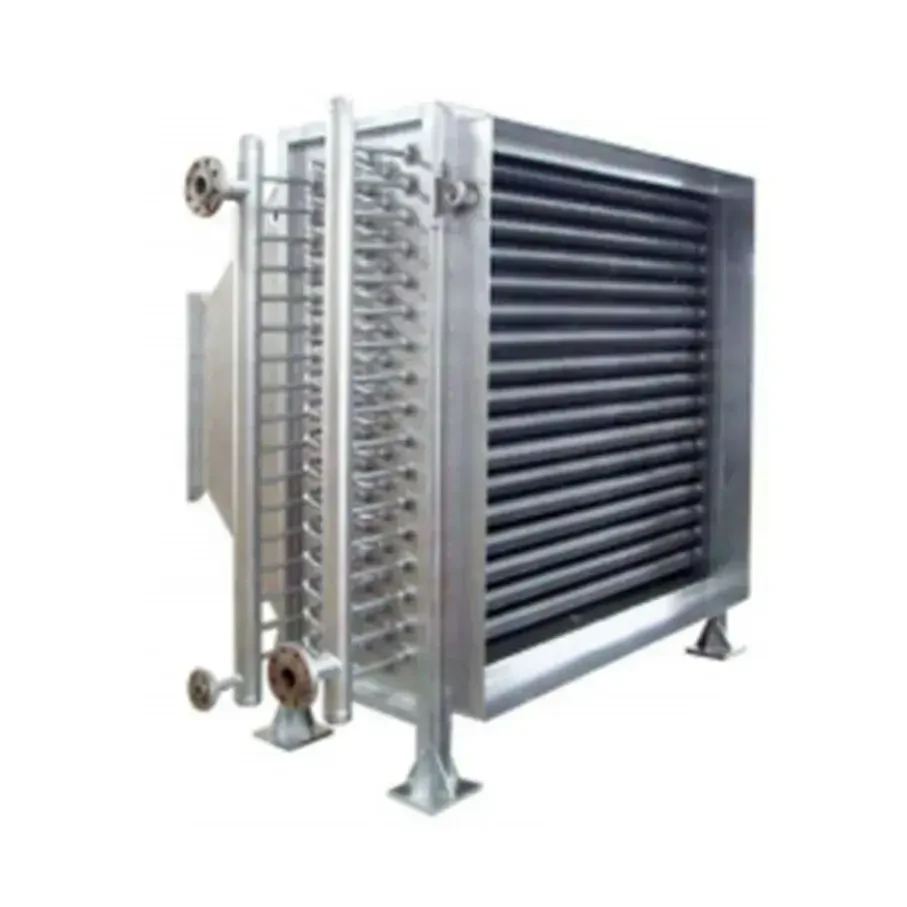
RA330 is most commonly found in the petrochemical, aerospace, and heat-treating industries. Specifically, it is used for furnace tubes, heat exchanger piping, combustion chambers, and chemical processing lines where gases are handled at extremely high temperatures. Its ability to resist scaling makes it indispensable in any application where the accumulation of oxide flakes could contaminate a process or cause premature mechanical failure of the piping system.
Post time: Apr . 09, 2026 02:35
 English
  Arabic
  Bengali
  China
China  French
  German
  Hausa
Hausa  Indonesian
  Italian
  Japanese
  Javanese
  Malay
Malay  Persian
  Portuguese
  Punjabi
  Russian
  Spanish
  Swahili
  Telugu
  Vietnamese