

Understanding the A106 Seamless Pipe: Backbone of Modern Infrastructure
If you’ve ever craned your neck looking at massive industrial buildings, sprawling oil rigs, or the steel veins running beneath highways and power plants, chances are you’ve glimpsed the unsung hero of infrastructure — the a106 seamless pipe. But why does this particular piping deserve a moment of attention? Well, globally, as industries strive to build safer, more efficient, and sustainable systems, the a106 seamless pipe has emerged as a reliable, high-performance component, supporting everything from energy pipelines to water delivery networks. Understanding its qualities doesn’t just feed a tech curiosity; it opens a window into how modern infrastructure is engineered to last through the toughest conditions.
Global Significance of the A106 Seamless Pipe
According to recent data from the International Energy Agency (IEA) and global infrastructure reports, demand for robust piping solutions is expected to grow by roughly 4% annually over the next decade. This is driven by expanding energy needs, urbanization trends, and the push for greener industrial practices. Seamless pipes like the ASTM A106 grade are essential because they can handle high pressure and temperature variations — critical in sectors like oil and gas, construction, and power generation. Yet, the challenge is balancing durability with cost-efficiency, and ensuring these pipes perform reliably in diverse environments — from scorching deserts to frigid arctic zones.
Mini Takeaway: The global infrastructure build-out amplifies the need for resilient piping systems — and a106 seamless pipe sits right at the core of this demand.
What Exactly Is an A106 Seamless Pipe?
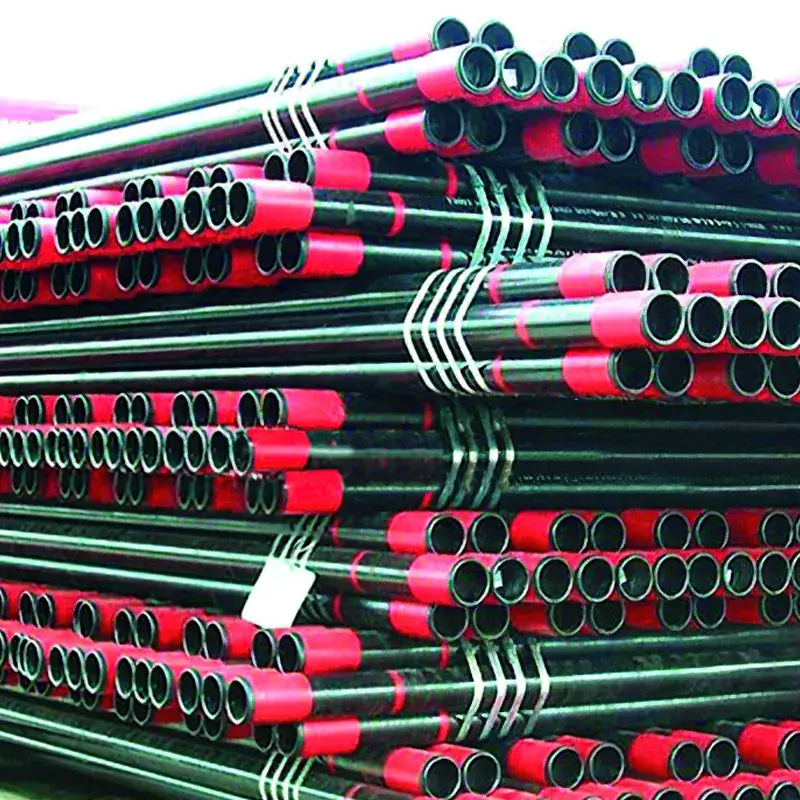
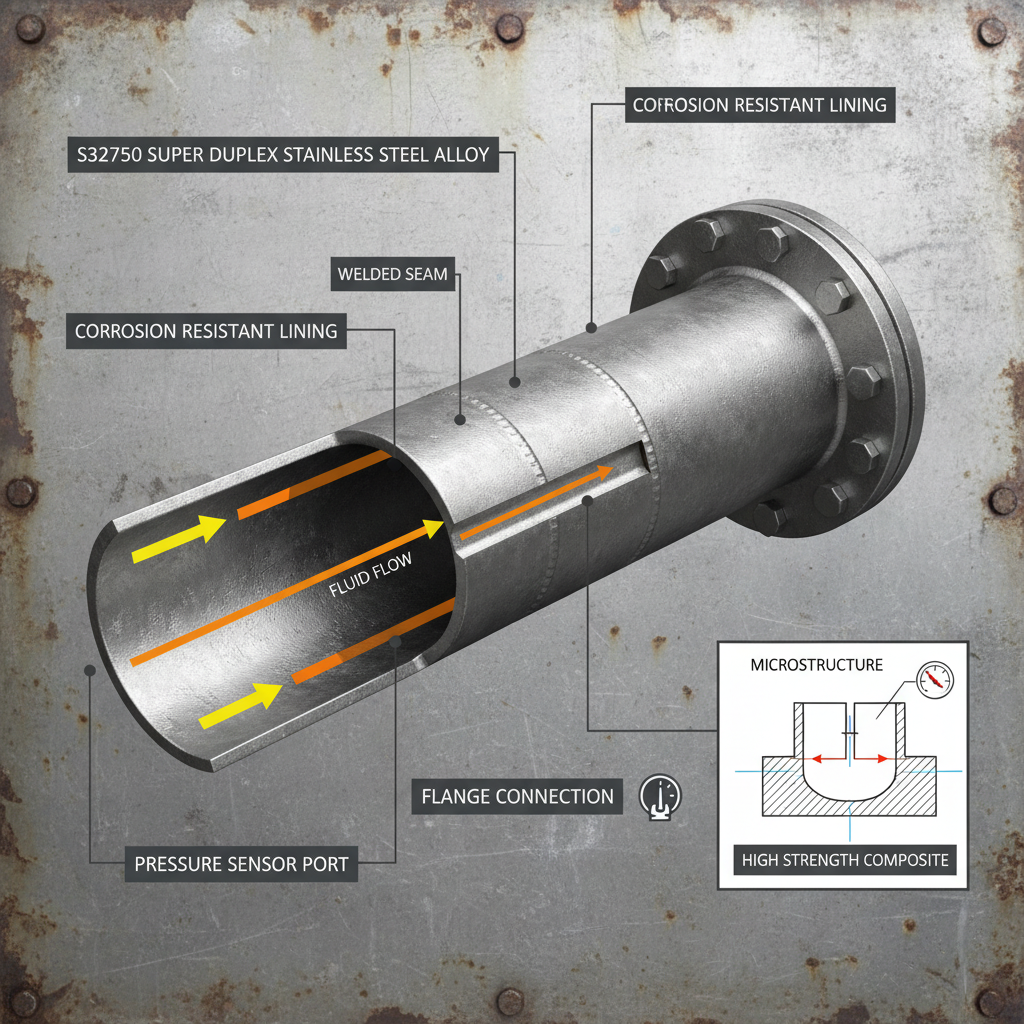
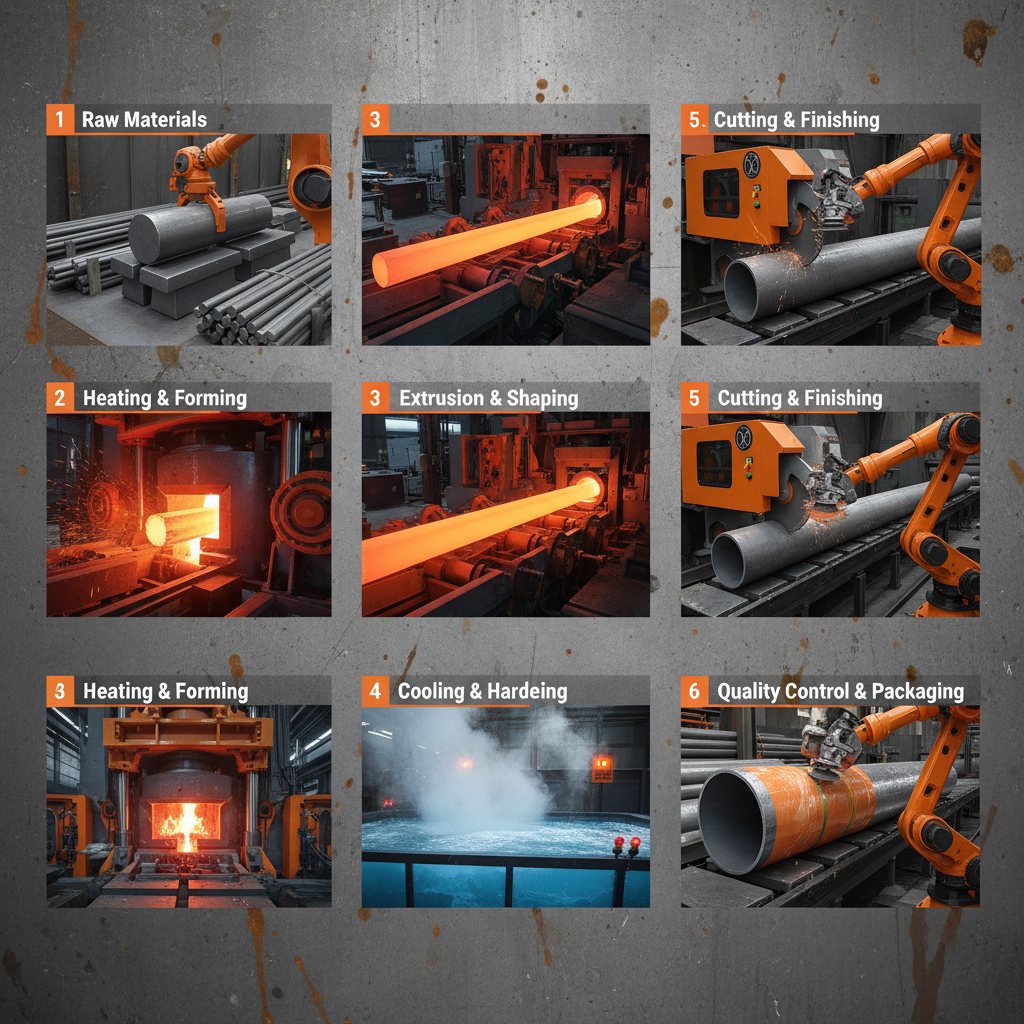
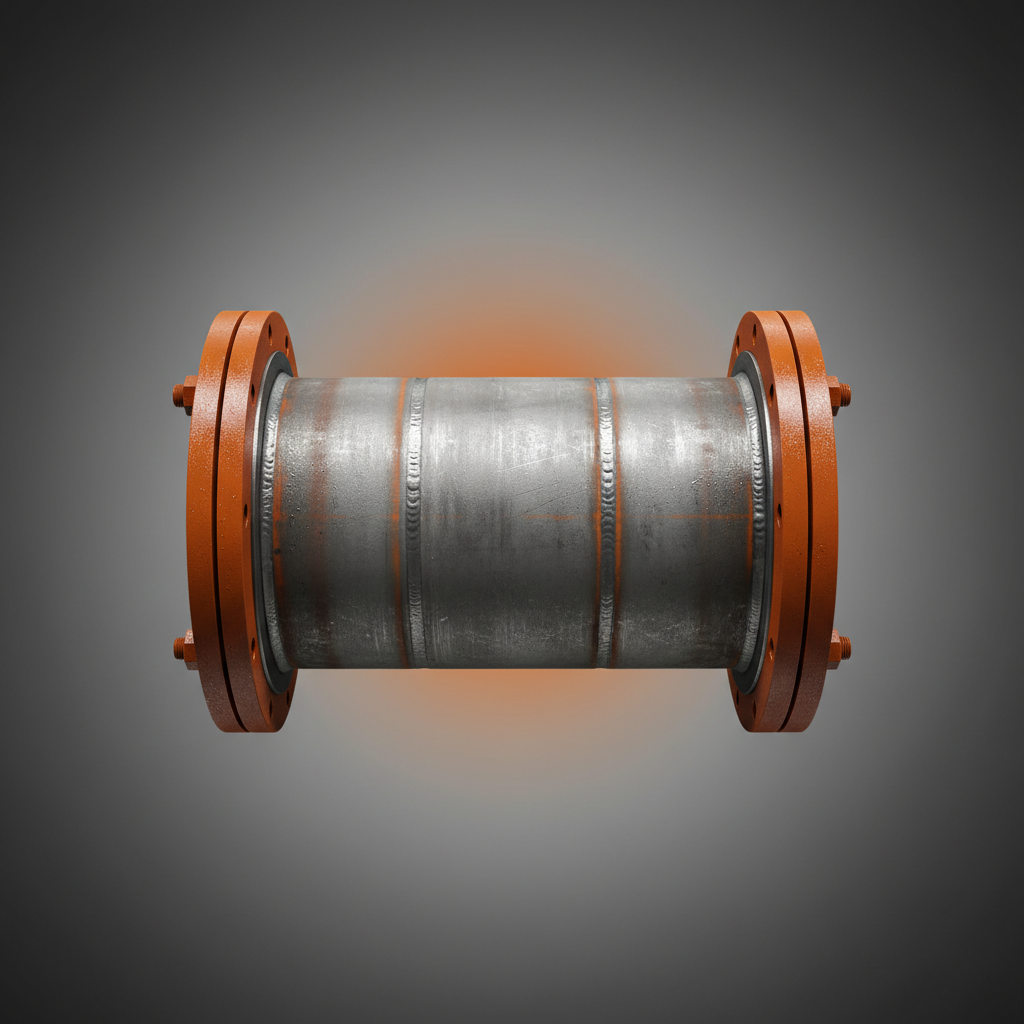
In simple terms, an a106 seamless pipe is a round steel pipe made without any welding seams across its length. This seamless construction means the pipe is formed by piercing a solid billet and then stretched, eliminating weak spots that welded joints might introduce. It’s typically made from carbon steel and classified by ASTM (American Society for Testing and Materials) standards, primarily intended for high-temperature service. The “A106” specifically refers to the grade standard defining chemical composition, mechanical properties, and testing requirements.
Because it’s seamless, the pipe is inherently stronger and more reliable especially in applications involving heat, pressure, and mechanical stress. It’s used in everything from transporting hot steam in power plants to carrying petroleum products.
Mini Takeaway: Seamlessness means strength. The a106 seamless pipe’s simple but effective manufacturing process underpins its widespread industrial utility.
Key Features That Make A106 Seamless Pipes Stand Out
1. Durability Under Pressure
The absence of welded joints significantly reduces risks of leaks or burst failures when the pipe is under high pressure. Many engineers note how the pipe’s uniform grain structure distributes stress more evenly, which is vital in critical systems.
2. High Temperature Resistance
A106 pipes are designed for service in elevated temperatures, sometimes exceeding 400°C (752°F). This qualifies them for use in steam lines and heat exchangers where thermal expansion and contraction are daily challenges.
3. Corrosion Resistance (with treatments)
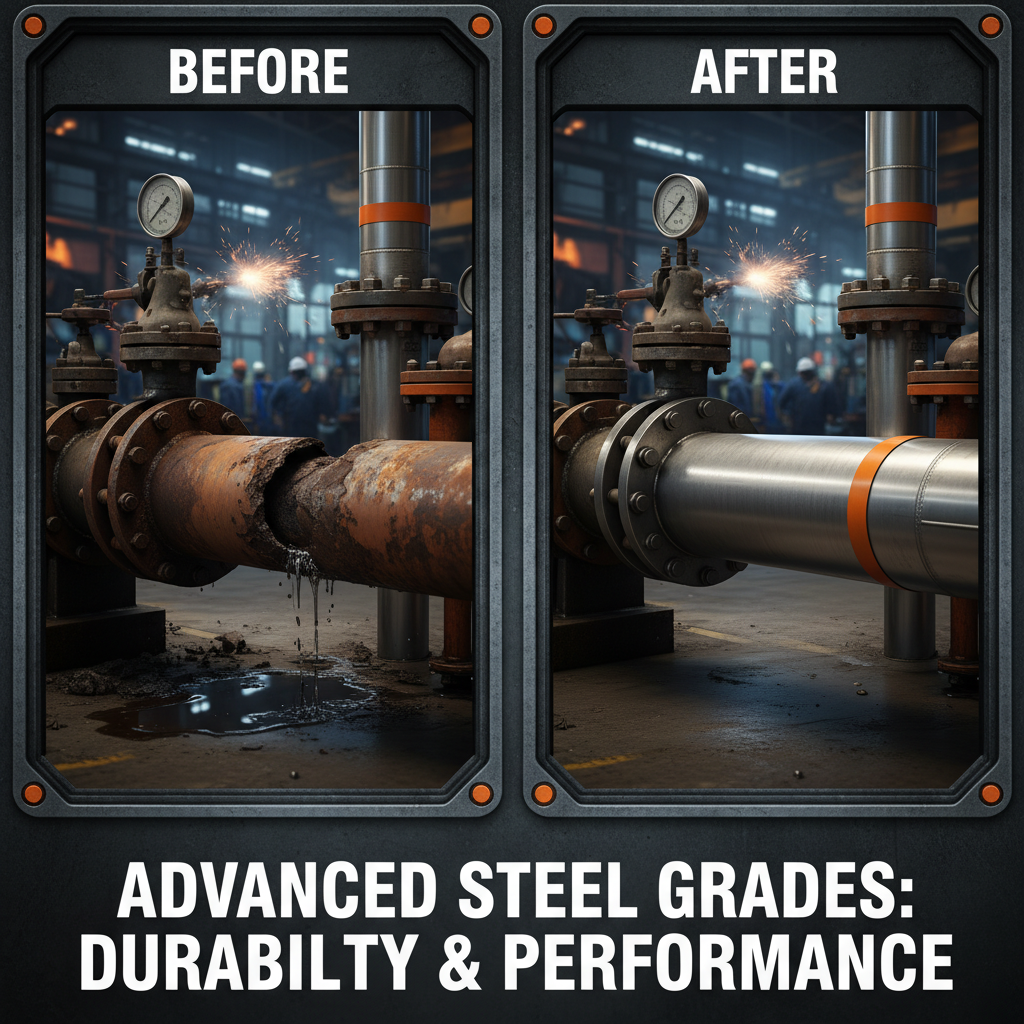
While carbon steel isn't inherently rust-proof, modern surface treatments, coatings, and alloying adjustments can significantly improve lifespan, even in moist or chemically aggressive environments.
4. Cost Efficiency
The production process, though more involved than welded pipes, yields a product with lower maintenance needs and a longer service life — which many procurement engineers say ultimately makes it more cost-effective.
5. Versatility and Scalability
A106 seamless pipes come in a range of sizes and wall thicknesses, making them adaptable for small facility projects or massive transmission lines alike.
Product Specification Snapshot
| Specification | Details |
|---|---|
| Material | Carbon Steel (Grade A106 Gr A, B, C) |
| Size Range | Outer diameter 1/8" to 26" |
| Wall Thickness | SCH 10 to SCH XXS |
| Temperature Service | Up to 450°C (842°F) |
| Application Areas | Petroleum, Power Generation, Chemical Processing |
| Manufacturing Process | Hot Finished Seamless |
Where Are A106 Seamless Pipes Used Across the Globe?
Oil and gas pipelines stretching across continents rely heavily on a106 seamless pipes because leaks or ruptures in such infrastructure could be disastrous. In North America and the Middle East, where energy infrastructure is vast, these pipes play a crucial role in transportation of crude oil or natural gas. Meanwhile, power plants in Europe use them to channel steam thanks to their high-temperature resilience.
Interestingly, in disaster recovery scenarios—say, after flooding or earthquakes—engineers count on such pipes to quickly restore water and energy lines, as they can be cut and fitted on-site with fewer worries about joint failures.
Mini Takeaway: Whether in quiet fields or megacities, a106 seamless pipes quietly support life-enhancing utilities worldwide.
Advantages & Long-Term Value of Using A106 Seamless Pipes
- Reliability: Less chance of leaks or failures under extreme conditions means operations keep going without interruption.
- Cost Savings: Though initial costs are higher than welded pipes, lower maintenance and longer lifespan balance this out.
- Environmental Impact: Reduced leakage and less frequent replacement means fewer environmental risks and waste.
- Safety & Trust: For communities and workers relying on pipelines, reliability equates to safety and peace of mind.
Emerging Trends in A106 Seamless Pipe Technology
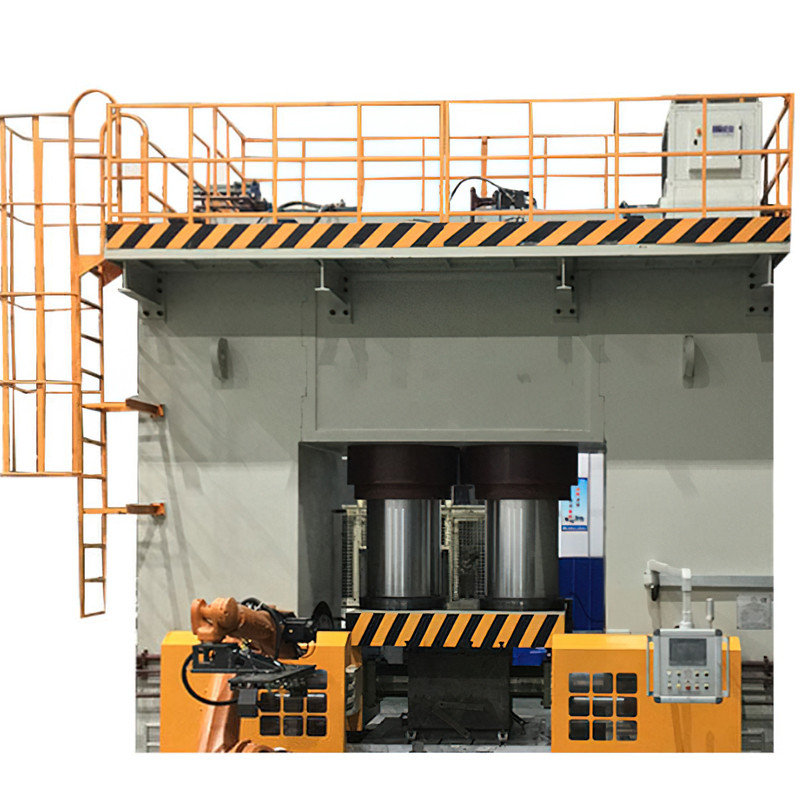
With climate policy tightening globally, manufacturers are exploring greener steelmaking methods that reduce carbon footprint — a part of making the a106 seamless pipe even more sustainable. Digital transformation, including IoT sensors embedded in pipes for real-time stress and corrosion monitoring, is another exciting development. Automation in production lines is improving consistency and scale, meaning higher quality at potentially lower costs.
Addressing the Challenges: What’s Holding Us Back?
Despite their advantages, a106 seamless pipes are not without challenges. Producing very large diameter pipes can be costly and technically demanding. Surface corrosion remains an issue on exposed pipes unless protective coatings or cathodic protection systems are in place. Supply chain disruptions recently highlighted the need for localized production hubs — something the industry is actively working on.
Vendor Comparison: Leading Suppliers of A106 Seamless Pipe
| Vendor | Production Capacity | Quality Certifications | Key Markets Served |
|---|---|---|---|
| SteelCraft Ltd. | 50,000 tons/year | ISO 9001, API 5L | North America, Middle East |
| GlobalPipe Solutions | 75,000 tons/year | ISO 14001, API 5CT | Europe, Asia |
| MetalWorks Inc. | 30,000 tons/year | ISO 9001, PED Certified | Global Reach |
Frequently Asked Questions About A106 Seamless Pipe
Q1: What differentiates A106 seamless pipes from welded pipes?
A106 pipes are made from a solid steel billet, formed without welding. This eliminates seam weaknesses, offering better resistance to pressure and temperature, which weld joints might compromise.
Q2: How long do A106 seamless pipes typically last under industrial conditions?
With proper maintenance and anti-corrosion treatment, these pipes can last several decades (20-50 years), depending on environmental exposure and application conditions.
Q3: Are these pipes suitable for transporting corrosive fluids?
Carbon steel A106 pipes require additional protective coatings or lining when used for corrosive fluids, as untreated carbon steel may degrade over time.
Q4: How can international buyers ensure compliance with ASTM A106 standards?
Buyers should request mill test reports, certification documents, and quality assurance audits from suppliers and verify standards compliance through third-party inspections.
Wrapping Up: Why A106 Seamless Pipes Are Here to Stay
In the ever-evolving industrial landscape, the a106 seamless pipe continues to stand out for its strength, reliability, and versatility. It’s a quiet champion enabling energy flow, water delivery, and safe industrial operations globally. For anyone involved in infrastructure or manufacturing sectors, getting familiar with its specifications and applications is a worthwhile investment.
Ready to explore high-quality a106 seamless pipes? Visit https://www.world-steelmaterial.com to find top-grade options and expert guidance for your project.
References
Post time: Dec . 01, 2025 20:05
 English
  Arabic
  Bengali
  China
China  French
  German
  Hausa
Hausa  Indonesian
  Italian
  Japanese
  Javanese
  Malay
Malay  Persian
  Portuguese
  Punjabi
  Russian
  Spanish
  Swahili
  Telugu
  Vietnamese