

Understanding Stainless Steel Mechanical Tubing: Global Relevance and Benefits
Stainless steel mechanical tubing is more than just an industrial material — it's a quietly essential backbone that powers countless sectors worldwide. From automotive to construction, and even humanitarian relief, its importance cannot be understated. Grasping its properties and applications helps industries optimize designs, improve durability, and drive sustainability. In an age where materials must be both reliable and eco-friendly, stainless steel mechanical tubing answers a pressing global call.
Introduction: The Global Context of Stainless Steel Mechanical Tubing
The demand for stainless steel mechanical tubing is soaring globally. According to the International Organization for Standardization (ISO), the stainless steel market has been growing steady at about 5-6% annually over the past decade. This surge reflects industries’ need for materials that can withstand harsh environments, resist corrosion, and maintain integrity under stress. Yet, manufacturers face challenges like fluctuating raw material costs and increasing sustainability demands.
In practical terms, mechanical tubing is critical in sectors from aerospace components in Europe to water distribution systems in Asia. Especially as urbanization accelerates — the United Nations reports over half the world’s population now live in cities — reliable infrastructure becomes paramount. Stainless steel mechanical tubing stands out as a durable, cost-effective solution amid these pressures.
What Is Stainless Steel Mechanical Tubing?
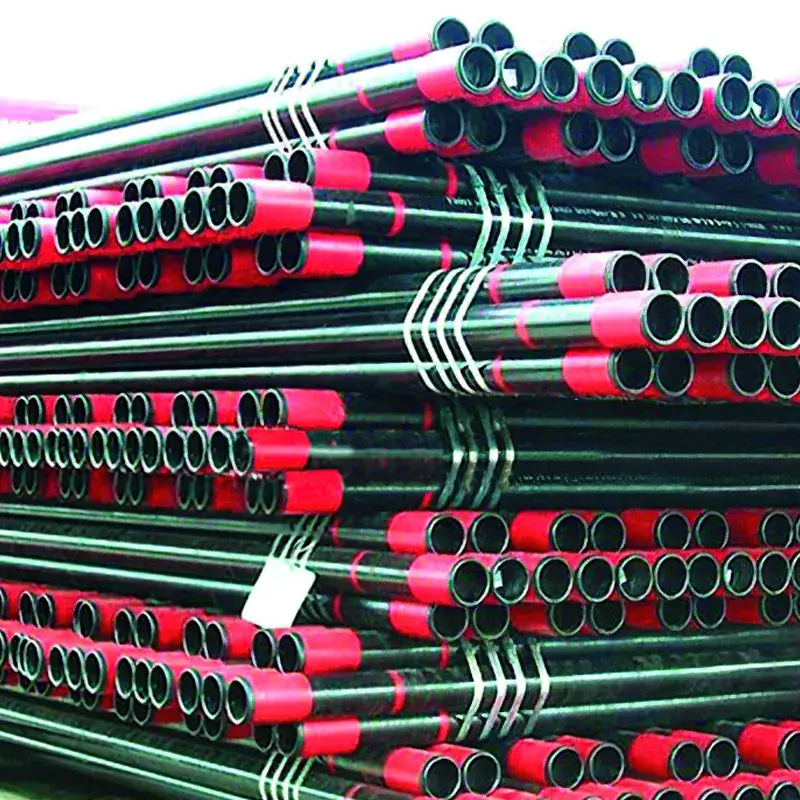
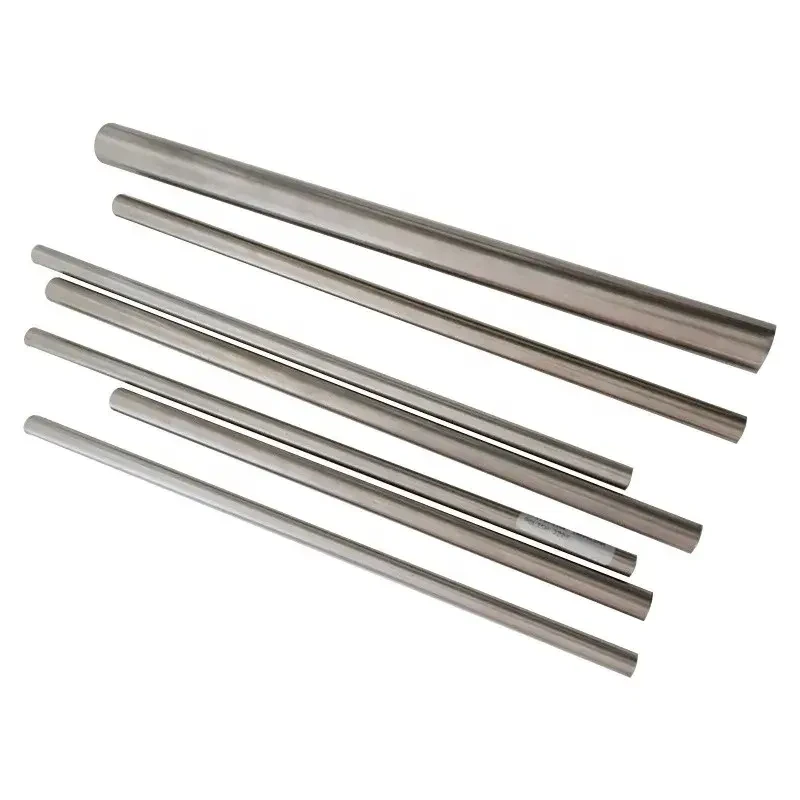
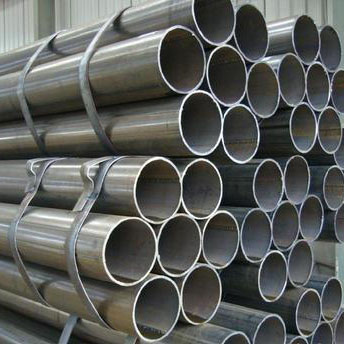
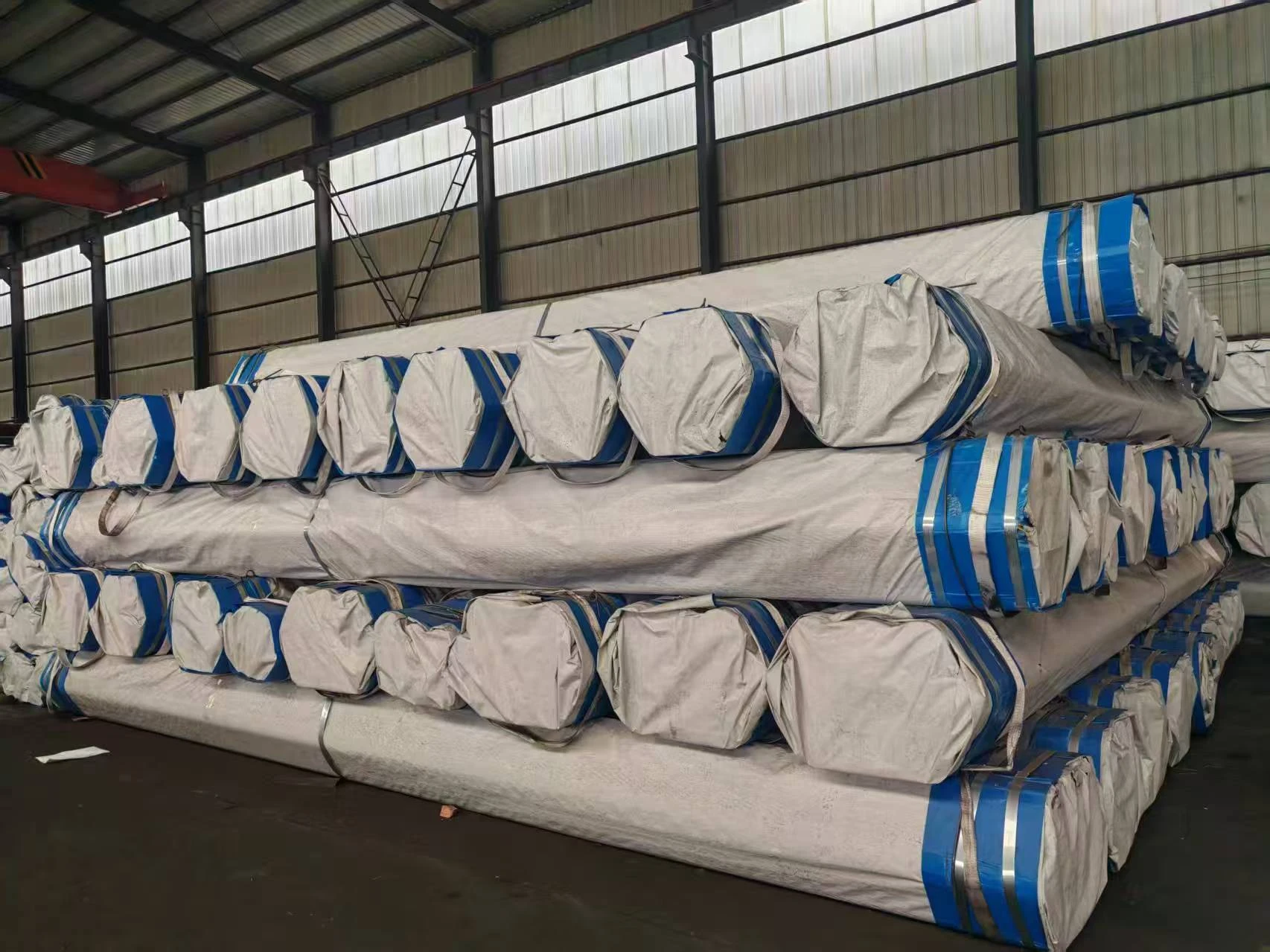
Put simply, stainless steel mechanical tubing is a hollow cylindrical product made from stainless steel alloys, designed for mechanical systems requiring strength, corrosion resistance, and precise dimensions. Unlike typical pipes, which may transport fluids, mechanical tubing is often used structurally or in mechanical assemblies — think frames, supports, or automotive components. Its superior resistance to rust and high tensile strength make it vital in modern industry but also in projects addressing humanitarian needs, like building resilient shelters or critical infrastructure in disaster-prone regions.
Core Components and Key Factors of Stainless Steel Mechanical Tubing
Durability
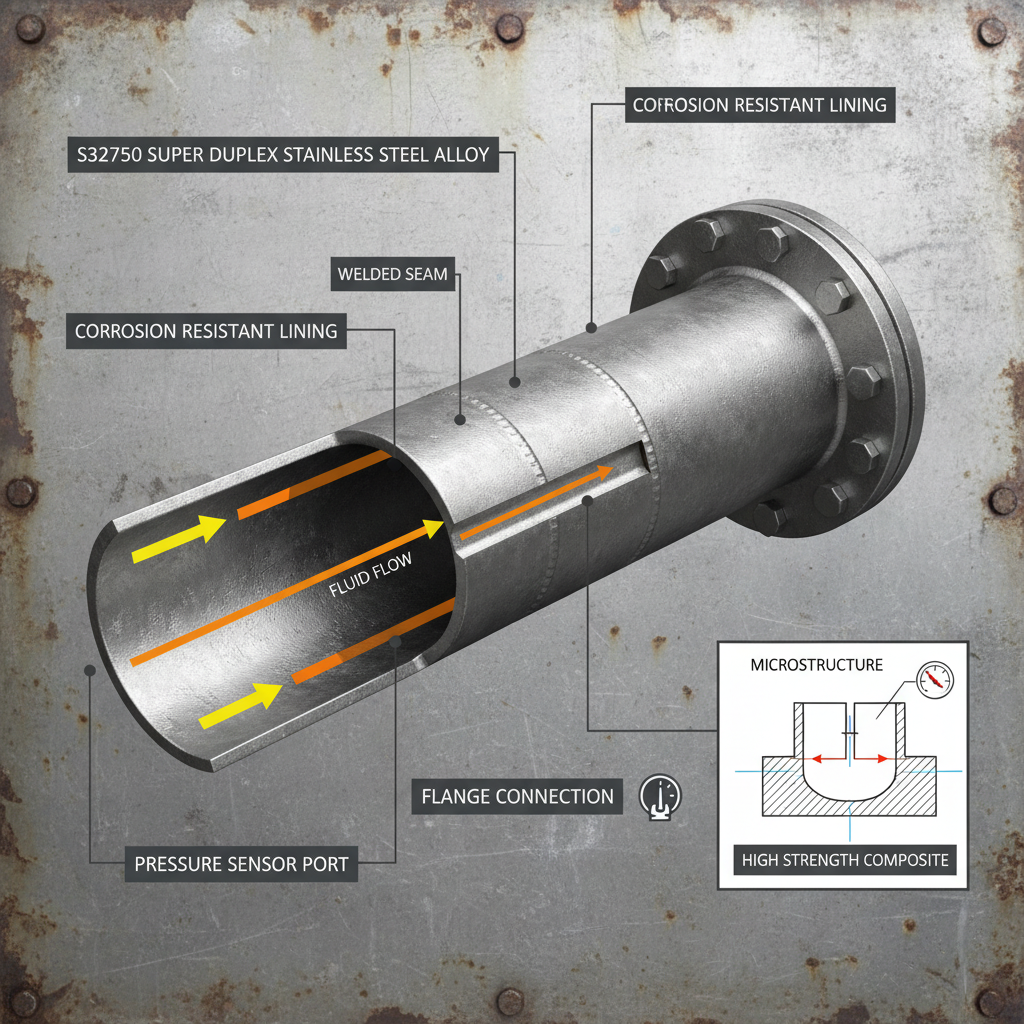
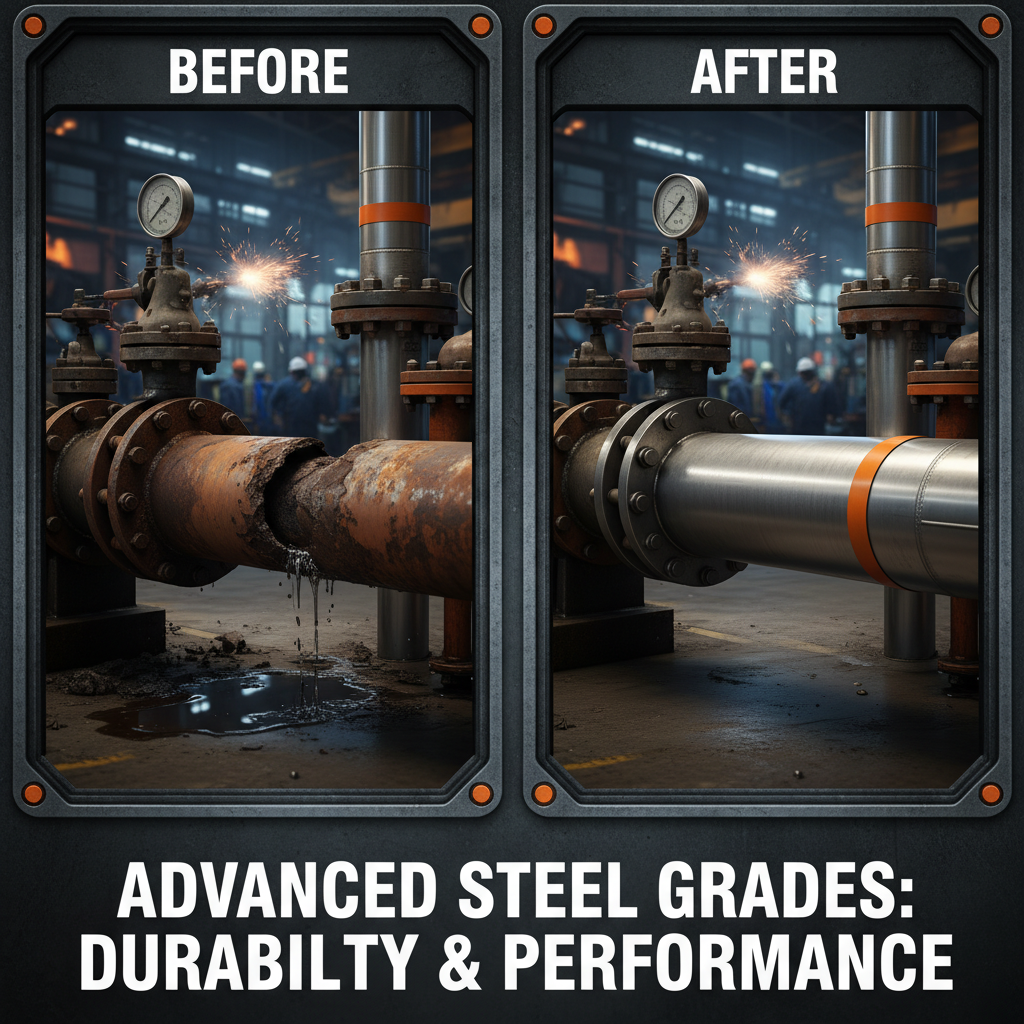
Stainless steel mechanical tubing often endures aggressive conditions — corrosive environments, mechanical stress, temperature extremes. Thanks to high chromium and nickel content, it forms a passive oxide layer that prevents rust, prolonging service life significantly compared to carbon steel or aluminum alternatives.
Precision & Consistency
Manufacturers maintain tight tolerances on wall thickness and diameter, essential for applications like hydraulic lines or structural supports where exact fits matter. This consistency is often achieved via cold drawing processes, which improve strength and surface finish.
Cost Efficiency
Though initially more expensive than some materials, stainless steel’s lifespan and lower maintenance costs often result in a better total cost of ownership. Less frequent replacements and repairs reduce interruptions, a critical factor in industrial environments.
Scalability
Whether a small batch for custom machinery or mass production for automotive chassis, stainless steel mechanical tubing manufacturers can easily scale outputs. This flexibility supports a diverse range of industries and project sizes.
Sustainability
Stainless steel is highly recyclable; estimates suggest up to 90% of stainless steel is recycled content or can be reprocessed at end of life. This circularity appeals to companies aiming to reduce their environmental footprint, supporting greener industry initiatives.
Mini Takeaway:
Stainless steel mechanical tubing’s blend of durability, precision, sustainability, and scalability makes it invaluable — industrial resilience with an eco-conscious twist.
Global Applications & Use Cases
You'd be surprised how many industries hinge on stainless steel mechanical tubing. In automotive manufacturing, it forms essential suspension and exhaust components. Aerospace companies rely on it for hydraulic and structural assemblies, where strength-to-weight ratios are crucial. The oil and gas sector uses it in pipelines and control systems, benefiting from corrosion resistance against harsh chemicals.
In humanitarian contexts, companies build robust, modular shelters for post-disaster relief using mechanical tubing frameworks. African solar energy projects incorporate stainless tubing for mounting systems given its ability to endure harsh sun and humidity for years. In remote industrial zones like Arctic mining or offshore drilling, stainless steel mechanical tubing's strength and longevity reduce costly downtime.
Product Specifications: An Overview
| Specification | Typical Values |
|---|---|
| Material Grades | 304, 316, 321, Duplex |
| Wall Thickness | 0.035” to 0.25” (0.9mm to 6.35mm) |
| Diameter Range | 1/8” to 6” (3mm to 152mm) |
| Surface Finish | Polished, Matte, Bead Blasted |
| Tensile Strength | >70,000 psi (480 MPa) |
Advantages & Long-Term Value of Stainless Steel Mechanical Tubing
Let's be frank: investing in stainless steel mechanical tubing is an investment in reliability that pays off handsomely. The material’s resistance to corrosion means fewer failure points, boosting safety on industrial sites — which is critical in sectors like oil, gas, and construction. From a social viewpoint, safer infrastructure supports dignity and stability, especially in vulnerable communities.
Financially, it reduces costs over time. Fewer replacements, less maintenance, and less downtime all add up. There is also an emotional assurance in using trusted materials that have stood test of time. Many engineers say it “feels like” peace of mind when their designs use stainless steel mechanical tubing.
Vendor Comparison for Common Stainless Steel Mechanical Tubing Suppliers
| Supplier | Material Grade Range | Lead Time | Customization Options | Sustainability Initiatives |
|---|---|---|---|---|
| SteelWorks Inc. | 304, 316, Duplex | 2-3 weeks | Custom lengths, finish | Recycles 75% of scrap |
| Global Tubing Co. | 304, 316, 321 | 1-2 weeks | Cold drawing, polishing | ISO 14001 certified |
| EcoSteel Tubes | 316, Duplex, Super Duplex | 3-4 weeks | Special coatings available | 100% recycled input |
Future Trends & Innovations in Stainless Steel Mechanical Tubing
Innovation in stainless steel mechanical tubing continues apace. Frankly, the biggest pushes are toward greener steel production processes — reduced carbon emissions, electric arc furnaces, and hydrogen-based reduction techniques. Researchers are experimenting with alloys that further improve corrosion resistance while using less critical raw materials.
Digital transformation also plays a role — smart manufacturing allows real-time quality control and customization, reducing waste. Automation in cutting, bending, and finishing techniques speeds delivery without compromising precision. And oddly enough, in the age of sustainability, design for recyclability from the start is gaining momentum, ensuring tubing can be fully reclaimed at end-of-life.
Challenges & Solutions
Despite its many assets, stainless steel mechanical tubing faces challenges. Cost fluctuations due to volatile nickel prices can complicate budgeting. Supply chain disruptions, as we’ve seen recently, affect availability and lead times. Moreover, welding or machining some stainless grades demands expertise to avoid embrittlement or corrosion issues.
However, manufacturers are deploying better supply forecasting and diversifying sources to reduce risks. Advanced training programs for fabricators improve quality in installations. Hybrid material solutions and coatings help tailor products for extreme environments, overcoming limitations that used to be deal-breakers.
FAQs: Frequently Asked Questions About Stainless Steel Mechanical Tubing
1. What makes stainless steel mechanical tubing better than carbon steel tubing?
Stainless steel mechanical tubing offers superior corrosion resistance and durability. Unlike carbon steel, it forms a protective oxide layer that prevents rusting, making it ideal for harsh environments or applications requiring long service life. This results in lower maintenance costs and enhanced safety in mechanical systems.
2. How long can stainless steel mechanical tubing last in industrial applications?
With proper selection and maintenance, stainless steel mechanical tubing can last several decades—often 30 years or more. Its corrosion resistance significantly extends lifespan compared to other metals, especially in corrosive or outdoor environments.
3. Is stainless steel mechanical tubing recyclable?
Yes, stainless steel is highly recyclable, with recycled content often exceeding 60%. Many suppliers source recycled input, and tubes can be recycled at end-of-life without loss in quality, supporting sustainable industrial practices.
4. Can stainless steel mechanical tubing be customized for specific projects?
Absolutely. Manufacturers offer customization such as varying wall thicknesses, lengths, surface finishes, and alloy grades to meet project requirements. This flexibility is vital for industries ranging from automotive to architectural designs.
Conclusion: Long-Term Value and Next Steps
In real terms, stainless steel mechanical tubing represents a balanced fusion of strength, longevity, and environmental responsibility. Its applications span global industries, delivering value through reduced maintenance, enhanced safety, and sustainability. Whether you’re designing automotive components, constructing infrastructure, or building resilient housing solutions, understanding and investing in quality stainless steel mechanical tubing is crucial.
Ready to explore options or source premium material? Visit our website: stainless steel mechanical tubing for detailed product information and expert advice.
Quick Reflection:
As technologies and environmental priorities evolve, stainless steel mechanical tubing's role remains pivotal — adapting quietly, yet decisively, in the backbone of modern industry.
References:
Post time: Dec . 03, 2025 17:12
 English
  Arabic
  Bengali
  China
China  French
  German
  Hausa
Hausa  Indonesian
  Italian
  Japanese
  Javanese
  Malay
Malay  Persian
  Portuguese
  Punjabi
  Russian
  Spanish
  Swahili
  Telugu
  Vietnamese