

Understanding 310s stainless steel pipe: A seasoned pro's insight
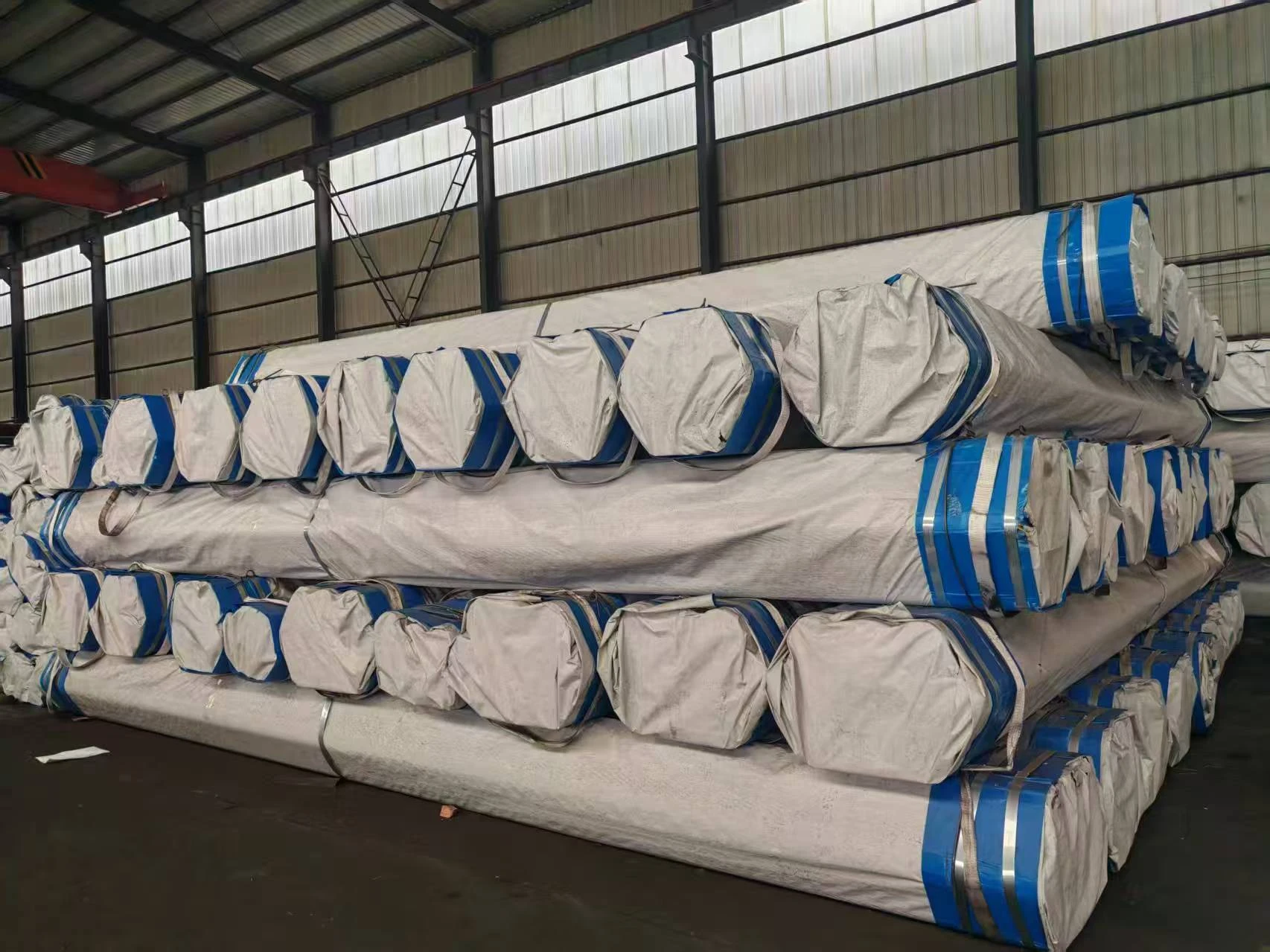
Having spent a good chunk of my career elbow-deep in industrial equipment — from furnaces that roar like thunderstorms to pipelines that silently ferry hot media — I can tell you that choosing the right material often makes or breaks a project. 310s stainless steel pipe is one of those unsung heroes you hear about occasionally but rarely get to appreciate properly unless you’re knee-deep in high-temp corrosion challenges.
So, what makes 310s stand apart? For starters, it’s a high chromium-nickel alloy designed primarily for services demanding exceptional heat and corrosion resistance. Frankly, it’s one of those steels that “feels tough” right out of the box. I remember a client once needing piping for a thermal oxidizer—temperatures touched 1100°C regularly—and 310s not only met specs but ran reliably for years without blistering or scaling.
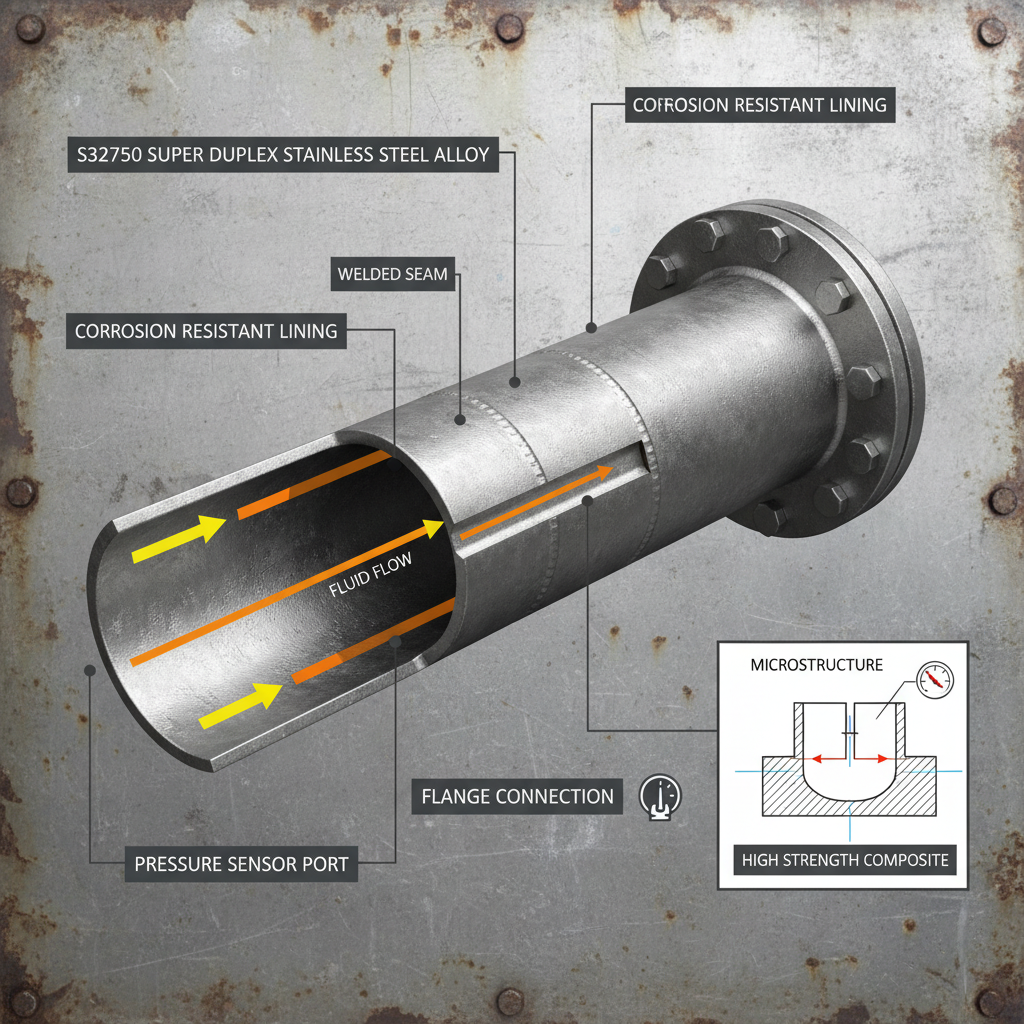
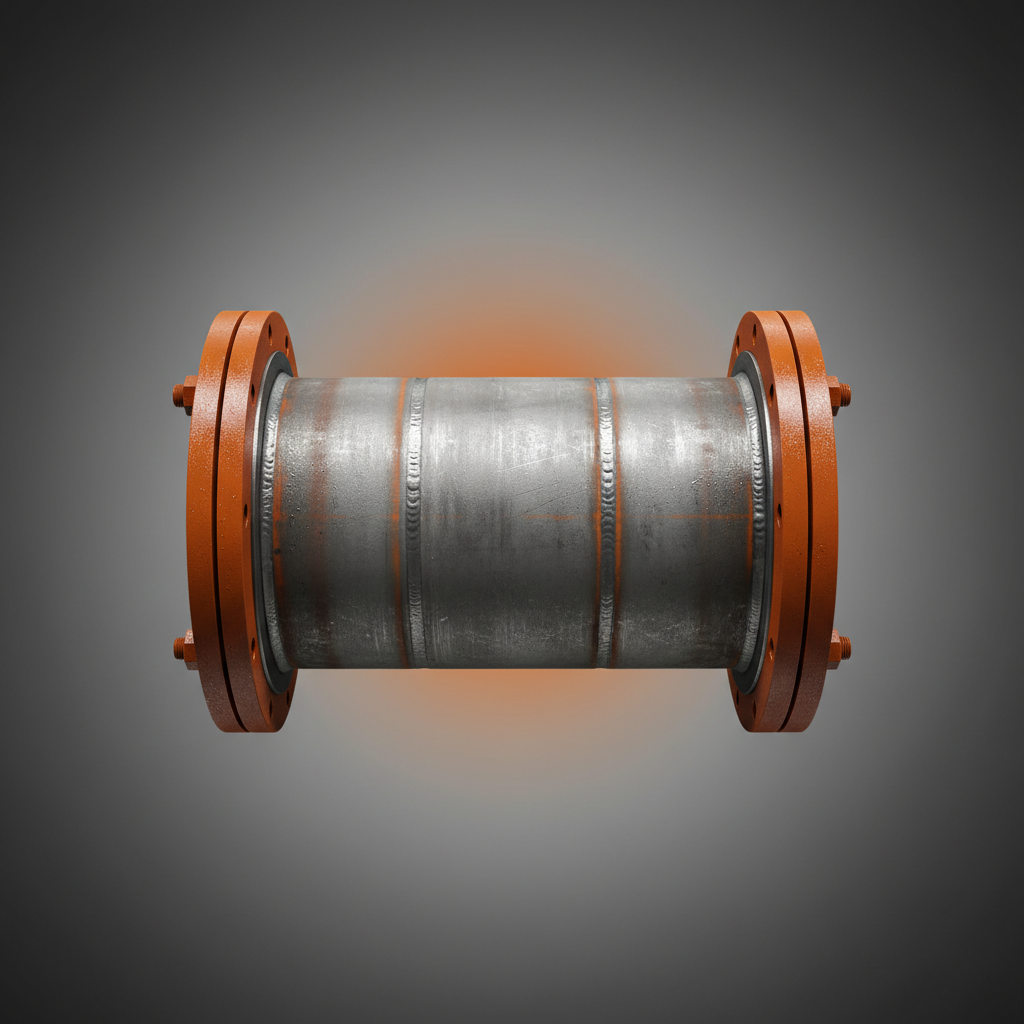
In real terms, this grade packs roughly 25% chromium and 20% nickel, with a slightly lower carbon content than standard 310. That “s” suffix means it’s stabilized to prevent carbide precipitation, which helps maintain corrosion resistance after welding — critical for complex pipe runs that often get welded onsite.
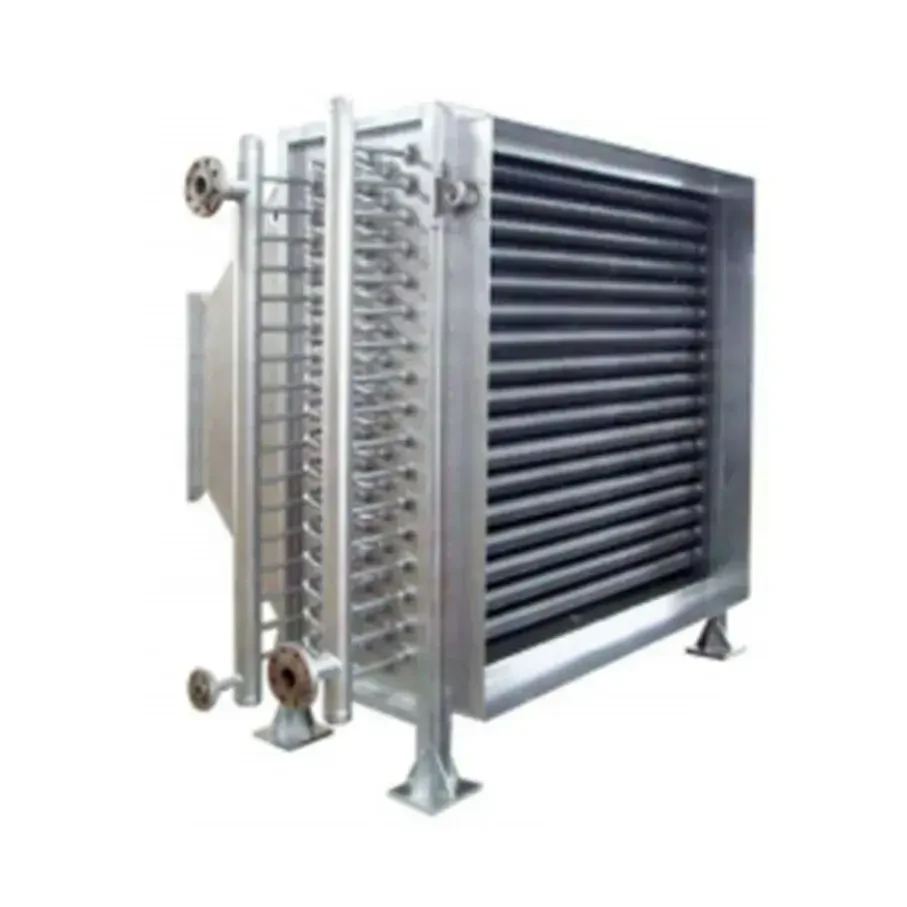
You know how in industrial environments, downtime is the enemy? Well, with 310s pipes, maintenance intervals get stretched. Many engineers I’ve spoken to call it their “go-to” when working with flue gas ducts, heat exchangers, or furnace components. Oddly enough, it holds up surprisingly well even in oxidizing atmospheres and mild reducing conditions.
| Property | Value/Range |
|---|---|
| Chemical Composition (Typical %) | C ≤0.08, Cr 24-26, Ni 19-22, Mn ≤2, Si ≤1.5, P ≤0.03, S ≤0.015 |
| Density | 7.9 g/cm3 |
| Max Service Temperature | 1100°C (2012°F) |
| Tensile Strength | ≥ 515 MPa |
| Yield Strength (0.2% Offset) | ≥ 205 MPa |
| Elongation (%) | ≥ 40% |
Product specs aside, what about sourcing? There are a handful of reliable vendors out there, but choosing between them can be a bit like trying to pick a favorite tool in a well-stocked toolbox. Here’s a simple comparison based on my experience dealing with top suppliers:
| Feature | Vendor A | Vendor B | Vendor C |
|---|---|---|---|
| Price Competitiveness | Moderate | Low (Budget option) | High (Premium) |
| Delivery Speed | 3-5 days | 7-10 days | 1-3 days |
| Customization Options | Wide (diameter, length) | Limited | Extensive (plus finishing) |
| Certifications (EN/ASTM) | Yes (both) | Partial | Yes (both) |
| Customer Service | Responsive | Average | Excellent |
One thing I’ve come to appreciate—and it probably rings true for many seasoned pros—is that product specs only tell half the story. The other half is about the support you get along the way. I recall a project where Vendor C went above and beyond, customizing lengths and wall thicknesses quickly to meet a last-minute site inspection demand. That agility saved us days of downtime, making a premium price worthwhile.
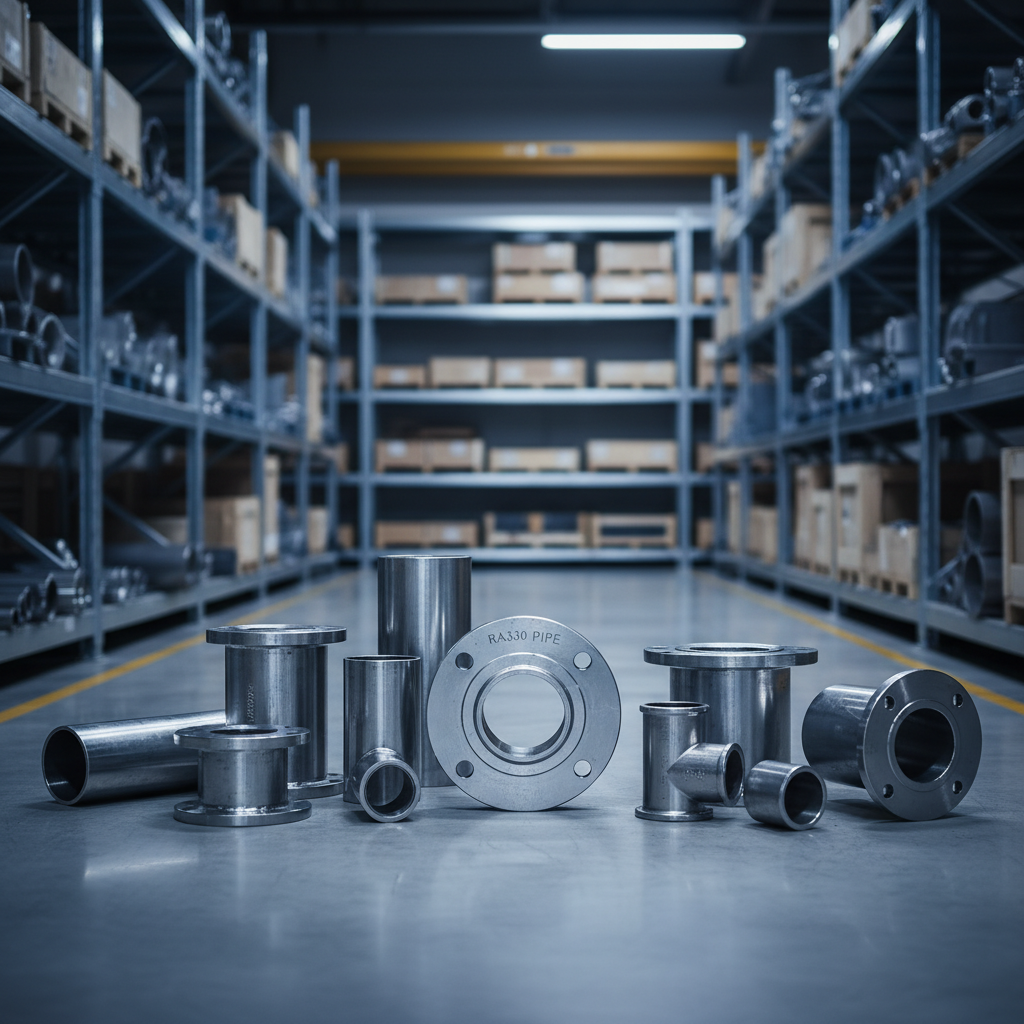
Speaking of customization, 310s pipes can and often should be tailored to your project requirements. Whether it’s specific wall thicknesses for pressure resistance or polished finishes for hygienic purposes, these pipes adapt well. But test everything beforehand, especially if you are welding or working with harsh chemicals—the last thing you want is surprises in situ.
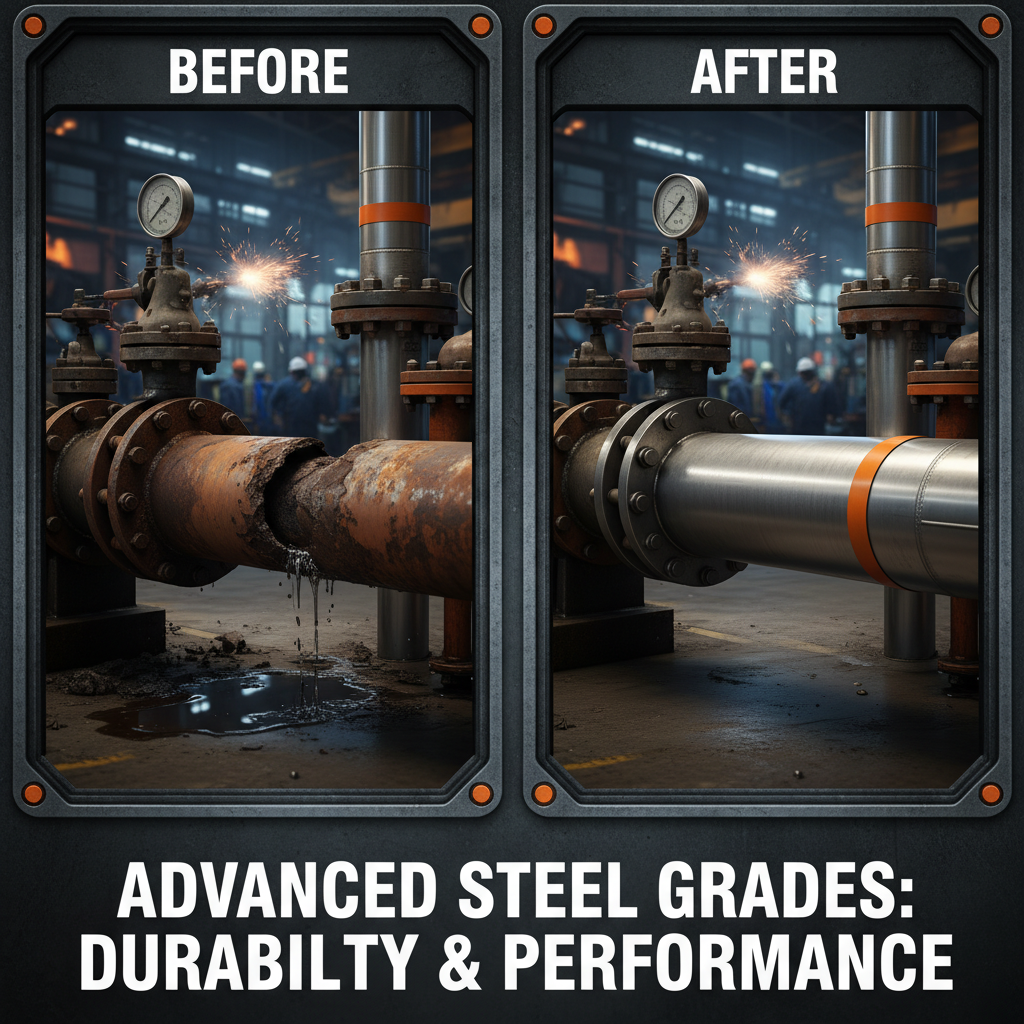
To sum up: if your work involves high-temp smoke stacks, chemical processing, or any environment where oxidation and corrosion eat away at lesser steels, the 310s stainless steel pipe is a solid bet. It’s robust, adaptable,—and yes, even kind of elegant in its quiet reliability. Just remember to vet your vendor carefully, and you’ll have a pipe that does its job, all day, every day.
References:
1. ASTM A312/A213 Standard Specification for Seamless and Welded Austenitic Stainless Steel Pipes.
2. “Heat Resistant Stainless Steels,” Nickel Institute Technical Series.
3. Personal experience on various refinery turnaround projects, 2010–2023.
Post time: Dec . 03, 2025 16:50
 English
  Arabic
  Bengali
  China
China  French
  German
  Hausa
Hausa  Indonesian
  Italian
  Japanese
  Javanese
  Malay
Malay  Persian
  Portuguese
  Punjabi
  Russian
  Spanish
  Swahili
  Telugu
  Vietnamese