

Understanding A335 P91: The Backbone of High-Performance Steel Applications
When it comes to power plants, refineries, and heavy industrial applications, one material quietly does a lot of heavy lifting — a335 p91. But why has this particular steel grade become so essential globally? The answer lies in its remarkable strength, heat resistance, and reliability under extreme conditions. Today, understanding the nuances of a335 p91 translates directly into safer infrastructure, longer-lasting components, and better returns on investment for industries worldwide.
Global Context: Why a335 p91 Matters Across Industries
Heat-resistant alloys are not just a luxury; they’re a necessity. According to the International Energy Agency (IEA), global energy demand is expected to rise by nearly 50% by 2050, pushing thermal power plants and industrial facilities to operate with greater efficiency and durability.1 Standards like ASTM A335 P91 steel help meet these demanding performance needs, especially in high-pressure, high-temperature environments. Challenges such as material degradation and environmental stress have historically resulted in costly downtime and maintenance. Utilizing materials like a335 p91 mitigates these risks.
In short: the steel grade addresses critical industry pain points, enabling advancements in power generation, petrochemical refining, and beyond.
Defining A335 P91
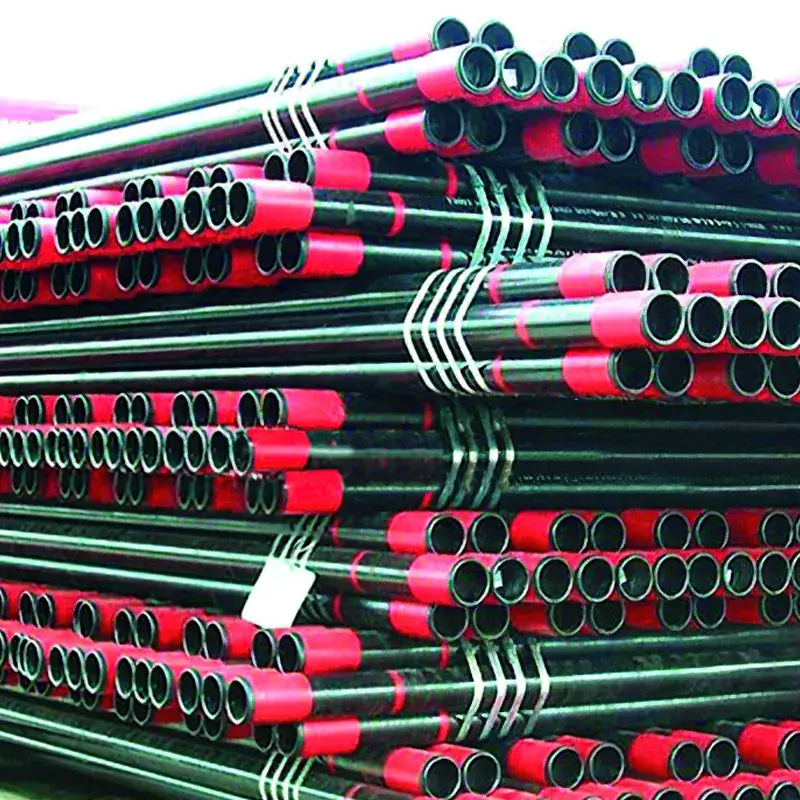
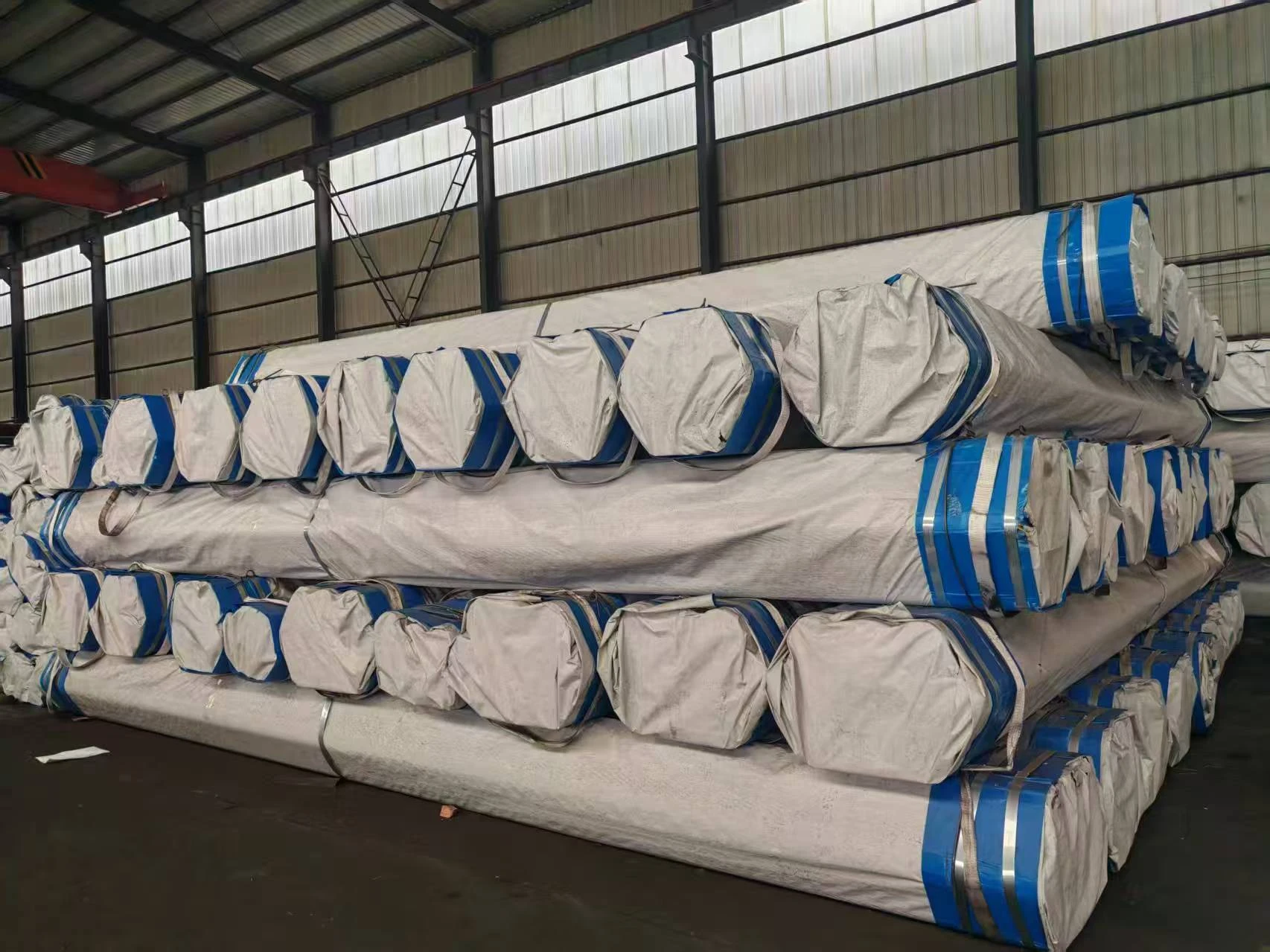
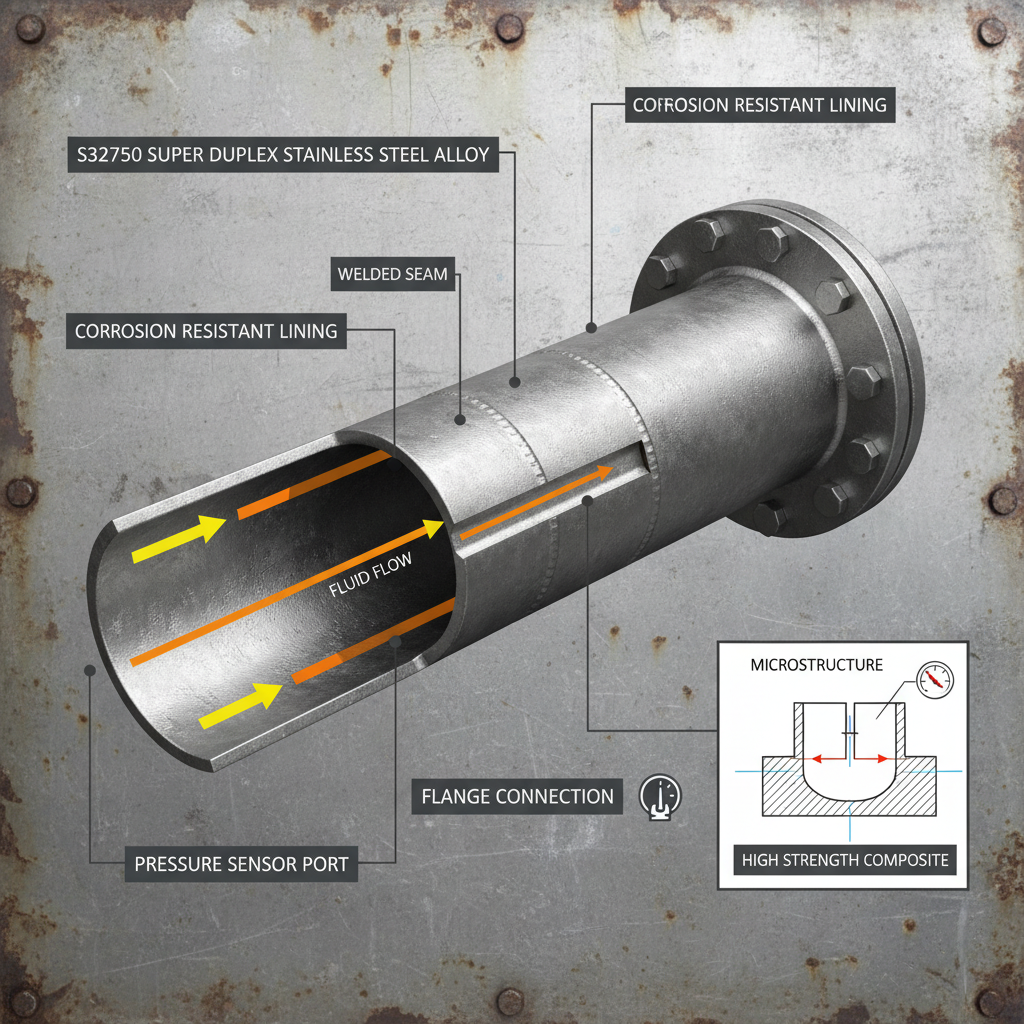
Essentially, ASTM A335 P91 is a specification for a seamless ferritic alloy-steel pipe designed for high-temperature service. Its chemical composition typically includes chromium, molybdenum, and vanadium—elements that grant it superior creep strength (resistance to deformation under long-term stress) at elevated temperatures.
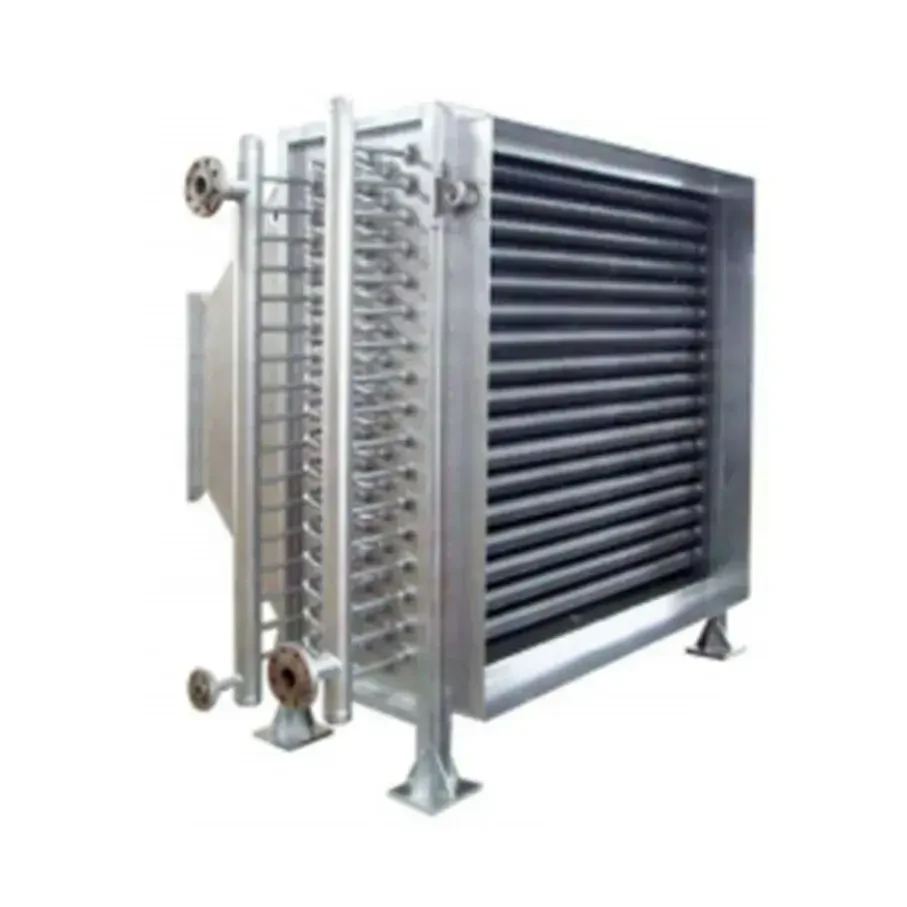
This makes it a go-to material in modern infrastructure demanding consistent performance—think boiler tubes, heat exchangers, and piping in power plants that run for decades without compromising safety or functionality.
Core Components of A335 P91 Steel
1. Durability
The alloy’s signature chromium-molybdenum blend is tailored to resist oxidation and corrosion at temperatures up to about 600°C (1,112°F). In practical terms, this means fewer replacements, less downtime, and a longer service life.
2. Thermal Stability
Because it maintains mechanical integrity in extremely hot environments, a335 p91 pipes withstand the fluctuating pressures and temperatures typical of thermal power plants.
3. Strength-to-Weight Ratio
This steel exhibits high tensile and yield strength without excessive thickness, allowing for lighter yet robust piping networks.
4. Weldability
Its chemical composition allows effective welding with proper heat treatment, a non-negotiable for field construction and repair.
5. Cost Efficiency
While a335 p91 is priced higher than conventional carbon steel, its long-term savings through maintenance reduction and operational uptime make it an economically sound choice.
Product Specification Table for A335 P91 Steel
| Property | Typical Value |
|---|---|
| Chemical Composition | Cr 8-9%, Mo 0.85-1.05%, V 0.18-0.25% |
| Tensile Strength | 585 MPa (Minimum) |
| Yield Strength | 415 MPa (Minimum) |
| Creep Rupture Strength | 90 MPa at 600°C (up to 100,000 hrs) |
| Operating Temperature | Up to 600°C (1,112°F) |
Global Applications & Use Cases
The versatility of a335 p91 steel is best illustrated by its global applications:
- Power Plants: In coal, gas, and nuclear plants, P91 pipes handle superheated steam transport, reducing the risk of failure due to thermal fatigue.
- Oil & Gas Industry: Pipelines and heat exchangers use this steel to withstand corrosive agents and high-pressure flow.
- Chemical & Petrochemical Plants: Shutdowns due to pipe failure can be catastrophic; P91’s resilience helps minimize this risk.
- Emerging Markets: Countries investing heavily in energy infrastructure — like India and China — have seen rapid adoption of heat-resistant steels to meet ambitious environmental standards.
Oddly enough, the steel’s story doesn’t end there. It’s increasingly important in retrofit projects aiming to boost power plant efficiencies under tightening emission regulations.
Vendor Comparison: A335 P91 Steel Suppliers
| Vendor | Standards Compliance | Typical Lead Time | Pricing |
|---|---|---|---|
| World Steel Material | ASTM A335 P91, ASME SA335 P91 | 2-4 weeks | Competitive |
| Global Metal Corp. | ASTM A335, EN 10216-2 | 3-5 weeks | Moderate |
| HeatRes Steel Ltd. | ASTM and ASME certified | 4-6 weeks | Higher end |
Advantages and Long-Term Value
Investing in a335 p91 steel delivers tangible returns — and not just in dollars.
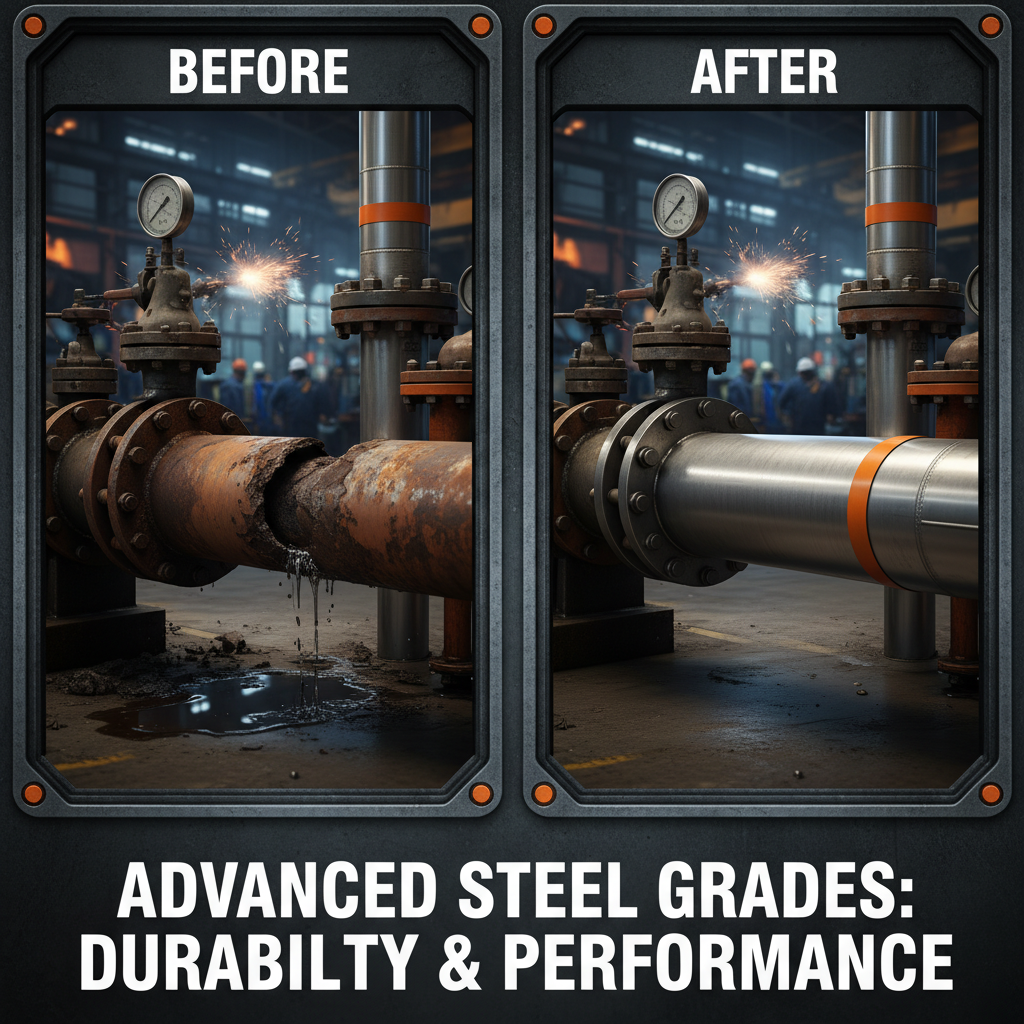
- Cost Savings: Reduced failures and longer uptime mean less emergency downtime and repair expenses.
- Sustainability: The durability leads to fewer replacements, curbing raw material waste and carbon emissions associated with manufacturing.
- Safety: Confidence that components won’t catastrophically fail under pressure translates to peace of mind for operators and communities.
- Innovation: Enables cutting-edge designs in power generation that otherwise would be impossible with standard steels.
Frankly, it’s hard to overstate how engineering confidence improves when you know components conform to strict a335 p91 standards.
Future Trends & Innovations
Looking ahead, the story of a335 p91 is evolving with:
- Green Energy: As thermal plants transition to co-firing biomass or hydrogen, steel compositions and treatments may adapt for these novel fuels.
- Advanced Metallurgy: Nano-scale alloying and heat treatments could further enhance creep resistance and weldability.
- Digital Quality Control: Real-time monitoring during production improving traceability and assurance for OEMs.
Challenges & Solutions
Even though a335 p91 steel is impressive, it’s not without its quirks. Welding requires careful heat treatment to avoid brittleness — something many engineers point out as a potential pitfall. Also, initial cost can be intimidating for new projects.
However, expert manufacturers provide detailed guidelines on post-weld heat treatment (PWHT) and thorough inspections to overcome these concerns. When procurement includes reputable suppliers like World Steel Material, the risk markedly diminishes.
FAQ: Common Questions About A335 P91
- Q: What industries most commonly use a335 p91 pipes?
A: Primarily power generation, petrochemical, and heavy manufacturing industries where sustained high temperature and pressure conditions exist. - Q: Can a335 p91 be used in corrosive environments?
A: Yes, its chromium content provides good corrosion resistance, but it might need protective coatings or line pipes in highly aggressive conditions. - Q: How does a335 p91 compare with standard carbon steel?
A: It offers much higher temperature tolerance and strength, making it suitable for applications beyond the reach of standard carbon steels. - Q: Is welding a335 p91 difficult?
A: It requires precise control of heat input and PWHT to maintain the material’s integrity but is well-documented and standard practice in industry.
Conclusion
To wrap up, the value of understanding and leveraging a335 p91 steel is clear: it’s about future-proofing infrastructure, enhancing safety, and optimizing cost-performance ratios. Industries that embrace this specification confidently pave the way for more reliable power and industrial systems in our increasingly demanding world.
For those interested in exploring this further, visit our website to explore specifications, pricing, and expert guidance on sourcing quality a335 p91 steel.
Mini takeaway: Mastering the use of a335 p91 steel isn’t just an engineering detail — it’s a strategic advantage underpinning modern industry’s resilience.
References:
1. International Energy Agency – World Energy Outlook 2023
2. Wikipedia – ASTM A335
3. ISO Standards for Alloy Steel Pipes
Post time: Dec . 03, 2025 16:28
 English
  Arabic
  Bengali
  China
China  French
  German
  Hausa
Hausa  Indonesian
  Italian
  Japanese
  Javanese
  Malay
Malay  Persian
  Portuguese
  Punjabi
  Russian
  Spanish
  Swahili
  Telugu
  Vietnamese