

330 Stainless Steel Pipe: A Workhorse in High-Temperature Applications
Having spent a decent chunk of my career around industrial-grade materials and equipment, I can honestly say that 330 stainless steel pipe represents a really intriguing niche in the stainless steel family. It’s not just another pipe—it’s that dependable, heat-resistant backbone many engineers and plant managers swear by when things get serious, like in chemical plants or aerospace applications.
Oddly enough, 330 stainless steel isn’t the flashiest name you hear tossed around. But if you need resistance to oxidation and carburization at elevated temperatures—think up to 1150°C (2100°F)—this alloy stands tall. Frankly, I’ve seen it in action handling superheated steam and corrosive flue gases, where lesser grades would have folded long ago.
The magic sauce is its chemical makeup—predominantly iron, with about 34-37% nickel, 17-20% chromium, plus a dash of silicon which helps with high-temp strength and oxidation resistance. This balance makes 330 stainless steel pipe remarkably durable for continuous service at elevated temperatures. Many engineers I’ve worked with appreciate how it holds up under thermal cycling without cracking or spalling.
Now, to give you a quick sense of what we’re talking about, here’s a basic spec rundown:
| Property | Typical Value |
|---|---|
| Chemical Composition (wt%) | Ni 34–37%, Cr 17–20%, Si 1.4–2.5%, Fe balance |
| Melting Range | 1371–1397°C (2500–2550°F) |
| Max Service Temp | Approx. 1150°C (2100°F) |
| Tensile Strength | ≥ 550 MPa (about 80 ksi) |
| Hardness (Rockwell B) | 80 max |
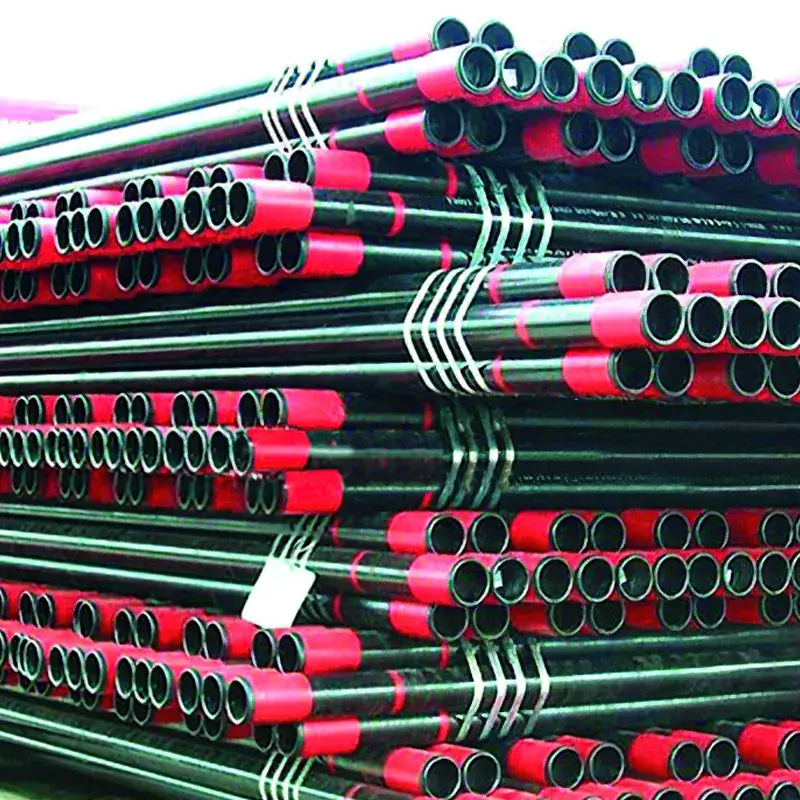
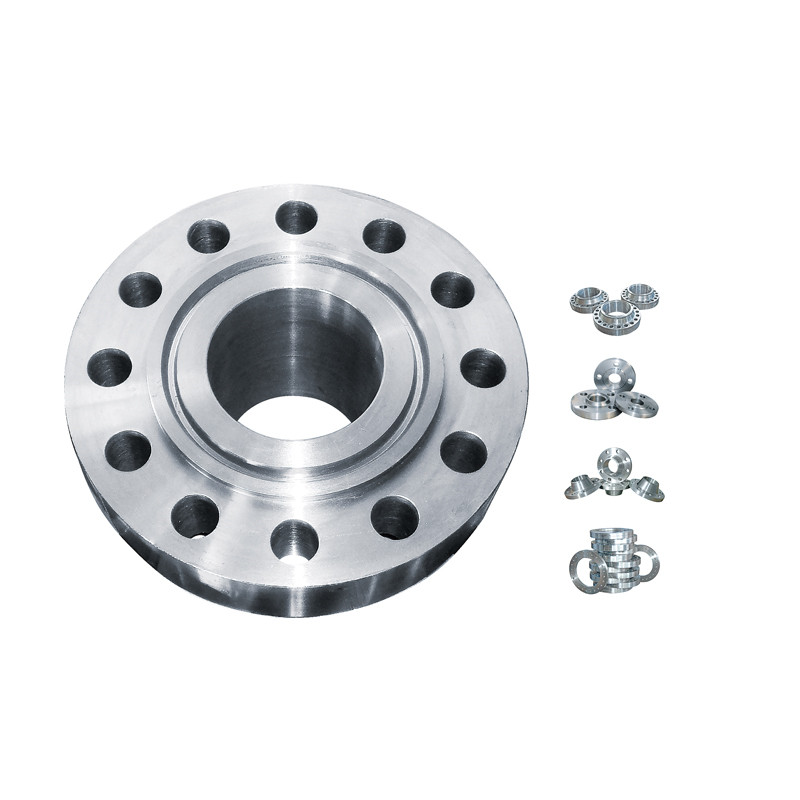
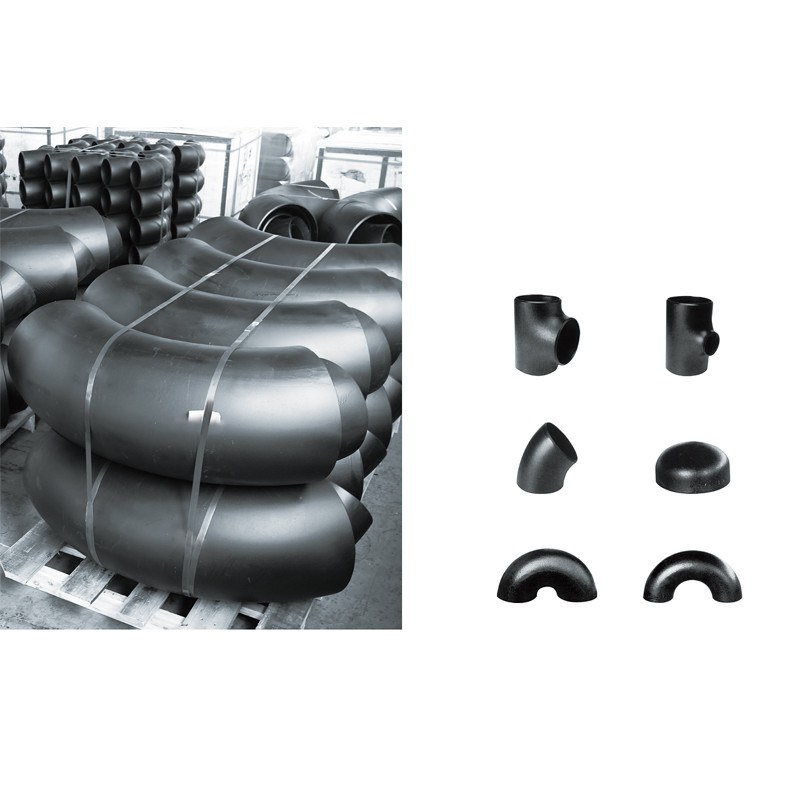
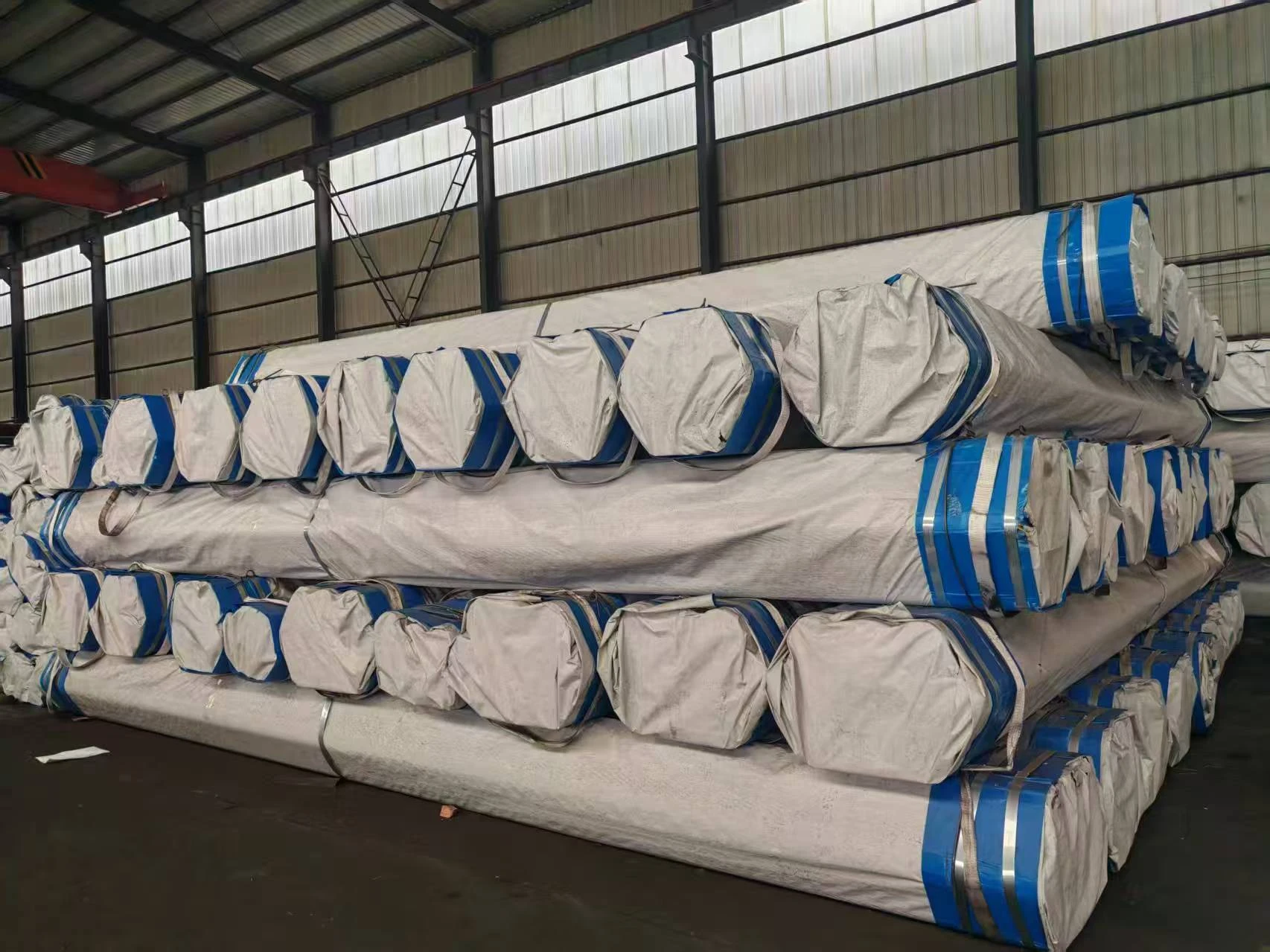
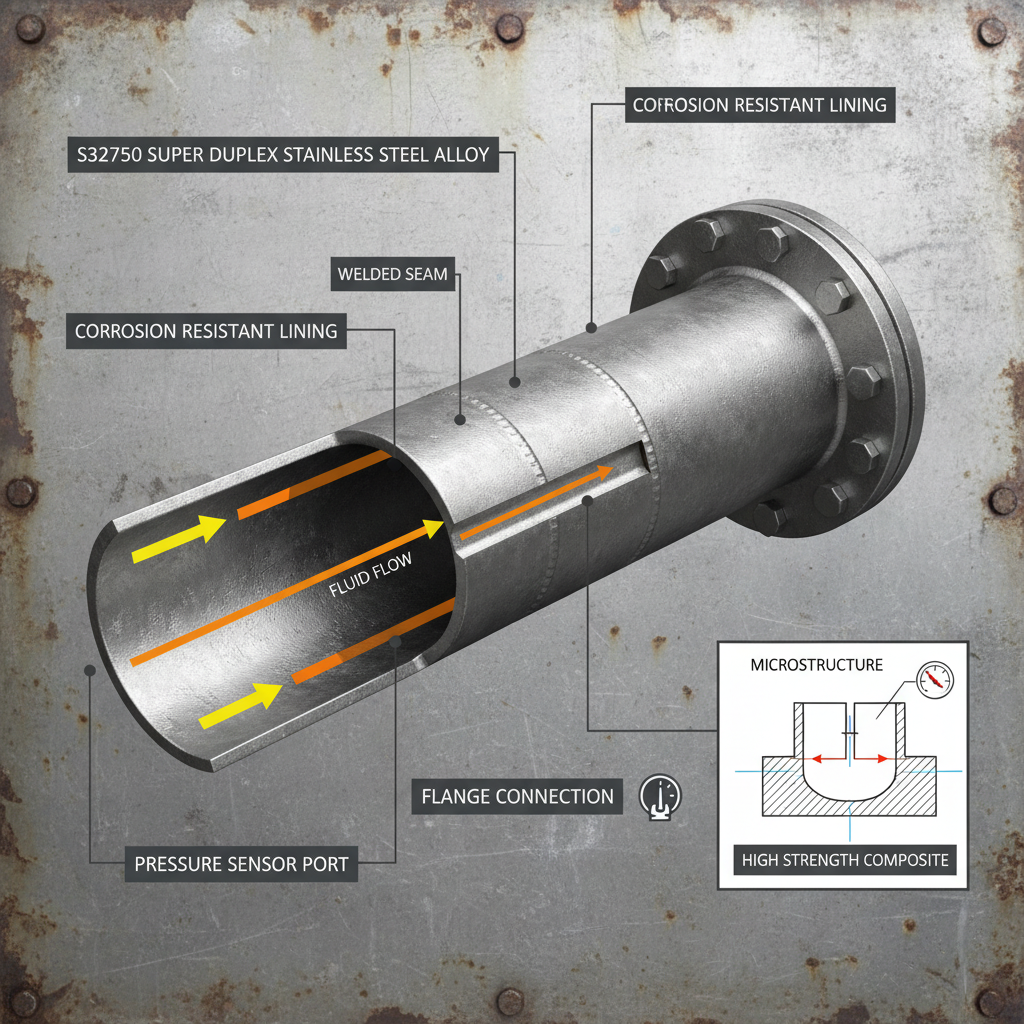
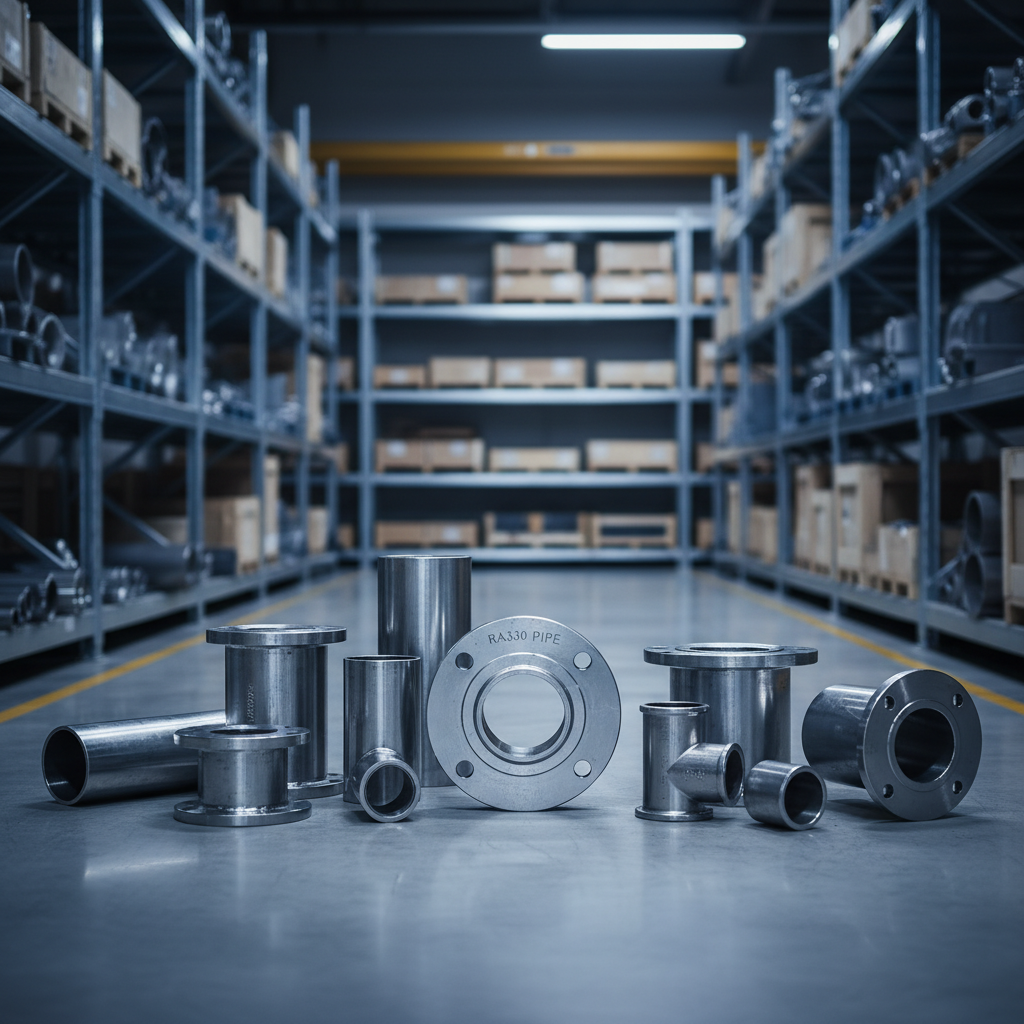
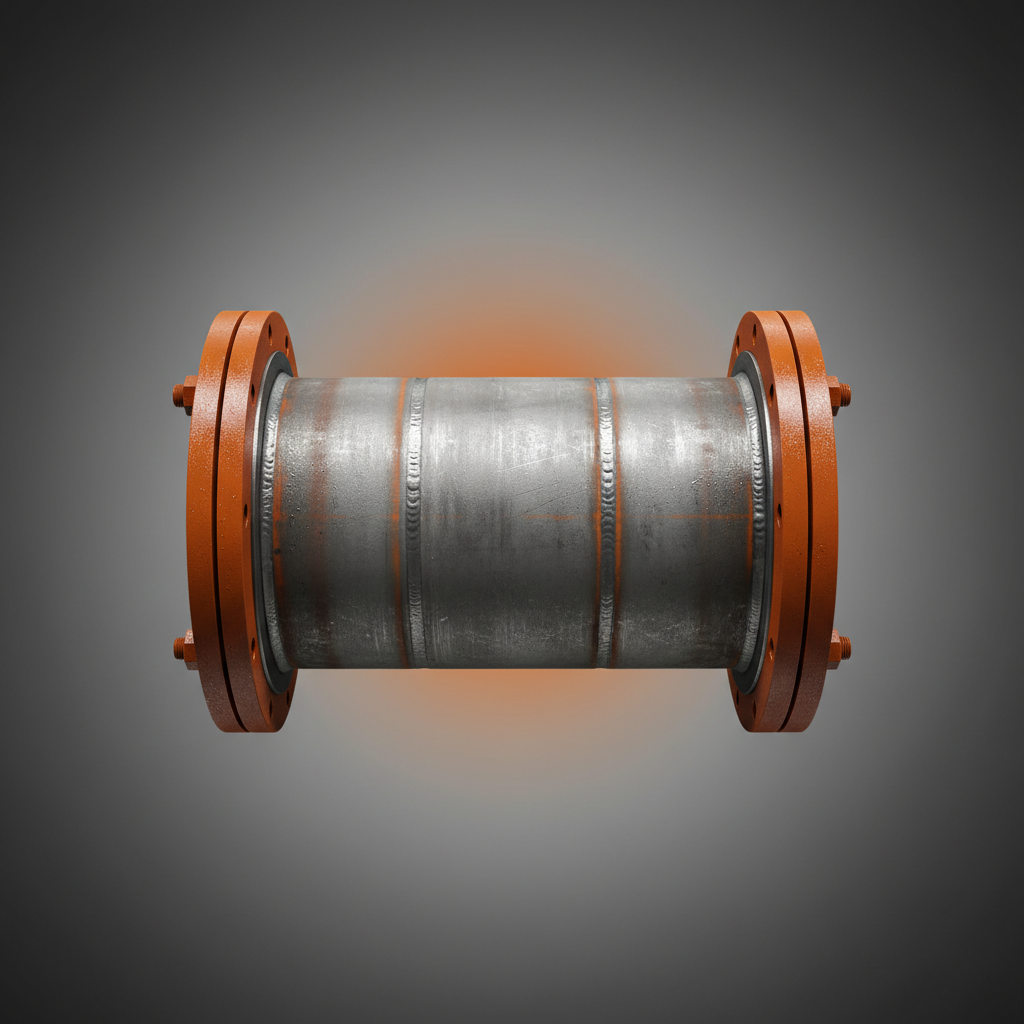
Of course, like most industrial materials, the devil’s in the details. Surface finish and pipe-wall thickness can vary widely depending on the end use. Custom fabrication is very common — flanges, elbows, and fittings tailored to fit specific process layouts. I recall a client who insisted on extra-thick walls for a petrochemical plant application where occasional mechanical impact risked damaging thinner pipes. They never regretted that call.
Speaking of vendors, sourcing quality 330 stainless steel pipe can get tricky — not every supplier hits the same standards or offers the same service. Here’s a quick comparison of three notable suppliers I’ve dealt with, based on experience and feedback from the field:
| Vendor | Quality Compliance | Lead Times | Customization Flexibility | Customer Support |
|---|---|---|---|---|
| SteelWorks Co. | ISO 9001 & ASTM certified | 3-4 weeks typical | High – custom fittings available | Responsive, technical assistance included |
| AlloyPipes Ltd. | ASTM certified | 2-3 weeks | Moderate – standard sizes mostly | Good, but limited after-hours help |
| MetalEdge Supplies | ISO certified, batch tested | 4-6 weeks | Very high – specializes in custom orders | Excellent, dedicated reps available |
One thing I've noticed over time: thorough testing is non-negotiable with 330 stainless steel pipe, given it’s often deployed where failure is costly or dangerous. Material certifications, tensile testing, corrosion resistance analysis—those aren’t mere checkboxes but real-life assurances. Even a small compromise on quality can cascade into significant downtime or safety hazards.
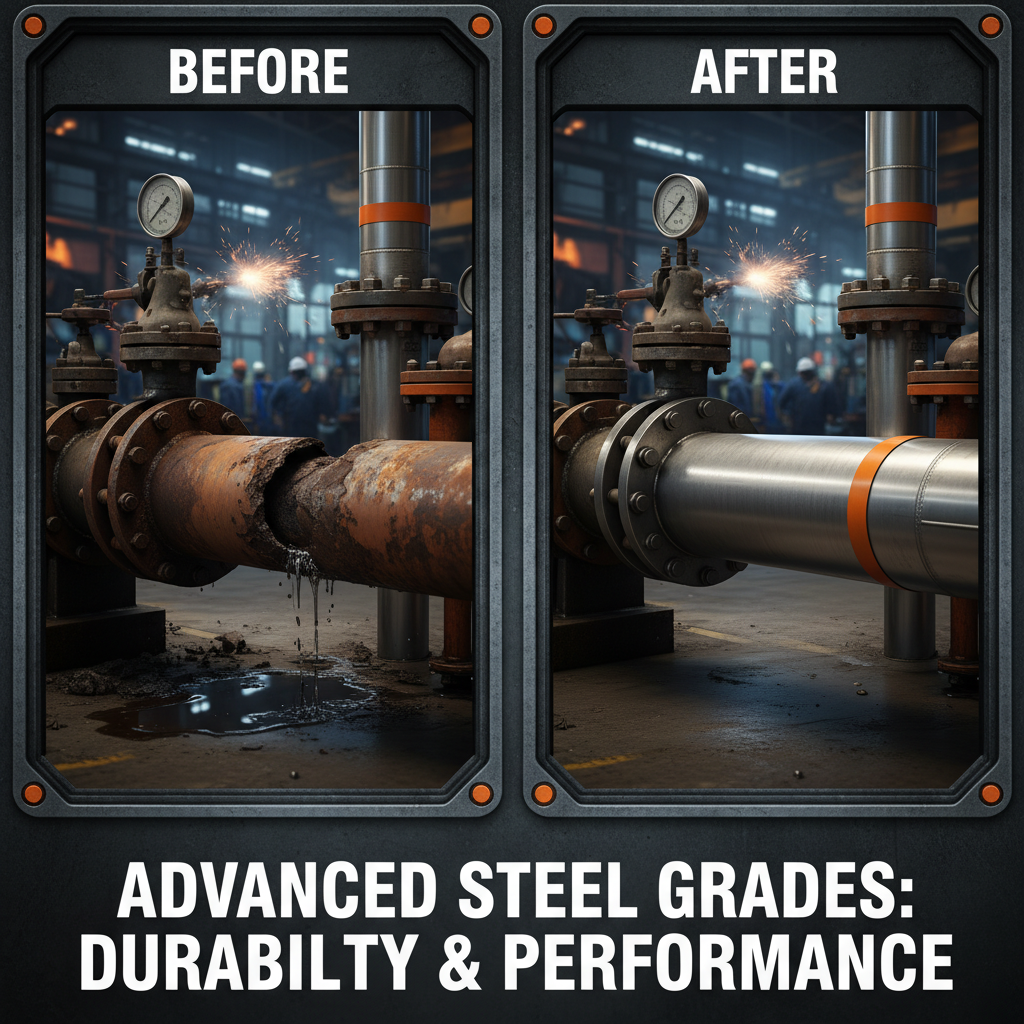
One last anecdote—several years back, I consulted for a thermal power plant facing persistent pipe oxidation issues. Switching out their conventional stainless grades for 330 stainless steel piping drastically improved the reliability of their superheater sections, with barely any maintenance needed after installation. It felt like watching quiet, steady performance replacing reactive fixes — a satisfying outcome, to put it mildly.
So, whether you’re upgrading an existing system or planning new installations where corrosion and heat resistance are critical, consider the merits of 330 stainless steel pipe. It might not dazzle with trendiness, but it sure delivers where it counts.
Takeaway: In industrial conditions demanding endurance and thermal resilience, 330 stainless steel pipes remain a solid, proven choice worth your careful consideration.
- “Properties and Use of Alloy 330.” Special Metals Corporation.
- ASM International, "Metals Handbook, Volume 2: Properties and Selection: Nonferrous Alloys and Special-Purpose Materials."
- Practical Industrial Metallurgy, 3rd Edition – Editorial Notes.
Post time: Dec . 03, 2025 14:44
 English
  Arabic
  Bengali
  China
China  French
  German
  Hausa
Hausa  Indonesian
  Italian
  Japanese
  Javanese
  Malay
Malay  Persian
  Portuguese
  Punjabi
  Russian
  Spanish
  Swahili
  Telugu
  Vietnamese