

Understanding SA335 P11: A Crucial Alloy Steel Grade for Today’s Industries
When it comes to high-performance alloy steels, SA335 P11 stands out—not just as a technical specification, but as a backbone material in multiple critical industries worldwide. You might wonder why a grade like SA335 P11 matters globally. Well, it’s primarily because this material combines strength, heat resistance, and cost-efficiency, allowing industries from power generation to petrochemical plants to thrive sustainably and safely. In fact, the demand for robust materials like SA335 P11 is projected to rise, fueled by global infrastructure growth and energy needs (source: ISO standards).
Grasping what SA335 P11 is, and why its unique composition works so well in high-temperature environments, can unlock better material choices for engineers, project managers, and procurement officers worldwide.
SA335 P11 in a Global Context
Let’s start with the bigger picture. Worldwide, industries dealing with high-temperature fluids—like steam or certain gases—face a recurring challenge: how to select piping and components that maintain durability without breaking budgets. According to the World Steel Association, over 1.8 billion metric tons of steel were produced globally in 2023, with a significant fraction serving energy and manufacturing sectors. Here SA335 P11’s role becomes plain: it meets rising international standards for pressure vessel piping, particularly where boilers and heat exchangers operate at elevated temperatures.
Oddly enough, while breakthrough materials emerge all the time, SA335 P11 remains a favored choice because of its proven record in balancing toughness and cost. So, when a power plant in Europe needs reliable steel piping capable of withstanding 540°C (1000°F) steam, SA335 P11 pipes often top the specification sheets.
What Exactly is SA335 P11?
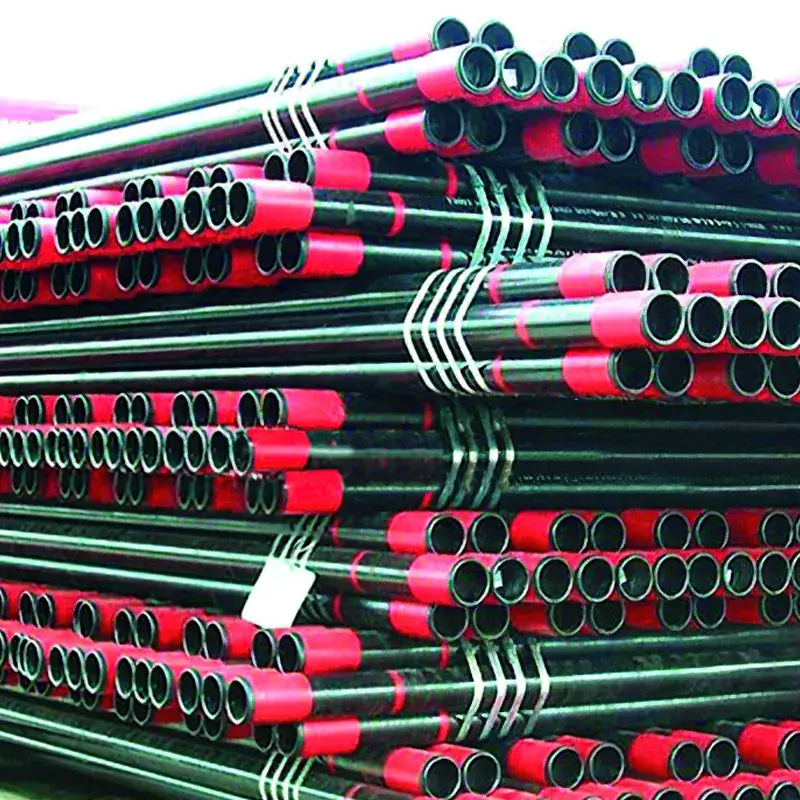
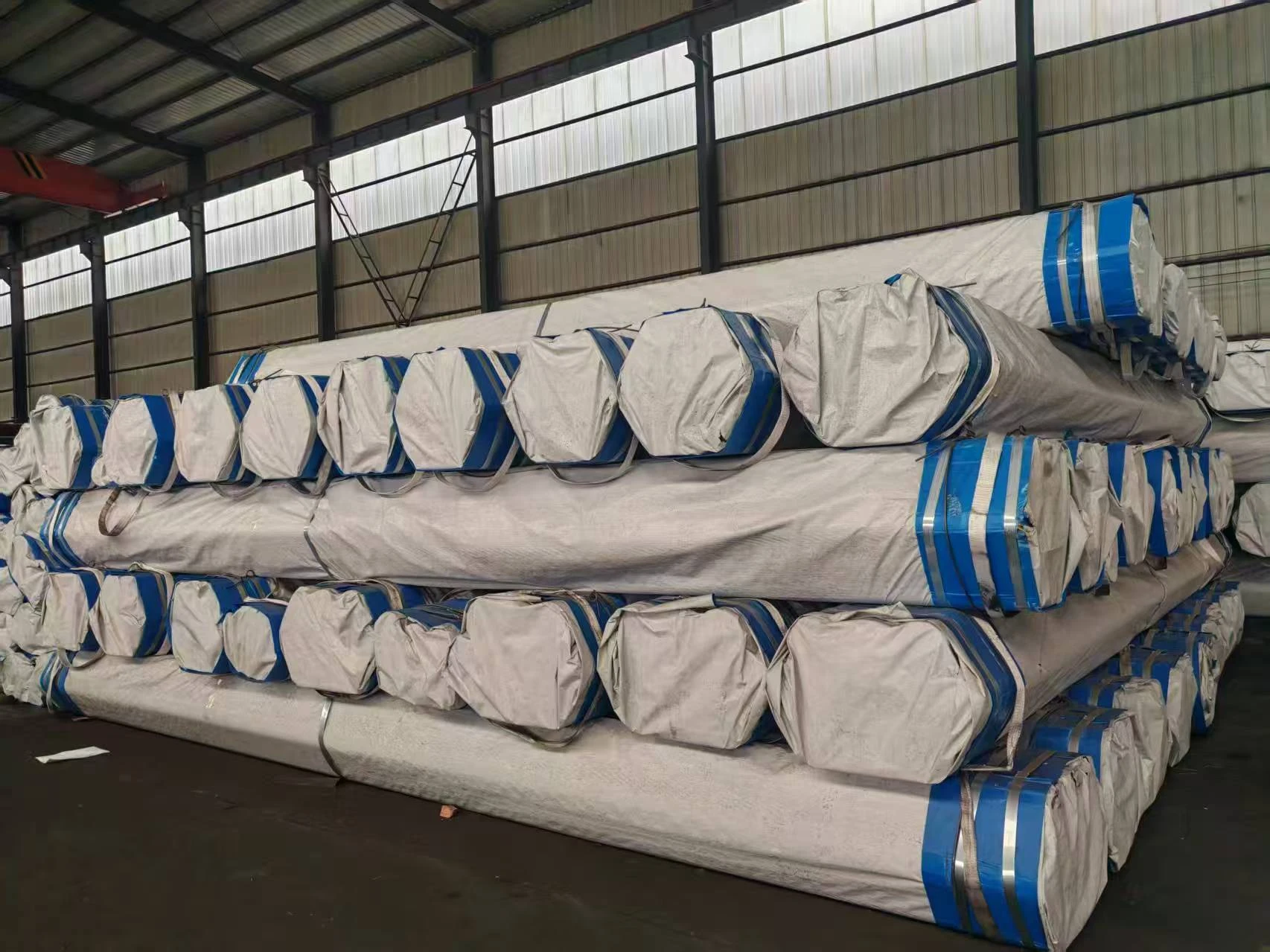
Simply put, SA335 P11 is a specification under ASTM A335 covering seamless ferritic alloy steel pipe, primarily intended for high-temperature service. It’s a chromium-molybdenum steel, with typical chemical contents around 1.25% chromium and 0.5% molybdenum, plus small amounts of other elements. This composition yields exceptional strength at elevated temperatures and resistance to oxidation and creep damage.
This specification ties closely to industry norms for power plants, refineries, and chemical processing facilities where pipes and components must resist internal pressure and thermal stresses without failure. If you think about it, the reliability of entire energy grids sometimes depends on the quality of materials like SA335 P11.
Key Characteristics of SA335 P11
Heat Resistance
SA335 P11’s alloying lets it endure continuous exposure to temperatures as high as 560°C, a critical feature for power station piping and heat exchangers.
Durability & Strength
The steel offers excellent tensile and yield strengths, holding up under thermal cycling and mechanical stresses effectively.
Corrosion Resistance
Thanks to chromium, the material withstands oxidation better than plain carbon steel, reducing maintenance and downtime.
Fabrication Ease
Though it requires careful heat treatment, SA335 P11 can be welded and formed—qualities appreciated by fabricators and onsite engineers worldwide.
| Property | Typical Value | Unit |
|---|---|---|
| Carbon (C) | 0.05–0.15 | % |
| Chromium (Cr) | 0.9–1.3 | % |
| Molybdenum (Mo) | 0.45–0.65 | % |
| Tensile Strength | 415 min | MPa |
| Yield Strength | 205 min | MPa |
Quick takeaway: SA335 P11 is engineered to withstand tough environments, combining mechanical strength with heat and corrosion resistance essential for demanding industries.
Real-World Applications & Industry Use Cases
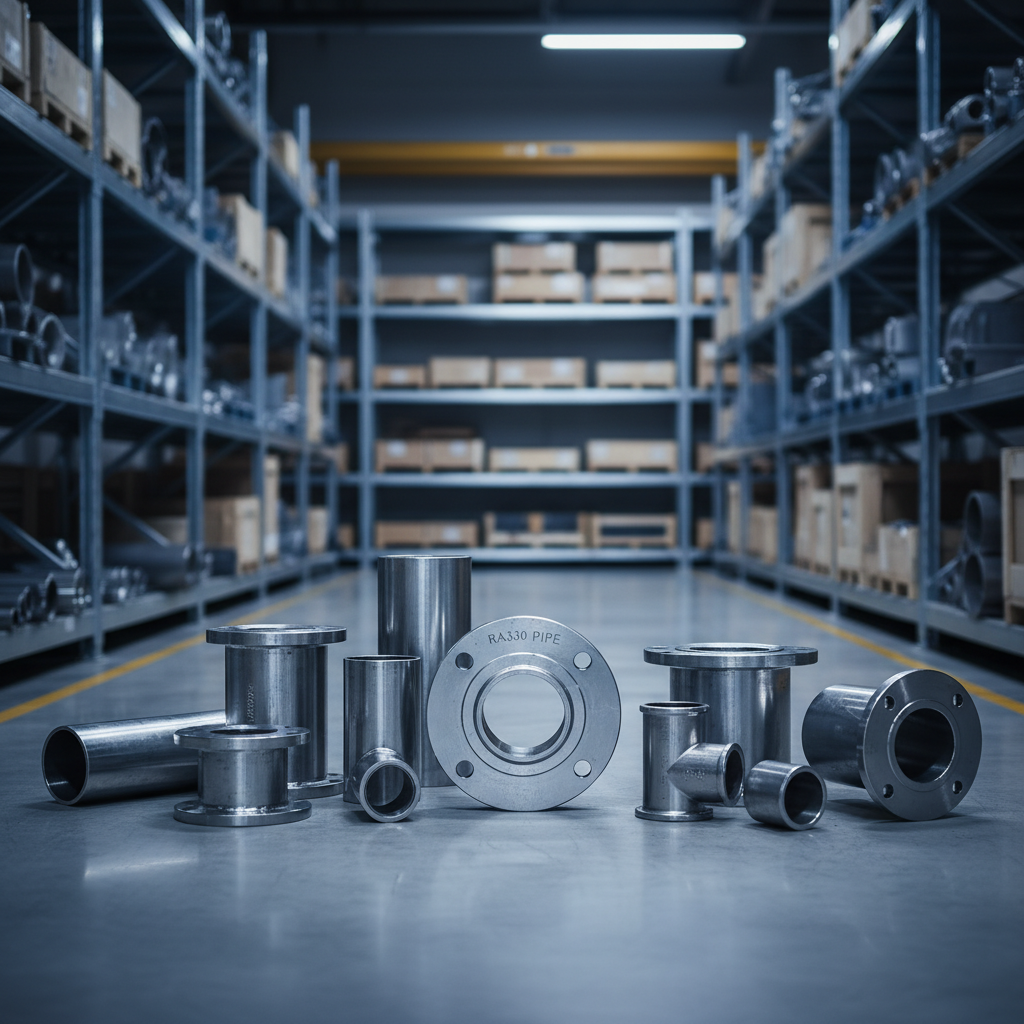
SA335 P11 pipes are everywhere you’d expect in power plants—whether coal, natural gas, or nuclear. They’re also staples in refinery piping and chemical processing plants. For example:
- In Central Asia, natural gas export facilities use SA335 P11 piping for high-pressure, high-temperature transfer lines, reducing leak risks and prolonging component life.
- European thermal power stations regularly specify SA335 P11 due to its predictable service life at elevated steam temperatures (up to 540°C).
- Petrochemical plants in the Gulf region rely on this grade to manage corrosive environments while maintaining system integrity.
Interestingly, some NGOs involved in post-disaster infrastructure rebuilding have begun specifying SA335 P11 components when restoring power generation—demonstrating cross-sectoral relevance.
Advantages & Long-Term Value of SA335 P11
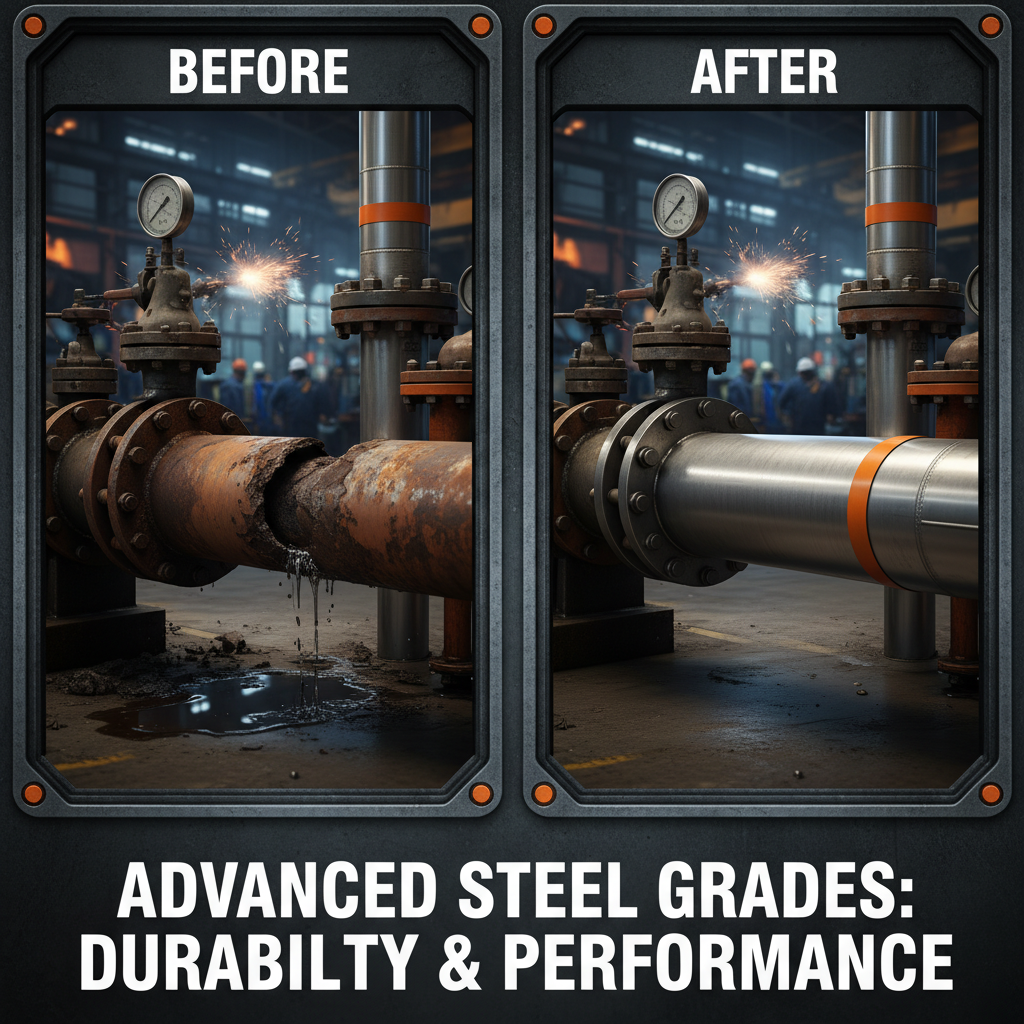
Choosing SA335 P11 doesn’t just make sense on technical grounds—it delivers tangible cost savings. Its high strength means thinner walls are possible, reducing material weight and shipping costs. The corrosion resistance cuts down on maintenance cycles, and improved durability means fewer replacements over decades.
On a more human note, reliable pipelines and vessels prevent accidents, spills, and downtime that threaten worker safety and environmental health. So, it’s not just metal; it’s a piece of the trust infrastructure.
Innovations & Future Trends Around SA335 P11
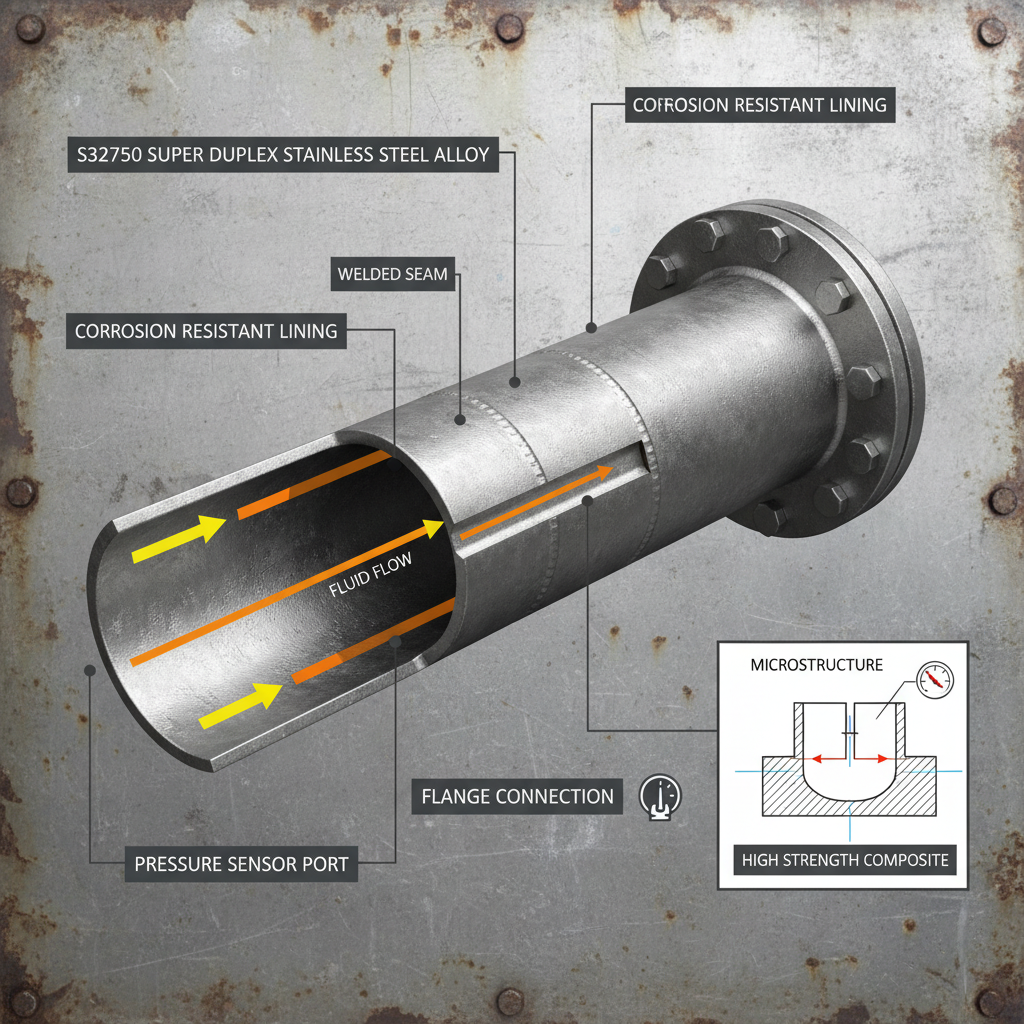
While SA335 P11 remains a workhorse, the materials science world is advancing. Researchers experiment with microalloying tweaks and coatings to extend lifespan and boost resistance to newer forms of corrosion. Digital monitoring—“smart piping” sensors embedded alongside SA335 P11 systems—are improving predictive maintenance, cutting costs, and boosting safety.
Green energy projects increasingly require materials capable of handling variable loads and different media; expect SA335 P11 derivatives adapting to these nuanced needs.
Common Challenges & Practical Solutions
Of course, it’s not all smooth sailing. SA335 P11 requires strict heat treatment post-welding to maintain properties, and improper handling can cause brittleness or cracking. Fortunately, modern fabrication standards and nondestructive testing protocols mitigate these risks effectively.
Also, availability can be regionally limited, so planning and vendor choice are key—more on that below.
Vendor Comparison for SA335 P11 Pipes
| Vendor | Delivery Time | Certification | Pricing | Additional Services |
|---|---|---|---|---|
| SteelWorks Global | 4–6 weeks | ISO 9001, PED | Mid-range | Custom cutting & heat treatment |
| Asia Alloy Pipes | 6–8 weeks | API 5L, ISO | Competitive | Logistics support for export |
| EuroSteel Piping | 3–5 weeks | ISO, CE marking | Premium | Quality assurance & on-site inspection |
FAQ: Common Questions About SA335 P11
What industries most commonly use SA335 P11 piping?
Power generation, petrochemical, and refinery sectors are the primary users of SA335 P11, especially where pipes endure high temperature and pressure conditions.
Can SA335 P11 pipes be welded without losing durability?
Yes, but proper preheating and post-weld heat treatment are critical to maintain toughness and prevent cracks in welded joints.
Is SA335 P11 suitable for low-temperature applications?
While technically usable at moderate temperatures, it’s optimized for high-temperature service. For cryogenic or very low temperature, other grades are better.
Where can I purchase certified SA335 P11 materials internationally?
Reliable vendors like those listed above offer international shipping and certification compliance. Verify quality certifications and request testing documents before purchase.
What’s the lifespan of SA335 P11 pipes in typical power plant settings?
Expected service life commonly ranges from 20 to 30 years, assuming proper maintenance and operating conditions.
Conclusion & Next Steps
So, in real terms, SA335 P11 represents more than just a steel grade—it’s a tried-and-true material choice combining performance and affordability for critical high-temp infrastructure. Its heat resistance, durability, and cost-effectiveness make it a solid foundation upon which industries can build resilient and safe systems.
If you want to explore SA335 P11 options tailored to your project needs, feel free to visit our website for detailed specs, expert advice, and trusted supply channels.
Mini takeaway: SA335 P11 still leads in high-temp alloy steel solutions because it balances durability, cost, and adaptability in a way few materials can match.
References:
Post time: Dec . 03, 2025 14:22
 English
  Arabic
  Bengali
  China
China  French
  German
  Hausa
Hausa  Indonesian
  Italian
  Japanese
  Javanese
  Malay
Malay  Persian
  Portuguese
  Punjabi
  Russian
  Spanish
  Swahili
  Telugu
  Vietnamese