

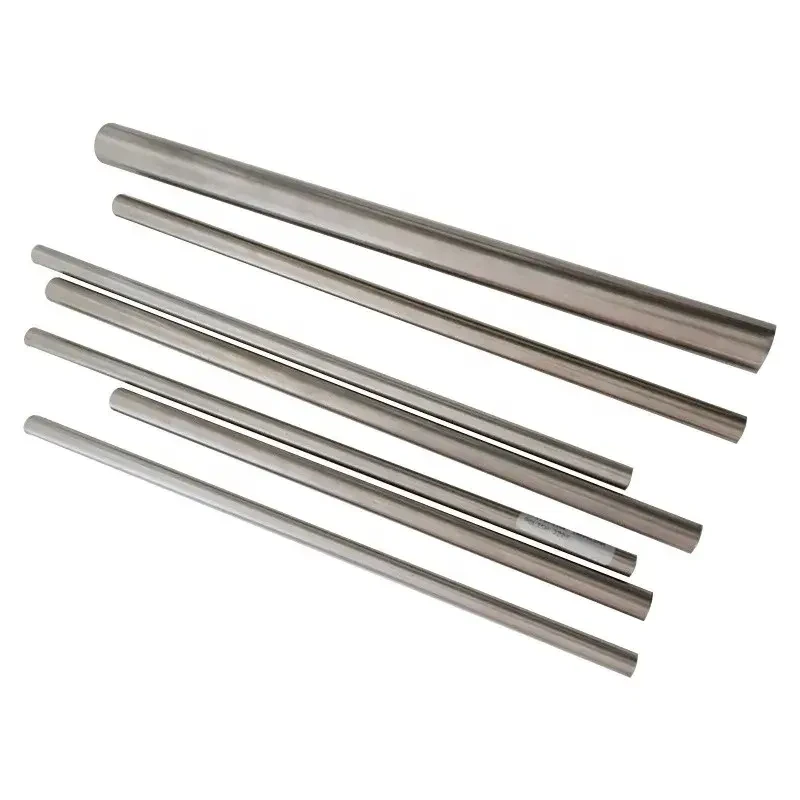
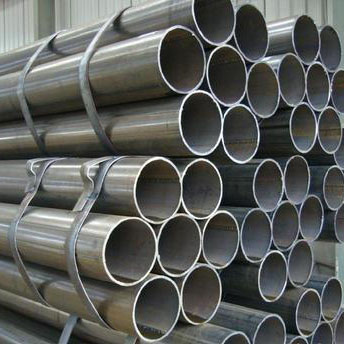
347 Stainless Steel Tubing: Durable Choice for Demanding Applications
Having worked in the industrial equipment field for quite a while, I can tell you that material choice often makes or breaks a project—especially when it comes to tubing used in harsh environments. 347 stainless steel tubing is something I’ve handled numerous times, and frankly, it feels like a reliable workhorse for several reasons.
If you’re dealing with elevated temperatures or even mildly corrosive environments, 347 stainless steel is a go-to for many engineers. Its key advantage? A niobium-stabilized austenitic structure that keeps it from succumbing to chromium carbide precipitation during welding. This means less risk of intergranular corrosion and longer-lasting parts. Oddly enough, while it’s not as flashy as some superalloys, it quietly does its job day in, day out.
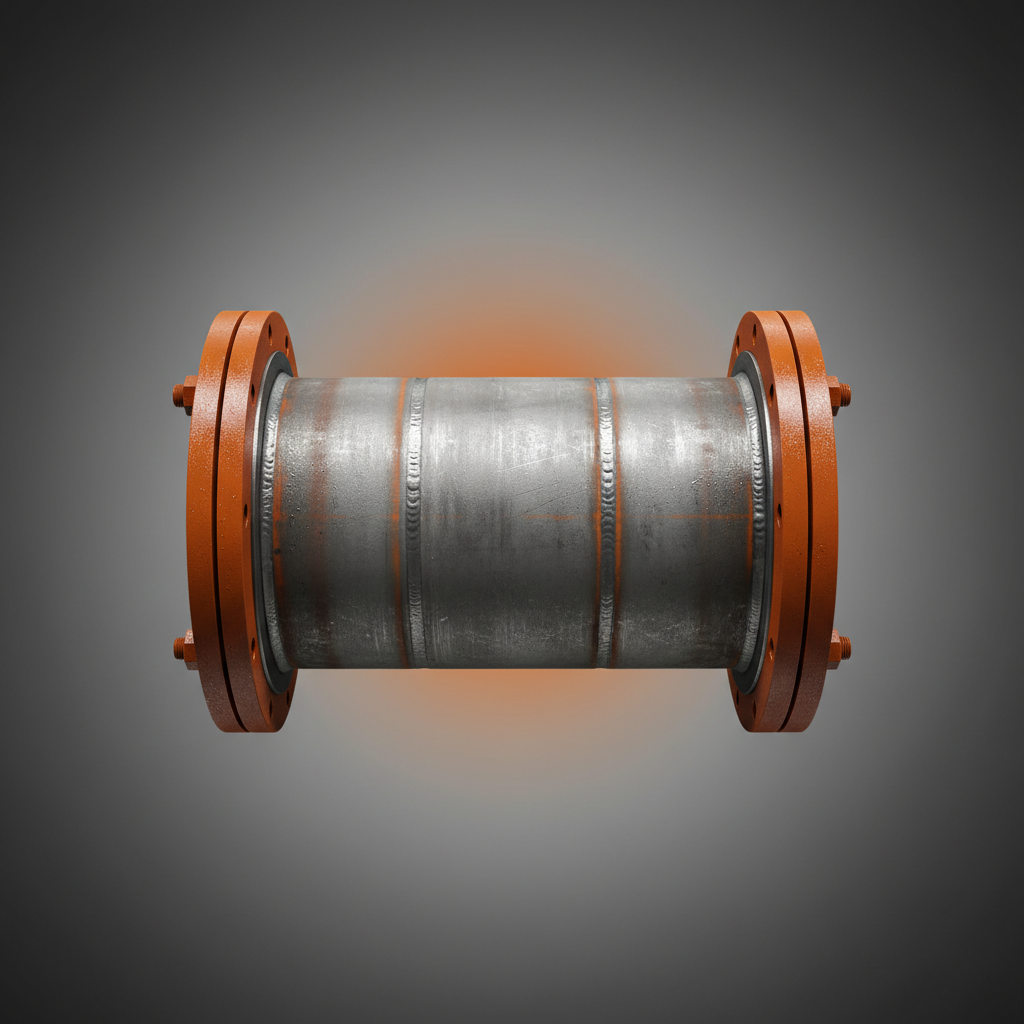
In real terms, you’ll find 347 stainless steel tubing widely used in aerospace, power plants, and chemical processing. It’s usually specified when components must stand up to high heat and stress but still need excellent scalability for manufacturing different diameters and wall thicknesses. I remember one project for a petrochemical client where 347 SS tubing outperformed 304 in sustained 600°C operation without cracking or serious surface oxidation.
Let’s talk specs for a moment. Here’s a quick rundown of typical 347 stainless steel tubing properties. I’ve seen various grades from multiple suppliers, but these numbers hold quite steady:
| Property | Typical Value |
|---|---|
| Chemical Composition | Min. 17% Cr, 9% Ni, + Nb (Niobium) |
| Tensile Strength | 520 MPa (minimum) |
| Yield Strength | 215 MPa (minimum) |
| Operating Temperature Range | Up to 870°C (1600°F) |
| Corrosion Resistance | Excellent in oxidizing environments |
| Common Applications | Heat exchangers, aerospace, furnace parts |
Now, I know many people ask, "How does 347 stainless steel tubing stack up against other common stainless alloys?" It’s a fair question and one I often get from purchasing or engineering folks trying to balance cost with performance.
I put together a simple comparison to shed some light. It’s not exhaustive, because honestly, there’s nuance to every project, but it’s a useful starting point:
| Feature | 304 SS | 316 SS | 347 SS |
|---|---|---|---|
| Corrosion Resistance | Good in mild environments | Superior in chlorides | Excellent in high temps |
| Temperature Range | Up to 425°C | Up to 870°C | Up to 870°C |
| Weldability | Very good | Good, but risk of carbide precipitation | Excellent (niobium stabilized) |
| Cost Factor | Lowest | Moderate | Slightly higher |
Something I’ve noticed is that while 316 is often recommended for corrosion resistance, 347 really shines where welding and heat resistance intersect. Customers needing furnace tubes or exhaust manifolds benefit from this balance. One anecdote: I once worked with a client whose original 304 tubing kept failing post-weld in their high-temp furnace. Switching to 347 stainless steel tubing extended component life by over two years before maintenance—pretty impressive in my book.
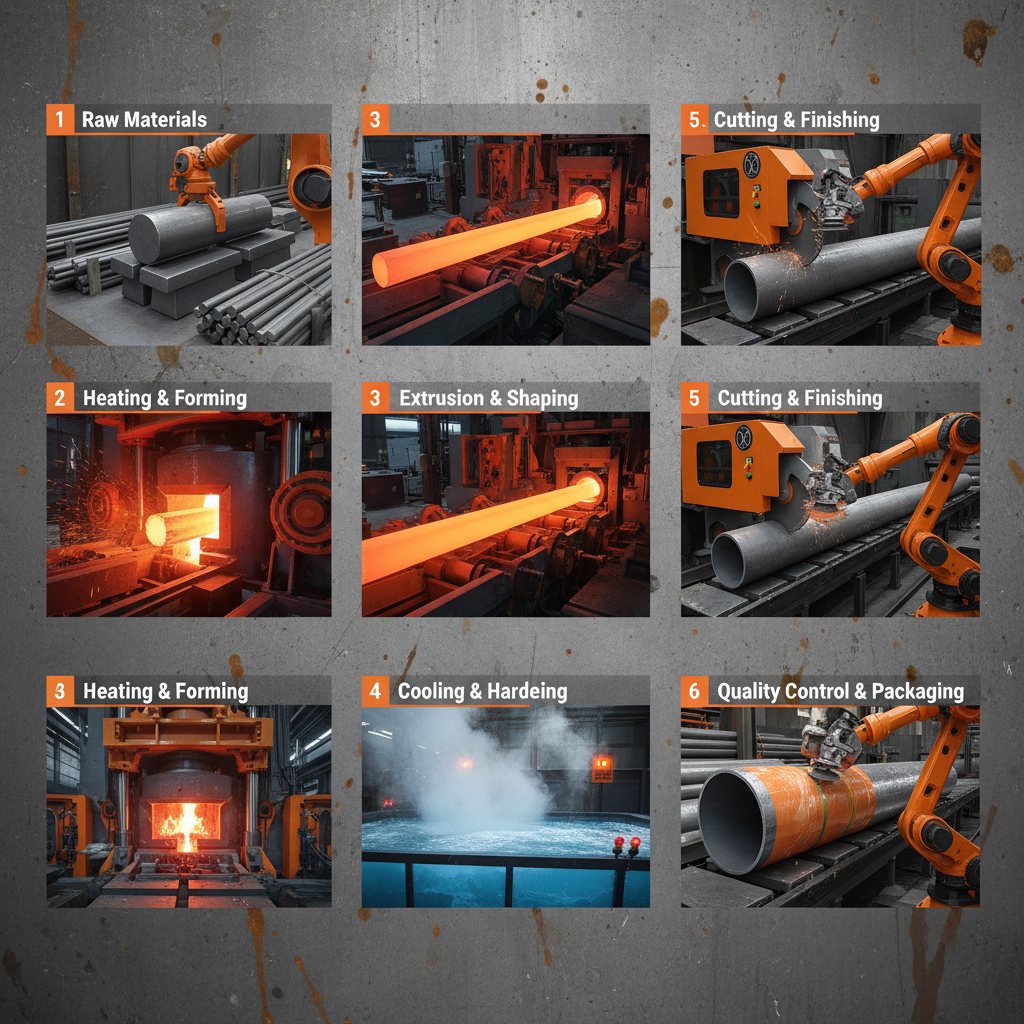
In terms of customization, 347 stainless steel tubing is pretty versatile. Manufacturers usually offer various finishes (polished or matte), custom diameters, and thicknesses to meet project specifics. Plus, because the alloy resists oxidation well, less post-processing is required, which can be a time saver.
Testing-wise, standard certifications like ASTM A213 and A269 cover 347 stainless steel tubing. Quality control typically involves mechanical testing, dimensional inspection, and corrosion resistance checks. From personal experience, confirming traceability and mill test reports upfront avoids headaches later.
So, if you're in the market for tubing that demands thermal endurance, stable welds, and reasonable corrosion resistance, 347 stainless steel tubing deserves a look. It’s not hyped much outside specialist circles, but once you’ve worked with it, you get how it quietly outperforms in its niche. You might even find, like I have, that it’s this kind of metal that keeps whole plants running smoothly.
In the end, material selection is an art and a science—knowing your environment, heat loads, and assembly processes makes all the difference.
References:
1. ASTM International, Standard Specifications for Seamless and Welded Stainless Steel Tubing
2. ASM Handbook, Volume 1: Properties and Selection: Irons, Steels, and High-Performance Alloys
3. Industry Fabrication Guides, Various Vendor Datasheets
Post time: Dec . 03, 2025 15:04
 English
  Arabic
  Bengali
  China
China  French
  German
  Hausa
Hausa  Indonesian
  Italian
  Japanese
  Javanese
  Malay
Malay  Persian
  Portuguese
  Punjabi
  Russian
  Spanish
  Swahili
  Telugu
  Vietnamese