

410 Stainless Steel Tubing: A Global Industrial Backbone
In a world constantly shaped by industrial progress and innovation, materials like 410 stainless steel tubing quietly underpin much of our daily infrastructure. But why should anyone outside metal industries care? Well, this robust tubing plays a critical role in ensuring reliability and durability in everything from automotive components to food processing. Understanding its properties and applications helps industries and consumers alike make smarter choices for longevity, safety, and cost-effectiveness.
Introduction: Why 410 Stainless Steel Tubing Matters Globally
According to ISO standards and global manufacturing data, stainless steel tubing accounts for a significant share of the metals market, valued at billions of dollars annually. The 410 grade, a martensitic stainless steel, stands out for its strength and corrosion resistance, qualities indispensable across continents—from the factories in Asia to infrastructure projects in Europe. But the real story lies in the problems it solves: harsh environments, abrasive wear, and the pressing need for materials that don’t simply last but perform under stress.
For instance, in remote industrial hubs or coastal facilities where corrosion can wreak havoc, choosing the right tubing isn’t just a technical decision, it's a financial and safety imperative. I suppose the more you dig, the clearer it gets that 410 stainless steel tubing represents a smart balance between performance and cost.
What Is 410 Stainless Steel Tubing?
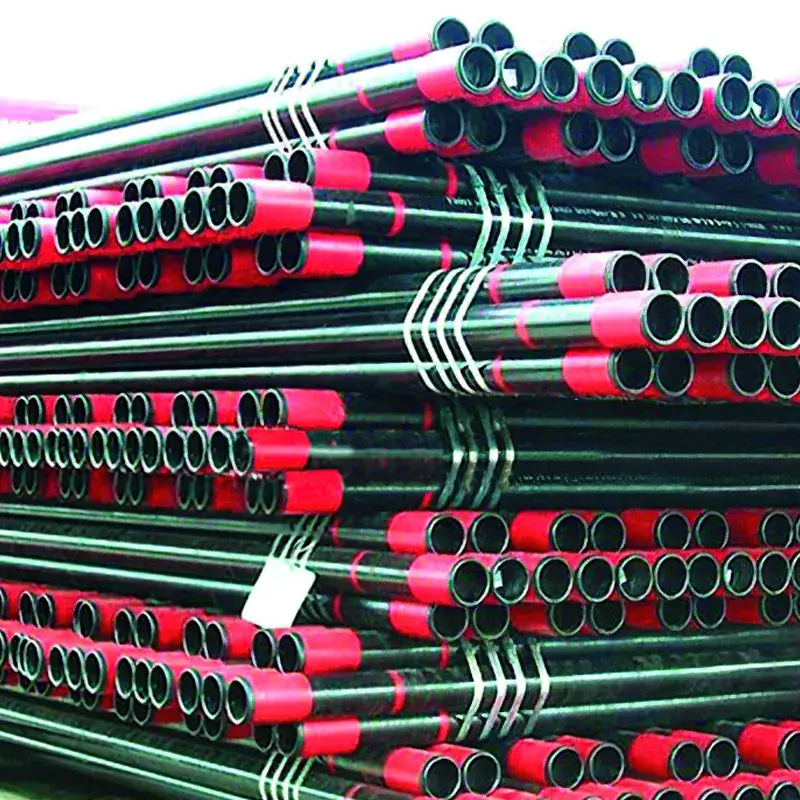
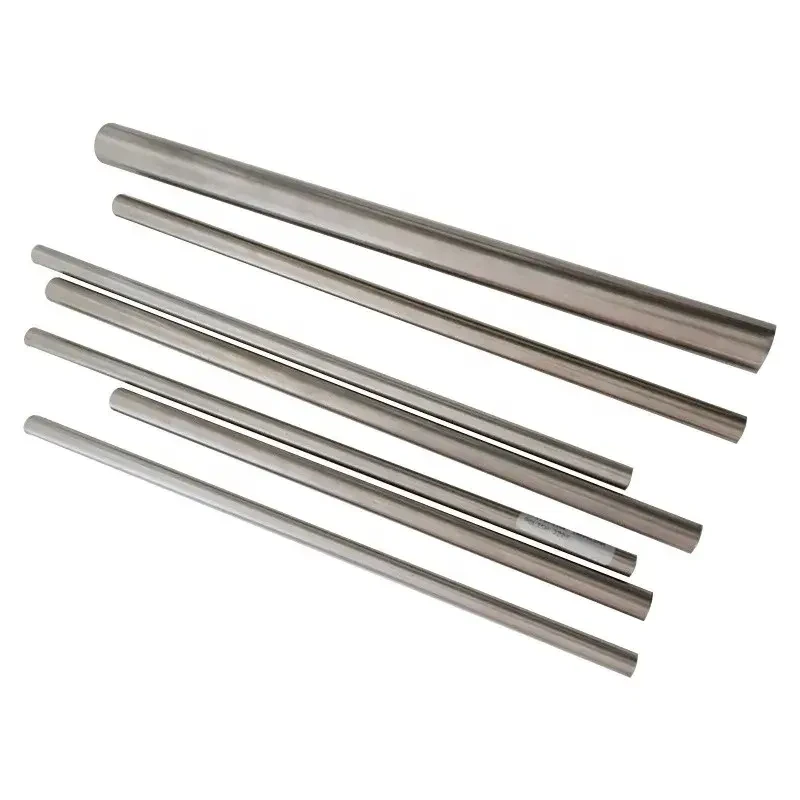
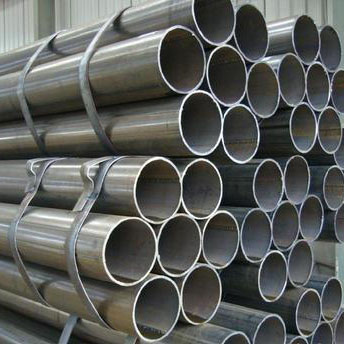
Simply put, 410 stainless steel tubing refers to hollow cylindrical products made from type 410 stainless steel—a steel alloy known for being martensitic, which means it can be heat-treated to be quite hard. It contains roughly 11.5% to 13.5% chromium, providing moderate corrosion resistance, and usually less than 1% carbon to allow hardening. This combination makes it tough yet workable.
Its relevance goes beyond simple tubing—it’s pivotal in settings where both mechanical strength and surface integrity matter. For instance, it’s widely used in valves, gears, and shafts in manufacturing, as well as in kitchen equipment that needs to withstand daily wear.
Key Factors of 410 Stainless Steel Tubing
Durability
It’s tough. By applying proper heat treatments, 410 stainless steel tubes achieve tensile strengths upward of 700 MPa, suitable for heavy-duty industrial applications. This strength helps resist bending, cracking, and abrasion.
Corrosion Resistance
While not as corrosion-proof as austenitic stainless steels, 410 offers decent resistance to oxidizing environments and mild chemical exposure—think: automotive exhausts or boiler components.
Cost Efficiency
Because it is martensitic and has lower nickel content than other grades, it’s often less expensive. This balance provides a budget-friendly alternative when premium corrosion resistance isn’t critical.
Machinability & Scalability
Many manufacturers appreciate 410 for its good machinability after annealing, allowing it to be custom formed or fabricated into complex shapes. Plus, availability worldwide supports large-scale projects requiring consistent supply.
Versatility
From structural tubing to aesthetic components in appliances, the tubing's combination of strength and moderate corrosion resistance allows varied industrial uses.
| Specification | Typical Value |
|---|---|
| Chemical Composition | Fe, 11.5–13.5% Cr, ≤1% C, ±1% Mn |
| Tensile Strength | 700-800 MPa (After Heat Treatment) |
| Density | 7.75 g/cm³ |
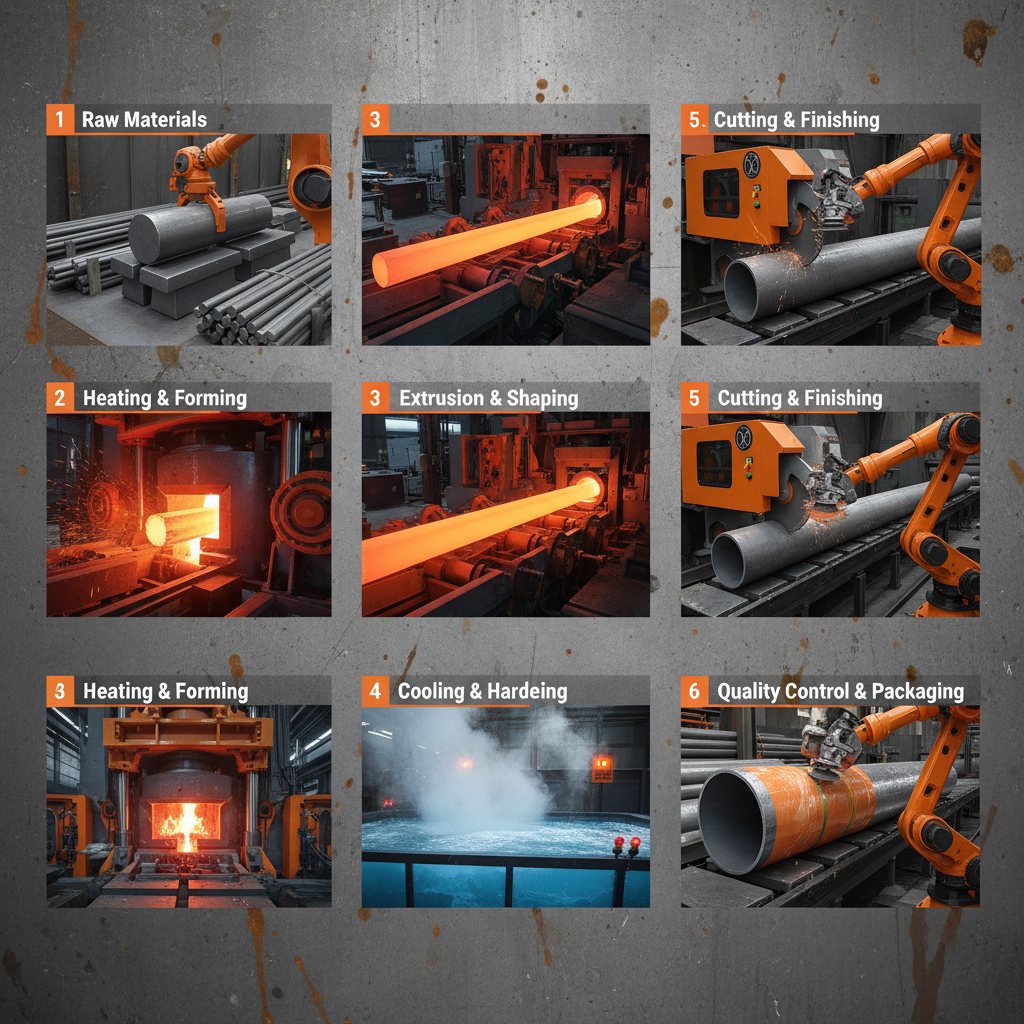
| Heat Treatment | Annealing, Tempering, Quenching |
| Typical Applications | Automotive parts, cutlery, valves, pumps |
Global Applications & Use Cases
Oddly enough, you’ll spot 410 stainless steel tubing in places you wouldn’t first imagine: in maritime equipment along the coasts of Southeast Asia, or in post-disaster rebuilding projects involving water infrastructure in Africa. Its relatively low cost and decent corrosion resistance make it an ideal choice for humanitarian aid supplies that must endure tough conditions without the premium of exotic alloys.
In industrial manufacturing hubs like Germany and South Korea, 410 tubing often forms the skeleton of machinery that keeps production lines humming. Meanwhile, in North America, its usage in food processing plants leverages its hygienic properties and durability.
Vendor Comparison Table
| Supplier | Price per Meter | Grade Certification | Delivery Time | Global Shipping |
|---|---|---|---|---|
| SteelWorks Ltd. | $4.50 | ISO 9001 | 2 weeks | Yes |
| Global Metals Inc. | $4.80 | ASTM A276 | 1 week | Yes |
| Prime Steel Solutions | $4.30 | ISO & ASTM | 3 weeks | Limited |
Advantages & Long-Term Value
Frankly, choosing 410 stainless steel tubing brings peace of mind. Its durability reduces the need for frequent replacements—saving the environment and money. For industries, that means less downtime, fewer repairs, and reliable safety margins.
On a social level, especially in humanitarian contexts, reliable infrastructure built with sturdy materials can improve access to clean water or sanitation, reinforcing dignity and safety for vulnerable populations. The trust placed in these materials is both logical and emotional.
Future Trends & Innovations
The industry is buzzing about greener steel production and advancements in coating technologies which could enhance the already impressive corrosion resistance of 410 tubing. Also, the advent of digital monitoring in manufacturing facilitates quality control at an unprecedented scale—ensuring each piece meets strict tolerances.
There’s also movement toward integrating smart materials that might self-heal minor corrosion or fatigue cracks someday, though that’s still a bit futuristic. For now, sustainability efforts focus on recycling and minimizing carbon footprints during production.
Challenges & Solutions
Of course, 410 stainless steel tubing isn’t perfect. It’s susceptible to corrosion in highly acidic or chloride-rich environments, which limits some marine applications. Also, the tradeoff between hardness and brittleness requires careful heat treatment, or components might become prone to cracking under stress.
Innovative surface treatments, like nitriding or specialized coatings, help overcome these weaknesses. Additionally, engineers often combine 410 tubing with other materials or design redundancies to enhance performance and safety.
FAQ: Frequently Asked Questions About 410 Stainless Steel Tubing
- Q: What makes 410 stainless steel tubing suitable for automotive parts?
A: Its combination of moderate corrosion resistance, high tensile strength, and good machinability after heat treatment makes it ideal for components like shafts and valves that need to withstand stress and wear. - Q: Can 410 stainless steel tubing be used in marine environments?
A: While it tolerates some oxidizing conditions, 410 isn’t the best choice for highly saline or acidic marine settings unless it receives protective coatings. - Q: How long can 410 stainless steel tubing last in industrial installations?
A: With proper maintenance and heat treatment, it can last decades—often 15 to 30 years depending on environment and application. - Q: Is 410 stainless steel tubing recyclable?
A: Yes, like most stainless steels, it is fully recyclable, supporting sustainable manufacturing practices. - Q: How does 410 steel tubing compare cost-wise with other grades?
A: Typically, it is more affordable than austenitic stainless steels due to lower nickel content, offering a cost-effective solution without sacrificing essential mechanical properties.
Conclusion
In the grand scheme, 410 stainless steel tubing quietly powers infrastructure around the globe—from industrial plants in Europe to vital systems in emerging economies—offering a hardy, cost-effective solution where strength and moderate corrosion resistance are needed. For those looking to invest in materials balancing durability, performance, and price, it remains a smart pick.
To explore high-quality options or learn more about tailored stainless steel solutions, visit our website: https://www.world-steelmaterial.com.
Mini takeaway: 410 stainless steel tubing blends strength and cost-effectiveness, making it an indispensable part of global industry’s backbone.
References:
1. Wikipedia: Stainless Steel
2. ISO Stainless Steel Standards
3. World Steel Association Statistics
Post time: Dec . 03, 2025 15:24
 English
  Arabic
  Bengali
  China
China  French
  German
  Hausa
Hausa  Indonesian
  Italian
  Japanese
  Javanese
  Malay
Malay  Persian
  Portuguese
  Punjabi
  Russian
  Spanish
  Swahili
  Telugu
  Vietnamese