

Understanding Stainless Steel Pipes and Tubes: A Global Overview
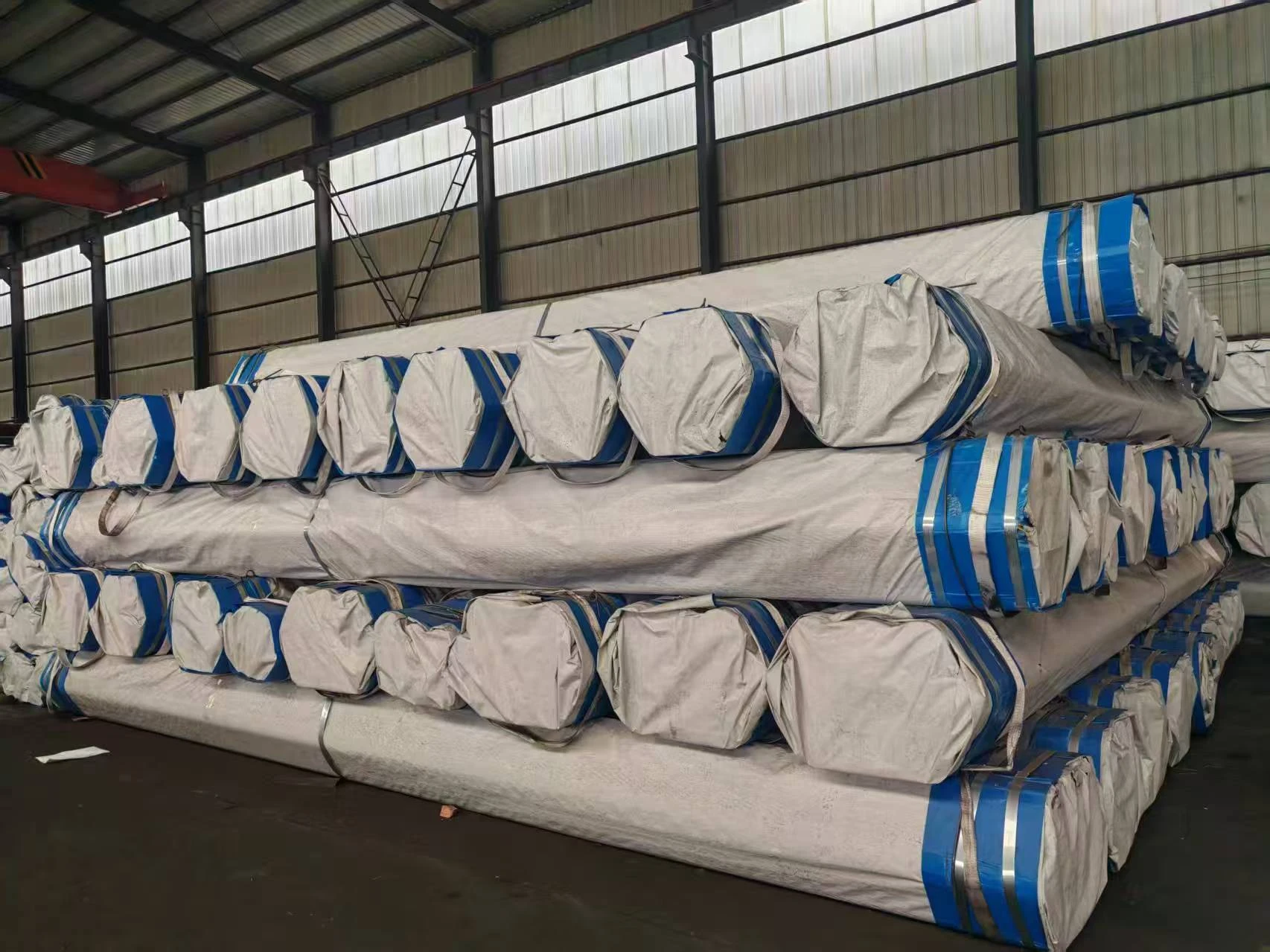
When you pause to consider the backbone of modern infrastructure, stainless steel pipes and tubes quietly but critically hold a place of honor. These seemingly simple cylindrical components carry everything from clean water to industrial chemicals, gas, and even vital humanitarian supplies. It’s a fascinating topic, really—because knowing about these materials is a bit like understanding how the veins of modern civilization flow. Their durability, resistance to corrosion, and versatility make them essential worldwide.
Oddly enough, despite being so critical, many overlook just how much they factor into global development, sustainability, and emergency response scenarios. From constructing skyscrapers to rebuilding in disaster zones, stainless steel pipes and tubes facilitate not only utility but also safety and durability that many industries rely on.
Why Does This Matter Globally?
According to ISO data and reports compiled by the UN Industrial Development Organization, the demand for stainless steel infrastructure components has steadily risen by approximately 3-4% annually over the past decade. This isn’t because pipes and tubes are flashy stuff, but because economies, urban populations, and industries keep expanding—and they must do so sustainably. This growth presents both challenges and opportunities, especially in emerging markets where infrastructure resilience is key.
Takeaway: Stainless steel pipes and tubes are quietly shaping global industrial and humanitarian landscapes as demand for durability and sustainability grows.
What Are Stainless Steel Pipes and Tubes? The Basics
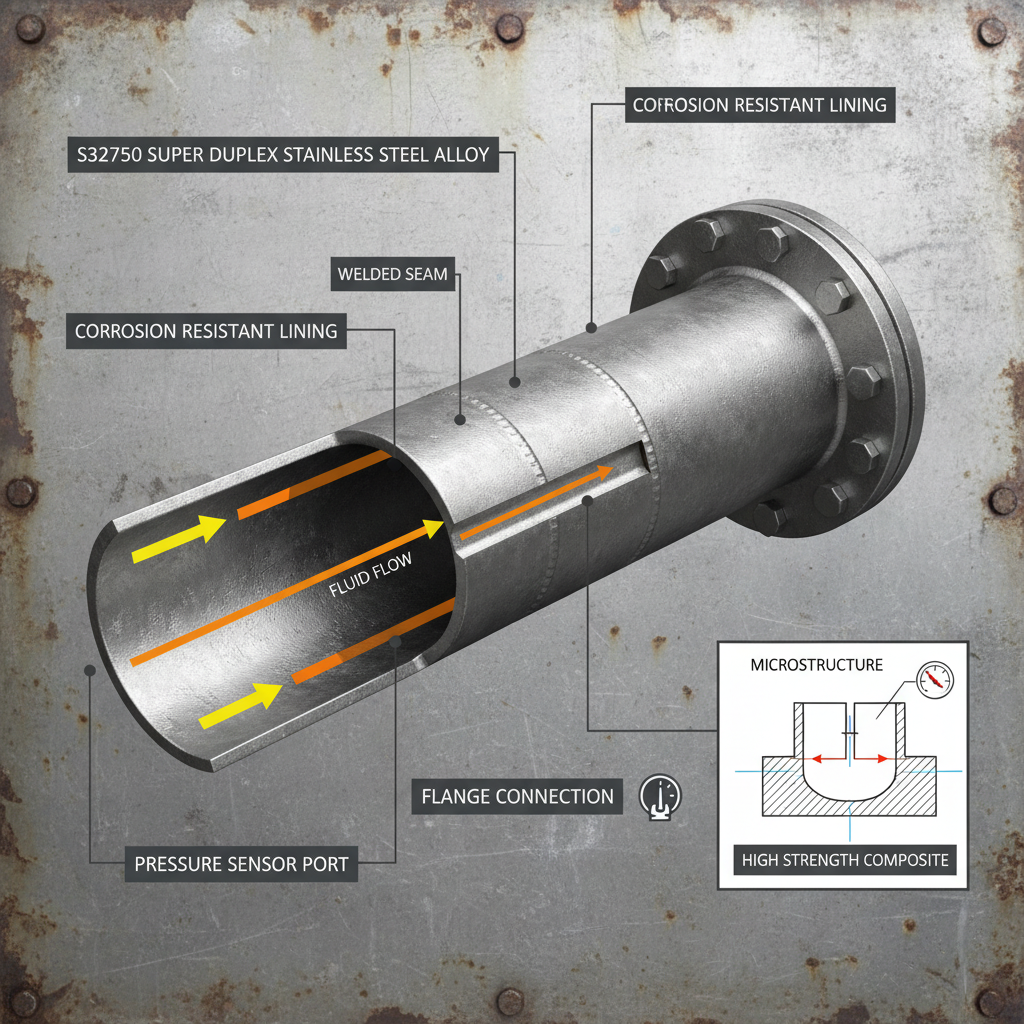
At its core, stainless steel pipes and tubes are hollow metal cylinders made primarily from iron alloys with a minimum of 10.5% chromium content, which grants them their signature corrosion resistance. The difference between pipes and tubes largely comes down to measurement standards and tolerances—pipes are usually specified by their internal diameter, tubes by their external. But both serve critical roles across sectors.
In real terms, these components are fundamental to delivering clean drinking water in urban centers, transporting petrochemicals safely, and even for medical equipment frameworks. They’re a backbone not just of industry, but also humanitarian needs, like ensuring reliable water supply systems in refugee camps or stabilizing hospital infrastructure after disasters.
Core Components and Factors in Stainless Steel Pipes and Tubes
1. Durability
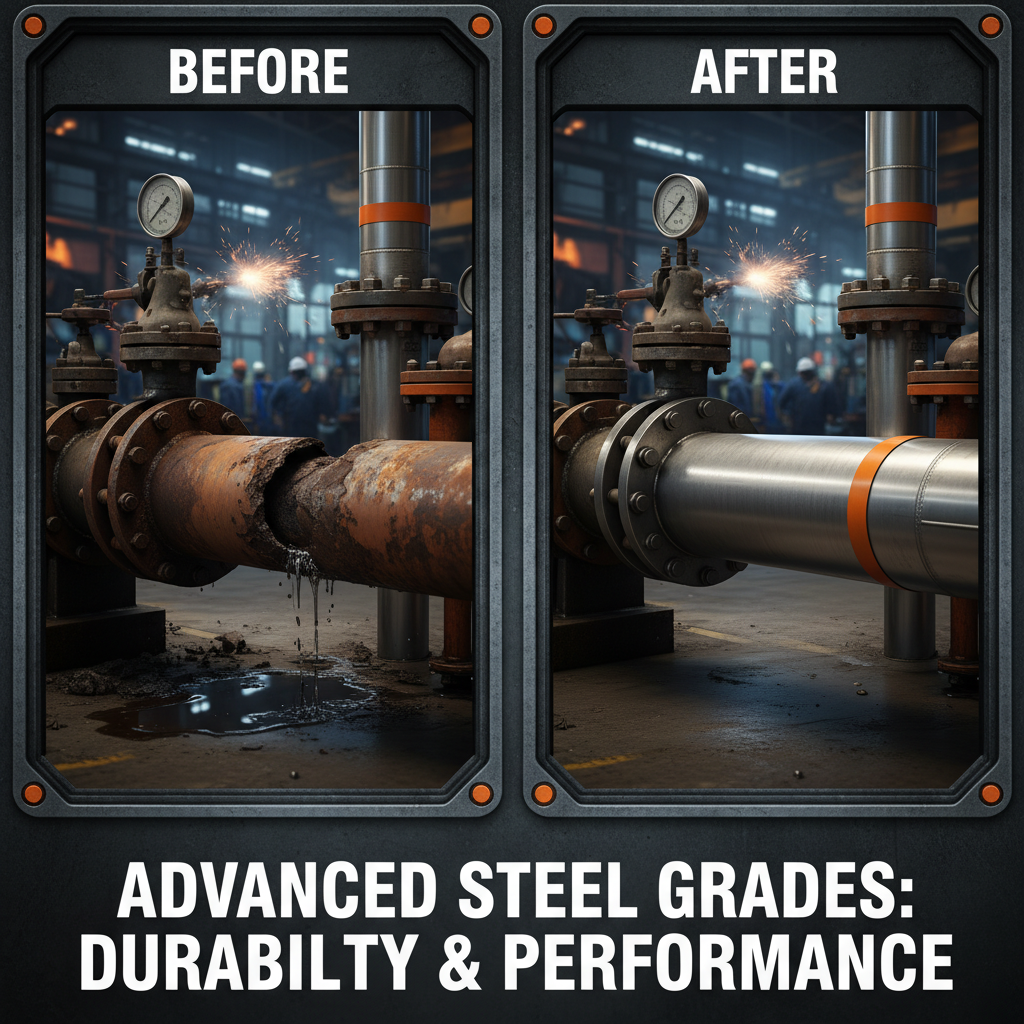
Durability is a big reason why these materials outshine alternatives. Stainless steel’s natural resistance to rust and chemical degradation means it withstands harsh environments effectively—think marine infrastructure, chemical plants, or even high-altitude applications.
2. Scalability
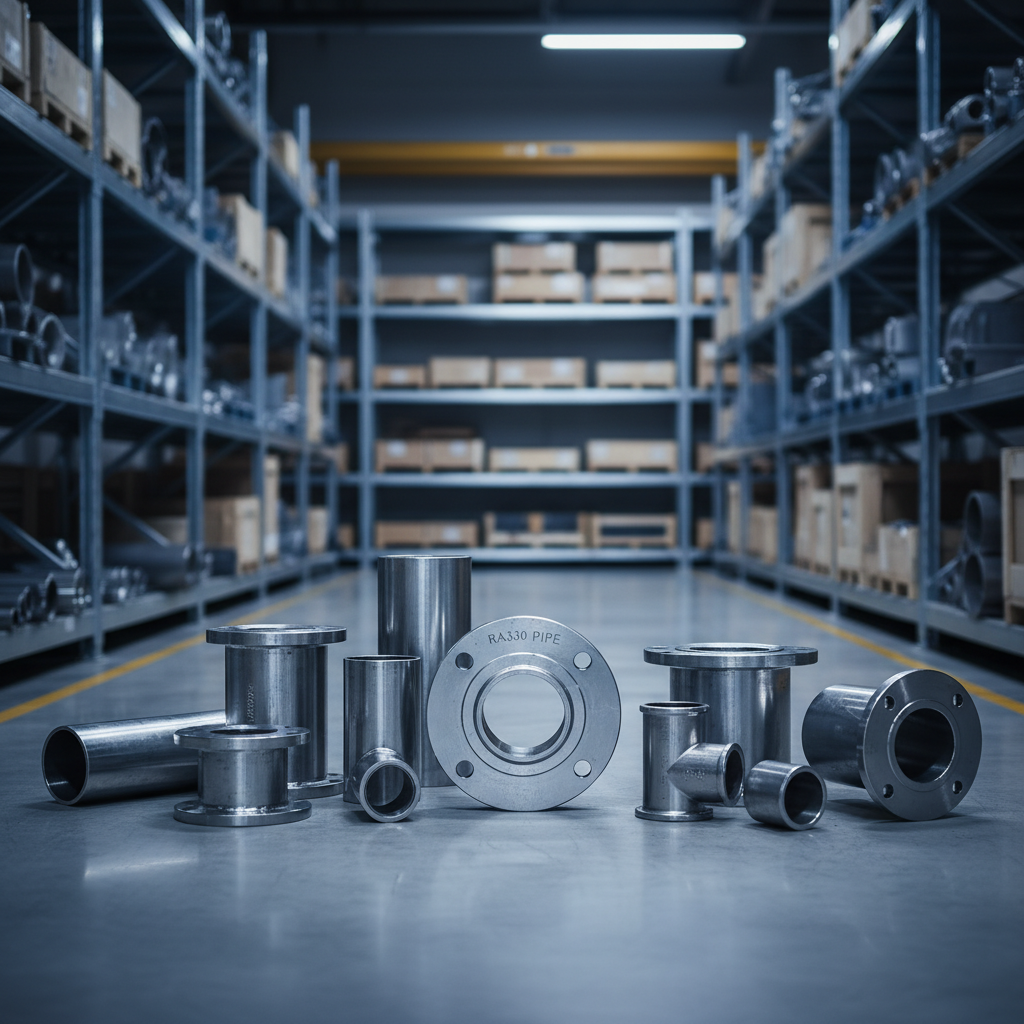
Whether you need a few meters for a small project or thousands for a massive industrial plant, stainless steel pipes and tubes are scalable. Manufacturers offer customization in sizes, thicknesses, and finishes to meet specific needs.
3. Cost Efficiency
While initial costs might be higher compared to plastic or carbon steel, their long lifetime and minimal maintenance often render stainless steel more economical over time, reducing replacement and repair expenses.
4. Safety and Hygiene
Stainless steel surfaces do not harbor bacteria, making them ideal in food, pharmaceutical, and water supply industries, where hygiene is non-negotiable.
5. Environmental Sustainability
Because stainless steel is fully recyclable and contributes to energy-efficient systems (by reducing leaks and corrosion), it supports sustainable infrastructure initiatives worldwide.
Mini takeaway: The physical and chemical properties of stainless steel pipes and tubes enable them to be dependable, customizable, and environmentally friendly—a triumvirate of qualities that support both industry and humanitarian efforts.
Global Applications and Use Cases
Given their features, stainless steel pipes and tubes find home across a spectacular range of sectors globally. Here's a snapshot:
- Construction & Infrastructure: From drainage and water treatment plants in Europe to sewage systems in Asia, stainless steel ensures longevity.
- Oil & Gas Industry: The Middle East, with its extreme temperatures and corrosive environments, heavily relies on stainless steel piping for extraction and refinement processes.
- Food & Beverage: North American breweries and dairies use sanitary stainless steel tubes for processing applications where hygiene is paramount.
- Humanitarian and Disaster Relief: Post-tsunami reconstruction in Southeast Asia and refugee camp water delivery systems in Africa utilize these pipes extensively.
- Renewable Energy: Solar thermal plants in Spain employ specialized stainless steel tubes to transfer heat efficiently.
Example: In post-disaster relief operations across the Caribbean, modular water distribution networks made from stainless steel tubes allowed rapid deployment of potable water infrastructure—minimizing disease spread significantly.
Mini takeaway: Thanks to their versatile properties, stainless steel pipes and tubes cater to industries spanning continents and contexts—from high-tech manufacturing to urgent humanitarian relief.
Advantages and Long-Term Value
We often talk about cost, but what’s really compelling about stainless steel pipes and tubes is the mix of tangible and intangible benefits they provide.
- Cost Savings: Longevity means fewer replacements; their resistance to bursting or leaking saves emergency repair costs.
- Sustainability Impact: Recyclable materials aligned with global environmental protocols boost corporate social responsibility.
- Social Trust: Reliable infrastructure, especially in public water systems, promotes health and dignity.
- Innovation Enablement: Ability to withstand extreme conditions allows engineers to pursue new designs and technologies without fearing material failure.
In the end, investing in quality stainless steel components translates to peace of mind and social progress. It’s a durable choice that pays off beyond mere numbers.
Product Specification Snapshot
| Specification | Standard Value | Common Grade(s) | Application |
|---|---|---|---|
| Material Composition | >10.5% Chromium, Variable Ni & Mo | 304, 316, 321 | Food, Chemical, Marine |
| Diameter Range | 6 mm to 530 mm | Varies by Manufacturer | Industrial Piping |
| Wall Thickness | 0.5 mm to 20 mm | Standard & Customized | Custom Projects |
| Surface Finish | Polished, Matte, Pickled | Based on Needs | Sanitary & Aesthetic |
Vendor Comparison: Leading Stainless Steel Suppliers
| Vendor | Product Range | Quality Certifications | Global Reach | Key Strength |
|---|---|---|---|---|
| Alloy Steel Inc. | Pipes, Tubes, Fittings | ISO 9001, ASTM | North America, Europe | Cutting-Edge Customization |
| Global Metals Co. | Wide Diameter Pipes | ISO 14001, API-certified | Asia, Middle East | Sustainability Leadership |
| SteelWorks Ltd. | Sanitary Tubes & Pipes | FDA, ISO 22000 | Global (Strong Europe/USA presence) | Hygienic Industry Focus |
Future Trends and Innovations in Stainless Steel Pipes and Tubes
It feels like the stainless steel pipes and tubes arena is evolving, driven by innovations in metallurgy, coating technologies, and digitization.
- Material Innovation: New stainless alloys with enhanced corrosion resistance and lower nickel content reduce costs and environmental impact.
- Green Energy Integration: Pipes designed specifically for geothermal and hydrogen delivery highlight sustainability focus.
- Digital Monitoring: Sensors embedded within pipes to track pressure, corrosion, and flow in real time enhance safety.
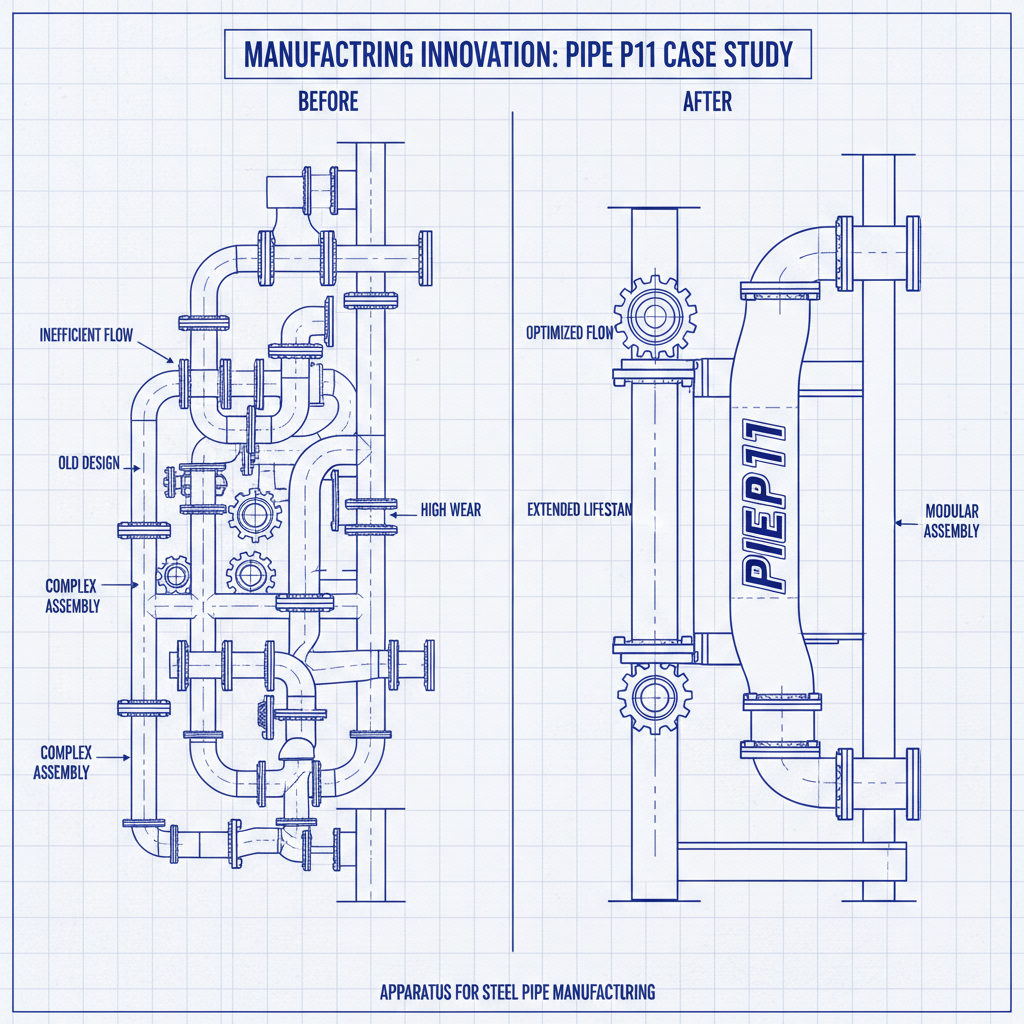
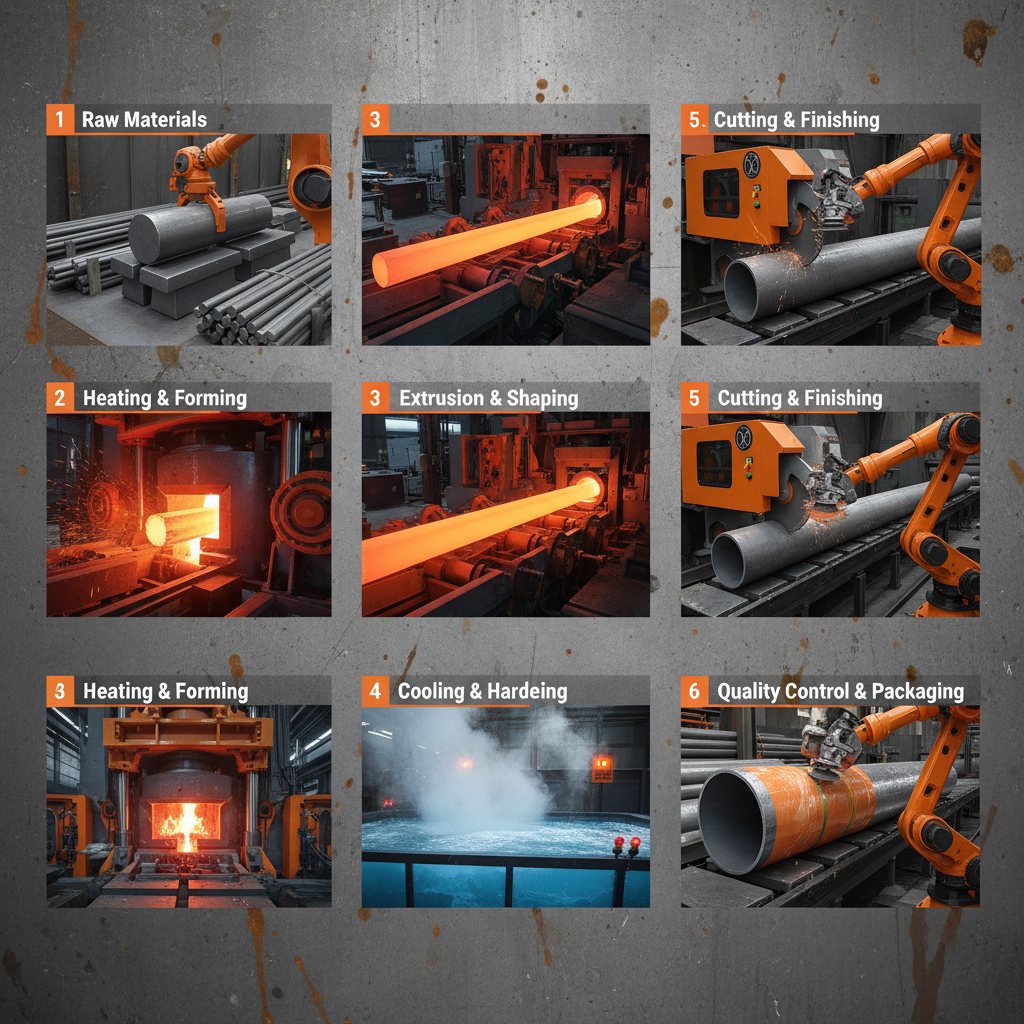
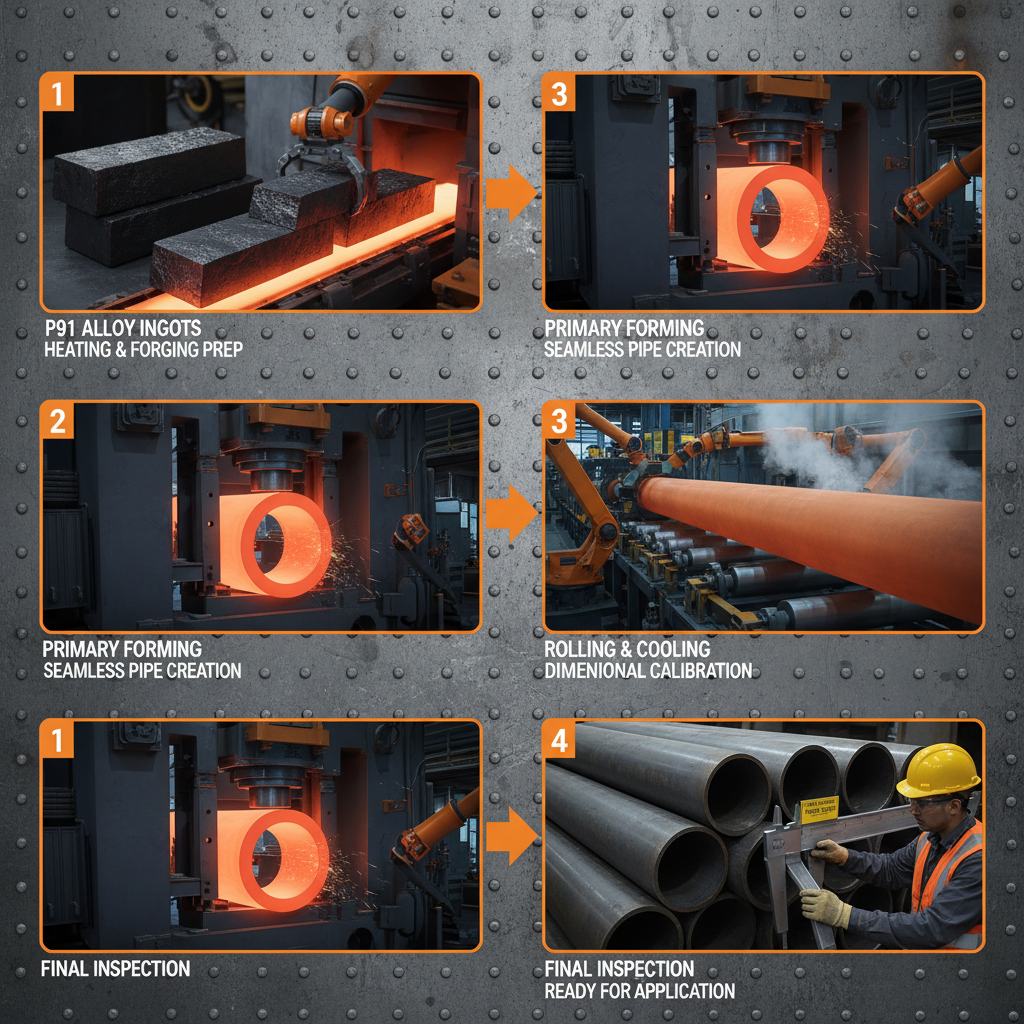
- Automation in Fabrication: Robotics improve precision and consistency, allowing faster production scales.
Oddly enough, these developments not only improve industrial use cases but also extend reliability essential for humanitarian infrastructure upgrades.
Challenges and Practical Solutions
Every silver lining has a cloud, and stainless steel pipes and tubes are no exception.
- Challenge: High upfront costs can deter smaller projects.
- Solution: Lifecycle cost analysis often reveals long-term savings; bulk procurement and local fabrication reduce expenses.
- Challenge: Corrosion under insulation (CUI) in some environments.
- Solution: Improved coatings and preventive maintenance protocols guard against unseen damage.
- Challenge: Supply chain disruptions causing delays.
- Solution: Diversifying suppliers and adopting modular solutions help maintain timelines.
FAQ: Your Stainless Steel Pipes and Tubes Questions Answered
-
Q: How do stainless steel pipes compare to plastic pipes in terms of longevity?
A: Stainless steel pipes generally last 50+ years due to superior corrosion resistance and strength, whereas plastic pipes typically last 25–40 years, depending on exposure and usage conditions. -
Q: Can stainless steel pipes be used in drinking water systems safely?
A: Absolutely. Stainless steel is non-reactive and hygienic, making it an excellent choice for potable water systems where taste and contamination prevention are priorities. -
Q: What is the typical lead time for stainless steel pipe orders?
A: Lead times can vary widely based on size, thickness, and finish, but average between 2-6 weeks depending on order complexity and supplier location. -
Q: How do I select the right stainless steel grade for my project?
A: It depends on operating conditions—corrosive environments favor 316 grade, while less demanding applications may use 304. Consulting with manufacturers about site specifics is best.
Conclusion
Clearly, stainless steel pipes and tubes are more than just metal tubes—they’re essential enablers of clean water, safe industrial processes, and resilient infrastructure globally. Their mix of durability, safety, and sustainability makes them a wise investment for long-term projects, reducing costs and environmental impact simultaneously. Whether used in bustling urban centers or remote relief camps, they offer reliability we all count on.
Curious to learn more? Visit our website at https://www.world-steelmaterial.com to explore expanding possibilities with stainless steel pipes and tubes.
Oddly enough, it’s the quiet things like pipes and tubes that often shape the largest stories.
References
Post time: Dec . 03, 2025 12:18
 English
  Arabic
  Bengali
  China
China  French
  German
  Hausa
Hausa  Indonesian
  Italian
  Japanese
  Javanese
  Malay
Malay  Persian
  Portuguese
  Punjabi
  Russian
  Spanish
  Swahili
  Telugu
  Vietnamese