

Understanding P91 pipe: A Veteran’s Take on This Industrial Workhorse
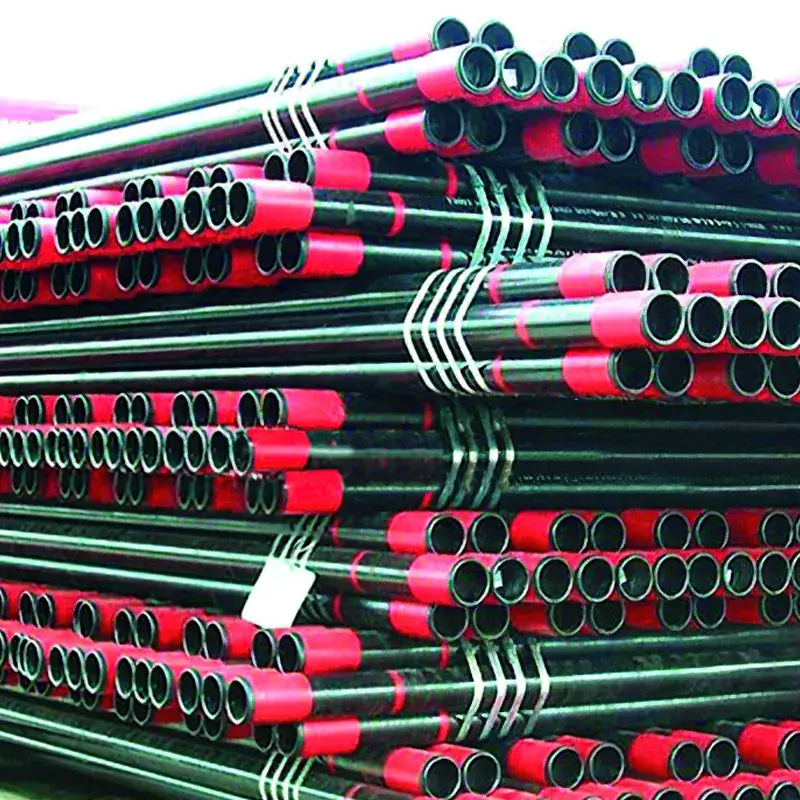
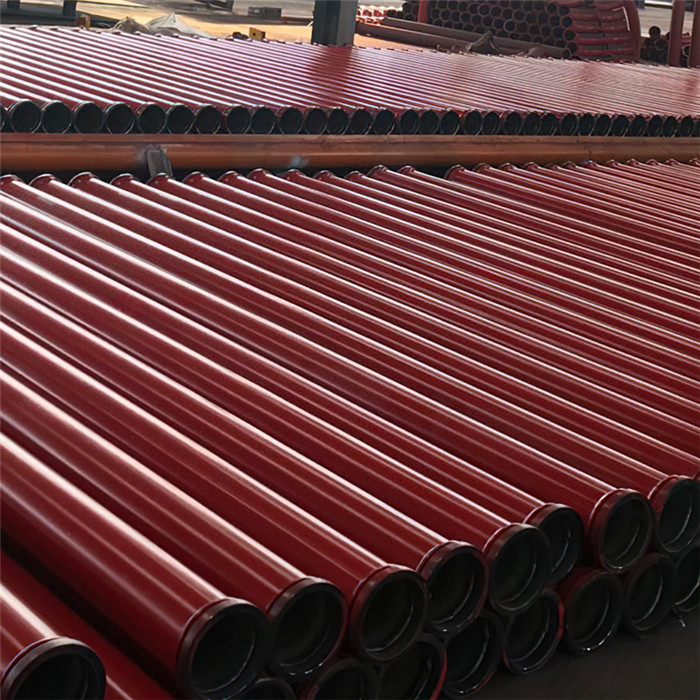
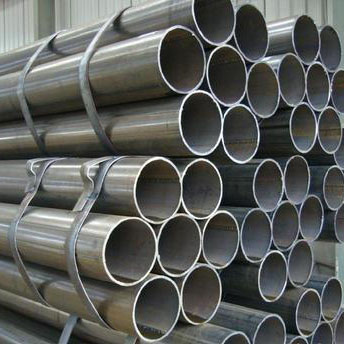
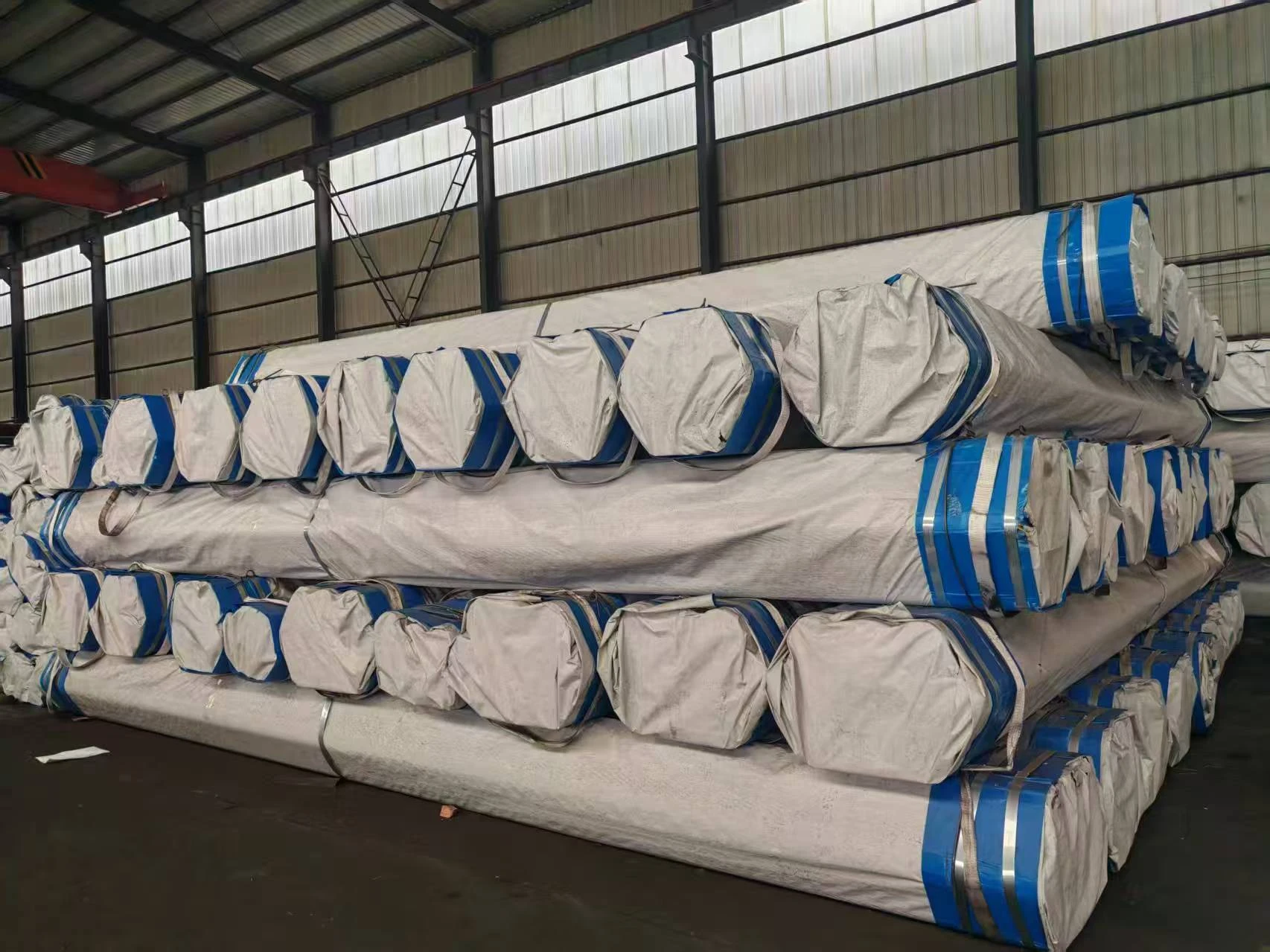
If you’ve spent any time around power plants, refineries, or heavy industrial boiler systems, you’ve likely heard of P91 pipe. Oddly enough, it doesn’t always get the spotlight it deserves, even though this alloy steel has quietly become a backbone for high-temperature, high-pressure piping applications.
Having worked with pipe materials for over a decade, I’ve grown to appreciate P91 not just for its specs on paper but for what it delivers day-in, day-out on the shop floor and in the field. Frankly, when reliability matters and downtime costs run into the thousands per hour, the consistency of P91 can’t be overstated.
What Makes P91 Pipe Special?
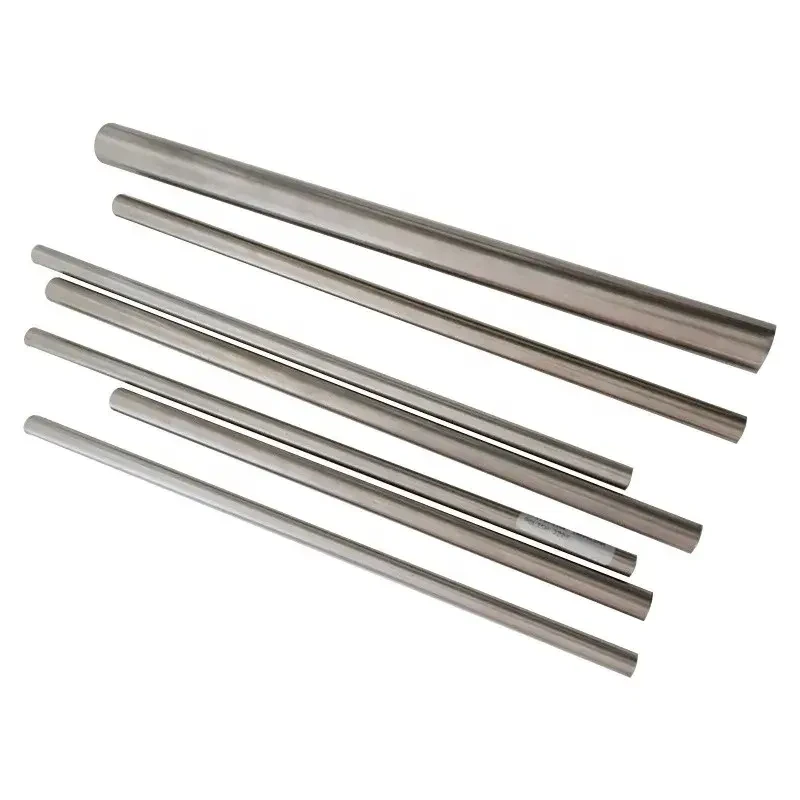
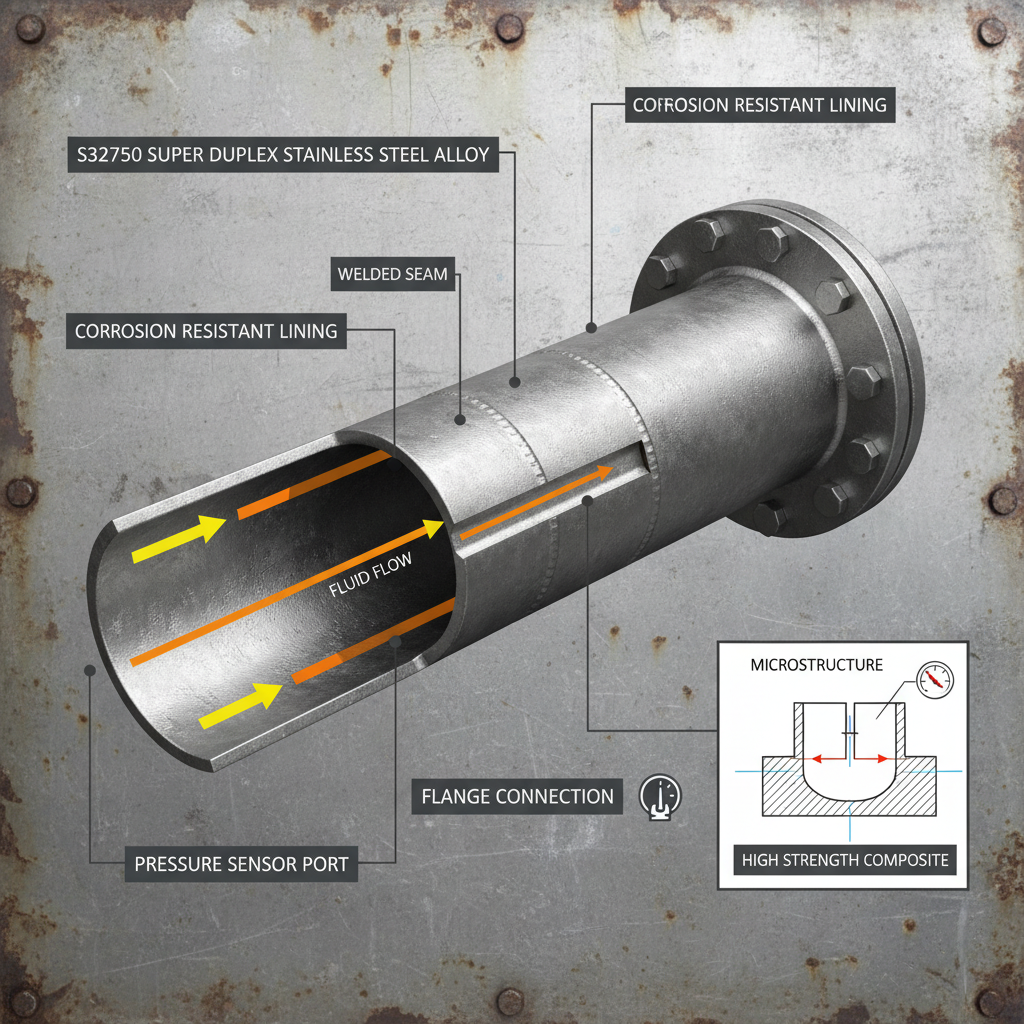
P91 is a chromium-molybdenum-vanadium steel grade, officially designated as ASTM A335 Grade P91 for seamless pipes. This alloy mix gives it a unique balance — high creep strength, resistance to thermal fatigue, and good weldability. You might hear engineers call it a "9% chromium steel," because of its chromium content, which is pivotal for oxidation resistance at elevated temperatures.
In real terms, this means P91 pipes can handle temperatures up to around 600°C and pressures peaking near 100 MPa. Many power plants rely on P91 for superheater and reheater tubing, where durability and heat tolerance let them push efficiency further without fearing premature deterioration.
Quick Specs Overview
| Property | Value / Range |
|---|---|
| Chemical Composition (Cr) | 8.5% - 9.5% |
| Chemical Composition (Mo) | 0.85% - 1.05% |
| Tensile Strength | 590 MPa (min) |
| Yield Strength | 415 MPa (min) |
| Operating Temp Range | Up to 600°C |
| Applications | Power generation, chemical plants, refineries |
A Matter of Trust: Vendor Comparison
Over the years, I’ve noticed substantial variation in how different manufacturers approach P91 pipes. Here’s a quick characteristic comparison among three well-known vendors, based on tech specs, certification adherence, and price—because, of course, that’s always part of the equation.
| Vendor | Certifications | Tensile Strength (min) | Price Range | Lead Time |
|---|---|---|---|---|
| Alpha Steel | ISO 9001, PED | 600 MPa | $$$ | 4-6 weeks |
| Beta Metals | ISO 9001, ASME | 590 MPa | $$ | 3-5 weeks |
| Gamma Tubes | PED, ASME | 585 MPa | $ | 6-8 weeks |
In Practice: The Human Factor
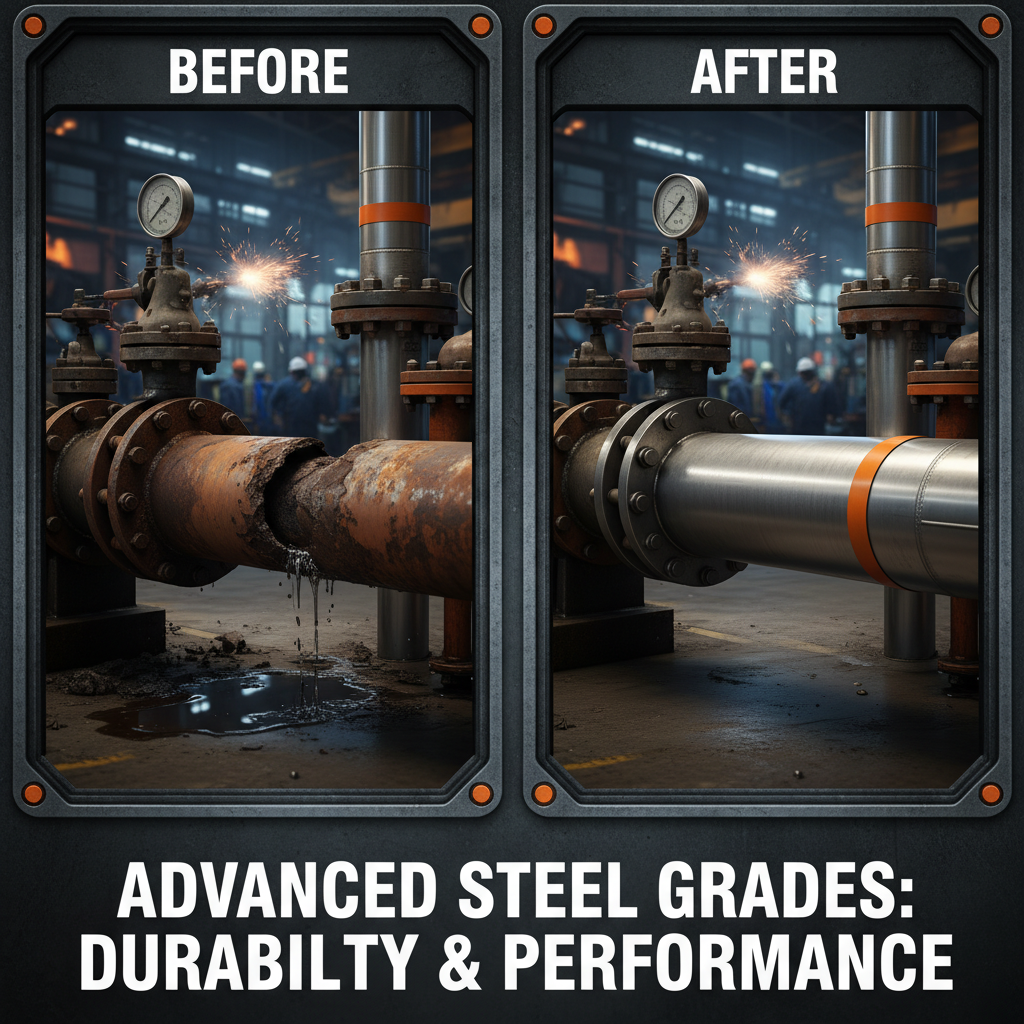
I remember one project where we needed pipes that could handle a tricky combination of very high pressure and elevated temperature cycles. The temporary alternative we tried wasn’t holding up at all. Once we switched to P91, it felt like night and day. Equipment ran smoother, and the maintenance team saw fewer surprises during inspections. It’s the kind of reassurance you can’t just put into a datasheet.
Of course, no material is perfect—P91 requires proper welding techniques and post-weld heat treatment to avoid issues like temper embrittlement. Many engineers I talk to emphasize adherence to standards as a must, not a nice-to-have.
If you’re sourcing pipes for critical high-temperature service lines, I can’t recommend at least considering P91 pipe enough. It might not be flashy, but it’s proven, precise, and practical — and frankly, that’s usually what we’re after in this sector.
Wrap-up
To sum it up: P91 pipes occupy a unique niche in the industrial equipment world. They balance strength, stability, and service life in ways that really matter when the heat is on. And while they typically cost a bit more upfront, the long-term savings in reliability and reduced downtime often justify the investment.
Thanks for reading my take. If you’re curious about the nitty-gritty specs or vendors, just give me a shout—or check out the P91 pipe options there yourself.
Post time: Dec . 03, 2025 12:00
 English
  Arabic
  Bengali
  China
China  French
  German
  Hausa
Hausa  Indonesian
  Italian
  Japanese
  Javanese
  Malay
Malay  Persian
  Portuguese
  Punjabi
  Russian
  Spanish
  Swahili
  Telugu
  Vietnamese