

Understanding 420 Stainless Steel Tubing: Industrial Backbone with Global Impact
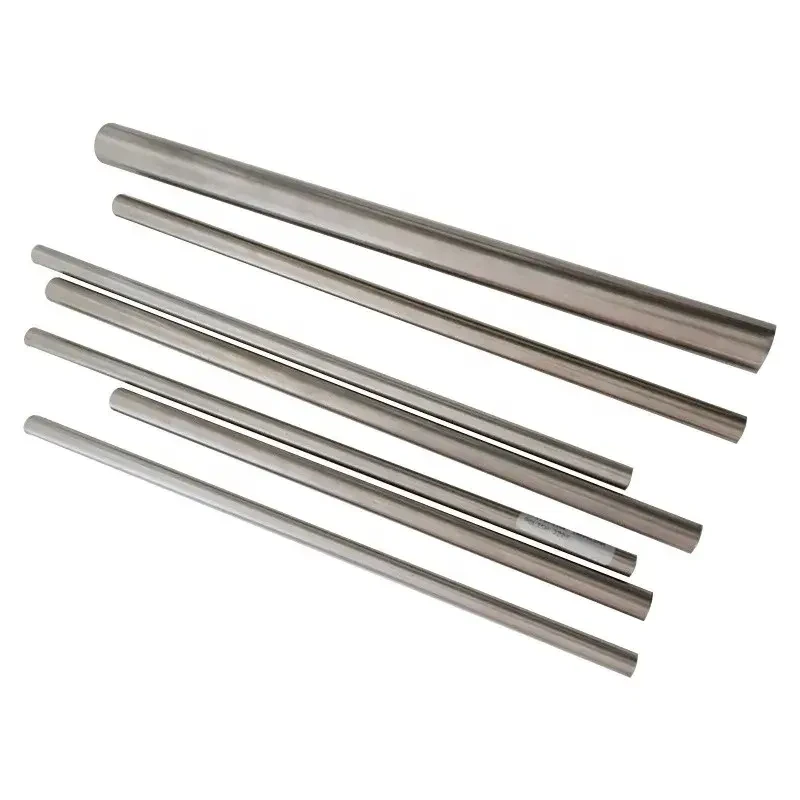
When you hear “420 stainless steel tubing,” it might not immediately spark excitement. Yet, this particular grade of stainless steel plays an unsung yet critical role across industries worldwide. From precision surgical instruments to harsh chemical processing plants, its value spans continents and applications. As global manufacturing grows and the demand for reliable, corrosion-resistant materials climbs, understanding what 420 stainless steel tubing offers becomes vital — not just for engineers but also for supply chain managers, environmental planners, and safety officers.
Why 420 Stainless Steel Tubing Matters Globally
Globally, the stainless steel market is expected to exceed $150 billion by 2025, growing at a rate of roughly 5.5% annually according to the International Stainless Steel Forum (ISSF). Within this expansive market, 420-grade stainless steel tubing is prized for its hardenability and wear resistance. It answers a significant challenge: how to combine durability with cost efficiency in environments where failure isn’t an option.
Think of industries like aerospace, automotive parts, or medical devices — these sectors rely on materials that maintain integrity despite stress, corrosion, and time. Thanks to its composition, 420 stainless steel tubing fulfills those exact needs. Oddly enough, although it’s often overshadowed by more famous alloys like 304 or 316 stainless, its specific properties offer unique solutions in niche and high-stakes applications.
What Is 420 Stainless Steel Tubing?
In plain terms, 420 stainless steel tubing is a type of martensitic stainless steel known for its high carbon content — typically around 0.15% to 0.4% — giving it excellent hardness and moderate corrosion resistance. It contains roughly 12-14% chromium, which is key for forming a protective oxide layer that resists rust. Unlike some stainless grades that focus mainly on corrosion resistance, 420 strikes a balance by including carbon levels that boost mechanical properties.
So, it’s exactly this blend that makes it invaluable in contemporary industry, where it supports efforts from manufacturing surgical instruments that require precision and strength to components in chemical plants that withstand corrosive environments. In humanitarian or industrial setups facing tough environments, its availability often means safer, longer-lasting infrastructure.
Key Factors Defining 420 Stainless Steel Tubing
Durability
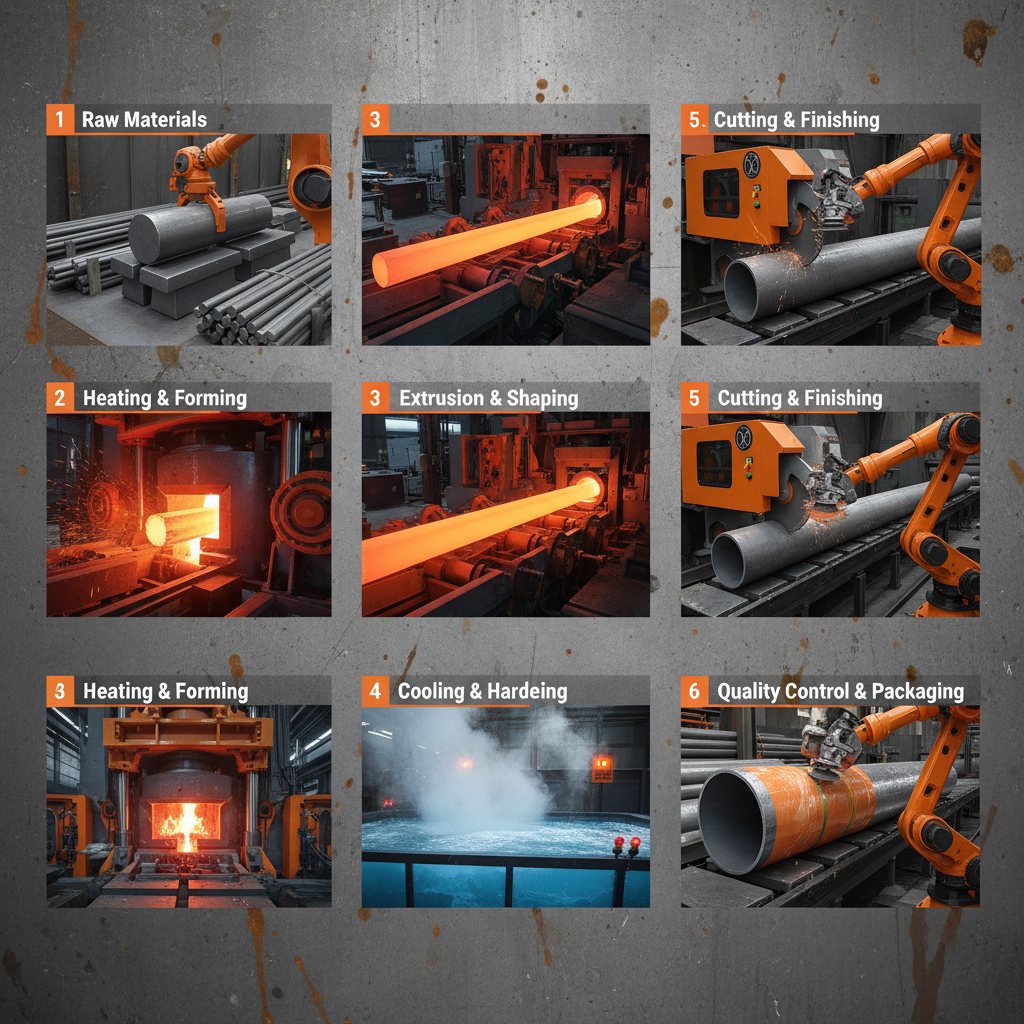
Durability here means the tubing’s ability to resist wear, deformation, and cracking under mechanical stress. The 420 grade’s carbon content allows heat treating to high hardness, suitable for mechanical components like shafts or valve parts that take a pounding daily.
Corrosion Resistance
While not as corrosion-resistant as austenitic grades, 420 stainless steel tubing offers decent resistance in mildly corrosive environments. It’s ideal in controlled settings but needs care if exposed continuously to harsh chemicals.
Machinability
One surprising plus is 420’s machinability — many engineers say it machines better than other martensitic stainless steels, facilitating easier shaping and finishing without compromising strength.
Cost Efficiency
The material is generally more cost-effective compared to high-end stainless steels with complex alloys. For industries balancing price and performance, this makes a big difference in budgeting large-scale production.
Heat Treatment Ability
Heat treatment can significantly enhance the strength and hardness, allowing customization depending on the application's demands. This process flexibility is particularly useful in creating precision components.
Mini Takeaway:
- 420 stainless steel tubing balances wear resistance, cost, and moderate corrosion protection.
- It’s especially suitable where mechanical strength and shape retention matter more than extreme corrosion resistance.
Global Applications & Use Cases of 420 Stainless Steel Tubing
Globally, demand for 420 stainless steel tubing is broad. You see it in:
- Medical Sector: Surgical instruments, dental tools, and equipment housing.
- Automotive: Parts requiring hardness such as shafts, valves, and gears.
- Food Processing: Components exposed to mild corrosive environments with a need for hygiene.
- Chemical Industry: Tubing used in conveying fluids where moderate corrosion resistance is required.
Regions such as North America, Europe, and East Asia lead in the use of 420 stainless steel tubing, thanks to their advanced manufacturing capabilities. However, emerging markets in Southeast Asia and Africa see growing adoption, often linked to industrialization and infrastructure development plans.
For example, in post-disaster relief operations, 420 stainless steel’s toughness supports durable, reusable medical supplies. In remote industrial zones, it extends equipment life, reducing maintenance downtime where resources are limited.
Advantages & Long-Term Value
Why choose 420 stainless steel tubing? Beyond its technical specs, the advantages translate into real-world value. Consider:
- Cost Savings: Lower raw material cost combined with durability means less frequent replacement.
- Sustainability: Its recyclability aligns with circular economy principles in steel industries.
- Reliability: It offers peace of mind in critical applications where failure costs are high — safety in aerospace or medical uses, for instance.
- Social Impact: Improved product longevity contributes to better infrastructure and healthcare outcomes globally.
Product Specification Table for 420 Stainless Steel Tubing
| Property | Value | Unit |
|---|---|---|
| Carbon Content | 0.15 - 0.40 | % |
| Chromium Content | 12 - 14 | % |
| Tensile Strength (Annealed) | 515 - 730 | MPa |
| Hardness (after heat treatment) | 50 - 60 | HRC |
| Corrosion Resistance | Moderate | - |
Vendor Comparison: Finding the Right Supplier for 420 Stainless Steel Tubing
| Feature | Vendor A | Vendor B | Vendor C |
|---|---|---|---|
| Product Availability | High | Medium | High |
| Custom Sizing Options | Yes | No | Yes |
| Certifications (ISO, ASTM) | ISO 9001, ASTM A276 | ISO 9001 | ASTM A276 |
| Price Competitiveness | Medium | High | Low |
Future Trends & Innovations
The field of stainless steel materials is always evolving, and 420 stainless steel tubing is no exception. With the push towards greener manufacturing and improved efficiency, suppliers are exploring low-carbon variants with enhanced corrosion resistance. Digital manufacturing and automation enable precision heat treatment, creating tubing tailored exactly to application needs — reducing waste and extending lifespan.
Oddly enough, additive manufacturing (3D printing) with stainless steel powders is on the horizon; though not yet mainstream for tubing, it hints at future customization possibilities that could transform industries relying on 420 stainless steel.
Challenges & Solutions
Here’s the catch: while 420 stainless steel tubing excels in hardness and machining, its corrosion resistance is moderate. Prolonged exposure to harsh chemicals or marine environments can lead to rust and pitting if not properly protected. The solution often involves surface treatments like passivation or coatings to extend service life.
Supply chain disruptions also pose problems especially for specialized grades in remote areas. Many vendors now emphasize local stock availability and responsive logistics, optimizing inventory to prevent shortages.
FAQ: Frequently Asked Questions About 420 Stainless Steel Tubing
- What are the typical applications of 420 stainless steel tubing in the medical field?
- 420 stainless steel tubing is often used for surgical instruments and dental tools due to its ability to be heat treated for high hardness, ensuring long-lasting sharpness and corrosion resistance in controlled environments.
- How does 420 stainless steel tubing compare cost-wise to other stainless steel grades?
- Generally, 420 is more cost-effective than high-nickel austenitic grades like 316 but offers less corrosion resistance. This makes it a practical choice where hardness and machinability are prioritized over extreme corrosion resistance.
- Is 420 stainless steel tubing suitable for outdoor structural applications?
- It can be used outdoors but isn’t ideal for highly corrosive environments such as coastal areas unless properly treated. For severe outdoor exposure, grades with higher chromium and nickel content are preferred.
- Can the tubing be customized for specific industrial needs?
- Yes, 420 stainless steel tubing can be heat treated to various hardness levels and is available in various diameters and wall thicknesses. Many vendors offer custom sizing based on application requirements.
- Where can I find reliable 420 stainless steel tubing suppliers?
- Look for vendors with ISO certifications, good industry reputation, and the capacity for customization and certifications like ASTM A276. Our website 420 stainless steel tubing offers a catalog of trusted suppliers.
Conclusion: Why 420 Stainless Steel Tubing Deserves Your Attention
In real terms, 420 stainless steel tubing offers a subtle yet powerful combination of strength, hardness, and moderate corrosion resistance — perfectly suited for industries where precision, durability, and cost matter. Whether you’re in medical manufacturing, automotive engineering, or chemical processing, it’s a material worth considering for your next project.
Curious to learn more or ready to source high-quality tubing? Visit our website for detailed specs, vendor options, and expert support. Our experience and trusted partners mean you get not just a product, but a solution designed for your success.
Takeaway: Choosing the right stainless steel tubing grade isn’t just about specs; it’s about matching performance to mission — and 420 stainless steel tubing often hits that balance just right.
References
Post time: Dec . 03, 2025 12:36
 English
  Arabic
  Bengali
  China
China  French
  German
  Hausa
Hausa  Indonesian
  Italian
  Japanese
  Javanese
  Malay
Malay  Persian
  Portuguese
  Punjabi
  Russian
  Spanish
  Swahili
  Telugu
  Vietnamese