

Why Pipe Clamps Matter Globally: An Overview
Pipe clamps might not be the flashiest components in engineering, but they’re quietly essential across industries worldwide. Think about it — from water delivery systems in bustling megacities to pipelines carrying fuel in remote regions, these little devices keep the flow secure and steady. Understanding pipe clamps is crucial not only for engineers and manufacturers but also for anyone interested in infrastructure reliability and safety. They help prevent leaks, reduce maintenance headaches, and ensure that vital fluids and gases travel without interruption — which, in turn, supports everything from clean drinking water availability to energy distribution. Knowing about pipe clamps means appreciating a small piece that holds big systems together, literally and figuratively. And as global infrastructure faces unprecedented challenges like climate change and population growth, the role of such hardware becomes more critical than ever.Mini takeaway: Pipe clamps are the unsung heroes of fluid and gas transportation, securing pipelines and supporting critical infrastructure worldwide.
Pipe Clamps in Context: A Global Snapshot
Globally, the market for pipe clamps is booming, especially with the rise in industrialization and urbanization. According to the International Organization for Standardization (ISO), infrastructure sectors like oil & gas, water treatment, and construction have increased their demand by roughly 5% per year over the past decade. The United Nations (UN) reports that reliable water and sanitation initiatives, which heavily rely on secure pipelines, are central to sustainable development goals. However, the challenge isn’t just scaling up — it’s maintaining durability under diverse conditions, from the cold tundras of Russia to the humid tropics of Southeast Asia. Improper or weak clamping can lead to pipeline failures, which cause costly downtimes, environmental damage, and even human safety hazards. This means pipe clamps are not only mechanical parts but vital contributors to safety and sustainability on a global scale.Mini takeaway: Pipe clamps face diverse environmental and operational challenges worldwide, and their performance is critical to achieving infrastructure sustainability goals.
What Exactly Are Pipe Clamps?
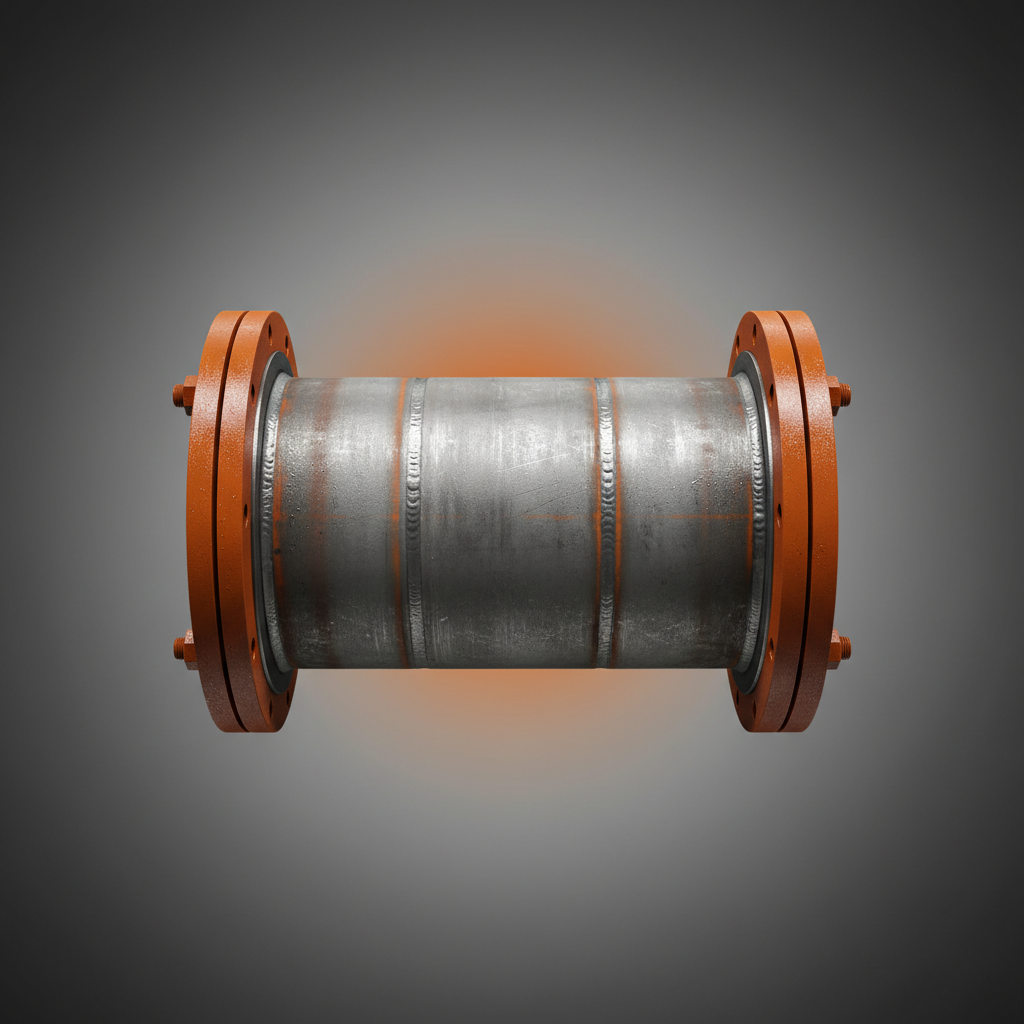
So, what’s a pipe clamp anyway? At its core, a pipe clamp is a mechanical device designed to hold or secure a pipe in place. They can be simple metal rings tightened around the pipe, or complex assemblies that accommodate movement and vibration. Their job is straightforward yet vital — preventing pipes from shifting or leaking under pressure. But pipe clamps also carry a bigger meaning in modern industry. They support pipelines essential for everything from clean water access in humanitarian relief zones, to massive petrochemical plants, and even geothermal power stations. Without them, the promise of efficient transport and delivery of fluids and gases simply wouldn’t hold.Mini takeaway: Pipe clamps are simple tools with outsized importance, fastening pipes securely to ensure operational continuity across sectors.
Breaking Down the Core Aspects of Pipe Clamps
1. Durability
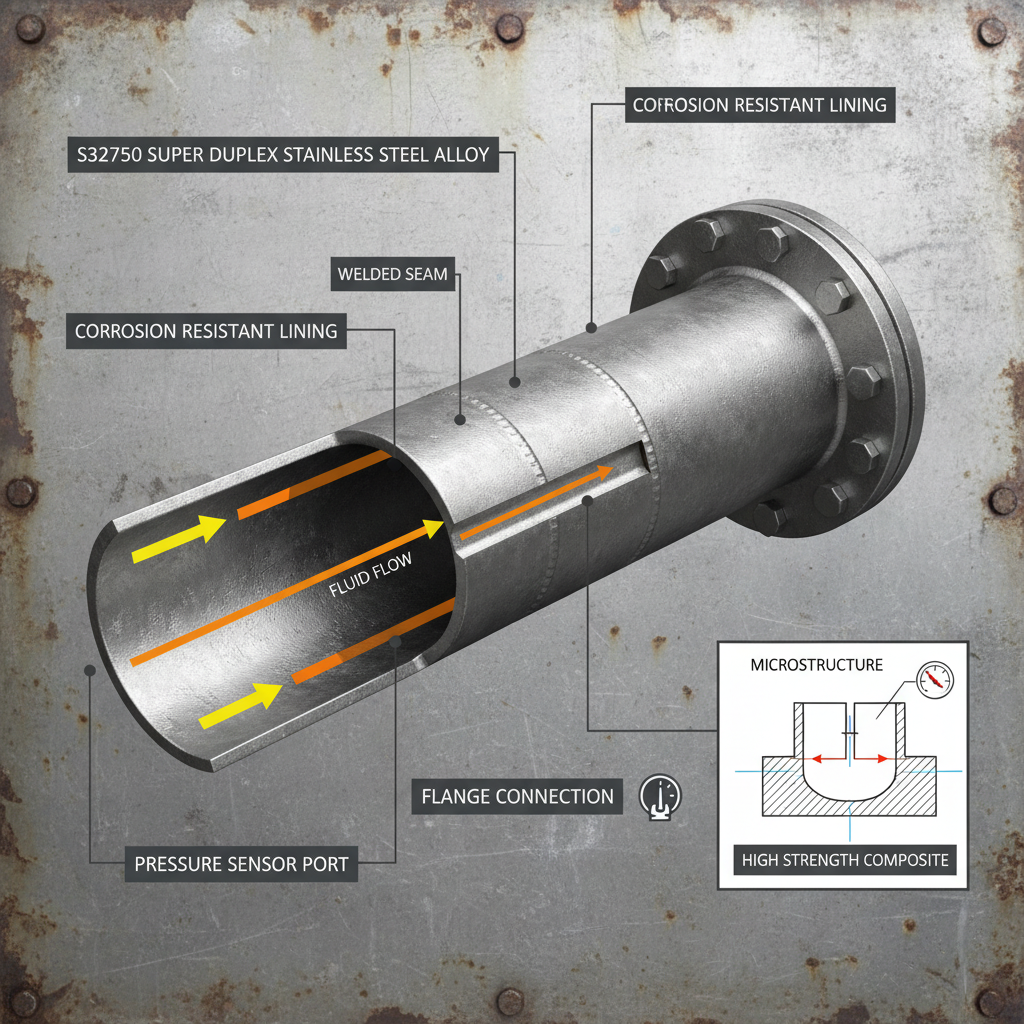
Pipe clamps must withstand a wide range of stresses — constant pressure, temperature swings, corrosion, and mechanical vibrations. Materials like galvanized steel and stainless steel are commonly chosen for their resistance to rust and wear, especially in harsh industrial environments.2. Scalability and Size Options
From tiny clamps securing pipes in residential plumbing to massive clamps supporting industrial pipelines of several meters in diameter, pipe clamps come in many sizes and can be customized. Scalability means they can meet very specific project requirements without compromise.3. Cost Efficiency
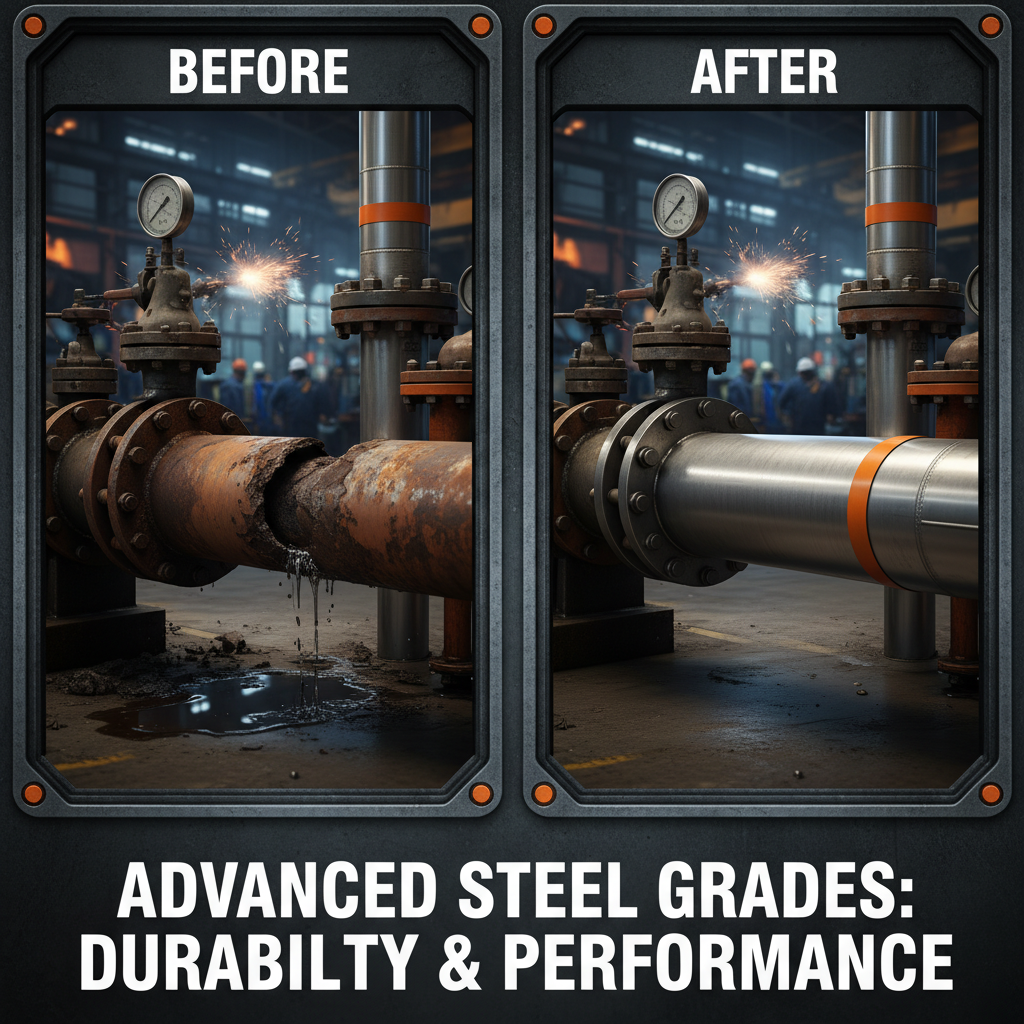
In the long run, good clamps reduce maintenance needs and avoid costly pipeline failures. While premium materials might mean a slightly higher initial price, they bring savings by extending service life and preventing downtime.4. Installation Simplicity
Quick and easy installation means projects move faster and workers spend less time on potentially dangerous tasks. Many modern clamps come with user-friendly features like quick-release mechanisms or built-in vibration dampers.5. Adaptability to Environment
Clamps used in marine environments might have special coatings, while those for explosion-prone zones must meet strict safety certifications. Choosing the right features is pivotal to ensure safety and reliability.Mini takeaway: The best pipe clamps combine toughness, size flexibility, cost-effectiveness, ease of installation, and environmental adaptability to perform reliably.
Global Applications: Where and How Pipe Clamps Are Used
Industries relying on pipe clamps are incredibly diverse. For example: - Oil & Gas: Clamps stabilize pipelines that transport petroleum from wells to refineries, often across challenging terrains. - Water Utilities: Clean water supply and wastewater management globally depend on pipe clamps to keep their networks leak-free. - Construction & HVAC: Residential and commercial buildings use them extensively for ductwork and plumbing. - Humanitarian Efforts: In disaster-relief zones (think earthquake or hurricane aftermaths), rapid deployment of pipe clamps aids in setting up temporary water and sanitation systems. - Renewable Energy: Geothermal plants and biofuel production pipelines rely increasingly on advanced clamps suitable for sustainable energy infrastructure. Regions like the Middle East, Southeast Asia, and parts of Africa are experiencing massive pipeline development, boosting demand for reliable pipe clamps. Even NGOs in remote industrial zones benefit from durable clamps that simplify repairs and maintenance.Mini takeaway: Pipe clamps are indispensable across industries and regions, underpinning sectors from energy to disaster relief to everyday plumbing.
Specification Table: Typical Pipe Clamp Features
| Feature | Description |
|---|---|
| Material | Galvanized Steel, Stainless Steel, Carbon Steel |
| Clamp Size Range | 6 mm – 1000 mm diameter |
| Temperature Resistance | -40°C to 450°C (varies by material) |
| Pressure Rating | Up to 250 bar |
| Installation | Bolted, Quick-release, Welding Options |
| Coating / Finish | Hot-dip galvanizing, powder coating, epoxy |
Comparing Top Pipe Clamp Vendors
| Vendor | Material Options | Price Range | Customization | Lead Time |
|---|---|---|---|---|
| ClampCo Industrial | Steel, Stainless, Aluminum | $$ | High custom sizes available | 2–3 weeks |
| Global Clamp Solutions | Carbon Steel, Stainless Steel | $$$ | Pre-engineered sets | 1–2 weeks |
| EcoClamp Ltd. | Recycled Steel, Aluminum | $$ | Standard sizes only | 4 weeks |
The Advantages & Lasting Value of Good Pipe Clamps
If you ask engineers, they’ll likely say that reliable pipe clamps offer peace of mind above anything else. They fortify pipelines against accidental damage, thermal expansion, or simple wear and tear. This reliability translates to lower maintenance costs and longer pipeline lifespans. From a social perspective, well-maintained pipelines mean fewer disruptions in essential services like water and energy—supporting human dignity and safety. On the emotional side, there’s something deeply reassuring about solid, well-engineered infrastructure. It inspires trust in communities and stakeholders, and contributes to a sense of progress and innovation. In practical terms, pipe clamps embody an elegant solution—small but indispensable.Mini takeaway: Beyond cost and durability, pipe clamps build trust, reduce risk, and sustain critical infrastructure for years.
Looking Forward: Trends and Innovations in Pipe Clamp Technology
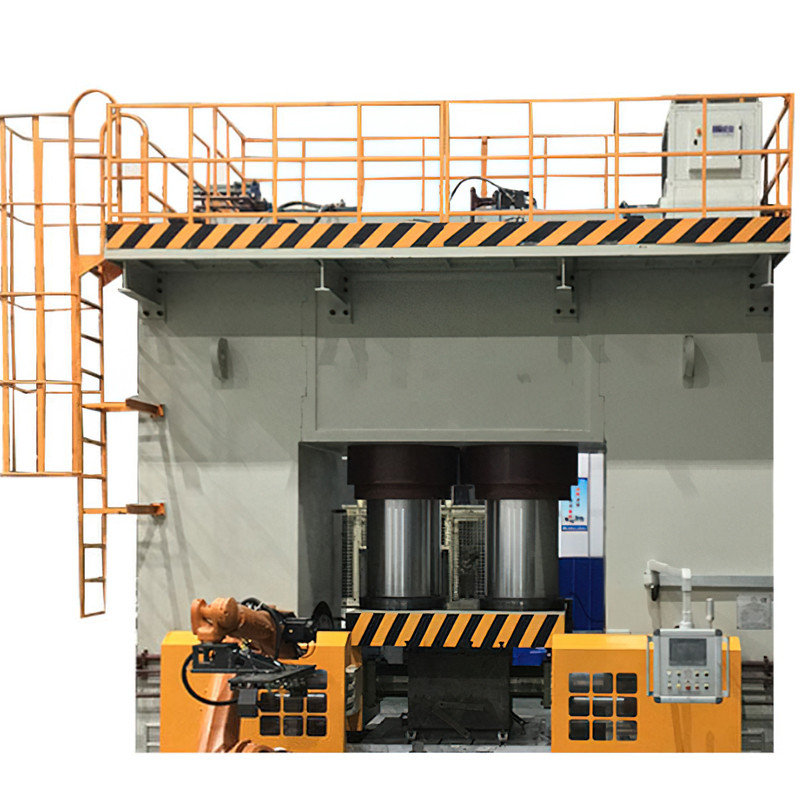
Pipe clamps haven’t stayed stuck in the past. Advances in materials science have introduced composite clamps that resist corrosion without added weight. Smart sensors embedded in clamps are beginning to monitor stress and vibrations in real time, alerting operators before failures occur. This digital transformation supports predictive maintenance practices that save millions. Sustainability is another major focus. Several vendors are developing clamps made with recycled metals or bio-based coatings to reduce environmental impact. Automated production lines now allow for faster customization, meeting the growing demand for niche projects in green energy pipelines. Honestly, it feels like pipe clamps are quietly joining the tech revolution, becoming smarter and greener without much fanfare.Mini takeaway: Expect pipe clamps to evolve with smart technologies, sustainable materials, and automation — a quiet industrial renaissance.
Challenges Pipe Clamps Face & Smart Solutions
Despite all these positives, pipe clamps aren’t flawless. A common challenge is corrosion in harsh environments, especially marine or chemical plants. Sometimes, poorly chosen clamps are installed, leading to unexpected failures down the line. Then there’s standardization — mismatched sizes or designs pose compatibility headaches during emergency repairs or upgrades. And finally, the pressure to cut costs can tempt buyers to opt for cheap, low-quality clamps, which rarely pays off. The best solution? Engaging expert consultation and choosing vendors with proven quality standards (certifications like ISO 9001 or ASTM are key). Also, investing in coatings and regular maintenance extends clamp life dramatically.Mini takeaway: High-quality, well-specified pipe clamps combined with proper maintenance solve most common challenges.
FAQ: Common Questions about Pipe Clamps
- Q: What materials are best for pipe clamps in corrosive environments?
- A: Stainless steel and galvanized steel are preferred for corrosion resistance. In some cases, composite or coated clamps are used for added protection. Choosing the right material depends on the specific chemicals and conditions involved.
- Q: How do pipe clamps accommodate pipe movement?
- Many clamps have flexible joints or cushioned inserts that absorb vibration and thermal expansion, preventing stress damage while keeping the pipe secure.
- Q: Can pipe clamps be customized for unusual pipe sizes?
- Yes, many manufacturers offer custom clamps tailored for unique diameters or shapes, which is especially important in specialized industrial applications.
- Q: How often should pipe clamps be inspected for safety?
- Inspection frequency varies but generally ranges from quarterly to annually, depending on application and environmental factors.
- Q: Where can I find reliable suppliers for pipe clamps?
- Reputable industrial hardware suppliers, certified through ISO or ASTM standards, are your best bet. You can also check pipe clamps providers with solid industry reviews.
Wrapping Up: The Quiet Backbone of Infrastructure
When you think about it, pipe clamps are a perfect example of how small, well-engineered parts hold vast systems together. Understanding their design, importance, and global applications shines a light on what makes modern infrastructure resilient. For anyone sourcing or specifying these clamps, the long-term benefits are clear — stronger, safer pipelines and peace of mind. Curious to see what's available or want to upgrade your system? Visit our website for detailed info on pipe clamps and expertise you can trust. ---References & Further Reading:
Post time: Nov . 27, 2025 20:10
 English
  Arabic
  Bengali
  China
China  French
  German
  Hausa
Hausa  Indonesian
  Italian
  Japanese
  Javanese
  Malay
Malay  Persian
  Portuguese
  Punjabi
  Russian
  Spanish
  Swahili
  Telugu
  Vietnamese