

The Unsung Hero of Plumbing and Industry: The Pipe Wrench
When you think about tools globally essential to infrastructure, the pipe wrench rarely gets the fanfare it deserves. Yet, whether it's fixing a leaking pipe in a skyscraper or assembling industrial machinery in remote locations, this robust hand tool quietly holds the backbone of multiple industries together. Understanding the pipe wrench not only sharpens your grasp of basic mechanical functions but also illuminates global infrastructure challenges and solutions that touch billions.
Global Significance: Why the Pipe Wrench Matters Everywhere
The world depends on efficient plumbing and piping systems—not just for comfort but for public health, energy, and agriculture. According to the World Health Organization, over 2 billion people lack access to safely managed water services, much of which hinges on piping and repair systems. Enter the pipe wrench, which enables plumbers and technicians to maintain and install pipework, often under tough conditions.
Industry-wide, standardized tools like the pipe wrench keep projects on track. The ISO standards for hand tools ensure that a pipe wrench bought in one country performs to expected specifications worldwide, simplifying global trade and infrastructure projects. But challenges remain. Tools must withstand diverse climates and heavy use, which is where reliable pipe wrenches make a difference.
Takeaway: The pipe wrench is a small hero in global health and industry infrastructure, helping keep water flowing and machinery running across continents.
Defining the Pipe Wrench: More Than Just a Grip
Simply put, a pipe wrench is a wrench designed to grip and turn pipes and circular objects. Its defining feature is a pair of serrated jaws: one fixed and one adjustable. This design maximizes grip on round surfaces, unlike a traditional open-ended wrench that struggles on pipes.
While the basic design dates back to the late 19th century (you might thank Daniel Stillson, the original inventor), today’s pipe wrenches come in an assortment of sizes and materials. They serve industries from plumbing and oil rigs to construction sites and humanitarian relief efforts—wherever there’s a need to join or repair pipes quickly, and safely.
Takeaway: At its core, the pipe wrench is a technically simple but practically indispensable tool that translates linear force into powerful grip for circular materials.
Key Factors That Define a Quality Pipe Wrench
Durability and Material Strength
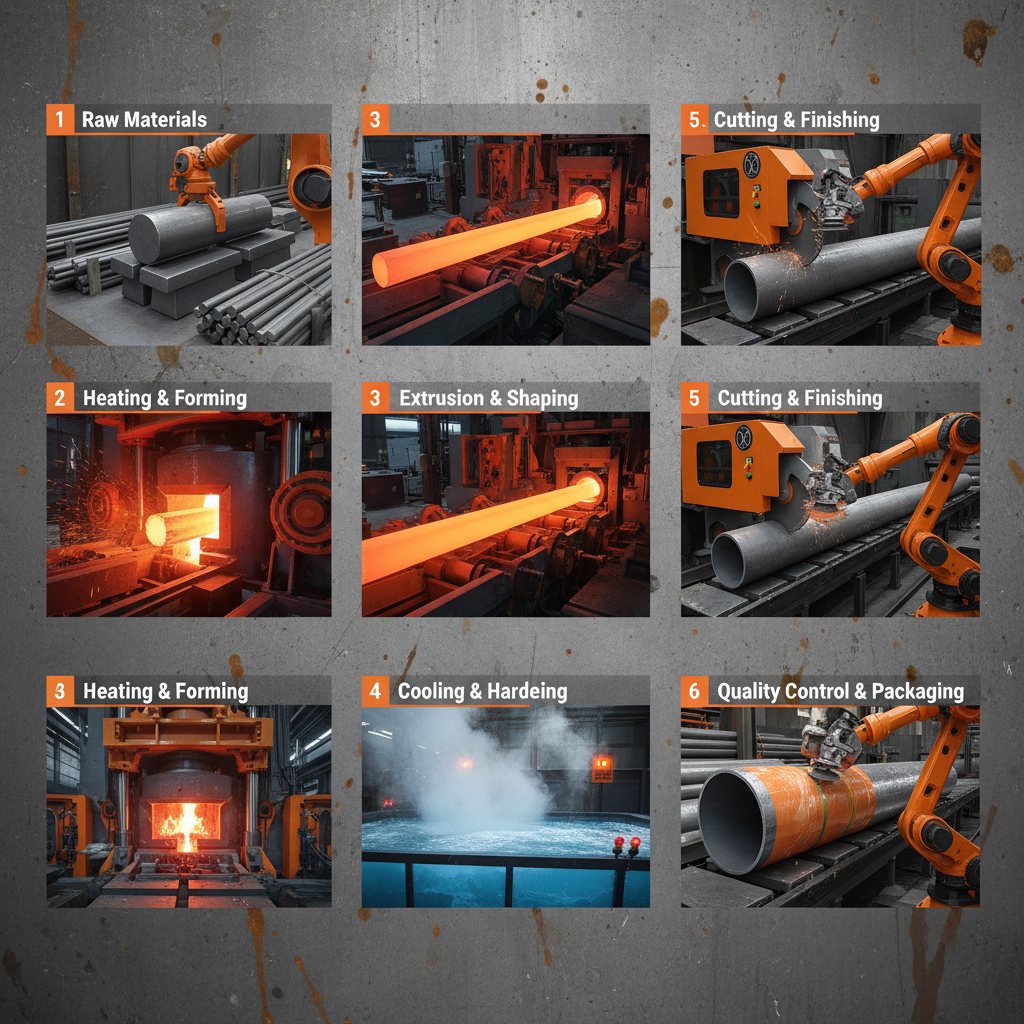
Most pipe wrenches are forged from drop-forged steel, ensuring resilience under repeated torque. Rust resistance is enhanced with coatings like chrome or black oxide, vital in wet environments where pipes live.
Adjustability and Jaw Design
The moveable jaw’s ease of adjustment impacts speed and efficiency. Quick-adjust mechanisms save plumbers precious seconds. The deeper and sharper the jaw teeth, the stronger the grip on worn or oily pipes.
Weight and Ergonomics
It’s an odd balance. Heavier wrenches mean more leverage but can tire users faster. Some brands use aluminum alloys to reduce weight without sacrificing strength — a thoughtful design choice for fieldwork.
Versatility
From 6-inch mini wrenches perfect for tight spaces to 48-inch monsters for heavy industrial pipes, size adaptation matters. Some sets come with interchangeable jaws or pipe grips, expanding usefulness.
Cost Efficiency and Availability
The classic pipe wrench is affordable, but quality varies widely. Investing in durable wrenches reduces replacement costs, downtime, and potential damage to pipes. Procurement decisions often involve balancing upfront price and long-term value.
Takeaway: A great pipe wrench balances strength, comfort, and cost, proving that even simple tools have design nuances worth attention.
Worldwide Applications and Practical Use Cases
The pipe wrench travels far and wide, from European city plumbing to Asian oil fields. In disaster relief zones, quick pipe repairs restore clean water supply—sometimes literally saving lives. For example, in post-hurricane Puerto Rico, emergency crews relied on pipe wrenches to fix broken infrastructure in challenging terrain.
In industrial settings like petrochemical plants in the Middle East, pipe wrenches maintain giant pipeline networks critical for energy export. Meanwhile, urban plumbers in New York or Tokyo use lighter models to fix residential leaks daily.
Even humanitarian NGOs deploying emergency water filtration systems to sub-Saharan Africa count on reliable pipe wrenches for installation and maintenance. Pipe wrench availability here is more than convenience — it’s essential infrastructure support.
Takeaway: The pipe wrench bridges cultures and industries, proving its worth from home plumbing to global humanitarian aid.
Advantages and Long-Term Benefits of Using a Pipe Wrench
- Cost-effective maintenance: Reduces need for full pipe replacement when leaks or fittings go bad.
- Safety and reliability: Proper grip lowers risk of pipe slips that cause injuries or delays.
- Sustainability: Enables repair over replacement, reducing waste.
- Empowerment: Simple, portable tools like pipe wrenches empower local technicians everywhere.
- Trust and innovation: Strong brands push material science to keep tools working in harsher environments.
Frankly, few tools can invoke such practical trust while being relatively simple. They’re a nod to user-centered design, where every notch in the jaw and every curve in the handle matters daily.
Table: Sample Pipe Wrench Specifications
| Feature | Basic Model 12" | Professional 18" | Heavy-Duty 24" |
|---|---|---|---|
| Material | Drop-forged steel | Chrome-plated steel | Alloy steel with black oxide |
| Weight | 1.5 lbs | 2.3 lbs | 4.8 lbs |
| Jaw capacity | 1-2 in | 1.5-3 in | 2-4 in |
| Adjustability | Standard thumb screw | Quick-adjust lever | Heavy-duty spiral screw |
| Typical Use | Light plumbing | Professional plumbing | Industrial maintenance |
Comparing Top Pipe Wrench Vendors
| Vendor | Price Range | Quality & Durability | Special Features | Global Availability |
|---|---|---|---|---|
| Brand A | $15–$60 | High | Ergonomic grip, quick adjust | Worldwide |
| Brand B | $10–$40 | Medium | Rust resistant coating | Limited to North America, Europe |
| Brand C | $25–$80 | Very High | Industrial grade steel, lifetime warranty | Global |
What Lies Ahead: Future Trends in Pipe Wrench Design
In real terms, the future of the humble pipe wrench might seem modest compared to flashy tech gadgets, but there are some neat advances to watch. Lighter yet stronger composites might replace steel in high-end models, improving ease of use without sacrificing durability.
Digital enhancements—like torque sensors or smart adjustment indicators—are on the horizon. Imagine a pipe wrench that tells you when you’re applying too much force or tracks maintenance logs via Bluetooth. It sounds futuristic, but with ongoing automation and IoT adoption in construction, these ideas aren’t far off.
Sustainability is also creeping in. Recycling scrap metal for tool production or adopting greener coatings could become standard practice, nudging the tool toward an eco-friendlier footprint.
Takeaway: Innovation in pipe wrenches blends tradition and technology, aiming for smarter, lighter, and greener tools.
Common Challenges and How Experts Overcome Them
Heavy weight, slipping jaws, or wear and tear on high-friction surfaces are realistic complaints from users. To tackle these, engineers refine jaw geometry and experiment with coatings to increase grip without biting into pipes.
Another hurdle is cost versus quality—sometimes cheaper wrenches fail quickly, but over-investing can be impractical for small businesses or NGOs. Bulk purchasing and vendor partnerships often solve this balance, plus on-site training keeps tools and pipes safe.
The diversity in pipe materials—from metal to plastics—also means no one wrench fits all. Many users carry multiple models or adjustable designs tailored to different jobs.
FAQ: Practical Answers About Pipe Wrenches
- How do I choose the right size pipe wrench for residential plumbing?
- For most home plumbing tasks, a 12-inch or 18-inch pipe wrench suffices. Smaller wrenches fit tight spaces better, but larger ones provide more leverage. Consider the pipe diameter and workspace accessibility.
- Can a pipe wrench damage my pipes?
- Improper use might nick pipes, especially softer materials like PVC. Always use the wrench jaws on clean, solid surfaces and avoid excessive force. For delicate pipes, specialty tools may be better.
- Is it worth investing in a branded pipe wrench?
- While budget wrenches can save money initially, branded wrenches usually last longer and provide safer, more reliable performance, which pays off over time.
- How do I maintain my pipe wrench?
- Regular cleaning, lubrication of moving parts, and storing in a dry place prevent rust and wear. Check jaw teeth for damage and replace if necessary.
- Where can NGOs reliably source quality pipe wrenches for field deployment?
- Reputable industrial suppliers or online marketplaces with global shipping are good sources. Partnering with organizations like pipe wrench vendors may offer discounts or bulk deals.
Wrapping It Up: Why This Tool Still Matters
The pipe wrench might appear simple, but its global reach and impact—especially in plumbing, industrial, and humanitarian contexts—are massive. A durable, well-designed pipe wrench reduces downtime, enhances safety, and sustains critical infrastructure. If you’re looking for reliable, affordable solutions that stand the test of time, investing in good pipe wrench tools is a no-brainer.
Want to learn more or find top-quality pipe wrenches? Visit our website at https://www.world-steelmaterial.com and explore options tailored to your needs.
References
Post time: Nov . 27, 2025 21:40
 English
  Arabic
  Bengali
  China
China  French
  German
  Hausa
Hausa  Indonesian
  Italian
  Japanese
  Javanese
  Malay
Malay  Persian
  Portuguese
  Punjabi
  Russian
  Spanish
  Swahili
  Telugu
  Vietnamese