

Understanding ASTM A53 ERW Pipe Specifications: A Global Industrial Staple
When you think about the backbone of global infrastructure—the pipes that quietly support our energy, water, and construction needs—ASTM A53 ERW pipe specifications stand out as critical. These standards define how electric resistance welded pipes are manufactured, tested, and used worldwide, ensuring safety, durability, and cost-effectiveness.
Why does this matter? Well, globally, industries like oil and gas, construction, and water distribution rely heavily on steel pipes that meet stringent specifications to avoid failures. Getting familiar with these standards means better communication with suppliers, smarter procurement, and ultimately, safer projects.
Introduction: The Global Relevance of ASTM A53 ERW Pipes
Across continents, steel pipe consumption is rising steadily—in fact, according to the World Steel Association, global crude steel production reached about 1.8 billion metric tons in 2023. Pipes accounted for a significant share in construction and industrial applications. The ASTM A53 ERW pipe specification provides a common language and quality benchmark among countries producing and consuming steel pipes.
Still, challenges remain. In many developing regions, inconsistent standards and inferior pipe quality cause frequent pipeline failures—resulting in environmental and economic damage. So, aligning with reputable standards like ASTM A53 ERW helps tackle these concerns head-on, especially in critical infrastructure projects.
Defining ASTM A53 ERW Pipe Specifications
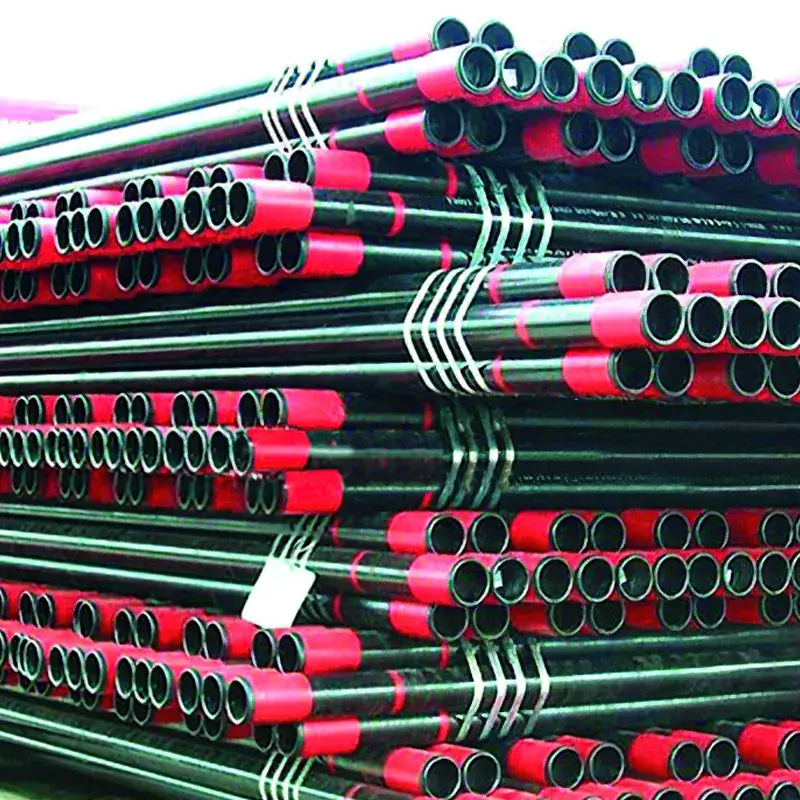
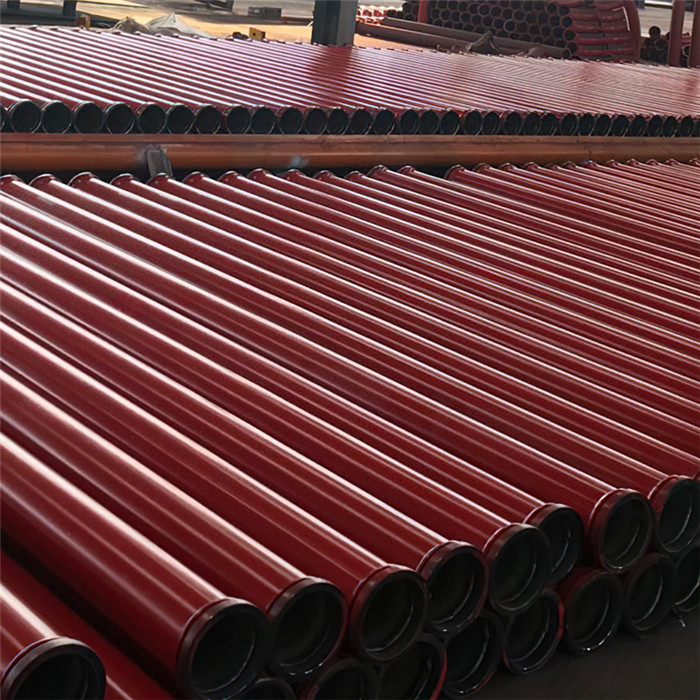
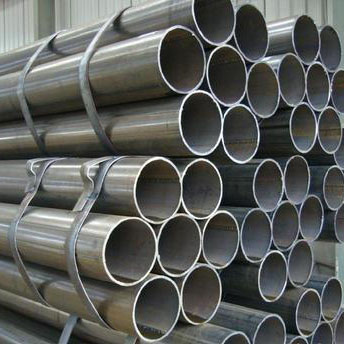
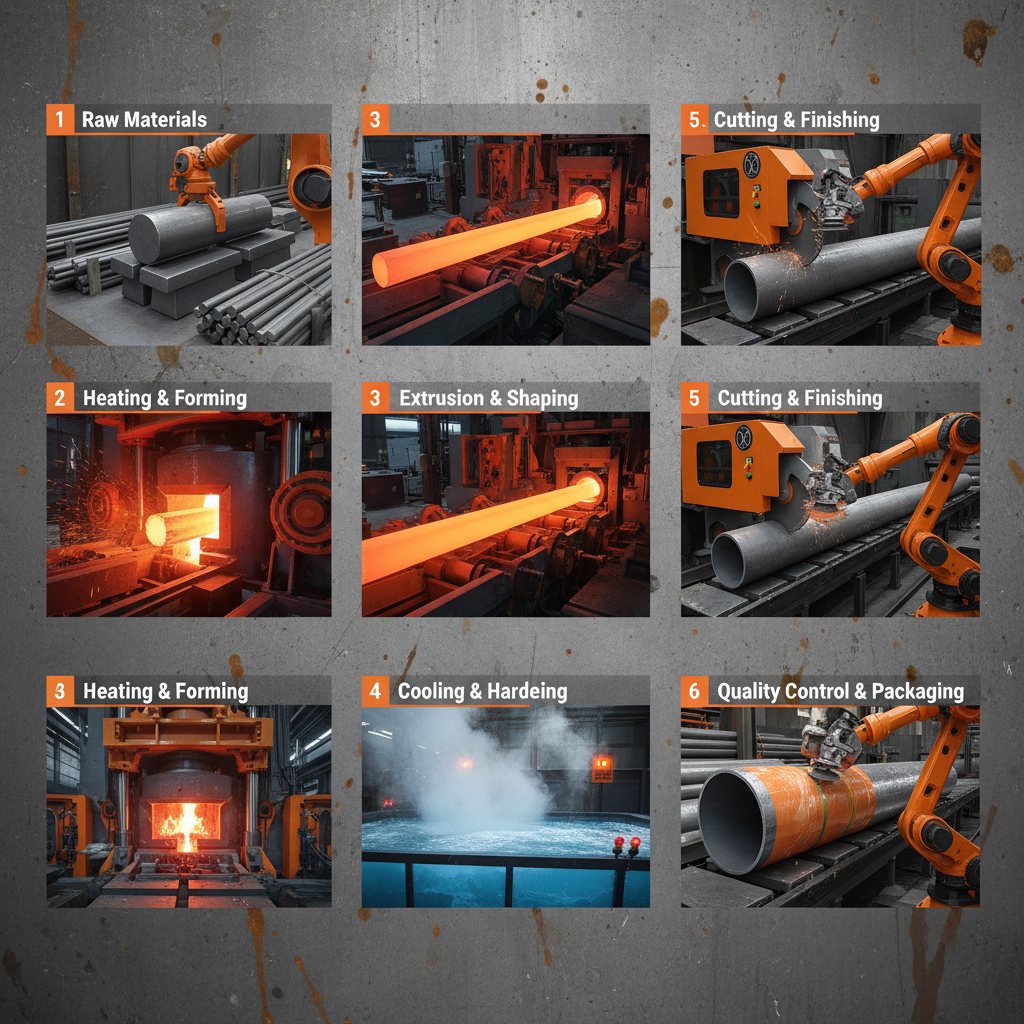
Simply put, ASTM A53 is a standard specification established by ASTM International for carbon steel pipes that cover several manufacturing processes, including electric resistance welding (ERW). These pipes are generally used for mechanical and pressure applications, and also for vapor, water, and gas transportation.
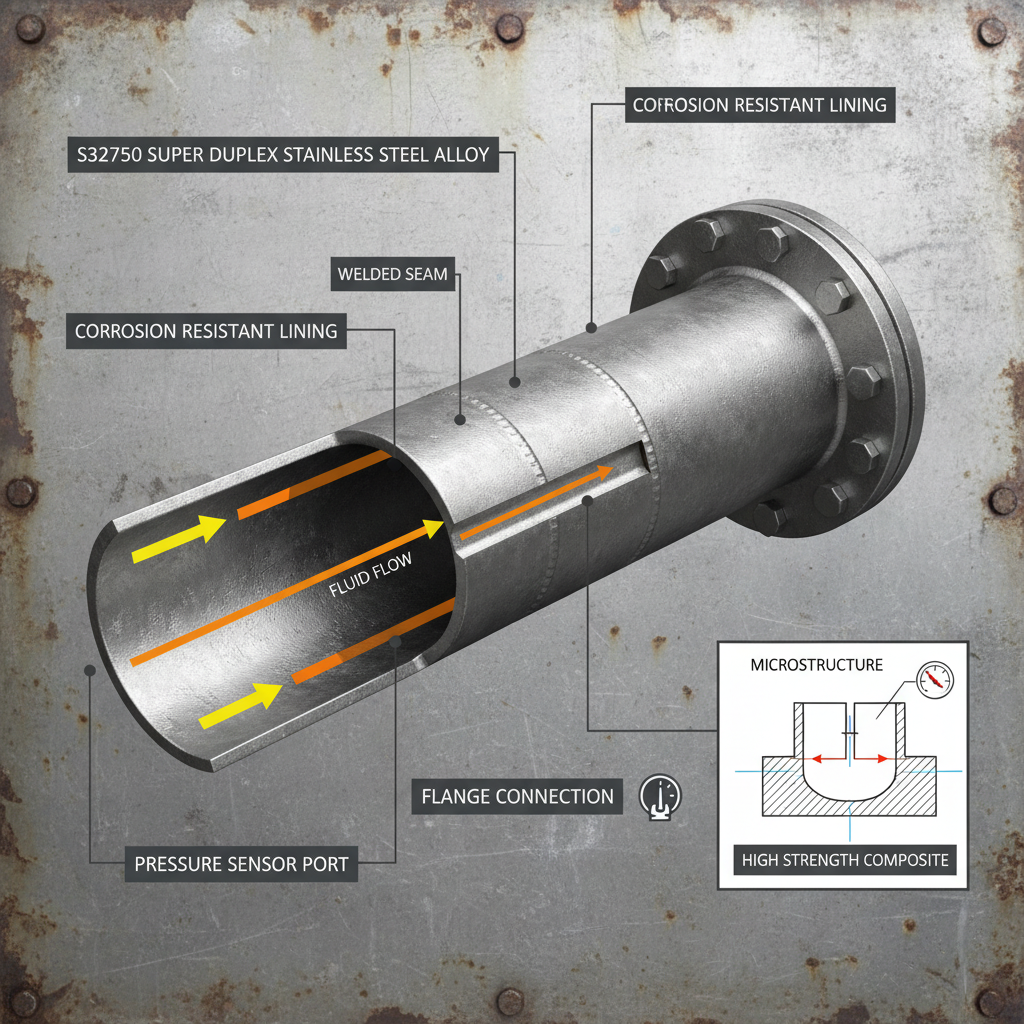
The “ERW” part refers to how the pipe is made—electric resistance welding creates a strong, seamless joint by applying heat and pressure to the edges of the steel strip, without adding filler material. This makes ERW pipes cost-effective and reliable.
Hence, ASTM A53 ERW pipe specifications ensure pipes are uniform in size, strength, and quality, which is crucial from a construction or humanitarian supply standpoint.
Core Components of ASTM A53 ERW Pipe Specifications
1. Chemical Composition
The standard dictates precise chemical limits on carbon, manganese, phosphorus, sulfur, and other elements to balance strength and weldability.
2. Dimensional Requirements
These specs carefully control pipe diameter, wall thickness, and length tolerance to fit different engineering needs.
3. Mechanical Properties
Requirements include minimum tensile strength, yield strength, and elongation, assuring the pipe withstands operating stresses.
4. Testing Procedures
ASTM A53 specifies tests such as hydrostatic tests, nondestructive electric testing, and bend tests to validate the pipe’s integrity.
5. Marking and Certification
Pipes are clearly marked with manufacturer details, heat numbers, and size for traceability.
| Property | Specification |
|---|---|
| Grade | A, B |
| Outside Diameter (OD) | 1/8 inch to 26 inch |
| Wall Thickness | Varies, as per Schedule 10 through 160 |
| Minimum Tensile Strength | 48,000 psi (Grade A), 60,000 psi (Grade B) |
| Yield Strength | 30,000 psi (Grade A), 35,000 psi (Grade B) |
| Elongation | 23% (Grade A), 18% (Grade B) |
Mini Takeaway: ASTM A53 ERW pipe specs weave together strict chemical, dimensional, and mechanical controls to ensure dependable steel pipes for various uses.
Global Applications and Use Cases
These pipes are everywhere—from the pipelines moving oil across North America to water supply lines in Asia. Here are some key areas:
- Oil & Gas Industry: ERW pipes are widely used for transporting oil, natural gas, and petroleum products.
- Construction Sector: These pipes serve as structural supports, scaffolding, and for conveying fluids in buildings.
- Water and Sewage: Municipalities deploy ASTM A53 ERW pipes for potable water and sewage lines.
- Post-Disaster Relief: In emergency infrastructure, quick-to-install pipelines built of ERW pipes provide lifesaving water and fuel in affected zones.
One interesting snippet—companies working in remote regions like Sub-Saharan Africa prefer ASTM A53 ERW pipes because their availability and compliance facilitate swift installation with local expertise, reducing costs.
Advantages and Long-Term Value
Why do engineers and procurement managers keep returning to ASTM A53 ERW pipes? For starters, they balance performance and price smack in the middle of the value spectrum—a lot of bang for the buck. Their consistent quality boosts safety by reducing leaks or ruptures.
Moreover, manufacturing ERW pipes requires less energy compared to seamless pipes, contributing to somewhat lower environmental impact. Besides cost and environmental factors, there’s the trust that comes with adherence to a recognized specification. In many ways, that creates a sense of dignity—not only to workers installing systems but also to communities relying on those systems.
Vendor Comparison: Why Source Wisely?
| Vendor | Certification | Delivery Time | Price Range | After-Sales Support |
|---|---|---|---|---|
| SteelCo Global | ISO 9001, ASTM Certified | 2-4 weeks | $$$ | Comprehensive technical support |
| PipeMart Inc. | ASTM Certified | 1-3 weeks | $$ | Standard warranty, online support |
| GlobalPipe Solutions | ISO 14001, ASTM Compliant | 3-5 weeks | $$ | Customized order management |
Future Trends & Innovations in ASTM A53 ERW Pipe Use
Looking forward, the industry is increasingly leaning into sustainability. New ERW pipe manufacturing techniques reduce carbon footprints, and more recycled steel enters the supply chain. Digital transformation also plays a part: sensors embedded in pipes monitor conditions in real-time—smart pipeline systems that pre-empt failures.
Additionally, regulatory bodies are tightening norms on environmental impact and material traceability, pushing the market toward cleaner, greener pipe production and distribution. Oddly enough, the simple steel pipe industry is quietly going high-tech.
Common Challenges & Expert Solutions
However, it’s not all smooth sailing. ERW pipes sometimes face criticism for potential weld seam weaknesses if not produced under supervised conditions. This is especially true in low-resource settings. To mitigate this, many companies adopt ultrasonic testing and third-party certifications.
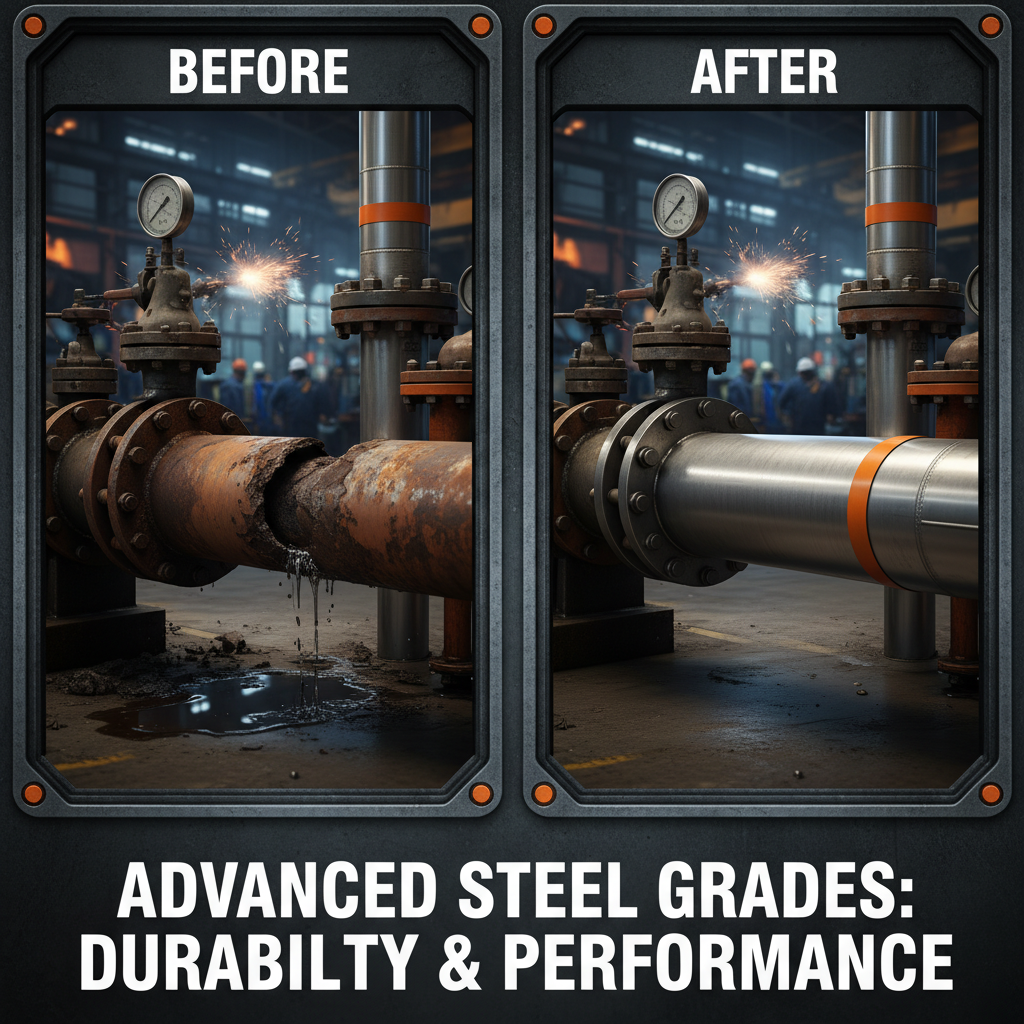
Another challenge is corrosion, a perennial enemy of steel. Experts suggest protective coatings and cathodic protection, alongside correct installation practices. I suppose the takeaway here is that quality pipes also demand quality maintenance.
FAQ: Your Questions on ASTM A53 ERW Pipe Specifications
- What distinguishes ASTM A53 ERW pipes from seamless pipes?
- ASTM A53 ERW pipes are made by welding steel strip edges using electric resistance; seamless pipes are formed without welding, typically by extrusion. ERW pipes tend to be more cost-effective and suitable for lower pressure applications, while seamless pipes handle high pressure better but cost more.
- Can ASTM A53 ERW pipes be used in water supply systems?
- Yes, they are widely used for water and sewage lines. However, their suitability depends on coating and corrosion protection to ensure longevity in wet environments.
- How do I verify a supplier’s ASTM A53 ERW pipe compliance?
- Look for documentation such as mill test reports (MTRs), third-party certifications, and traceability marks on the pipes. Reputable vendors generally provide these data as standard.
- Are there size limitations with ASTM A53 ERW pipes?
- Yes, per ASTM A53, pipe sizes generally range from 1/8 inch up to 26 inches in outside diameter. Selection depends on application and mechanical needs.
Conclusion: Why ASTM A53 ERW Pipe Specifications Remain Vital
At the end of the day, ASTM A53 ERW pipe specifications are far more than just letters and numbers. They’re a key enabler for safe and sustainable global infrastructure development. If you work in construction, utilities, or manufacturing, knowing these specs empowers you to make smarter choices, avoid costly mistakes, and build systems that matter—whether in New York or Nairobi.
If you’re keen to explore pipes that meet top industry standards backed with trustworthy data, why not visit our website and see how our ASTM A53 ERW pipes can fit your projects?
In real terms, durability and trustworthiness carried in an ASTM stamp feel like a solid handshake for every pipeline you trust in your work.
References:
- ASTM A53 Standard Specification
- World Steel Association - Industry Data
- Electric Resistance Welding - Wikipedia
Mini takeaway: ASTM A53 ERW pipes unite industry safety, cost, and performance on a global stage—but quality sourcing and upkeep remain key.
Post time: Dec . 02, 2025 10:30
 English
  Arabic
  Bengali
  China
China  French
  German
  Hausa
Hausa  Indonesian
  Italian
  Japanese
  Javanese
  Malay
Malay  Persian
  Portuguese
  Punjabi
  Russian
  Spanish
  Swahili
  Telugu
  Vietnamese