

Understanding ASTM A106 A106M: What It Is and Why It Matters Globally
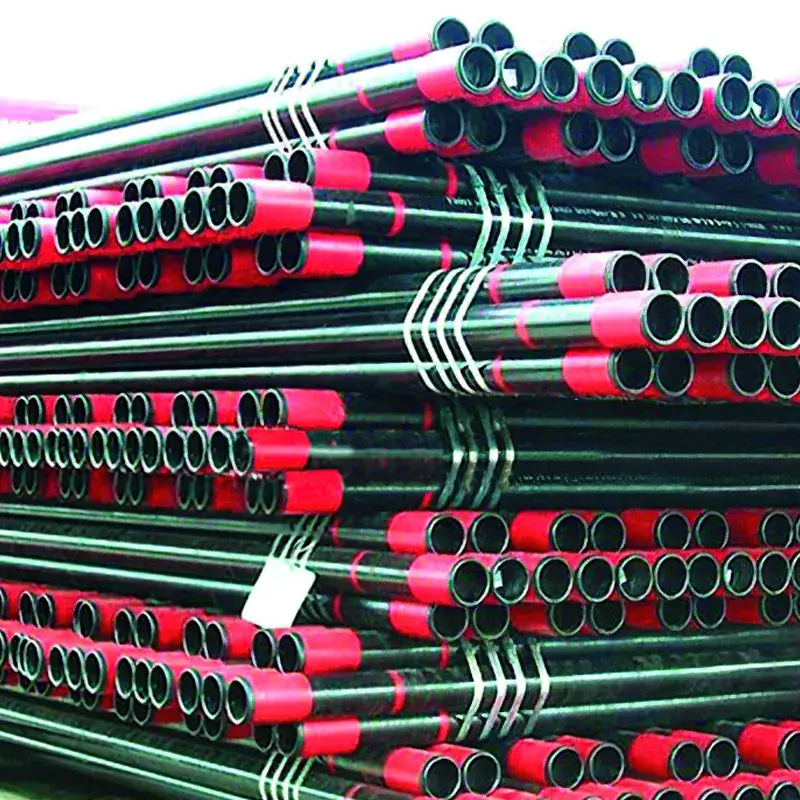
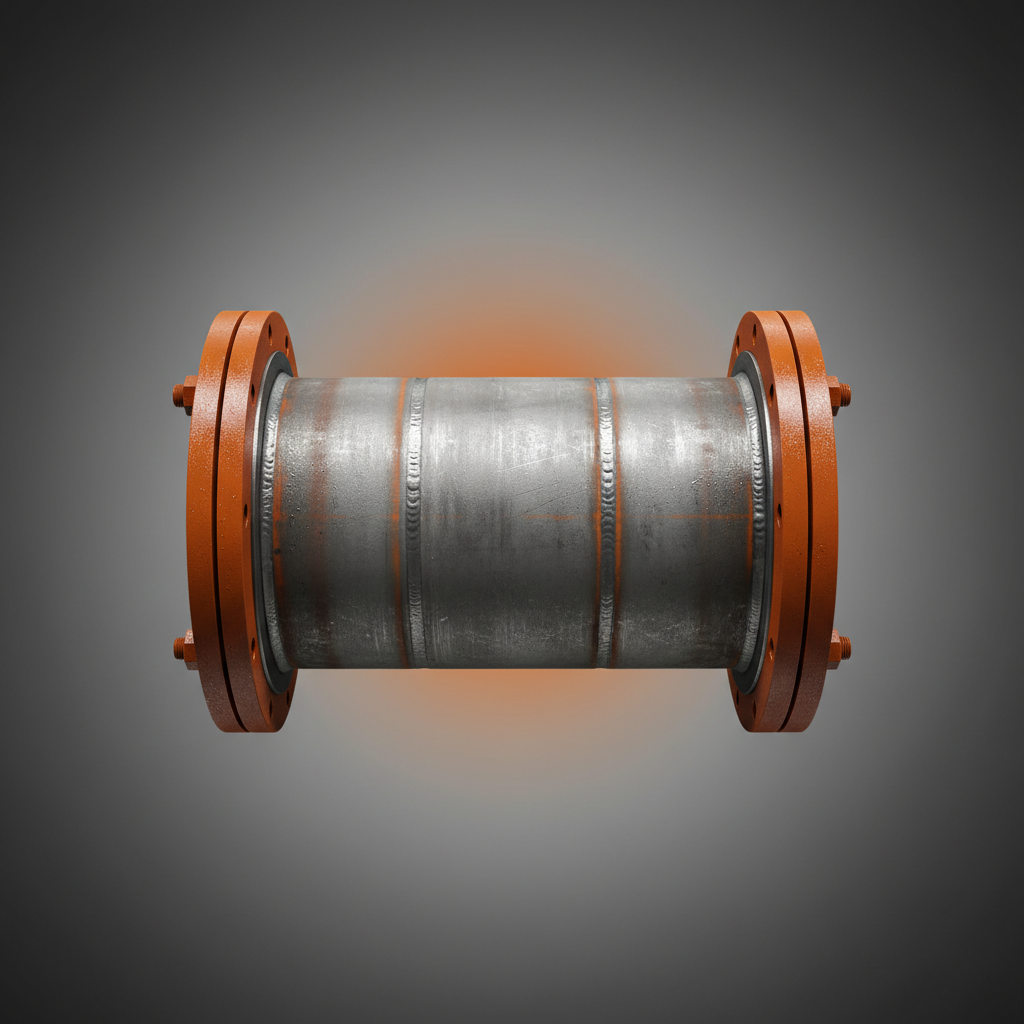
ASTM A106 A106M might look like a cryptic code, but, frankly, it’s a cornerstone of modern industry and infrastructure around the globe. Simply put, it’s a specification that governs the quality and standards of seamless carbon steel pipes widely used in high-temperature service. If you’ve ever wondered about the pipes carrying steam, water, or gases in power plants, refineries, or even oil and gas operations — ASTM A106 A106M is probably behind them.
Why does this matter worldwide? Because these pipes hold up under extreme conditions, ensuring safety and efficiency in crucial sectors. Understanding this standard doesn't just help engineers pick the right products; it also lays a foundation for innovation, sustainability, and international trade in industrial materials.
Mini takeaway: ASTM A106 A106M isn’t just pipe specs — it’s the backbone of safe, high-temperature industrial piping worldwide.
Global Context: The Industry-Wide Impact of ASTM A106 A106M
Steel pipes following ASTM A106 A106M standards travel through the arteries of global energy and infrastructure systems. According to the International Energy Agency, over 80% of world energy pipelines use steel grades that align closely with these specifications. The UN Industrial Development Organization stresses consistent standards like ASTM A106 A106M to support global trade and energy sustainability.
One challenge is maintaining pipes that resist corrosion and withstand heat without failing prematurely in remote or harsh environments. The specification addresses this head-on, setting a tough bar for material quality and testing, ultimately pushing manufacturers worldwide towards consistency and reliability.
Mini takeaway: Aligning pipes to ASTM A106 A106M specs helps ensure global infrastructure stays safe, efficient, and trade-friendly.
Definition & Meaning: What Exactly Is ASTM A106 A106M?
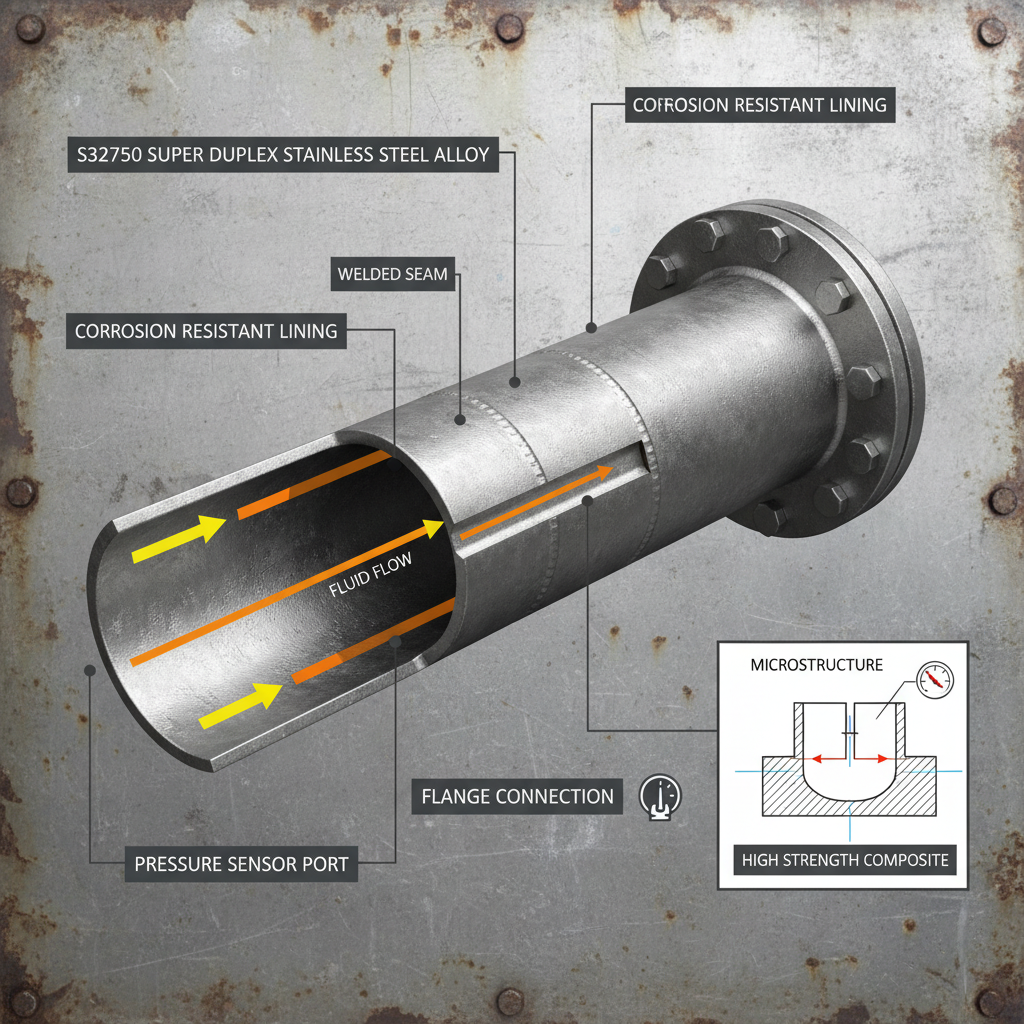
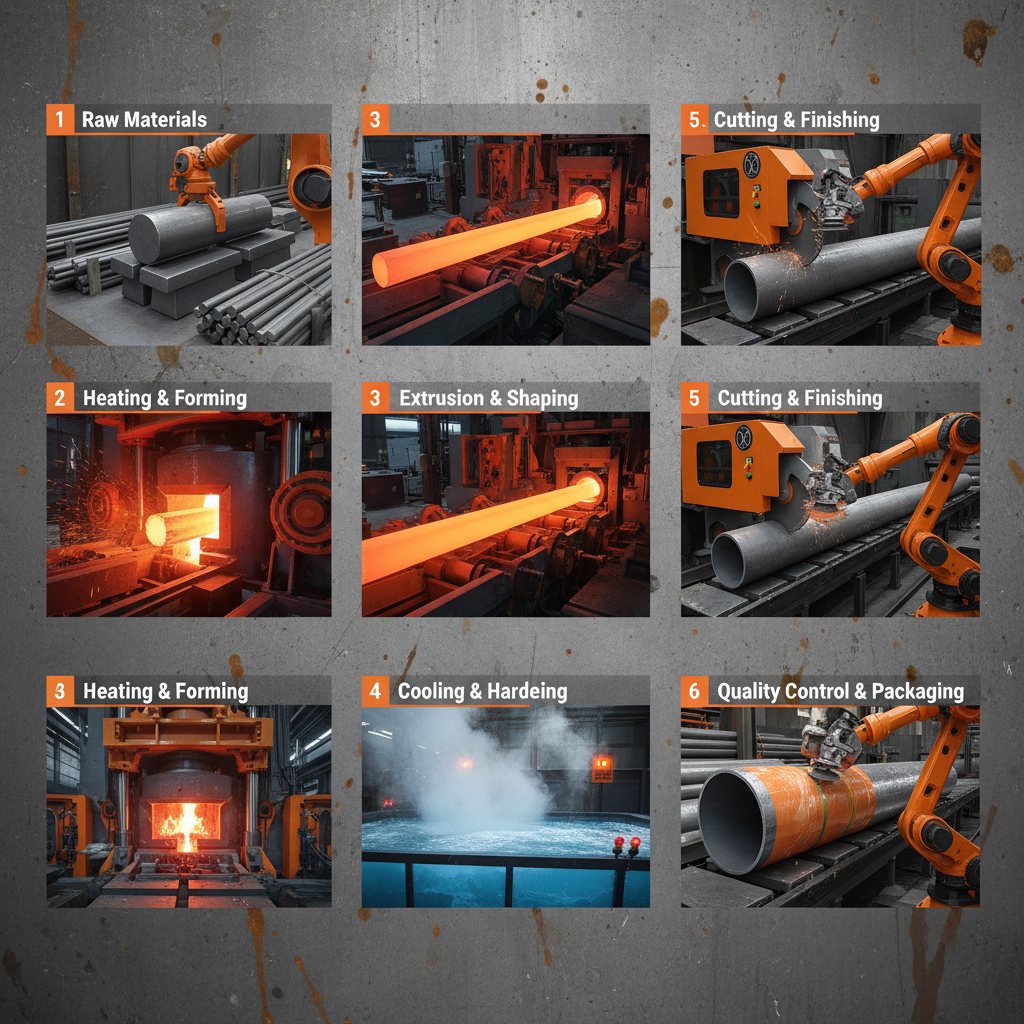
ASTM A106 (and the metric variant A106M) is a standard issued by ASTM International, defining requirements for seamless carbon steel pipes intended for high-temperature service. “Seamless” means these pipes are made without welded joints, enhancing strength and reducing weak points.
In real terms, these standards specify chemical composition, mechanical properties, testing procedures, and dimensional tolerances — so manufacturers and engineers speak the same language. They’re crucial in sectors where failure isn’t an option: power plants, oil refineries, and chemical industries all rely on ASTM A106 A106M pipes for operational safety and durability.
Mini takeaway: ASTM A106 A106M sets the standard for reliable, high-temperature capable seamless steel pipes worldwide.
Key Factors of ASTM A106 A106M
1. Material Composition
The specification demands carbon steel with precise percentages of carbon, manganese, phosphorus, sulfur, and silicon — balanced to deliver strength but maintain flexibility in high heat.
2. Durability & Heat Resistance
These pipes withstand internal pressure and various temperatures, often ranging from ambient to 750°F (about 400°C) or more. It means fewer failures and longer service life.
3. Seamless Pipe Manufacturing
Without welded seams, these pipes tend to be stronger and safer under pressure and temperature extremes, key where safety is paramount.
4. Dimensional Accuracy
The standards discretely maintain tight tolerances on thickness and diameter. It may sound trivial, but it ensures pipes fit precisely into complex systems, minimizing leaks or installation headaches.
5. Testing Requirements
Mechanical testing delivers tangible assurances — tensile strength, yield strength, hydrostatic tests — all ensuring the pipe meets its promised performance.
Mini takeaway: Material quality, heat resilience, seamless production, exact dimensions, and strict testing make ASTM A106 A106M pipes trusted worldwide.
Product Specifications of ASTM A106 A106M Pipes
| Specification | Details |
|---|---|
| Material Type | Carbon Steel (Seamless) |
| Temperature Range | -20°C to +400°C (approx.) |
| Grades | Grade A, B, C |
| Diameter Range | 10 mm to 610 mm |
| Wall Thickness | Varies by size, per ASTM tolerances |
| Testing Methods | Tensile, yield, hydrostatic, nondestructive |
Global Applications & Use Cases
The reach of ASTM A106 A106M pipes is almost everywhere. In the Middle East’s bustling oil fields, their ability to handle high temperatures and pressures is indispensable. In North America and Europe, these pipes feed steam and hot water in power plants and chemical manufacturing plants.
Oddly enough, even in harsh post-disaster operations, reliable piping can mean the difference between restoring essential services swiftly or facing prolonged outages. For example, in remote industrial zones, standard-compliant pipes reduce downtime and maintenance costs, which in turn benefits local communities dependent on uninterrupted services.
Mini takeaway: ASTM A106 A106M pipes underpin critical infrastructure from oil fields to disaster zones worldwide.
Vendor Comparison: ASTM A106 A106M Pipe Suppliers
| Vendor | Product Range | Certification | Delivery Time | Pricing |
|---|---|---|---|---|
| SteelPrime Corp. | ASTM A106 A106M, Various Grades | ISO 9001, API 5L | 2-3 weeks | Mid-range |
| Global Steel Solutions | Full line ASTM A106 Pipes + Custom Orders | ISO 14001, API, CE | 1-2 weeks | Slightly premium |
| MetalWorks Inc. | Basic ASTM A106 Grade B Pipes | API 5CT, ASTM Certified | 3-4 weeks | Budget-friendly |
Advantages & Long-Term Value of Using ASTM A106 A106M Pipes
- Reliability: The toughness under heat and pressure builds trust — especially in safety-critical environments.
- Sustainability: Long lifecycle reduces replacements and waste, aligning with environmental goals.
- Cost Efficiency: Maintenance costs are generally lower compared to pipes failing under pressure or corrosion.
- Social Impact: Safe pipelines contribute directly to community health and economic stability.
Frankly, this kind of steel pipe standard instills a sense of confidence. You know what you’re getting, and that trust often translates into innovation as manufacturers push boundaries to improve or customize the ASTM A106 A106M offerings.
Future Trends & Innovations in ASTM A106 A106M Pipes
Green energy transition means more pipelines for hydrogen and biofuels, challenging ASTM specs to evolve — such as adapting to hydrogen embrittlement or ultra-low carbon steel to reduce emissions during manufacturing.
Digital transformation isn't left out either: automated ultrasonic testing and AI-based inspection increasingly complement ASTM A106 A106M compliance, spotting defects early and reducing human error.
In short, ASTM A106 A106M is no static document; it's sort of a living standard adapting to future industry requirements.
Challenges & Solutions
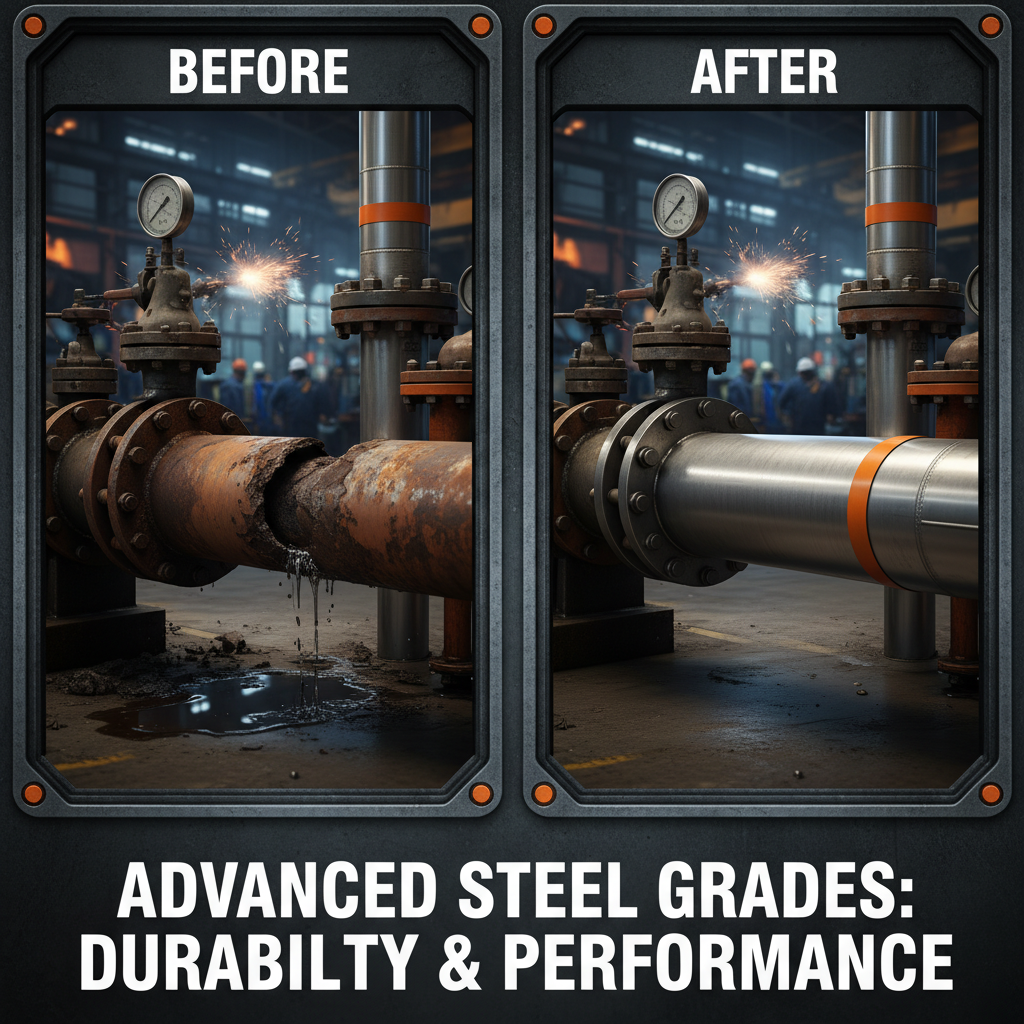
One ongoing challenge is dealing with corrosion in highly aggressive environments. While ASTM A106 A106M pipes are durable, supplementary coatings or cathodic protection are often necessary. Additionally, supply chain bottlenecks can delay orders in urgent situations.
Experts recommend close collaboration between purchasers and suppliers to understand project timelines and consider local manufacturing options where feasible. Also, embracing advanced testing and predictive maintenance software helps extend pipe life and prevent failures.
FAQ: Frequently Asked Questions About ASTM A106 A106M
- What distinguishes ASTM A106 pipes from other steel pipes?
- ASTM A106 specifies seamless carbon steel pipes rated for high-temperature service, differentiating them from welded or lower-grade pipes. This makes them ideal for use in demanding industrial systems where strength and heat resistance are critical.
- Can ASTM A106 A106M pipes be used for high-pressure steam lines?
- Yes, they can handle high pressure and temperature environments typical of steam lines, provided the grade and thickness are selected appropriately, following engineering guidelines.
- How long do ASTM A106 pipes typically last in service?
- With proper installation and maintenance, these pipes often have service lives exceeding 20-30 years, depending on operating conditions and environmental exposure.
- Is ASTM A106 A106M pipe fully interchangeable with metric equivalents?
- The 'M' variant of ASTM A106 covers metric units, making it easier internationally. However, dimensions can differ slightly, so engineers must verify compatibility carefully for retrofit or hybrid systems.
- Where can I find ASTM A106 A106M pipes for international projects?
- Many certified global suppliers provide ASTM A106 A106M pipes with export documentation. Visiting trusted portals like world-steelmaterial.com can help source reliable products and certifications.
Conclusion
ASTM A106 A106M pipes represent more than just steel tubes — they are critical enablers of safe energy transfer, industrial productivity, and infrastructure resilience worldwide. Their defined standards ensure that whether it’s a refinery in Texas or a power station in Germany, the piping conforms to high expectations.
For professionals looking to specify or procure these pipes, understanding ASTM A106 A106M thoroughly is a solid step toward safer, cost-effective projects with fewer headaches down the line.
Explore more and get connected with trusted suppliers at https://www.world-steelmaterial.com.
In the ever-evolving world of steel piping, clarity and standards remain our best allies.
References:
1. ASTM International – Standard Specification for Seamless Carbon Steel Pipe for High-Temperature Service, A106/A106M.
2. International Energy Agency, World Energy Outlook 2023.
3. UNIDO, Industrial Standards in Global Trade and Development.
Post time: Dec . 02, 2025 11:05
 English
  Arabic
  Bengali
  China
China  French
  German
  Hausa
Hausa  Indonesian
  Italian
  Japanese
  Javanese
  Malay
Malay  Persian
  Portuguese
  Punjabi
  Russian
  Spanish
  Swahili
  Telugu
  Vietnamese