

Understanding GI Pipe for Fire Fighting: A Critical Component in Safety and Infrastructure
When it comes to protecting lives and property from fire hazards, having the right materials in place is paramount. GI pipe for fire fighting plays a surprisingly pivotal role in ensuring water supply lines are reliable, durable, and efficient. Globally, fire safety infrastructure is evolving rapidly to meet urban growth and climate challenges, and properly engineered GI pipes have become a staple — not just because they’re strong, but because they must withstand high pressure, corrosion, and the test of time.
With urban fires posing devastating risks—whether in densely packed cities or industrial zones—the knowledge of how and why these pipes are used can save lives and resources. So, let’s unpack the essentials: What exactly are GI pipes for fire fighting? Why are they so trusted worldwide? And importantly, what innovations and challenges shape their future?
Global Context: Why GI Pipes Matter in Fire Fighting Infrastructure
Fire safety remains a top priority globally. According to the International Organisation for Standardisation (ISO), urban fires cause billions in economic loss each year and affect millions directly or indirectly. Reliable water piping infrastructure is foundational to firefighting systems — sprinklers, hydrants, standpipes. GI pipes, short for galvanized iron pipes, have been widely adopted because of their strength and ability to resist rust.
Frankly, many cities struggle with aging water infrastructure, which complicates effective firefighting. The World Bank notes infrastructure resilience as key in disaster preparedness. GI pipes come in handy precisely because their galvanization layer protects the metal from corrosion in harsh environments, including underground or exposed setups common in fire suppression systems.
Defining GI Pipe for Fire Fighting
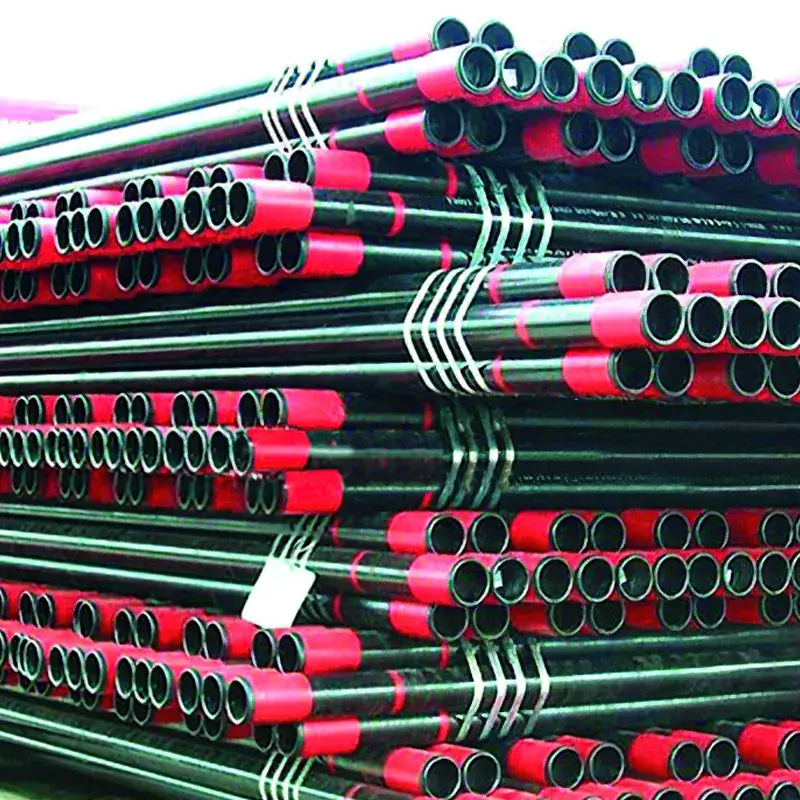
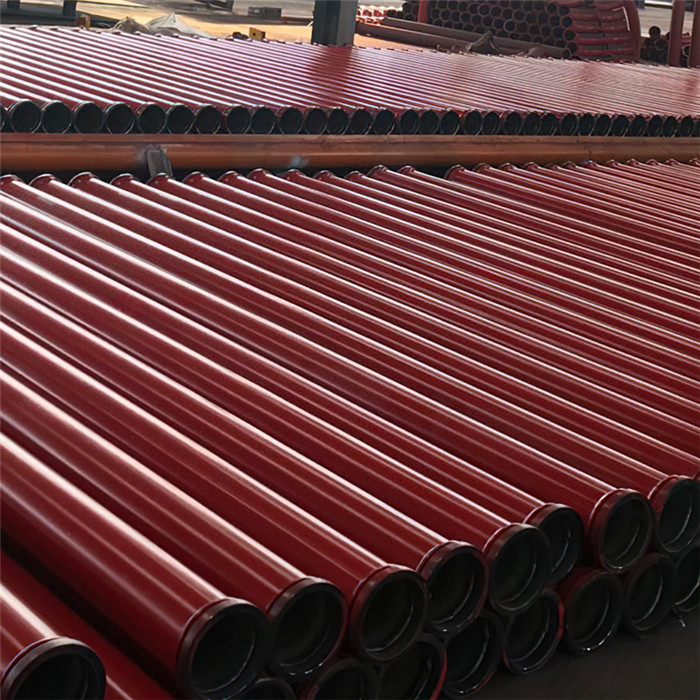
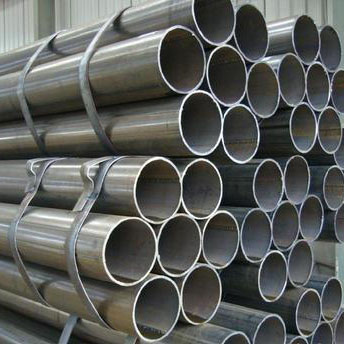
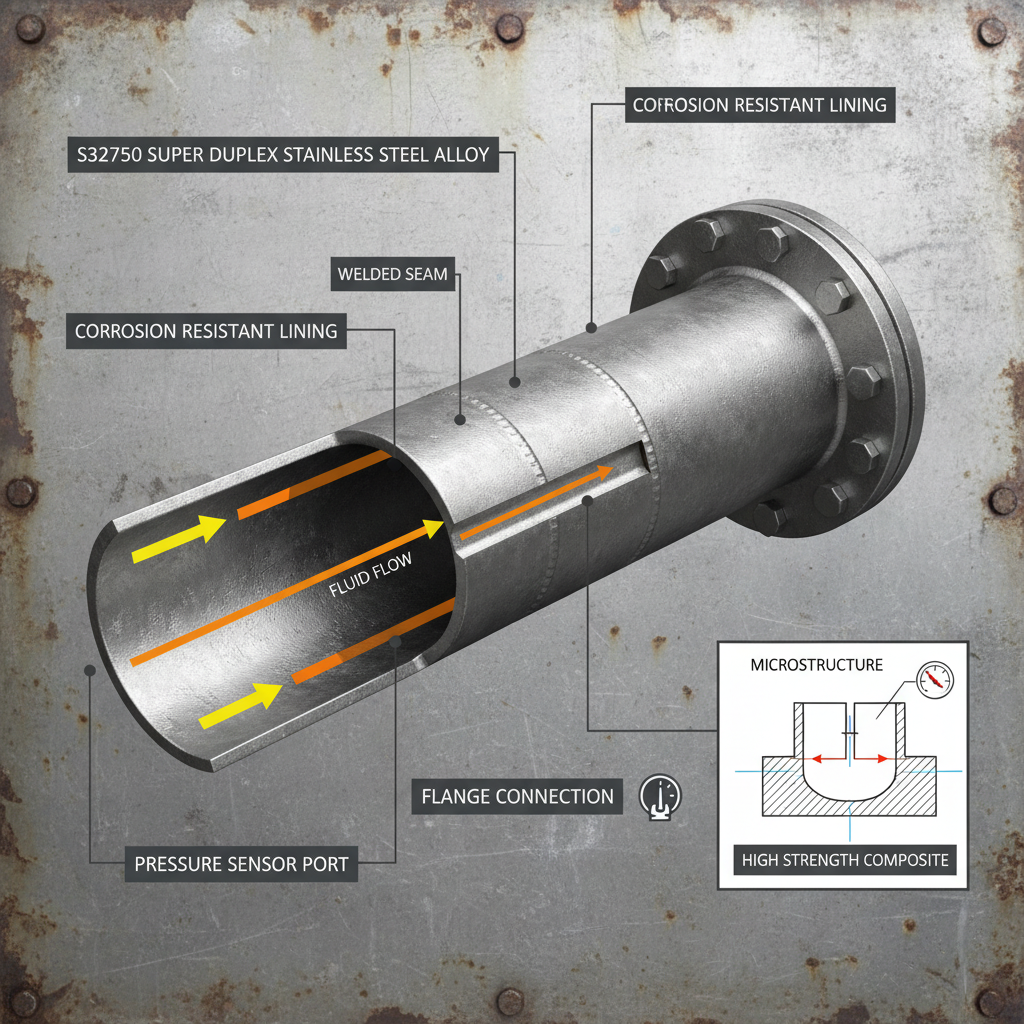
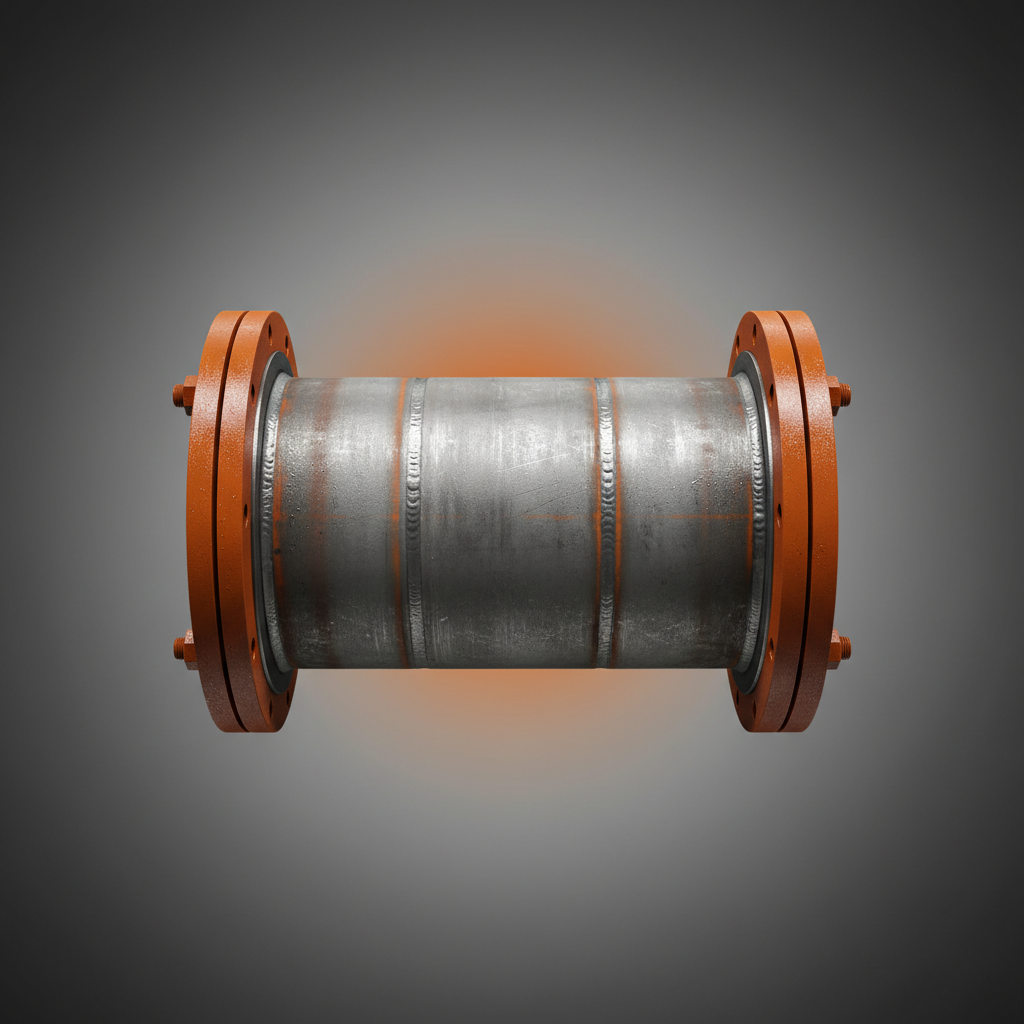
In simple terms, a GI pipe for fire fighting is a steel pipe coated with zinc — that’s the “galvanized” part — which provides a protective barrier against corrosion. These pipes typically carry water from reservoirs or pumps toward firefighting equipment like sprinklers or hoses. Their use extends back decades, evolving with improved zinc-coating technologies and standards that ensure pressure endurance, fire code compliance, and safety reliability.
Modern fire fighting demands robustness and durability, and GI pipes fit seamlessly. They're integral to industrial facilities, commercial buildings, and municipal water works — they connect the infrastructure dots in a way that’s practical and, frankly, reassuring.
Key Factors of GI Pipes in Fire Fighting Systems
Durability & Corrosion Resistance
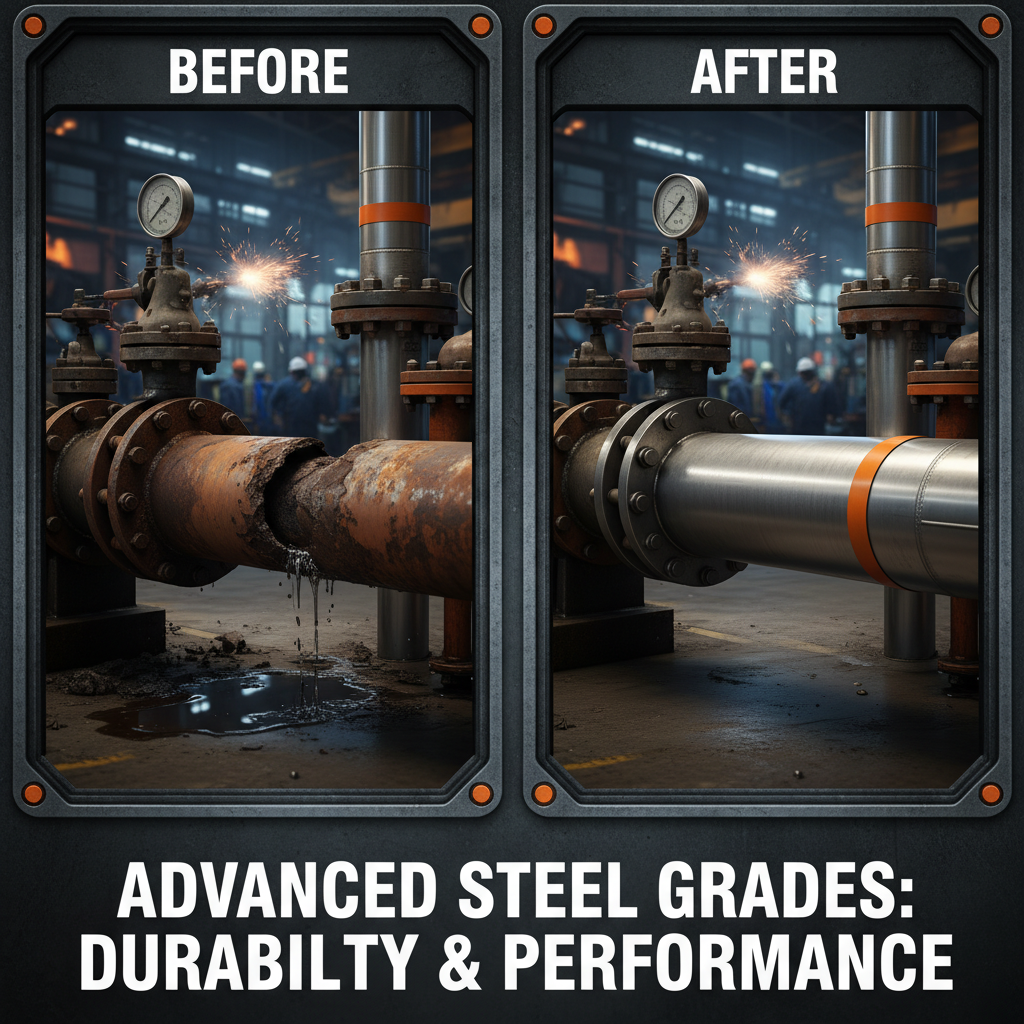
The galvanization process creates a zinc layer that sacrificially corrodes instead of the steel underneath. This means in fire suppression applications, where pipes might be exposed to moisture and chemicals, GI pipes maintain integrity far longer than non-galvanized alternatives.
Pressure Handling Capacity
Fire fighting water systems require pipes that withstand sudden surges—think of high-pressure spray hoses or pumping stations suddenly kicked into action. GI pipes are rated for these conditions, certified under ISO standards (e.g., ISO 2531 for ductile iron pipes, but galvanized pipes follow similar guidelines in steel standards).
Cost Efficiency
Compared with stainless steel or copper, GI pipes are significantly more affordable while offering commendable performance. For city planners or industrial engineers managing tight budgets, this balance is crucial.
Ease of Installation & Maintenance
GI pipes can be welded, threaded, or flanged, allowing for flexible configurations. Plus, maintenance crews often find them easier to inspect and replace parts within compared to complex piping systems.
Scalability and Compatibility
Because GI pipes come in standard sizes and connect simply with valves, pumps, and fittings, scaling up a fire suppression network or integrating with existing water lines is straightforward.
Product Specifications of Common GI Pipes for Fire Fighting
| Specification | Typical Range/Value |
|---|---|
| Material | Mild steel with galvanized zinc coating |
| Diameter | 15mm to 300mm (varies by project) |
| Wall Thickness | 1.2mm to 6mm |
| Standard Length | 6 meters |
| Operating Pressure | Up to 16 bar (varies) |
| Coating Thickness | 40–85 microns zinc layer |
Global Applications & Use Cases of GI Pipe for Fire Fighting
Across continents, these pipes underpin fire safety systems that protect factories, campuses, residential complexes, and transportation hubs. For instance:
- In Southeast Asia, rapid urbanization has led to widespread installation of GI piping networks in new mixed-use developments, often mandated by local fire safety codes.
- Industrial Facilities worldwide rely on galvanized pipes due to their resistance to harsh chemicals and heat, ensuring uninterrupted fire suppression in hazardous environments.
- Post-disaster relief zones often seek out quickly deployable fire fighting systems, with GI pipes favored for their balance of durability and availability.
- Remote oil and gas fields use these pipes extensively in their fire control systems, given the high-risk environments where corrosion resistance and pressure endurance are crucial.
It’s interesting how these seemingly simple pipes quietly sit at the heart of various safety systems globally—an unsung hero, if you will.
Vendor Comparison: Leading GI Pipe Suppliers for Fire Fighting Applications
| Vendor | Zinc Coating Thickness (Microns) | Pressure Rating | Warranty Terms | Geographical Reach |
|---|---|---|---|---|
| SteelCo Global | 60–85 | 16 bar | 10 years against corrosion | Global |
| FireSafe Pipes Ltd. | 50–75 | 14 bar | 8 years | Asia, Middle East |
| Global Steel Supplies | 40–60 | 12 bar | 5 years | Europe, NA |
Advantages and Long-Term Value of GI Pipes for Fire Fighting
What really makes these galvanized pipes so valuable isn’t just the zinc coating, but the peace of mind they offer over decades. They are:
- Reliable: They maintain pressure and resist leaks even under stress—crucial when seconds count.
- Cost-effective: Low upfront and ongoing maintenance costs make them attractive for large infrastructure projects.
- Sustainable: Longevity means less waste and replacement cycles.
- Trusted for Safety: Their performance supports life-saving efforts, embedding a sense of social responsibility.
To put it another way, GI pipes support not just firefighting success, but community resilience and dignity in emergencies. Many engineers I’ve talked to say: “You don’t notice these pipes until you really need them—and then, you’re glad they’re up to the task.”
Future Trends & Innovations in GI Pipe Technology
Looking forward, manufacturers are experimenting with improved zinc alloys and multilayer coatings to push corrosion resistance further. There’s also a trend toward integrating smart sensors embedded in pipes to monitor pressure and temperature remotely—something particularly useful in industrial fire systems.
Environmental focus means greener production techniques and recycling of galvanized steel are on the rise. Plus, policies in fire safety codes are evolving, sometimes demanding higher standards of pipe testing and certification—ISO 9001 compliance is almost always a minimum requirement nowadays.
One can’t help but wonder how AI and data analytics might help predict wear and alert operators before a pipe failure—enhancing trust and reducing downtime.
Challenges and Solutions
Of course, challenges exist. Galvanized pipes can sometimes suffer from “white rust” if not properly stored or installed, reducing protective effectiveness. Also, welding galvanized pipes can release toxic fumes, requiring safety precautions onsite.
Innovative solutions include improved storage guidelines, pre-inspection coatings, and alternative joining methods like mechanical couplings to minimize hazards. More training for technicians is also essential to keep standards high.
FAQ: Frequently Asked Questions About GI Pipe for Fire Fighting
- Q: How long can GI pipes last in fire fighting systems?
- A: Properly installed and maintained GI pipes can last 20-50 years, depending on environment and usage—making them a long-term investment for fire safety.
- Q: Can GI pipes handle high temperatures during a fire?
- A: While galvanized coating protects from corrosion, GI pipes are steel-based and can withstand reasonable heat. However, extreme fire conditions may affect performance; additional insulation may be needed.
- Q: Are GI pipes compatible with existing fire sprinkler systems?
- A: Yes, GI pipes can often be easily integrated due to standard dimensions and connections, allowing for seamless upgrades or repairs.
- Q: Is maintenance complex for GI pipes in fire fighting infrastructure?
- A: Maintenance is straightforward, typically involving regular inspections for corrosion or leaks and ensuring coating integrity.
- Q: Where can I find trusted suppliers of GI pipe for fire fighting?
- A: Many global and regional vendors supply these pipes. Look for ISO-certified providers, like our recommended partners, ensuring quality and warranty support.
Conclusion: Why Invest in GI Pipe for Fire Fighting?
The long-term payoff of selecting the right pipes for fire fighting systems is hard to overstate. GI pipes give us durable, affordable, and dependable water delivery frameworks—critical in saving lives and property.
If you’re involved in infrastructure planning or fire safety management, understanding the benefits and options around GI pipes is essential. They’re quietly foundational, and frankly, it feels good knowing these pipes help keep communities safe.
Explore your options and learn more about quality GI pipe systems for fire fighting by visiting our website today.
Oddly enough, such a plain steel pipe can hold such vital weight in global fire safety. It’s a reminder that sometimes the simplest solutions are the most effective.
Post time: Dec . 02, 2025 11:40
 English
  Arabic
  Bengali
  China
China  French
  German
  Hausa
Hausa  Indonesian
  Italian
  Japanese
  Javanese
  Malay
Malay  Persian
  Portuguese
  Punjabi
  Russian
  Spanish
  Swahili
  Telugu
  Vietnamese