

Understanding ASTM A 53 A 53M: A Global Steel Standard with Broad Industrial Impact
In a world increasingly reliant on reliable and standardized materials, ASTM A 53 A 53M stands as one of the foundational steel pipe specifications holding diverse industries together—literally. Whether it’s infrastructure, manufacturing, or even humanitarian projects, understanding this standard is crucial to ensure strength, safety, and sustainability. But why exactly does ASTM A 53 A 53M matter globally? And what benefits come from grasping its nuances? Let’s unravel these questions while touching upon the standard’s global importance, practical use cases, and future outlook.
Introduction: The Global Context of ASTM A 53 A 53M
Steel remains the backbone of modern infrastructure and industrial development, accounting for roughly 70% of all metallic materials used worldwide, according to the World Steel Association. Among these, piping is critical for everything from water delivery to oil transport. ASTM A 53 A 53M is a specification developed by ASTM International, a globally recognized standards organization, which covers carbon steel pipes for mechanical and pressure applications as well as for ordinary uses in steam, water, gas, and air lines.
Oddly enough, despite its technical nature, this specification addresses a subtle yet pressing challenge—ensuring consistency in piping materials so that engineers can build with trusted components no matter where in the world they operate. In many developing regions, for example, poor material standards cause failures with costly, even dangerous consequences. ASTM A 53 A 53M aims to fix that by setting clear production and quality criteria.
What is ASTM A 53 A 53M?
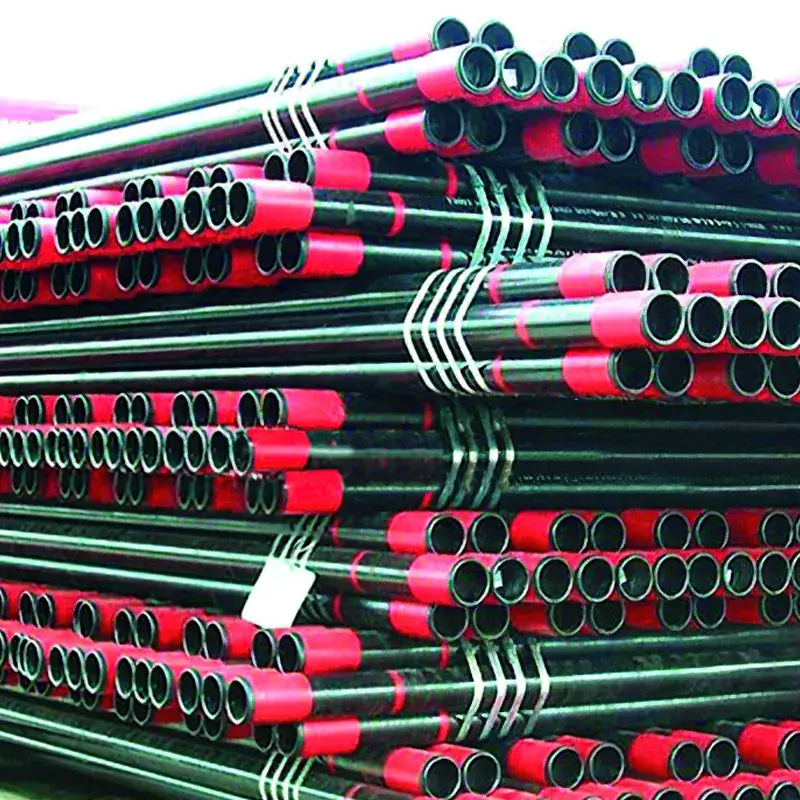
In simple terms, ASTM A 53 A 53M defines the requirements for carbon steel pipe, available in standard weight (schedule 40) and extra strong (schedule 80) thicknesses, used primarily for transporting fluids and gases. It combines two systems of measurement—imperial (ASTM A 53) and metric (A 53M)—allowing for seamless use worldwide. This makes it kind of unique because it bridges older, imperial-based industries with modern, metric-driven engineering internationally.
Modern industry depends on these standardized pipes for everything from gas pipelines to structural scaffolding, so the humanitarian angle is also significant: reliable infrastructure means safer water supply and energy access for millions. The standard is hands-down a cornerstone in the chain extending from raw steel production to finished infrastructure projects impacting everyday life.
Key Components of ASTM A 53 A 53M and Their Relevance
1. Material Grade and Composition
The pipes conform to Grade A or Grade B designations, which differ in tensile strength and yield points. Grade B, for example, has higher tensile strength (minimum 60,000 psi) making it ideal for pressure applications. Knowing this helps engineers select the right product based on durability needs.
2. Dimensional Specifications
Pipes come in precise outer diameters and wall thicknesses standardized across schedules (40, 80). This ensures interchangeability and compatibility with global fittings. It’s a subtle but huge deal because maintaining dimensional precision directly affects leak prevention and fit quality.
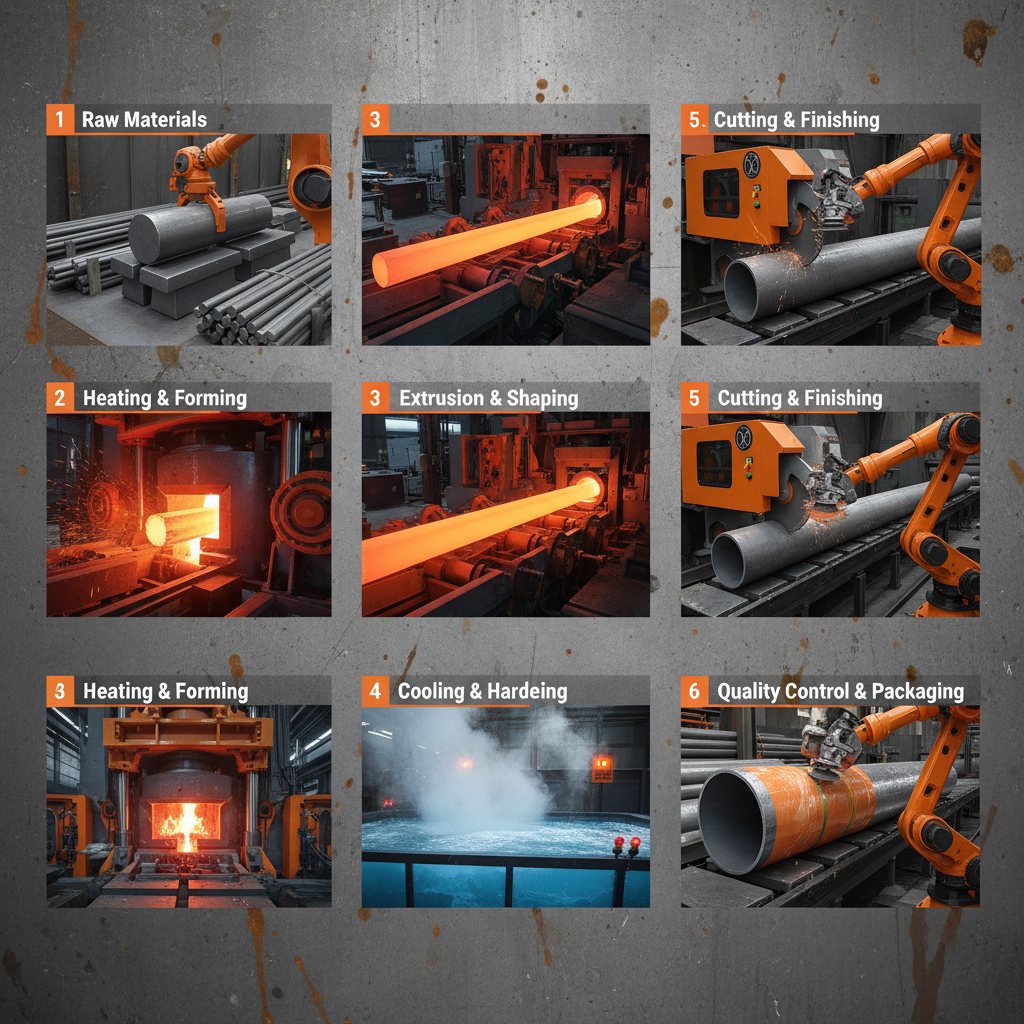
3. Manufacturing Methods
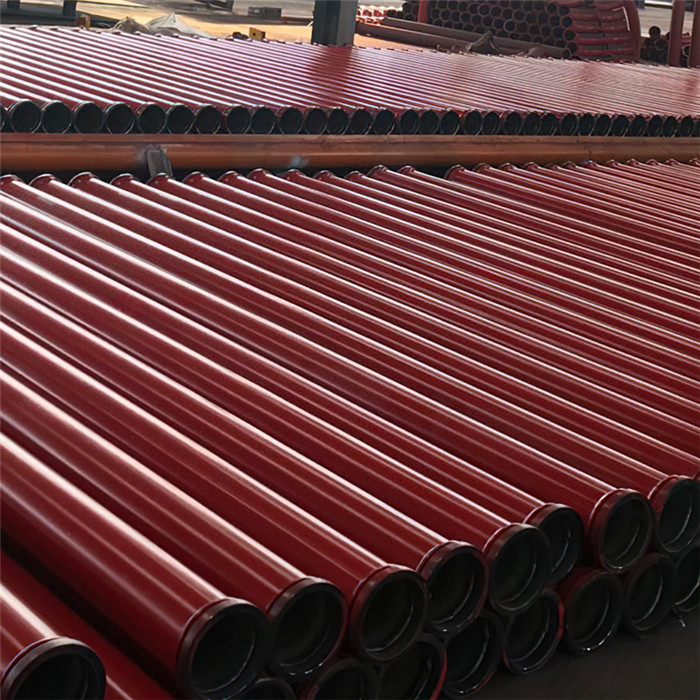
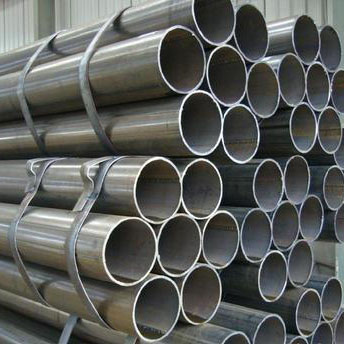
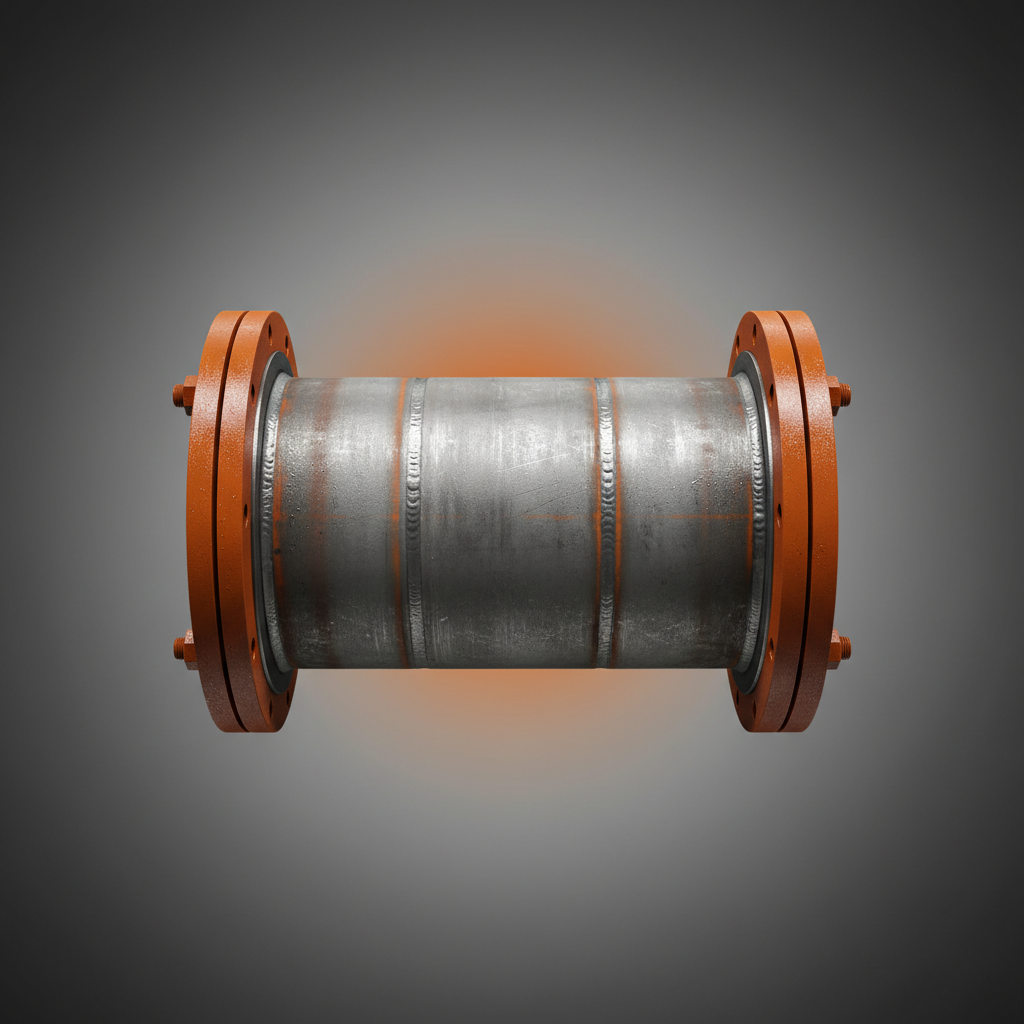
ASTM A 53 permits seamless and welded pipes (electric resistance welded or ERW). The selection depends on required strength and cost considerations. Seamless pipes tend to be pricier but preferred where corrosion and pressure resistance are critical, while ERW pipes are more economical for general use.
4. Testing and Quality Assurance
Each lot undergoes several tests including tensile, bend, and hydrostatic tests. This guarantees conformity with strength and pressure requirements. Such testing is pivotal—especially in applications like gas distribution where safety cannot be compromised.
| Property | Grade A | Grade B |
|---|---|---|
| Yield Strength | ≥ 35,000 psi | ≥ 42,000 psi |
| Tensile Strength | ≥ 48,000 psi | ≥ 60,000 psi |
| Wall Thickness Range | Varies per schedule (e.g., 0.154" to 0.322" for 1/2" nominal size) | |
| Manufacturing Process | Seamless or ERW (Electric Resistance Welded) | |
Where Does ASTM A 53 A 53M Come Into Play Globally?
Because it's recognized worldwide, the uses of ASTM A 53 A 53M pipes pop up across different sectors and regions:
- Oil & Gas Industry: Pipelines transporting oil, natural gas, and refined products rely on ASTM A 53’s pressure and mechanical standards to maintain safe flow.
- Construction & Infrastructure: Steel pipes often serve as structural elements, scaffolding, and conduits for water and air, especially in fast-growing urban centers.
- Water & Sewage Systems: From municipal water lines in Europe to irrigation projects in Asia, these pipes form the arteries of essential services.
- Post-Disaster Relief Operations: NGOs and engineers use such pipes for quick deployment of clean water and sanitation systems, a critical humanitarian application.
For instance, in remote industrial zones of South America, these standardized pipes ensure replacement parts and repairs can be quickly sourced across borders, minimizing downtime. Oddly enough, standardization like ASTM A 53 A 53M can make a quiet but large difference in emergency logistics worldwide.
Advantages and Long-Term Value of ASTM A 53 A 53M Pipes
For engineers and procurement officers, selecting pipes compliant with ASTM A 53 A 53M means:
- Reliability & Safety: Materials tested to fail-safe standards reduce accident risks, which protects workers and the environment.
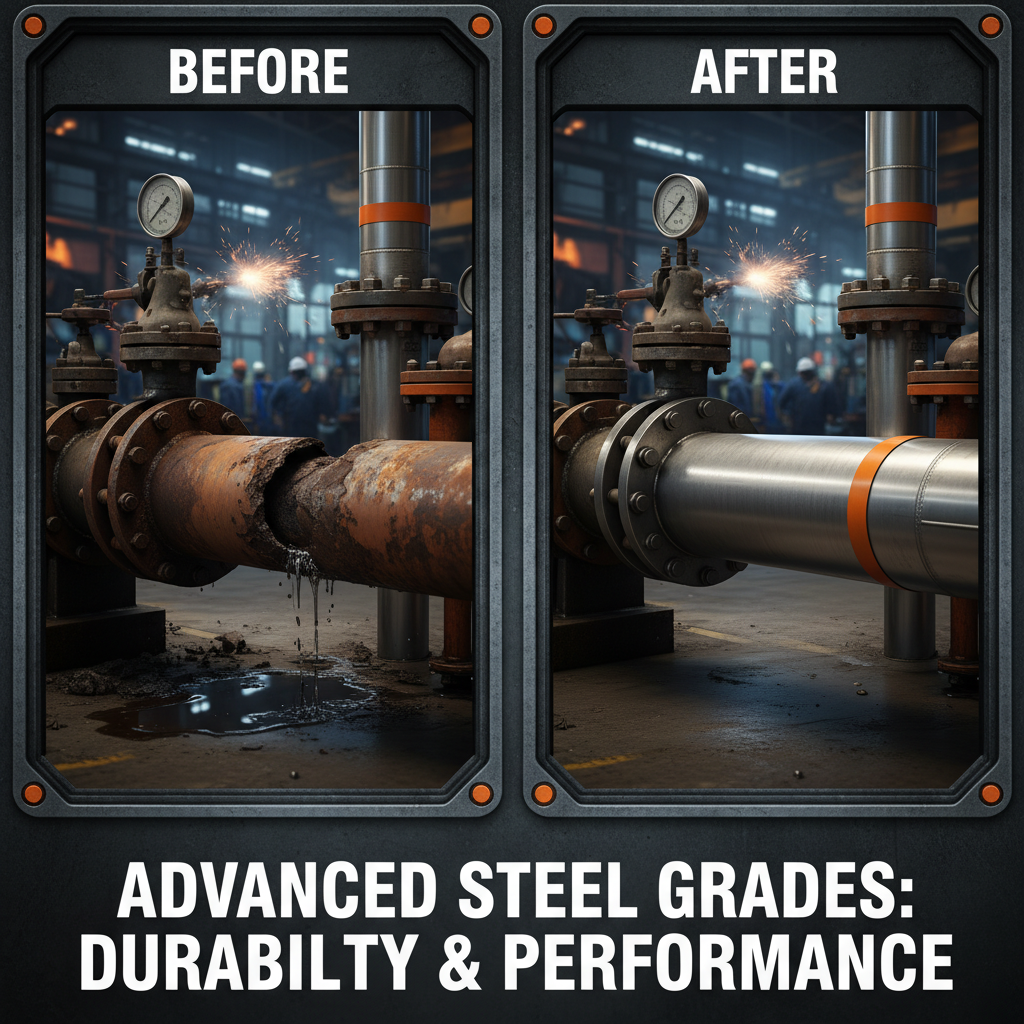
- Cost Efficiency: While sometimes marginally more expensive upfront, these pipes lower maintenance needs and avoid costly failures.
- Sustainability: Standardized processes enable recycling and repurposing, supporting circular economy goals.
- Innovation Readiness: Compatibility with emerging coatings, welding techniques, and sensor technologies make these pipes adaptable to digital transformation trends.
Looking Ahead: Future Trends and Innovations
The steel industry isn’t standing still, and neither is ASTM A 53 A 53M. Environmental and technological pressures have sparked innovations:
- Green Steel Production: Reduction of carbon footprint in steelmaking, including hydrogen-based reduction methods.
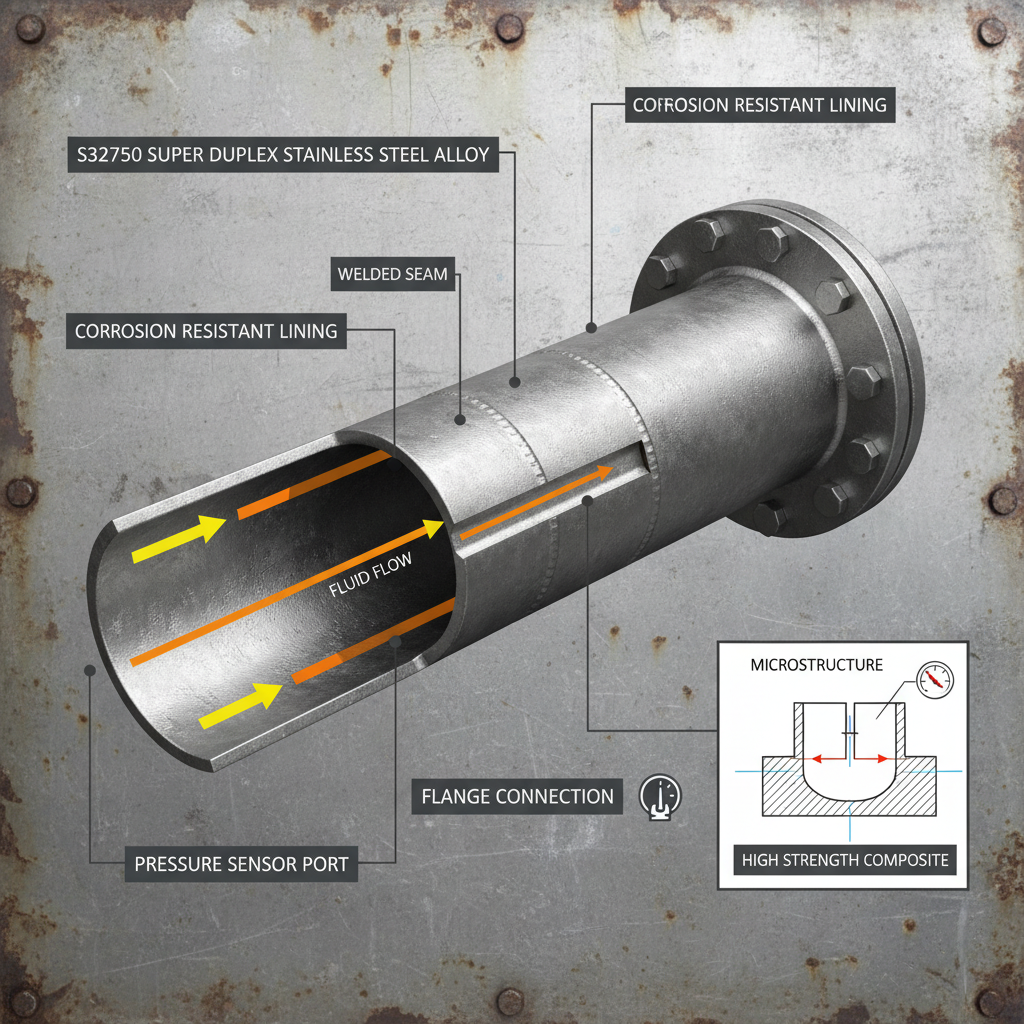
- Smart Pipes: Embedding sensors for real-time pressure and corrosion monitoring.
- Advanced Coatings: Enhanced corrosion resistance and longer lifecycle through nanomaterials.
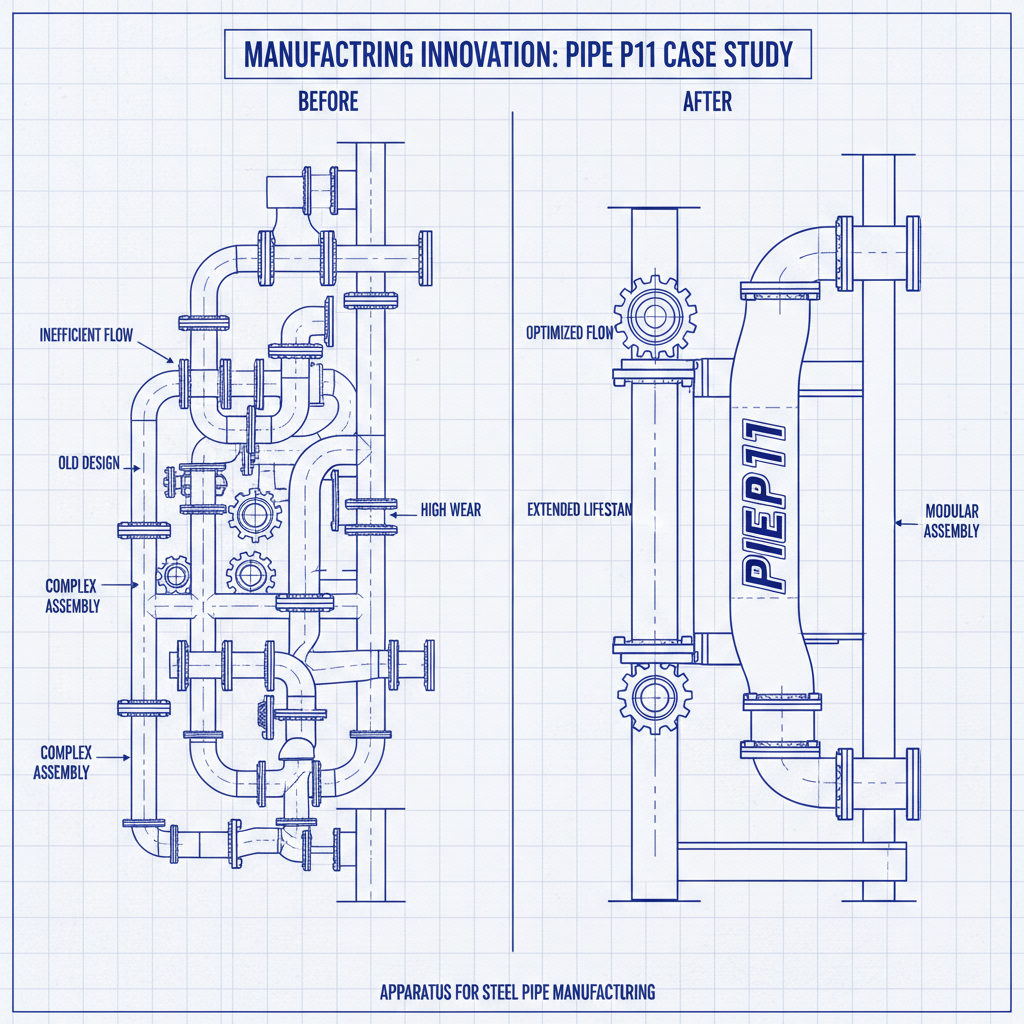
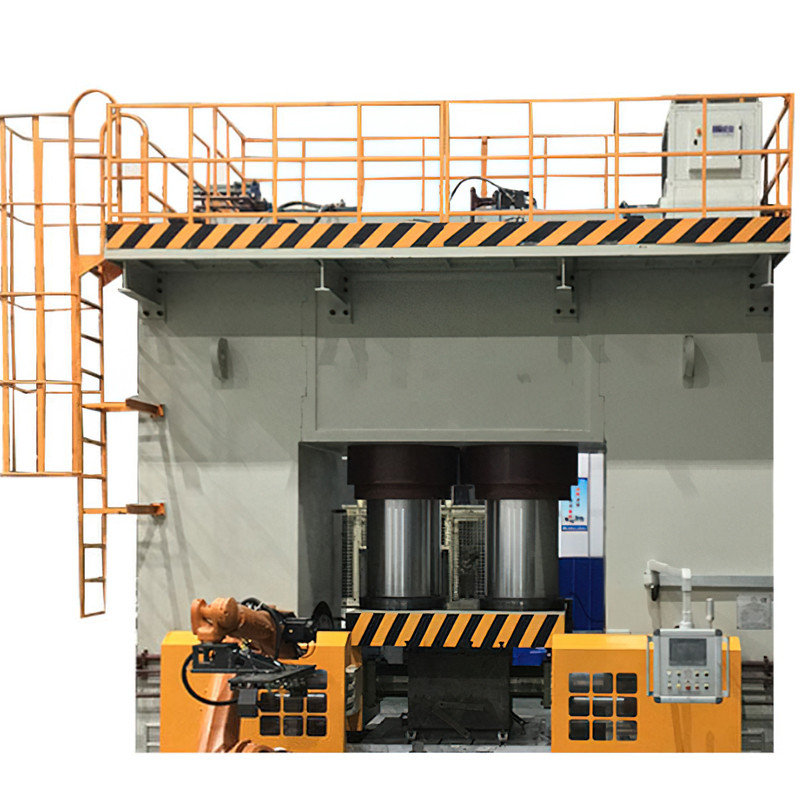
- Automation in Manufacturing: Robotics improve dimensional accuracy and reduce defects, directly benefiting ASTM standard compliance.
Such trends not only bolster ASTM A 53 A 53M’s global applicability but push the standard towards more sustainable and efficient infrastructure.
Challenges and How The Industry Tackles Them
Despite its robustness, ASTM A 53 A 53M faces challenges like variable quality among global manufacturers and environmental concerns over steel production emissions. Many experts emphasize third-party testing and certifications to maintain trustworthiness. New regulatory frameworks are also encouraging greener production methods, which, frankly, is a welcome push for the entire supply chain.
| Vendor | Manufacturing Methods | Certifications | Geographical Reach | Specialties |
|---|---|---|---|---|
| Global Steel Works | Seamless & ERW | ISO 9001, API | North America, Europe | High-pressure pipes |
| EastAsia Steel Inc. | ERW only | ISO 14001, CE Mark | Asia, Middle East | Eco-conscious production |
| EuroPipe Solutions | Seamless only | ISO 9001, TÜV | Europe | Specialized structural pipes |
FAQ: Your Practical Questions on ASTM A 53 A 53M
Q: What industries rely most on ASTM A 53 A 53M piping?
A: Predominantly oil & gas, construction, water supply, and manufacturing sectors require these standardized pipes for safety and durability.
Q: How do I ensure the pipe I buy conforms to ASTM A 53 A 53M?
A: Request mill test reports and certifications from suppliers; always verify third-party inspection stamps and compliance documents.
Q: Are these pipes suitable for outdoor, corrosive environments?
A: Yes, but typically you’d apply additional protective coatings or use specialized corrosion-resistant grades alongside ASTM A 53 pipes.
Q: Can NGOs easily import ASTM A 53 A 53M pipes internationally?
A: Most definitely; since the standard is globally recognized and suppliers offer export services, NGOs can coordinate logistics with reputable vendors.
Wrapping Up: Why ASTM A 53 A 53M Still Matters
Truth is, the quiet consistency of ASTM A 53 A 53M pipes underpins complex global systems we often take for granted—from the water flowing in our homes to the fuel powering industries across continents. With rising demand for sustainable infrastructure, it feels like grasping and applying this standard forms part of responsible engineering today and tomorrow.
To explore reliable ASTM A 53 A 53M steel pipe options that meet international standards, visit our website. The future of infrastructure depends on solid foundations — starting with the right pipes.
Mini takeaway: ASTM A 53 A 53M is more than just a pipe standard; it’s a critical link in the global chain of safe, efficient infrastructure.
References:
Post time: Dec . 02, 2025 09:50
 English
  Arabic
  Bengali
  China
China  French
  German
  Hausa
Hausa  Indonesian
  Italian
  Japanese
  Javanese
  Malay
Malay  Persian
  Portuguese
  Punjabi
  Russian
  Spanish
  Swahili
  Telugu
  Vietnamese