

A 335 P22 is a key solution in the industry, specifically within high-temperature and pressure environments. This article explores how https://www.world-steelmaterial.com supports professionals with durable, high-performance products, and explains why this product is an ideal choice for businesses in these sectors.
Table of Contents
- A 335 P22 Overview
- Benefits & Use Cases of A 335 P22
- Cost, Maintenance & User Experience
- Sustainability & Market Trends
A 335 P22 Overview
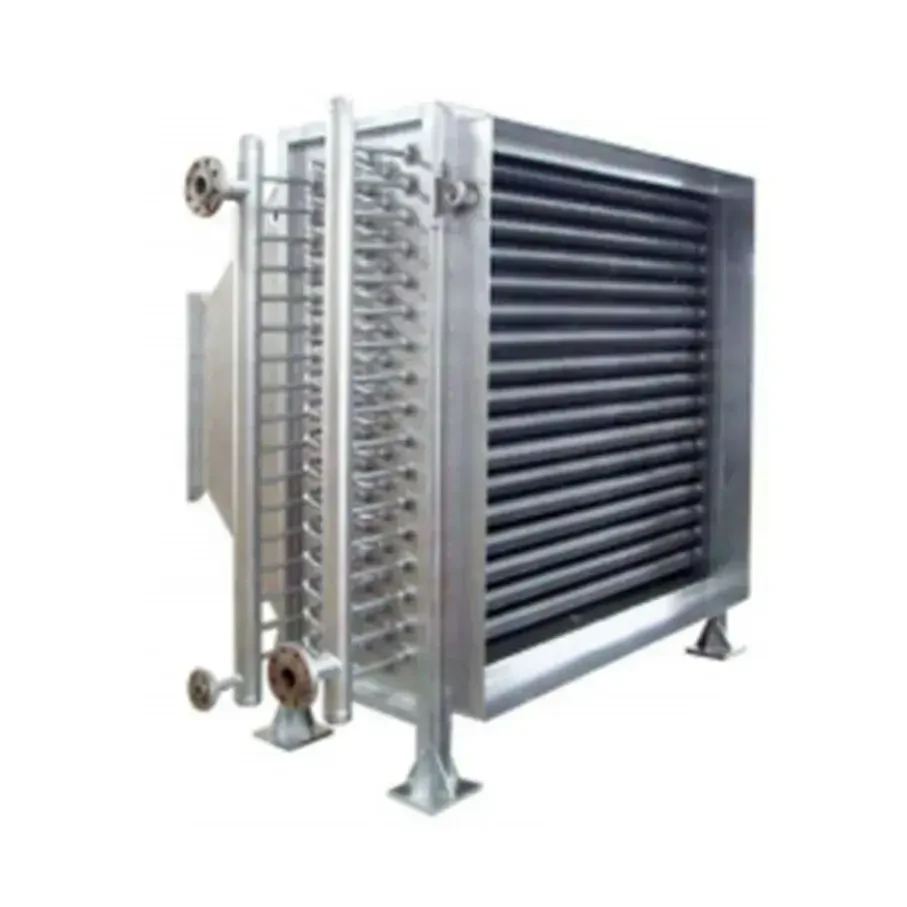
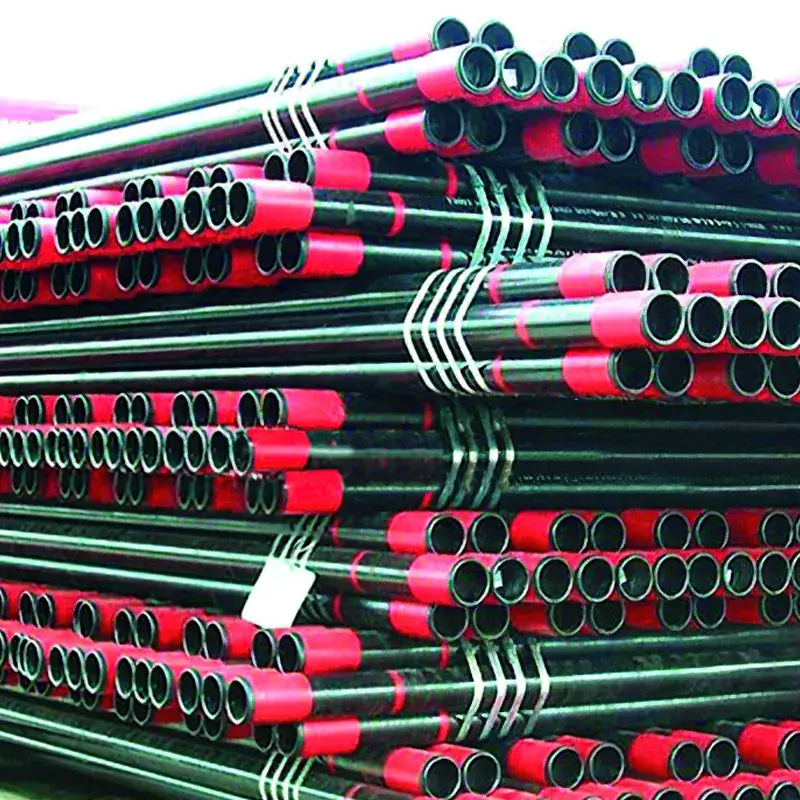
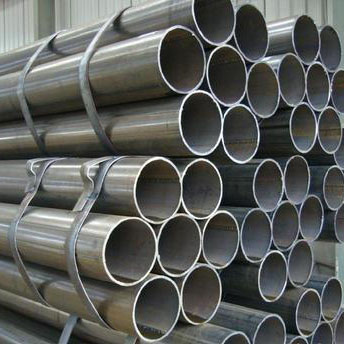
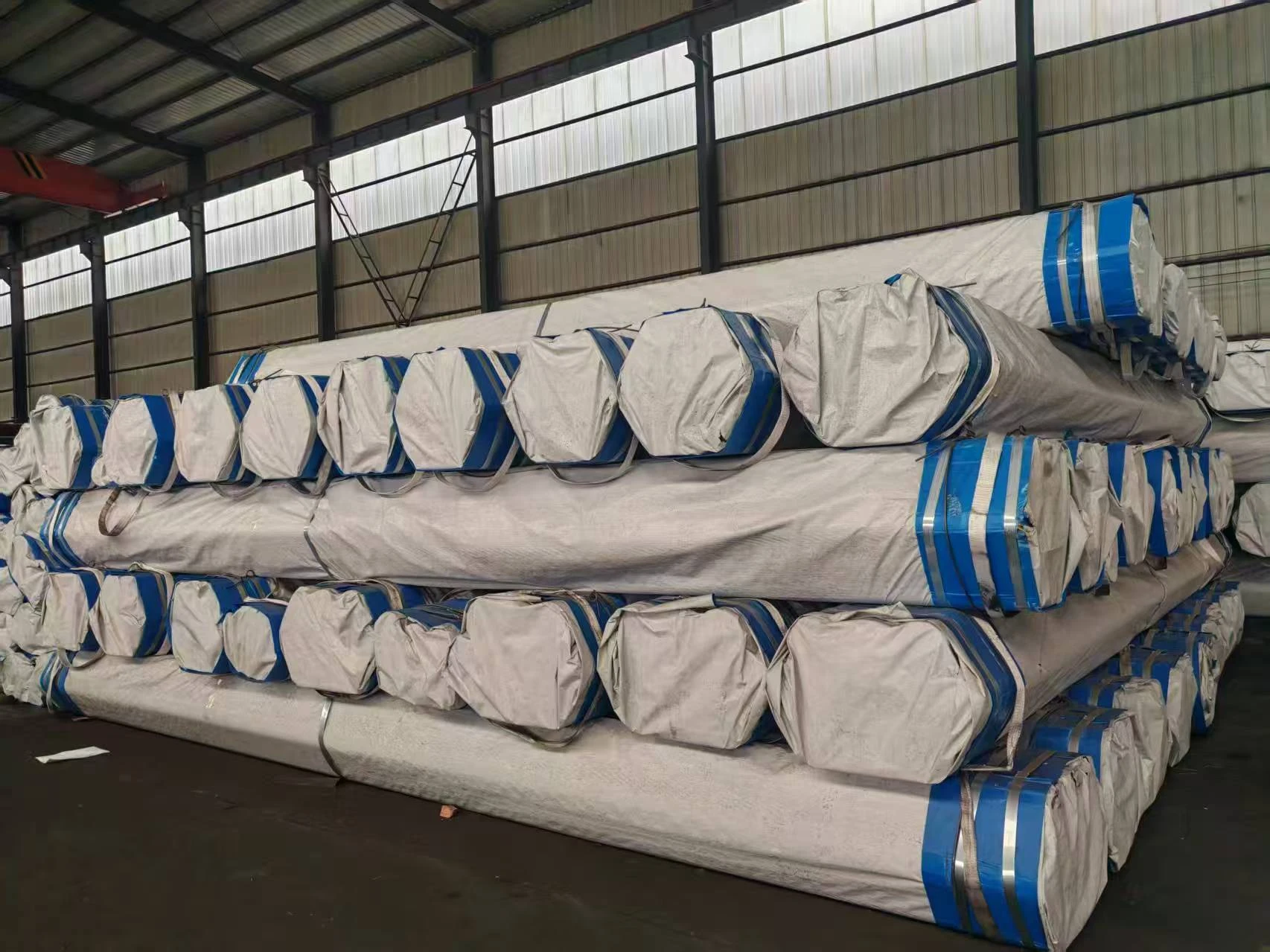
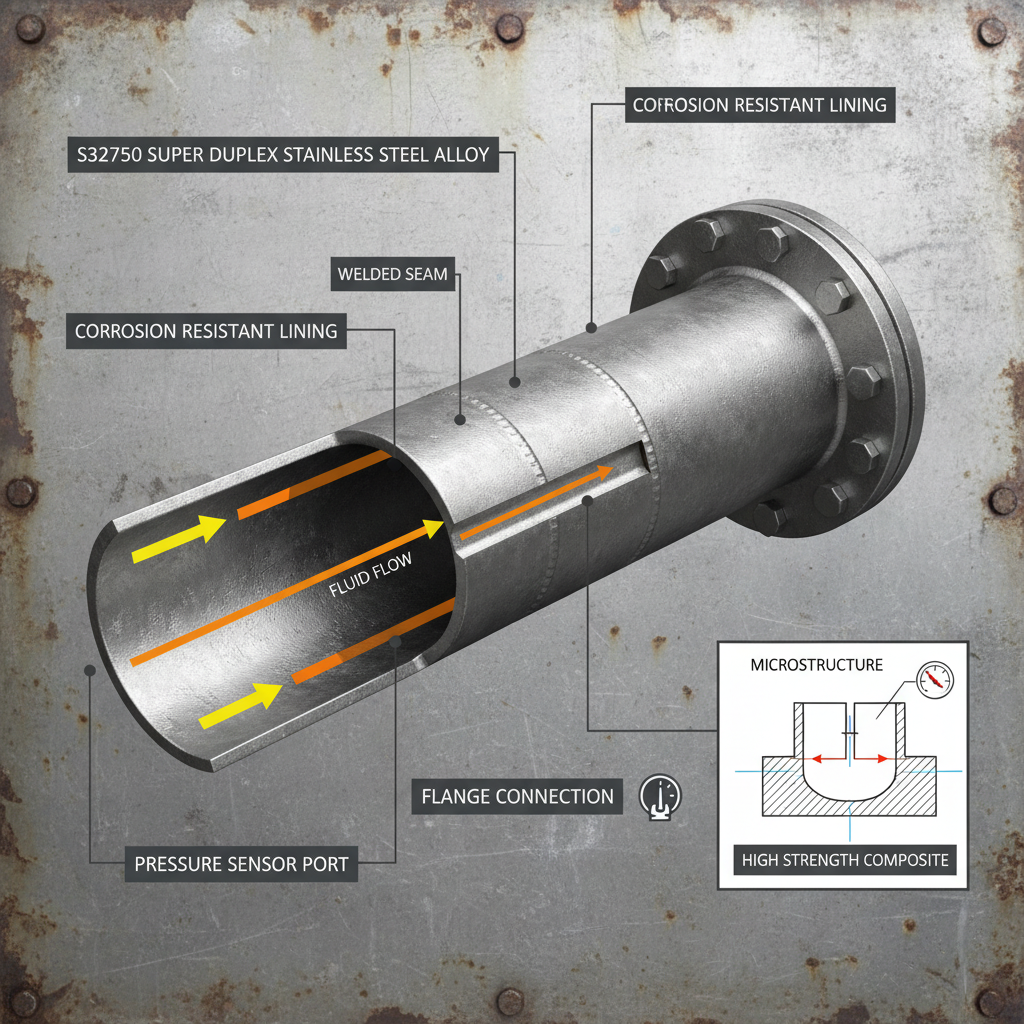
For those not intimately familiar, A 335 P22 is a seamless ferritic alloy steel pipe grade primarily designed to withstand high temperature and pressure — pretty much what you need for boilers, superheaters, and heat exchangers. It’s a bit of a workhorse in the power generation and oil & gas sectors. The technical specs show it boasts a chromium-molybdenum composition giving it excellent creep resistance and toughness for long-term service. Oddly enough, it can operate efficiently in conditions reaching above 600°C. A case in point: numerous plants around the world rely on P22 piping to endure corrosive steam environments, minimizing unscheduled outages.
| Specification | Details |
|---|---|
| Material Grade | A 335 P22 (ASME SA-335 P22) |
| Chemical Composition | 2.25% Cr, 1% Mo |
| Temperature Range | Up to 600°C (1112°F) |
| Applications | Power plants, chemical industry, oil & gas |
| Mechanical Properties | High tensile strength, creep resistance |
Benefits & Use Cases of A 335 P22
Using A 335 P22 pipes can seem like a no-brainer once you understand their hot spots of advantage. So what’s the draw? Well, besides durability under extreme heat and pressure, its resistance to oxidation and scaling means less downtime for maintenance in power boilers and heat exchangers. Many engineers I’ve talked to prefer it especially in steam piping networks where long-term reliability is critical. It’s also worth noting that P22’s alloy composition offers a sweet spot between cost and performance compared to higher-chrome steels.
As for use cases, it truly specializes in critical components of thermal power plants and petrochemical plants, but it’s also spotted in the pulp and paper industry. Its ability to maintain mechanical integrity at elevated temperatures means it can handle aggressive process streams safely. Competitive advantages? Easy fabrication, proper weldability, and extensive codes backing its usage — especially from ASME.
Cost, Maintenance & User Experience
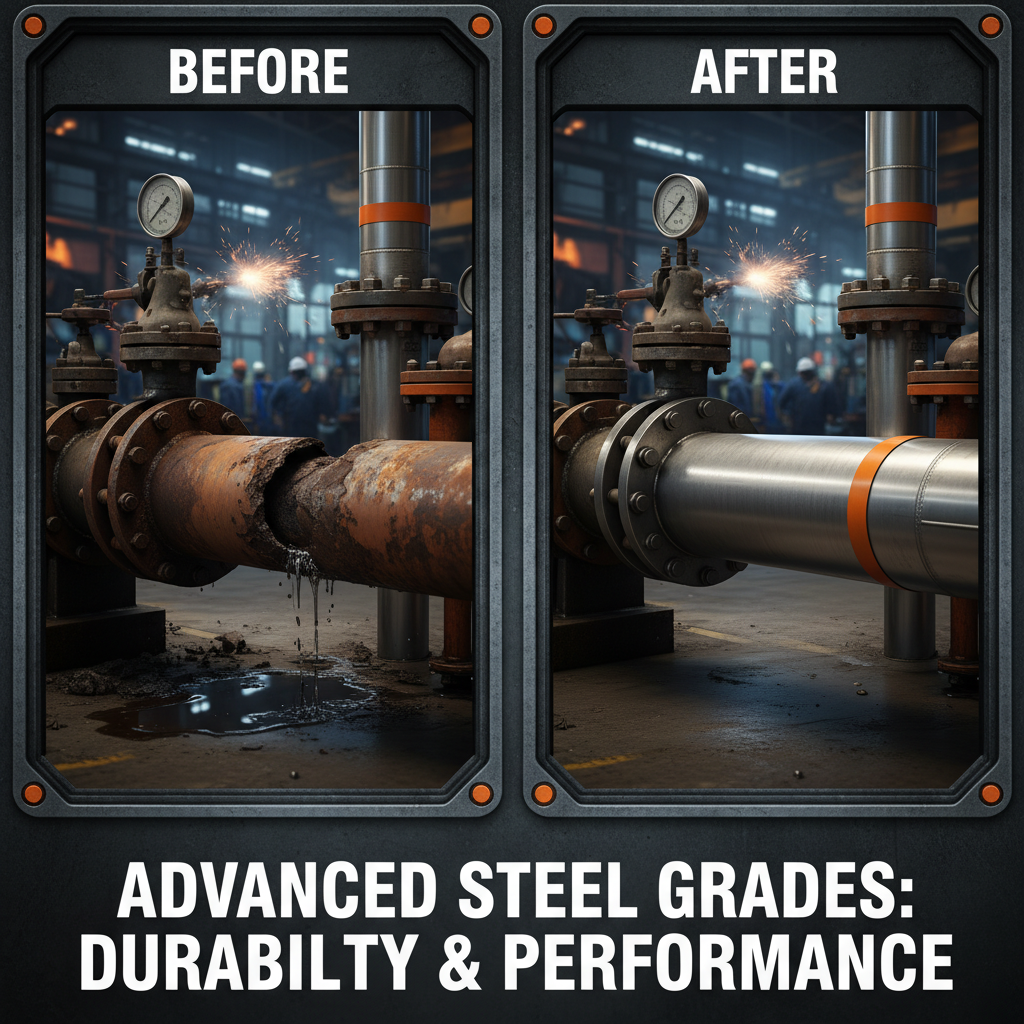
I suppose you might be wondering about the cost side of things. Frankly, A 335 P22 offers solid ROI when you factor in its long service intervals. While the upfront price isn’t the lowest, its reduced maintenance needs and longevity pay off handsomely over time. Our clients often report fewer replacements and less frequent shutdowns — a boon for operational continuity.
From user feedback, it’s clear that installation is straightforward. Welders appreciate its consistent properties, which reduces defects and rework. Plus, the material’s toughness means it can handle fluctuating pressures without premature failure. One chemical plant shared how switching to P22 markedly cut unplanned repairs in half — that sort of user experience is telling.
Sustainability & Market Trends
Sustainability in metallurgy isn’t just a buzzword anymore — it’s shaping procurement decisions. The good news with A 335 P22 is that its durability means fewer replacements, less scrap metal generation, and smaller environmental footprints over the product lifecycle. Recent market trends emphasize sourcing materials that prolong asset life and improve energy efficiency, two things P22 pipes contribute to substantially.
Regulatory pressures are toughening around emissions and plant efficiency, pushing industries towards steel grades that can operate safely at higher parameters. P22’s solid performance aligns well with these evolving standards. Oddly enough, despite newer materials emerging, its niche remains firm due to the cost-effectiveness and proven track record.
| Vendor | Price per Ton (USD) | Delivery Time | Quality Certifications |
|---|---|---|---|
| World Steel Material | $1,600 - $1,800 | 3-4 weeks | ISO 9001, ASME |
| Competitor A | $1,700 - $1,900 | 4-6 weeks | ISO 9001 |
| Competitor B | $1,550 - $1,750 | 5-7 weeks | ASME, API |
Frequently Asked Questions about A 335 P22
- What is A 335 P22 and how does it work?
- A 335 P22 is a seamless alloy steel pipe grade with chromium and molybdenum, designed to perform under high-temperature and high-pressure conditions. Its chemical makeup allows it to resist creep and corrosion, making it suitable for steam and heat transfer systems.
- What are the main benefits of using A 335 P22 in industrial applications?
- The key benefits include excellent resistance to heat, pressure, and oxidation, which translates into durability and reliability. It also reduces maintenance efforts and extends equipment lifespan, making it cost-efficient in the long run.
- How does A 335 P22 compare to traditional alternatives?
- Compared to traditional carbon steel pipes, A 335 P22 offers significantly higher creep strength and corrosion resistance. While some stainless steels can outperform in specific environments, P22 offers an attractive balance of price and performance.
- What industries can benefit most from A 335 P22 implementation?
- Thermal power generation, chemical processing, oil & gas, and paper industries are primary beneficiaries. Wherever heat and pressure stress are routine, P22 pipes provide assured safety and service longevity.
Conclusion on A 335 P22 from china
To sum up, A 335 P22 clearly stands out as a dependable choice for industries grappling with high-temperature, high-pressure conditions. Its blend of mechanical strength, durability, and cost-effectiveness make it a frontrunner in seamless alloy steel pipes. Whether you’re upgrading existing infrastructure or planning new installations, this grade is worth a hard look.
– Visit our website: https://www.world-steelmaterial.com
It’s always refreshing to see materials that keep evolving to meet real-world demands—P22 feels like one of those steady, quietly reliable heroes in the metal world.
References:
1. ASME Boiler and Pressure Vessel Code Section II
2. World Steel Material Product Catalog, 2024
3. Industry User Testimonials, power & petrochemical sectors
Post time: Jan . 01, 2026 01:25
 English
  Arabic
  Bengali
  China
China  French
  German
  Hausa
Hausa  Indonesian
  Italian
  Japanese
  Javanese
  Malay
Malay  Persian
  Portuguese
  Punjabi
  Russian
  Spanish
  Swahili
  Telugu
  Vietnamese