

Understanding A105 Gr B: The Backbone of Industrial Piping
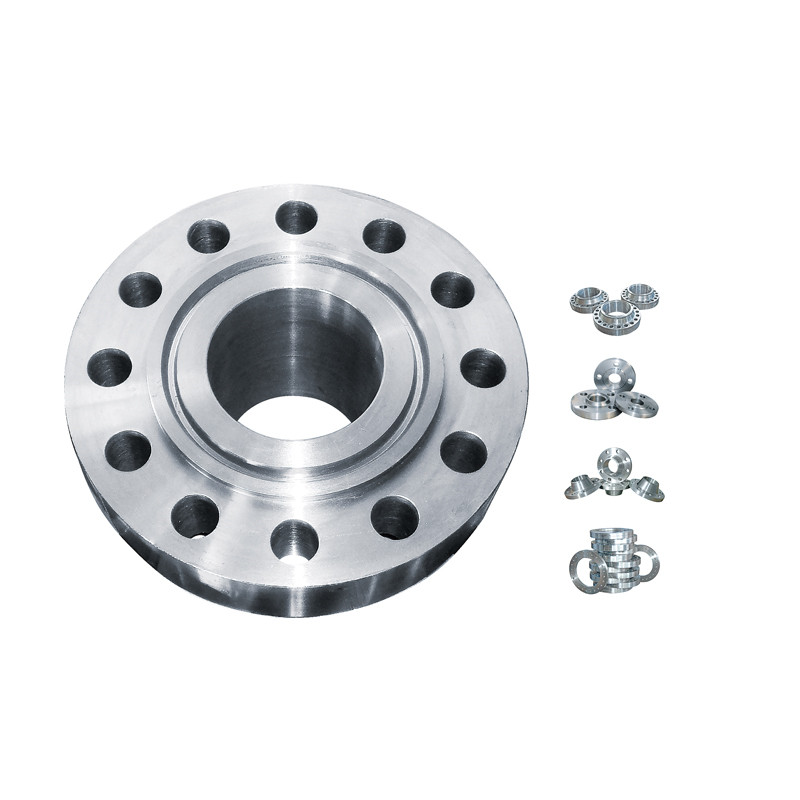
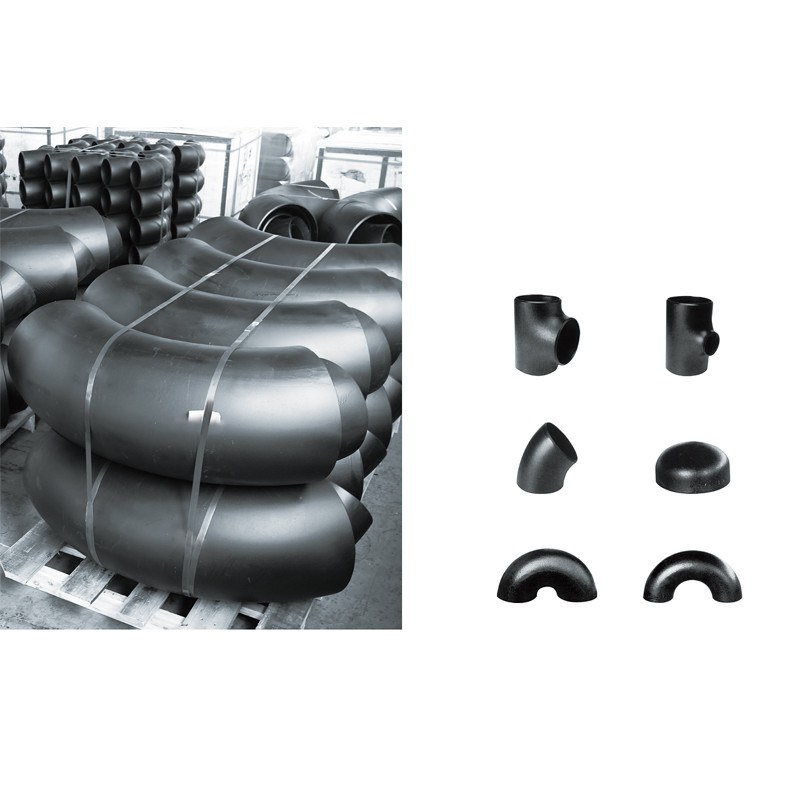
If you've spent any time in the industrial equipment sector, the term A105 Gr B probably rings a bell—frankly, it’s almost ubiquitous in piping and flanges for pressure systems. I’ve worked with various carbon steel materials over the years, and A105 Grade B in particular always stands out. It's a forged carbon steel material primarily used for piping components like flanges, fittings, and valves that endure high pressure and temperature.
In real terms, A105 Gr B has been a mainstay in countless projects. What’s compelling about it is the balance it strikes between strength, machinability, and cost-effectiveness. You know, it doesn’t pretend to be stainless or exotic alloy steel—it’s more the dependable workhorse, quietly delivering what it promises.
Many engineers I’ve met over the years have noted its reliable chemical composition and mechanical properties, which typically include a carbon content around 0.35% and a tensile strength in the range of 60 ksi (415 MPa). This essentially means it can reliably handle the stresses of typical industrial processing environments, especially where welding is involved.
A105 Gr B Product Specifications
| Property | Typical Value | Unit |
|---|---|---|
| Carbon (C) | 0.35 max | % |
| Tensile Strength | 415 min | MPa |
| Yield Strength | 250 min | MPa |
| Elongation | 23 min | % |
| Impact Test | 27 J @ -29°C | Joules / °C |
One thing I do find interesting is how A105 Gr B manages to maintain strength without sacrificing weldability. That’s hugely important because many components end up welded on-site—field welding versus shop welding can make or break timelines and, frankly, budgets.
Now, let’s talk about how it compares to other materials in the market. It’s always worth weighing your options, even if A105 Gr B feels like the "tried-and-true". Below is a quick comparison of some popular pressure-class carbon steel grades used for similar purposes:
Vendor Comparison: A105 Gr B and Alternatives
| Grade | Yield Strength (MPa) | Typical Use | Weldability | Cost Level |
|---|---|---|---|---|
| A105 Gr B | 250 | Flanges, Valves, Fittings | Excellent | Moderate |
| ASTM A350 LF2 | 245 | Low-temp Applications | Good | Higher |
| ASTM A516 Gr 70 | 260 | Pressure Vessels | Fair | Moderate |
Oddly enough, despite its straightforwardness, A105 Gr B remains a first choice for many fabricators because it keeps things predictable. I recall once overseeing a project where switching to a less familiar alloy introduced unexpected delays due to fabrication challenges. In contrast, the well-understood profile of A105 Gr B means fewer surprises — and when you’re on a tight schedule, that’s priceless.
Customization is another noteworthy aspect. While the base chemical standards are strict, suppliers often tailor heat treatments and testing protocols for specific requirements. It feels like each batch carries its own story of precision and quality control - which, in my experience, is what really keeps end-users satisfied.
In closing, if you ever get the chance, talk to seasoned engineers or welders about A105 Gr B. Often, their praise aligns with its durability and ease of use in tough environments, from oil & gas pipelines to petrochemical plants. It's a material that doesn't claim the spotlight, but boy, does it earn its keep.
Reflection: It’s fascinating how certain materials become industry staples not just for their specs, but because they fit the human side of manufacturing — adaptability, predictability, and trust.
References:
- ASTM Standard A105/A105M – Standard Specification for Carbon Steel Forgings for Piping Applications
- World Steel Material Product Data Sheets
- Industry interviews and firsthand project experiences (2015–2023)
For purchasing or more information on A105 Gr B, consider reputable vendors who ensure certification and consistent testing — that’s your peace of mind right there.
Post time: Jan . 01, 2026 04:25
 English
  Arabic
  Bengali
  China
China  French
  German
  Hausa
Hausa  Indonesian
  Italian
  Japanese
  Javanese
  Malay
Malay  Persian
  Portuguese
  Punjabi
  Russian
  Spanish
  Swahili
  Telugu
  Vietnamese