

S32750 Pipe: The Ultimate Solution for Extreme Corrosion Resistance
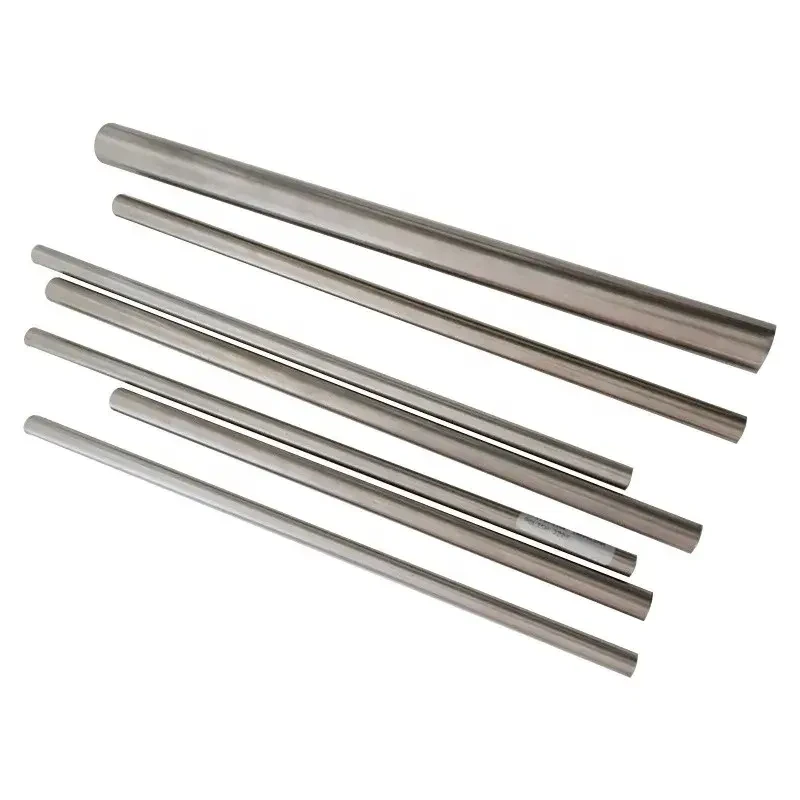
In the world of industrial piping, few materials offer the sheer resilience and reliability of the s32750 pipe. As a super duplex stainless steel, S32750 is engineered to withstand the most aggressive environments, where standard stainless steels would fail rapidly. From offshore oil platforms to chemical processing plants, this high-performance material ensures structural integrity and longevity. In this comprehensive guide, we will explore the technical specifications, unique advantages, and critical applications of S32750, helping you understand why it is the gold standard for corrosive service.
Understanding the Composition of S32750 Pipe
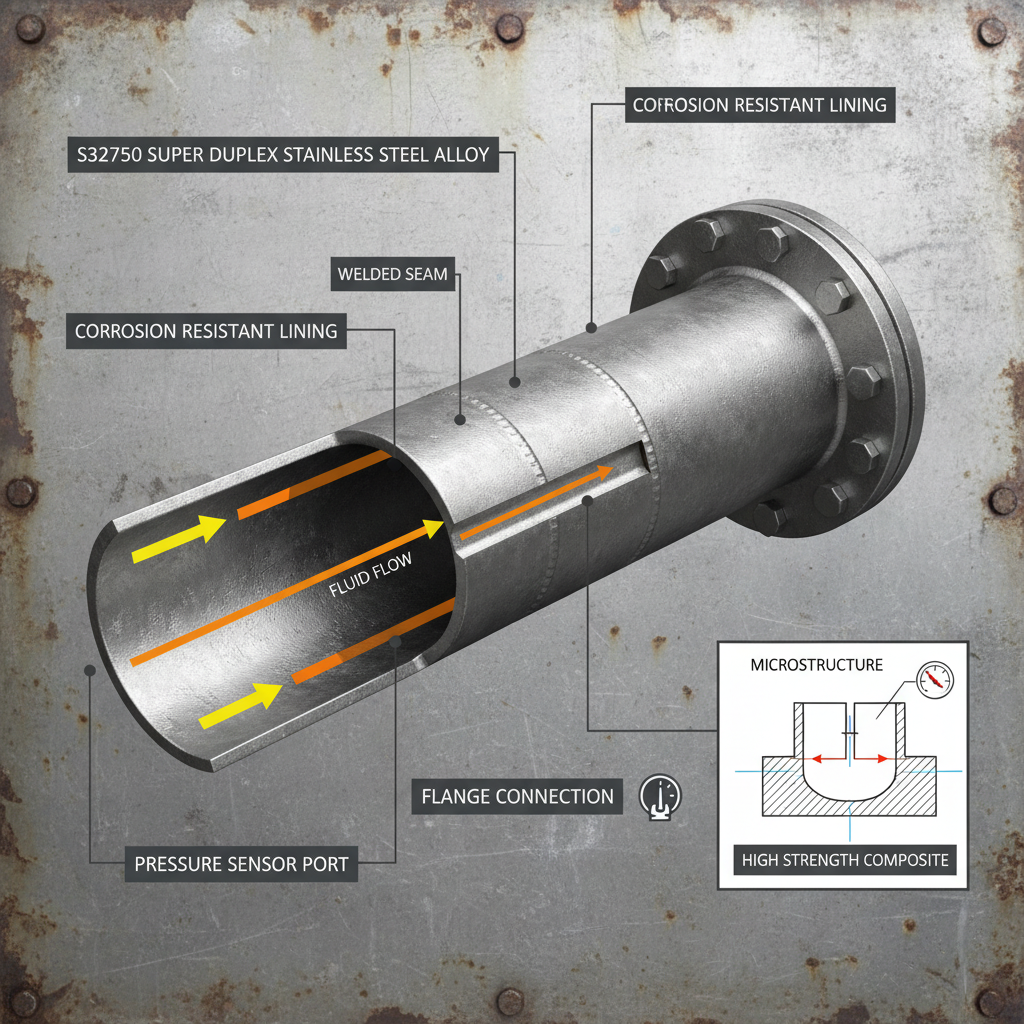
The exceptional properties of the s32750 pipe stem from its precisely balanced microstructure, consisting of approximately 50% austenite and 50% ferrite. This "duplex" structure combines the best of both worlds: the strength and corrosion resistance of ferrite with the toughness and weldability of austenite. Enriched with high levels of chromium, molybdenum, and nitrogen, S32750 provides a formidable barrier against pitting and crevice corrosion, which are common killers of industrial piping in chloride-rich environments.
Technical Highlight: The Pitting Resistance Equivalent Number (PREN) for S32750 is typically above 40, significantly higher than standard 316L stainless steel, making it virtually immune to pitting in seawater applications.
Key Advantages of Choosing S32750 Pipe over Standard Steel
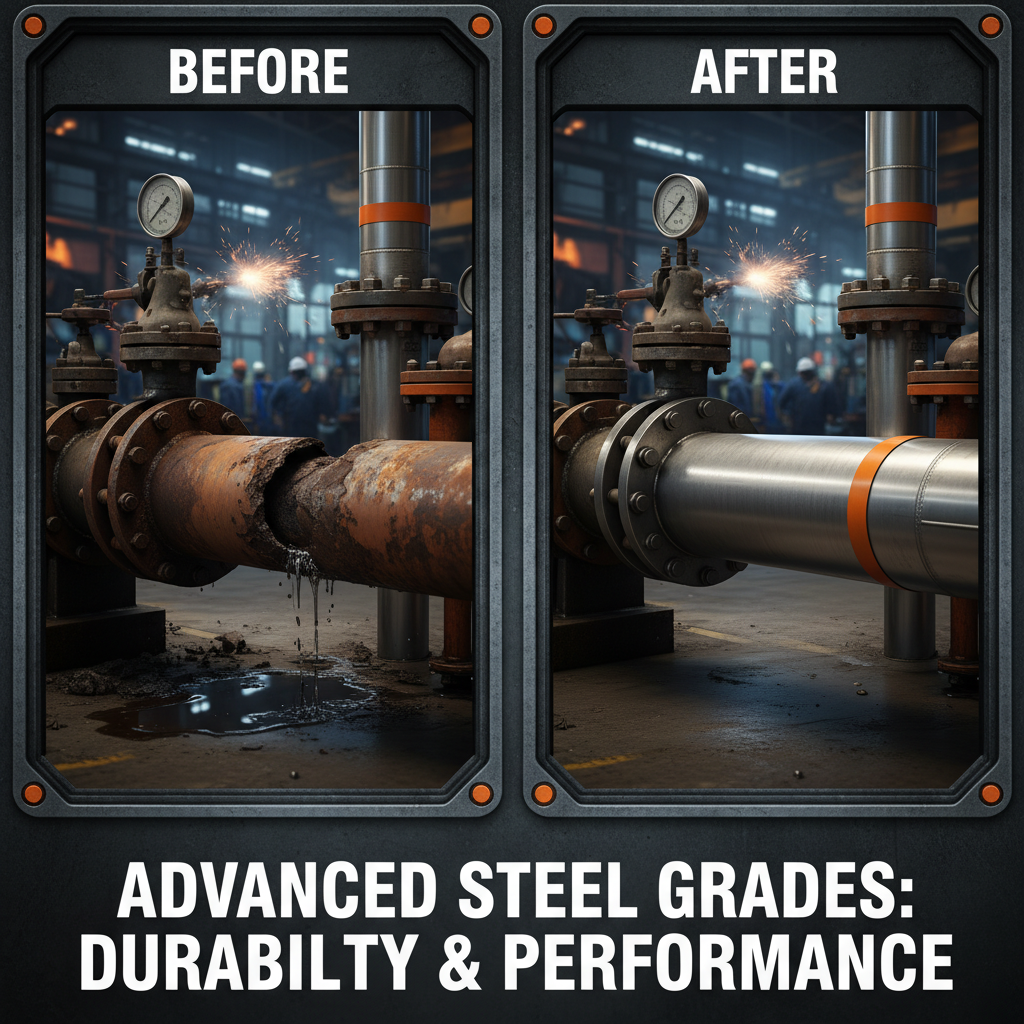
When comparing materials, the s32750 pipe offers a distinct competitive edge. Its high yield strength allows engineers to specify thinner wall thicknesses without compromising safety, which directly leads to a reduction in the overall weight of the installation. Furthermore, its superior resistance to Stress Corrosion Cracking (SCC) means that maintenance cycles are significantly extended, reducing the Total Cost of Ownership (TCO) for the operator. Whether it is high-pressure desalination or caustic chemical transport, S32750 delivers unmatched stability.
Performance Benefits:
• Exceptional resistance to chloride-induced stress corrosion cracking
• Higher mechanical strength compared to austenitic stainless steels
• Reduced material usage due to high load-bearing capacity
• Long-term durability in highly acidic or saline environments
S32750 Pipe vs. S31803: A Comparison of Duplex Grades
While S31803 is a widely used duplex steel, the "super" duplex s32750 pipe is designed for more extreme conditions. The primary difference lies in the alloy content—specifically higher chromium and molybdenum—which pushes the corrosion threshold much higher. This makes S32750 the preferred choice for deep-sea exploration and high-temperature chemical reactions where S31803 might reach its limits. The following table highlights the critical differences between these two common grades.
Industrial Applications of S32750 Pipe
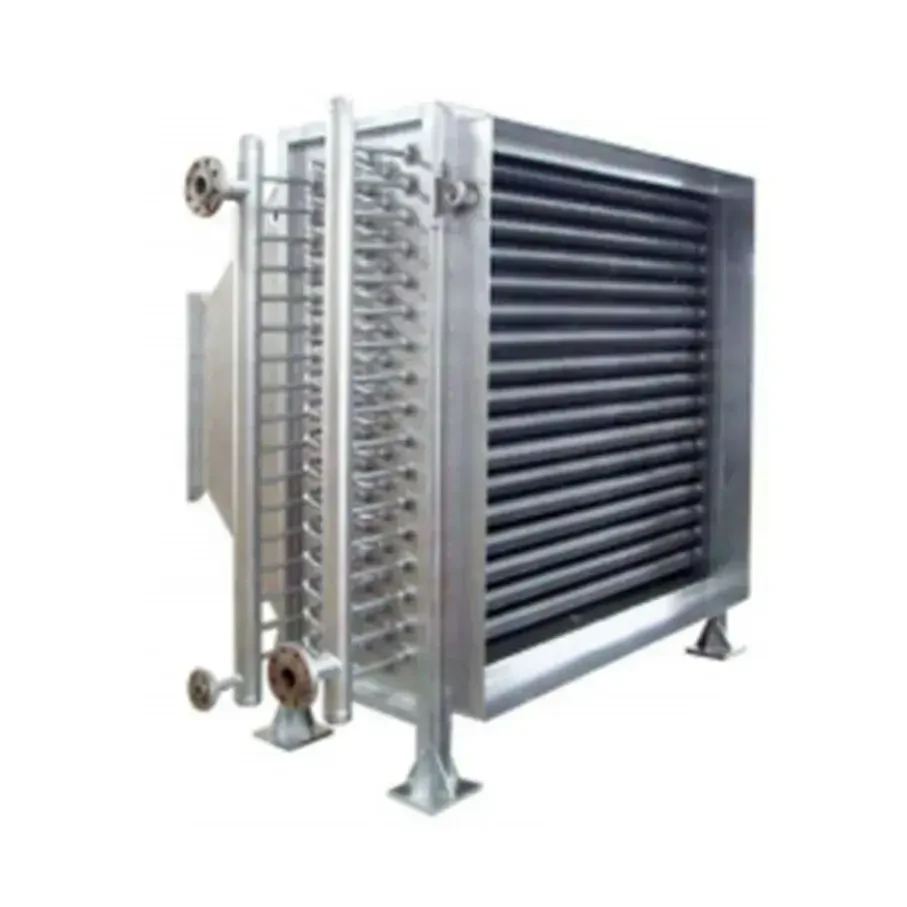
The versatility of the s32750 pipe makes it indispensable across several high-stakes industries. In the Oil and Gas sector, it is used for subsea manifolds and piping systems where exposure to seawater is constant. In the chemical industry, it handles aggressive acids and salts that would erode ordinary pipes. Furthermore, the desalination industry relies heavily on S32750 for reverse osmosis plants, as it resists the high chloride concentrations of concentrated brine. Its ability to maintain strength under pressure and temperature makes it a primary choice for heat exchangers and pressure vessels.
Technical Specifications for S32750 Pipe
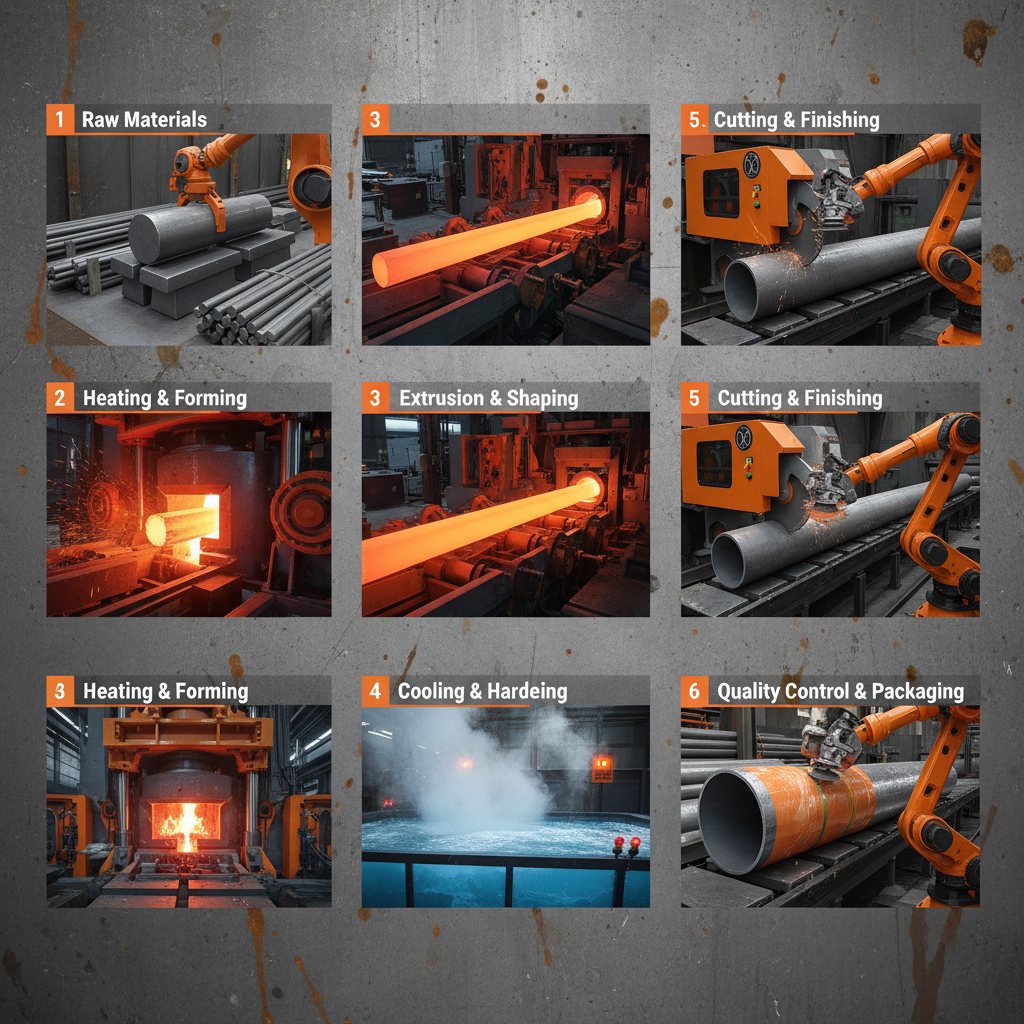
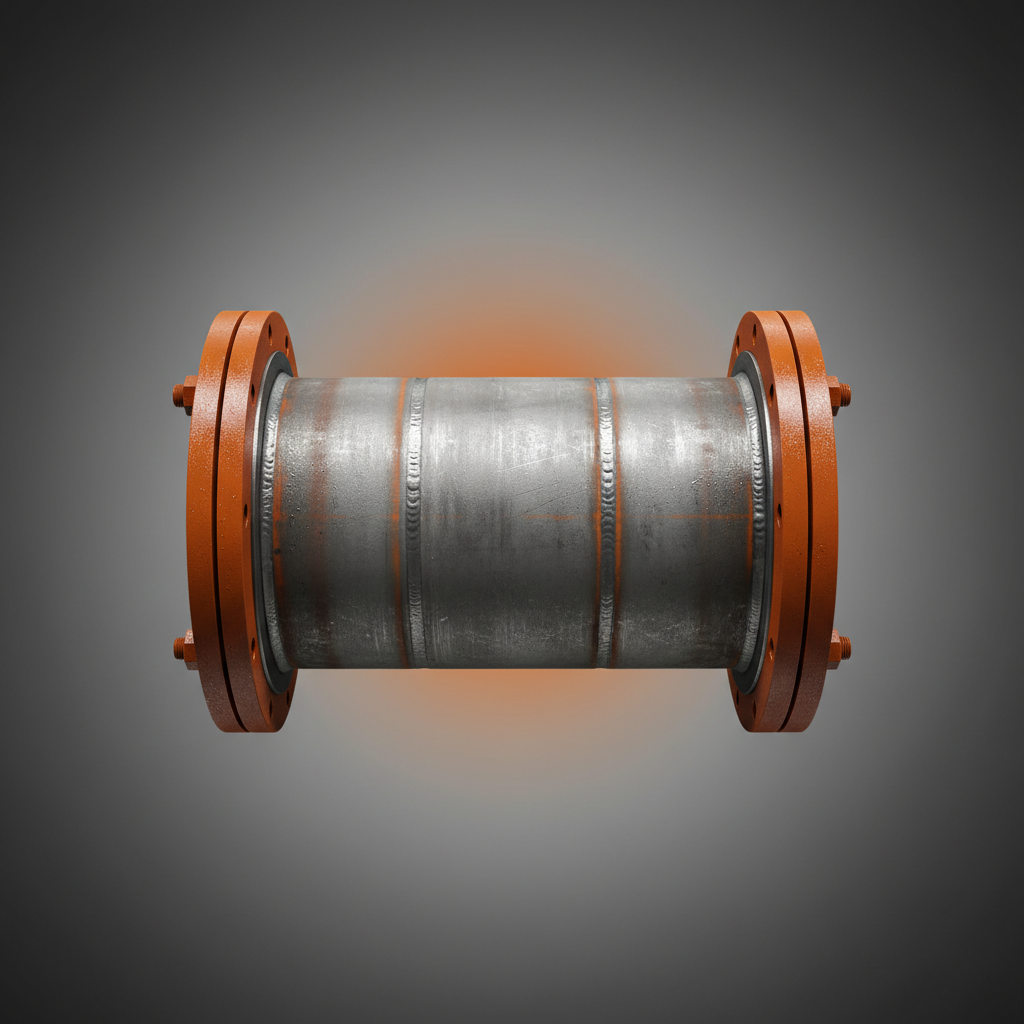
To ensure a correct fit and performance, engineers must adhere to strict global standards such as ASTM and ASME. The s32750 pipe is typically manufactured in seamless or welded formats, with precise tolerances for wall thickness and outer diameter. Proper heat treatment, such as solution annealing, is critical to ensure the phase balance between ferrite and austenite is maintained, preventing the formation of harmful intermetallic phases like sigma phase during welding.
Best Practices for Welding and Installation
Working with an s32750 pipe requires specialized expertise. Because of its high alloy content, the risk of forming brittle intermetallic phases during cooling is significant. It is highly recommended to use low-heat input welding techniques and specific filler metals that are enriched with nickel to maintain the austenitic phase in the weld pool. Additionally, strict cleanliness must be maintained to avoid carbon contamination, which can lead to premature failure in corrosive environments. Following these guidelines ensures the pipe maintains its intended "super" properties after installation.
Conclusion: The Strategic Value of S32750 Pipe
The s32750 pipe is more than just a piece of hardware; it is a strategic investment in safety and efficiency. By providing unparalleled resistance to pitting and stress corrosion, it eliminates the frequent replacements and costly downtime associated with lower-grade materials. While the initial investment may be higher, the long-term dividends in durability and reliability are unmatched. For projects where failure is not an option, S32750 is the only logical choice for critical piping systems.
Frequently Asked Questions (FAQs)
What makes S32750 a "Super Duplex" steel?
The "Super" designation is given to duplex steels that possess a Pitting Resistance Equivalent Number (PREN) greater than 40. This is achieved through higher concentrations of Chromium (Cr), Molybdenum (Mo), and Nitrogen (N) compared to standard duplex steels like S31803. This chemical composition allows the material to resist corrosion in much more severe environments, such as warm seawater and highly acidic chemical streams, without pitting or cracking.
Can S32750 pipe be used in high-temperature applications?
S32750 is excellent for many temperature ranges, but it has a critical upper limit. It is generally recommended for use up to about 250°C to 300°C. Beyond this temperature, the material can suffer from "475°C embrittlement," where the ferrite phase decomposes, leading to a loss of toughness and an increase in brittleness. For applications exceeding these temperatures, other high-nickel alloys or specialized stainless steels may be required.
Is it difficult to weld S32750 compared to 316L?
Yes, welding S32750 is more complex than welding 316L austenitic stainless steel. The primary challenge is maintaining the 50/50 balance of austenite and ferrite in the weld zone. If the cooling rate is too slow, brittle intermetallic phases (like sigma phase) can form, which drastically reduce corrosion resistance and toughness. Specialized filler metals and strict control over heat input are necessary. However, when performed correctly, the welds are incredibly strong and resistant.
Where can I purchase certified S32750 pipes?
It is crucial to source these pipes from reputable suppliers who provide full Material Test Reports (MTRs) and certifications confirming compliance with ASTM or ASME standards. You can find a wide range of high-quality, certified super duplex products on the World Steel Material website, which specializes in providing industrial-grade steel solutions for global trade and extreme engineering projects.
Post time: Apr . 16, 2026 02:35
 English
  Arabic
  Bengali
  China
China  French
  German
  Hausa
Hausa  Indonesian
  Italian
  Japanese
  Javanese
  Malay
Malay  Persian
  Portuguese
  Punjabi
  Russian
  Spanish
  Swahili
  Telugu
  Vietnamese