

Understanding the api 5l x70 psl2 specification: Why It Matters Globally
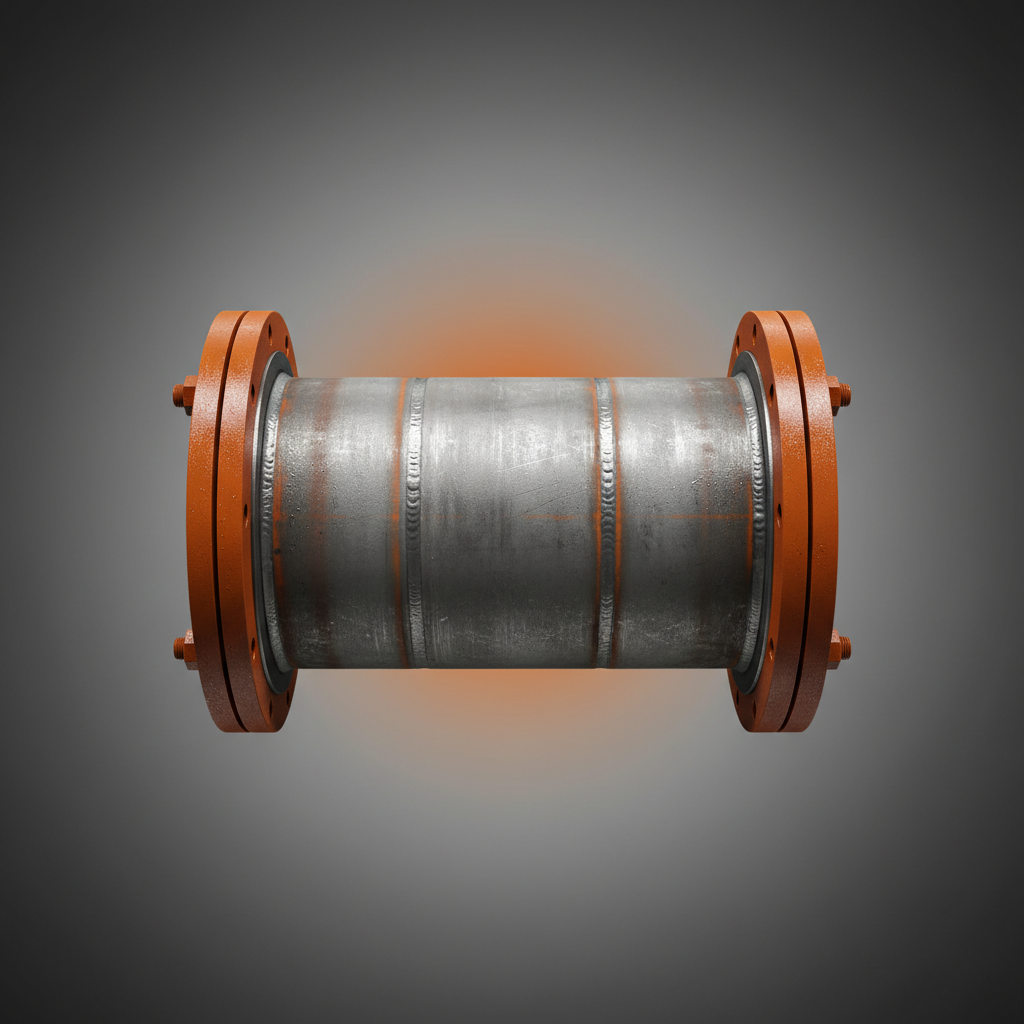
In the world of pipelines, where reliability is often a matter of safety and large-scale infrastructure projects, API 5L X70 PSL2 specification shines like a standard-bearer. This specification dictates stringent requirements for steel line pipes, primarily used to transport oil, gas, and water, across continents and under oceans. It's a fine balance of strength, durability, and safety, and frankly, the backbone of many industries that fuel modern civilization.
Why does it matter globally? Simply put, the integrity of pipelines affects energy security, environmental protection, and economic stability. As global energy demand fluctuates and infrastructure ages, understanding and utilizing the right pipe specifications, like API 5L X70 PSL2, can mean the difference between smooth operation and catastrophic failure.
Quick takeaway: The API 5L X70 PSL2 spec ensures steel pipes meet tough criteria for high-pressure service, supporting critical global energy and water transport.
The Global Context: How API 5L X70 PSL2 fits into Today’s Industrial Landscape
Energy statistics tell an intriguing story. According to the International Energy Agency (IEA), global oil and gas consumption keeps nudging upward, despite expansions in renewables. Pipelines remain the most cost-effective and safe way to transport these vital resources, especially when you consider the UN's goals around sustainable infrastructure development.1 But pipelines aren’t perfect—they face challenges (corrosion, extreme environmental conditions, aging). This is where the rigorous api 5l x70 psl2 specification comes into play, managing these issues head-on.
Engineers often debate the best standards to apply, but those familiar with pipeline design consider X70 PSL2 to be a sweet spot for strength and reliability. It’s a middle ground specification that balances toughness and flexibility, designed for high-pressure and sour service conditions.
Mini takeaway: The API 5L X70 PSL2 is pivotal for maintaining pipeline safety and efficiency amidst growing environmental and operational challenges worldwide.
What Exactly is the API 5L X70 PSL2 Specification?
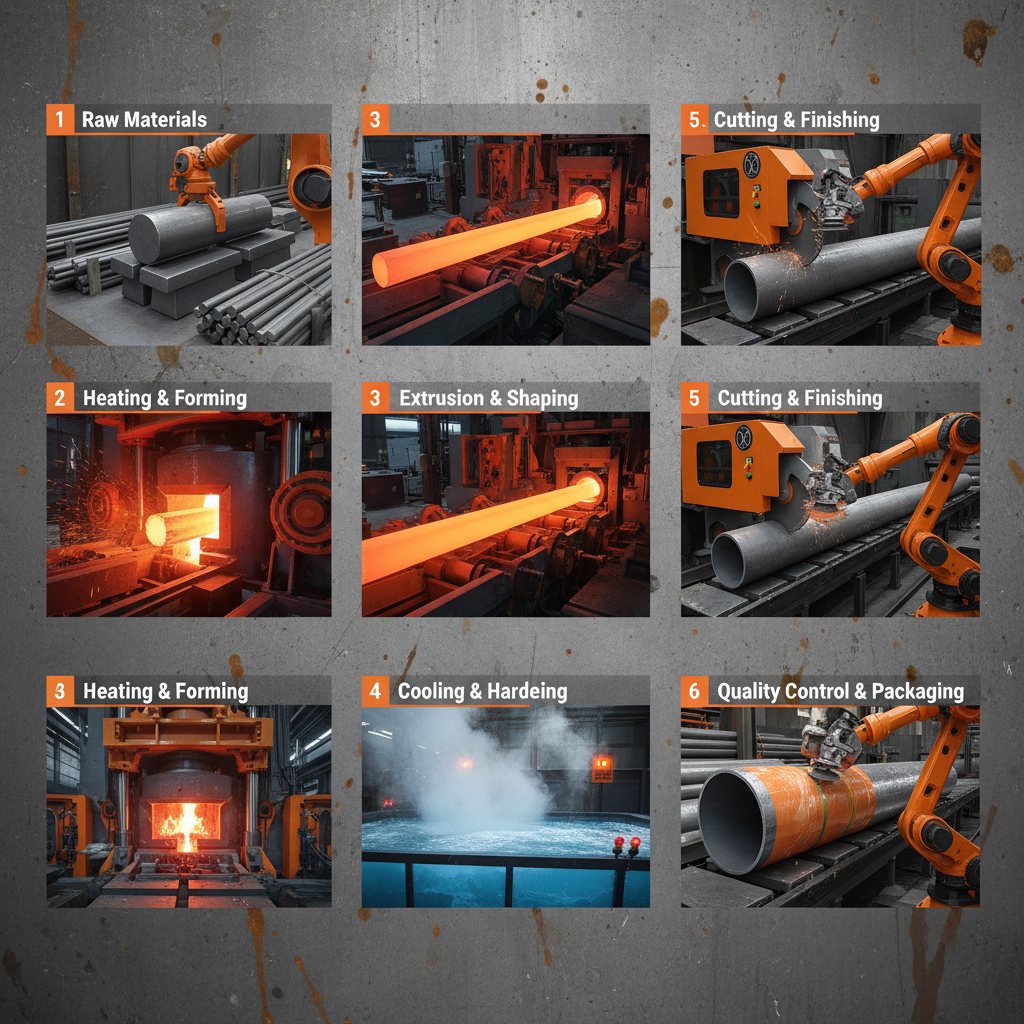
If you strip back the jargon, API 5L X70 PSL2 is a grade of steel pipe defined by the American Petroleum Institute (API) for line pipe. “X70” refers to the minimum yield strength of 70,000 psi, making it suitable for high-pressure pipelines. PSL2 (Product Specification Level 2) means it adheres to stricter manufacturing and testing requirements than PSL1, including chemical composition, toughness, and mechanical properties.
In practical terms, this means the pipe material must be tougher, more uniform, and capable of withstanding harsh environments like sour gas exposure or low temperatures. These properties aren’t just nice-to-haves—they’re essential where safety and leak prevention can’t be compromised.
Industries rely on these specs not only for extraction but increasingly for humanitarian infrastructure needs, such as water transport in developing regions or remote industrial zones.
Quick takeaway: API 5L X70 PSL2 defines a robust, tested, and reliable steel pipe grade, crucial for demanding applications.
Core Components of The API 5L X70 PSL2 Specification
1. Durability and Strength
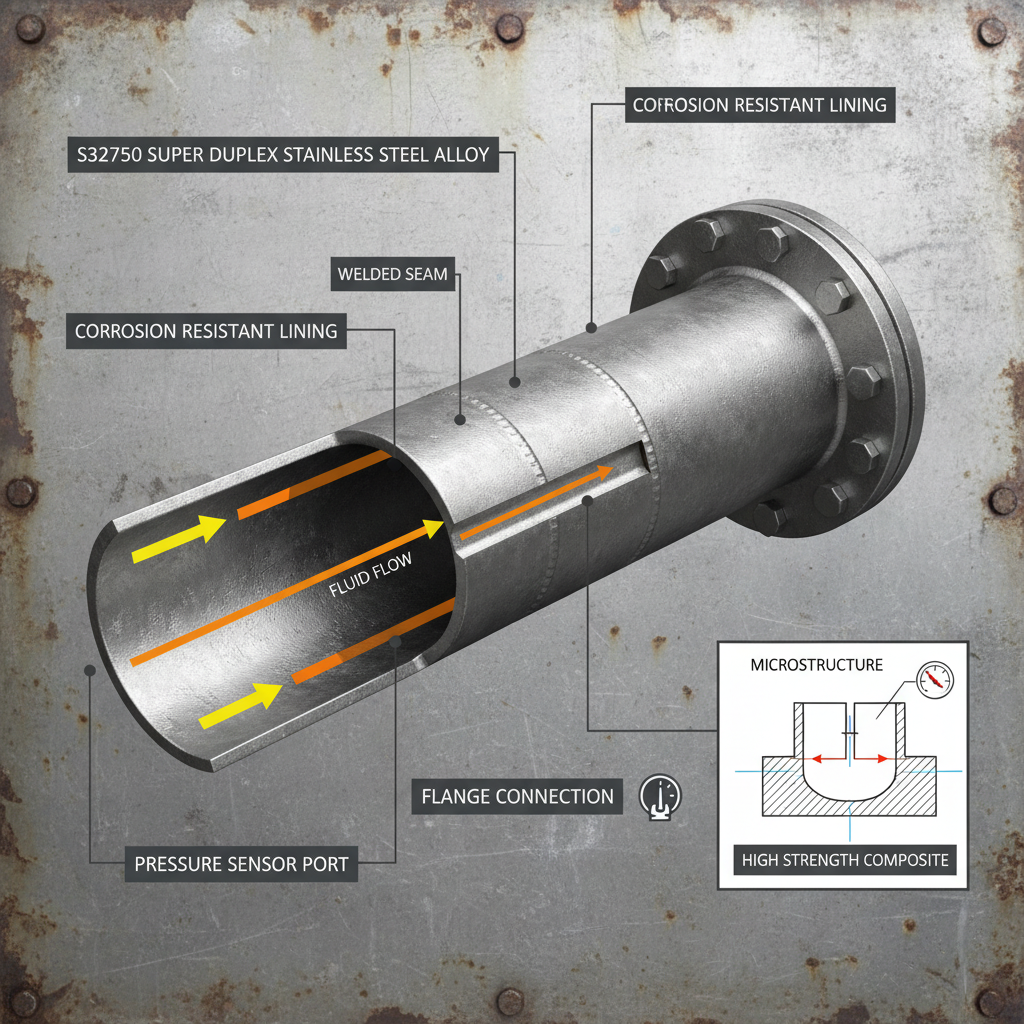
The hallmark of X70 pipes is their high tensile strength, which means the pipe resists deformation under immense pressure. This is critical in preventing rupture, especially in deepwater or mountainous pipeline routes.
2. Toughness at Low Temperatures
Unlike lesser grades, PSL2 pipes undergo Charpy impact testing to certify toughness at sub-zero temperatures. It ensures pipes don’t become brittle in cold climates — think Siberian oilfields or northern Canadian pipelines.
3. Chemical Composition Control
The chemical recipe (mostly carbon, manganese, and micro-alloying elements) is tightly controlled, reducing welding defects and improving corrosion resistance.
4. Enhanced Test and Inspection Requirements
PSL2 calls for non-destructive testing methods including ultrasonic and radiographic testing, ensuring pipes have no hidden flaws.
5. Weldability and Fabrication Flexibility
X70 steel can be welded reliably in field conditions, an important factor where pipes need to be built or repaired on the fly.
- Each factor contributes to reliability in high-risk, high-investment infrastructure.
Mini takeaway: Every facet of the API 5L X70 PSL2 specification has a direct impact on pipeline safety and longevity.
Real-World Applications: Where and How API 5L X70 PSL2 Pipes Are Used
Concrete examples make this less abstract:
- Oil & Gas Pipelines: The most prominent use is in transmitting oil and natural gas safely across long distances.
- Water Transport Systems: In arid zones and developing countries, durable pipelines help transport water reliably.
- Offshore Installations: Rough seas demand pipes with pressure resistance and corrosion toughness.
- Refinery and Processing Plants: Where chemical exposure is a risk, API 5L X70 PSL2 pipes provide extra chemical resistance.
Project stories abound—like a pipeline upgrade in Kazakhstan that replaced aging X42 pipes with X70 PSL2 steel, drastically reducing leak risks in seismically active areas. Or the use of these pipes for new gas trunklines across desert areas in Saudi Arabia, where extreme temperatures test material limits daily.
Quick takeaway: This specification is globally trusted across diverse, high-stakes environments.
Advantages and Long-Term Value of API 5L X70 PSL2 Pipes
Okay, so what’s the bottom line?
- Cost Efficiency: Stronger pipes can be thinner without losing strength, reducing material costs.
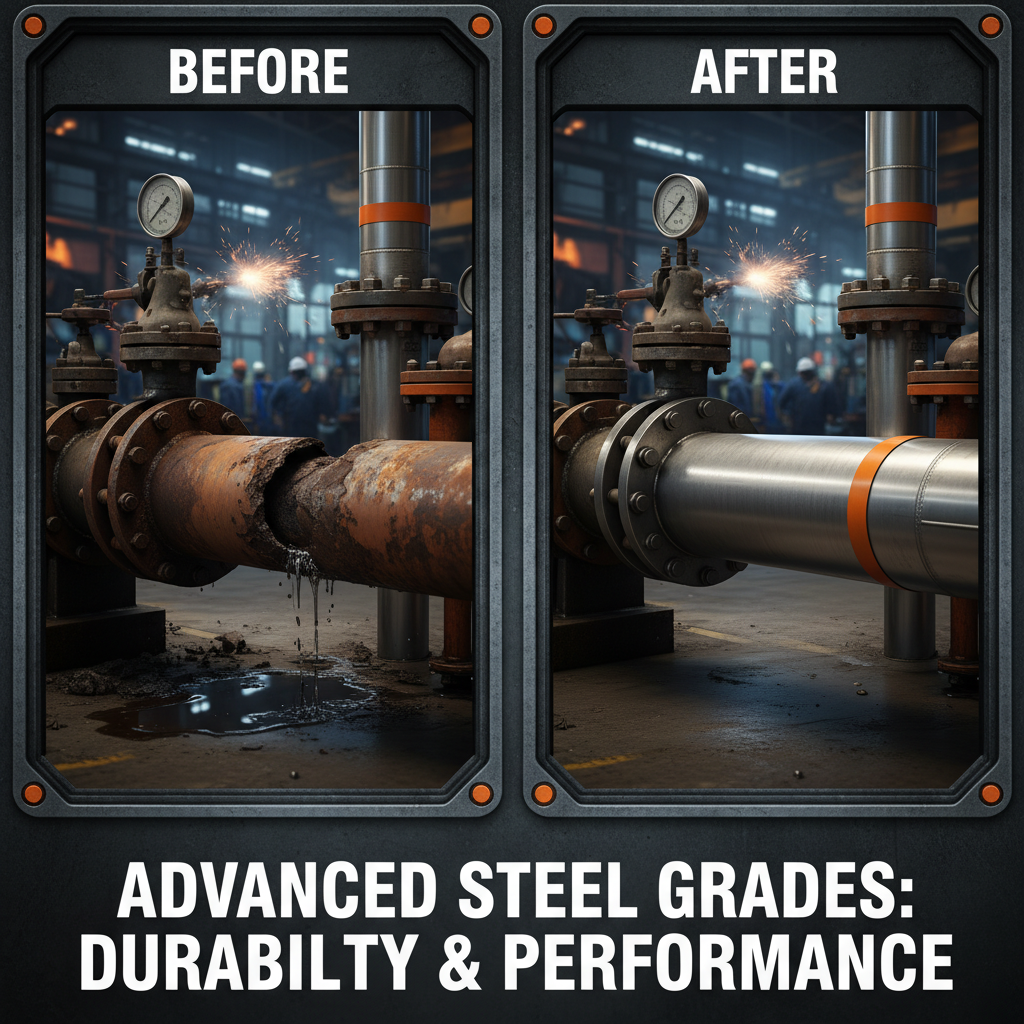
- Safety and Reliability: The stringent testing means fewer failures, which frankly translates to saved lives and less environmental harm.
- Sustainability: Longer lifespan means less frequent replacements and lower waste.
- Social Impact: Reliable energy and water delivery infrastructure uphold dignity and quality of life—important but often overlooked.
Many engineers say investing upfront in better specs saves enormous downstream costs and headaches—a kind of insurance, if you will.
Mini takeaway: API 5L X70 PSL2 pipes offer a smart, sustainable investment with tangible operational, social, and environmental benefits.
Looking Ahead: Future Trends & Innovations Linked to API 5L X70 PSL2
Pipeline technology doesn’t stand still. Recently, there’s growing interest in:
- Green Steel Production: Reducing the carbon footprint of pipe manufacturing.
- Smart Pipelines: Embedded sensors that monitor integrity in real time.
- Improved Coatings: Next-gen corrosion-resistant coatings extend service life.
- Digital Twins & AI: Better predictive maintenance scheduling powered by data from PSL2 pipes.
These innovations promise tighter integration between the physical pipeline and digital oversight, enhancing safety and efficiency.
Mini takeaway: The API 5L X70 PSL2 specification remains dynamic, adapting with new tech and sustainability goals.
Challenges & Practical Solutions in using API 5L X70 PSL2 Steel Pipes
Of course, nothing is without challenges:
- Cost Barrier: Higher-spec pipes cost more initially.
- Supply Chain Constraints: High-quality PSL2 materials can be limited in some regions.
- Installation Expertise: Requires skilled welders and inspectors.
To overcome these, many companies:
- Form strategic partnerships with trusted manufacturers.
- Invest in training programs for on-site welders and engineers.
- Incorporate robust QA/QC systems aligned with API standards.
Quick takeaway: These obstacles are manageable with planning and proper partnerships.
API 5L X70 PSL2 Specification: Product Specifications Table
| Specification | Requirement | Notes |
|---|---|---|
| Grade | X70 | Minimum Yield Strength 70,000 psi |
| Product Specification Level | PSL2 | Stricter controls vs PSL1 |
| Tensile Strength | Minimum 90,000 psi | Ensures resistance to strain |
| Charpy Impact Test | Below 32°F (-0°C) | Certifies low-temp toughness |
| Chemical Composition | Controlled Carbon & Microalloys | For weldability & corrosion resistance |
Vendor Comparison: Choosing the Right Supplier for API 5L X70 PSL2 Pipes
| Supplier | Certification | Lead Time | Price Range | Quality Assurance |
|---|---|---|---|---|
| Global Steel Inc. | API Q1, ISO 9001 | 6-8 weeks | $$$ | Full NDT, material traceability |
| SteelLine Global | API Q1, ISO 14001 | 8-10 weeks | $$ | Ultrasonic & Radiographic Testing |
| Pipeline Steel Co. | API Q1, ISO 9001 | 4-6 weeks | $$$$ | Advanced QA/QC, smart inspections |
FAQ: Common Questions About API 5L X70 PSL2 Specification
Q: What’s the main difference between PSL1 and PSL2 in API 5L pipe specs?
A: PSL2 imposes tougher testing and stricter chemical controls than PSL1. It typically applies to pipelines that demand higher reliability and safety, especially in sour or low-temperature environments.
Q: How does API 5L X70 PSL2 improve pipeline safety?
A: By specifying high yield strength and mandatory impact toughness testing, X70 PSL2 pipes can withstand extreme pressures and temperatures, reducing risk of leaks or ruptures.
Q: Can these pipes be used in offshore pipelines?
A: Absolutely. API 5L X70 PSL2 pipes are commonly specified for offshore use due to their strength and resistance to harsh environments.
Q: How can buyers verify pipe compliance with API 5L X70 PSL2?
A: Reputable vendors provide material test reports (MTRs) including mechanical, chemical, and impact test results, alongside third-party inspection certifications.
Q: Is there an environmental advantage to using PSL2 steel pipes?
A: Yes. Their durability reduces replacement frequency, minimizing material waste and the environmental impact of manufacturing and installation.
Wrapping Up: Why API 5L X70 PSL2 Specification Still Matters
So, amidst global energy challenges and evolving infrastructure demands, the API 5L X70 PSL2 specification stands out as a cornerstone in pipeline engineering. It’s more than just a set of numbers—it’s a comprehensive assurance mechanism that weighs cost, safety, durability, and future readiness. If you’re involved in pipeline projects, whether in construction, maintenance, or procurement, knowing these specs inside and out is a game-changer.
For the latest on API 5L X70 PSL2 products and trusted suppliers, don’t miss visiting our site. It’s about building infrastructure that lasts and protects, one pipe at a time.
References
- UN Sustainable Development Goals: https://sdgs.un.org/goals
- International Energy Agency (IEA): https://www.iea.org
- American Petroleum Institute Standards: https://www.api.org/
Post time: Nov . 29, 2025 15:10
 English
  Arabic
  Bengali
  China
China  French
  German
  Hausa
Hausa  Indonesian
  Italian
  Japanese
  Javanese
  Malay
Malay  Persian
  Portuguese
  Punjabi
  Russian
  Spanish
  Swahili
  Telugu
  Vietnamese