

Understanding 304 Stainless Steel Seamless Pipe: Why It Matters Globally
If you're in the industrial sector or simply curious about materials innovation, the 304 stainless steel seamless pipe is a term you might already have heard buzzing around. This type of pipe has subtly revolutionized countless industries worldwide—from food processing plants to oil rigs and everything in between. Its importance goes beyond just fulfilling a need for durable piping; it’s about sustaining infrastructure, optimizing efficiency, and meeting growing environmental and safety standards.
In real terms, understanding this pipe's role helps industries build smarter, safer, and more cost-effective systems. Plus, with supply chains becoming more global and challenges like climate change demanding resilient materials, the 304 stainless steel seamless pipe’s popularity is only set to rise.
Mini Takeaway: This pipe isn’t just metal tubing. It’s an essential backbone for infrastructure resilience, industrial safety, and sustainable development worldwide.
Global Context: Relevance and Challenges in Industry Today
Why does the 304 stainless steel seamless pipe matter on a global scale? For starters, the global steel market keeps expanding. According to the World Steel Association, global steel production topped 1.95 billion metric tons in recent years, evidencing robust demand that infrastructure and manufacturing fuel.
Specifically, stainless steel pipes serve vital roles in sectors like:
- Oil and gas pipelines
- Chemical processing plants
- Water treatment and sanitation
- Food and beverage production lines
Each of these applications demands corrosion resistance, strength, and reliability—things that 304 stainless steel seamless pipes particularly deliver.
At the same time, industries face challenges: how to balance cost-effectiveness while adhering to stricter environmental regulations; how to ensure materials withstand harsher conditions, especially in developing countries with rapidly growing infrastructure needs.
Mini Takeaway: The rising global demand for durable infrastructure puts 304 stainless steel seamless pipes front and center to address industry pain points around safety and sustainability.
What Is a 304 Stainless Steel Seamless Pipe?
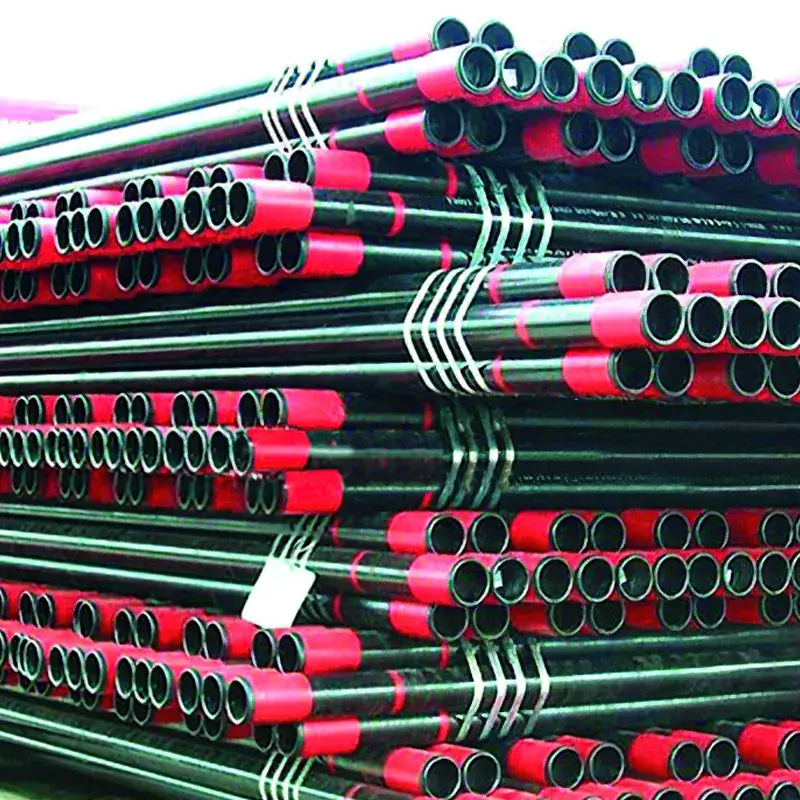
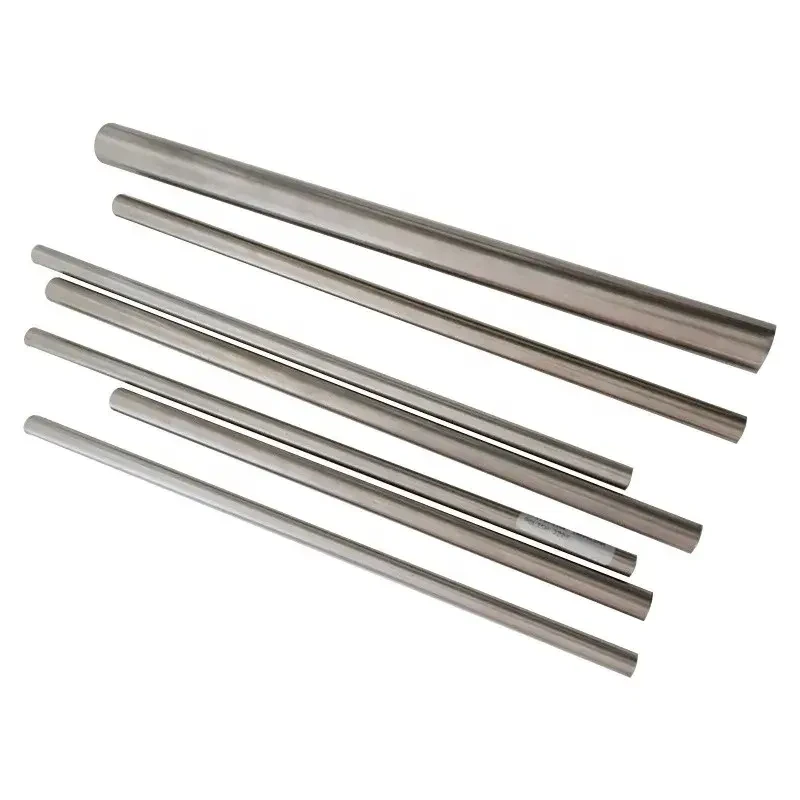
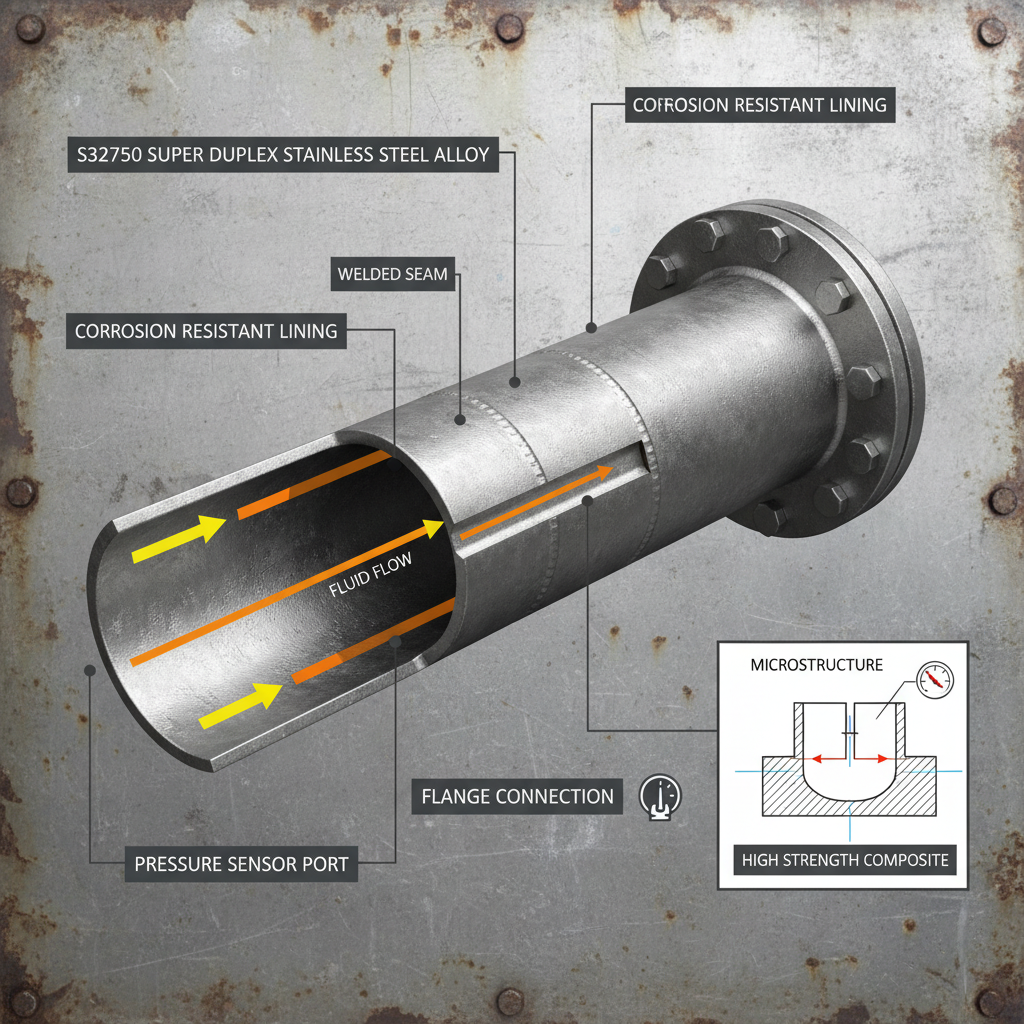
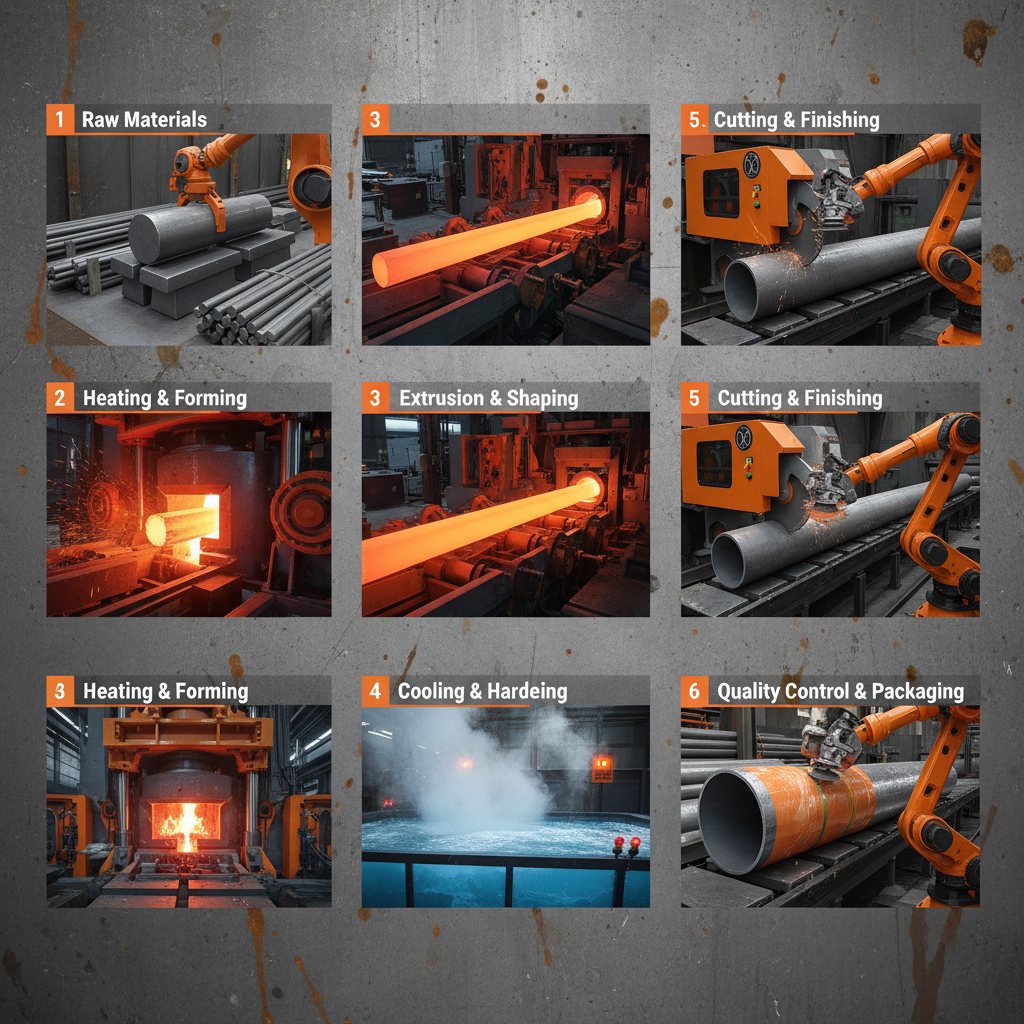
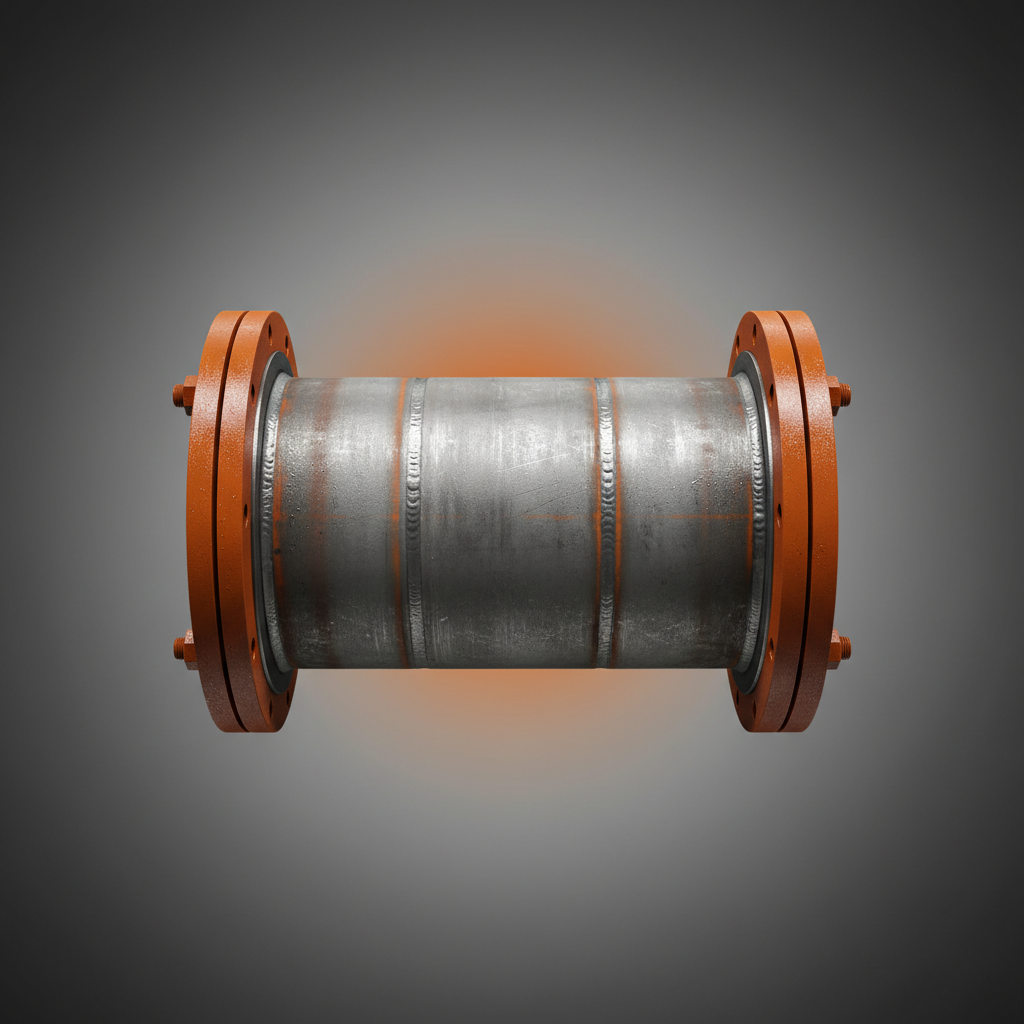
The name itself is quite a mouthful, but essentially, a 304 stainless steel seamless pipe is a hollow tube made from a specific grade of stainless steel—304 grade (the most widely used austenitic stainless steel). "Seamless" means it’s manufactured without a welded seam, which—frankly—makes a big difference in strength and reliability compared to welded pipes.
304 stainless steel contains around 18% chromium and 8% nickel, making it highly corrosion-resistant, easy to clean, and versatile. It’s used in situations where hygiene and durability are non-negotiable, like in food industry pipes or medical equipment.
It connects modern industry needs for materials that don’t just hold together but also resist rust and contamination — vital for long-term utility and safety.
Mini Takeaway: 304 stainless steel seamless pipe combines superior material chemistry and manufacturing techniques to deliver strength and durability essential for advanced industrial applications.
Key Features of 304 Stainless Steel Seamless Pipe
Durability & Corrosion Resistance
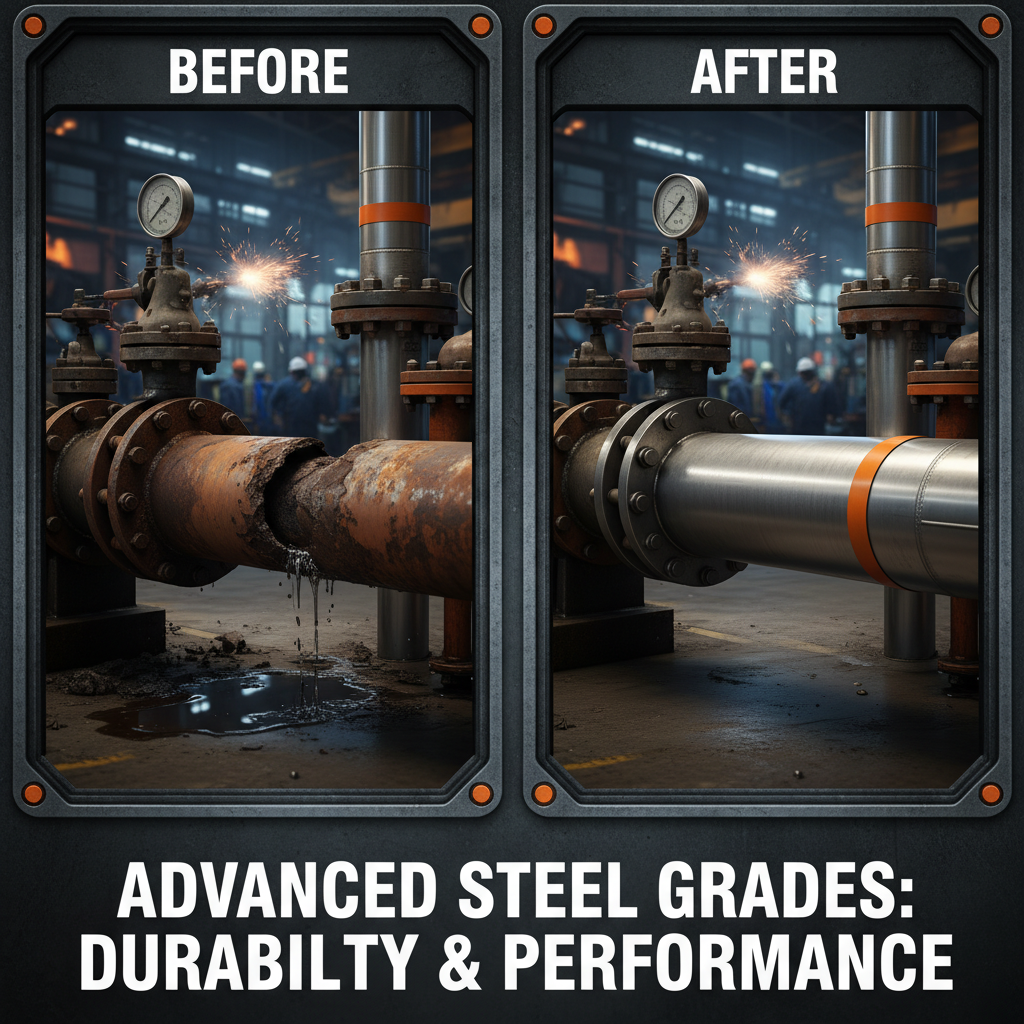
Arguably one of its strongest selling points, 304 stainless steel is known for resisting corrosive environments—whether exposure to water, various chemicals, or even extreme weather. This translates to pipes that last longer with lower maintenance.
Seamless Construction
The seamless aspect means no weld joints that could be potential weak points. This enhances structural integrity, making these pipes more reliable under high pressure and temperature conditions.
Temperature Tolerance
304 stainless can comfortably operate in environments ranging from sub-zero temperatures to around 870°C (1600°F) intermittently. Great for industries where thermal stress is a regular concern.
Cost Efficiency & Availability
While not the cheapest pipe option out there, 304 stainless steel seamless pipes provide long-term value through reduced failure and replacement rates. Plus, wide availability globally means supply chains are more stable.
Hygienic and Easy to Fabricate
The smooth surface and cleanliness standards make it preferred in food, beverage, and pharmaceutical industries. It’s also relatively easy to form and weld, allowing customized solutions.
| Property | Value |
|---|---|
| Chemical Composition (Cr) | 18–20% |
| Chemical Composition (Ni) | 8–10.5% |
| Tensile Strength | 515 MPa (min) |
| Yield Strength | 205 MPa (min) |
| Operating Temperature Range | -196°C to 870°C |
| Typical Applications | Food Processing, Chemical, Oil & Gas, Water Supply |
Global Applications & Use Cases
The adaptability of 304 stainless steel seamless pipes is somewhat staggering. Here’s a snapshot of its real-world roles:
- Oil & Gas Industry: Pipelines often run through corrosive soils or offshore environments. The seamless 304 pipes resist corrosion and pressure fluctuations reliably, ensuring safety in remote zones like the Middle East and West Africa.
- Food & Beverage Plants: Sanitization is a must here, and the smooth finish plus corrosion resistance means these pipes help maintain hygiene standards. Many European food-processing factories rely heavily on them.
- Water Treatment: Municipal water supplies in developing countries benefit from durable pipes that require less maintenance and reduce contamination risks.
- Medical Facilities: Some surgical instruments and medical gases piping use 304-grade seamless steel to ensure purity and cleanliness.
Interestingly, NGOs engaged in disaster relief increasingly request 304 stainless steel pipes as part of rapid-deployment water solutions, trusting their resistance and durability under tough conditions.
Mini Takeaway: It’s not just industry juggernauts using these pipes—remote regions, humanitarian efforts, and medical setups all rely on them for their resilience and reliability.
Advantages & Long-Term Value
Choosing 304 stainless steel seamless piping involves balancing upfront cost with long-term gains:
- Cost Savings: Lower maintenance and fewer replacements save organizations considerable budgets over years.
- Sustainability: Long-lasting materials mean less scrap and environmental waste. Plus, stainless steel is almost 100% recyclable.
- Safety & Trust: Operators and end-users enjoy increased peace of mind because pipes don’t fail unexpectedly, preventing accidents and contamination.
- Social Impact: Reliable infrastructure improves public health and supports economic development.
There is, frankly, something reassuring about a product that lasts and performs well, particularly when public safety is involved. Industries increasingly value that 'trust factor' as much as cost or performance.
Future Trends & Innovations in 304 Stainless Steel Seamless Pipes
Looking forward, several developments are worth watchful eyes:
- Green Manufacturing: Energy-efficient production processes and recycled-content materials are shaping newer pipes.
- Digital Monitoring: Sensors integrated into piping systems for real-time corrosion and pressure tracking.
- Advanced Alloying: Tweaks to 304 stainless steel mixtures to improve strength or corrosion resistance even further.
- Automation: Precision manufacturing via robotics promises better quality control.
It feels like the intersection of materials science and digital technology will make these pipes not just passive components, but smart and sustainable infrastructure elements.
Challenges & Solutions
Of course, no product is without drawbacks:
- Price Sensitivity: Stainless steel is pricier than carbon steel or PVC alternatives.
- Fabrication Difficulty: Working with seamless stainless requires specialized equipment and skill.
- Supply Chain Fluctuations: Global demand and raw material availability can affect lead times.
Experts recommend:
- Leveraging expert suppliers with strong inventory management
- Investing in training and machinery for proper fabrication
- Exploring hybrid solutions combining stainless steel with other materials when budget constraints apply
| Vendor | Price (per meter) | Lead Time | Global Shipping | Certification |
|---|---|---|---|---|
| GlobalSteel Inc. | $25 - $30 | 2 weeks | Yes | ISO 9001, ASTM A312 |
| SteelWorks Ltd. | $22 - $28 | 3-4 weeks | Limited | ASTM A213 |
| PrimeMetal Solutions | $27 - $32 | 1 week | Yes | ISO 9001, PED |
Frequently Asked Questions About 304 Stainless Steel Seamless Pipe
- Q: How do 304 stainless steel seamless pipes differ from welded pipes?
- A: Seamless pipes are manufactured without a joint or weld, enhancing strength and pressure containment. Welded pipes have seams that may be potential weak points under stress or corrosive environments.
- Q: Are these pipes suitable for food-grade applications?
- A: Absolutely. 304 stainless steel's excellent corrosion resistance and smooth finish make it ideal for sanitary environments in the food and beverage industries.
- Q: What is the typical lifespan of a 304 stainless steel seamless pipe?
- A: Lifespans can exceed 50 years under proper operation and maintenance, especially compared to alternative materials that corrode faster or degrade under stress.
- Q: Can these pipes be used in extremely cold or hot environments?
- A: Yes, they handle temperatures from -196°C to about 870°C, making them flexible for harsh thermal conditions across industries.
- Q: How can industries ensure they source certified 304 stainless steel seamless pipes?
- A: Look for vendors offering proper certifications (e.g., ISO 9001, ASTM A312), supply test reports, and maintain transparent supply chains. Verification is key to quality assurance.
Conclusion: The Long-Term Value of 304 Stainless Steel Seamless Pipe
To sum it all up, the 304 stainless steel seamless pipe stands as a cornerstone material for countless industries worldwide. Its durability, hygienic properties, and adaptability meet pressing global needs, from food safety to energy infrastructure. While upfront costs can be higher, the long-term reliability and minimal maintenance requirements typically outweigh alternatives.
If your projects demand dependable, sustainable piping solutions—especially in challenging environments—I encourage you to explore options at 304 stainless steel seamless pipe. It’s an investment in safety and infrastructure longevity that pays dividends.
Mini Takeaway: For industries serious about durability and safety, 304 stainless steel seamless pipe is often the wisest choice—the quiet hero of modern piping.
References
Post time: Dec . 03, 2025 11:40
 English
  Arabic
  Bengali
  China
China  French
  German
  Hausa
Hausa  Indonesian
  Italian
  Japanese
  Javanese
  Malay
Malay  Persian
  Portuguese
  Punjabi
  Russian
  Spanish
  Swahili
  Telugu
  Vietnamese