

Understanding ASTM A53: The Backbone of Steel Pipe Standards Worldwide
When you hear "ASTM A53," you might just think it's another technical code in a sprawling catalog of industry jargon. But in truth, ASTM A53 is a cornerstone specification for steel pipes that stretch across countless applications globally — from towering skyscraper frames to essential water mains in cities big and small. Whether you're an engineer, buyer, or just curious about what keeps modern infrastructure ticking, grasping what ASTM A53 means and why it matters can save headaches — and dollars — down the line.
The Global Relevance of ASTM A53 in Industry and Infrastructure
Steel pipe demand is humming along with global economic activity. According to the International Organization for Standardization (ISO) and the World Steel Association, worldwide steel demand hovered around 1.9 billion metric tons in 2023, with pipes and tubes making up a hefty slice of that. ASTM A53 pipes are often the go-to for numerous sectors because they meet standardized quality, safety, and performance requirements.
One pressing challenge the world faces is the need for resilient, cost-effective piping for water systems, energy transmission, and industrial frameworks — especially in developing regions and disaster-prone zones. ASTM A53’s standardization plays a key role in ensuring that pipes hold up under varied conditions, which can literally mean the difference between steady infrastructure and potentially hazardous failures.
Mini takeaway: ASTM A53’s global footprint isn’t just a matter of specs — it’s an enabler of safer, more reliable infrastructure worldwide.
Breaking Down ASTM A53 — What Does It Really Mean?
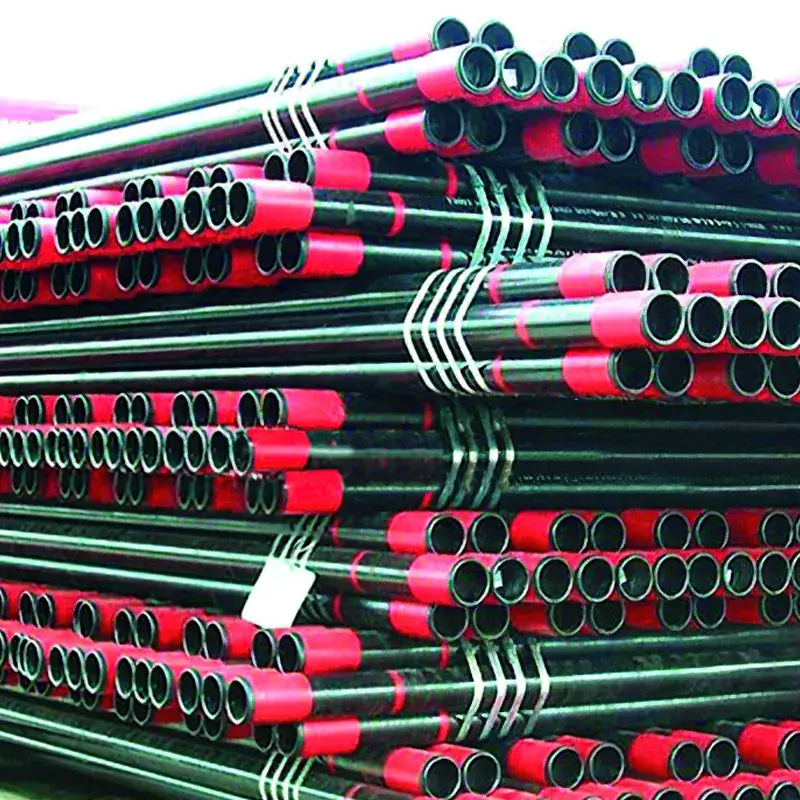
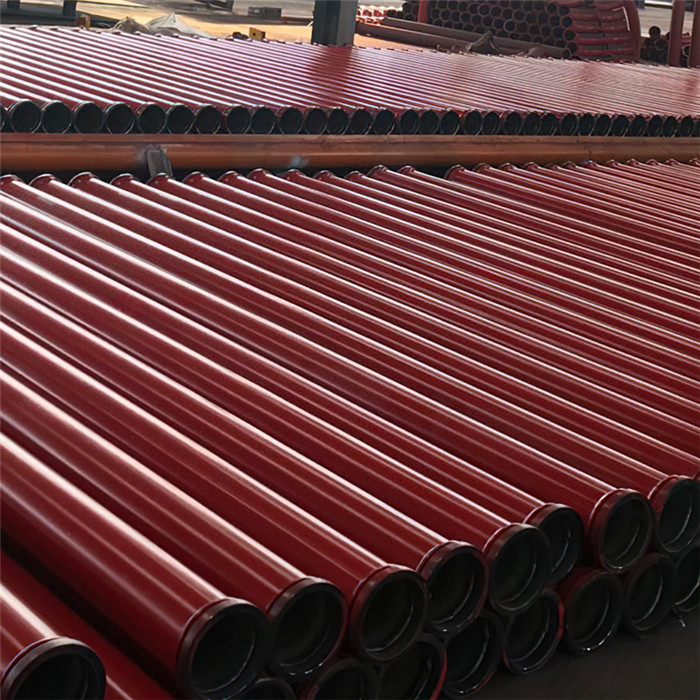
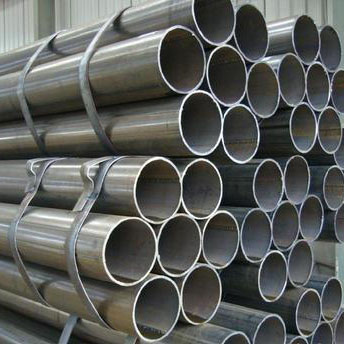
Simply put, ASTM A53 is an American standard specification for carbon steel pipes used in a wide array of construction and mechanical applications. Established by ASTM International, this specification covers the manufacture of seamless and welded steel pipes that carry gas, water, steam, and air. Importantly, it ensures consistent material properties like strength, tensile capacity, and corrosion resistance.
Think of ASTM A53 as the language engineers and manufacturers agree upon when selecting steel pipes. This “common tongue” not only boosts efficiency but also impacts humanitarian efforts — because having reliable pipe infrastructure underpins clean water access, sanitation, and energy delivery in both urban and remote regions.
Key Features of ASTM A53 Pipes
Material Composition and Grades
ASTM A53 pipes come mainly in two grades: Grade A and Grade B. Grade B typically offers higher tensile strength, making it a favored choice for structural uses. Both employ carbon steel but differ in mechanical properties and test requirements — the choice depends on your project needs.
Durability and Strength
One thing many engineers note is ASTM A53's reliable balance of strength and ductility. Its ability to withstand stress from pressure and environmental exposure suits everything from low-pressure plumbing to heavy-duty scaffolding.
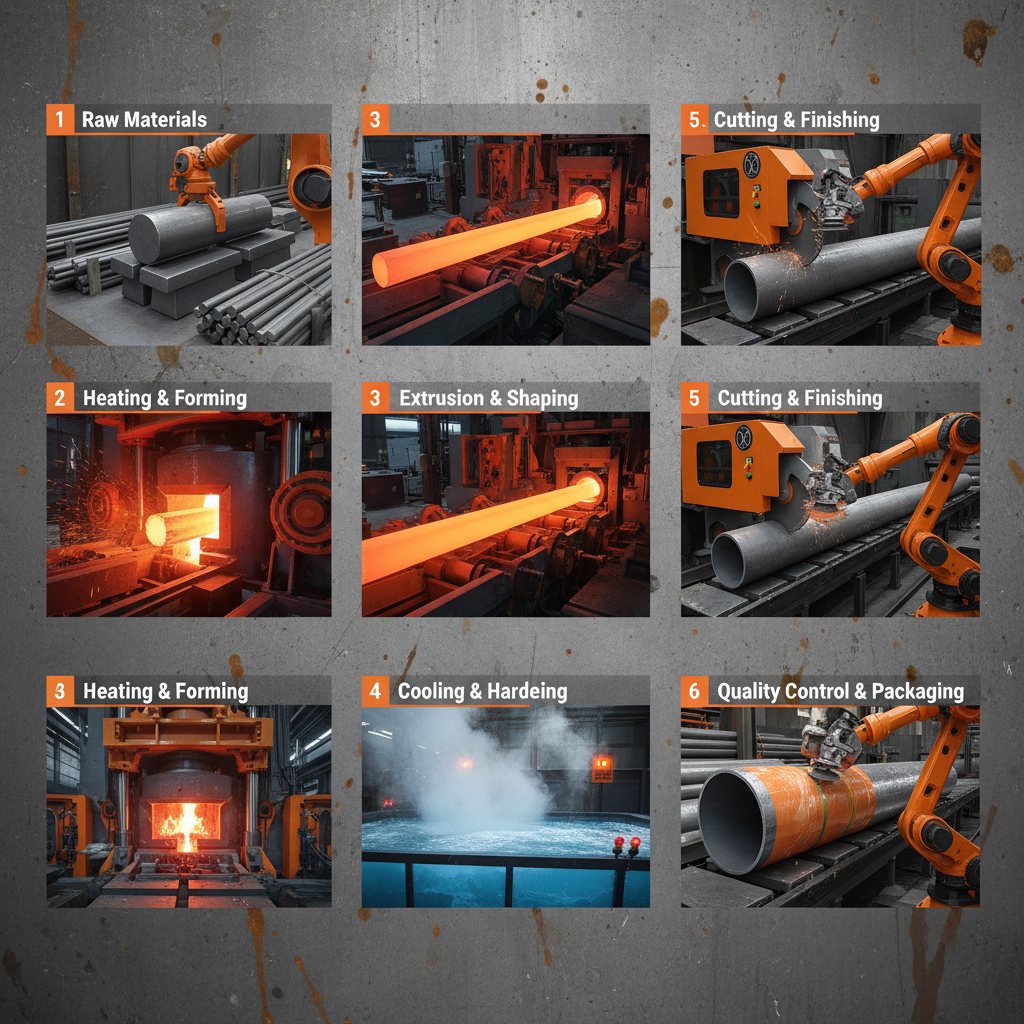
Manufacturing Methods
- Seamless pipes: Made by extrusion or rotary piercing—ideal when integrity is paramount.
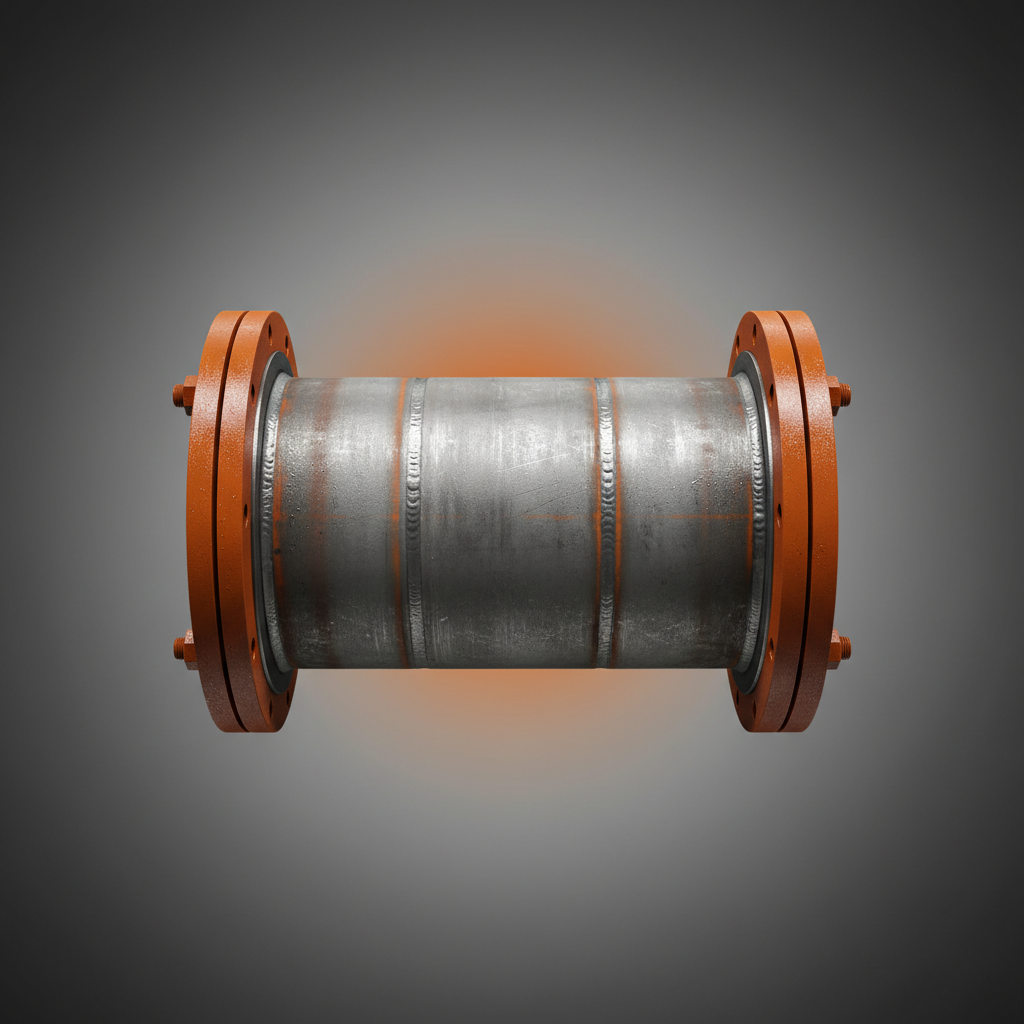
- Welded pipes: Formed by rolling and welding strips; generally more economical.
Size and Dimensional Coverage
Covered sizes range broadly, from as small as 1/8 inch NPS (nominal pipe size) up to 26 inches or so. Wall thicknesses vary to suit different pressure requirements.
Surface Finishes and Coatings
Depending on use, ASTM A53 pipes may come black (uncoated) or galvanised for corrosion resistance. That detail can be critical, especially for outdoor or underground use.
Mini takeaway: ASTM A53's flexibility in grade, size, and finish offers a kind of swiss-army-knife versatility for steel pipe applications.
Product Specification Table: ASTM A53 Carbon Steel Pipe
| Property | Grade A | Grade B |
|---|---|---|
| Yield Strength | ≥ 30 ksi (207 MPa) | ≥ 35 ksi (241 MPa) |
| Tensile Strength | 60–75 ksi (414–517 MPa) | 60–85 ksi (414–586 MPa) |
| Chemical Composition (Carbon) | ≤ 0.25% | ≤ 0.30% |
| Manufacturing | Seamless/Welded | Seamless/Welded |
| Dimensional Range (NPS) | 1/8” to 26” | |
| Surface Coating | Black or Galvanized | |
Where ASTM A53 Pipes Make a Difference — Global Use Cases
From sprawling oil fields in the Middle East to municipal water systems in South America, ASTM A53 pipes serve up dependable solutions almost everywhere. In North America and Europe, these pipes appear frequently in heating, ventilation, and air conditioning (HVAC) setups, as well as structural supports.
Developing regions value ASTM A53 pipes for cost-effective water distribution — an essential lifeline in many communities. Post-disaster relief teams often specify ASTM A53 pipes for rapid reconstruction because they are both accessible and reliable. Oddly enough, the pipes’ ubiquitous nature makes logistics and maintenance easier, which can be a real boon in tough environments.
Vendor Comparison: Leading ASTM A53 Steel Pipe Suppliers
| Vendor | Pipe Grades Offered | Global Reach | Delivery Time | Additional Services |
|---|---|---|---|---|
| SteelCo International | Grades A & B | Americas, Asia, Europe | 2–4 weeks | Custom cutting, coating |
| Global Pipes Ltd. | Grade B only | Asia, Middle East | 3–5 weeks | Bulk discounts, testing |
| Metallum Steel Works | Grades A, B, C (special orders) | Europe, Americas | 1–3 weeks | Engineering consulting |
Why ASTM A53 Pipes Are Worth the Investment
Material costs may fluctuate, but ASTM A53’s consistent reliability and versatility keep it a favorite. Its durability translates directly into lower long-term maintenance, fewer failures, and safer operations — attributes any prudent project manager prizes. Economically, it balances upfront costs and performance in a way that few other pipe types match.
There’s also an emotional aspect: when you’re relying on infrastructure for vital water or energy, the trust you place in steel pipe standards feels deeply personal. It’s about safety, dignity, and peace of mind for communities near and far. And frankly, for engineers, it’s reassuring to work with a material known and trusted worldwide.
The Road Ahead: Innovation and Sustainability in ASTM A53 Pipes
While ASTM A53 has remained a staple, the industry itself isn’t standing still. Innovations like improved coatings to reduce corrosion, lighter yet stronger alloys, and digital tracking for maintenance are shaping the future. Green energy projects increasingly require pipes that handle hydrogen blends or elevated pressures — areas where ASTM A53’s parameters are evolving.
Moreover, the increasing push toward circular economy principles means recyclable and less wasteful manufacturing processes are in demand. ASTM committees are actively revising standards to incorporate sustainability metrics without sacrificing performance. Sort of exciting, actually, given how traditional steel pipe standards are adapting to 21st-century challenges.
Common Challenges and How to Address Them
One recurring issue users face with ASTM A53 pipes is susceptibility to corrosion in aggressive environments — think coastal areas or chemical plants. The solution often lies in choosing galvanized or coated versions, which add upfront cost but save big on longevity.
Also, careful specification matching is a must. Over-specifying can cause unnecessary expense; under-specifying risks safety. Partnering with certified vendors and consulting ASTM documentation helps clear that up. Many professionals recommend rigorous quality testing, especially for critical applications.
FAQ: Your Practical Questions About ASTM A53 Answered
1. What are the main differences between ASTM A53 Grade A and Grade B pipes?
Grade B has a higher tensile strength and slightly tougher mechanical properties than Grade A. This makes it suitable for high-pressure or structural applications, while Grade A works for light to medium-duty tasks. Both grades comply with ASTM A53 requirements but choosing depends on your specific strength and cost needs.
2. Can ASTM A53 pipes be used for drinking water systems?
Yes, ASTM A53 pipes are often used for water transport. However, if corrosion resistance is a concern, galvanized ASTM A53 pipes or other coatings are recommended to prevent contamination and extend pipe life.
3. How do I verify that a pipe meets ASTM A53 standards?
Purchase pipes from reputable suppliers who provide certification and mill test reports (MTRs) proving compliance with ASTM A53 specifications. Third-party testing for tensile strength, chemical composition, and dimensional accuracy adds assurance.
4. Are ASTM A53 pipes suitable for high-temperature applications?
ASTM A53 pipes have limitations with high temperatures (above roughly 400°F). For elevated temperatures, specialty alloys or other ASTM pipe specifications, like ASTM A106, might be better suited.
5. How can international buyers ensure ASTM A53 pipe compatibility with local standards?
International buyers should cross-reference ASTM A53 with their country’s applicable standards and seek vendors offering relevant documentation and certifications. Many ASTM pipes overlap with ISO and EN standards, easing integration:
astm a53 suppliers routinely assist with these queries.
Final Thoughts: Why ASTM A53 Still Matters Today
ASTM A53 remains a global industry linchpin, balancing tradition with innovation to serve the world’s plumbing, energy, and structural needs. Its wide availability, solid performance, and evolving standards make it an excellent entry point for engineers and buyers alike. If you want pipes that stand the test of time — literally and figuratively — understanding ASTM A53 is a must.
Interested in learning more or sourcing quality ASTM A53 pipes? Visit our website: https://www.world-steelmaterial.com
References
Post time: Nov . 30, 2025 08:50
 English
  Arabic
  Bengali
  China
China  French
  German
  Hausa
Hausa  Indonesian
  Italian
  Japanese
  Javanese
  Malay
Malay  Persian
  Portuguese
  Punjabi
  Russian
  Spanish
  Swahili
  Telugu
  Vietnamese