

Why Pipe Tools Matter in a Globalized World
At first glance, pipe tools might sound like niche gear for a highly specialized task, but their importance practically echoes through every major corner of modern industry. Whether you’re in oil and gas, water management, construction, or even humanitarian infrastructure projects, these tools keep pipelines running smoothly, safely, and efficiently. Think of them as the unsung heroes that keep fluids flowing and infrastructure intact.
Globally, an estimated 60% of industrial transportation depends on pipelines, and their maintenance demands a solid, reliable set of pipe tools — from wrenches and cutters to alignment and inspection devices. Without them, the risk of leaks, downtime, or environmental damage spikes considerably. So yeah, understanding these tools is more than just handy for a technician; it’s vital for sustainability, safety, and economic efficiency worldwide.
Mini takeaway: Pipe tools play a foundational role worldwide, supporting essential industries and ensuring safety and reliability in the infrastructure we arguably take for granted.
The Bigger Picture: Pipe Tools in the Global Industry Landscape
According to the International Organization for Standardization (ISO), pipeline infrastructures across regions are expanding rapidly, particularly in developing countries. The United Nations Environment Programme noted that pipeline leakage accounts for roughly 2% of global oil losses annually — a significant environmental and economic factor. It’s increasingly clear that the right pipe tools, from sealing to aligning, are key to addressing this challenge. And I suppose it’s a balancing act, given the pressures to meet environmental standards while managing costs.
For instance, in places like Southeast Asia or Sub-Saharan Africa, expanding water and sanitation projects rely heavily on specialized pipe tools designed for quick deployment and rugged conditions. Even the harshest environments demand reliable equipment, and many engineers stress the importance of durable, cost-effective solutions.
Mini takeaway: The global expansion and maintenance of pipelines present challenges that well-designed pipe tools are uniquely positioned to help solve.
What Exactly Are Pipe Tools?
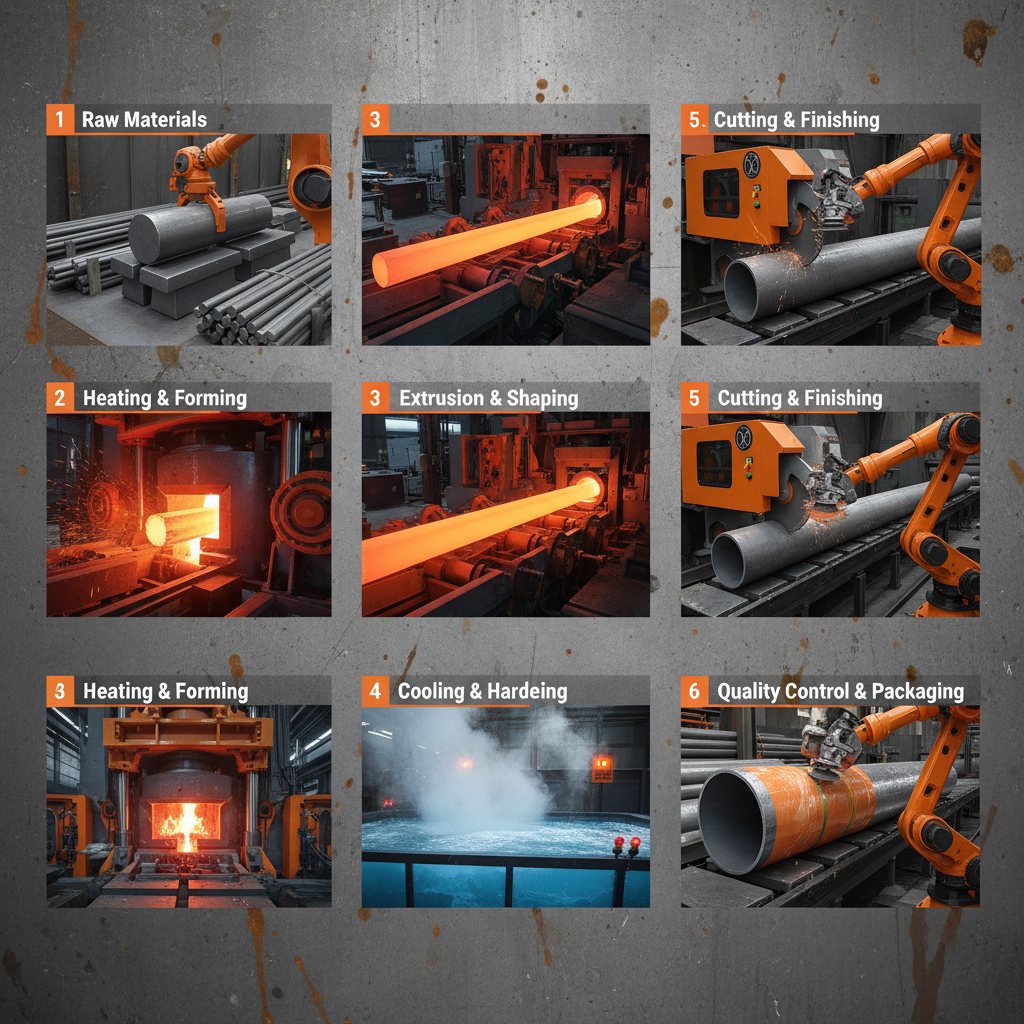
Simply put, pipe tools are hand-held or mechanized devices used to install, maintain, repair, and inspect pipes. These include anything from pipe cutters, wrenches, bending machines, and threaders to inspection cameras and sealing kits. They're fundamental to ensuring that pipelines—from water distribution to oil refineries—are intact and functioning without leaks or hazards.
Given how essential pipelines are in humanitarian efforts—like delivering clean water in disaster zones or remote communities—pipe tools not only speak to industrial progress but also to social wellbeing. Their use reflects the blend of technology and basic human needs, a crossroad that I find oddly satisfying to think about.
Mini takeaway: Pipe tools encompass a diverse set of devices crucial for the lifecycle of pipelines and have direct relevance to both industry and humanitarian applications.
Core Components That Define Quality Pipe Tools
Durability
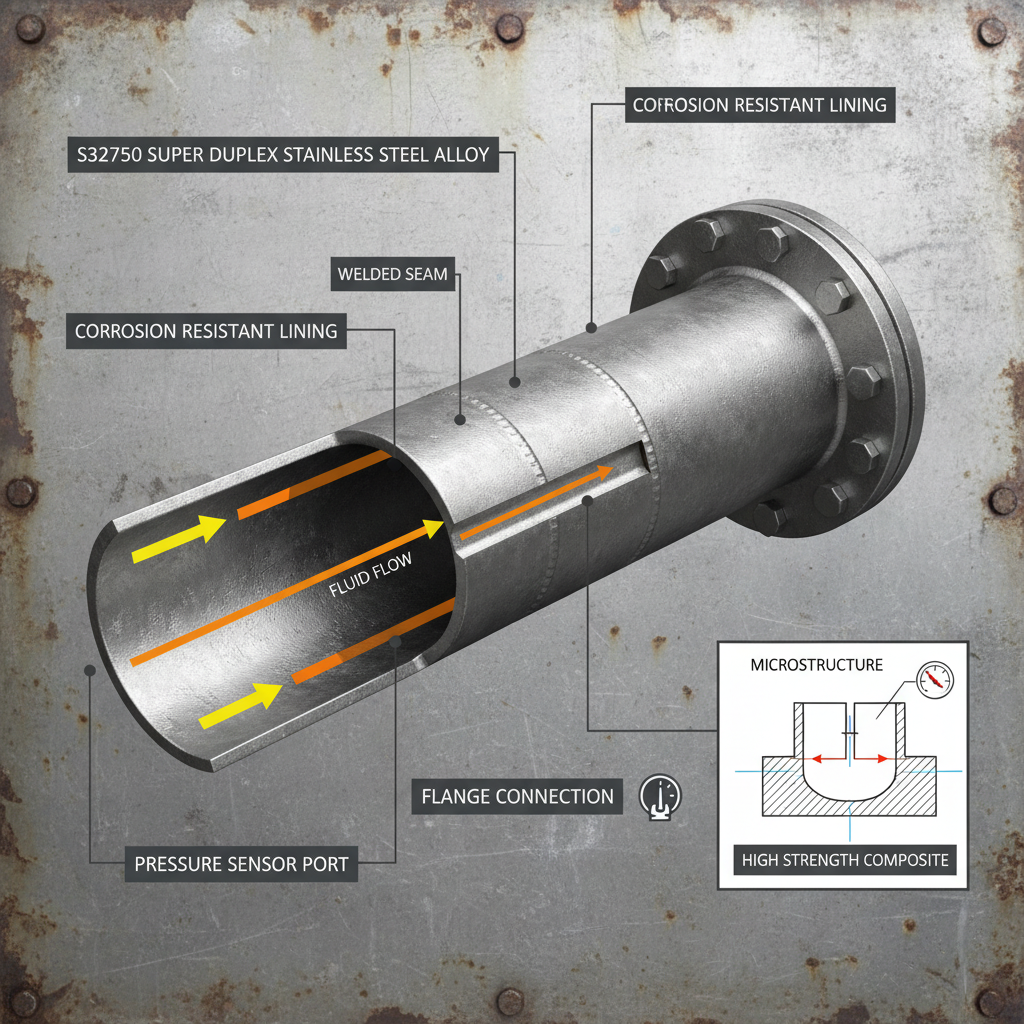
Durability is at the heart of any pipe tool's design. These tools face corrosive environments, chemicals, and heavy use in rough terrains. Materials like hardened steel or alloys treated with rust-resistant coatings often make the cut. From what I’ve noticed in field reports, toughness is non-negotiable because downtime due to broken tools can derail entire projects.
Precision and Accuracy
Pipelines require tight seals and exact fittings. Pipe tools such as threading machines or alignment clamps need to deliver precise operations. Poorly executed joints lead to leaks, safety hazards, and increased repair costs. So, the accuracy of tools directly correlates with long-term reliability.
Ergonomics & Ease of Use
Honestly, working with pipe tools can be grueling, especially on large projects or in challenging weather. Ergonomic designs, lightweight materials, and intuitive controls make a huge difference to both speed and worker safety.
Cost Efficiency
Industrial buyers and contractors want robust tools that deliver results without breaking the bank. The balance is tricky: investing a little more upfront in reliable pipe tools can save far more by reducing maintenance or downtime.
Scalability & Modular Features
Many modern pipe tools are designed modularly, meaning they can be adapted or expanded to fit different pipe sizes or functions. This flexibility is a lifesaver in environments where jobs vary day-to-day.
Mini takeaway: A good pipe tool delivers in durability, precision, usability, and cost to meet the dynamic demands of pipeline work.
Real-World Applications: Where Pipe Tools Drive Impact
In North America's thriving petrochemical sector, pipe tools enable the safe installation and maintenance of over 2 million kilometers of pipeline, a staggering extent. Meanwhile, in Africa’s water infrastructure projects, rugged pipe cutters and sealants help deliver clean water to millions.
Take post-disaster relief operations, for example. After floods or earthquakes, repairing broken pipes quickly can be the difference between a community regaining basic services or facing weeks without clean water. NGOs often equip field teams with lightweight, multipurpose pipe tools to tackle these urgent needs.
Meanwhile, remote industrial sites, such as mines in Chile or oil rigs in the North Sea, require specialized pipe tools that handle extreme weather and accessibility issues without fail. Many industry veterans recommend tools with remote inspection capabilities, like digital cameras and sensors, reducing human risk.
Mini takeaway: From industrial giants to humanitarian missions, pipe tools are indispensable in a wide range of tough, high-stakes environments.
Pipe Tool Product Specs – A Typical Example
| Product | Material | Pipe Size Range | Weight | Applications |
|---|---|---|---|---|
| Hydraulic Pipe Bender X300 | Hardened Steel Alloy | 1/2" – 6" | 28 lbs | Industrial, Construction, Oil & Gas |
| Digital Inspection Camera PI-2 | Waterproof Aluminum Casing | Up to 12” diameter | 3.5 lbs | Inspection, Maintenance |
| Universal Pipe Cutter UPC-500 | Carbon Steel Blades | 1/4" – 2" | 5 lbs | Plumbing, HVAC, Repair |
Comparing Top Vendors of Pipe Tools
| Vendor | Product Range | Price Range | Global Availability | Warranty |
|---|---|---|---|---|
| PipeMaster Tools Inc. | Standard & Custom Pipe Cutting | $100 – $1200 | Europe, North America, Asia | 2 Years |
| Global Pipe Solutions | All-in-One Kits & Inspection | $300 – $2500 | Worldwide | 3 Years |
| Industrial Tech Corp. | High-End Mechanical Tools | $150 – $3500 | North America, Australia | 1 Year |
Why Investing in Quality Pipe Tools Pays Off Long-Term
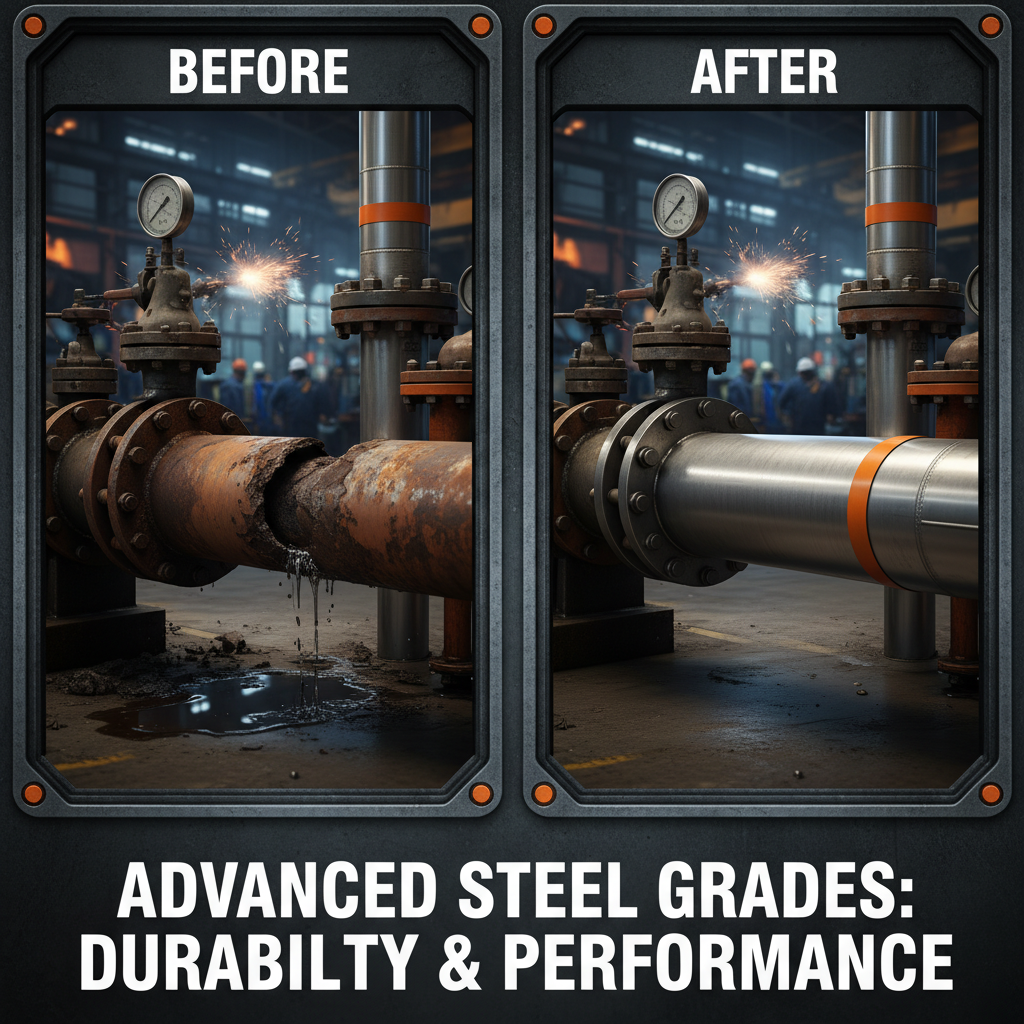
When you look past the numbers, investing in trusted pipe tools feels like an investment in peace of mind. Fewer breakdowns, less environmental risk, and safer worksites aren’t just checkboxes — they affect every stakeholder, from executives tying budgets to field workers relying on solid equipment. Many companies report improved project timelines after switching to premium pipe tools, which frankly isn’t surprising.
Moreover, quality tools support sustainability goals by minimizing waste (fewer damaged pipes) and facilitating cleaner operations. In humanitarian contexts, they uphold dignity by restoring services faster and safer, something that can’t be overstated.
Mini takeaway: Reliable pipe tools enhance profits, protect the environment, and uphold safety and human dignity — a rare trifecta in industrial gear.
Emerging Trends & Innovations in Pipe Tool Technology
Looking ahead, the pipe tools space is embracing smart tech and eco-conscious materials. Digital inspection devices now integrate AI-powered diagnostics to spot micro-cracks before they become disasters—imagine catching a leak while you’re still sipping coffee.
Also, there’s a surge in lightweight composites replacing steel to reduce strain on workers without sacrificing strength. Green policies are pushing manufacturers to develop tools that minimize lubricant waste or feature recyclable parts.
The automation trend is creeping in as well, with robotic pipe welders and cutters slowly becoming mainstream, especially in hazardous environments. Maybe the next generation of pipe tools will feel a little like sci-fi—but with real, practical gains.
Challenges: What Still Holds Pipe Tools Back?
Of course, no conversation about pipe tools is complete without acknowledging the hurdles. One major issue is the lack of standardization globally. Tool sizes, quality certifications, and maintenance protocols vary widely, complicating international projects.
Access to affordable, high-quality tools in developing countries remains patchy, too. Many NGOs and contractors are stuck choosing between cost and quality—sometimes settling for subpar kits that don’t last. Engineers often highlight the learning curve as well; sophisticated tools require training that’s seldom prioritized.
Addressing these challenges demands closer collaboration between manufacturers, regulators, and end-users — and perhaps a bit more investment in training and demo projects.
FAQs About Pipe Tools
- Q: What pipe tools do I need for small-scale plumbing repairs?
A: For basic repairs, a universal pipe cutter, adjustable pipe wrench, and sealing tools will cover most tasks. Many manufacturers bundle these in starter kits suitable for home or light commercial use. - Q: How can I ensure pipe tools last longer in corrosive environments?
A: Choose tools made from stainless steel or coated alloys, and clean them thoroughly after use. Regular maintenance and storing them in dry conditions significantly extend lifespan. - Q: Are digital pipe inspection cameras worth the investment?
A: Absolutely. They allow for early detection of issues inside pipes without excavation, saving time and reducing costly repairs or downtime. - Q: Can pipe tools be customized for unusual pipe diameters?
A: Many vendors offer modular or adjustable tools to accommodate non-standard sizes. It’s best to discuss your specific requirements upfront for bespoke solutions.
Wrapping Up: Why Pipe Tools Are an Industry Staple
So here’s the thing about pipe tools — they might not headline the latest tech expos, but their impact stretches far beyond what meets the eye. From helping keep giant cities hydrated to enabling remote villages to access clean water, these tools stitch together a complex fabric of safety, efficiency, and innovation. If you want to see quality pipe tools in action or explore tailored solutions, you really should visit pipe tools — they have a portfolio that blends tradition with tomorrow’s tech.
Trust me, once you dive into this world, you’ll appreciate the unglamorous gear that quietly powers so much of our day-to-day life.
References & Further Reading
Post time: Nov . 27, 2025 15:35
 English
  Arabic
  Bengali
  China
China  French
  German
  Hausa
Hausa  Indonesian
  Italian
  Japanese
  Javanese
  Malay
Malay  Persian
  Portuguese
  Punjabi
  Russian
  Spanish
  Swahili
  Telugu
  Vietnamese