

What’s the deal with metal plates to protect pipes?
At first glance, a metal plate to protect pipes might seem like a simple piece of hardware — just something to shield a pipe, right? But when you zoom out, it’s more like a guardian angel for vital infrastructure all around the world. Pipes carry everything from clean water to oil and gas. If they rupture or corrode, the consequences can be costly, dangerous, even disastrous. So understanding these protective metal plates isn’t just an industry insider’s hobby; it’s a key piece in global infrastructure resilience.
To cut to the chase, these metal shields help prevent physical damage, reduce corruption risks, and extend service life — saving millions in repairs and downtime. Plus, they’re a part of many humanitarian efforts in disaster zones, where piping often needs protection from rough terrain or makeshift setups.
Mini takeaway: Metal plates protecting pipes are unsung yet essential players in safeguarding the arteries of modern life worldwide.
Why the world cares about metal plate protection for pipes
Picture this: according to the International Energy Agency (IEA), oil and gas pipelines alone span hundreds of thousands of kilometers globally. Add water delivery systems, and the infrastructure gets mind-bogglingly complex. The United Nations reports that 70% of global industry relies on secure and stable pipe networks.
The challenge? Pipes often snake through hostile environments—from frigid tundras to scorching deserts, urban jungles to earthquake-prone zones. Without protective barriers, pipes risk cracking under pressure, corrosion from the environment, and mechanical damage from external impacts.
That’s precisely where a metal plate to protect pipes steps in — acting as a robust shield, distributing impact forces, and preventing contact with corrosive agents.
So, what exactly is a metal plate to protect pipes?
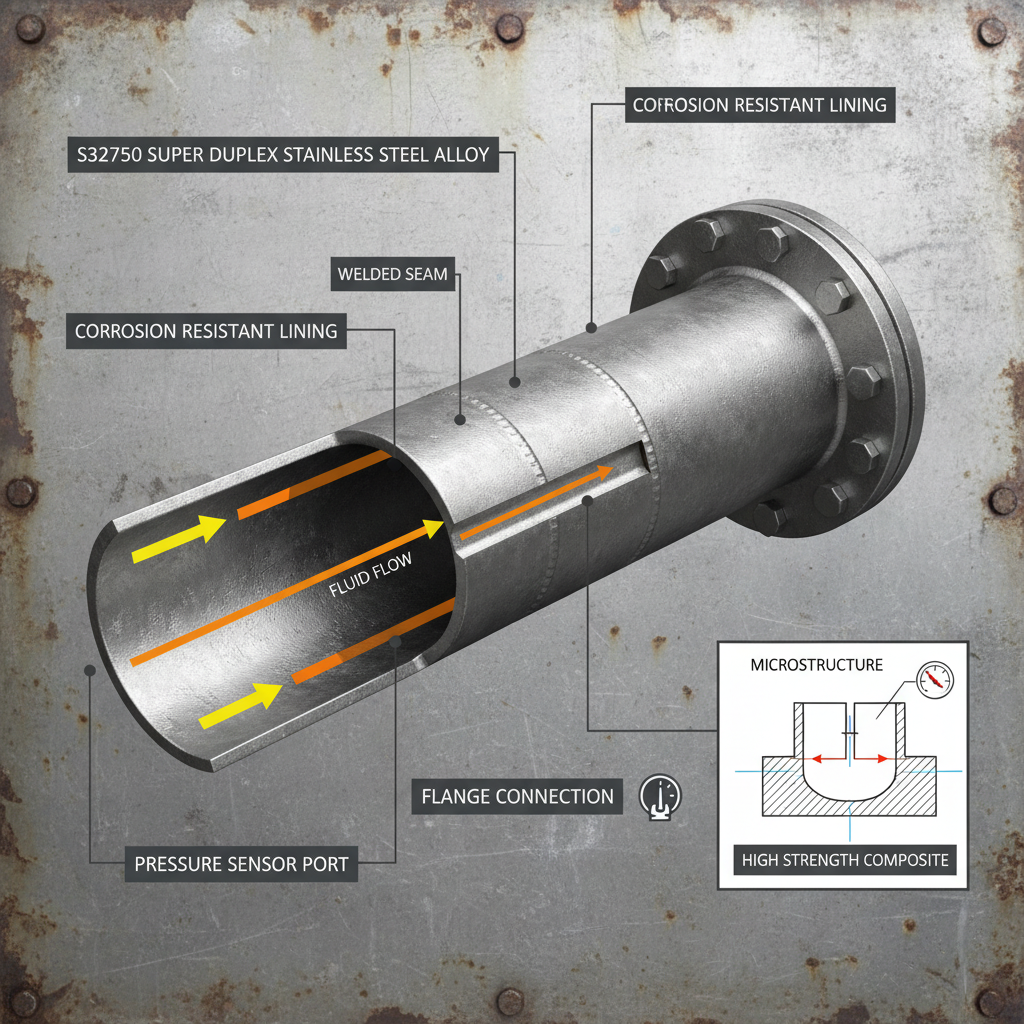
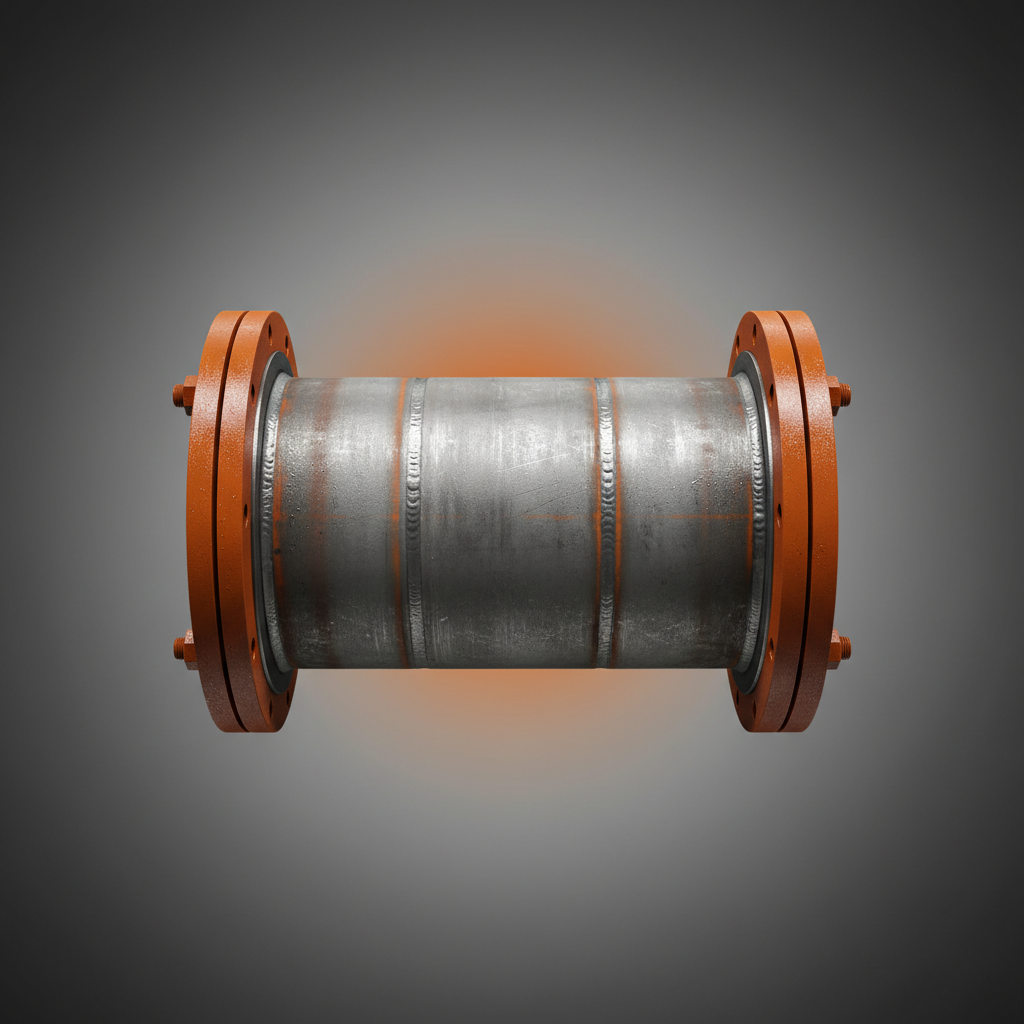
Simply put, it’s a manufactured sheet of metal designed to cover or shield pipeline sections. Think of it as a sturdy armor plate customized to fit pipe diameters and protect them from physical damage, abrasion, and environmental corrosion.
Metal plates to protect pipes are essential in industries like oil and gas, construction, water management, and humanitarian relief — where pipe infrastructure needs rapid, durable protection.
Core aspects that make metal pipe protection effective
1. Durability and material quality
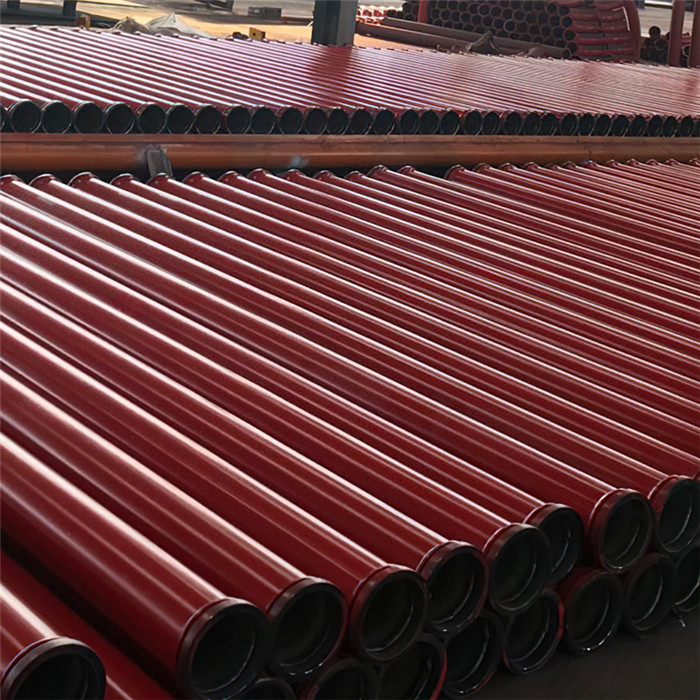
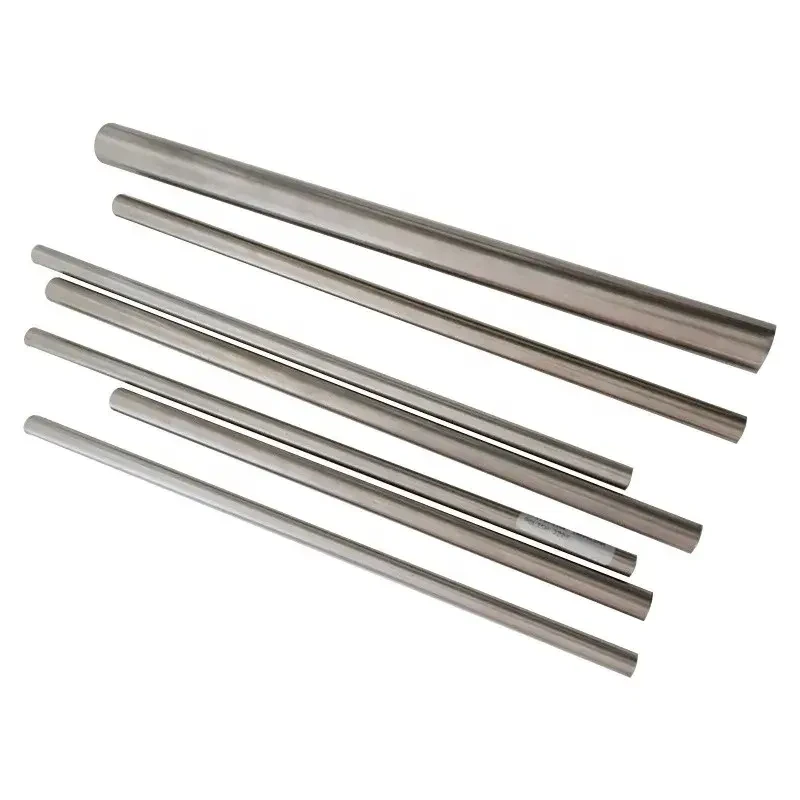
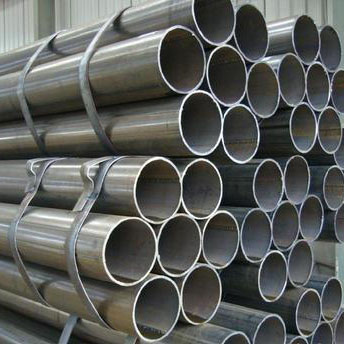
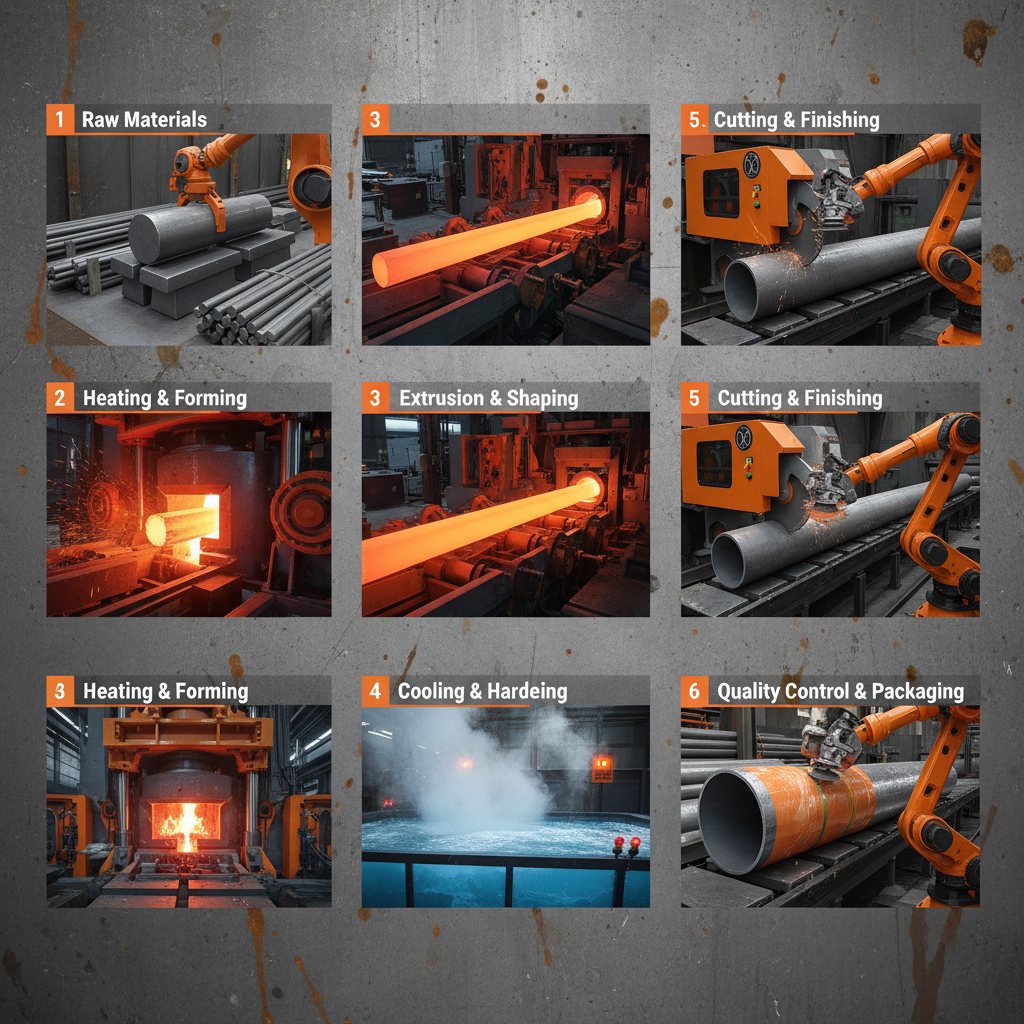
Most protective plates are made from steel alloys renowned for strength and corrosion resistance—zinc coated (galvanized) or stainless steel versions are common. The metal must withstand harsh conditions for years without significant deterioration.
2. Custom fit and scalability
Pipes vary in diameter, material, and layout. The protectors must be easy to customize or scalable across pipeline networks for consistent coverage.
3. Cost efficiency
One can’t overlook budgets—especially in sprawling infrastructure projects. Metal plates that balance longevity with affordable production and installation costs win out every time.
4. Installation ease and maintenance
Quick, safe installation—sometimes in remote or hazardous environments—is key. Designs that rely on simple fittings or clamps help reduce labor time and improve safety.
5. Resistance to environmental factors
Factors like moisture, soil acidity, UV radiation, and temperature swings challenge the protector’s integrity. Coatings or specialized alloys guard against these.
Mini takeaway: The best metal plate solutions strike a balance—strong materials, adaptable design, affordable yet reliable, and designed for practical installation.
How metal plates to protect pipes get used worldwide
The applications feel endless. For example:
- Oil & Gas Pipelines: In Canada’s Alberta region, metal plate protectors guard pipes against heavy machinery impacts and shifting soils in frozen ground.
- Water Networks: Municipal water agencies in Scandinavia apply these plates in urban areas to protect buried pipes from heavy road traffic loading.
- Disaster Relief: NGOs working in earthquake zones in Southeast Asia use portable metal shield plates to protect emergency water pipes quickly laid in harsh terrain.
- Remote Mining Operations: In South America’s Andes, rugged metal plates protect pipework along steep inclines prone to rockfall and erosion.
This really underscores that the protection plate isn’t just “nice to have.” It’s mission-critical for stability in infrastructure where failure isn’t an option.
Quick specs: Typical metal plate protection features
| Feature | Details |
|---|---|
| Material | Galvanized Steel, Stainless Steel, Aluminum |
| Thickness | 3mm to 12mm (depending on pipe diameter and load) |
| Finish/Coating | Zinc galvanizing, powder coating, anti-corrosion paint |
| Weight per unit | 5–15 kg (varies with size) |
| Installation method | Bolts, clamps, welding (depending on site requirements) |
How vendors stack up: A quick comparison
| Vendor | Material Options | Customization | Lead Time | Price Range |
|---|---|---|---|---|
| SteelShield | Galvanized & Stainless Steel | High (custom sizes, coatings) | 4–6 weeks | $$$ |
| PipeGuard Inc. | Aluminum Alloy, Stainless Steel | Medium (standard sizes with slight modification) | 3–5 weeks | $$ |
| ShieldPro Solutions | Galvanized Steel only | Low (off-the-shelf models) | 2–4 weeks | $ |
Why metal plates offer way more than just protection
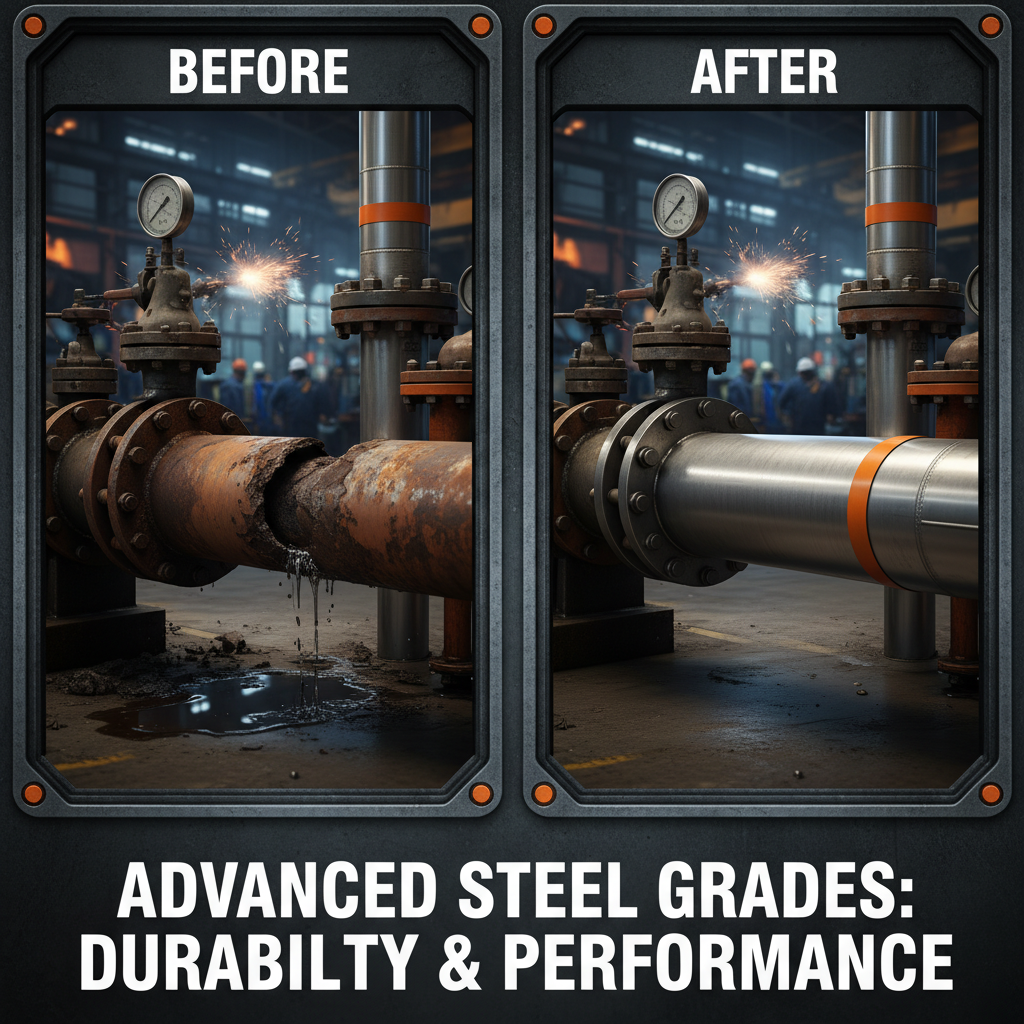
Beyond the obvious, these plates bring real peace of mind. They reduce emergency repairs, minimize leak risks, and increase safety for workers and surrounding communities. That peace of mind sometimes feels underrated until disaster strikes and you’re scrambling.
There’s also a green side — fewer replacements mean less metal production and waste. And because a metal plate’s lifespan often extends decades, sustainability is baked right in.
Emotionally, secure pipes foster trust between service providers and customers — whether it’s clean drinking water or fuel. People deserve that dignity.
What’s next? Future trends in pipe protection
Innovations are sprouting fast. We’re seeing lightweight composite metal blends that maintain strength but cut weight. Coatings infused with nanotechnology promise unparalleled corrosion resistance.
On the policy front, stricter environment and safety regulations push more industries to adopt advanced plate protections. Plus, digital sensors embedded with these metal plates can monitor impacts or corrosion in real-time — ushering in smarter infrastructure.
Some challenges (and how the pros tackle them)
A recurring snag is installation in rugged or unpredictable environments, where plates might not fit standard sizes perfectly. But modular, adjustable designs and quick-release clamps improve deploy-time dramatically.
Also, while galvanized steel is tough, chemical-rich soils can still wreak havoc. Here, specialized coatings or sacrificial anodes help slow corrosion.
FAQ: Your quick questions answered about metal plate pipe protection
- Q: How do I choose the right metal plate for my pipe size?
- A: Always match the plate thickness and material strength to the pipe diameter and expected environmental stresses. Consult manufacturer charts or experts to ensure a snug fit and adequate protection.
- Q: Are metal plates reusable if I relocate pipes?
- A: Generally yes, if the plates aren’t bent or corroded, they can be removed and reinstalled, making them a cost-efficient solution for temporary or changing pipe setups.
- Q: How do I prevent corrosion under the metal plate?
- A: Proper coatings, regular inspections, and allowing drainage under the plate reduce moisture buildup which causes corrosion. Advanced sensors can also give early warnings.
- Q: Can metal plates protect pipes from vandalism or theft?
- A: To an extent. They offer a physical barrier that discourages tampering or mechanical damage but aren’t foolproof against determined theft. Additional security might be needed.
- Q: Where can I buy metal plates to protect pipes?
- A: Many industrial suppliers or specialty vendors offer these with customization options. Check reputable sources like metal plate to protect pipes for global availability and support.
Wrapping it up: Why metal plates to protect pipes deserve a second look
To sum it up, these seemingly simple metal shields are vital guardians for critical pipelines worldwide. Protecting pipes means protecting industries, communities, and the environment — with benefits that ripple for decades.
If you want to explore robust options to secure your infrastructure, don’t hesitate to visit our website. After all, investing in the right protection now means saving headaches later.
References:
1. Wikipedia: Pipeline transport
2. United Nations: Infrastructure and industrialization
3. ISO standards on corrosion protection
Post time: Nov . 27, 2025 14:05
 English
  Arabic
  Bengali
  China
China  French
  German
  Hausa
Hausa  Indonesian
  Italian
  Japanese
  Javanese
  Malay
Malay  Persian
  Portuguese
  Punjabi
  Russian
  Spanish
  Swahili
  Telugu
  Vietnamese