

Why carbon steel seamless tubing still rules the industrial world
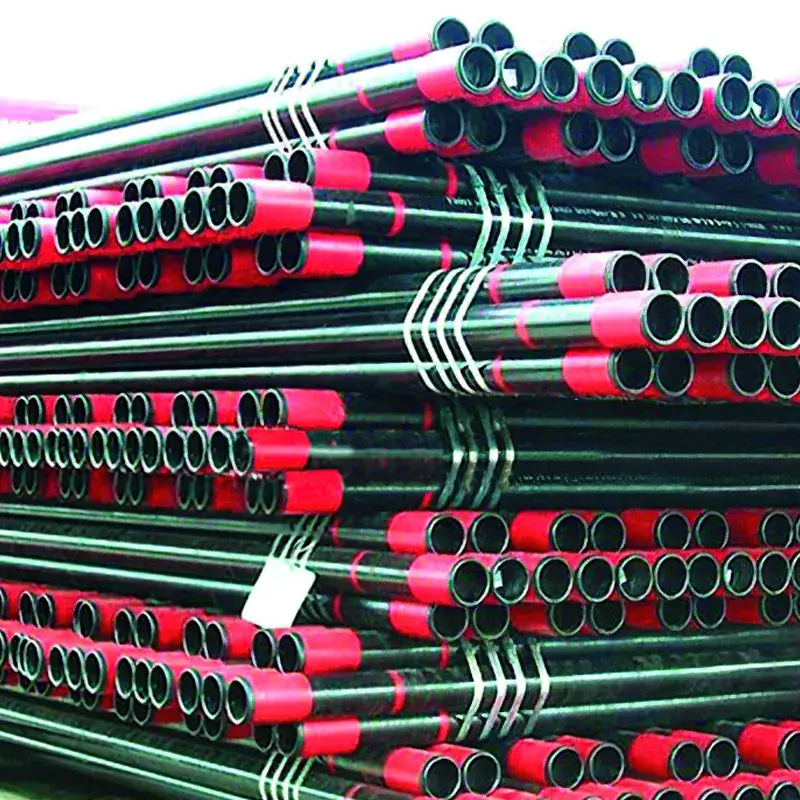
Working in the industrial equipment sector for over a decade, I've seen materials come and go like fashion trends. But oddly enough, carbon steel seamless tubing continues to hold strong, resisting the lure of fancier alloys and composites. There’s just something reliable – almost reassuring – about a seamless tube made from carbon steel. It’s like that old dependable tool in your kit that you don’t always rave about, but can’t imagine living without.
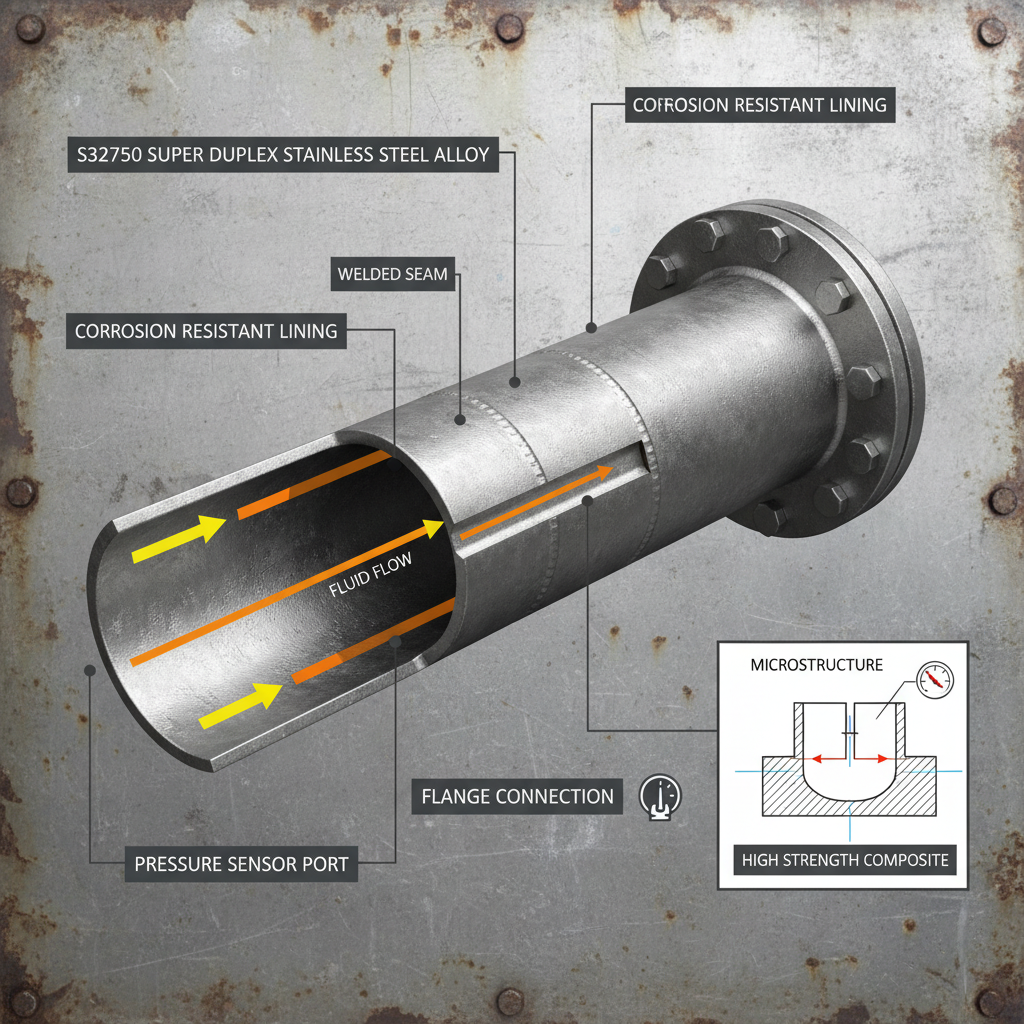
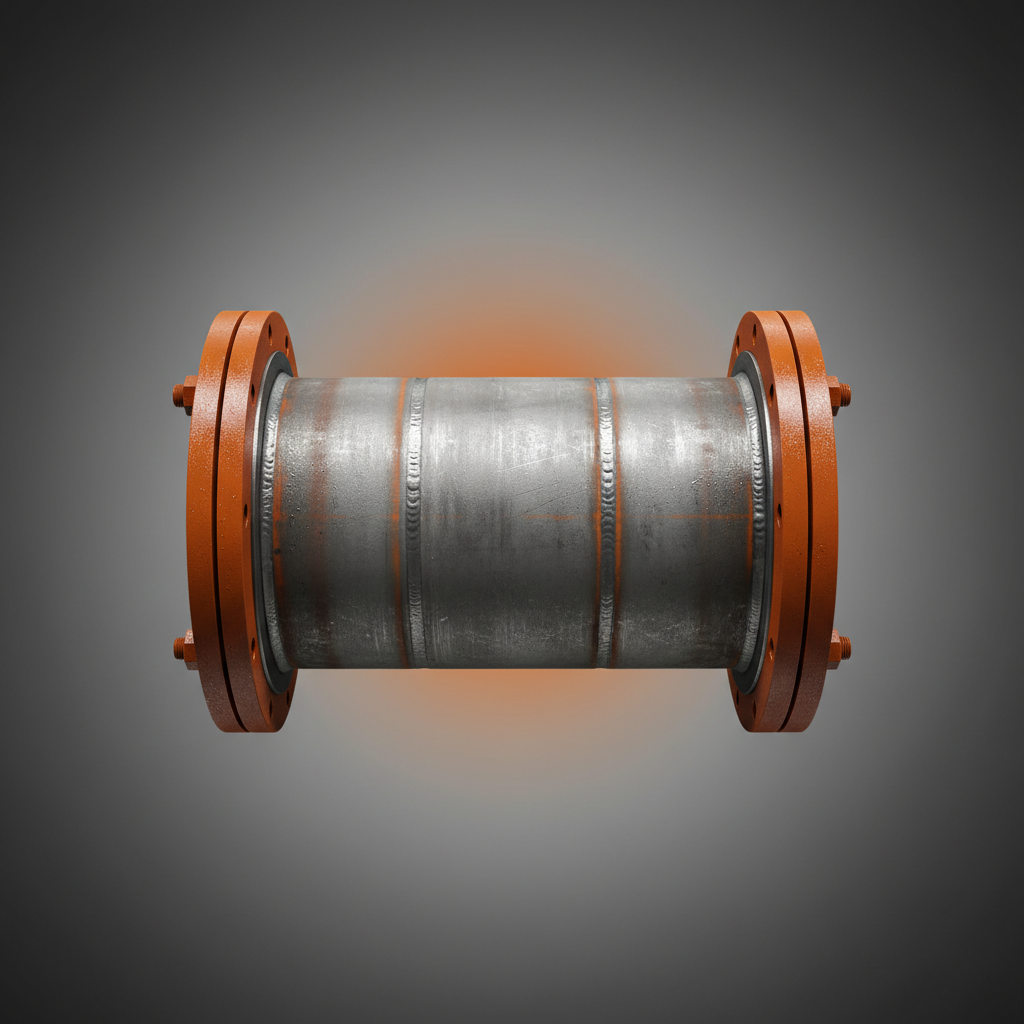
For those less familiar, “seamless” means the tubing is forged without a welded seam. This might sound like a minor detail, but in real terms, it delivers uniform strength, superior pressure ratings, and fewer defects that can cause leaks or failures. Many engineers swear by it for critical applications like oil and gas pipelines, mechanical parts under high stress, and hydraulic systems.
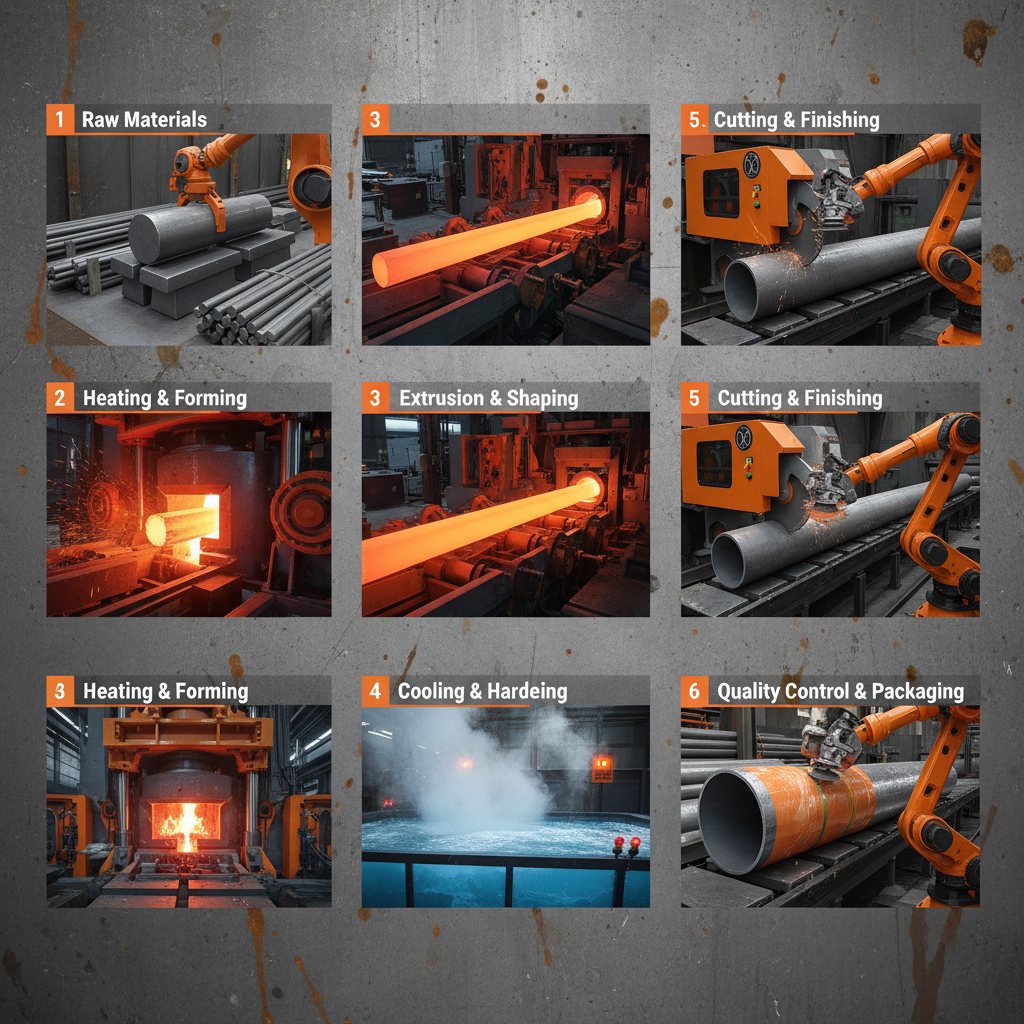
What’s interesting is how the manufacturing process influences the properties of these tubes. Typically, carbon steel seamless pipes start as a solid billet, heated and pierced to create a hollow tube. Because you’re not welding two edges together, there’s no weak spot running along the length. This kind of integrity is a big deal when your equipment has to withstand harsh environments or variable loads.
Of course, not all carbon steels are created equal. The exact carbon content, plus other elements like manganese, phosphorus, and sulfur, tweak the hardness, ductility, and corrosion resistance. Grade variations exist, with common ones including ASTM A106 Grade B, ASTM A53 Grade B, and API 5L, each tailored for particular industrial needs. And yes, to be honest, sometimes the specs feel like alphabet soup to those new to the field.
Speaking of specs, let me share a quick rundown of typical carbon steel seamless tubing specs that I’ve frequently worked with:
| Property | Typical Value | Units |
|---|---|---|
| Carbon Content | 0.17–0.30 | % |
| Tensile Strength | 415–550 | MPa |
| Yield Strength | 240–370 | MPa |
| Elongation | 20–30 | % |
| Hardness (HB) | 120–190 | Brinell |
Now, if you’re in the market for sourcing carbon steel seamless tubing, you probably know that not all vendors deliver the same quality or customization options. I once had a client who ordered from a supplier offering only standard sizes — it was a pain because the project demanded custom diameters and wall thicknesses to fit tight mechanical constraints. Lesson learned: vendor flexibility can save your neck (and pocket) on bigger jobs.
Here’s a quick peek at how three leading carbon steel seamless tube suppliers stack up, based on my experience and feedback from peers:
| Supplier | Custom Sizes | Delivery Speed | Quality Assurance | Price Competitiveness |
|---|---|---|---|---|
| SteelPro Inc. | Excellent (Wide range) | Fast (1-2 weeks) | ISO 9001 Certified | Moderate |
| Global Steelworks | Limited | Standard (3-4 weeks) | API 5L Certified | Competitive |
| Metallum Supplies | Good | Fast (1 week) | Internal QA, Third-party testing | Higher |
As a quick aside, I remember a project for a big petrochemical plant renovation. The engineering team insisted on carbon steel seamless tubing for the critical sections because they wanted to minimize the risks of weld failure under pressure. It felt right – the extra confidence these pipes gave helped carry the whole project forward without a hitch.
So, what does all this mean if you’re considering carbon steel seamless tubing? Frankly, it’s still one of the best bets if your priorities align with strength, reliability, and a proven track record in demanding conditions. I suppose in a world constantly chasing flashy new materials, there’s comfort in sticking with something that’s been rigorously tested and shown to work time and again.
If you want to learn more or source quality carbon steel seamless tubing, I recommend checking out reputable suppliers who can back their products with thorough testing and customization capabilities.
A quick takeaway: Don’t underestimate the power of seamless carbon steel tubes—their simplicity is their strength, and that’s truly priceless in the industrial world.
References:
1. ASTM International, Standards on Carbon Steel Seamless Tubing
2. API 5L Specification for Line Pipe
3. "Fundamentals of Steel Pipe Manufacturing" - Industrial Journal, 2022
Post time: Dec . 07, 2025 13:31
 English
  Arabic
  Bengali
  China
China  French
  German
  Hausa
Hausa  Indonesian
  Italian
  Japanese
  Javanese
  Malay
Malay  Persian
  Portuguese
  Punjabi
  Russian
  Spanish
  Swahili
  Telugu
  Vietnamese