

Understanding Heat Resistant Stainless Steel Pipe
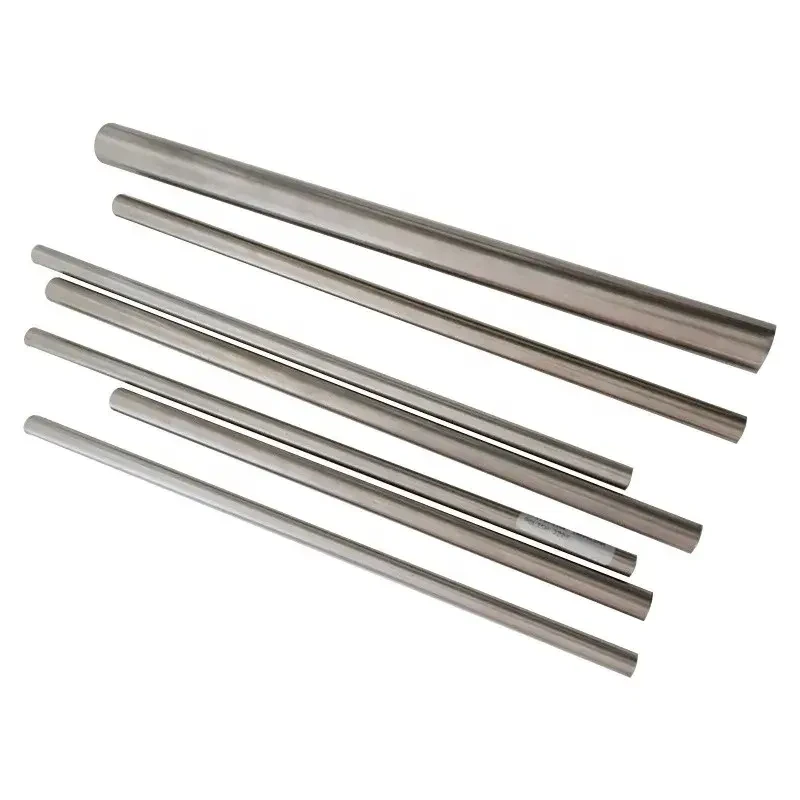
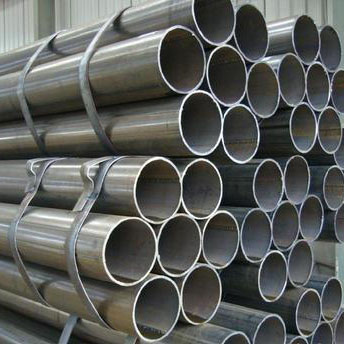
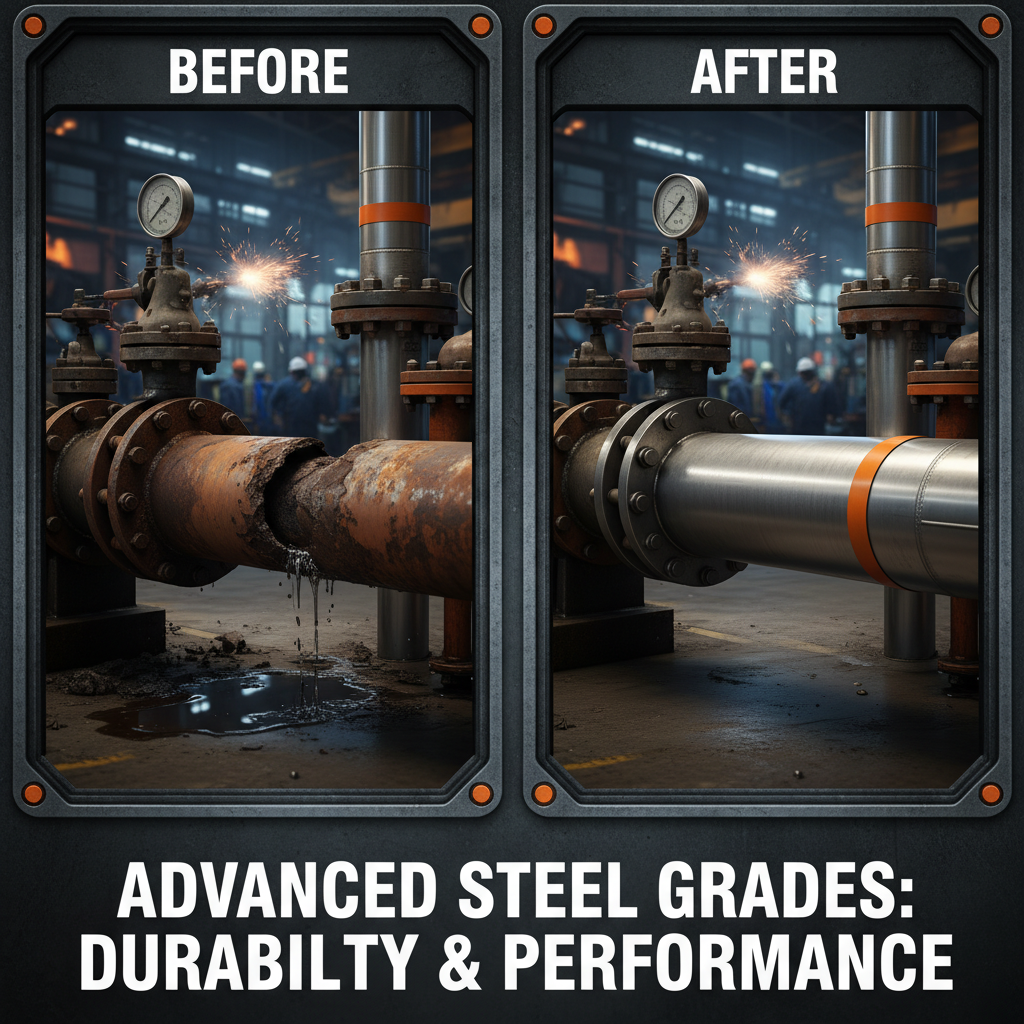
In demanding industrial applications, selecting the right piping material is crucial for efficiency, safety, and longevity. Heat resistant stainless steel pipe stands out as a superior choice when conveying high-temperature fluids or gases. This article will comprehensively explore its properties, applications, grades, and advantages, providing valuable insights for engineers, procurement managers, and anyone involved in material selection. Investing in quality stainless steel pipe minimizes downtime and ensures operational reliability.
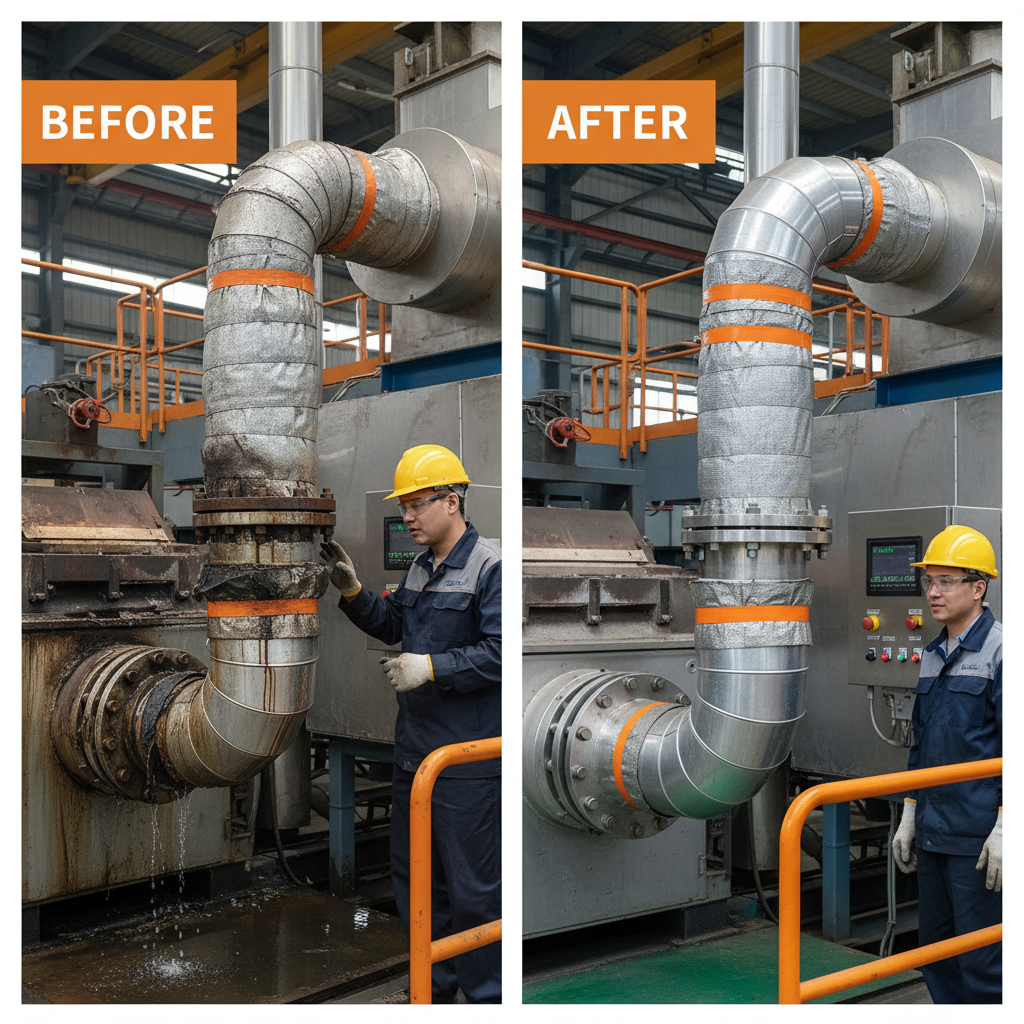
What Makes Stainless Steel Heat Resistant?
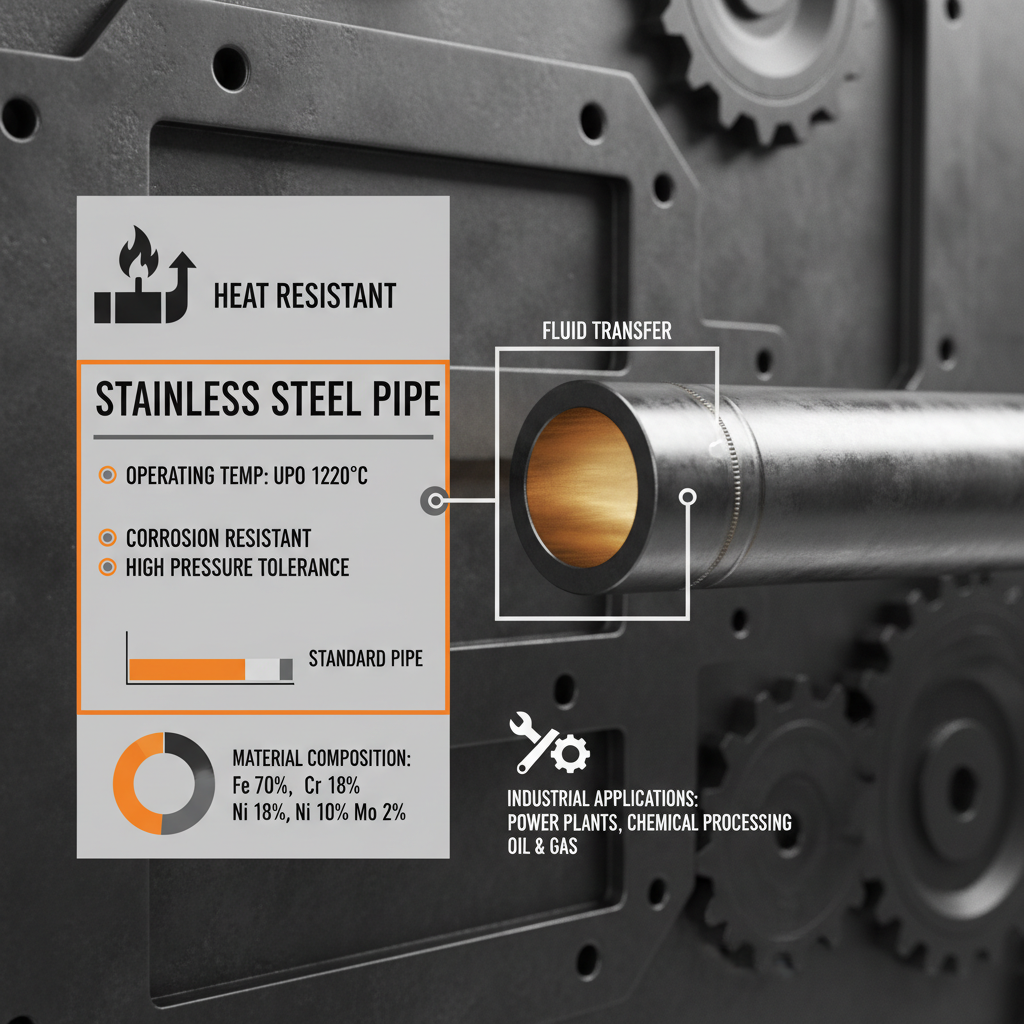
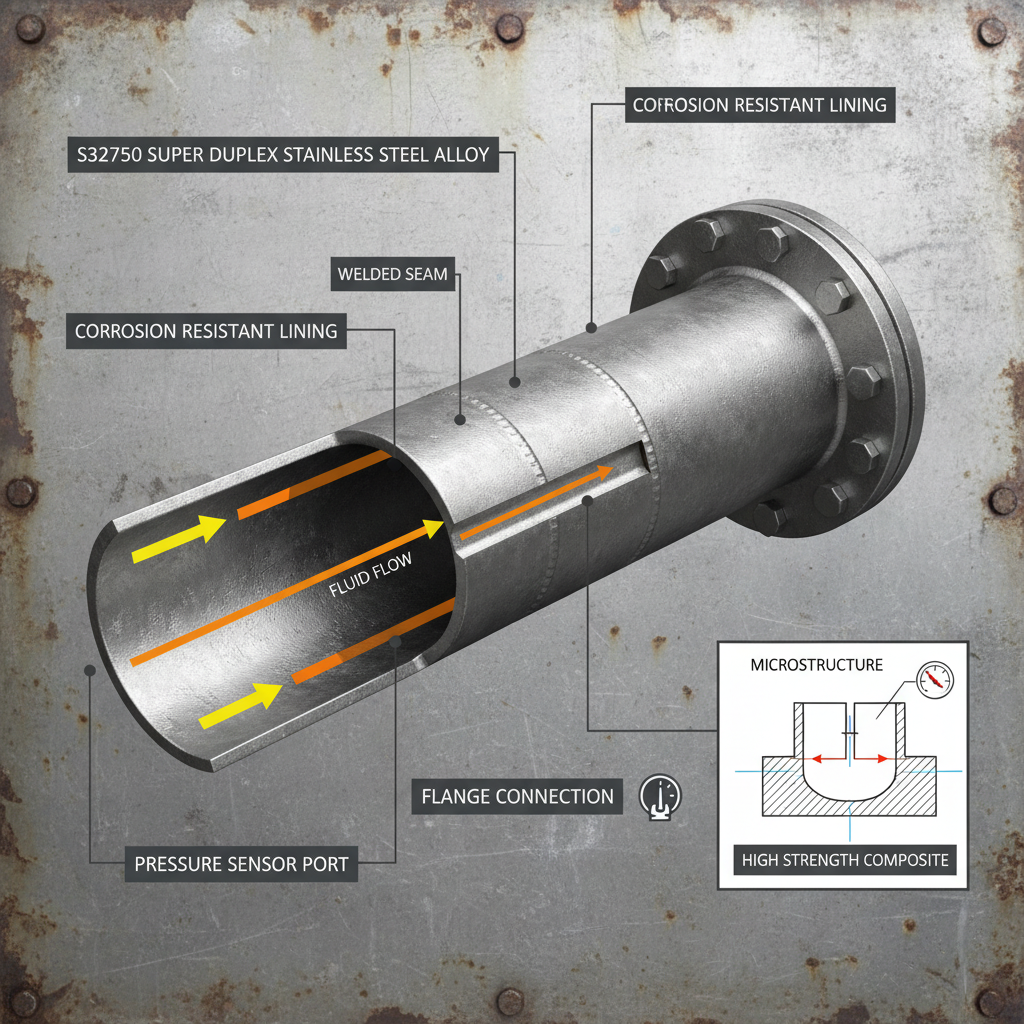
Stainless steel's heat resistance isn't inherent to the entire material family. It stems from the alloying elements, particularly chromium, nickel, and molybdenum. Chromium forms a passive oxide layer on the surface, protecting against corrosion even at elevated temperatures. Nickel enhances the steel’s ability to maintain its structure and resist oxidation, while molybdenum further increases resistance to high-temperature corrosion and creep. The specific composition dictates the maximum operating temperature and the environment in which the pipe can reliably perform. Selecting the correct grade is critical to avoiding premature failure. World Steel Material offers a wide array of options to suit diverse requirements.
Key Highlights: Chromium, nickel, and molybdenum are the key elements contributing to stainless steel’s heat resistance, forming a protective oxide layer and preventing corrosion at high temperatures.
Common Grades of Heat Resistant Stainless Steel Pipe
Several stainless steel grades excel in high-temperature environments. 304 and 316 are common choices for moderate temperatures, while more specialized alloys like 310S, 321, and Alloy 800/800H offer superior performance in extreme conditions. 310S, for example, contains higher chromium and nickel levels, allowing it to withstand temperatures up to 1150°C (2100°F). 321 incorporates titanium, stabilizing the steel against sensitization and improving its weldability. Alloy 800/800H provides excellent resistance to oxidation and carburization.
Grade Comparison:
• 304/316: Moderate temperatures, good corrosion resistance.
• 310S: High temperatures up to 1150°C (2100°F).
• 321: Excellent weldability, stabilization against sensitization.
• Alloy 800/800H: Oxidation and carburization resistance.
Heat Resistant Stainless Steel Pipe Applications
The applications of heat-resistant stainless steel pipe are diverse and critical. Power generation plants utilize it in boilers and steam lines. The chemical processing industry employs it for handling corrosive, high-temperature chemicals. Petrochemical refineries rely on it for cracking furnaces and high-temperature distillation processes. Furthermore, it's essential in exhaust systems, heat exchangers, and aerospace applications where reliability and performance are paramount. World Steel Material serves a broad spectrum of these industries.
Factors Influencing Selection of Heat Resistant Stainless Steel Pipe
Selecting the appropriate grade requires careful consideration. The operating temperature, the corrosive nature of the fluid or gas being conveyed, pressure requirements, and the presence of any specific environmental factors all play a role. Wall thickness is also a key factor, influencing both pressure-bearing capacity and resistance to erosion. Proper welding techniques are essential to maintain the integrity of the pipe, particularly with stabilized grades like 321. Consulting with a materials engineer is recommended for complex applications.
Product Specifications and Standards Compliance
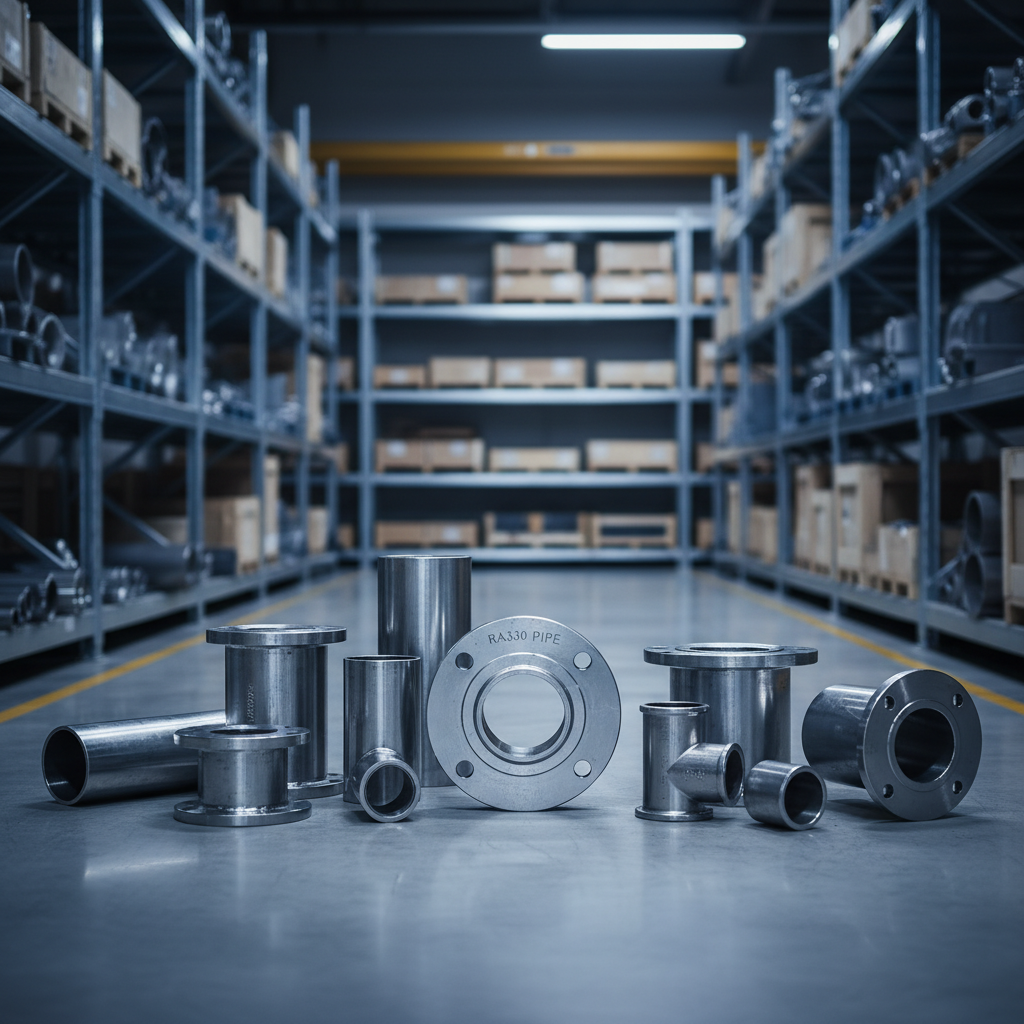
At World Steel Material, our heat-resistant stainless steel pipes are manufactured to meet stringent international standards, including ASTM, ASME, and EN. We offer a range of sizes, schedules, and finishes to cater to diverse project needs. Our pipes undergo rigorous testing, including hydrostatic testing, non-destructive examination (NDE), and positive material identification (PMI), to ensure quality and reliability. Our commitment to excellence ensures you receive a product that meets or exceeds your expectations.
Conclusion: Choosing the Right Heat Resistant Solution
Investing in high-quality heat resistant stainless steel pipe is vital for ensuring the longevity, safety, and efficiency of your operations. With a wide range of grades and specifications available, selecting the right material is crucial. World Steel Material provides expert guidance and reliable products to meet your specific needs. Don't compromise on quality – choose a trusted partner for your piping solutions.
Frequently Asked Questions (FAQs)
What is the maximum operating temperature for stainless steel pipe?
The maximum operating temperature varies significantly depending on the alloy. 304/316 stainless steel typically handles temperatures up to 870°C (1600°F) in oxidizing environments. However, specialized grades like 310S can withstand up to 1150°C (2100°F), and Alloy 800/800H can operate at even higher temperatures. It's essential to consult the material datasheet for the specific grade and operating conditions to ensure safe and reliable performance. Factors like pressure and the corrosive nature of the fluid also influence the maximum allowable temperature.
How does corrosion resistance change at high temperatures?
While stainless steel is known for its corrosion resistance, high temperatures can alter its behavior. Oxidation becomes a greater concern, and certain environments can lead to scaling or carburization. Molybdenum content plays a critical role in mitigating these effects. Furthermore, sensitization, a phenomenon where chromium carbides precipitate at grain boundaries, can reduce corrosion resistance. Stabilized grades like 321 contain titanium to counteract sensitization. Selecting the appropriate grade and operating within its specified temperature limits are crucial to maintain corrosion resistance.
What are the benefits of using heat-resistant stainless steel over other materials?
Compared to materials like carbon steel, heat-resistant stainless steel offers superior corrosion resistance at high temperatures, reducing the risk of failure and extending service life. It also provides greater strength and creep resistance, allowing it to withstand prolonged exposure to heat and pressure. While more expensive than carbon steel, the long-term cost savings associated with reduced maintenance, downtime, and replacements often outweigh the initial investment. Furthermore, stainless steel is a more sustainable option due to its recyclability.
Where can I find detailed specifications for stainless steel pipe grades?
Detailed specifications for stainless steel pipe grades can be found in industry standards like ASTM A312, ASME B31.3, and EN 10296. World Steel Material provides datasheets for all our products, outlining their chemical composition, mechanical properties, and temperature ratings. We also offer technical support to assist you in selecting the optimal grade for your application.
Post time: Mar . 04, 2026 02:55
 English
  Arabic
  Bengali
  China
China  French
  German
  Hausa
Hausa  Indonesian
  Italian
  Japanese
  Javanese
  Malay
Malay  Persian
  Portuguese
  Punjabi
  Russian
  Spanish
  Swahili
  Telugu
  Vietnamese