

Understanding Low Alloy Steel Pipe Grades
Low alloy steel pipe grades are essential materials in numerous industries, including oil and gas, construction, and manufacturing. These pipes offer a balance of strength, weldability, and cost-effectiveness. Choosing the right grade is crucial for ensuring the longevity and safety of any project. This article will delve into the different grades of low alloy steel pipe, their properties, applications, and how to select the best option for your specific needs. We will explore the standards governing these materials and provide insights to help you make informed decisions. For a comprehensive range of low alloy steel pipes, visit our website.
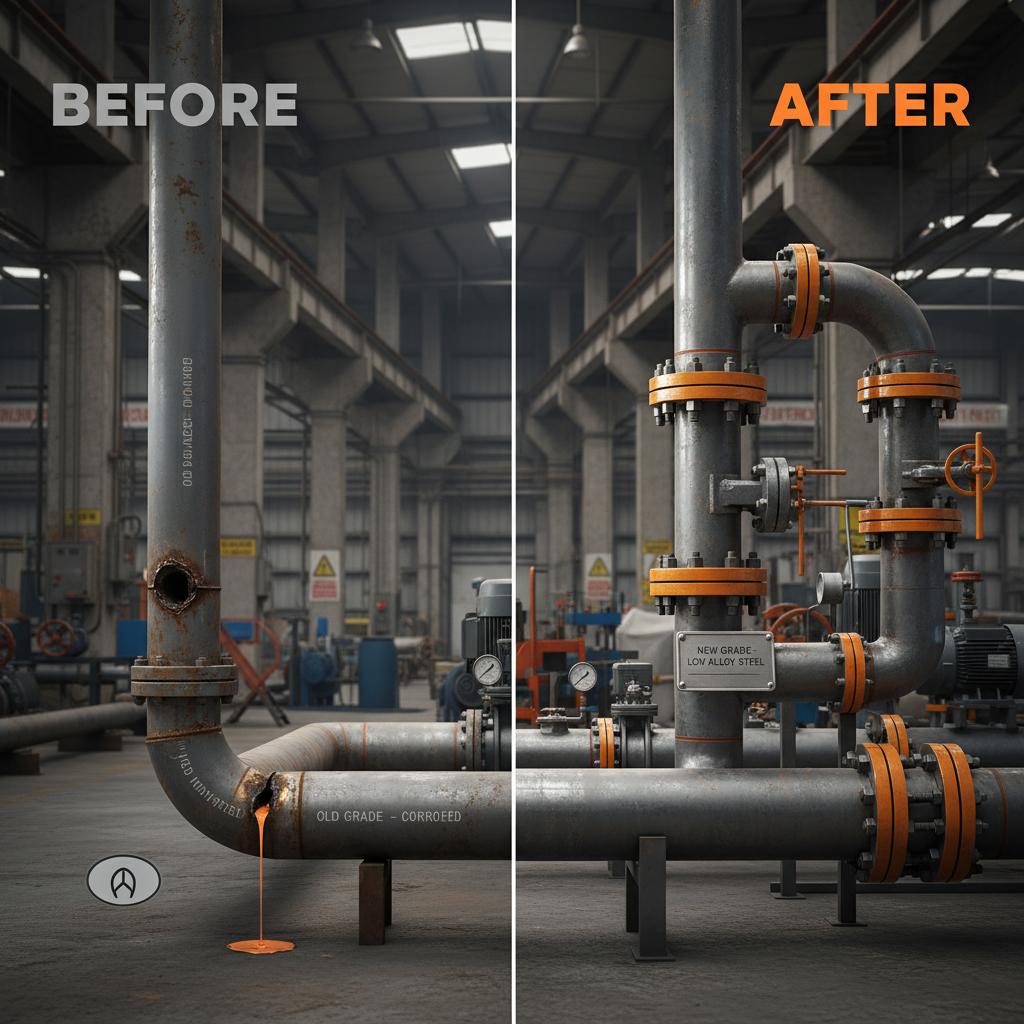
What are Low Alloy Steel Pipes?
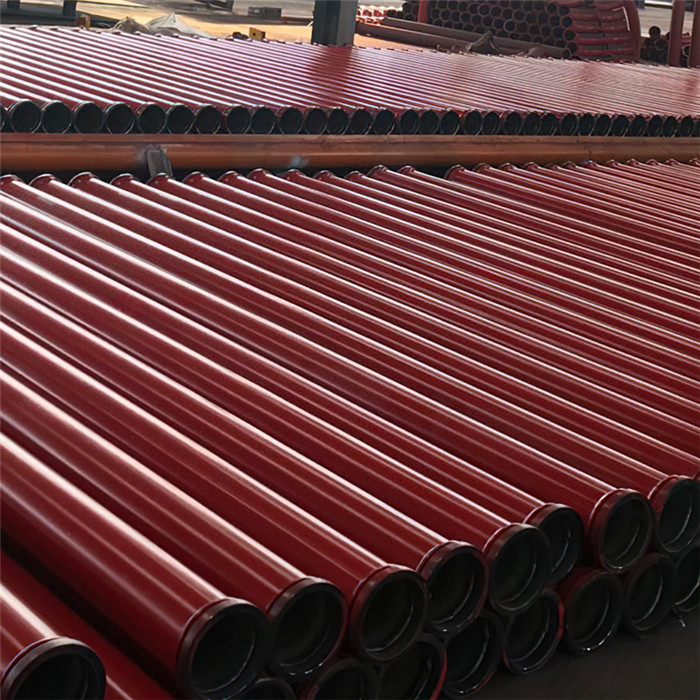
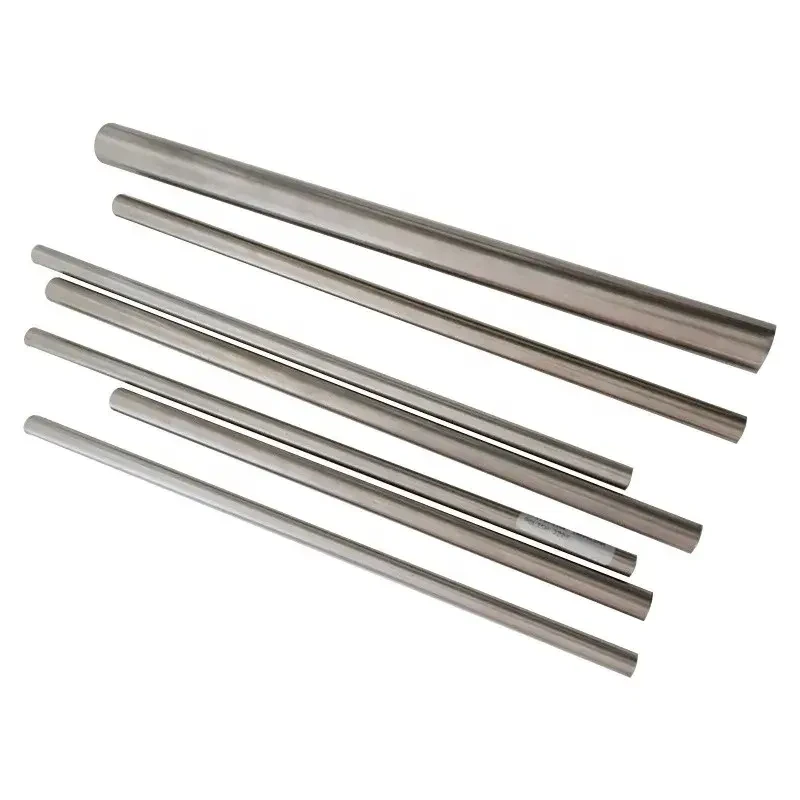
Low alloy steel pipes contain small amounts of alloying elements (typically less than 5% by weight) added to carbon steel to enhance its mechanical properties. These elements, such as manganese, chromium, nickel, and molybdenum, improve strength, toughness, corrosion resistance, and weldability. These pipes are a cost-effective alternative to higher alloy steels while still providing superior performance compared to standard carbon steel. They are widely used in applications requiring moderate to high strength and durability.
Key Benefits: Enhanced strength, improved toughness, better corrosion resistance, and good weldability make them a versatile choice for numerous applications.
Common Low Alloy Steel Pipe Grades
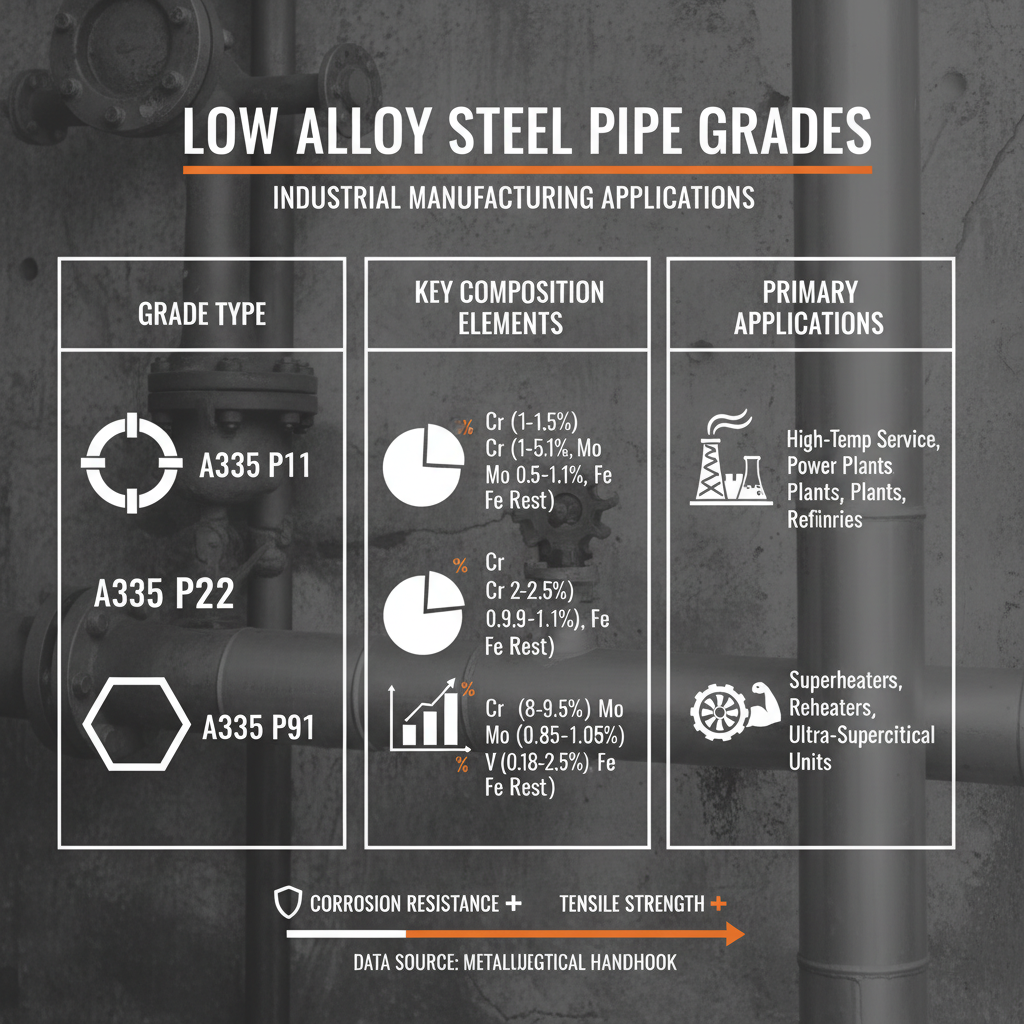
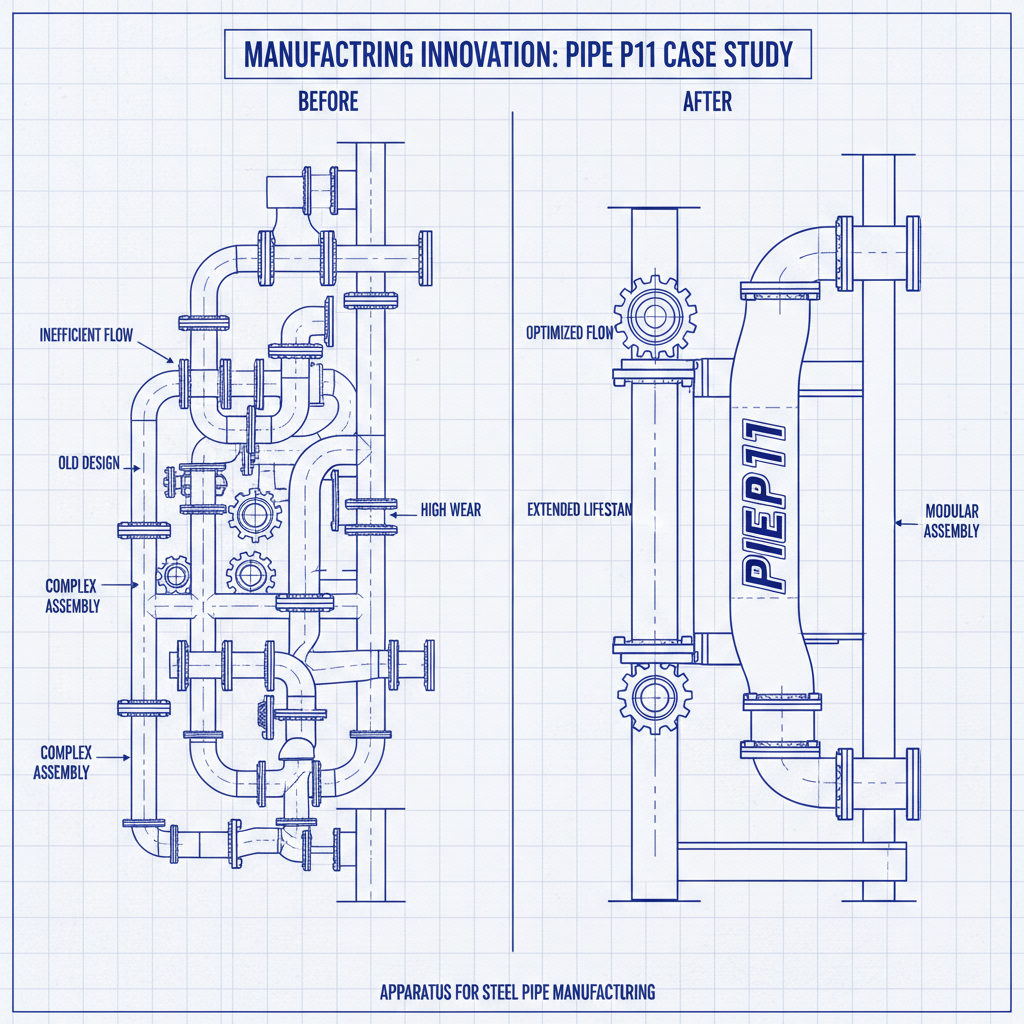
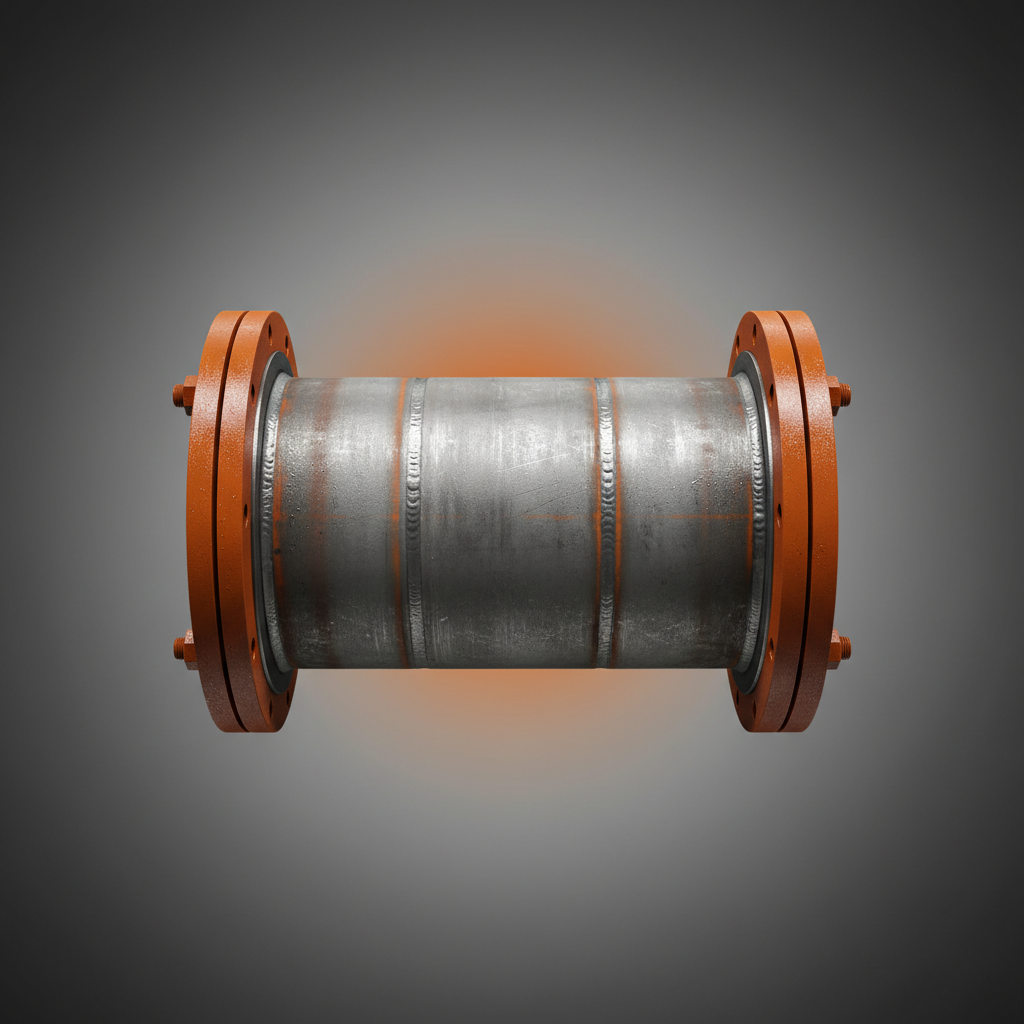
Several grades of low alloy steel pipes are available, each tailored to specific applications. Some of the most common include ASTM A53 Grade B, ASTM A333 Grade 6, ASTM A335 P11, and ASTM A335 P22. Each grade possesses unique characteristics in terms of tensile strength, yield strength, and temperature resistance. Understanding these differences is vital for selecting the optimal pipe for a given project. For example, ASTM A335 P11 is often used in high-temperature applications, while ASTM A53 Grade B is a general-purpose pipe suitable for lower-pressure systems. You can find detailed specifications for each grade on our website: World Steel Material.
Key Considerations:
• Application temperature and pressure
• Corrosion environment
• Required mechanical properties
• Welding requirements
Comparing Key Low Alloy Steel Grades
Selecting the appropriate low alloy steel grade often requires a comparison of their properties. The table below highlights some key differences between commonly used grades:
Applications of Low Alloy Steel Pipes
Low alloy steel pipes find diverse applications across multiple industries. In the oil and gas sector, they are utilized for transporting crude oil, natural gas, and other fluids. The construction industry employs these pipes in structural applications and pipelines. Manufacturing processes often rely on them for fluid transfer systems and hydraulic lines. Furthermore, they are crucial in power generation plants and chemical processing facilities. Selecting the right grade for each application is paramount for safety and efficiency. You can explore our complete range of application-specific pipes at World Steel Material.
Standards and Regulations
Low alloy steel pipes are manufactured and tested according to various international standards, including those set by ASTM (American Society for Testing and Materials), ASME (American Society of Mechanical Engineers), and API (American Petroleum Institute). These standards ensure the quality, safety, and reliability of the pipes. Adhering to these regulations is essential for compliance and maintaining the integrity of any project. We at World Steel Material, are committed to providing pipes that meet or exceed all relevant industry standards.
Conclusion
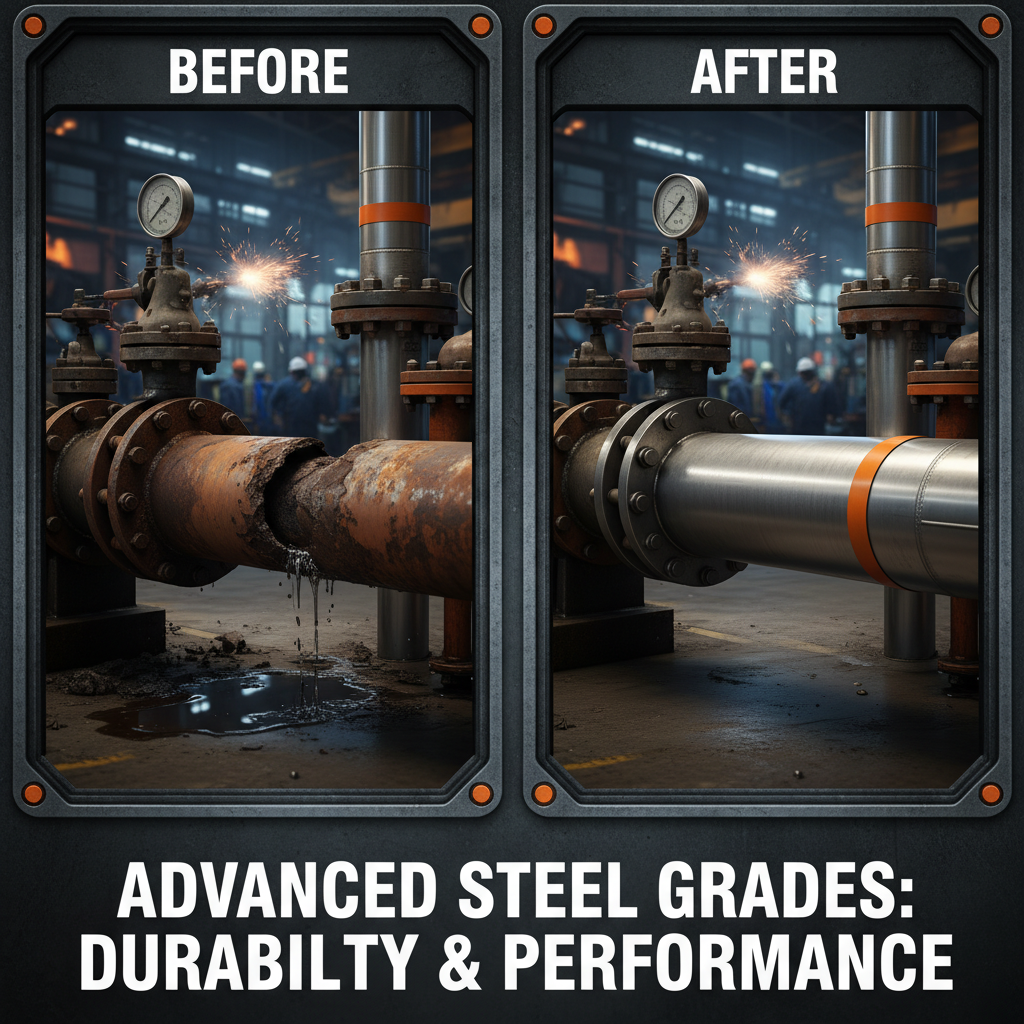
Choosing the right low alloy steel pipe grade is critical for the success and safety of any project. Understanding the different grades, their properties, and the applicable standards is essential. By partnering with a reputable supplier like World Steel Material, you can ensure you receive high-quality pipes that meet your specific requirements.
Frequently Asked Questions (FAQs)
What is the difference between ASTM A53 and ASTM A333 Grade 6?
ASTM A53 Grade B is a general-purpose steel pipe suitable for moderate temperature and pressure applications, offering a cost-effective solution. ASTM A333 Grade 6, on the other hand, is specifically designed for low-temperature applications. It exhibits superior impact toughness at lower temperatures, making it ideal for environments where freezing is a concern. A333 Grade 6 is often used in cryogenic applications, while A53 is better suited for standard plumbing and structural needs.
How are low alloy steel pipes manufactured?
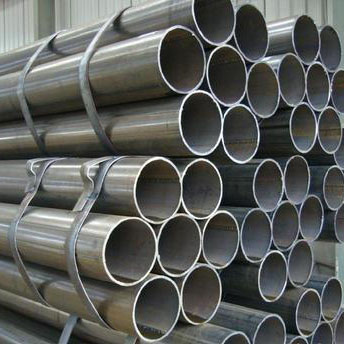
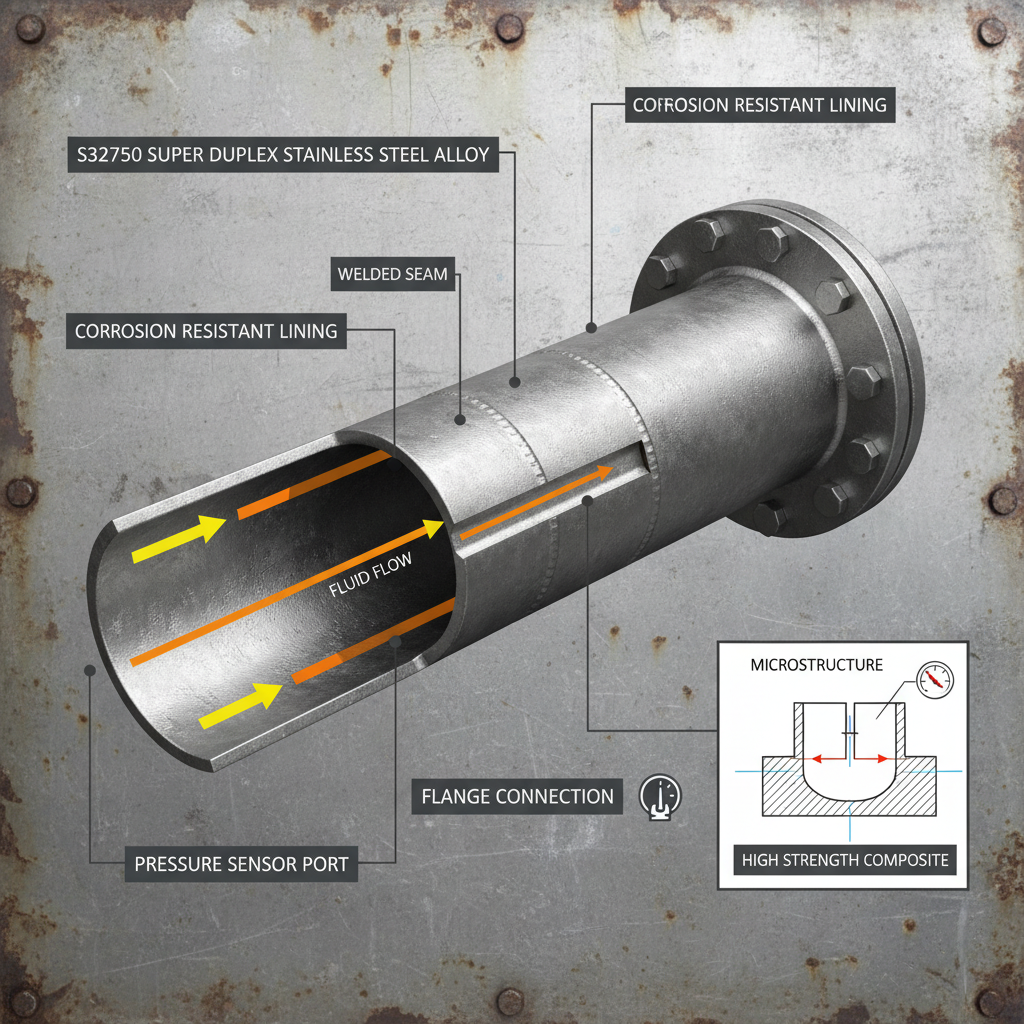
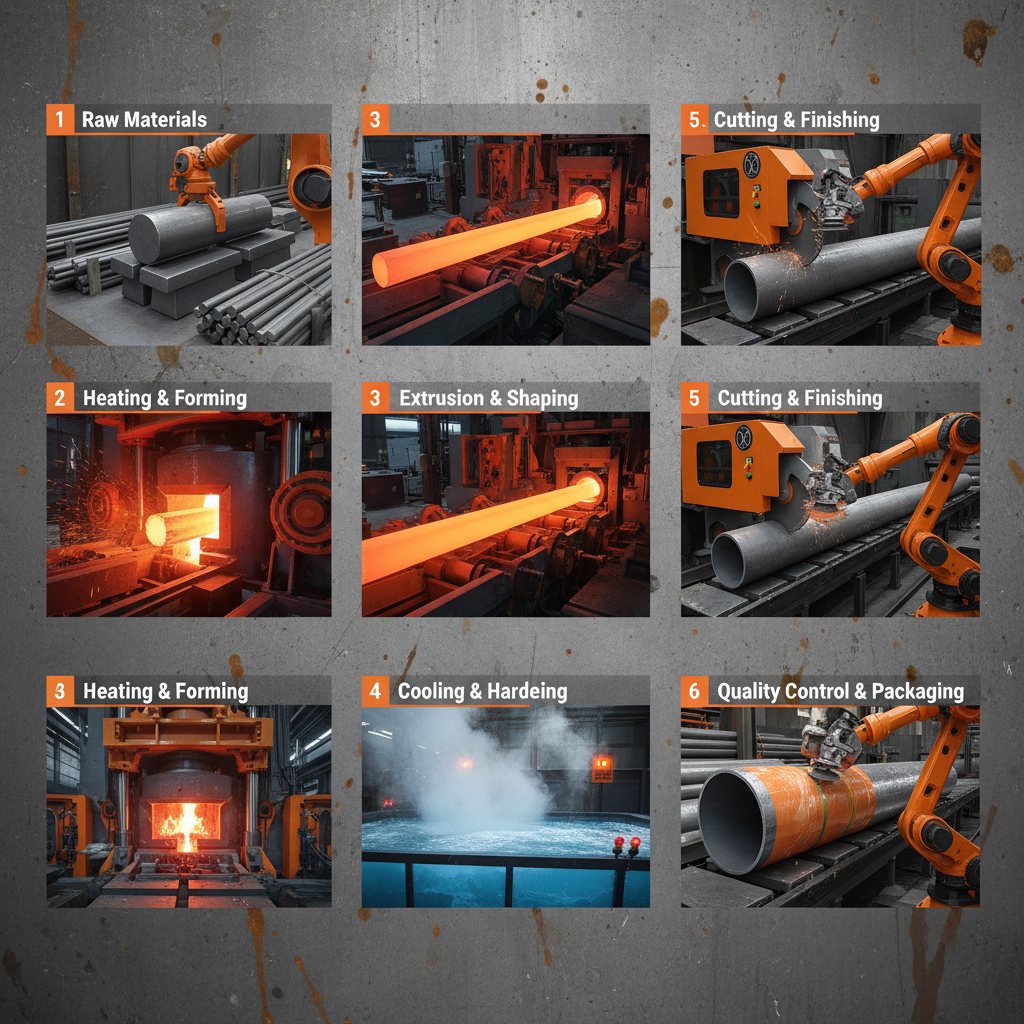
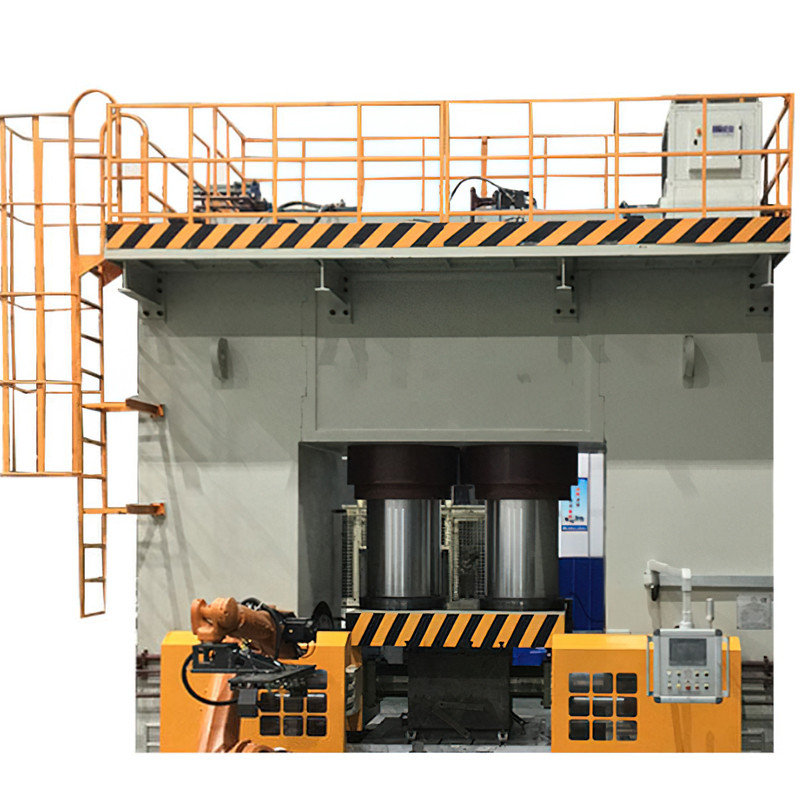
Low alloy steel pipes are typically manufactured through seamless or welded processes. Seamless pipes are created by piercing a solid billet of steel, while welded pipes are formed by rolling and welding steel plates. Both methods produce high-quality pipes suitable for various applications. The chosen method depends on factors like pipe size, wall thickness, and application requirements.
What is the importance of traceability in low alloy steel pipes?
Traceability is crucial in ensuring the quality and safety of low alloy steel pipes. It allows for the complete tracking of a pipe's origin, manufacturing process, and material composition. This information is vital for verifying compliance with industry standards and for investigating any potential issues. At World Steel Material, we provide full traceability for all our products.
How do I select the right pipe size and wall thickness?
Selecting the appropriate pipe size and wall thickness depends on the operating pressure, flow rate, and fluid characteristics. Larger diameters accommodate higher flow rates, while thicker walls provide greater strength to withstand higher pressures. Consulting with an experienced engineer or a knowledgeable supplier like World Steel Material is recommended to ensure you choose the optimal configuration for your specific application.
Post time: Mar . 08, 2026 02:25

 English
  Arabic
  Bengali
  China
China  French
  German
  Hausa
Hausa  Indonesian
  Italian
  Japanese
  Javanese
  Malay
Malay  Persian
  Portuguese
  Punjabi
  Russian
  Spanish
  Swahili
  Telugu
  Vietnamese