

Duplex SS Pipe: A Comprehensive Guide to Applications and Benefits
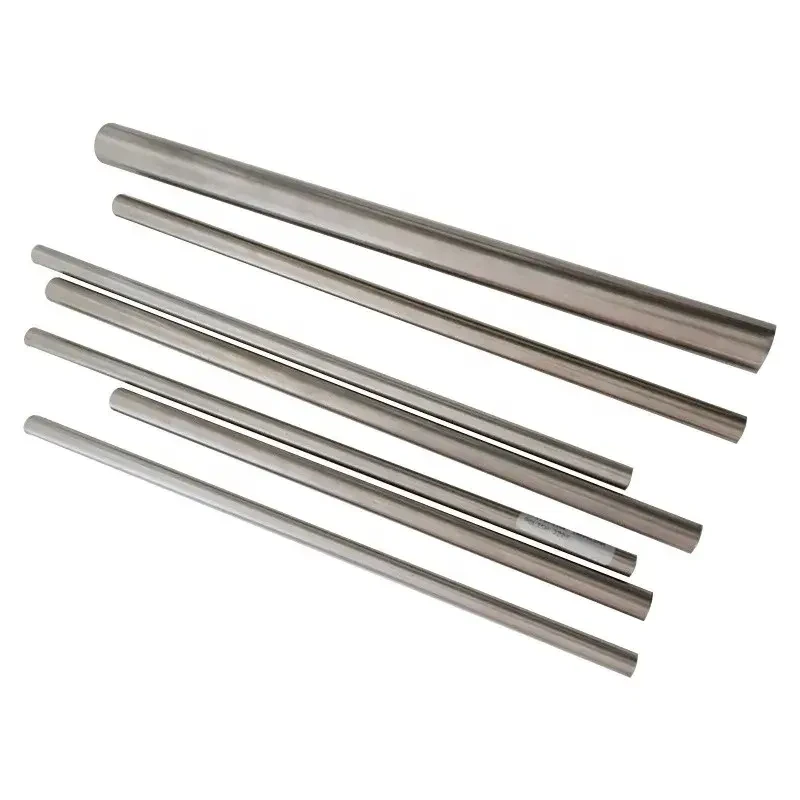
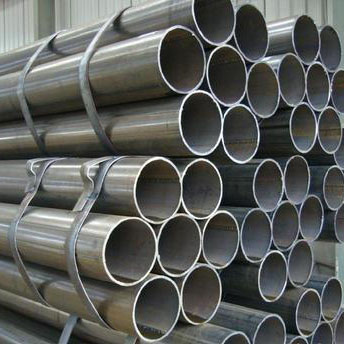
Duplex stainless steel pipe represents a significant advancement in corrosion resistance and mechanical strength compared to traditional stainless steel grades. This article explores the unique properties of duplex SS pipe, its diverse applications in industries like oil and gas, chemical processing, and marine engineering, and why choosing a reputable supplier like World Steel Material is crucial for ensuring quality and reliability. Understanding the nuances of this material is essential for engineers and procurement professionals seeking durable and high-performance piping solutions.
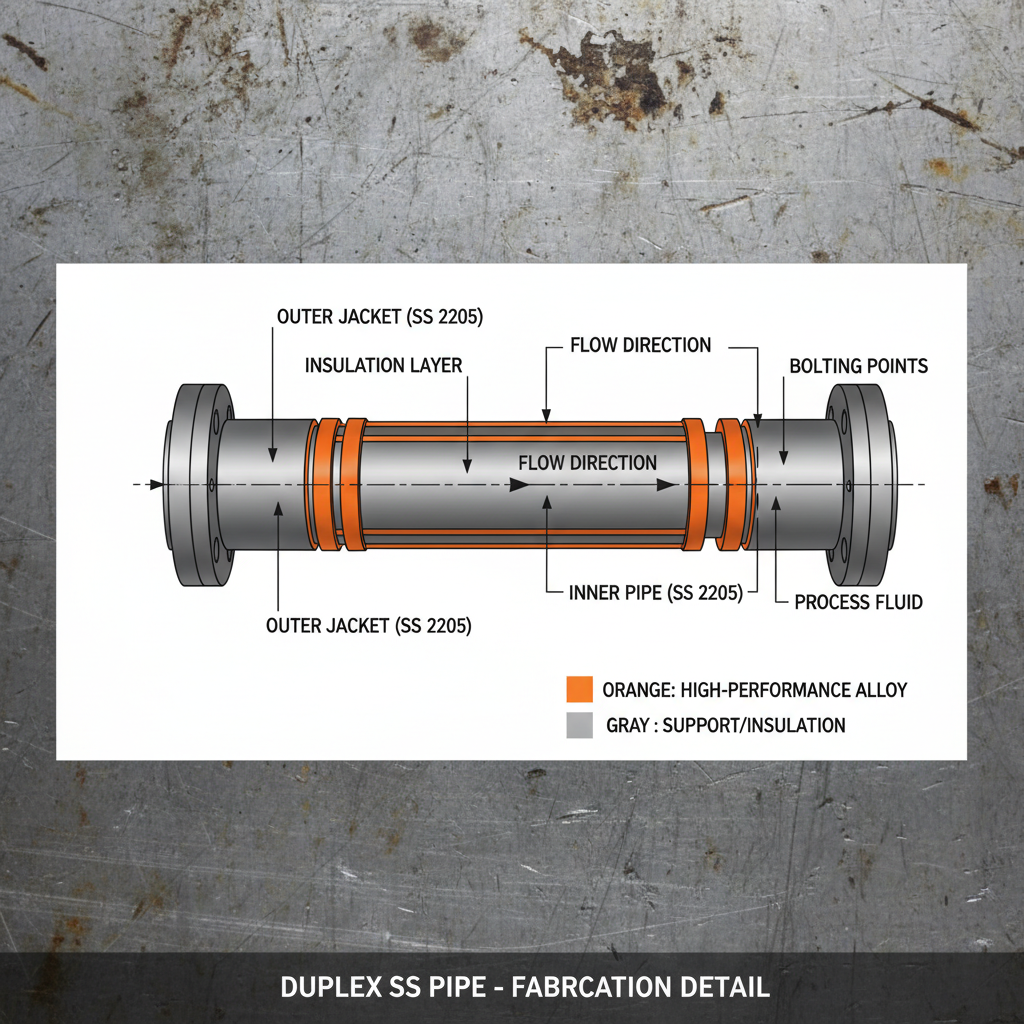
What is Duplex Stainless Steel Pipe?
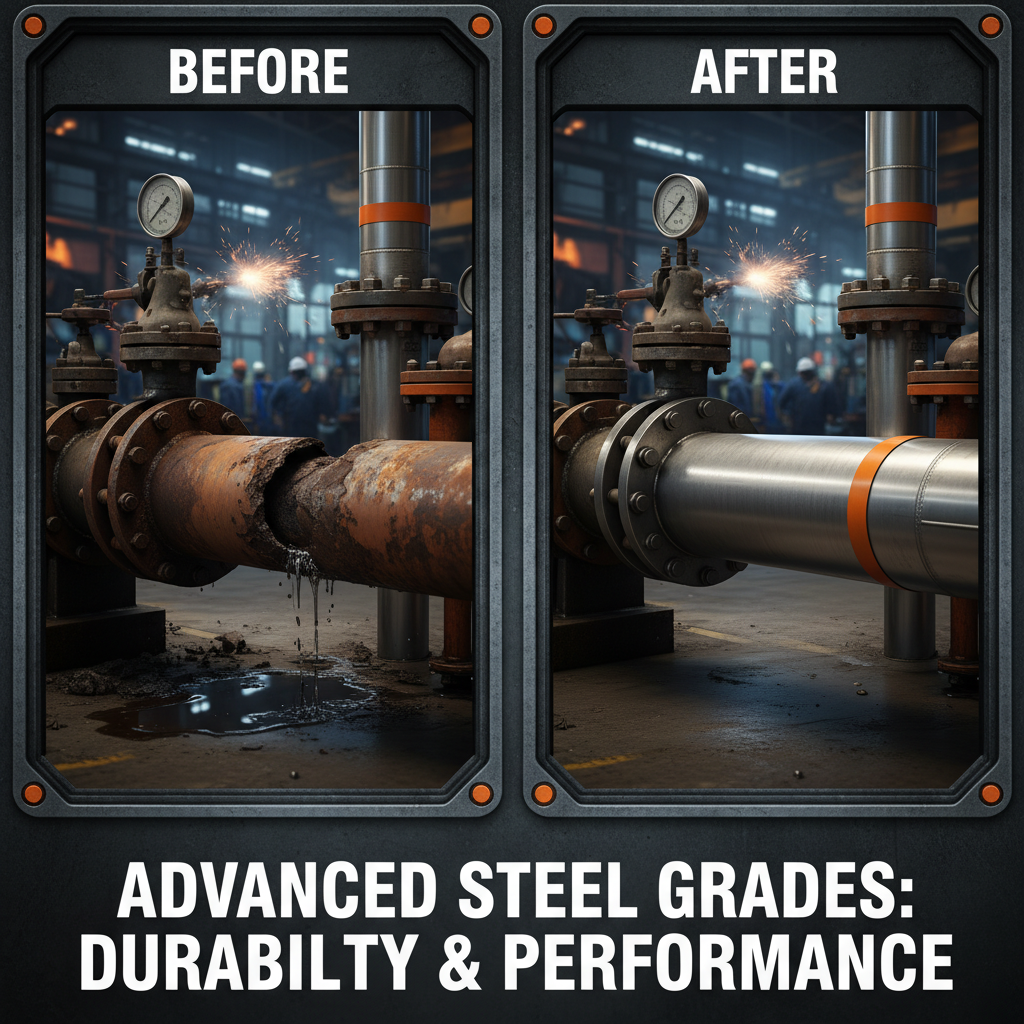
Duplex stainless steel doesn't refer to a single alloy but rather a family of stainless steels with a mixed microstructure of austenite and ferrite. This unique combination delivers superior strength, enhanced resistance to stress corrosion cracking, and improved pitting corrosion resistance compared to austenitic stainless steels like 304 or 316. The presence of both phases provides a synergistic effect, making duplex SS pipe ideal for harsh environments where conventional materials would quickly fail. There are several duplex grades, each with varying compositions and properties to suit different applications.
Key Highlights: Duplex SS pipe combines the benefits of both austenitic and ferritic stainless steels, resulting in exceptional corrosion resistance, high strength, and durability.
Applications of Duplex SS Pipe
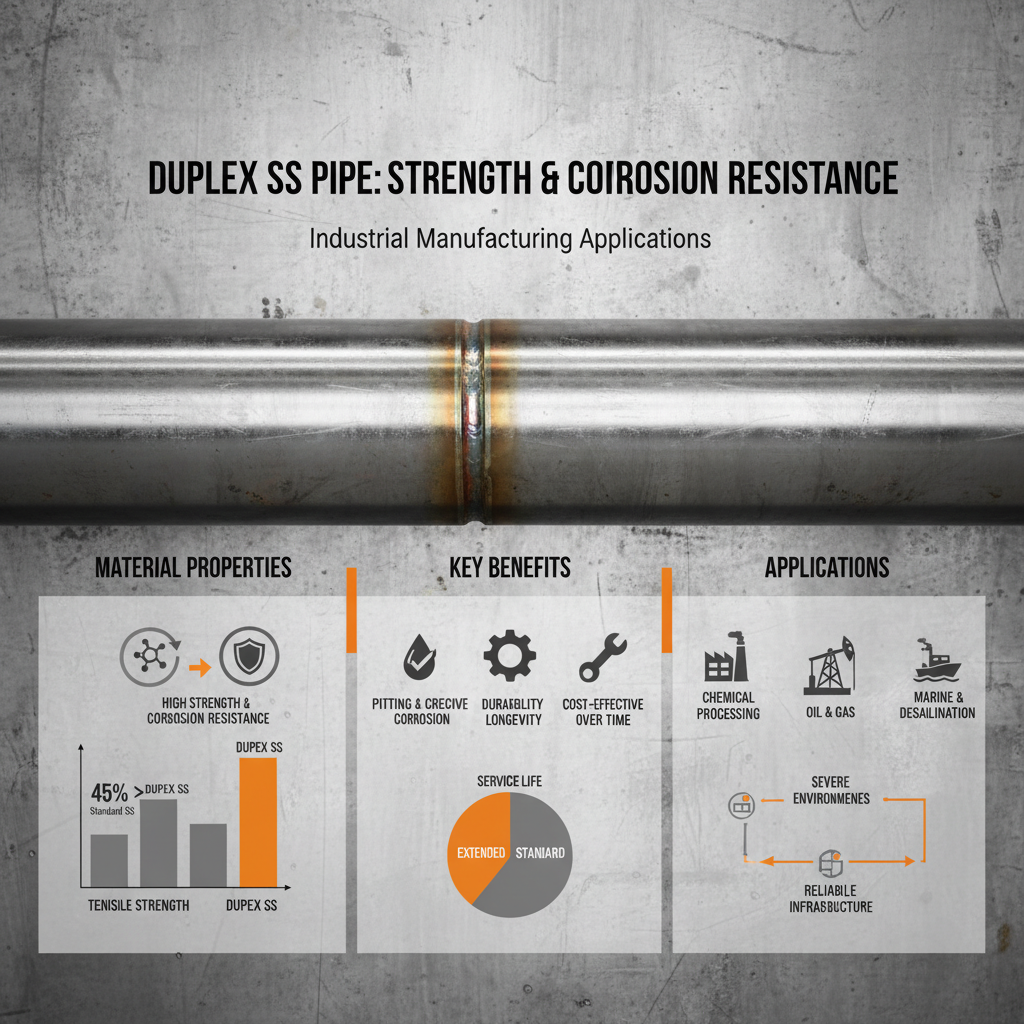
The exceptional properties of duplex stainless steel pipe lend themselves to a broad range of demanding applications. In the oil and gas industry, it's used extensively for subsea pipelines, manifolds, and wellhead equipment due to its resistance to chloride stress corrosion cracking. The chemical processing industry benefits from its ability to handle aggressive chemicals and high temperatures. Marine applications, such as seawater cooling systems and desalination plants, rely on its superior corrosion resistance in saltwater environments. Other applications include pulp and paper mills, power generation facilities, and wastewater treatment plants.
Key Application Areas:
• Oil and Gas (Subsea pipelines, wellhead equipment)
• Chemical Processing (Handling aggressive chemicals)
• Marine Engineering (Seawater systems, desalination)
• Wastewater Treatment
Duplex SS Pipe Grades: A Comparison
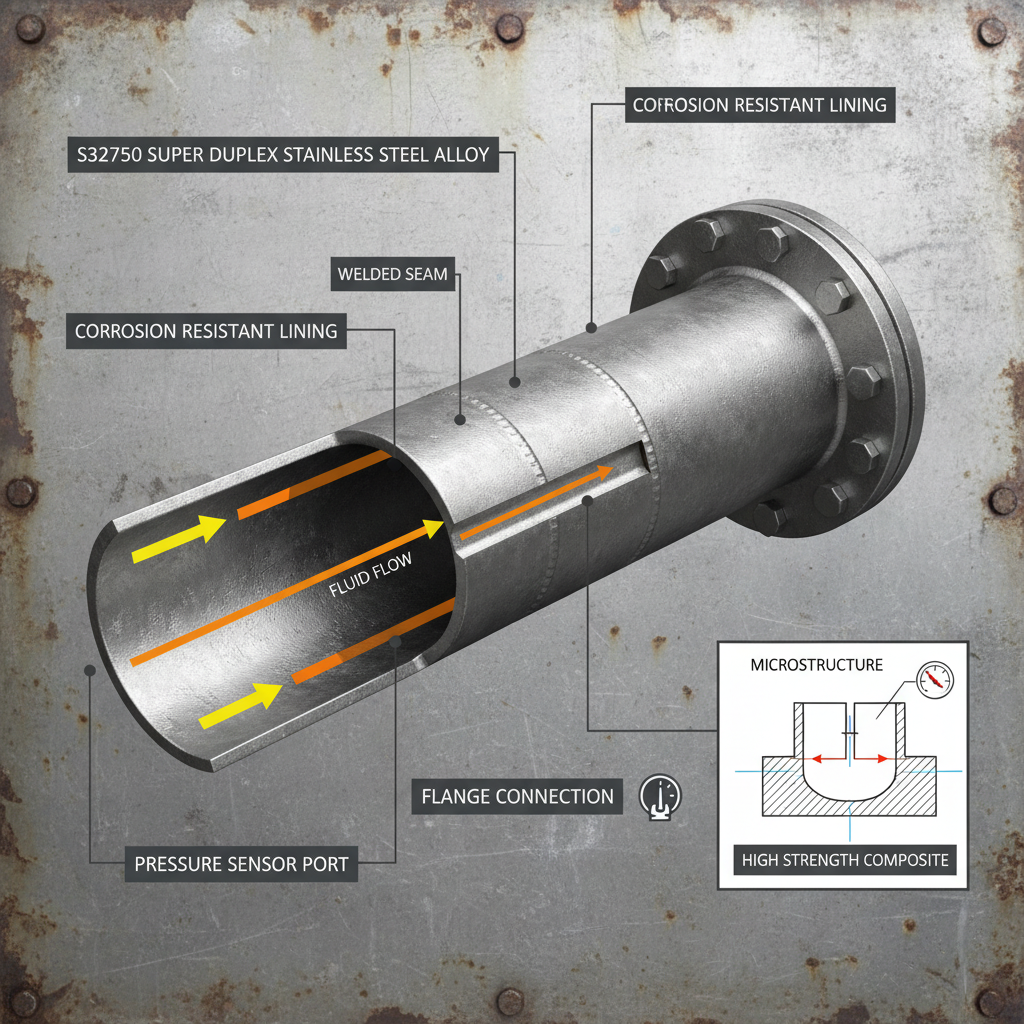
Several grades of duplex stainless steel are commonly used for pipe manufacturing. The most prevalent are 2205 (UNS S31803/S32205) and 2507 (UNS S32750). 2205 offers a good balance of strength and corrosion resistance at a relatively lower cost, while 2507 provides even higher corrosion resistance and strength, but at a higher price point. Selecting the appropriate grade depends on the specific application and the severity of the corrosive environment.
Factors to Consider When Purchasing Duplex SS Pipe
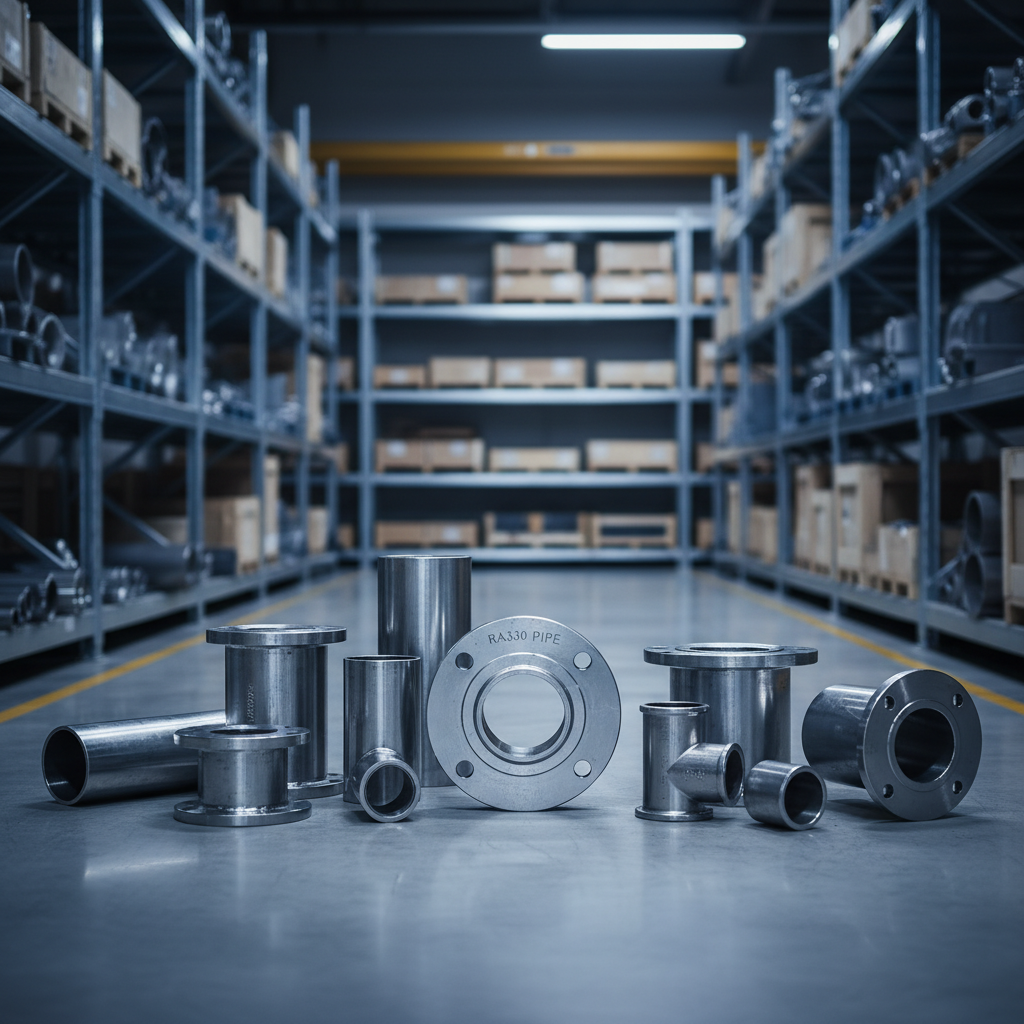
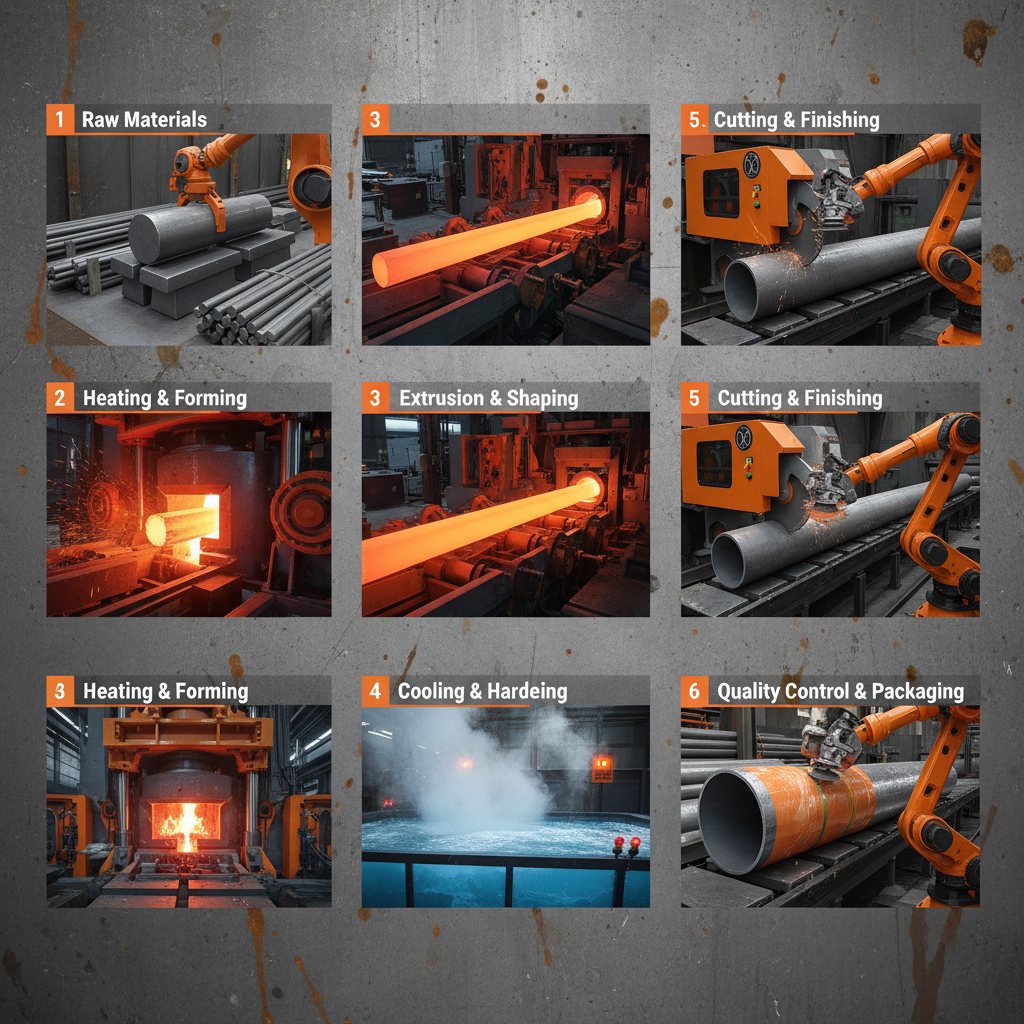
Selecting a reliable supplier is paramount. Factors to consider include adherence to industry standards (ASTM, EN), mill test reports, traceability, and quality control procedures. World Steel Material prioritizes quality, providing certified materials with comprehensive documentation. Additionally, consider pipe dimensions, wall thickness, and manufacturing processes (seamless vs. welded) to ensure compatibility with your specific system requirements.
Conclusion: Choosing the Right Duplex SS Pipe for Your Needs
Investing in the Durability of Duplex Stainless Steel
Duplex stainless steel pipe offers a compelling combination of strength, corrosion resistance, and longevity, making it a cost-effective solution for demanding applications. Partnering with a trusted supplier like World Steel Material ensures you receive high-quality materials backed by expert support. Choosing the right grade and supplier is critical for maximizing the performance and lifespan of your piping systems.
Frequently Asked Questions (FAQs)
What is the main advantage of duplex SS pipe over austenitic stainless steel?
The primary advantage is superior resistance to chloride stress corrosion cracking (SCC). Austenitic stainless steels, like 304 and 316, are susceptible to SCC in chloride-containing environments, which can lead to catastrophic failure. Duplex SS pipe, with its higher chromium, molybdenum, and nitrogen content, is significantly more resistant to this form of corrosion, making it ideal for marine and oil & gas applications. It also exhibits roughly double the yield strength of comparable austenitic grades.
Is duplex SS pipe suitable for high-temperature applications?
While duplex SS pipe offers good strength at elevated temperatures, it's generally not recommended for continuous use above 300°C (572°F). At higher temperatures, the ferrite phase can become unstable, potentially compromising the material's properties. For applications exceeding this temperature range, super duplex stainless steels or other high-temperature alloys should be considered. Always consult material specifications and temperature derating curves.
What is the difference between seamless and welded duplex SS pipe?
Seamless pipe is manufactured without a weld seam, offering higher strength and resistance to corrosion. Welded pipe is created by rolling and welding steel plates together. While welded pipe has traditionally been considered inferior, modern welding techniques, particularly TIG welding, can produce high-quality welds with comparable properties to seamless pipe. The choice between the two depends on the application's pressure and temperature requirements, as well as cost considerations. World Steel Material offers both seamless and welded duplex SS pipe to meet diverse project needs.
What certifications should I look for when purchasing duplex SS pipe?
Look for certifications demonstrating compliance with relevant industry standards, such as ASTM (American Society for Testing and Materials) and EN (European Norms). A valid Mill Test Report (MTR) confirming the chemical composition and mechanical properties of the material is essential. ISO 9001 certification of the supplier indicates a robust quality management system. For specific applications, certifications like NACE (National Association of Corrosion Engineers) may also be required.
Post time: Feb . 26, 2026 02:35
 English
  Arabic
  Bengali
  China
China  French
  German
  Hausa
Hausa  Indonesian
  Italian
  Japanese
  Javanese
  Malay
Malay  Persian
  Portuguese
  Punjabi
  Russian
  Spanish
  Swahili
  Telugu
  Vietnamese