

Understanding Grades of Carbon Steel Pipe
Carbon steel pipe is a foundational material in countless industries, from oil and gas to construction and plumbing. But not all carbon steel pipe is created equal. Different applications require different levels of strength, ductility, and weldability. This is where understanding the grades of carbon steel pipe becomes crucial. This article will delve into the key grades, their properties, and how to choose the right pipe for your specific needs. Selecting the appropriate grade ensures safety, longevity, and cost-effectiveness in your projects.
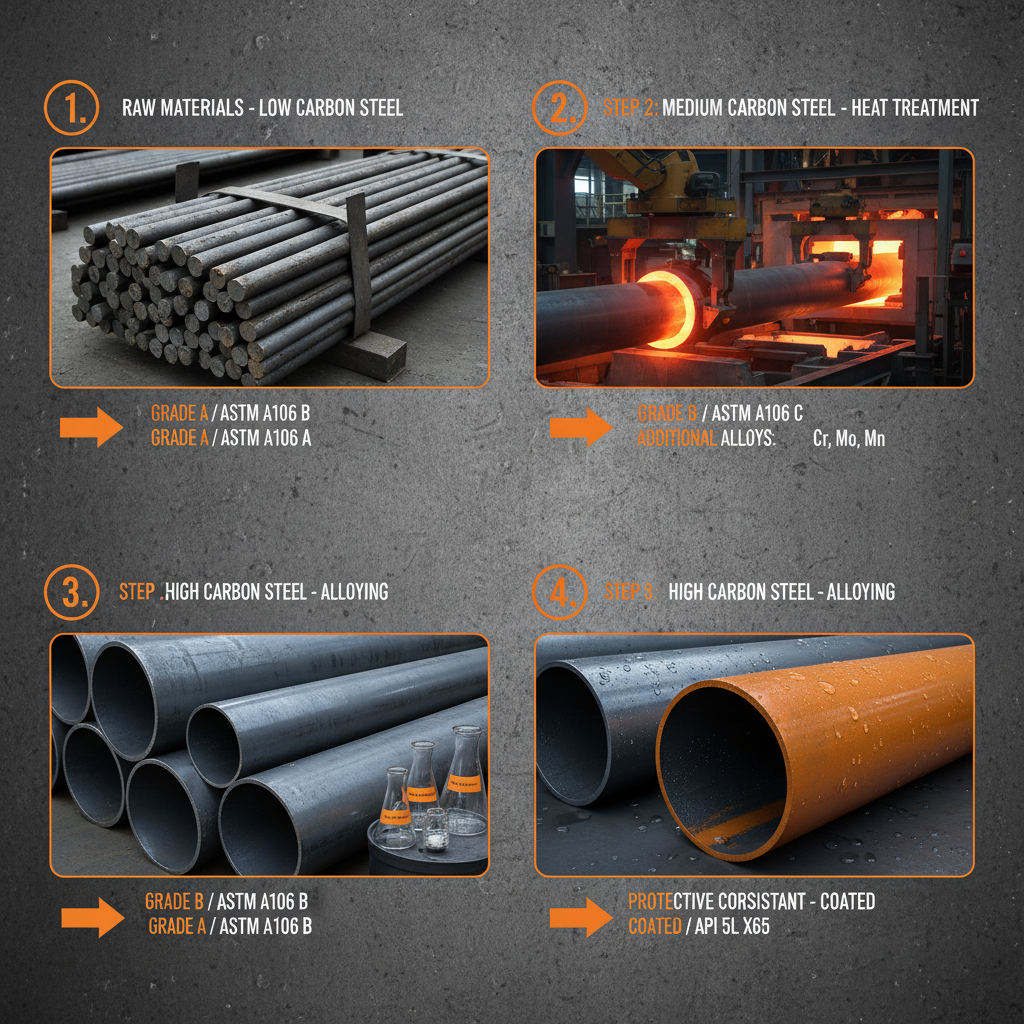
What are the Common Grades of Carbon Steel Pipe?
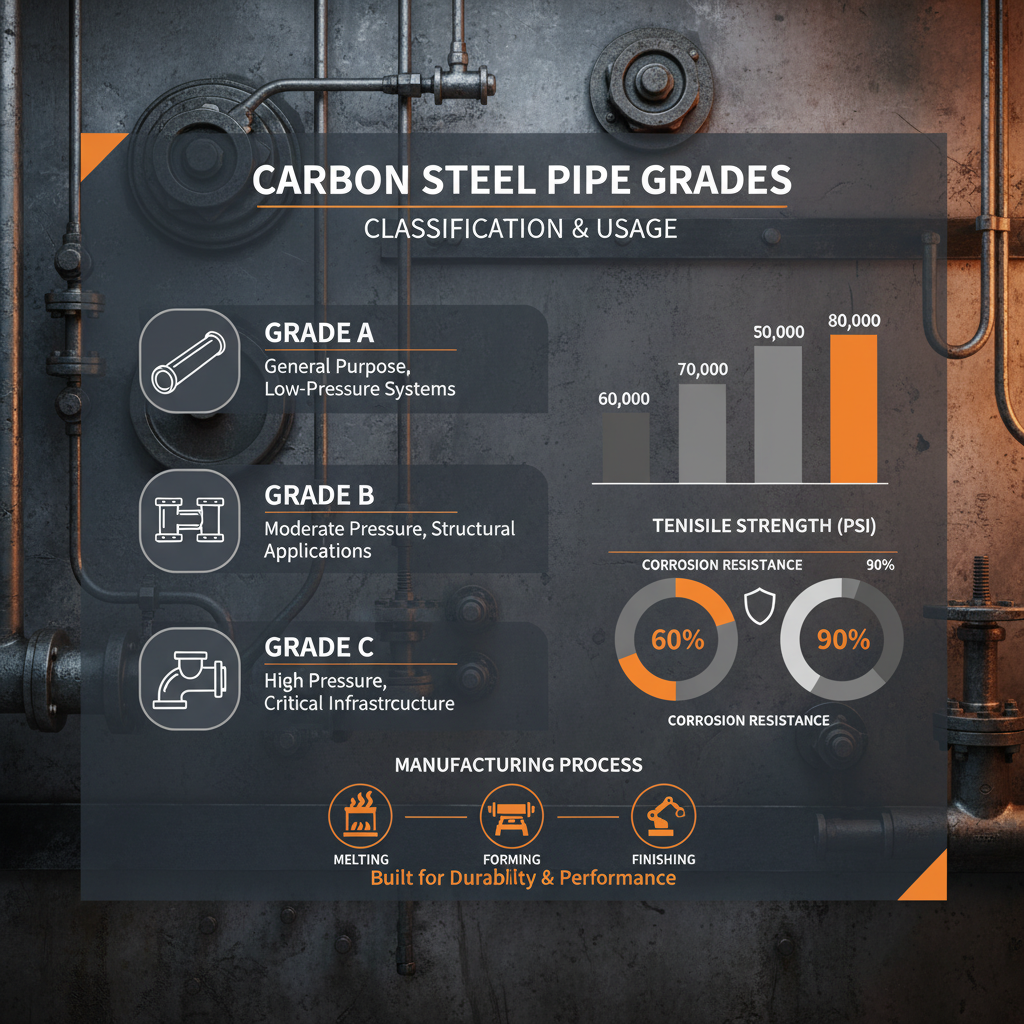
Carbon steel pipe grades are classified based on their chemical composition, particularly the percentage of carbon content. Generally, higher carbon content equates to greater strength and hardness, but reduced ductility and weldability. The most common grades include A53, A106, API 5L, and X42, each tailored for specific applications. Understanding the nuances of each grade is paramount for engineers and procurement professionals. These grades are typically used for conveying fluids and gases in various industries.
Key Takeaway: Selecting the correct carbon steel grade depends heavily on the intended application, pressure requirements, and environmental conditions.
A Detailed Look at Grade A53 Carbon Steel Pipe
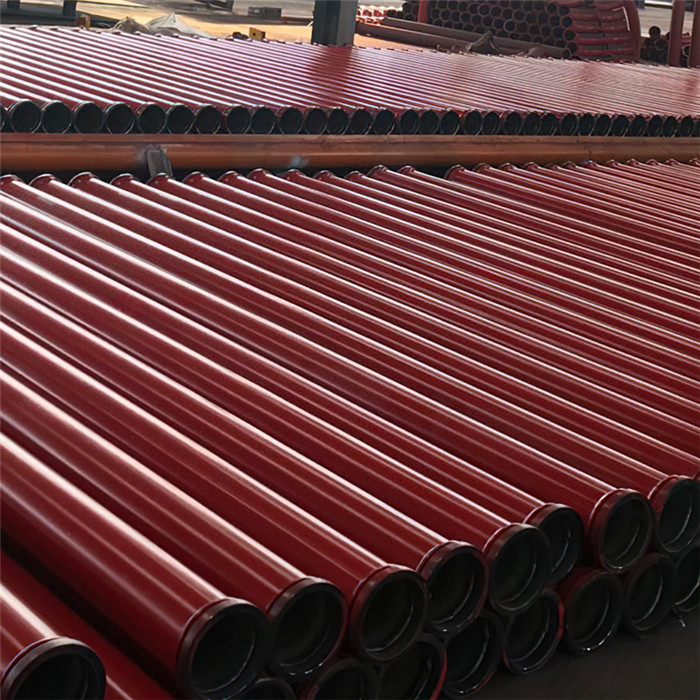
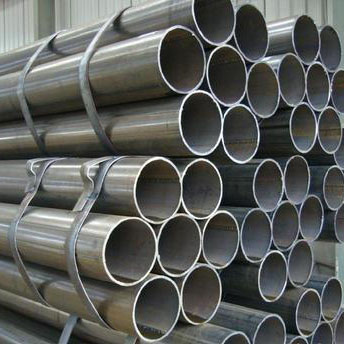
ASTM A53 Grade B is a widely used carbon steel pipe, frequently employed in plumbing, fire sprinkler systems, and low-pressure applications. It’s known for its affordability and good weldability. A53 pipe comes in both ERW (Electric Resistance Welded) and seamless variations. ERW is typically more cost-effective, while seamless pipe offers higher pressure ratings. It is generally suitable for applications where high strength is not a primary concern. You can find a comprehensive range of A53 Carbon Steel Pipes at our website.
A53 Grade B - Key Properties:
• Yield Strength: Typically around 36,000 PSI
• Tensile Strength: Around 58,000 PSI
• Common Applications: Plumbing, Fire Sprinklers, Low-Pressure Systems
Comparing Key Carbon Steel Pipe Grades
Choosing between A53, A106, API 5L, and X42 requires a careful consideration of their strengths and weaknesses. A106 is often preferred for high-temperature applications, while API 5L is specifically designed for the oil and gas industry. X42 provides higher strength than A53, making it suitable for higher pressure systems. Below is a comparative overview:
Factors Influencing Grade Selection
Beyond the basic grade classifications, several factors influence the optimal choice. Operating temperature, pressure requirements, fluid composition, and environmental factors all play a role. For example, corrosive environments may necessitate the use of specialized coatings or alloys. Similarly, pipelines transporting sour gas require materials resistant to hydrogen sulfide cracking. Careful consideration of these factors, along with a thorough understanding of each grade’s properties, is vital for long-term reliability. We at World Steel Material can assist you in navigating these complexities.
Conclusion: Choosing the Right Grade for Your Success
Selecting the right grade of carbon steel pipe is a critical decision with far-reaching consequences. By understanding the properties of each grade and carefully considering your application's requirements, you can ensure the safety, reliability, and cost-effectiveness of your projects. Contact World Steel Material today for expert guidance and a comprehensive selection of high-quality carbon steel pipes.
Frequently Asked Questions (FAQs)
What is the difference between seamless and ERW pipe?
Seamless pipe is manufactured without a welded seam, offering greater strength and pressure-holding capability. ERW (Electric Resistance Welded) pipe is made from steel coils that are welded together using an electric current. ERW is generally more cost-effective but may have lower strength. The choice depends on the application's pressure and safety requirements. For critical applications, seamless pipe is often preferred. Our team can help you determine the appropriate type for your project based on the specifics.
How does carbon content affect the properties of steel pipe?
Higher carbon content generally increases the hardness and tensile strength of steel, but it also reduces its ductility and weldability. Lower carbon content results in greater ductility and weldability, but lower strength. The optimal carbon content depends on the desired balance of properties for the specific application. Different grades of carbon steel are formulated to achieve this balance. At World Steel Material, we offer a range of carbon content options.
What are the common coatings used on carbon steel pipes?
Common coatings include epoxy, polyurethane, polyethylene, and galvanized zinc. These coatings are applied to protect the pipe from corrosion, extending its lifespan and reducing maintenance costs. The choice of coating depends on the environment the pipe will be exposed to. For example, polyethylene is often used for underground pipelines, while epoxy is suitable for harsh chemical environments.
Post time: Mar . 03, 2026 18:55
 English
  Arabic
  Bengali
  China
China  French
  German
  Hausa
Hausa  Indonesian
  Italian
  Japanese
  Javanese
  Malay
Malay  Persian
  Portuguese
  Punjabi
  Russian
  Spanish
  Swahili
  Telugu
  Vietnamese