

Understanding A53 GRB: A Global Steel Standard Shaping Industries
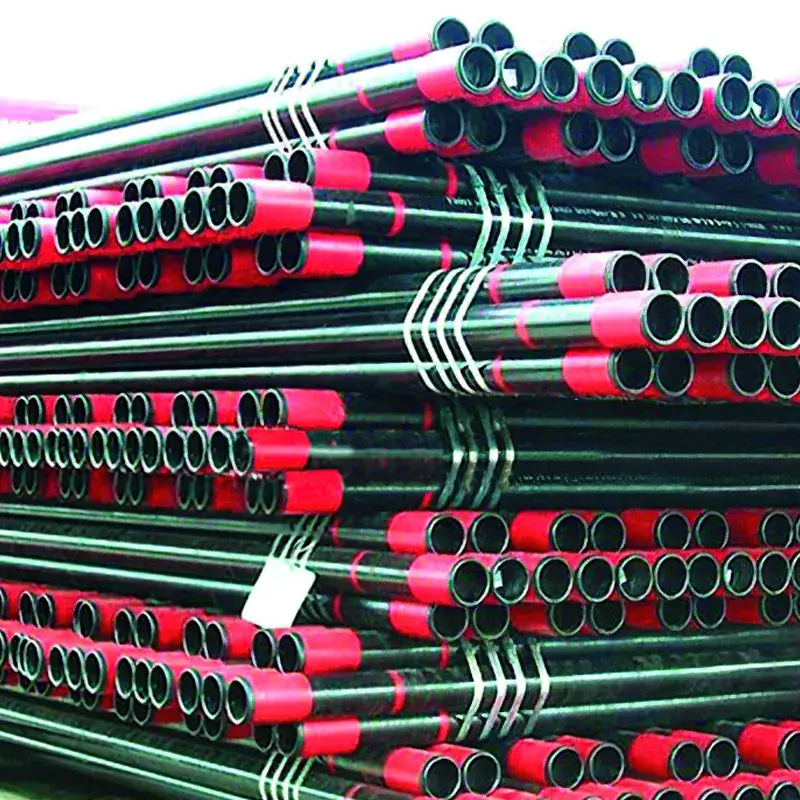
So, what exactly is a53 grb and why does it matter to industries and governments worldwide? Simply put, A53 Grade B (GRB) refers to a specification of carbon steel pipe commonly used in the oil, gas, construction, and water transport sectors globally. The “a53 grb” steel pipes aren't just mundane metal tubes; they carry raw materials and essential fluids that form the infrastructure backbone of modern life. Understanding this product better means better decision-making when it comes to choosing materials that strike the perfect balance between performance, cost, and safety — crucial in a world striving for efficiency and sustainability.
Global Industry Context: Why A53 GRB Matters Now More Than Ever
Steel is undeniably one of the most consumed metals globally, with recent UN and World Steel Association data showing approximately 1.9 billion tons produced annually worldwide. Out of this, carbon steel pipes like a53 grb serve critical roles in infrastructure projects, including water supply, oil pipelines, and construction frameworks.
Yet, challenges persist: as urban populations grow, the demand for steel piping that can handle pressure, weather extremes, and corrosion without breaking the bank becomes urgent. Industries that rely on A53 GRB pipes face tough questions surrounding durability, regulatory compliance, and cost-efficiency – making knowledge about this grade essential for procurement specialists and engineers alike.
What is A53 GRB? Breaking Down the Basics
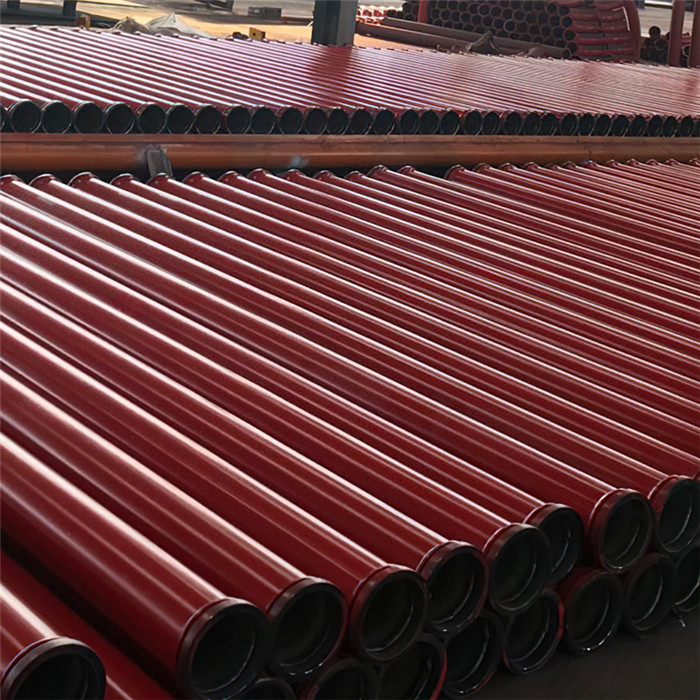
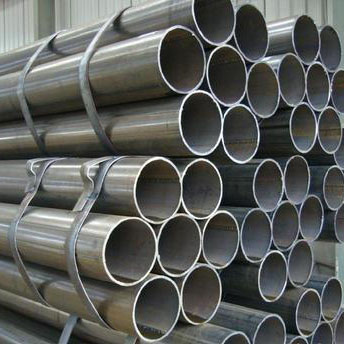
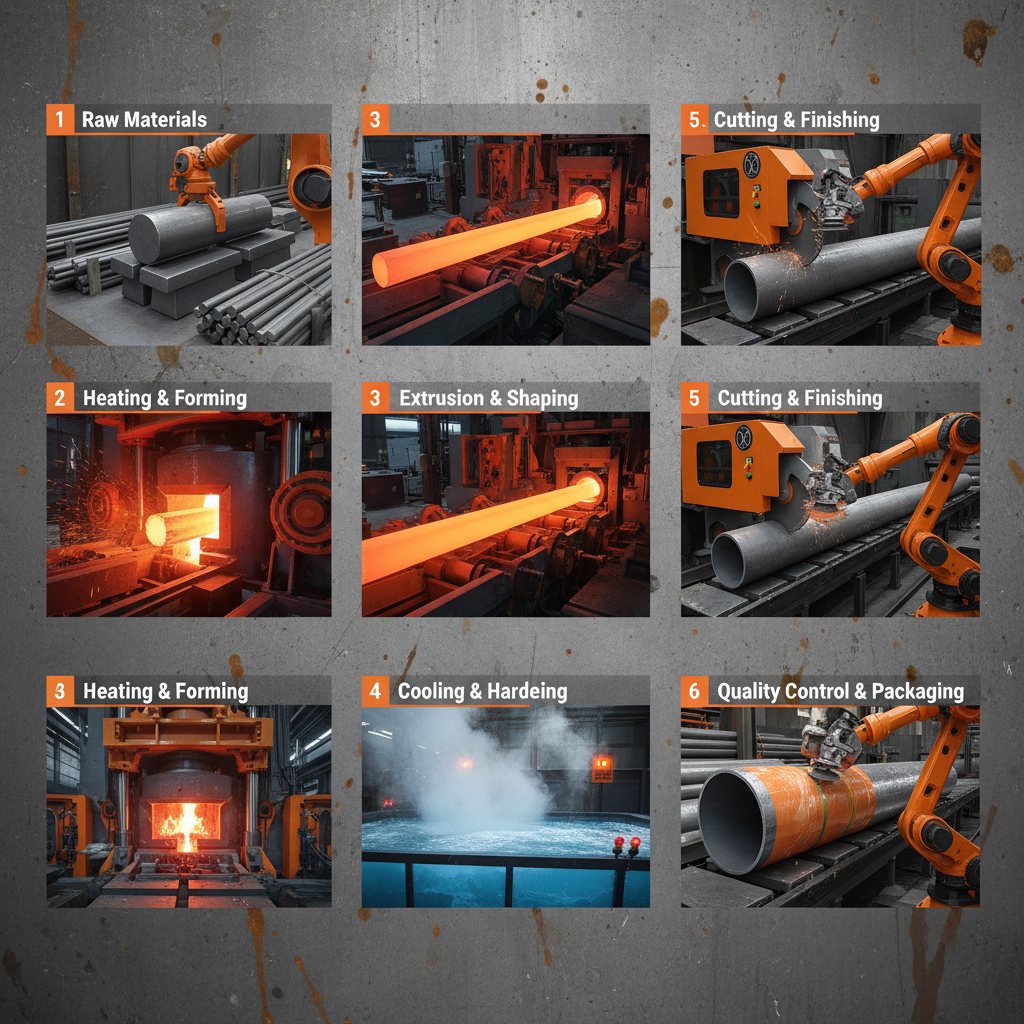
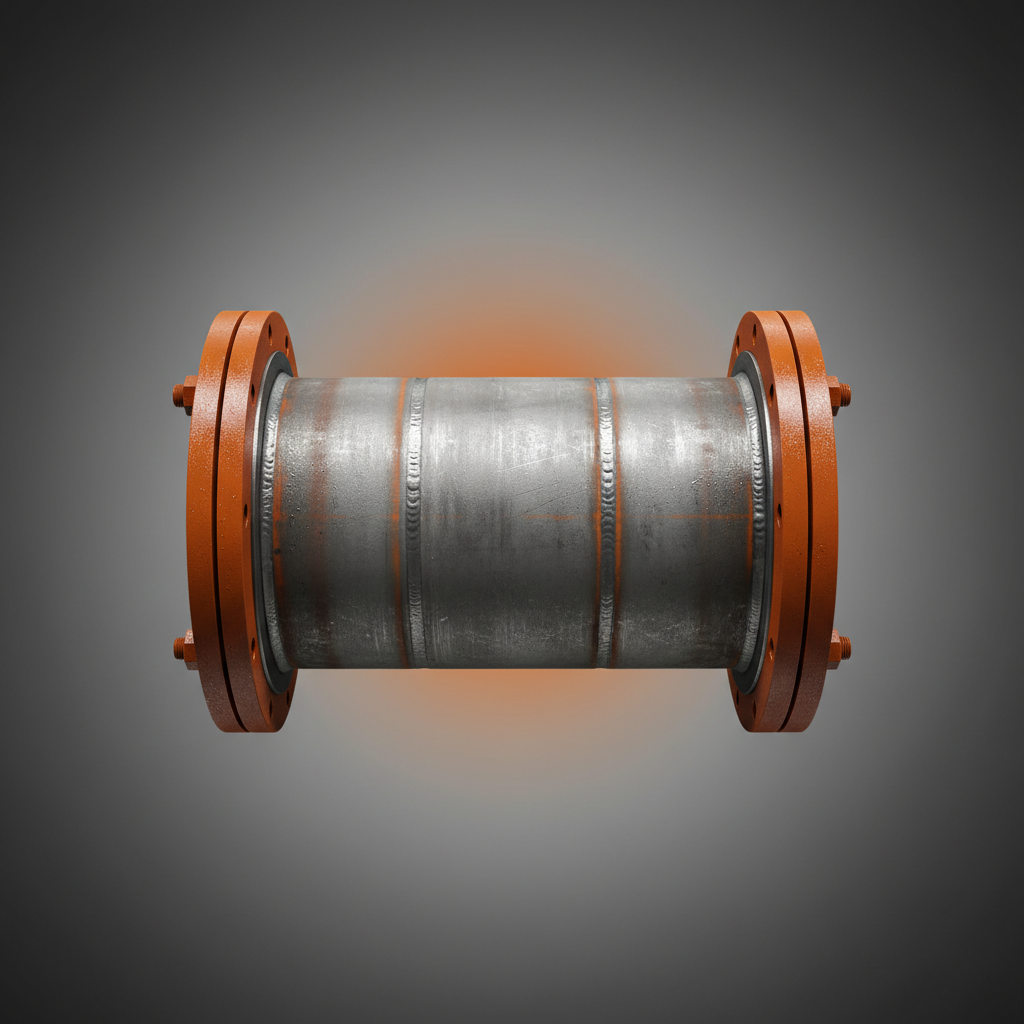
Formally, A53 GRB is a grade within ASTM A53 — an American Society for Testing and Materials standard that classifies pipe based on manufacturing process, mechanical properties, and intended use. Grade B is the most commonly specified grade, renowned for its moderate strength and excellent weldability. Typically produced by either seamless or welded methods, these pipes excel in delivering water, steam, oil, and gas lines at moderate pressures.
Frankly, it’s this versatility that makes a53 grb such a workhorse across industries worldwide — from building skyscraper frameworks to transporting oil in remote regions.
Key Factors of A53 GRB Steel Pipes
1. Durability & Strength
A53 GRB pipes maintain sufficient tensile strength (~60 ksi) and yield strength (~42 ksi) to withstand moderate internal pressures, making them suitable for structural and fluid-transport applications. Its carbon steel composition ensures toughness while minimizing brittleness.
2. Weldability
A notable aspect engineers appreciate is how well this grade can be welded without the risk of cracking, easing installation and repair. This is crucial in large-scale projects where downtime affects costs.
3. Cost Efficiency
Compared to higher-grade or alloyed steel pipes, A53 GRB offers a compelling price-performance ratio — a factor that many project managers swear by when balancing budgets.
4. Corrosion Resistance (With Treatment)
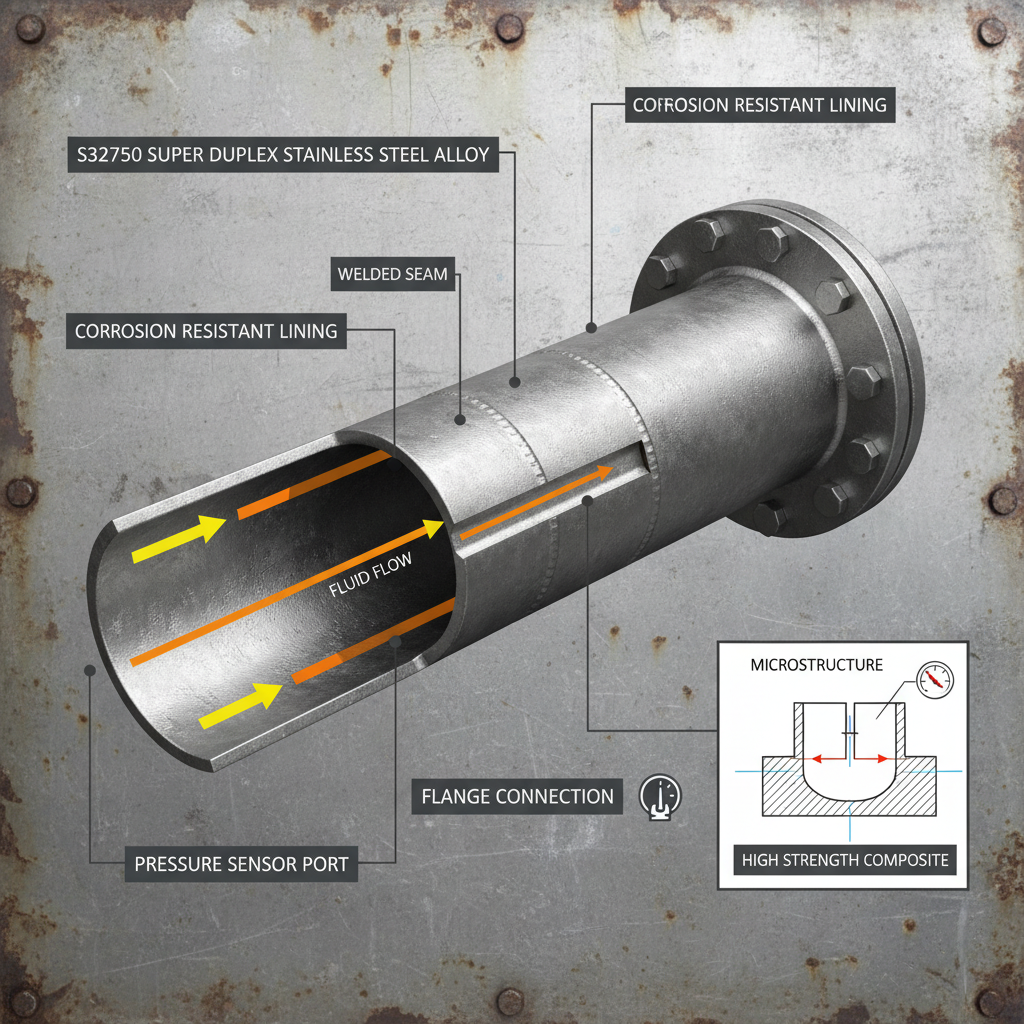
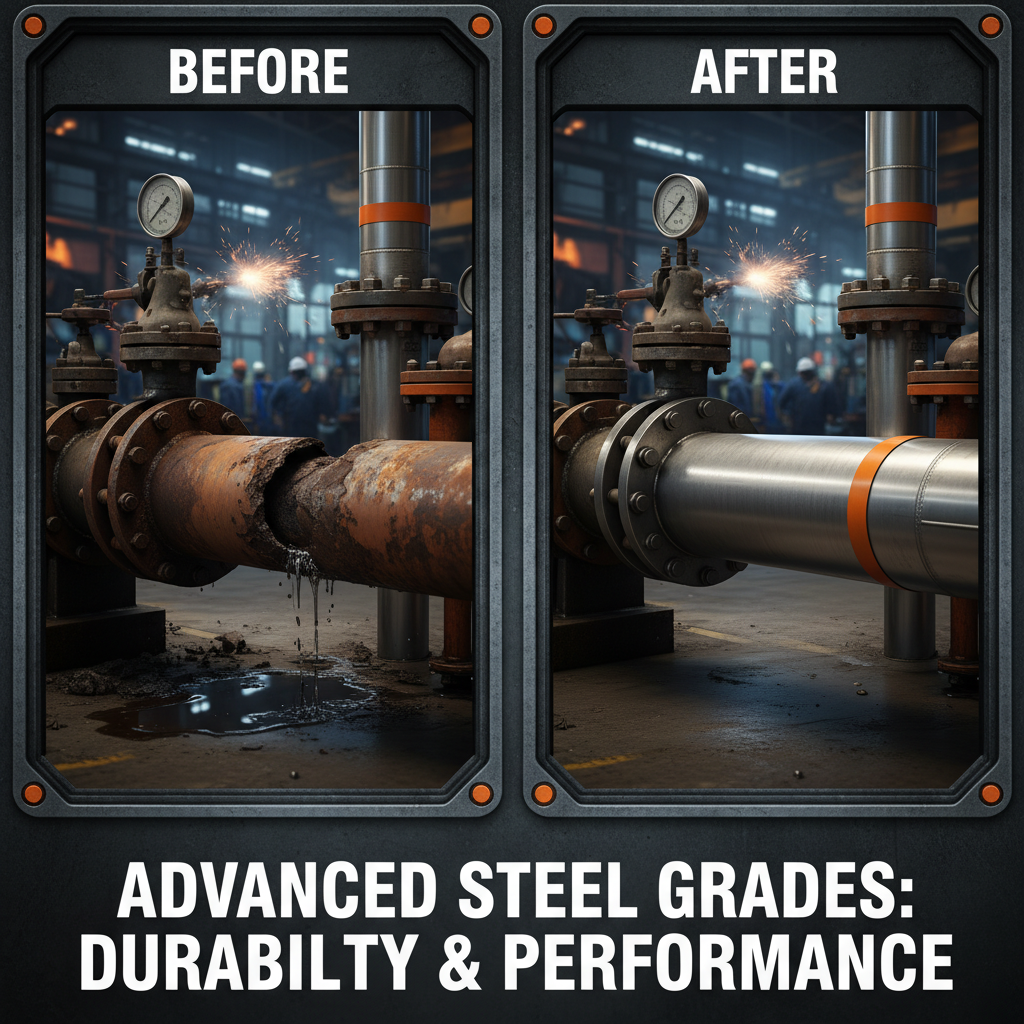
While not inherently corrosion-resistant, these pipes respond well to coatings and galvanizing, extending lifespan in corrosive environments, a key consideration in coastal or industrial settings.
5. Availability & Standardization
Thanks to ASTM standardization, A53 GRB is widely available globally, facilitating international projects and import/export without compatibility headaches.
Essential Product Specifications at a Glance
| Property | A53 GRB Specification |
|---|---|
| Material Type | Carbon Steel |
| Manufacturing Process | Seamless or Welded |
| Tensile Strength | Min 60 ksi (415 MPa) |
| Yield Strength | Min 42 ksi (290 MPa) |
| Maximum Carbon Content | 0.30% |
| Applications | Water, Gas, Oil, Steam Lines |
Global Applications & Use Cases of A53 GRB Steel Pipes
Real-world use cases paint the clearest picture. In Southeast Asia and the Middle East, these pipes transport natural gas over long distances where reliability is non-negotiable. Meanwhile, in Europe, A53-grade pipes reinforce urban infrastructure — think water mains and district heating installations.
Oddly enough, many NGOs use these steel pipes in rapid-deployment water supply systems during post-disaster relief, because they’re easy to transport and weld on-site, providing safe water swiftly. Even in Canadian oil sands projects, A53 GRB pipes perform under freezing conditions, thanks to enhanced mechanical properties.
Vendor Comparison: Leading A53 GRB Steel Pipe Suppliers
| Vendor | Certification | Manufacturing Process | Typical Lead Time | Price Range (USD/ton) |
|---|---|---|---|---|
| Global Steel Co. | ISO 9001, ASTM | Seamless + Welded | 3-4 weeks | $600 - $700 |
| Eastern Metal Works | ASTM, API | Welded only | 2-3 weeks | $550 - $650 |
| SteelMasters Intl. | ISO 14001, ASTM | Seamless only | 4-5 weeks | $700 - $800 |
Why Choose A53 GRB? Advantages & Long-Term Value
- Cost-Effective Production: Its carbon steel composition ensures materials are affordable without compromising quality.
- Reliable Performance: With proven tensile and yield strengths, it handles most pipeline pressures and structural loads well.
- Versatility: From transporting oil to housing water lines, the grade adapts well.
- Ubiquity: Global standardization means easier sourcing and compliance checks.
- Social Impact: Used in essential infrastructure projects supporting communities worldwide, indirectly improving quality of life.
Put simply, A53 GRB offers a compelling mix of reliability and value — something logistics managers and engineers alike can appreciate.
Future Trends Shaping the A53 GRB Landscape
You might be wondering, where does A53 GRB go from here? Oddly enough, several innovations are shaking things up. For one, digital manufacturing quality controls like ultrasonic testing and AI-based defect detection are improving pipe integrity during production. Also, with the global push towards greener energy and sustainability, coating technologies that reduce ecological footprints are becoming standard.
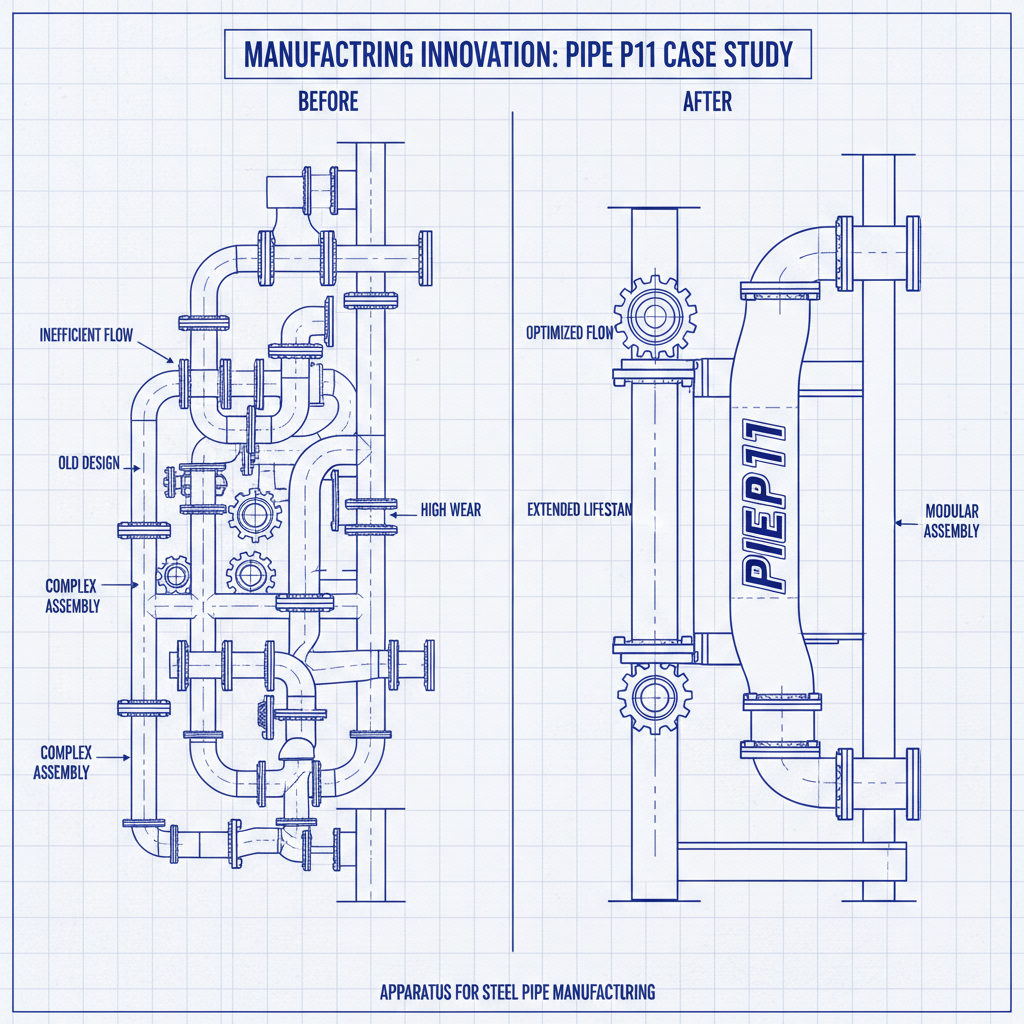
Additionally, hybrid steel-composite pipes and automated welding methods promise faster deployment with less manual labor — quite attractive for future infrastructure projects in remote areas or harsh climates.
Challenges & Solutions in Using A53 GRB
No steel pipe is perfect, and A53 GRB has its limitations. Corrosion remains a persistent challenge in aggressive environments, and supply chain delays sometimes slow down project timelines. However, advanced coatings like polymer linings and galvanization, coupled with improved logistics and diversified sourcing, help mitigate these risks in practice.
Innovation in predictive maintenance tools, using sensor integration for real-time pipe health monitoring, is also addressing early failure detection — a smart safety net, frankly.
FAQs About A53 GRB Steel Pipes
Q1: What makes A53 GRB steel pipes preferable over other grades?
A53 GRB balances strength, weldability, and cost uniquely well. Its moderate carbon content offers toughness without brittleness, making it suitable for varied fluid transport and construction needs where high strength alloys may be overkill and costly.
Q2: How long can A53 GRB pipes typically last?
With proper corrosion protection and maintenance, these pipes usually have a service life of 20 to 50 years, depending on operating conditions and environment.
Q3: Are A53 GRB pipes suitable for high-pressure applications?
A53 GRB performs well at moderate pressure ranges but may not be ideal for very high pressure or critical applications. For those, higher-grade alloys as per ASTM A106 or API standards might be better suited.
Q4: Can A53 GRB pipes be imported internationally with ease?
Yes. Because it's standardized under ASTM widely recognized globally, importing A53 GRB pipes usually involves straightforward certification and compliance checks, easing logistics for international projects.
Q5: How do these pipes compare environmentally?
While carbon steel production is energy-intensive, A53 GRB pipes are recyclable and often reused. Advanced coatings now offer lower environmental impact, aligning better with global sustainability goals.
Conclusion: Why a53 grb Remains a Steel Industry Staple
To wrap things up, a53 grb steel pipes stand out as a versatile, cost-effective, and reliable solution fueling essential infrastructure worldwide. Whether you're in oil and gas, waterworks, or construction, understanding its specs, advantages, and challenges arms you with the insight to make smarter procurement choices — ultimately supporting safer, more sustainable projects.
If your next build or upgrade calls for steel pipes that can be trusted, take a closer look at A53 Grade B. For more details and sourcing options, I invite you to visit our website at world-steelmaterial.com. Let’s build a stronger future, one pipe at a time.
Quick takeaway: A53 GRB is often the practical go-to steel pipe grade for reliable, cost-conscious industries worldwide.
References:
1. World Steel Association Statistical Yearbook, 2023
2. ASTM A53 Standard Specification for Pipe, 2022 Edition
3. United Nations Industrial Development Organization (UNIDO) Reports on Infrastructure Materials
Post time: Dec . 02, 2025 07:25
 English
  Arabic
  Bengali
  China
China  French
  German
  Hausa
Hausa  Indonesian
  Italian
  Japanese
  Javanese
  Malay
Malay  Persian
  Portuguese
  Punjabi
  Russian
  Spanish
  Swahili
  Telugu
  Vietnamese