

Understanding P11 Alloy: Properties, Applications, and Sourcing
P11 alloy, a nickel-chromium-molybdenum alloy, is renowned for its exceptional high-temperature strength and corrosion resistance. Widely utilized in critical components within the aerospace, power generation, and chemical processing industries, P11 alloy is vital for maintaining operational integrity in demanding environments. This article will delve into the specifics of P11 alloy, including its composition, key properties, typical applications, and how to source high-quality materials from a reliable supplier like World Steel Material. Understanding the nuances of this alloy is crucial for engineers and procurement specialists alike.
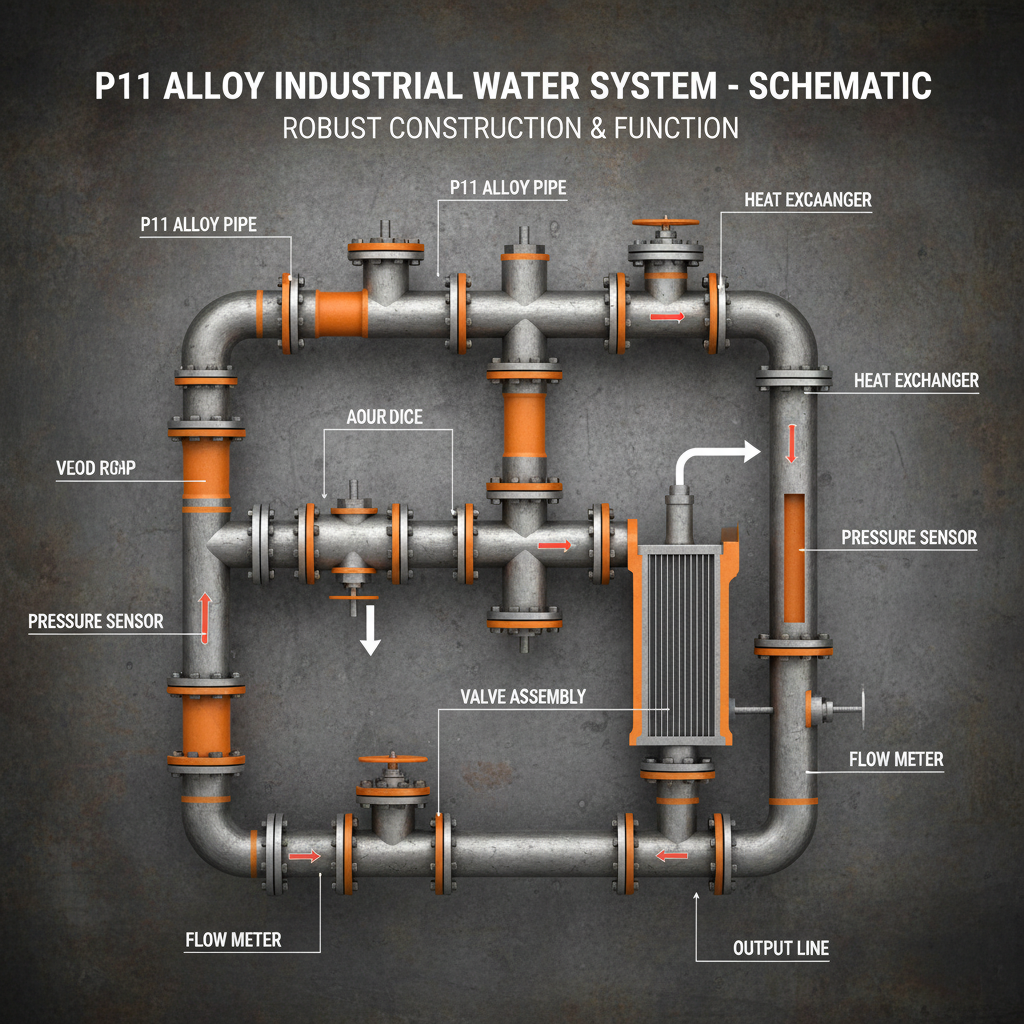
Chemical Composition and Key Properties of P11 Alloy
P11 alloy’s superior performance stems from its precise chemical composition. The inclusion of nickel, chromium, and molybdenum contributes to its high creep strength, oxidation resistance, and overall durability. These elements work synergistically to maintain the alloy’s structural integrity at elevated temperatures. The typical composition is approximately 8.5% Chromium, 4.5% Molybdenum, 2.0% Nickel with the balance being Iron. This creates an alloy with a melting point around 1400°C (2550°F). Its strength remains remarkably consistent even at temperatures exceeding 500°C, making it suitable for high-stress applications.
Key Highlights: High creep strength, excellent oxidation resistance, and remarkable durability even at elevated temperatures. Ideal for high-stress, high-temperature environments.
Applications of P11 Alloy Across Industries
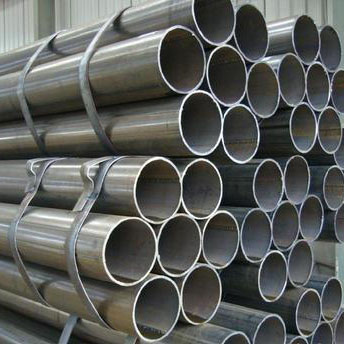
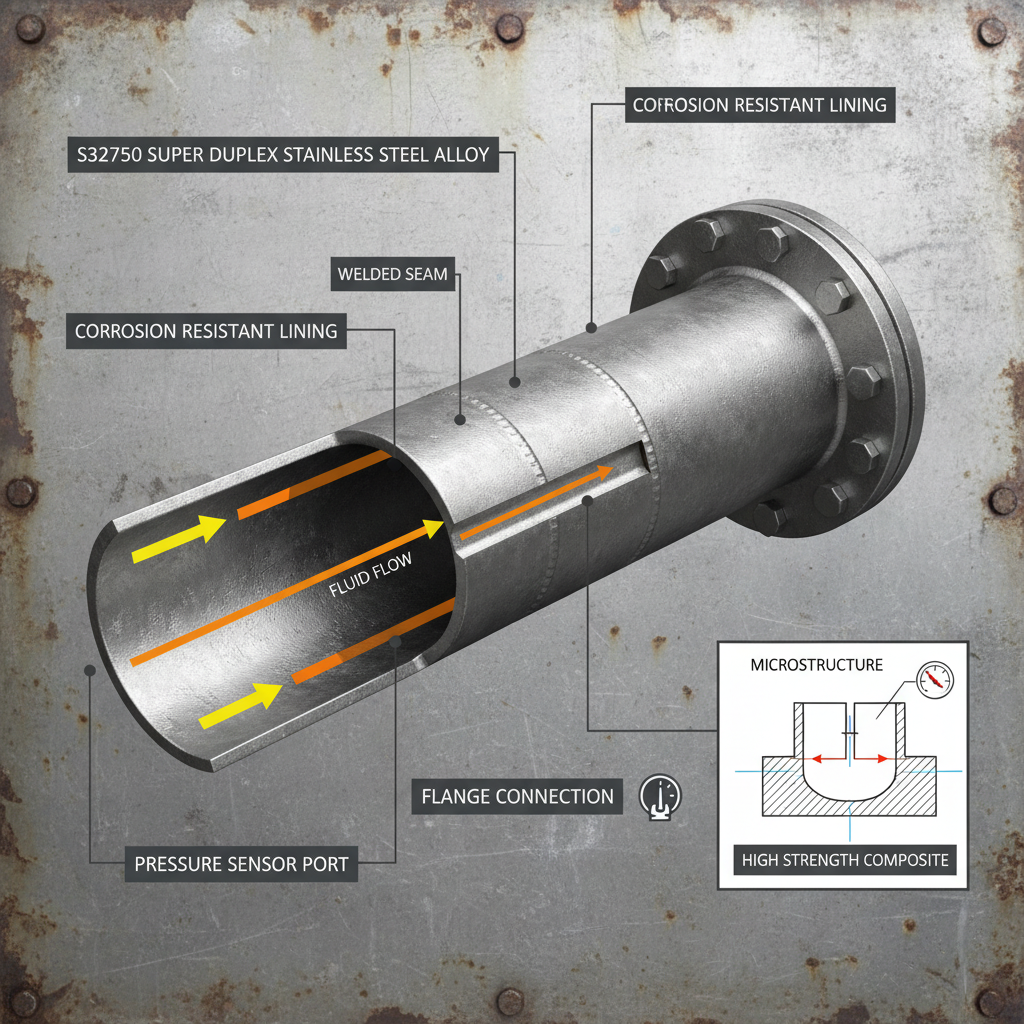
The unique characteristics of P11 alloy lend themselves to a diverse array of applications. In the power generation sector, it's commonly found in boiler tubes and superheater tubes, where it withstands extreme temperatures and pressures. Aerospace utilizes P11 alloy in turbine blades and discs due to its high strength-to-weight ratio. The chemical processing industry employs it in components exposed to corrosive environments. Furthermore, P11 alloy sees use in fasteners, valve components, and other critical parts requiring exceptional reliability under demanding conditions. Sourcing quality P11 alloy is paramount for ensuring these applications perform safely and efficiently.
Key Application Areas:
• Power Generation: Boiler and Superheater Tubes
• Aerospace: Turbine Blades and Discs
• Chemical Processing: Corrosion-Resistant Components
• Fasteners & Valve Components
P11 Alloy vs. Other High-Temperature Alloys: A Comparative Analysis
While several alloys are designed for high-temperature applications, P11 alloy offers a unique balance of properties and cost-effectiveness. Compared to Inconel alloys, P11 generally has lower creep rupture strength but is more affordable. Compared to Alloy 718, P11 has lower strength at higher temperatures but exhibits superior oxidation resistance in some environments. The choice of alloy depends on the specific application requirements. When considering cost and adequate high-temperature performance, P11 often presents a compelling option.
Sourcing P11 Alloy: Why Choose World Steel Material?
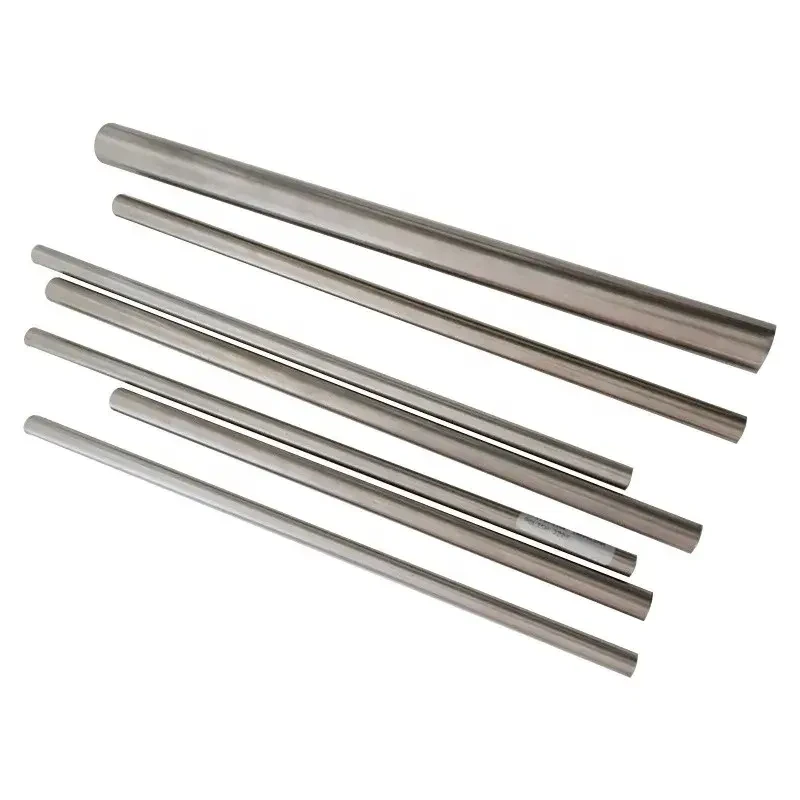
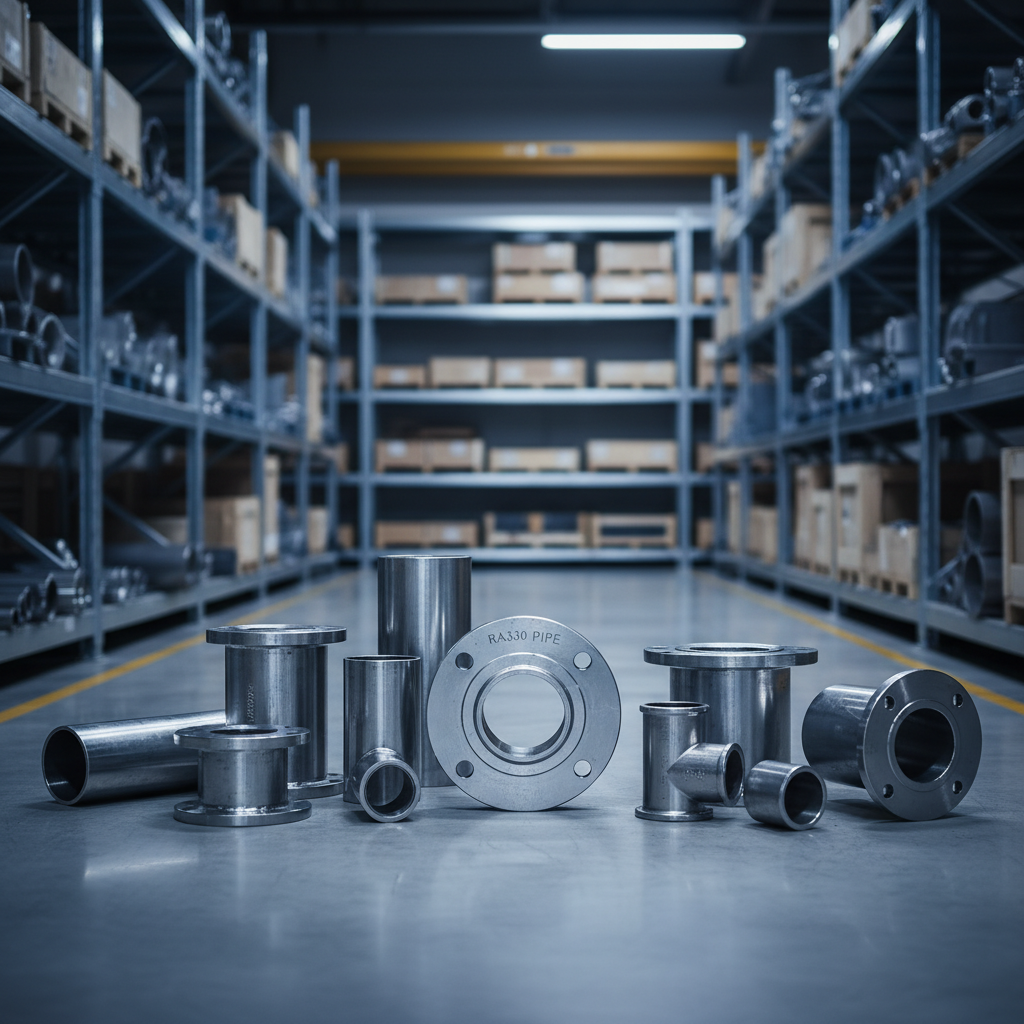
When sourcing P11 alloy, it’s vital to partner with a reputable supplier who can guarantee material quality and consistency. World Steel Material specializes in providing high-quality P11 alloy in various forms – plates, sheets, bars, and tubes – to meet diverse industrial needs. We offer rigorous quality control, comprehensive testing, and competitive pricing. Our commitment to customer satisfaction and timely delivery makes us a trusted partner for businesses requiring reliable P11 alloy solutions.
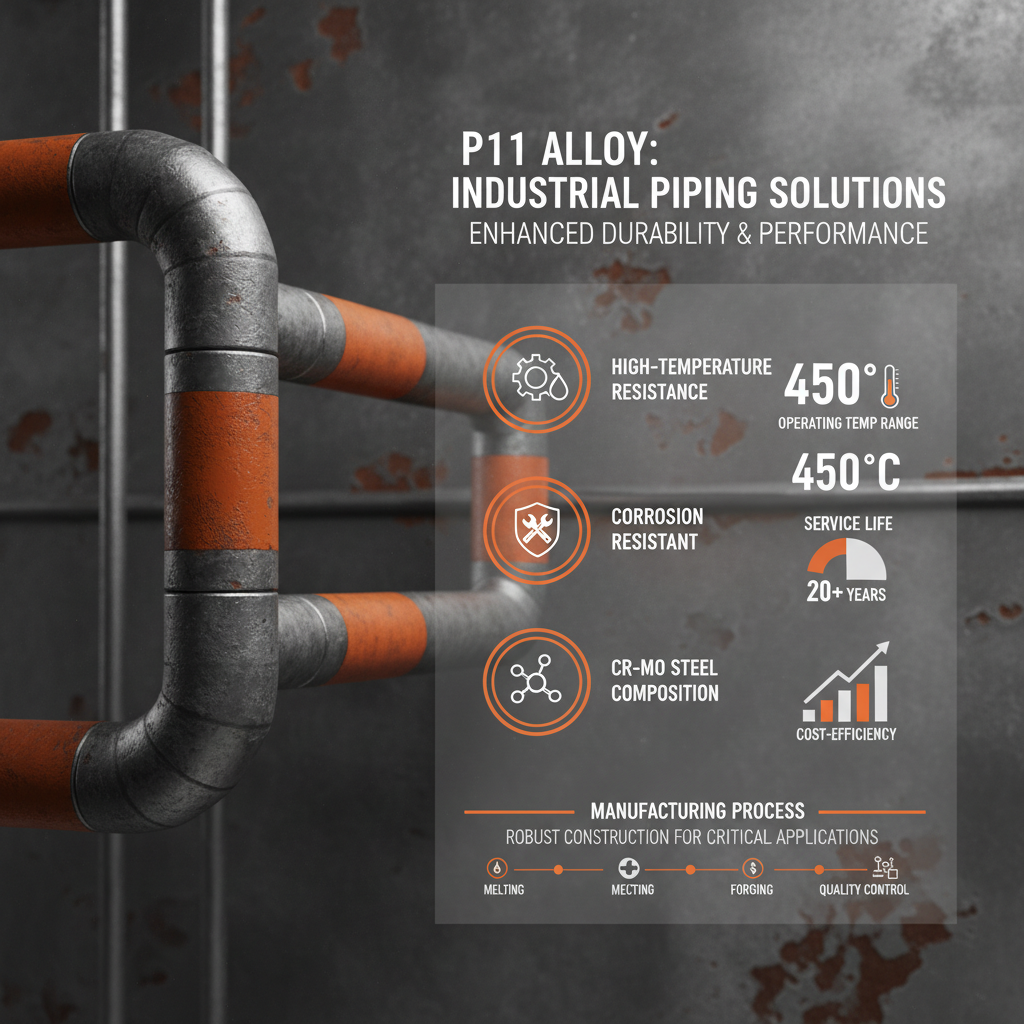
Product Specifications and Available Forms
We provide P11 alloy in a variety of specifications to suit specific project demands:
Conclusion: Partnering for Success with P11 Alloy
Selecting the right P11 alloy supplier is a critical decision. World Steel Material offers not just superior products, but also expert guidance and dedicated support. We are committed to providing the quality and reliability you need to succeed in your demanding applications. Contact us today to discuss your P11 alloy requirements.
Frequently Asked Questions (FAQs)
What are the typical applications of P11 alloy in the aerospace industry?
P11 alloy is primarily used in aerospace for components requiring high-temperature strength and oxidation resistance, such as turbine blades, discs, and exhaust systems. Its ability to maintain structural integrity at elevated temperatures makes it ideal for these demanding applications. While more advanced alloys are used in the hottest sections of the turbine, P11 alloy provides a cost-effective solution for less critical, but still high-stress, parts.
What certifications does World Steel Material hold for P11 alloy?
World Steel Material is committed to providing materials that meet the highest industry standards. We hold certifications including ISO 9001:2015, ensuring our quality management systems are robust and reliable. Material test reports (MTRs) are available for all our P11 alloy products, verifying compliance with ASTM A533 Grade P11 and EN 10028-2 specifications. We can also provide other relevant documentation upon request to meet specific project requirements.
What is the lead time for P11 alloy orders?
Lead times for P11 alloy orders vary depending on the quantity, product form (plates, sheets, bars, tubes), and current stock levels. Typically, standard sizes and forms are available for immediate shipment. For custom sizes or larger orders, the lead time may range from 2 to 6 weeks. We strive to provide accurate and transparent lead time estimates and work closely with our customers to ensure timely delivery.
How should P11 alloy be stored to prevent corrosion?
P11 alloy generally exhibits good corrosion resistance, but proper storage is essential to maintain its quality. It should be stored in a dry, well-ventilated area, protected from exposure to moisture, chemicals, and direct sunlight. Covering the material with a protective coating or wrapping it in a moisture-barrier film can help prevent surface corrosion. Avoid storing P11 alloy in contact with dissimilar metals, which could promote galvanic corrosion.
Post time: Mar . 14, 2026 02:35
 English
  Arabic
  Bengali
  China
China  French
  German
  Hausa
Hausa  Indonesian
  Italian
  Japanese
  Javanese
  Malay
Malay  Persian
  Portuguese
  Punjabi
  Russian
  Spanish
  Swahili
  Telugu
  Vietnamese