

P91 Alloy: A Comprehensive Guide to Properties and Applications
P91 alloy, also known as 9Cr-1Mo steel, is a creep-resistant alloy steel primarily used in high-temperature applications, particularly in the power generation industry. Renowned for its strength, oxidation resistance, and weldability, P91 is a critical material in the construction of power plants and other demanding environments. This article will provide an in-depth look at the characteristics, benefits, applications, and considerations for using P91 alloy, offering valuable insights for engineers, material scientists, and procurement professionals. Understanding its properties is key to optimal performance and longevity in challenging operational conditions.
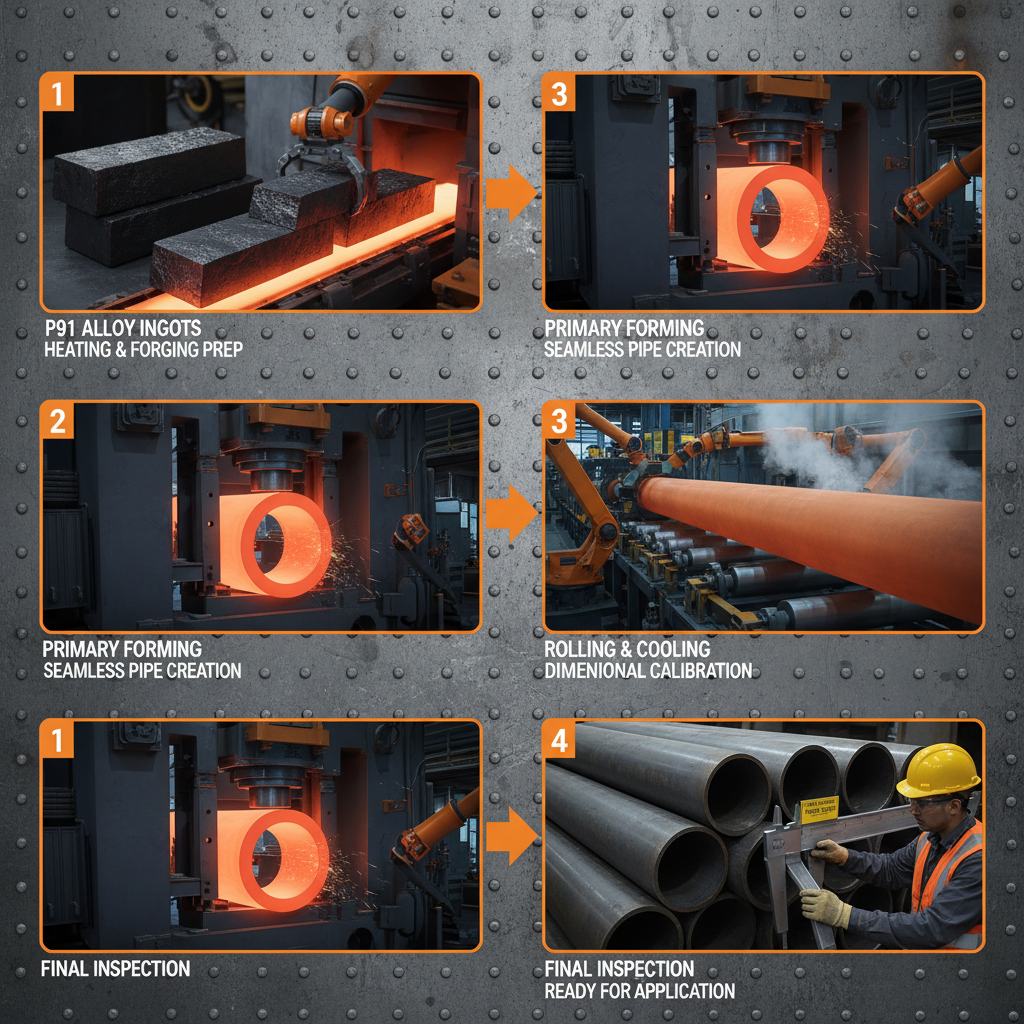
Chemical Composition and Key Properties of P91 Alloy
The superior performance of P91 alloy stems from its carefully controlled chemical composition. The primary alloying elements – chromium and molybdenum – work synergistically to enhance creep resistance, oxidation resistance, and high-temperature strength. The addition of vanadium contributes to grain refinement, further improving its mechanical properties. This steel is specifically designed for prolonged exposure to elevated temperatures and pressures, making it indispensable in applications where other materials would fail. Its robust nature is a testament to its meticulously engineered composition.
Key Highlights: Chromium and molybdenum enhance creep resistance. Vanadium contributes to grain refinement, improving mechanical properties. Designed for prolonged exposure to high temperatures and pressures.
P91 Alloy Applications in the Power Generation Industry
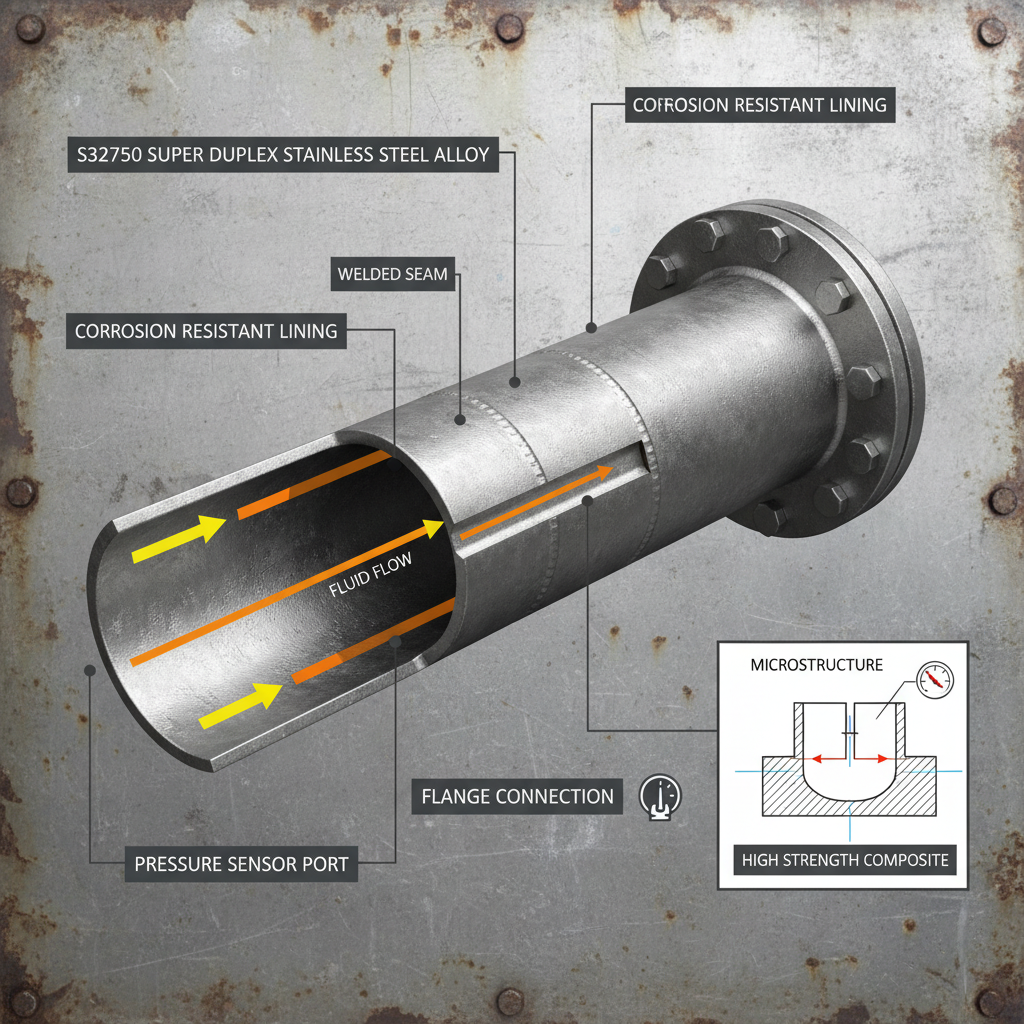
The power generation industry is the largest consumer of P91 alloy. It's commonly used in the fabrication of main steam lines, superheater and reheater tubes, and headers in fossil fuel and nuclear power plants. The alloy’s ability to withstand high temperatures and pressures, combined with its resistance to corrosion and creep, ensures reliable and efficient operation of these critical components. The demand for higher power plant efficiencies drives the continued use of P91 alloy in newer, more advanced designs. It is also used in petrochemical processing where similar temperature and pressure requirements exist.
Application Benefits:
• High creep resistance for long-term durability
• Exceptional oxidation resistance in high-temperature environments
• Enhanced thermal stability for consistent performance
• Good weldability for ease of fabrication
P91 Alloy vs. Other Alloy Steels: A Comparative Analysis
While several alloy steels are used in high-temperature applications, P91 alloy distinguishes itself through its superior combination of properties. Compared to traditional 9Cr-1Mo steels, P91 demonstrates significantly improved creep rupture strength and oxidation resistance. When contrasted with austenitic stainless steels, P91 offers comparable high-temperature strength at a lower cost. The following table illustrates a comparison of key properties.
Fabrication and Welding Considerations for P91 Alloy
While P91 alloy exhibits good weldability, proper procedures are crucial to maintain its mechanical properties. Preheating and post-weld heat treatment are typically required to prevent cracking and ensure optimal performance. The choice of welding consumables must also be carefully considered to ensure compatibility with the alloy's composition. Skilled welders with experience in working with creep-resistant steels are essential for successful fabrication. You can find detailed welding specifications and guidance from World Steel Material.
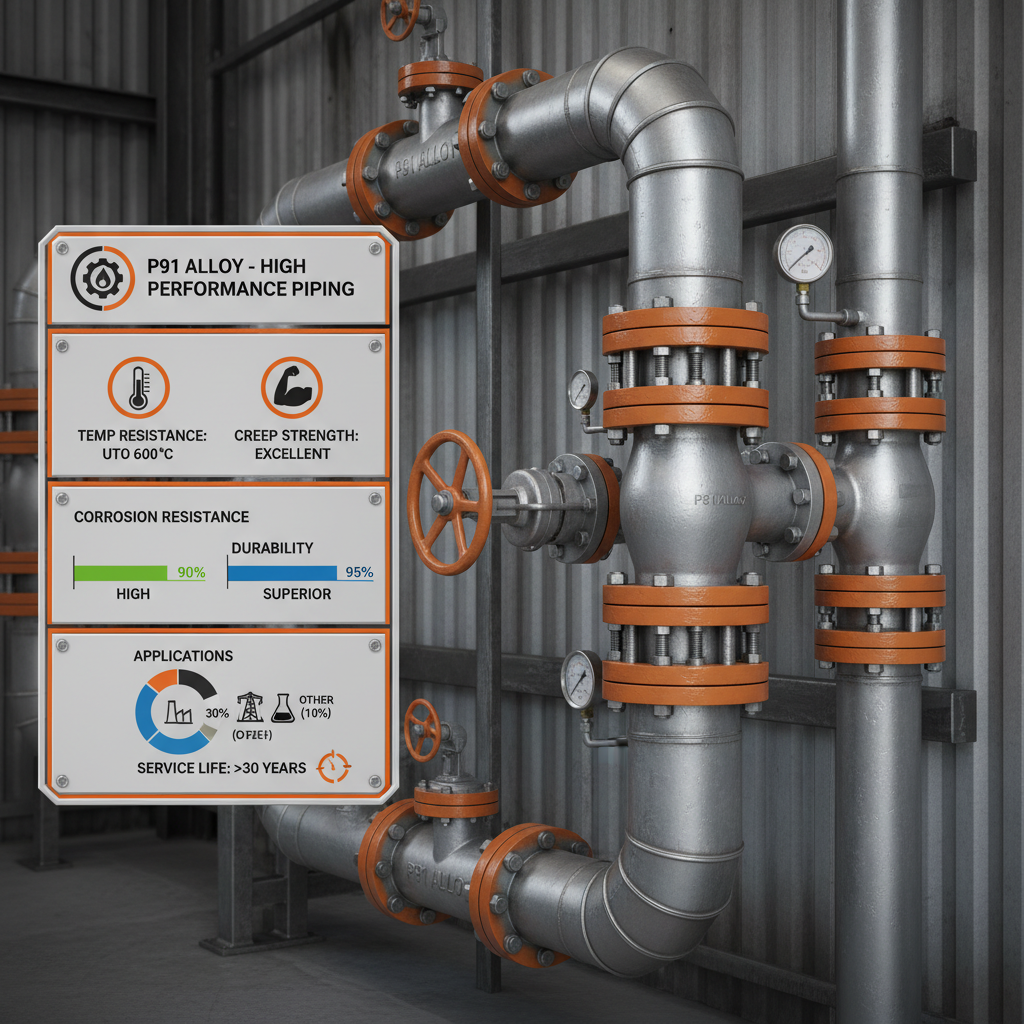
P91 Alloy Product Specifications and Availability
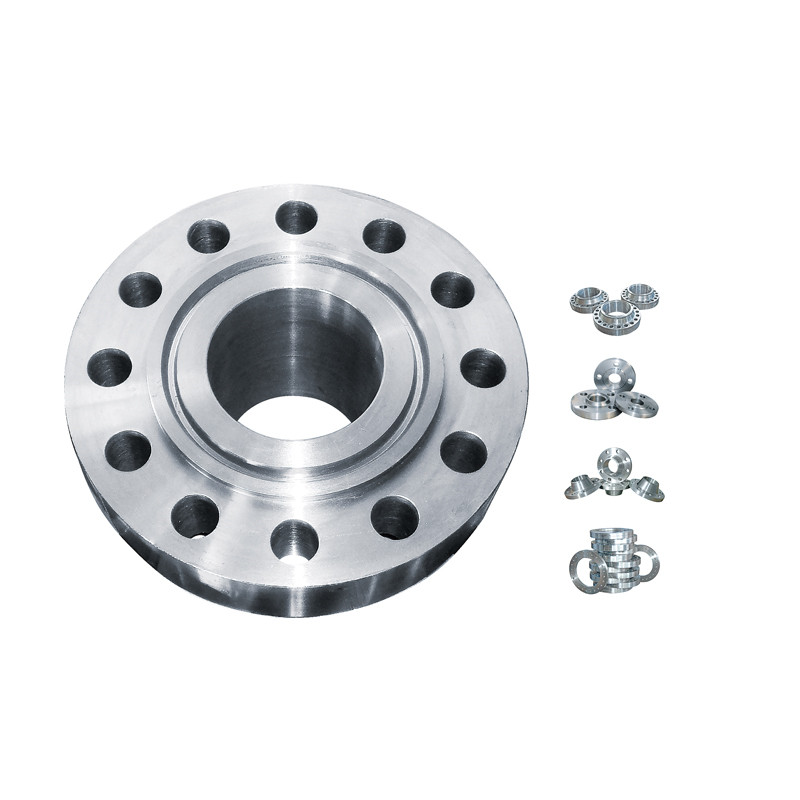
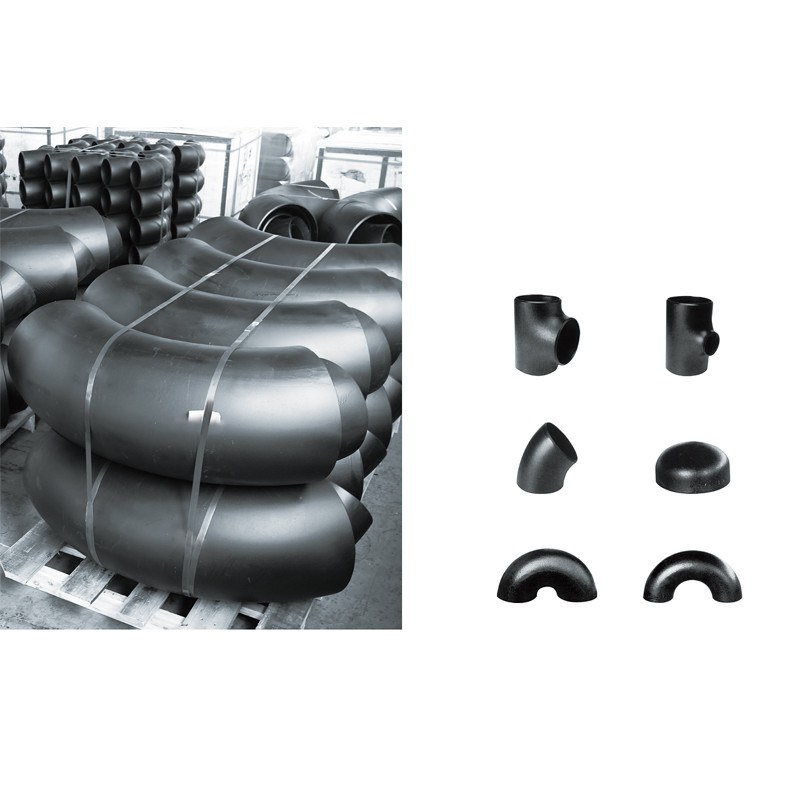
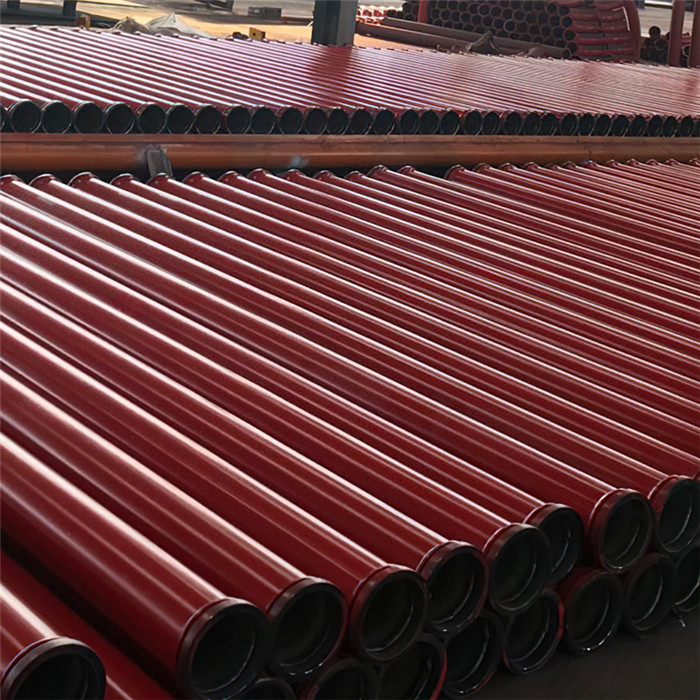
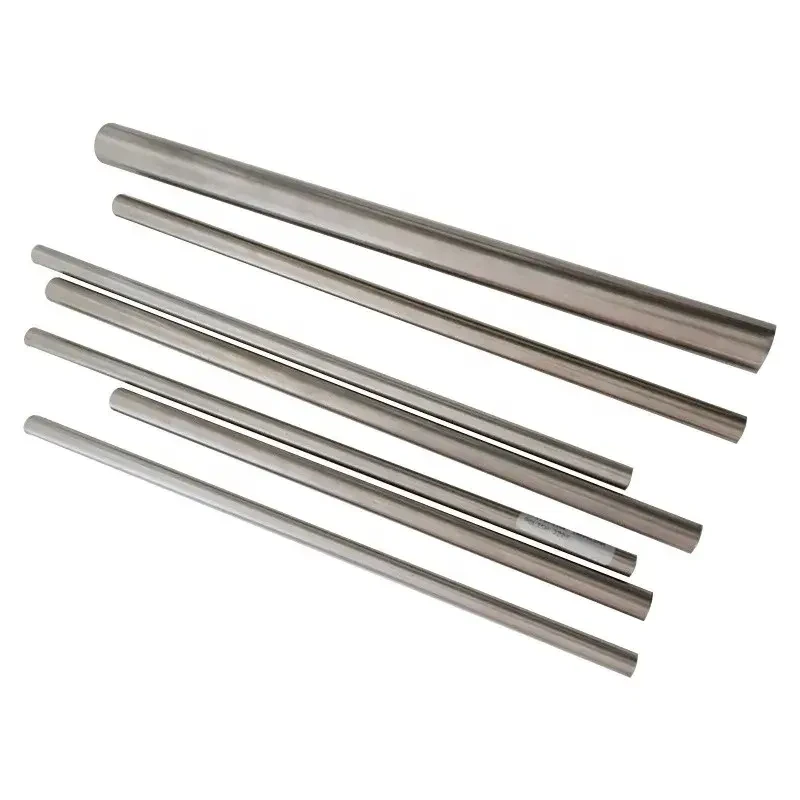
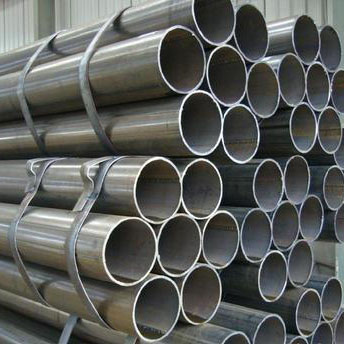
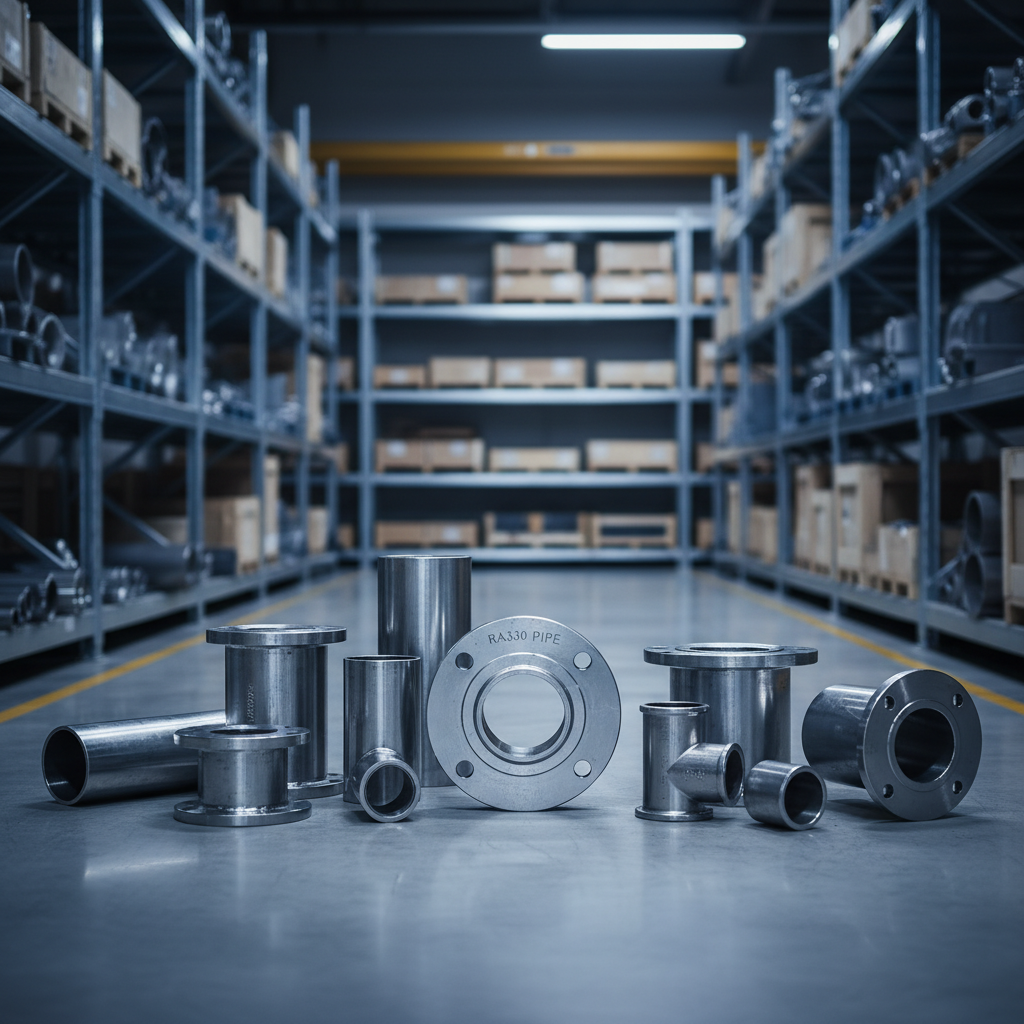
P91 alloy is available in various forms, including plates, sheets, bars, tubes, and forgings. Common specifications include ASTM A335 Grade P91 and EN 10296-2 P91. The dimensions and tolerances will vary depending on the specific product form and manufacturer. World Steel Material offers a comprehensive range of P91 alloy products, ensuring quality and adherence to industry standards. We provide detailed product specifications and can accommodate custom orders to meet your specific needs.
Conclusion: P91 Alloy – A Reliable Solution for High-Temperature Applications
P91 alloy stands out as a superior material for demanding high-temperature applications, particularly in the power generation sector. Its exceptional creep resistance, oxidation resistance, and weldability make it a cost-effective and reliable choice for critical components. By selecting high-quality P91 alloy from a reputable supplier like World Steel Material, you can ensure optimal performance and longevity in your operations.
Frequently Asked Questions (FAQs)
What is the typical service temperature range for P91 alloy?
P91 alloy is specifically designed for continuous operation at temperatures up to 600°C (1112°F). However, it can withstand intermittent excursions to higher temperatures. Its creep resistance is optimized within this temperature range, ensuring long-term structural integrity. Beyond 600°C, the creep rate increases significantly, potentially leading to premature failure. The alloy's properties begin to degrade at significantly lower temperatures, affecting its overall performance and lifespan.
What are the primary benefits of using P91 alloy over carbon steel in high-temperature applications?
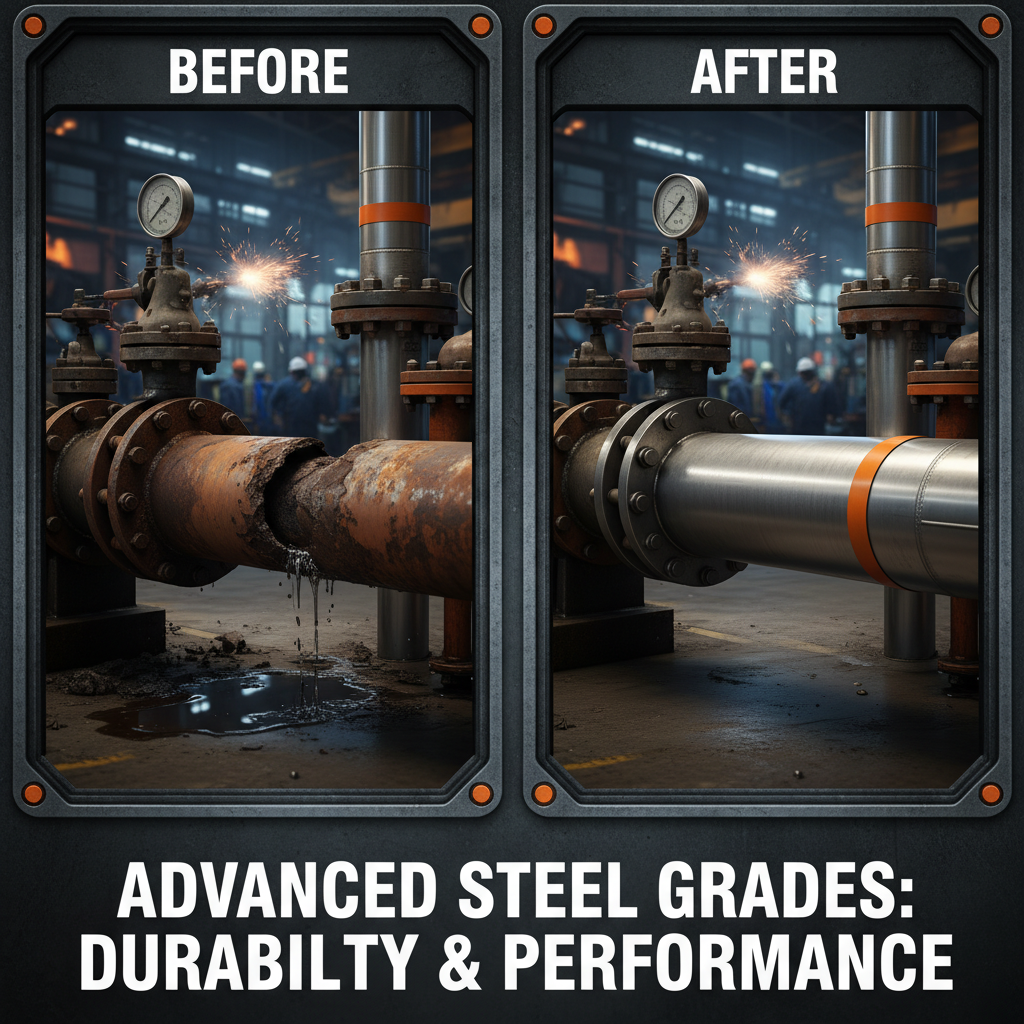
P91 alloy offers significantly superior creep resistance and oxidation resistance compared to carbon steel at elevated temperatures. Carbon steel loses strength rapidly at temperatures above 400°C, making it unsuitable for long-term use in high-temperature environments. P91 maintains its strength and structural integrity, ensuring reliable performance and extended service life. This translates to reduced maintenance costs, increased plant efficiency, and enhanced safety.
What is the impact of nitrogen content on the properties of P91 alloy?
Nitrogen is often added to P91 alloy in small amounts to enhance its strength and toughness. However, excessive nitrogen can lead to reduced weldability and increased susceptibility to cracking. A carefully controlled nitrogen content is essential to balance these competing effects. The optimal nitrogen level depends on the specific application and manufacturing process. Manufacturers closely monitor and adjust nitrogen levels to ensure the desired properties are achieved.
Is P91 alloy susceptible to hydrogen embrittlement?
Yes, like many high-strength steels, P91 alloy can be susceptible to hydrogen embrittlement under certain conditions. Hydrogen can diffuse into the metal, reducing its ductility and increasing its susceptibility to cracking. Factors that can contribute to hydrogen embrittlement include exposure to hydrogen-containing environments, electrochemical corrosion, and high stress levels. Proper material selection, corrosion control measures, and stress management are essential to mitigate the risk of hydrogen embrittlement.
Post time: Mar . 26, 2026 02:35
 English
  Arabic
  Bengali
  China
China  French
  German
  Hausa
Hausa  Indonesian
  Italian
  Japanese
  Javanese
  Malay
Malay  Persian
  Portuguese
  Punjabi
  Russian
  Spanish
  Swahili
  Telugu
  Vietnamese