

Understanding Nitronic 60 Pipe: A Comprehensive Guide
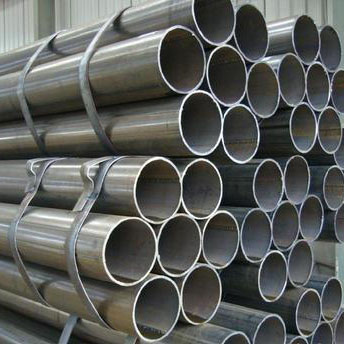
Nitronic 60 pipe is a specialized alloy known for its exceptional corrosion resistance, particularly in sulfuric acid environments. This makes it a critical material in various industries, including chemical processing, mining, and power generation. This article delves into the properties, applications, advantages, and specifications of Nitronic 60 pipe, providing a thorough understanding for engineers, procurement professionals, and anyone involved in material selection. Choosing the correct piping material is crucial for longevity and safety, and Nitronic 60 often presents an ideal solution.
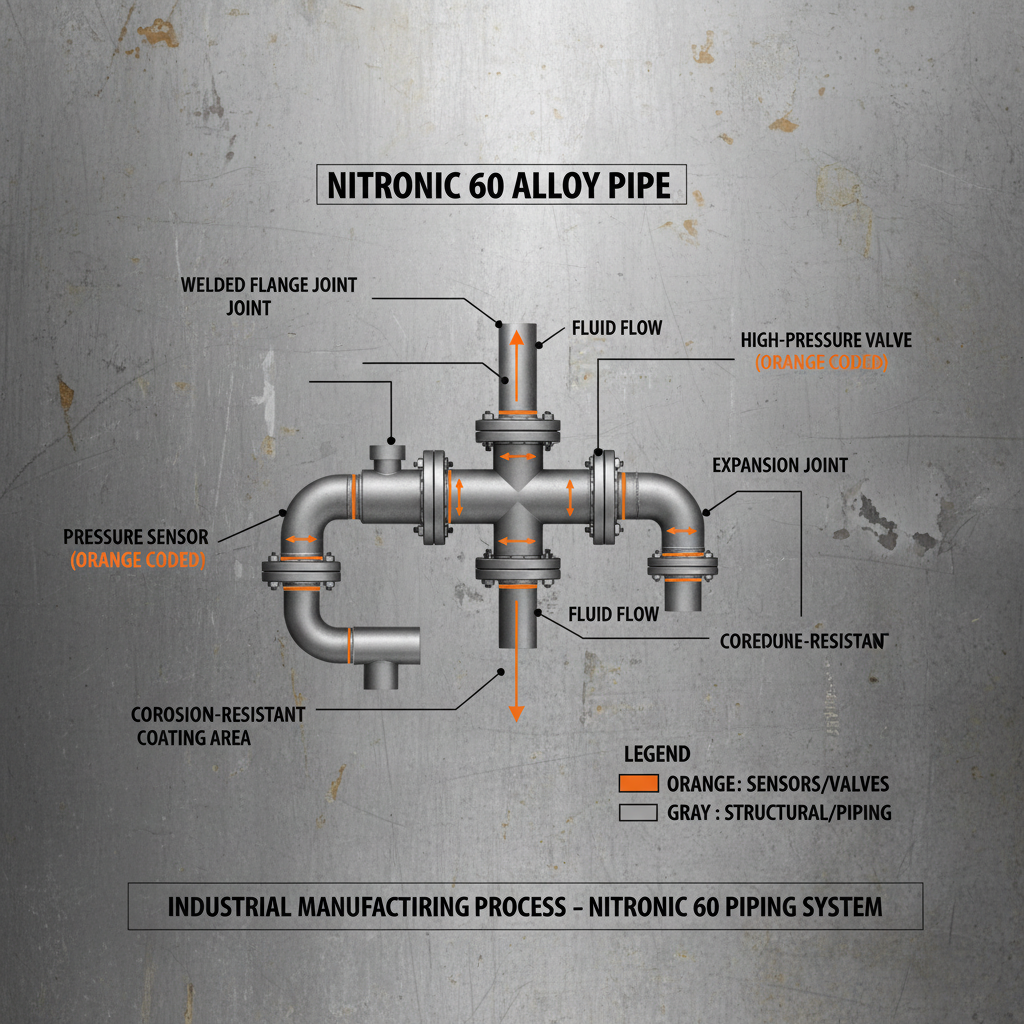
What is Nitronic 60 Pipe?
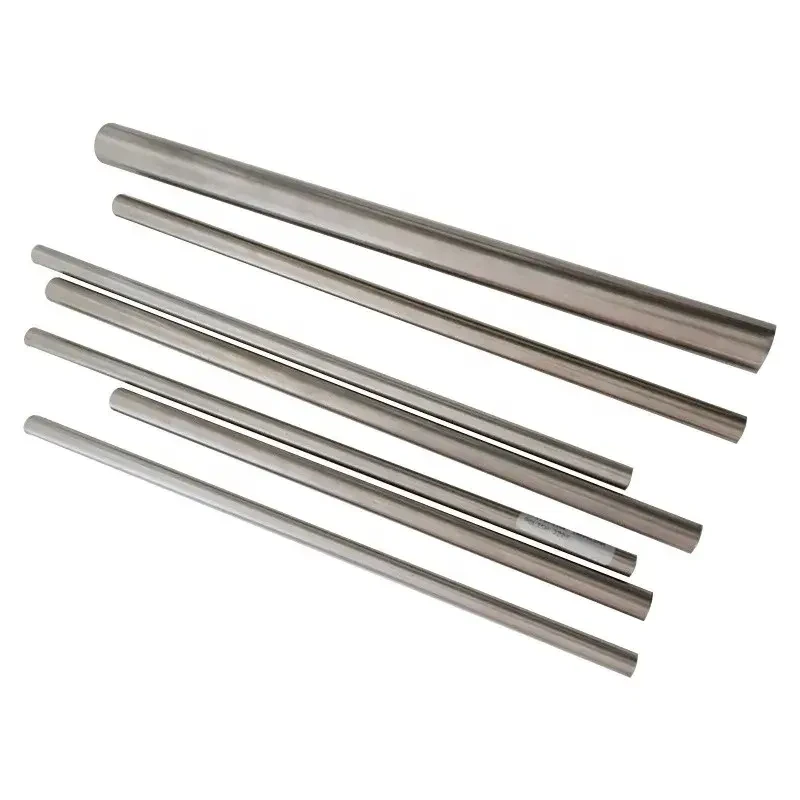
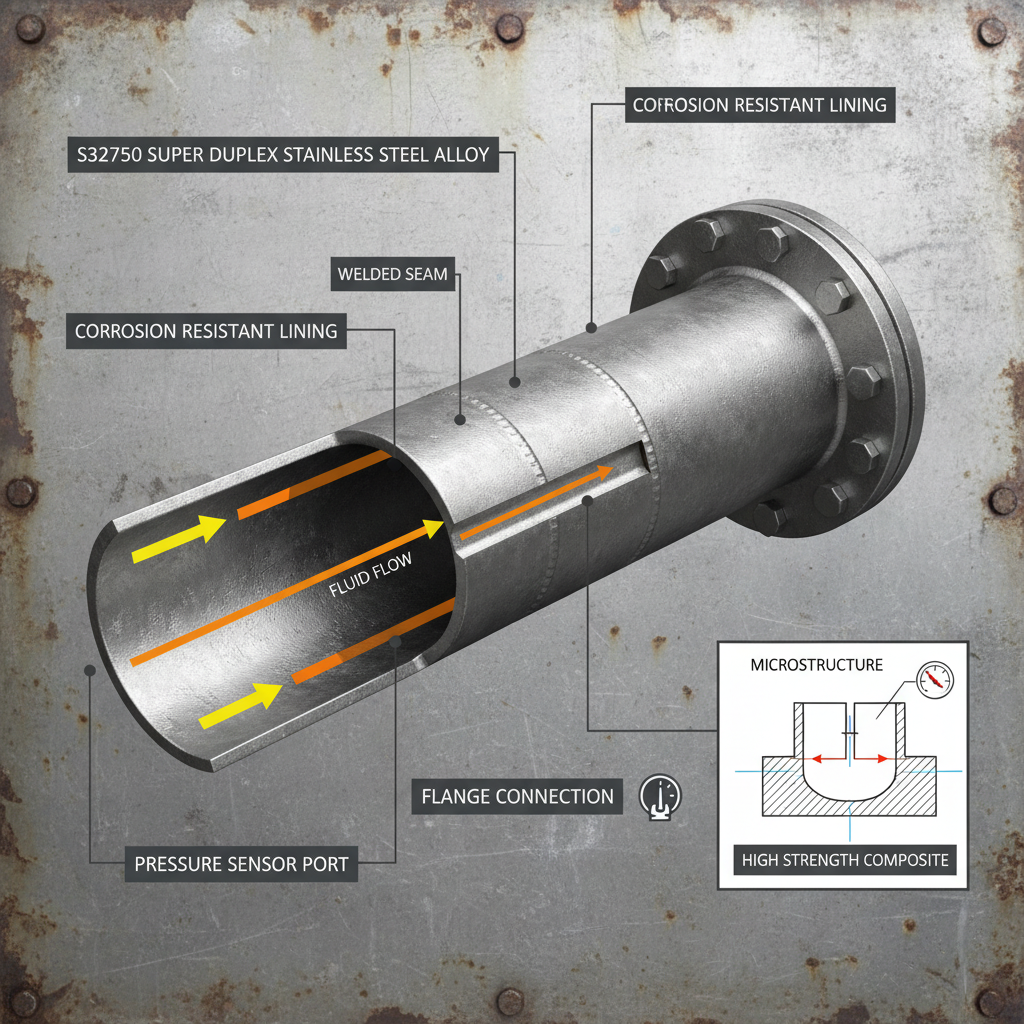
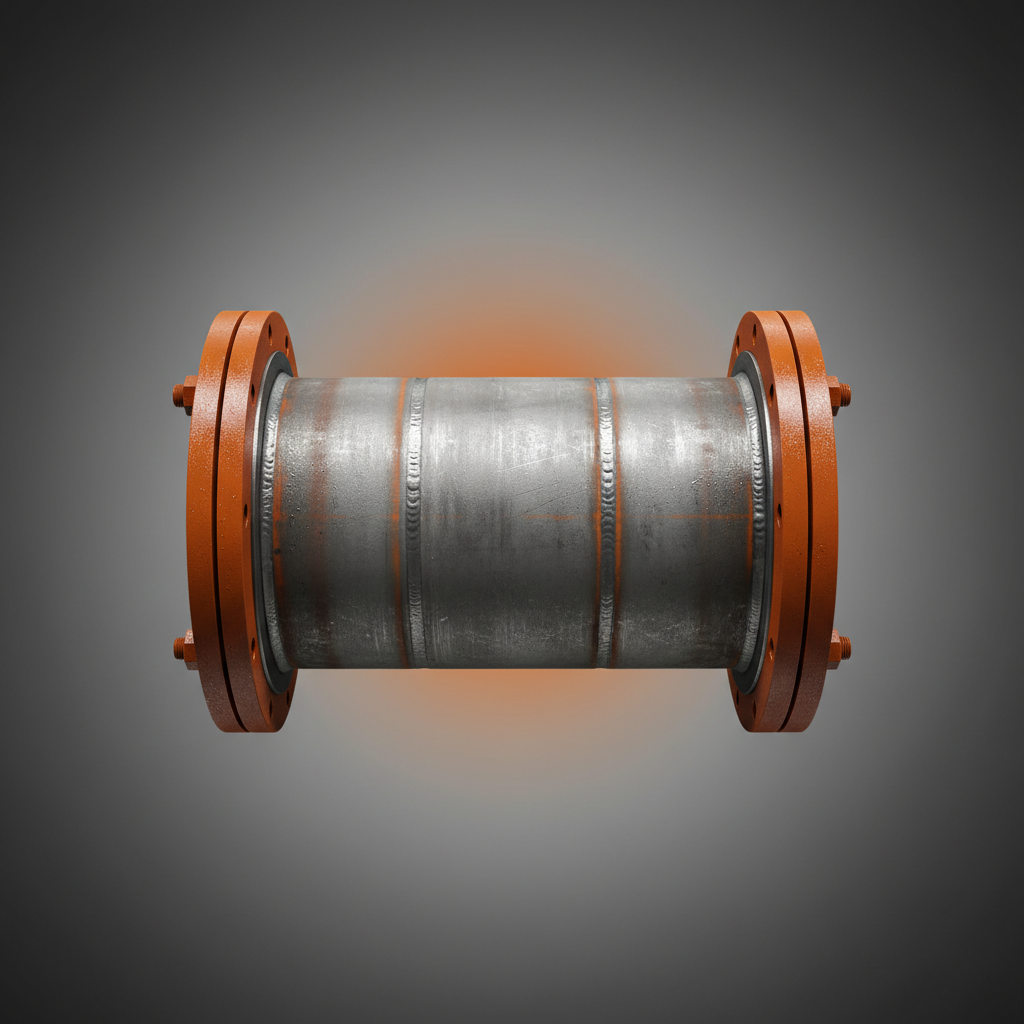
Nitronic 60 is an austenitic stainless steel alloy containing approximately 6% nickel, 18% chromium, and 8% molybdenum. The addition of nitrogen significantly enhances its strength and pitting resistance. Manufactured into pipe, it provides a robust solution for handling highly corrosive fluids. Its unique chemical composition allows it to withstand environments that rapidly deteriorate standard stainless steel alloys. Nitronic 60 pipe is typically used for transporting corrosive chemicals, including sulfuric, hydrochloric, and phosphoric acids.
Key Highlights: Exceptional corrosion resistance, particularly in sulfuric acid; High strength and ductility; Excellent resistance to pitting and crevice corrosion; Suitable for a wide range of temperatures.
Applications of Nitronic 60 Pipe
The unique properties of Nitronic 60 pipe lead to its widespread use across multiple industries. In the chemical processing industry, it’s critical for handling sulfuric acid and other aggressive chemicals. Mining operations utilize it for transporting corrosive leach solutions. Power plants employ it in flue gas desulfurization (FGD) systems. Other applications include pulp and paper mills, wastewater treatment facilities, and specialized applications demanding high corrosion resistance.
Application Benefits:
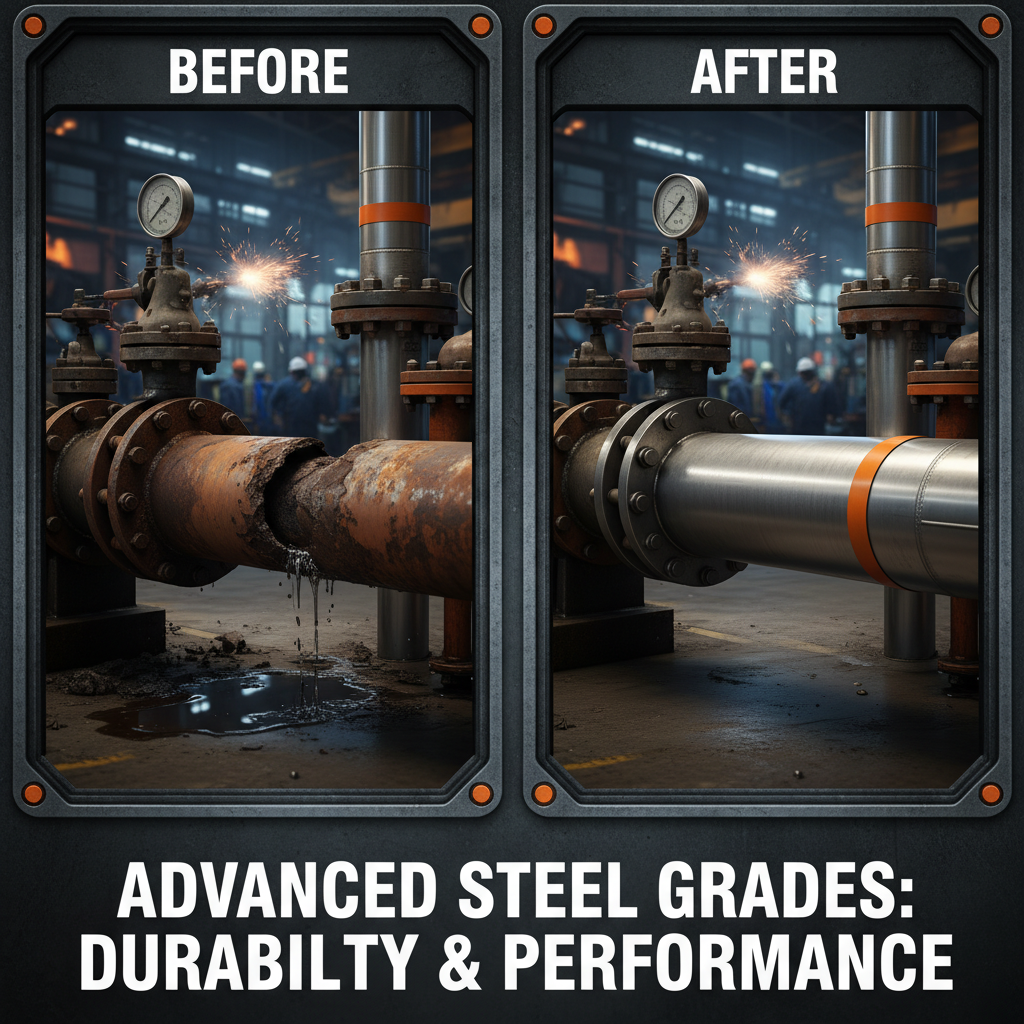
• Extends equipment lifespan in corrosive environments
• Reduces maintenance costs
• Enhances process safety and reliability
• Minimizes downtime
Nitronic 60 Pipe vs. Other Alloys: A Comparison
Compared to standard 304/316 stainless steel, Nitronic 60 demonstrates significantly superior corrosion resistance, especially in sulfuric acid. While other high-alloy materials like Alloy 20 and Hastelloy offer similar resistance, they often come with higher costs. Nitronic 60 strikes a balance between performance and affordability, making it a cost-effective solution for many demanding applications. Nitronic 60 pipe often outperforms these alternatives in terms of long-term durability and resistance to pitting.
Technical Specifications and Available Sizes
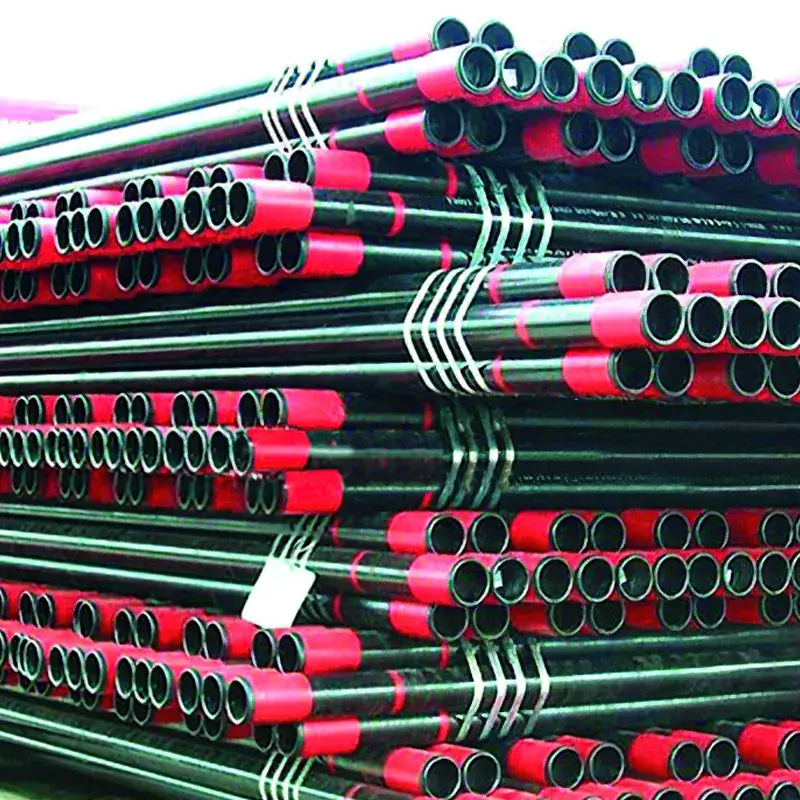
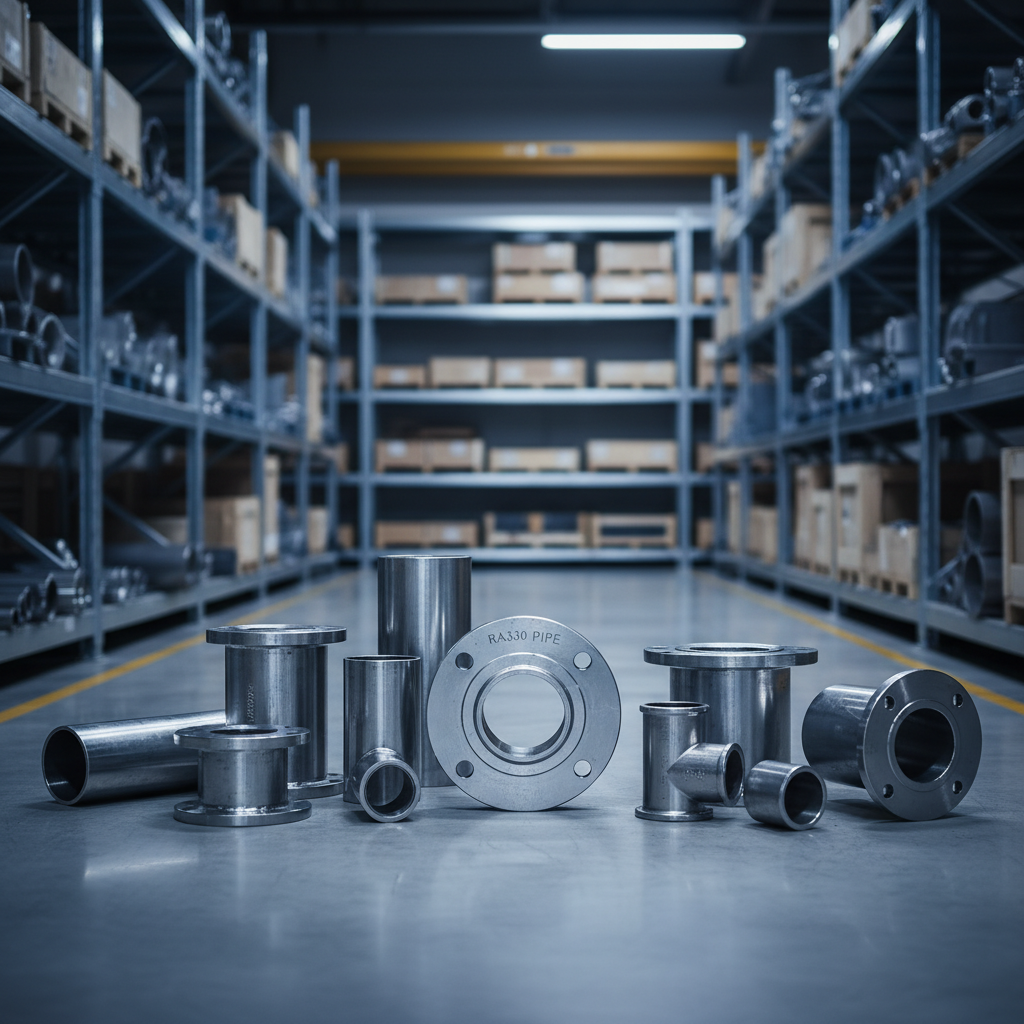
Nitronic 60 pipe is available in a variety of sizes, schedules, and finishes to meet diverse application requirements. Commonly available sizes range from 1/2 inch to 24 inches in diameter. Schedules typically include 40, 80, and 160, providing varying wall thicknesses. Finishes can include mill finish, polished, or beveled ends. Here’s a sample specification table:
Conclusion: The Value of Nitronic 60
Choosing the right material for corrosive environments is paramount to ensuring operational safety and longevity. Nitronic 60 pipe offers a robust and cost-effective solution for a wide range of applications. By investing in high-quality Nitronic 60 pipe from a reputable supplier, you can minimize downtime, reduce maintenance costs, and protect your valuable assets.
Frequently Asked Questions (FAQs)
What are the limitations of Nitronic 60 pipe?
While Nitronic 60 exhibits excellent corrosion resistance, it's not immune to all corrosive environments. It can be susceptible to chloride stress corrosion cracking in certain conditions. Furthermore, its weldability requires specialized techniques and filler metals. Proper welding procedures are crucial to maintain its corrosion resistance and mechanical properties. Always consult with a materials engineer to determine if Nitronic 60 is suitable for your specific application.
How is Nitronic 60 pipe typically welded?
Nitronic 60 requires careful welding procedures. The use of low-hydrogen welding processes, such as GTAW (Gas Tungsten Arc Welding) or SMAW (Shielded Metal Arc Welding) with low-hydrogen electrodes, is recommended. Preheating and post-weld heat treatment are often necessary to prevent cracking and maintain corrosion resistance. It's crucial to use filler metals compatible with Nitronic 60 to ensure the weld's integrity and corrosion resistance. Certified welders experienced in working with stainless steel alloys should perform the welding.
Where can I purchase Nitronic 60 pipe?
World Steel Material is a leading supplier of Nitronic 60 pipe and other specialty steel alloys. We offer a comprehensive range of sizes, schedules, and finishes to meet your specific needs. Our team of experts can provide technical support and assistance with material selection. Contact us today for a quote.
Post time: Mar . 11, 2026 02:35
 English
  Arabic
  Bengali
  China
China  French
  German
  Hausa
Hausa  Indonesian
  Italian
  Japanese
  Javanese
  Malay
Malay  Persian
  Portuguese
  Punjabi
  Russian
  Spanish
  Swahili
  Telugu
  Vietnamese