

Cold Drawn Stainless Steel Tube: A Comprehensive Guide
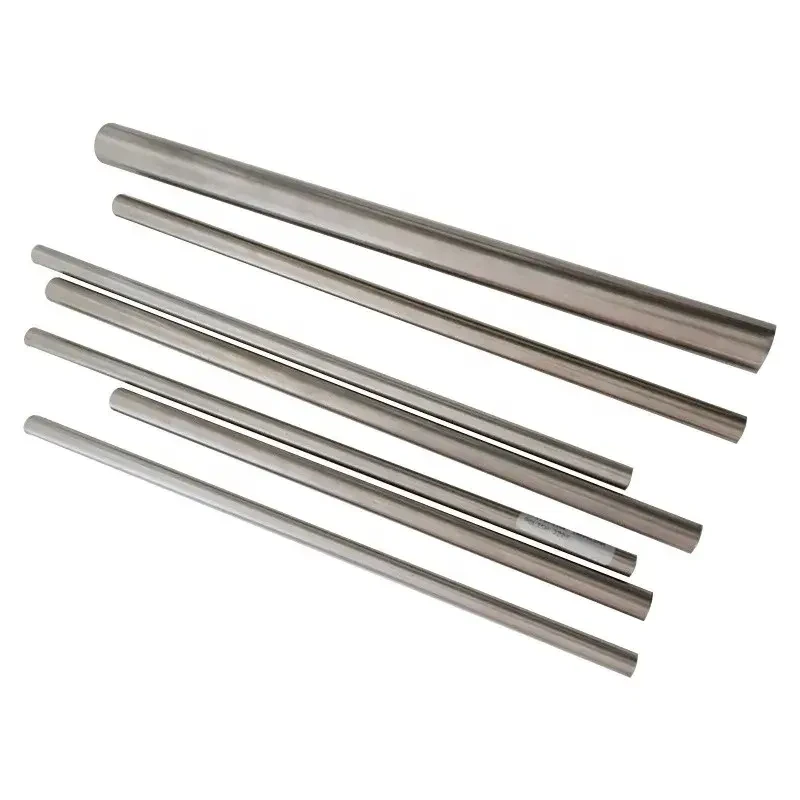
Cold drawn stainless steel tube is a versatile material used in a wide range of industries due to its precision, strength, and corrosion resistance. This article provides an in-depth look at its manufacturing process, properties, applications, and considerations for sourcing high-quality tubes. Whether you're an engineer, manufacturer, or purchasing agent, understanding the nuances of cold-drawn stainless steel tubing is crucial for successful project outcomes. Learn how World Steel Material can provide you with the best solutions for your needs.
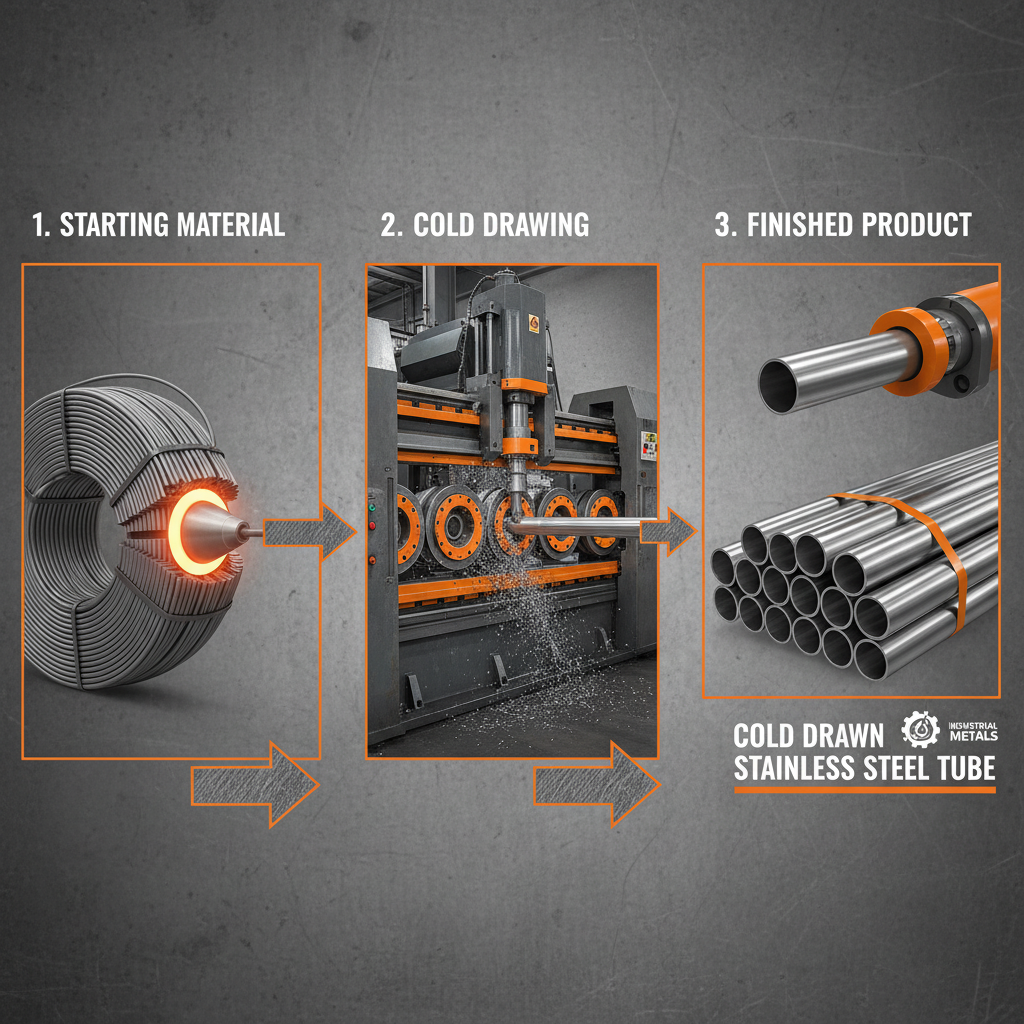
What is Cold Drawn Stainless Steel Tube?
Cold drawing is a metalworking process used to reduce the diameter of stainless steel tubing by pulling it through a die. Unlike hot-rolled tubing, cold-drawn tubes are processed at room temperature, resulting in a smoother surface finish, tighter tolerances, and increased strength. This method improves the material's mechanical properties through work hardening, making it ideal for applications demanding precision and durability. The process also allows for precise control over the tube's dimensions and shape, offering greater consistency compared to other manufacturing methods. World Steel Material offers a wide array of cold drawn stainless steel tubes to meet diverse application requirements.
Key Benefits: Smoother surface finish, tighter tolerances, increased strength, improved dimensional accuracy, and enhanced corrosion resistance.
The Cold Drawing Process Explained
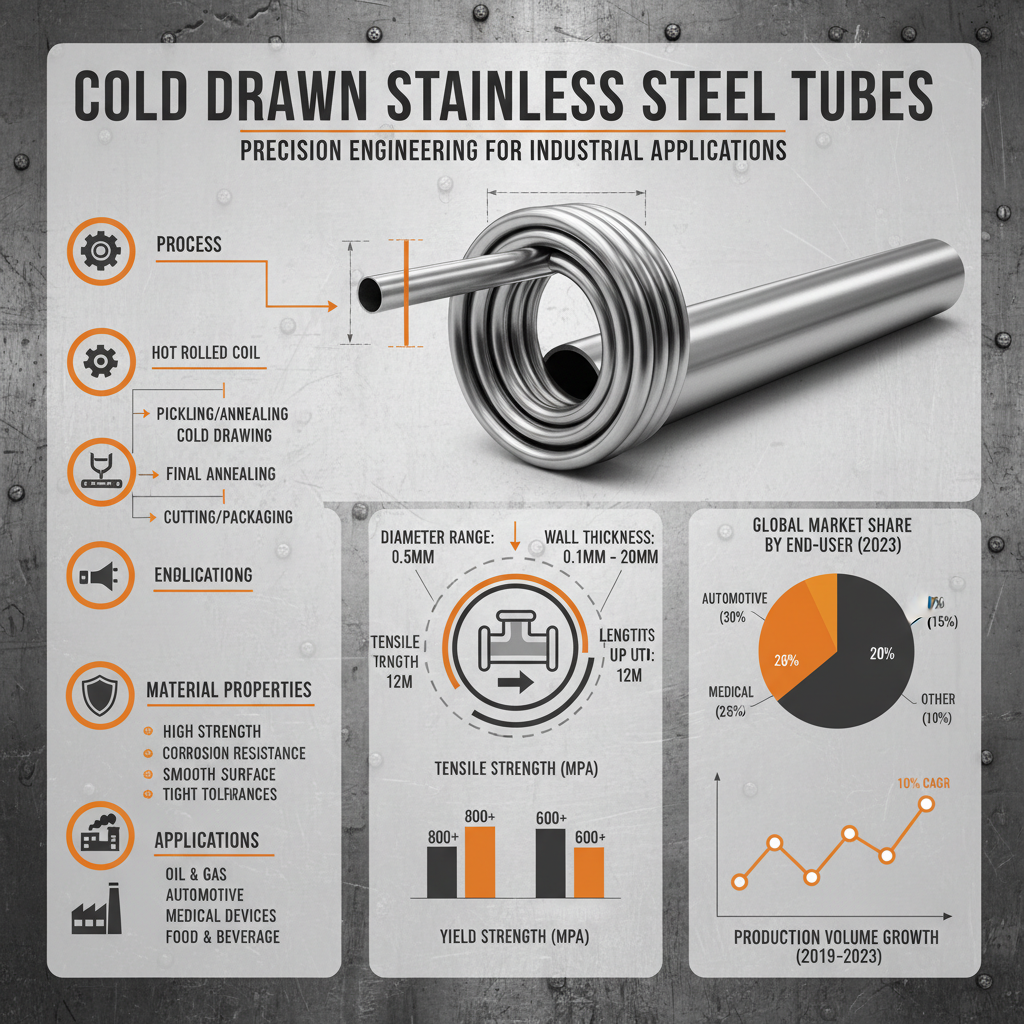
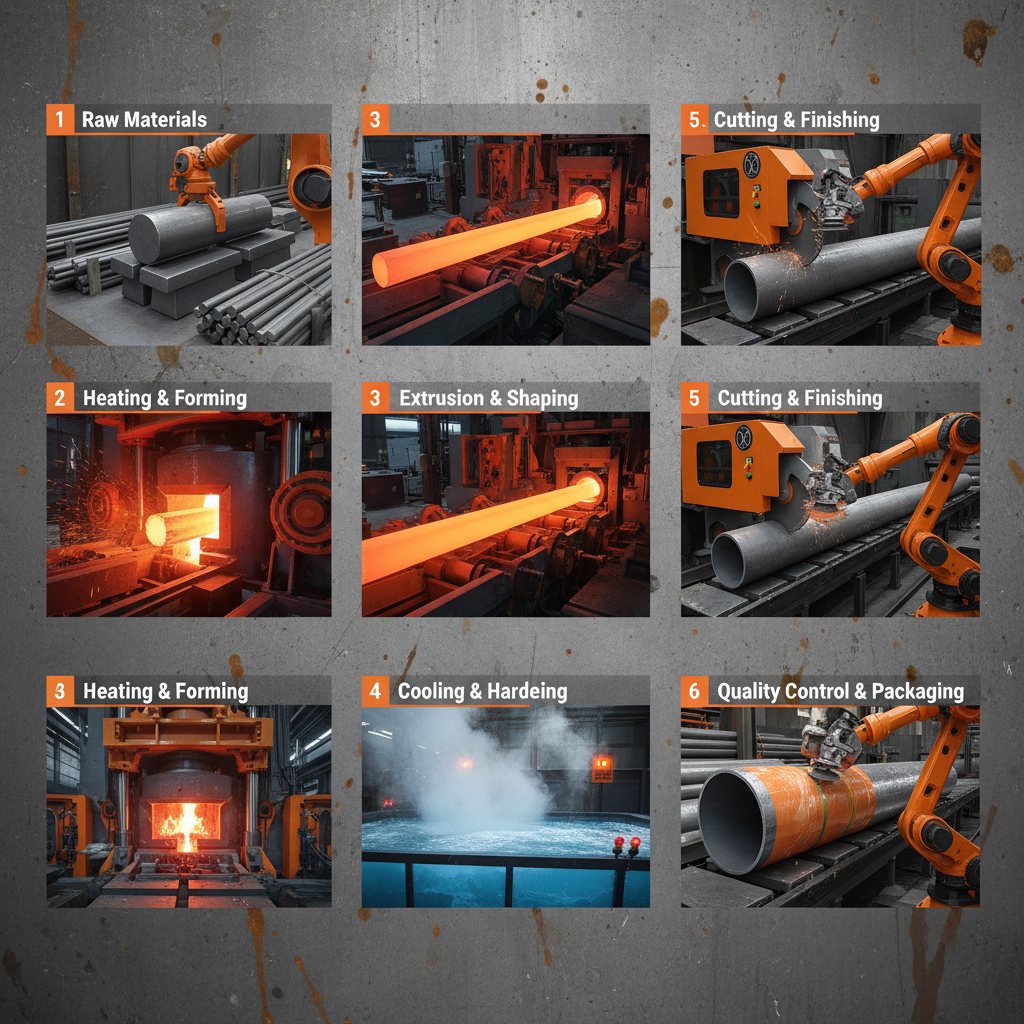
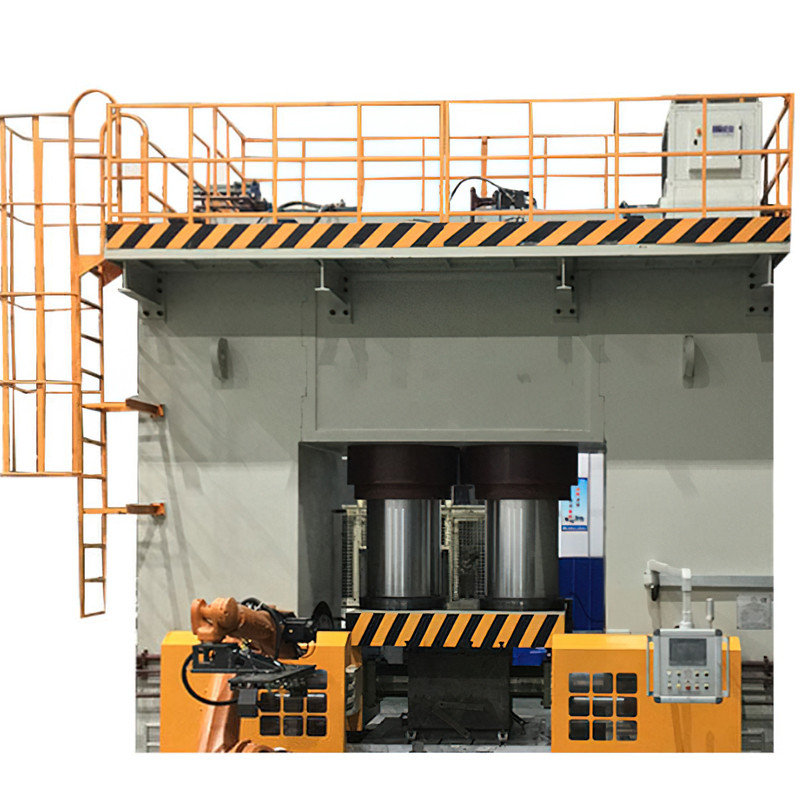
The cold drawing process begins with a hot-rolled stainless steel tube. This tube is then lubricated and pulled through a die that reduces its diameter and wall thickness. Multiple drawing passes with progressively smaller dies may be necessary to achieve the desired dimensions. After drawing, the tube undergoes stress relieving to eliminate residual stresses induced during the process. Finally, the tube is straightened, cut to length, and inspected for quality. The precision and control offered by this process ensure a high-quality final product that meets stringent industry standards.
Process Steps:
• Hot-rolled tube preparation
• Lubrication and drawing through a die
• Multiple drawing passes (if necessary)
• Stress relieving
• Straightening, cutting, and inspection
Cold Drawn vs. Hot Rolled Stainless Steel Tube: A Comparison
While both cold-drawn and hot-rolled stainless steel tubes serve similar purposes, they differ significantly in their properties and applications. Cold-drawn tubes offer superior surface finish, tighter tolerances, and increased strength, making them suitable for precision applications. Hot-rolled tubes, on the other hand, are more cost-effective and generally used in applications where dimensional accuracy and surface finish are less critical. Choosing the right type depends on your specific project requirements and budget.
Applications of Cold Drawn Stainless Steel Tube
The unique properties of cold-drawn stainless steel tubing make it ideal for a vast array of applications, including:
- Medical Devices: Its biocompatibility and precision make it suitable for surgical instruments and implants.
- Automotive Industry: Used in exhaust systems, fuel lines, and structural components.
- Aerospace: Utilized in hydraulic systems and control mechanisms.
- Food and Beverage Processing: Its corrosion resistance is crucial for hygienic processing equipment.
- Pharmaceuticals: Employed in manufacturing and delivery systems due to its purity and resistance to contamination.
- Construction: Railings, handrails, and structural supports.
World Steel Material supplies tubes for diverse industries, ensuring adherence to the highest quality standards.
Key Specifications & Grades
Cold drawn stainless steel tubes are available in various grades and specifications to meet specific application needs. Common grades include 304/304L, 316/316L, and 410. The selection depends on factors such as corrosion resistance, strength, and temperature requirements. Here's a quick overview of typical specifications:
Conclusion: Partnering with a Reliable Supplier
Choosing the right supplier for your cold drawn stainless steel tube needs is paramount. World Steel Material provides high-quality tubes, competitive pricing, and exceptional customer service. We ensure our products meet stringent industry standards and can deliver custom solutions to your specific requirements. Invest in quality and reliability – choose World Steel Material for all your stainless steel tubing needs.
Frequently Asked Questions (FAQs)
What are the advantages of using 316/316L stainless steel?
316/316L stainless steel offers superior corrosion resistance compared to 304/304L, particularly in chloride environments. The addition of molybdenum enhances its resistance to pitting and crevice corrosion. 316L has a lower carbon content, which improves its weldability and reduces the risk of carbide precipitation during welding. This makes 316/316L ideal for applications in marine environments, chemical processing, and pharmaceutical industries. Consider your environment and application when selecting the appropriate grade.
How can I ensure the quality of the tubes I purchase?
Ensure the supplier has robust quality control processes in place, including material certification, dimensional inspection, and non-destructive testing. Look for certifications like ISO 9001, which demonstrate a commitment to quality management. Request mill test reports (MTRs) to verify the chemical composition and mechanical properties of the material. Choosing a reputable supplier like World Steel Material guarantees high-quality products and reliable service.
What is the typical lead time for custom orders?
Lead times for custom orders vary depending on the quantity, specifications, and current production schedule. Typically, lead times range from 2-6 weeks. It's best to discuss your specific requirements with the supplier to get an accurate estimate. World Steel Material strives to provide prompt and efficient service, minimizing lead times whenever possible.
What surface finishes are available for cold drawn stainless steel tubes?
Common surface finishes include mill finish, polished, and brushed. Mill finish is the standard finish after the cold drawing process. Polishing provides a smooth, reflective surface, enhancing corrosion resistance and aesthetics. Brushed finishes offer a directional grain, providing an attractive appearance while also masking minor imperfections. The choice of surface finish depends on the application and desired appearance.
Post time: Feb . 25, 2026 02:35



 English
  Arabic
  Bengali
  China
China  French
  German
  Hausa
Hausa  Indonesian
  Italian
  Japanese
  Javanese
  Malay
Malay  Persian
  Portuguese
  Punjabi
  Russian
  Spanish
  Swahili
  Telugu
  Vietnamese