

Understanding Cold Drawn Mechanical Tubing: A Comprehensive Guide
Cold drawn mechanical tubing is a versatile material widely used in various industries due to its precision, strength, and smooth surface finish. This article provides an in-depth look at cold drawn mechanical tubing, covering its manufacturing process, key characteristics, applications, and benefits. We’ll explore why choosing the right tubing is vital for your specific needs, and how World-Steelmaterial.com can provide tailored solutions. This guide aims to equip you with the knowledge to make informed decisions when sourcing this critical component.
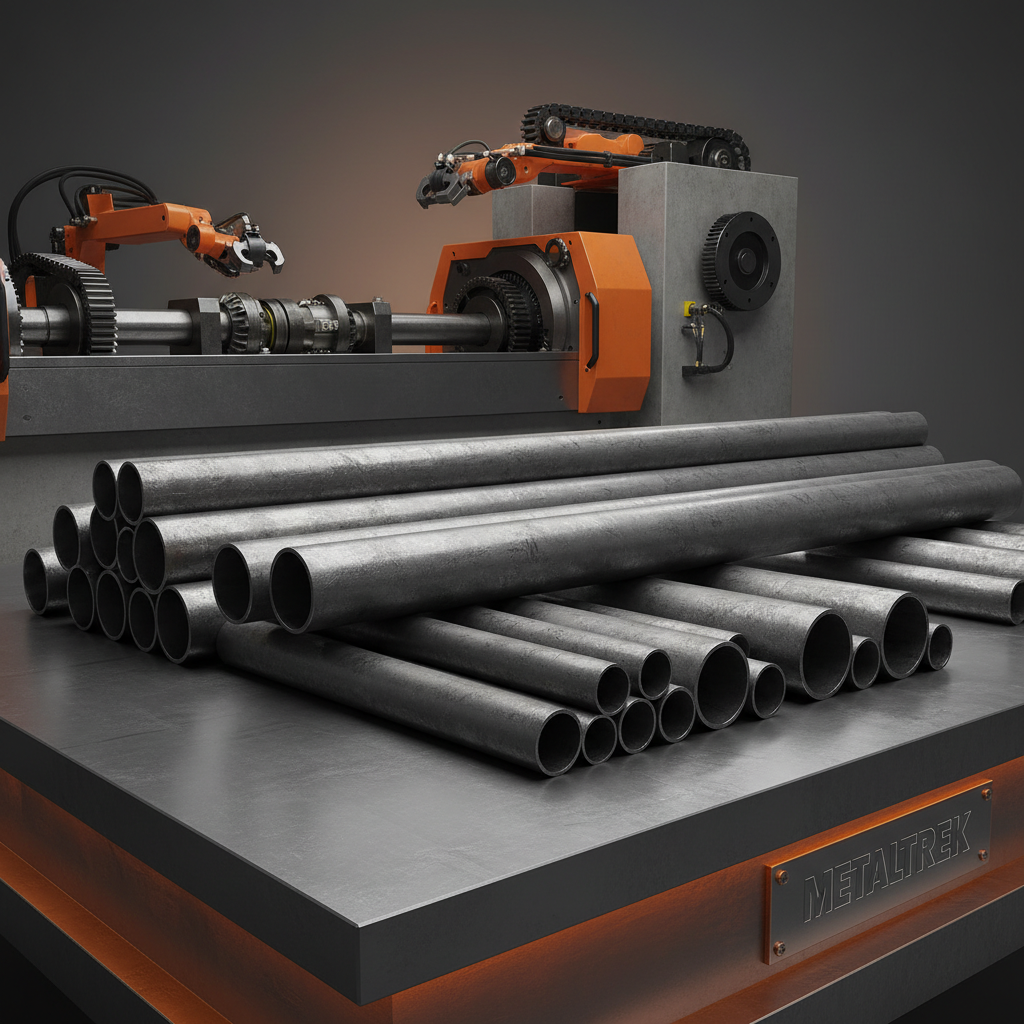
What is Cold Drawn Mechanical Tubing?
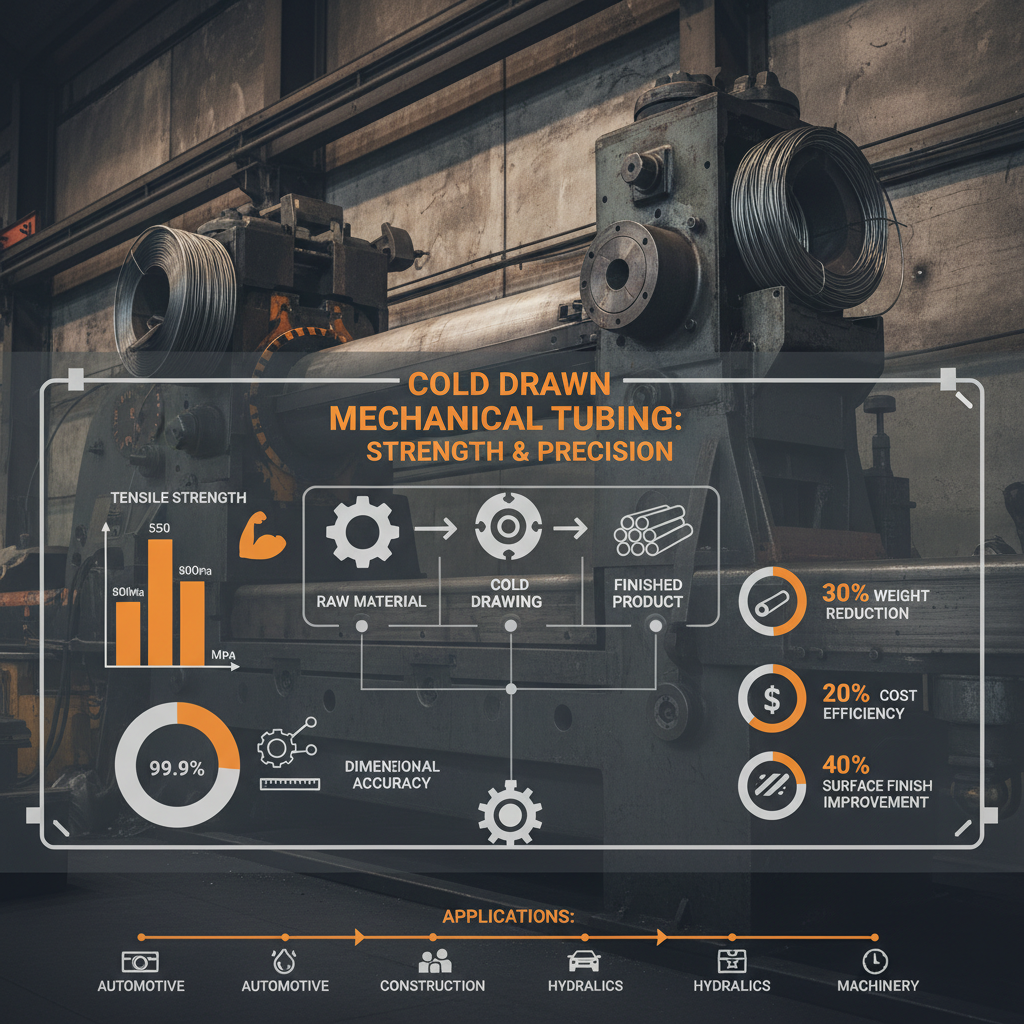
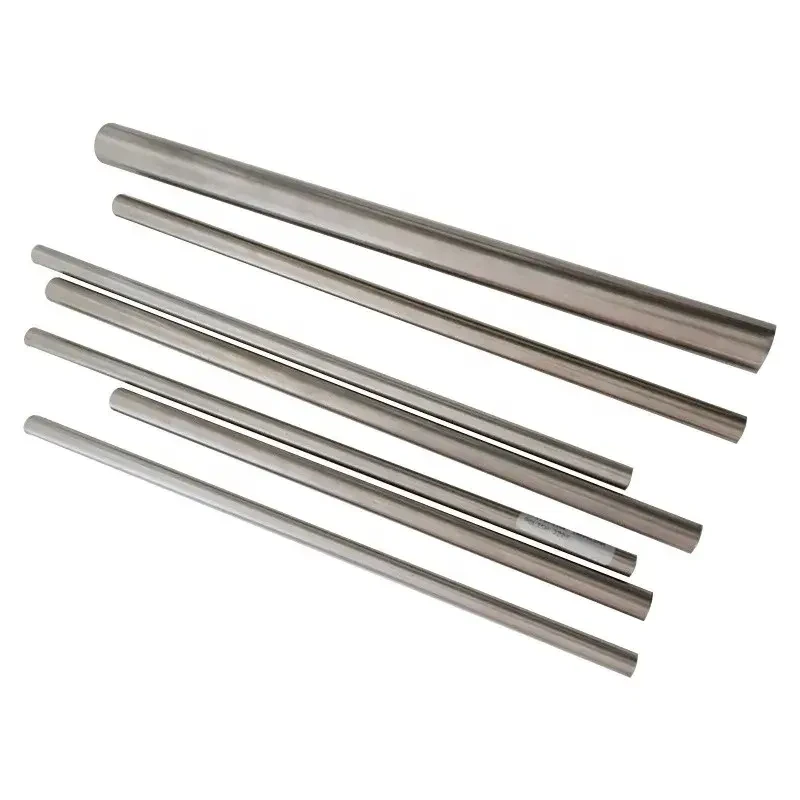
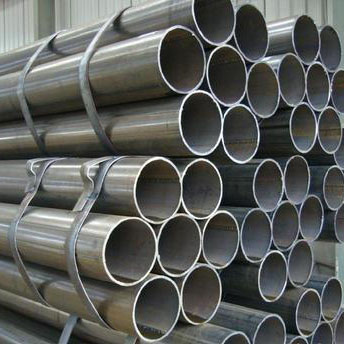
Cold drawn mechanical tubing is produced by drawing seamless or welded tubing through a die to reduce its diameter and increase its length. This process is performed at room temperature, hence the term "cold drawn." Unlike hot-rolled tubing, cold drawing improves the tubing's mechanical properties, dimensional accuracy, and surface finish. The result is a tubing with tighter tolerances, higher strength, and a smoother inner and outer surface. The process work hardens the metal increasing tensile strength and yield strength.
Key Characteristics: High strength, dimensional accuracy, smooth surface finish, tight tolerances, and improved mechanical properties.
The Cold Drawing Process Explained
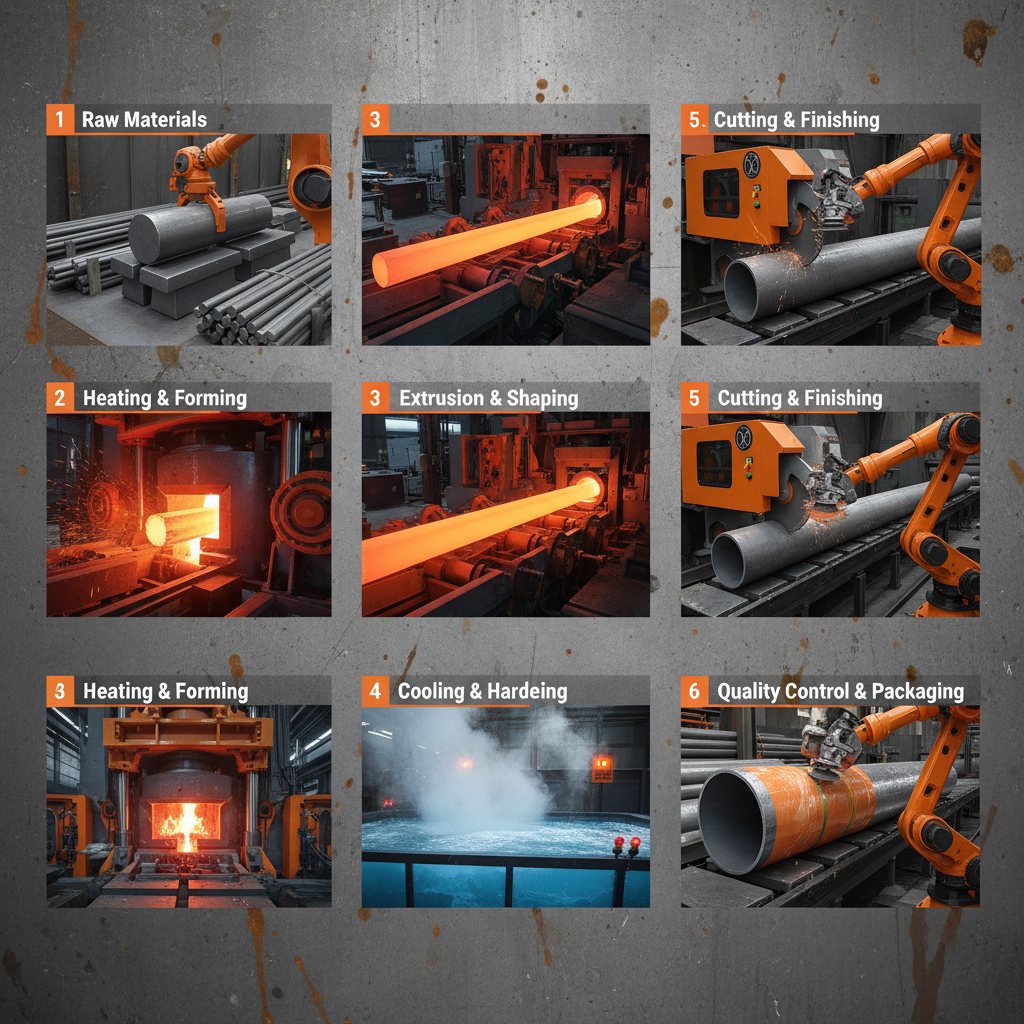
The cold drawing process involves several key steps. First, the initial tubing is prepared by cleaning and lubricating its surface. Then, it is pulled through a die, which reduces its diameter. Multiple drawing passes may be required to achieve the desired dimensions. Following drawing, the tubing undergoes stress relieving to eliminate residual stresses induced during the process. Finally, the tubing is often straightened and cut to length. World-Steelmaterial.com utilizes advanced cold drawing techniques to deliver consistently high-quality tubing.
Applications of Cold Drawn Mechanical Tubing
Cold drawn mechanical tubing finds applications in a wide variety of industries. These include:
- Automotive: Used in shock absorbers, axles, and steering components.
- Aerospace: Utilized in hydraulic systems and structural parts.
- Construction: Applied in scaffolding and structural supports.
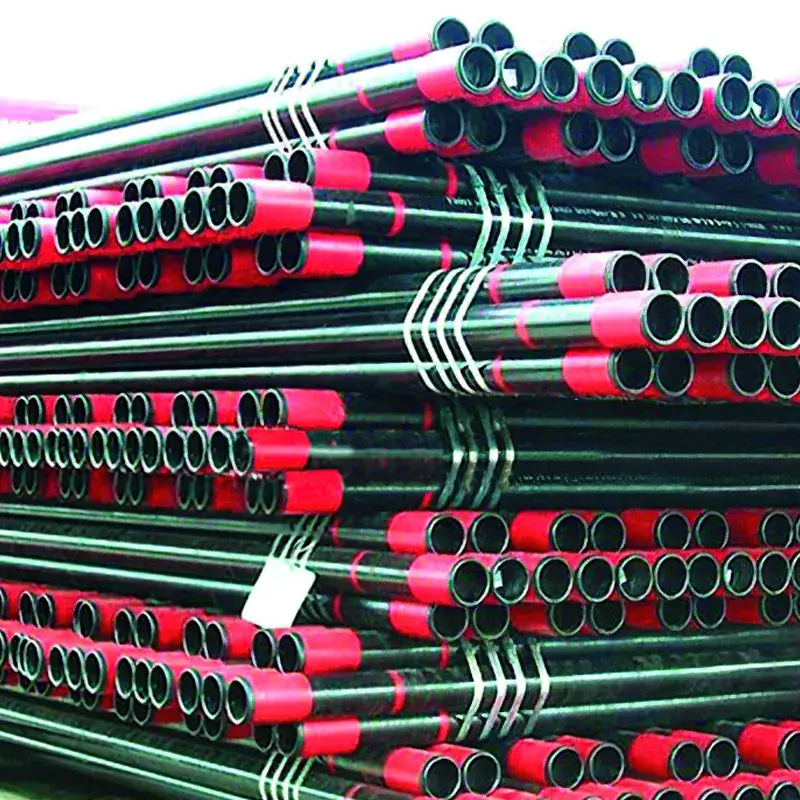
- Oil & Gas: Employed in downhole tools and pipelines.
- Machinery: Incorporated into precision machinery and equipment.
Key Benefits:
• Superior strength and hardness
• Tight dimensional tolerances
• Smooth surface finish
• Excellent machinability
Cold Drawn Mechanical Tubing: Materials & Specifications
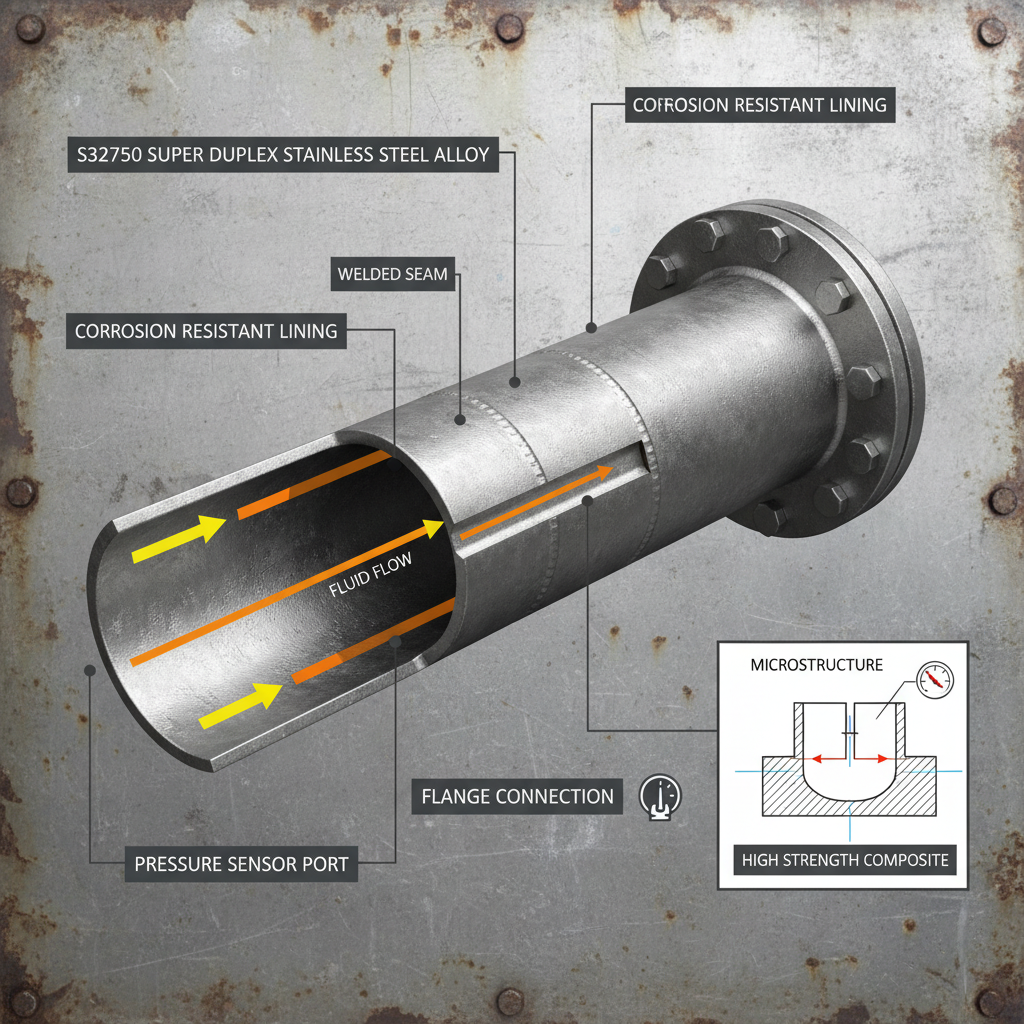
Cold drawn mechanical tubing is available in a variety of materials, including carbon steel, alloy steel, and stainless steel. The choice of material depends on the specific application requirements. Common grades include 1018, 1020, 4140, and 304 stainless steel. Here’s a comparison of commonly used materials:
Partnering with World-Steelmaterial.com for Your Tubing Needs
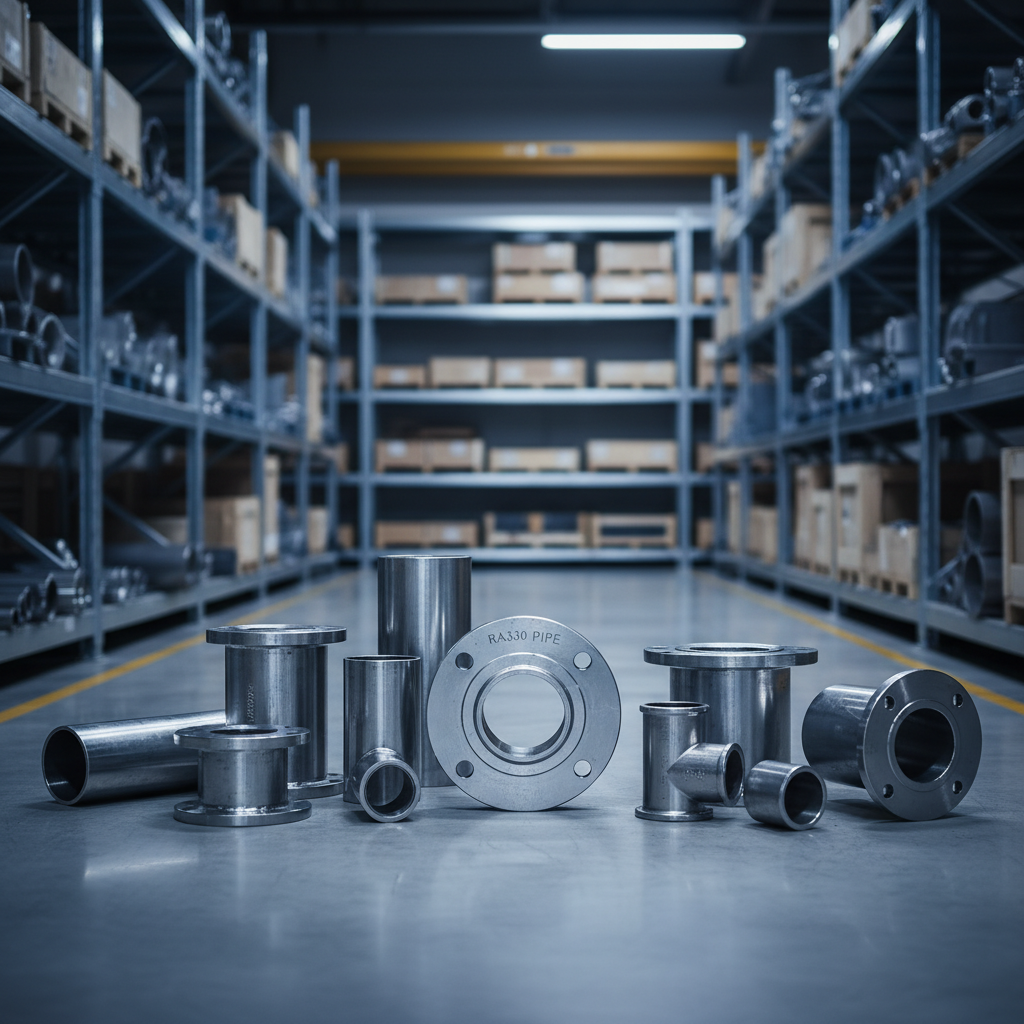
World-Steelmaterial.com offers a comprehensive range of cold drawn mechanical tubing, tailored to meet your specific requirements. We specialize in providing high-quality tubing with precise dimensions, consistent mechanical properties, and fast turnaround times. Our experienced team can assist you in selecting the optimal material and specifications for your application, and provide custom cutting and fabrication services. We are committed to delivering exceptional customer service and building long-term partnerships.
Conclusion: Choosing the Right Cold Drawn Tubing
Selecting the correct cold drawn mechanical tubing is crucial for the success of your project. Consider factors like material, dimensions, and mechanical properties to ensure optimal performance and longevity. World-Steelmaterial.com is your trusted partner for high-quality, custom-tailored tubing solutions. Contact us today to discuss your specific needs and receive a competitive quote.
Frequently Asked Questions (FAQs)
What are the key advantages of cold drawn tubing over hot-rolled tubing?
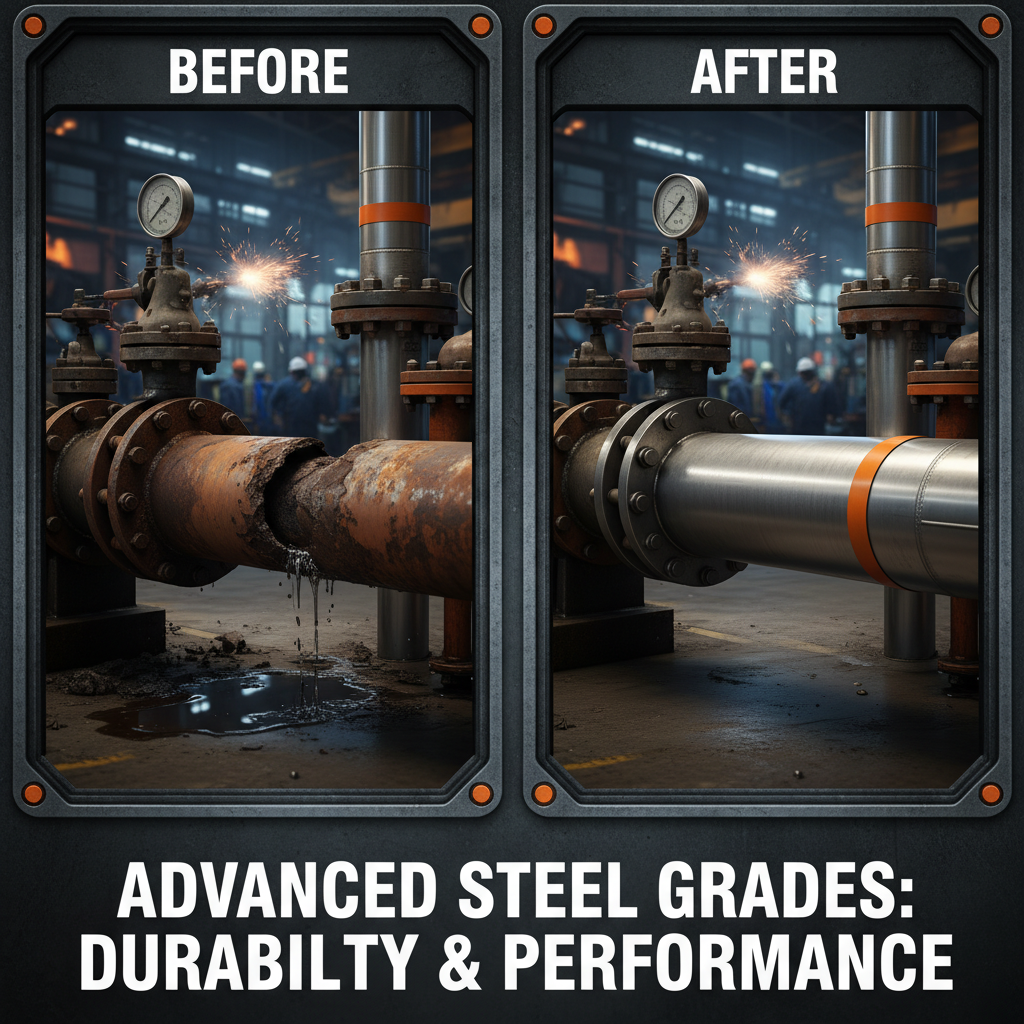
Cold drawn tubing offers several significant advantages over hot-rolled tubing. Primarily, it exhibits tighter dimensional tolerances and a superior surface finish. The cold drawing process also increases the tubing's strength and hardness. Hot-rolled tubing is generally more cost-effective, but it lacks the precision and mechanical properties of cold drawn tubing, making it unsuitable for applications requiring high accuracy or strength. Furthermore, the cold drawing process minimizes scaling and oxidation, leading to cleaner tubing with better corrosion resistance.
What is the typical lead time for custom cold drawn tubing orders?
Lead times for custom cold drawn tubing orders vary depending on the quantity, material, dimensions, and complexity of the order. Generally, standard orders can be fulfilled within 2-4 weeks. More complex orders or those requiring specialized materials may take longer. World-Steelmaterial.com is committed to providing accurate lead time estimates and expediting orders whenever possible. Contact our sales team for a precise quote and delivery schedule.
Can cold drawn tubing be heat treated after drawing?
Yes, cold drawn tubing can be heat treated to further enhance its mechanical properties. Heat treatment processes like annealing, tempering, or hardening can modify the tubing's strength, ductility, and hardness. However, it's important to note that heat treatment can affect the tubing's dimensional accuracy, so careful control and post-treatment straightening may be necessary. The specific heat treatment process will depend on the material and the desired properties.
Post time: Feb . 24, 2026 11:10

 English
  Arabic
  Bengali
  China
China  French
  German
  Hausa
Hausa  Indonesian
  Italian
  Japanese
  Javanese
  Malay
Malay  Persian
  Portuguese
  Punjabi
  Russian
  Spanish
  Swahili
  Telugu
  Vietnamese