

Understanding Carbon Steel A106: A Backbone of Modern Industry
Carbon steel A106 might sound like just another grade in a long steel catalog, but frankly, it’s so much more than that. This material is a silent workhorse in industries spanning from oil and gas pipelines to power plants and beyond. Globally, the demand for reliable construction materials continues to surge, driven by growing infrastructure needs and energy projects. According to the International Organization for Standardization (ISO), the integrity and standards compliance of materials like carbon steel A106 significantly impact safety and performance worldwide.
So why focus on carbon steel A106? It blends strength, heat resistance, and versatility in ways that meet the hefty requirements of today’s industrial challenges, helping infrastructure withstand harsh environments and high pressures. Understanding it is a bit like peeking under the hood of modern manufacturing — if you want durability and trustworthiness in your pipelines or boilers, this is a key player.
The Global Context of Carbon Steel A106
With the world's infrastructure projects booming — from the pipelines stretching across North America to power plants in Asia — carbon steel A106 fills a crucial gap. The global steel market is expected to grow at around 3.5% annually (World Bank data), driven in large part by energy and construction sectors that rely heavily on standardized steel grades. However, challenges like climate change, environmental regulations, and resource scarcity put pressure on manufacturers to choose materials that don’t just perform, but also last sustainably.
Carbon steel A106 comes into play as a trusted solution, adhering to ASTM (American Society for Testing and Materials) standards that guarantee consistent quality. This is especially vital for high-pressure, high-temperature environments — think steam lines or oil transport — where failure isn’t an option.
Defining Carbon Steel A106
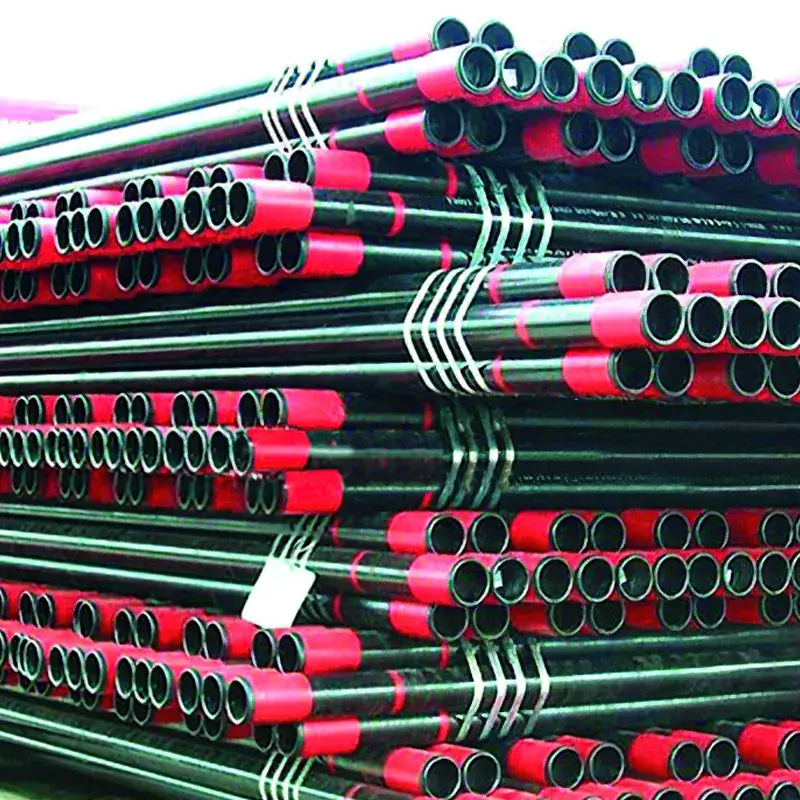
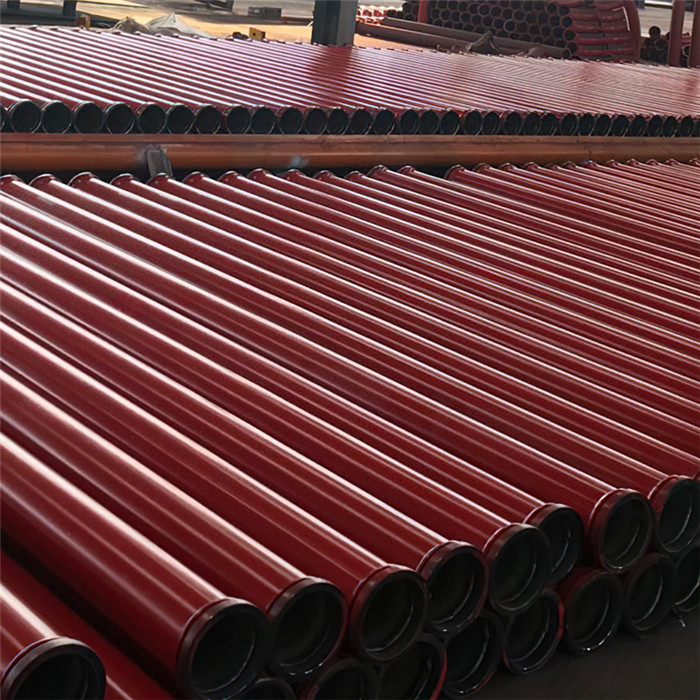
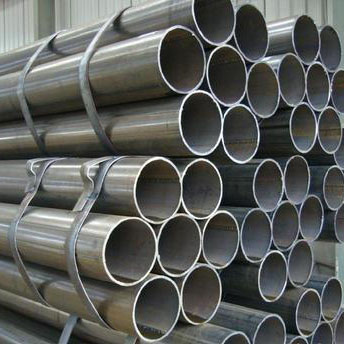
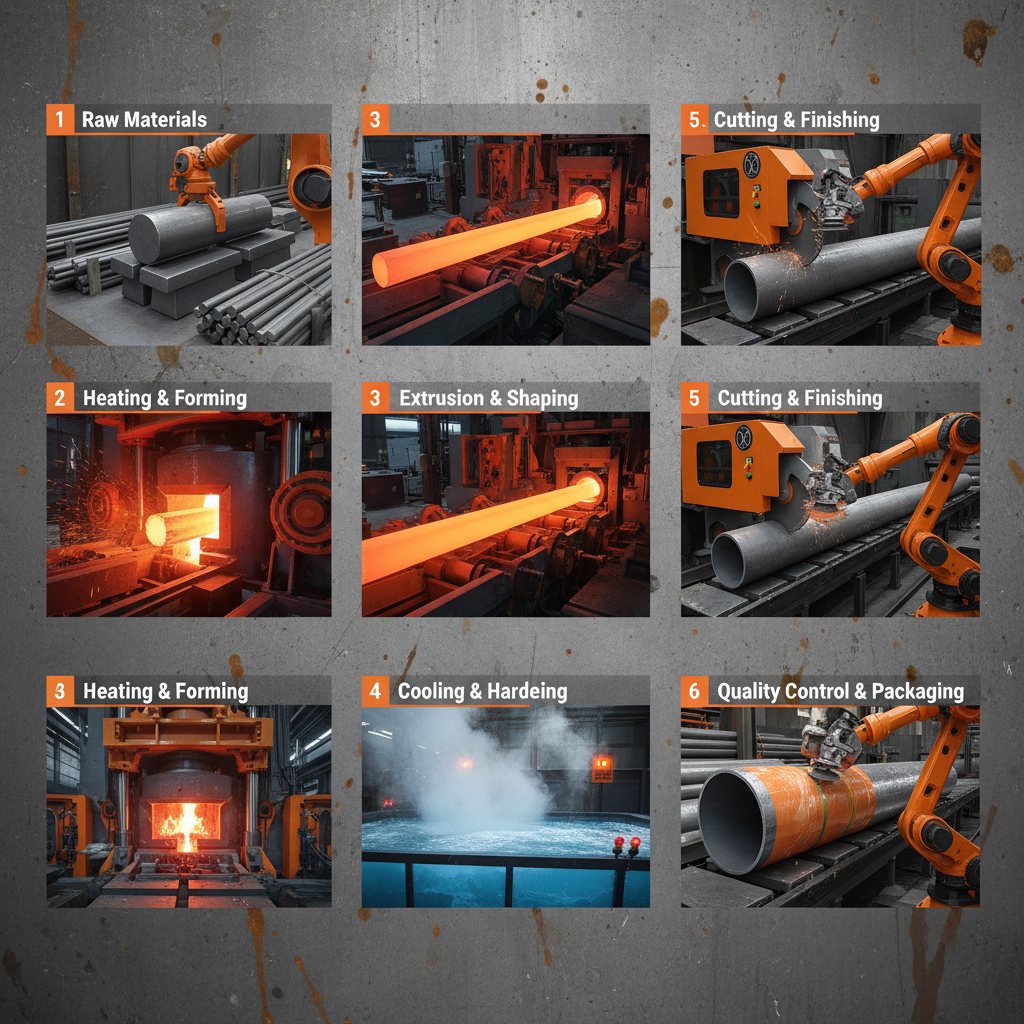
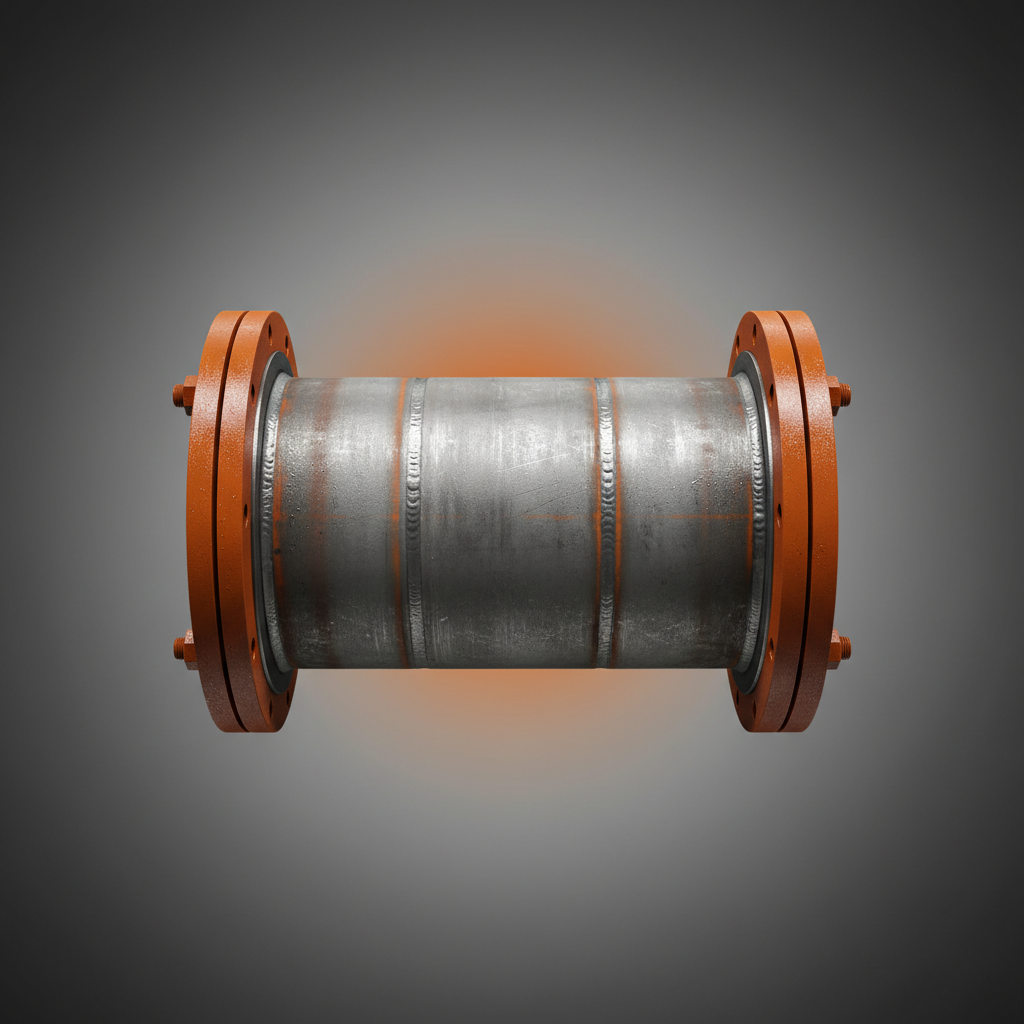
In simple terms, carbon steel A106 is a seamless carbon steel pipe grade intended primarily for high-temperature service. Developed under ASTM A106 specifications, it’s made to withstand elevated pressures and temperatures while remaining ductile enough for pipe bending and flanging. What many might not realize is its significant role in humanitarian and industrial efforts: from facilitating energy supply in remote regions to ensuring the safety of water and gas systems, it’s fundamental.
Core Components and Attributes of Carbon Steel A106
1. Durability and Strength
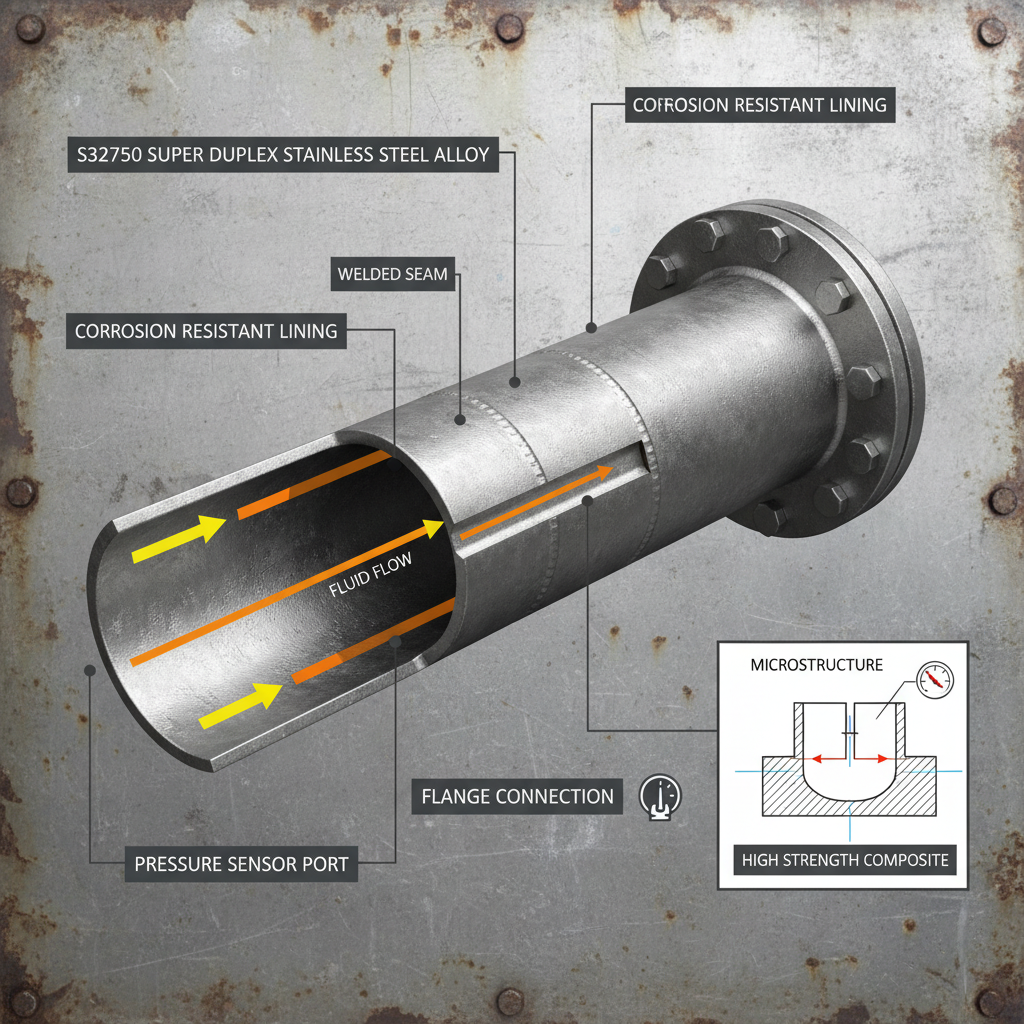
The hallmark of carbon steel A106 is its exceptional tensile strength and ability to resist mechanical stress without deforming. This durability makes it ideal for pipelines that transport hazardous materials safely across long distances.
2. Heat Resistance
One of the things that sets this steel apart is its design for high-temperature environments — typically up to 750°F (about 400°C). This makes it perfect for steam and gas pipelines in power plants or refineries.
3. Weldability and Fabrication
Manufacturers appreciate A106’s good weldability, which ensures smooth joins that hold under pressure. It’s also suitable for bending and shaping processes without cracks, enabling custom designs.
4. Cost Efficiency
Compared to alloy or stainless steels, carbon steel A106 offers a strategic mix of affordability and performance, making it a budget-savvy choice without compromising safety.
5. Corrosion Resistance (with treatment)
On its own, this steel isn’t among the highest in corrosion resistance, but with coatings or treatments, it effectively endures harsh environmental conditions.
Specifications of Carbon Steel A106 Pipes
| Characteristic | Value |
|---|---|
| Material Type | Carbon Steel |
| Grades | A106 Grade B (common) |
| Max Temperature | 750°F (400°C) |
| Tensile Strength | 60,000 psi minimum |
| Yield Strength | 35,000 psi minimum |
| Pipe Type | Seamless |
Global Applications and Real-World Use Cases
Oddly enough, carbon steel A106 is everywhere once you know what to look for. In North America, it’s a staple for oil and natural gas pipelines, ensuring that essential resources flow securely from source to consumer. Over in Asia, large-scale power plants use these pipes extensively for steam and water conveyance, operating reliably even in extreme conditions. And in post-disaster relief efforts, such as restoring infrastructure after floods or earthquakes, quick deployment of pre-fabricated piping often involves A106 grade steel for its combination of strength and ease of installation.
Another interesting point is its role in remote industrial installations where logistics and maintenance are complex; its robustness minimizes downtime and repair costs. NGOs and engineering firms appreciate this balance of reliability and straightforward fabrication.
Vendor Options: A Quick Comparison
| Vendor | Pricing (per ton) | Delivery Time | Certifications | Custom Services |
|---|---|---|---|---|
| SteelCo Global | $850 - $900 | 2-3 weeks | ASTM, ISO 9001 | Cutting, Coating |
| WorldSteel Materials | $800 - $870 | 1-2 weeks | ASTM, ISO 14001 | Custom Dimensions |
| Metallix Supplies | $820 - $880 | 3-4 weeks | ASTM, ISO 50001 | Consultancy, Training |
Advantages & Long-Term Value of Carbon Steel A106
- Reliability and Safety: With certified grades that consistently meet tolerance levels, users get peace of mind for critical infrastructure.
- Cost Savings: Compared to stainless alloys, this steel provides strong performance at a fraction of the price.
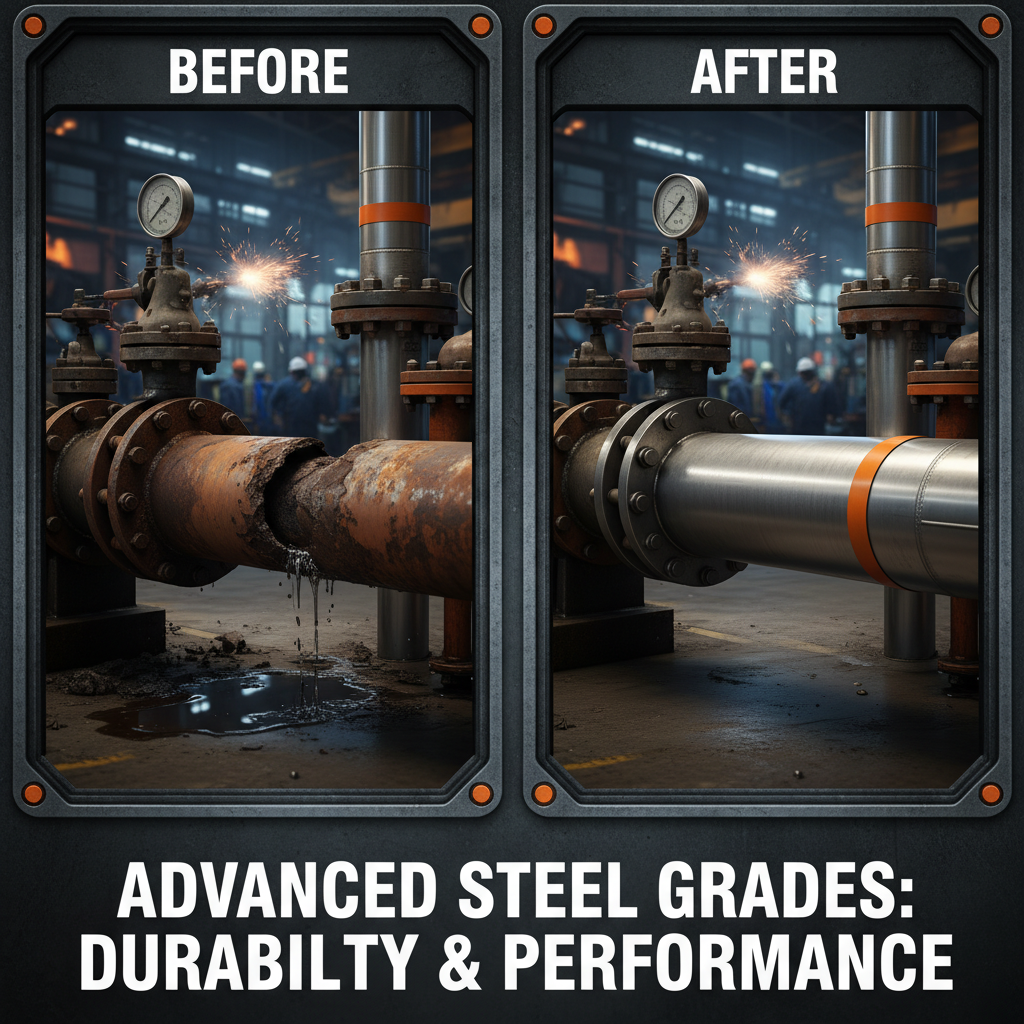
- Longevity: When properly maintained and treated, A106 steel pipes can last decades, which makes them attractive for long-term projects.
- Environmental Impact: Using a proven steel grade helps avoid premature failures and material waste, aligning with sustainable construction goals.
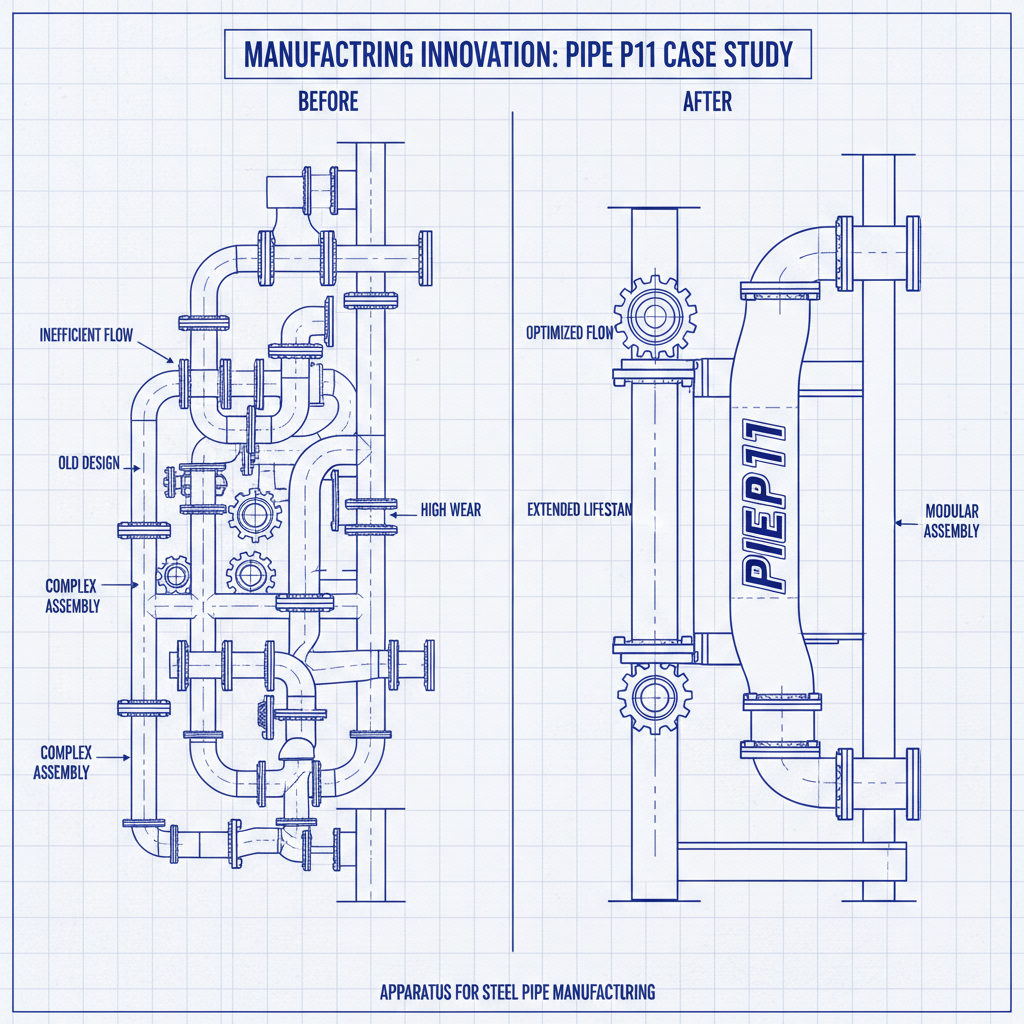
- Innovation Catalyst: It’s often the foundation material for creating smarter pipelines and integrated systems with sensors and automation.
Looking Ahead: Future Trends & Innovations
The steel industry isn’t standing still, and neither is carbon steel A106. Innovations like advanced heat treatments and nano-ceramic coatings are emerging to boost corrosion resistance and strength without hiking costs. Meanwhile, the digital revolution is pushing integration of sensors for real-time pipeline monitoring, often built into standard grades like A106 pipes.
Green energy projects — wind, solar, hydrogen — also lean on dependable piping for critical components, meaning carbon steel will need to adapt to lighter weight and higher sustainability benchmarks while maintaining toughness.
Challenges and Solutions
Despite its virtues, carbon steel A106 does face challenges. Corrosion in aggressive environments is the biggest, so coatings and cathodic protection are crucial. Logistical hurdles and fluctuating raw material prices can also impact availability and cost.
Many engineers are exploring hybrid materials and advanced anti-corrosion treatments, while suppliers focus on consistent quality control and flexible fabrication. These strategies help keep A106 pipes competitive and reliable for future needs.
FAQ: Practical Questions About Carbon Steel A106
- Q: What distinguishes carbon steel A106 from other pipe grades?
A: A106 is specifically designed for high-temperature, high-pressure applications, making it suitable for steam and gas pipelines among others, whereas other grades may lack these heat-resistant properties. - Q: Can carbon steel A106 pipes be bent on-site?
A: Yes, A106 pipes have good ductility allowing bending and forming on-site, but proper techniques must be used to avoid cracking. - Q: How do coatings improve carbon steel A106 performance?
A: Coatings protect the steel surface from corrosion caused by moisture, chemicals, and environmental factors, significantly extending pipe life. - Q: Is carbon steel A106 suitable for offshore applications?
A: Yes, with appropriate anti-corrosion treatments, it is widely used in offshore oil and gas projects due to its strength and weldability. - Q: Where can I find high-quality carbon steel A106 pipes?
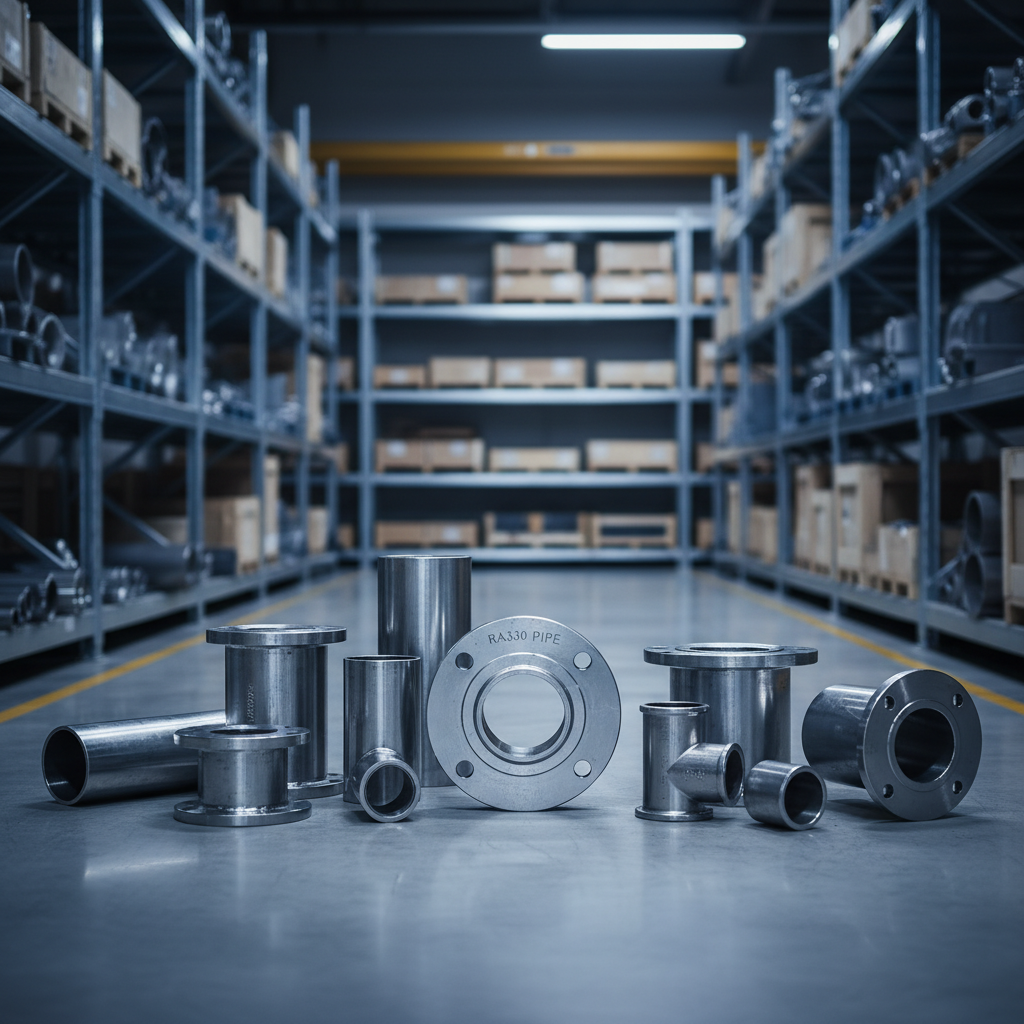
A: Reputable suppliers like WorldSteel Materials provide certified, standardized pipes with customization options for international clients.
Conclusion
In the end, carbon steel A106 isn’t just a pipe grade — it’s a foundational material that supports modern industry and infrastructure worldwide. Its dependable balance of strength, heat resistance, and affordability makes it indispensable for countless applications. For stakeholders keen on long-term value, safety, and future-ready projects, understanding and leveraging carbon steel A106 pipes is essential.
If you’re ready to explore high-quality carbon steel A106 solutions for your next project, please visit our website for more details and expert assistance.
Takeaway: Carbon steel A106 combines tried-and-true reliability with evolving innovations, making it a smart choice for challenging industrial demands worldwide.
Post time: Dec . 02, 2025 06:50
 English
  Arabic
  Bengali
  China
China  French
  German
  Hausa
Hausa  Indonesian
  Italian
  Japanese
  Javanese
  Malay
Malay  Persian
  Portuguese
  Punjabi
  Russian
  Spanish
  Swahili
  Telugu
  Vietnamese