

Understanding Stainless Steel High Pressure Tubing: Why It Matters Globally
Stainless steel high pressure tubing isn’t what most people daydream about, but in countless industries worldwide, it’s absolutely vital. These tubes handle extreme pressures and corrosive environments with a stoic reliability not easily matched. Frankly, if you’re involved in sectors ranging from oil and gas to medical equipment or food processing, understanding this specialized tubing is a must-have—both to enhance safety and to optimize performance.
Globally, the demand for robust, corrosion-resistant, and durable tubing solutions has surged in recent decades, driven by expanding industrialization and stricter safety standards. For instance, according to ISO standards and market analyses, stainless steel materials retain their value by ensuring longer lifespans and minimizing hazards in extreme environments. Oddly enough, even humanitarian sectors depend on these tubes for portable water systems and medical fluids, emphasizing their broad importance.
Mini Takeaway: Stainless steel high pressure tubing is a small but mighty component that underpins global infrastructure and safety in numerous fields.
Global Context: The Rising Need for Reliable High-Pressure Tubing
Industrial growth in regions like Asia-Pacific, the Middle East, and North America has propelled the need for tubing solutions capable of coping with higher pressures and harsh conditions. The World Bank estimates that global infrastructure investment is over $4 trillion annually, and a healthy chunk includes components like stainless steel high pressure tubing. Challenges emerge when tubing fails—causing leaks, explosions, and costly downtime—so material choice is no trifling matter.
Moreover, as environmental regulations tighten, industries look for tubing that can reduce maintenance frequency and prevent toxic leaks. Stainless steel’s resistance to oxidation and corrosion makes it ideal. The UN’s Sustainable Development Goals even implicitly highlight the importance of durable infrastructure, something tubing plays a subtle but essential role in.
Defining Stainless Steel High Pressure Tubing
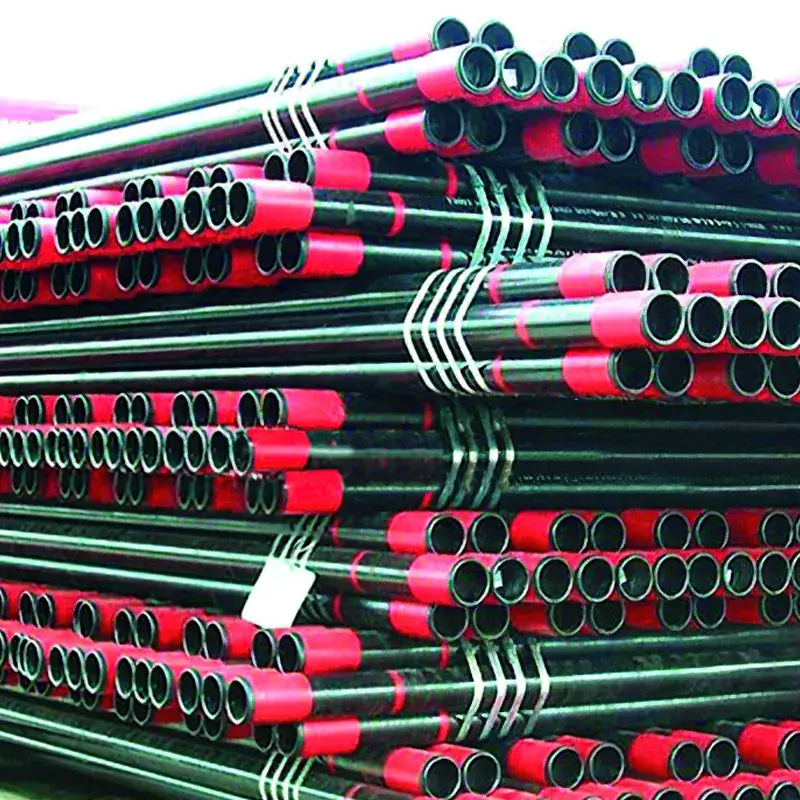
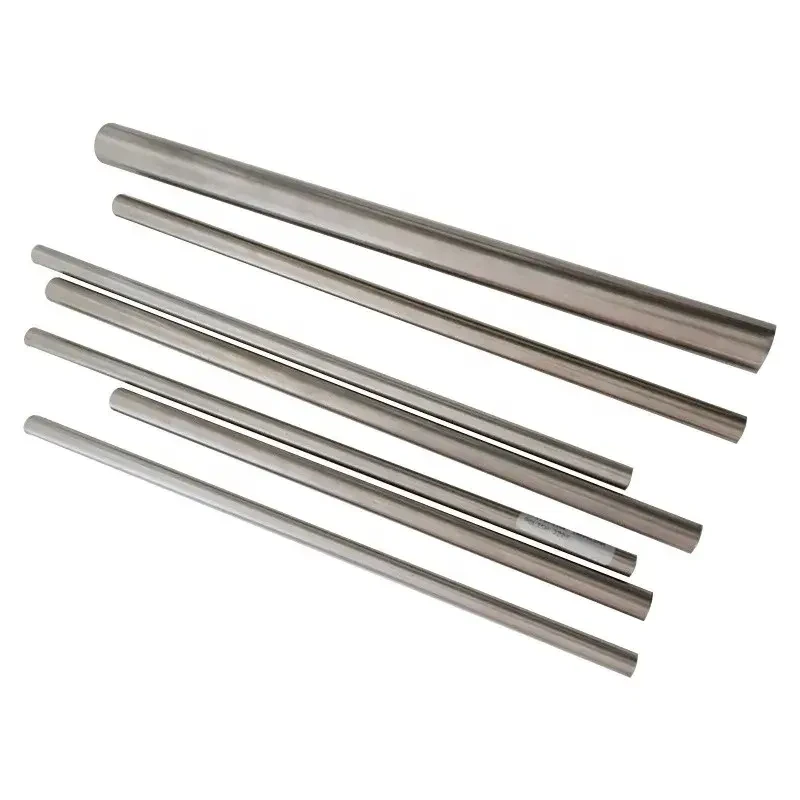
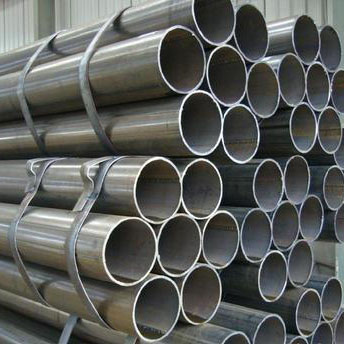
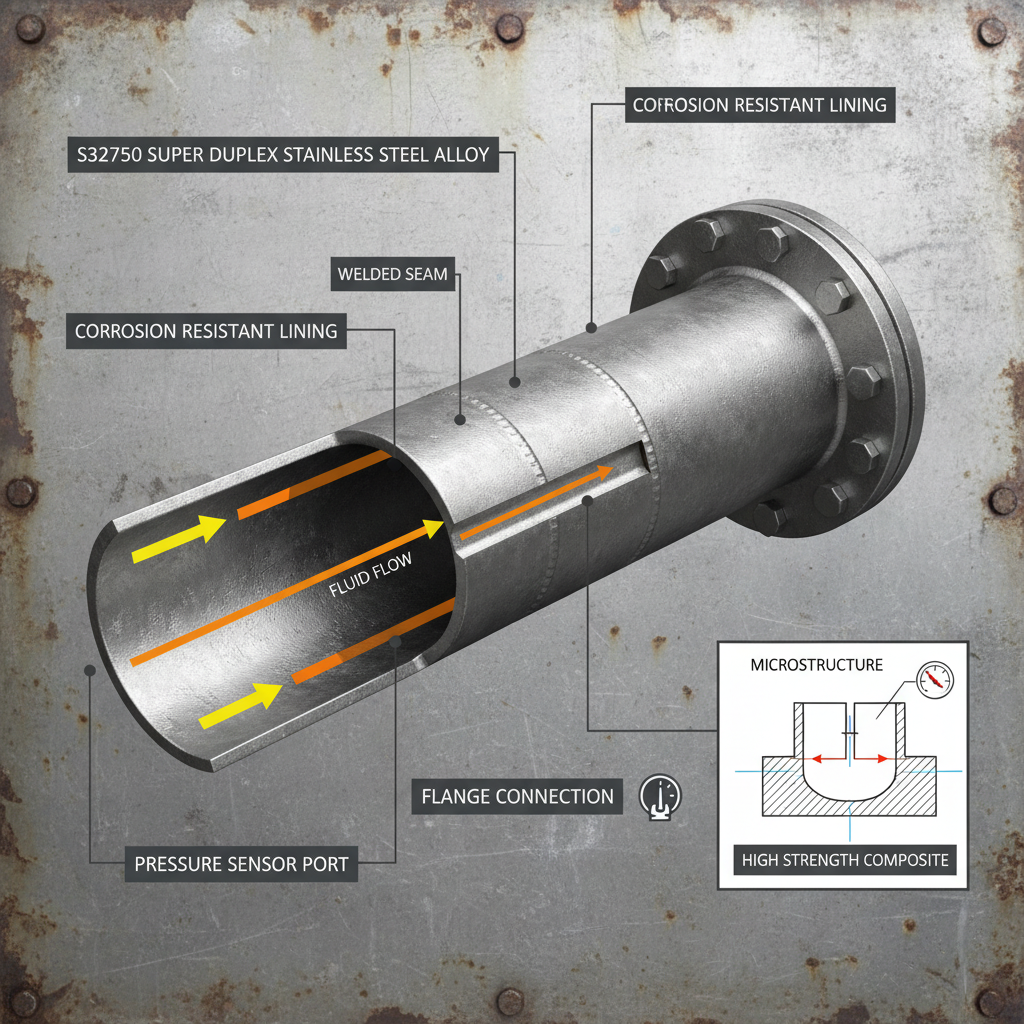
Simply put, stainless steel high pressure tubing is a hollow cylindrical pipe made from stainless steel alloy designed to withstand high internal pressures without deforming or failing. Typically, grades like 304 and 316 stainless steel dominate, prized for strength and corrosion resistance. These tubes are precision-engineered for applications that demand safe fluid or gas transfer under challenging conditions.
Modern industries rely on these tubes not just for mechanical strength but also for their hygienic properties and ability to endure thermal variations. In humanitarian aid, for instance, sterile fluid transport is critical, and stainless steel tubing fits the bill.
Key Factors of Stainless Steel High Pressure Tubing
1. Durability and Corrosion Resistance
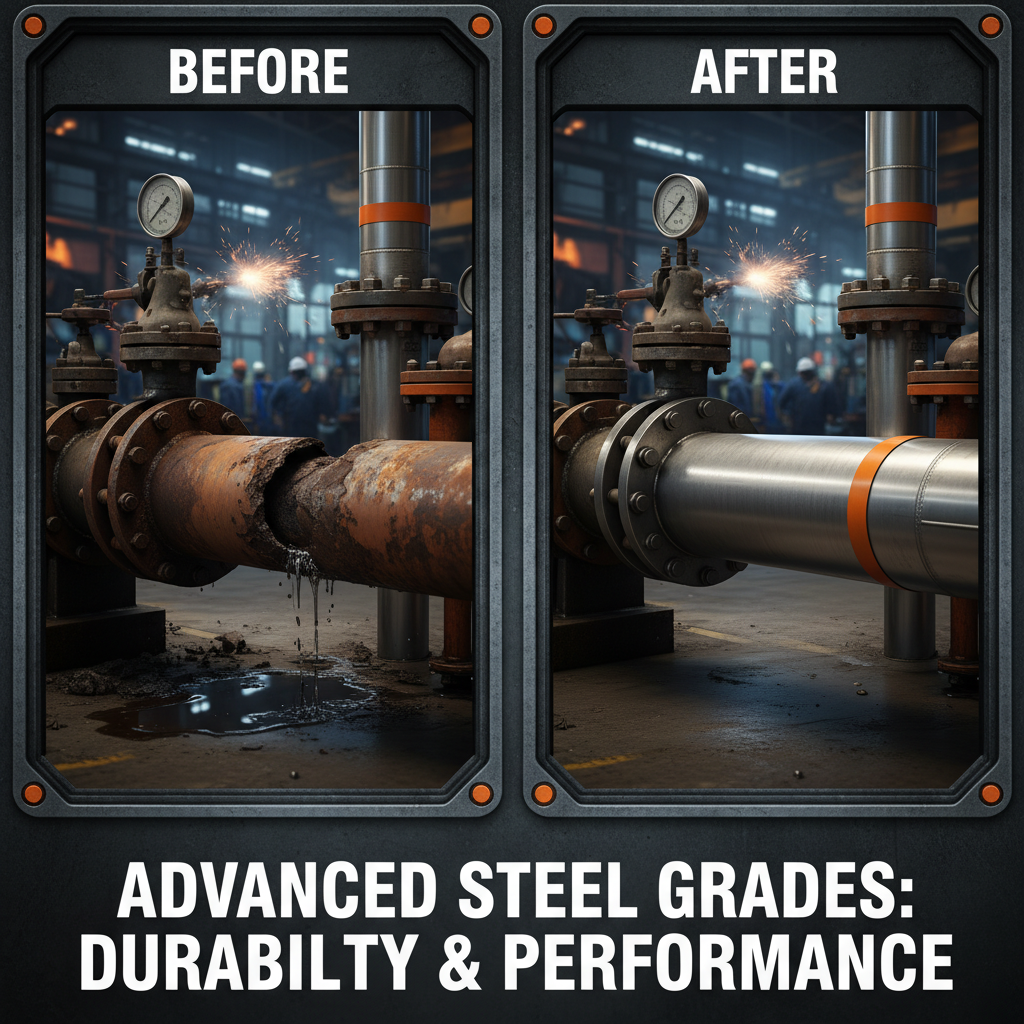
One of the biggest draws is stainless steel's ability to resist corrosion caused by moisture, chemicals, or extreme temperatures—essential in, say, offshore drilling with salty seawater. This prolongs tubing life, cutting replacement and maintenance costs.
2. Pressure Rating and Safety
These tubes are rated to handle pressures from hundreds to thousands of psi (pounds per square inch), depending on thickness and alloy. This rating ensures safe operations in volatile environments. Quality certification by ISO or ASTM standards is crucial here.
3. Scalability and Customization
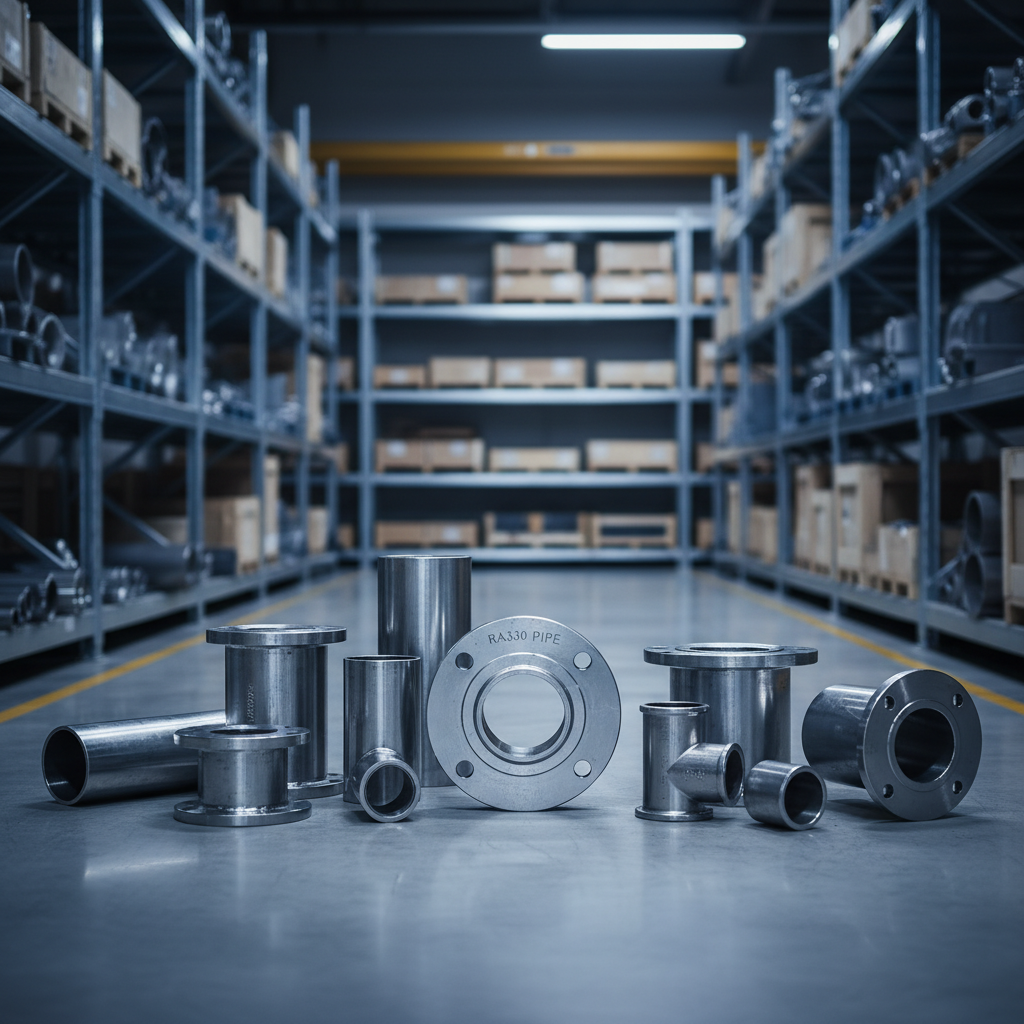
Manufacturers now tailor tubing sizes, wall thicknesses, and fittings to fit specific system requirements—industrial plants, medical devices, or even aerospace. This flexibility means users get exactly what their systems need, reducing waste and risk.
4. Cost Efficiency Over Time
Though stainless steel tubing might have a higher upfront cost versus some alternatives, its longevity and reduced downtime cost pay off. Plus, it’s recyclable, contributing to circular economy principles.
5. Hygienic Properties
In food processing, pharmaceuticals, and water systems, tubing must prevent bacterial growth. Stainless steel’s smooth surface allows effective sterilization, making it invaluable for such sensitive contexts.
Product Specifications Table
| Specification | Typical Values | Units |
|---|---|---|
| Grade | 304, 316L | - |
| Outside Diameter | 6 – 50 | mm |
| Wall Thickness | 0.5 – 3 | mm |
| Maximum Operating Pressure | Up to 5000 | psi |
| Operating Temperature | -196 to 870 | °C |
Global Applications & Use Cases
- Oil & Gas Exploration: Used in subsea pipelines and rig hydraulics in the North Sea and Gulf of Mexico.
- Food & Beverage Industry: In pasteurization and clean-in-place systems across Europe and North America.
- Medical Devices: Critical for pressure tubes in oxygen delivery and dialysis machines worldwide.
- Humanitarian Water Supply: Portable filtration units in disaster relief operations in Southeast Asia.
For instance, I recently read about an NGO deploying water purification units in remote Nepalese villages relying on durable stainless steel tubing to maintain water quality under high pressure—no leaks, no contamination. Such stories highlight the social impact behind these technical products.
Vendor Comparison Table
| Vendor | Grade Options | Pressure Range (psi) | Custom Sizes | ISO Certification |
|---|---|---|---|---|
| SteelTek Inc. | 304, 316L, 317 | 500 – 5000 | Yes | ISO 9001 |
| MetaTubing Ltd. | 304, 316 | 300 – 4000 | Limited | ISO 13485 (medical) |
| CorroSafe Pipes | 316L, 321 | Up to 6000 | Yes | ISO 9001, ISO 14001 |
Advantages & Long-Term Value
What sticks out most about stainless steel high pressure tubing? Its reliability. When you’re dealing with high stakes—maybe toxic chemicals or lifesaving oxygen—you want materials you can trust not to crack or corrode. There’s a sense of safety and dignity in knowing your infrastructure isn’t a ticking time bomb.
From a cost perspective, the tube’s long lifespan offsets initial investment, reducing replacements and maintenance. Environmentally, stainless steel is recyclable, and its durability means fewer materials consumed over time—supporting sustainability goals that increasingly drive industry decision-making.
Future Trends & Innovations
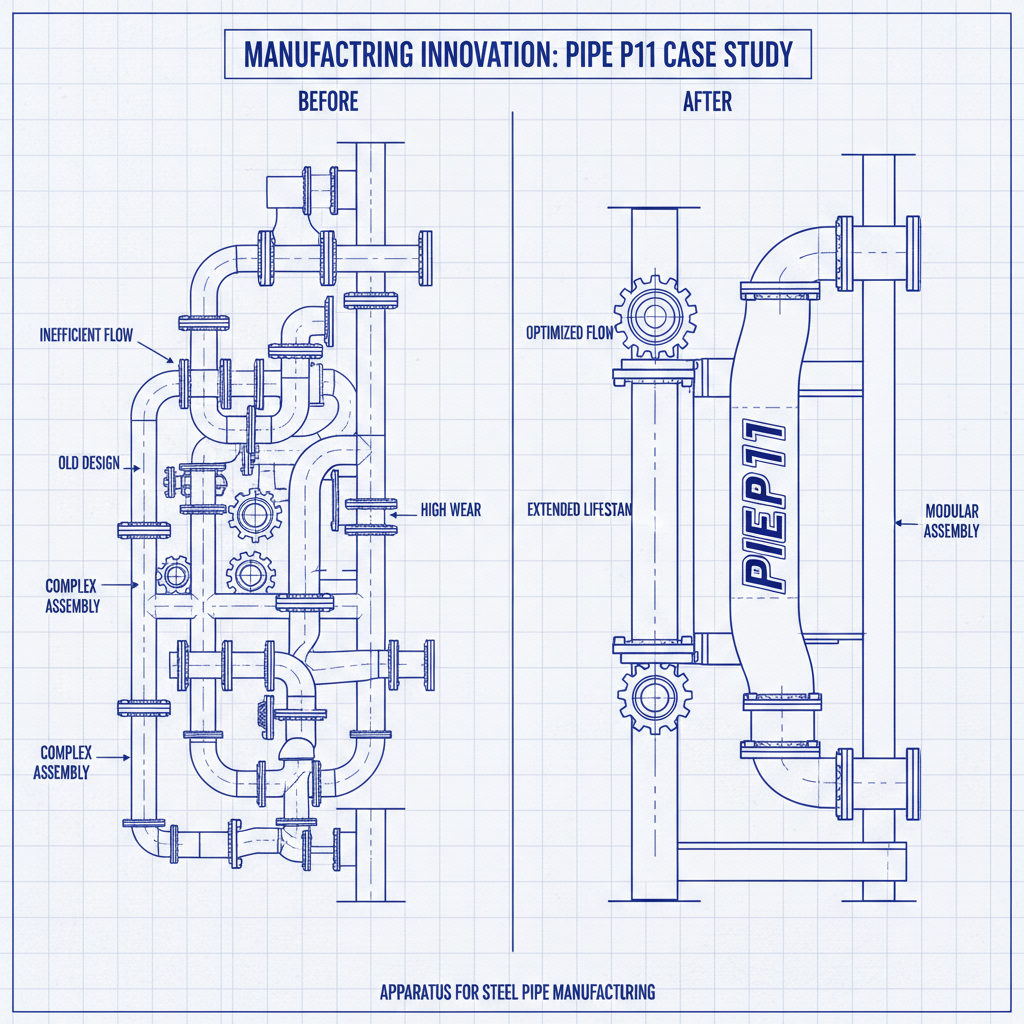
Looking ahead, new alloys and surface treatments promise even better corrosion resistance and strength. Automation in manufacturing boosts precision and reduces waste. There's also a growing push towards “green tubing” solutions integrating with renewable energy systems like hydrogen pipelines.
Digitally, embedded sensors to monitor pressure and detect leaks are emerging, marrying high-pressure tubing with Industry 4.0 concepts. It’s pretty exciting to see this long-standing material enter the tech-savvy age without losing its fundamental purpose.
Challenges & Solutions
Of course, challenges exist. Stainless steel can be costly upfront, and some variants may not perform as well under extreme heat or very abrasive conditions. Moreover, welding and joining require skilled labor and high safety standards to avoid weak spots.
Innovative solutions include hybrid tubing combining stainless steel with polymer liners to improve flexibility and cost-efficiency, as well as improved training and certification programs for installers.
FAQ: Frequently Asked Questions About Stainless Steel High Pressure Tubing
- Q: What makes stainless steel tubing better than regular steel for high-pressure use?
A: Stainless steel offers superior corrosion resistance, durability, and hygiene, making it safer and longer-lasting under high pressure and harsh environments. - Q: How do I choose the right grade of stainless steel tubing?
A: It depends on the application environment. For example, 316L is better for corrosive or marine conditions, while 304 might suffice for less demanding uses. - Q: Can stainless steel high pressure tubing be customized?
A: Yes, manufacturers typically provide various sizes, wall thicknesses, and fittings tailored to your system requirements, ensuring optimal performance and safety. - Q: How long do these tubes typically last in industrial settings?
A: With proper maintenance, stainless steel high pressure tubing can last 20+ years, especially when corrosion is minimal and operating conditions are well managed. - Q: Are these tubes recyclable at end-of-life?
A: Absolutely. Stainless steel is 100% recyclable, reinforcing sustainability and reducing environmental footprint.
Conclusion: Why Stainless Steel High Pressure Tubing Is a Wise Investment
In real terms, investing in stainless steel high pressure tubing means betting on safety, efficiency, and sustainability over the long haul. Whether you’re operating an offshore platform, running medical equipment, or supporting humanitarian water projects, these tubes deliver peace of mind and performance.
Curious to explore options that fit your needs? Visit our website: https://www.world-steelmaterial.com and discover tailored solutions for your industry’s toughest challenges. It’s worth the look—you’ll find the expertise and certification you need to make informed choices.
Just remember: in the vast world of industrial materials, stainless steel high pressure tubing quietly but steadfastly keeps things flowing safely and reliably.
References:
1. ISO 1127: Stainless steel tubes standard
2. Wikipedia: Stainless Steel
3. World Bank Infrastructure Investment Data
Post time: Dec . 03, 2025 11:06
 English
  Arabic
  Bengali
  China
China  French
  German
  Hausa
Hausa  Indonesian
  Italian
  Japanese
  Javanese
  Malay
Malay  Persian
  Portuguese
  Punjabi
  Russian
  Spanish
  Swahili
  Telugu
  Vietnamese