

The Ins and Outs of Seamless Carbon Steel Tubing
Having spent a couple of decades in industrial equipment and materials supply, I’ve come to respect how much goes into making something that, on first glance, feels pretty straightforward. Take seamless carbon steel tubing, for example. It’s one of those products that quietly shoulders a vast amount of responsibility in fields ranging from oil and gas to automotive manufacturing. But beneath that smooth surface is a world of technical precision, testing, and customization that frankly, many folks outside of the sector tend to overlook.
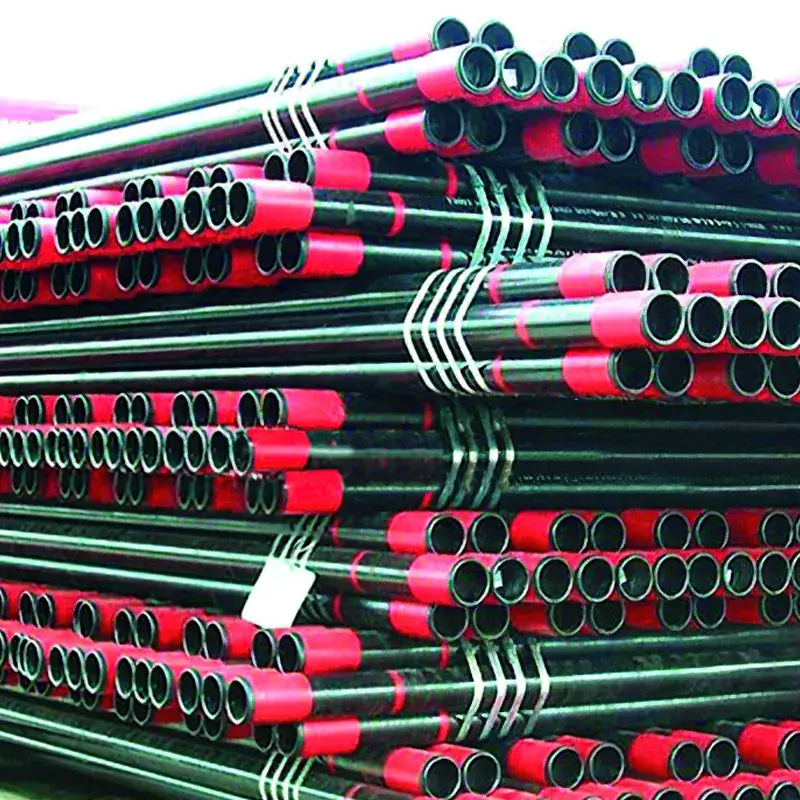
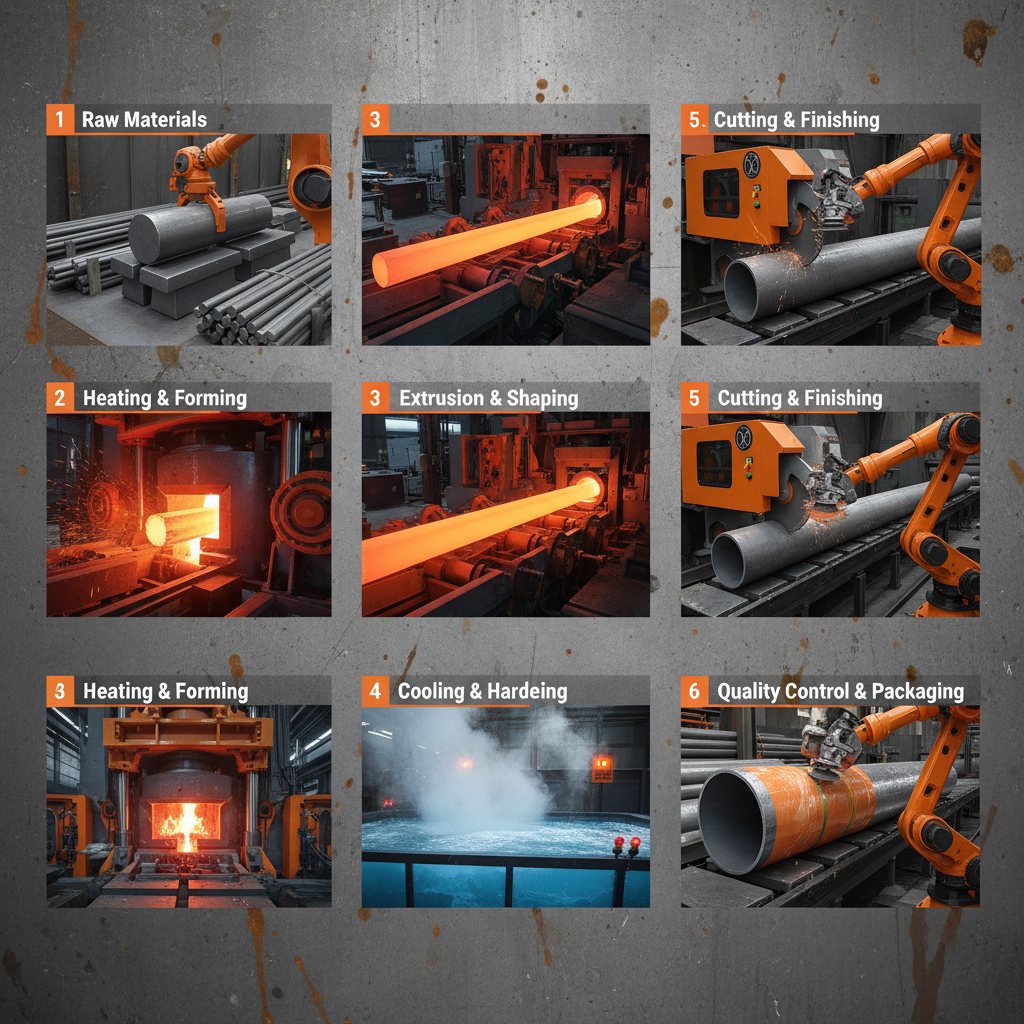
First, what exactly makes seamless tubing different from welded tubing? Simply put, seamless tubes are formed without any welding or joining, which provides superior strength and resistance to pressure. This makes them ideal for high-stress environments — think hydraulic systems, steam boilers, or structural applications. It feels like the steel is just... uninterrupted, which translates into reliability when things get tough.
When it comes to carbon steel as the material, it's kind of the workhorse for many industrial uses. It balances cost, strength, and machinability in a way that alloys sometimes can't. I’ve seen engineers prefer it because it offers predictable performance. Sure, there are stainless steels and special alloys out there, but carbon steel’s versatility keeps it in the game for decades now.
One thing I noticed over the years is the importance of precise chemical composition and heat treatment in carbon steel tubing. These “invisible” factors influence corrosion resistance, ductility, and even how the tubing responds under fatigue. That's why specifications tightly control carbon content, manganese, phosphorus, and sulfur levels. Also, manufacturers perform rigorous nondestructive testing — ultrasonic, eddy current, sometimes even hydrostatic tests — to catch anything that might compromise performance.
Manufacturers usually provide comprehensive specs on their standard tubing products. Here’s a quick look at typical seamless carbon steel tubing specs, which cover critical dimensions and qualities:
| Specification | Typical Range | Notes |
|---|---|---|
| Outside Diameter (OD) | 6 mm to 273 mm | Varies by mill capability |
| Wall Thickness | 1 mm to 30 mm | Measured precisely for pressure ratings |
| Carbon Content | 0.17 – 0.30% | Balances strength and ductility |
| Tensile Strength | 415 – 550 MPa | Depends on grade and heat treatment |
| Yield Strength | 250 – 350 MPa | Typical for common carbon steel grades |
When you’re evaluating vendors for seamless carbon steel tubing, I’d say the practical differences boil down to quality obviously, but also delivery speed, customization options, and traceability. Oddly enough, these factors often overshadow price per unit once you’re in deep industrial workflows.
| Vendor | Quality Certification | Customization | Typical Lead Time | Traceability & Documentation |
|---|---|---|---|---|
| SteelWorks Co. | ISO 9001, API 5CT | Diameter, thickness, heat treatment | 3-5 weeks | Full mill test reports |
| ForgeTubing Ltd. | ISO 14001, ISO 9001 | Special coatings, custom lengths | 4-6 weeks | Partial traceability available |
| World Steel Material | ISO 9001, API 5L, PED | Extensive custom machining | 2-4 weeks | Complete batch traceability & certification |
I remember one particular project a few years ago where a client needed tubing for a critical hydraulic system in a mining operation. They had very tight specs and zero tolerance for failure. Working closely with a seamless carbon steel tubing supplier who provided detailed testing reports and fast turnaround made all the difference. It wasn't glamorous, but it was vital—and it felt rewarding knowing that a quiet piece of tubing was playing a part in keeping heavy machinery safe underground.
Customization is an underappreciated part of the game too. Need a certain tensile strength with a specific wall thickness in a short lead? It’s absolutely possible. And many vendors now offer tailored solutions with modern laser cutting or special coatings to fight corrosion. Dead serious about project success, I’ve noticed that those small bells and whistles can prevent delays and headaches down the line.
In real terms, if you’re looking to specify or purchase seamless carbon steel tubing, my advice would be to focus on the quality certifications, the vendor’s documentation standards, and customer support responsiveness more than just price tags. Frankly, the cost of a failure or delay could blow budgets exponentially higher.
So, that’s the long and short of it. Seamless carbon steel tubing might seem plain, but it’s a cornerstone in industrial infrastructure with a lot of careful engineering behind it. From its uninterrupted form to tight material controls and flexible customization, it keeps the world's industries running—one strong tube at a time.
References:
- ASTM A106/A335 Specifications for Seamless Carbon Steel Tubing
- API 5CT Standard for Casing and Tubing
- World Steel Material, Product Catalog and Technical Data Sheets
Post time: Dec . 03, 2025 18:14
 English
  Arabic
  Bengali
  China
China  French
  German
  Hausa
Hausa  Indonesian
  Italian
  Japanese
  Javanese
  Malay
Malay  Persian
  Portuguese
  Punjabi
  Russian
  Spanish
  Swahili
  Telugu
  Vietnamese