

Understanding 309 Stainless Steel Pipe: Durable Solutions for Modern Industry
When you think about the heartbeat of many industrial projects around the world, 309 stainless steel pipe is often quietly at work, keeping processes safe, reliable, and efficient. It’s a specialized material that, frankly, doesn’t get nearly as much spotlight as it deserves. Globally, industries spanning from petrochemical plants to aerospace rely heavily on this grade of stainless steel pipe due to its unique properties—like heat resistance and corrosion toughness. Understanding these pipes and their broad applications not only offers insight into industrial innovation but also highlights their critical role in addressing global infrastructure challenges.
Global Relevance of 309 Stainless Steel Pipe
According to ISO data and World Steel Association reports, stainless steel consumption has been rising globally, reflecting expanding manufacturing and energy sectors. The demand for durable, corrosion-resistant materials in extreme environments has never been higher. Notably, 309 stainless steel pipe stands out for withstanding elevated temperatures up to 1150°C (2102°F), which makes it indispensable in challenging contexts like power plants, chemical processing, and aircraft manufacturing.
However, a common challenge is sourcing piping that balances cost with longevity and resistance to oxidation — a balance that 309 stainless steel pipe manages relatively well. Its heat-resistant nature solves many durability issues, especially in industrial regions prone to intense thermal cycles or corrosive atmospheres.
What Exactly is 309 Stainless Steel Pipe?
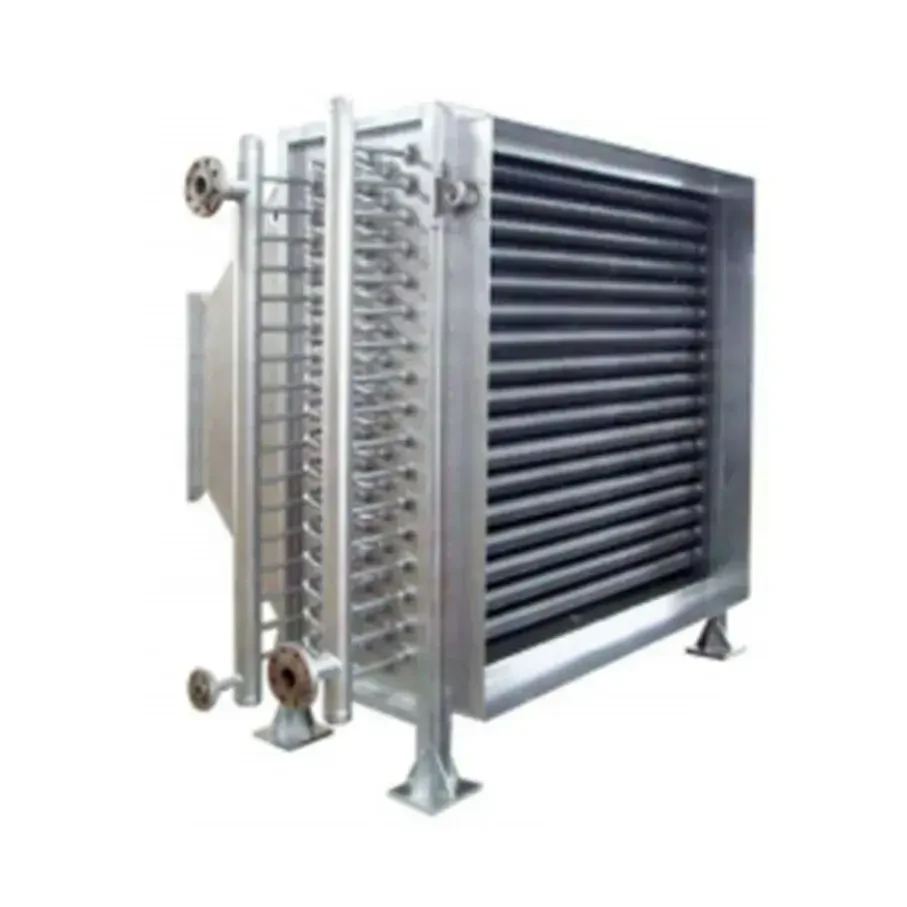
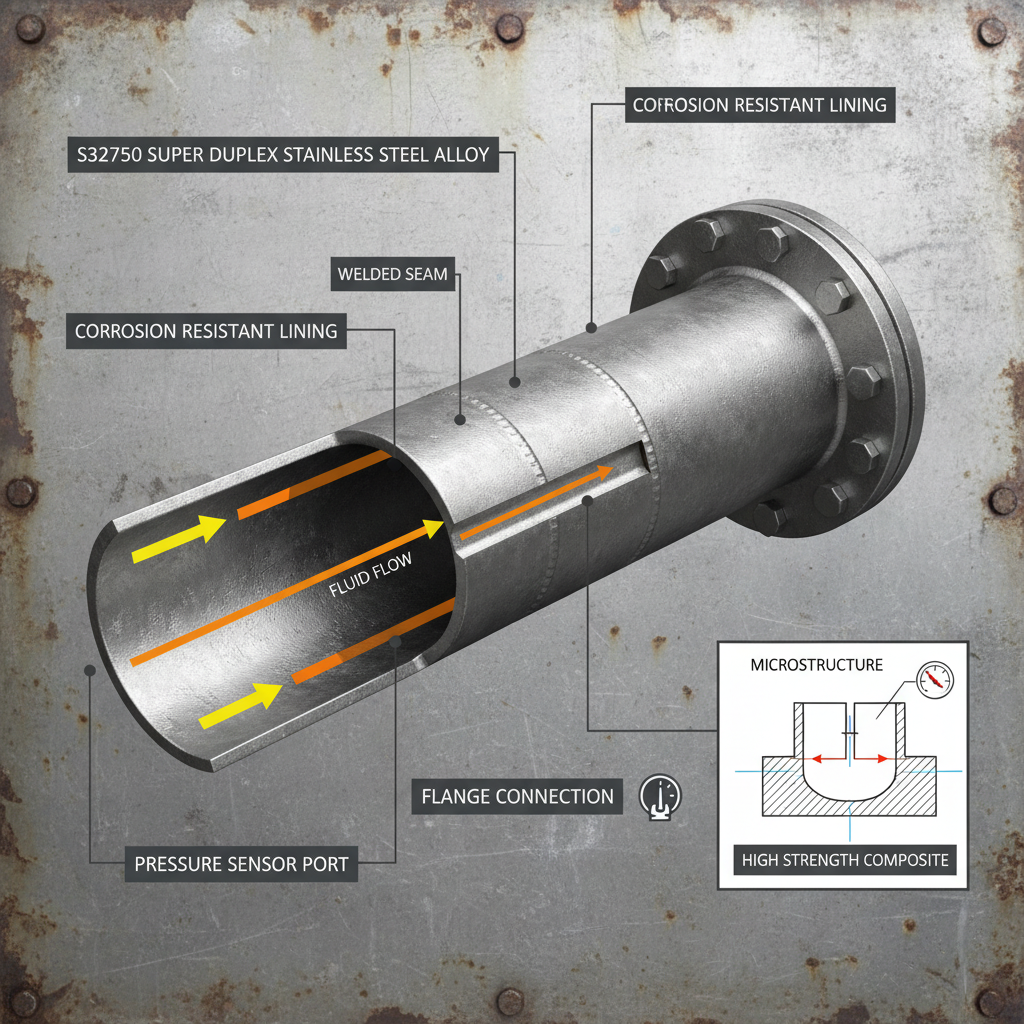
Simply put, 309 stainless steel pipe is a type of alloy pipe made primarily from iron, chromium (around 23%), and nickel (around 13%). This composition makes it a “heat-resisting” stainless steel grade within the 300 series. It’s characterized by excellent oxidation resistance and the ability to maintain strength at high temperatures, which is why you’ll see it in furnaces, exhaust manifolds, and heat exchangers.
Its relevance stretches beyond industrial use—by contributing to safer and longer-lasting infrastructure, it indirectly supports everything from energy stability to humanitarian efforts in infrastructure-reliant regions.
Key Features of 309 Stainless Steel Pipes
Durability & Heat Resistance
309 stainless steel pipe can handle temperatures averaging 1000°C and spikes up to 1150°C without losing its structural integrity. This makes it ideal for harsh heat environments where lesser materials would degrade quickly.
Corrosion Resistance
Resisting oxidation and chemical wear in aggressive environments helps ensure safety and longevity for piping systems, particularly in chemical or marine industries.
Mechanical Strength
It maintains strength under tensile and impact stress—vital when pipes must endure pressure fluctuations or mechanical shocks.
Fabricability & Weldability
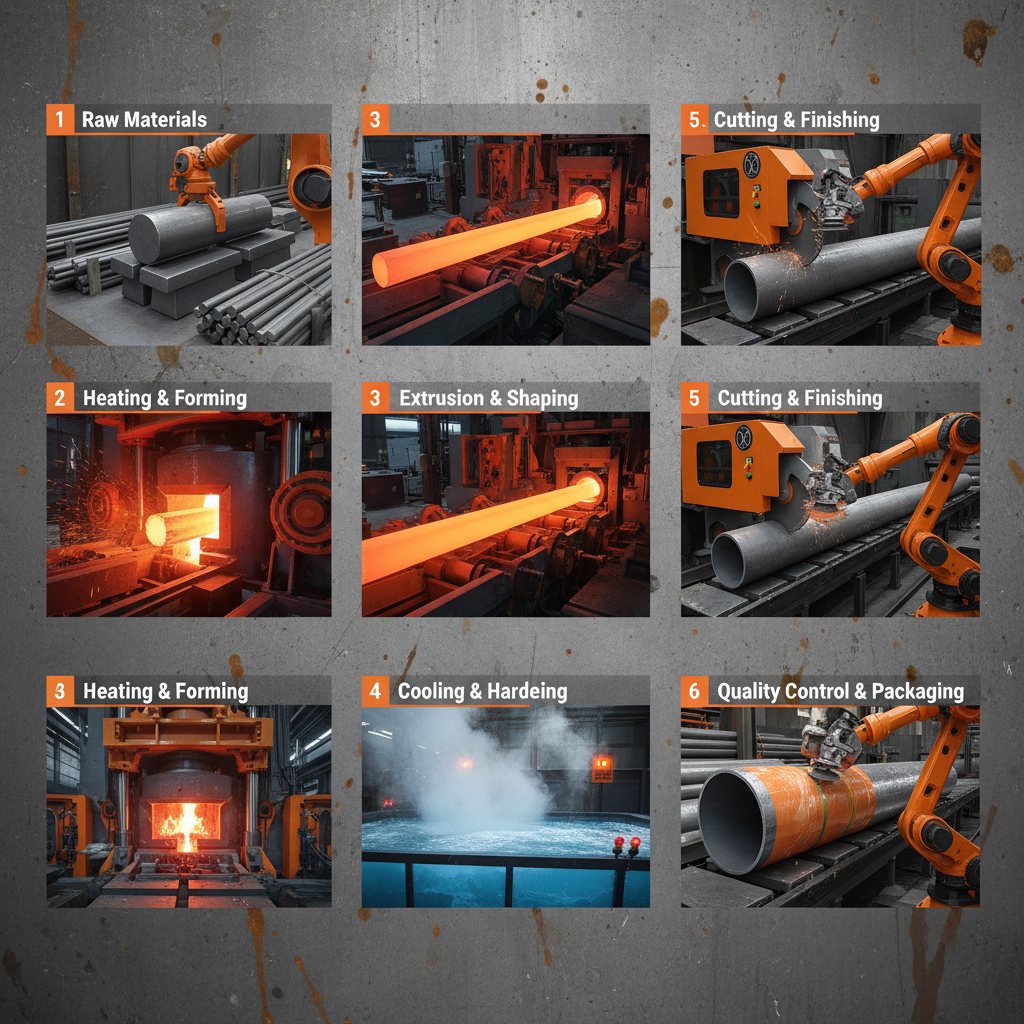
Manufacturers appreciate that 309 pipes can be easily welded and formed, which keeps installation costs and complexities manageable.
Cost Effectiveness
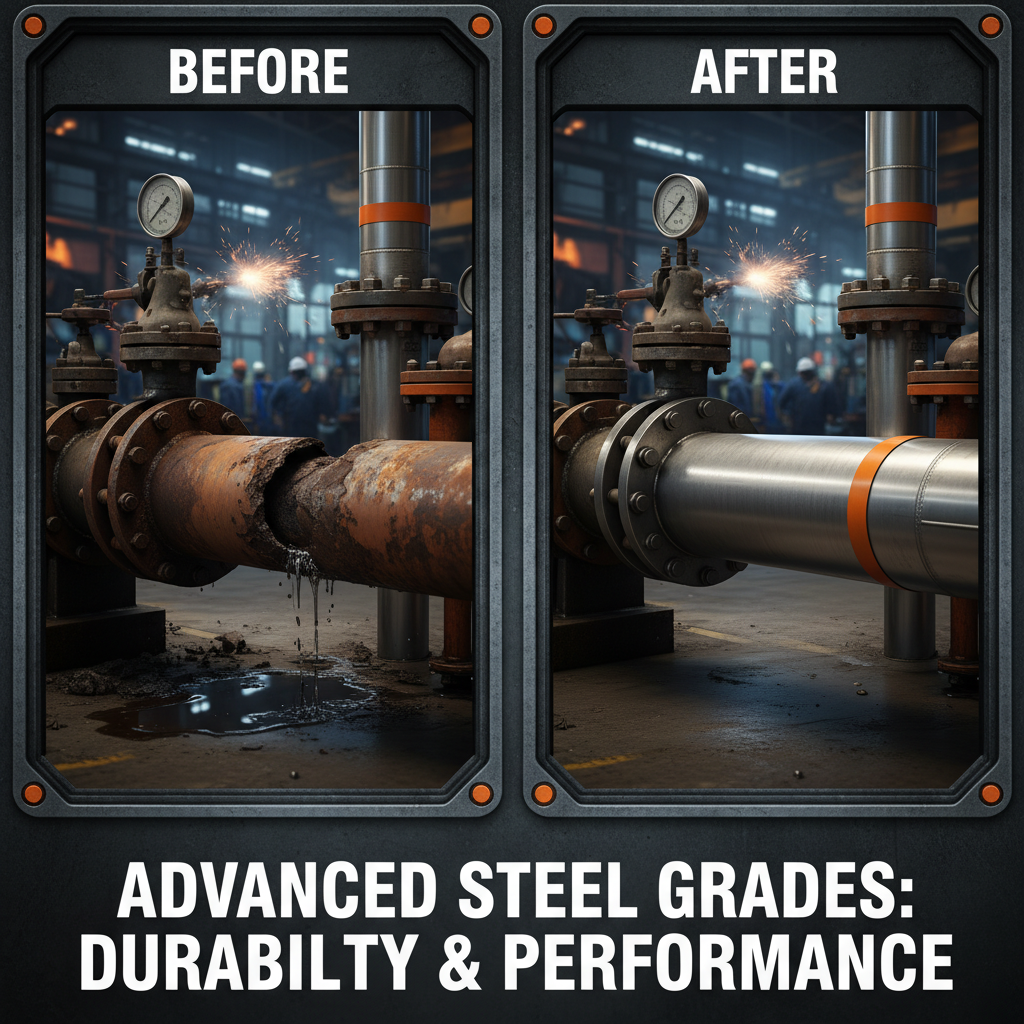
While slightly more expensive than standard grades, its lifespan and reduced maintenance often offset upfront costs, offering solid long-term value.
309 Stainless Steel Pipe Specifications
| Specification | Value |
|---|---|
| Grade | 309 / 309S |
| Chemical Composition | Cr 22-24%, Ni 12-15% |
| Max Continuous Service Temperature | 1100°C (2012°F) |
| Yield Strength | 310 MPa (approx.) |
| Tensile Strength | 620 MPa (approx.) |
| Applications | Furnace parts, kiln linings, exhaust systems |
Global Applications & Use Cases of 309 Stainless Steel Pipe
This grade’s heat tolerance finds good use in high-temperature environments across regions. For example:
- Asia’s petrochemical sector: Plants in South Korea and China significantly utilize these pipes for reactors and heat exchangers, where operational temperatures soar.
- European power plants: Especially in renewable energy sectors where components face cyclic thermal loads.
- North American aerospace manufacturers: Rely on 309 grade for exhaust and heat shield components.
- Post-disaster rebuilding: NGOs seeking resilient construction materials for infrastructure in heat-prone zones sometimes specify stainless steel pipes with this grade for plumbing and heating.
Interestingly, 309 stainless steel pipe has even filtered into specialty automotive sectors, where thermal components need exceptional reliability.
Advantages & Long-Term Value of 309 Stainless Steel Pipe
Choosing 309 stainless steel pipe means investing in:
- Longevity: Less frequent replacement lowers downtime and saves resources.
- Safety: Resistance to oxidation minimizes failures that cause hazardous leaks or accidents.
- Economic efficiency: Reduced maintenance and better performance justify the premium over generic alternatives.
- Environmentally mindful practices: Recyclability and durability reduce overall environmental impact.
It’s this combination of reliability and sustainability that builds trust with engineers and end-users alike. One could say there’s a certain dignity in using materials that stand the test of both time and challenging environments.
Future Trends & Innovations Impacting 309 Stainless Steel Pipes
Industry experts anticipate several exciting developments affecting 309 pipes, including:
- Green Manufacturing: More eco-friendly production methods to reduce carbon footprints.
- Advanced Coatings: Enhancements to further prolong corrosion resistance in harsh chemical settings.
- Smart Sensors Integration: Embedding IoT devices within piping to monitor stress and thermal changes in real time.
These innovations suggest 309 stainless steel pipe won’t just be sturdy — soon, it could be smart and even more sustainable.
Common Challenges & Emerging Solutions
Ok, it’s not all sunshine and roses. Some difficulties with 309 stainless steel pipe include:
- Cost premium: Compared to carbon steel, initial prices are higher, intimidating smaller projects.
- Welding nuances: Requires skill to avoid distortion or brittleness, demanding trained technicians.
- Supply chain variability: Quality may fluctuate depending on supplier standards.
Yet clever solutions exist. For instance, world-class suppliers now offer pre-qualified welding procedures and tighter quality control certifications. Add emerging additive manufacturing techniques, and the future for custom, reliable stainless steel piping looks bright.
Vendor Comparison: Leading 309 Stainless Steel Pipe Suppliers
| Vendor | Quality Certifications | Price Range (per meter) | Lead Time | Additional Services |
|---|---|---|---|---|
| SteelCo Global | ISO 9001, ASTM A790 | $15-$20 | 2-3 weeks | Custom cutting, Certification docs |
| AlloyWorks Ltd. | ASME, ISO 14001 | $18-$22 | 3-4 weeks | Welding prep, Documentation |
| PrimeMetal Solutions | ISO 9001, PED | $16-$21 | 1-2 weeks | Expedited shipping, QA reports |
FAQ: Common Questions About 309 Stainless Steel Pipe
1. What industries most commonly use 309 stainless steel pipe?
Primarily, industries exposed to high-temperature or corrosive environments such as petrochemical, power generation, aerospace, and chemical processing frequently use 309 stainless steel pipe due to its heat and oxidation resistance.
2. How does 309 stainless steel compare to other stainless steel grades?
309 has higher nickel and chromium content compared to 304 or 316 grades, granting it superior heat resistance, although it tends to be less corrosion-resistant in chloride-rich environments than 316.
3. Can 309 stainless steel pipes be welded easily onsite?
With the proper procedures and trained welders, 309 pipes can be welded successfully, but careful control is needed to avoid cracks and ensure strength.
4. How long does 309 stainless steel pipe typically last?
In normal industrial applications, properly maintained 309 piping can last several decades, often over 20 years, minimizing replacement frequency.
5. Are there eco-friendly manufacturing options for 309 pipes?
Yes, some manufacturers now employ greener processes, including recycled raw materials and lower energy usage during production, which reduces overall environmental impacts.
Conclusion
In real terms, 309 stainless steel pipe embodies a blend of strength, heat resilience, and dependable longevity, aiding industries worldwide to face their toughest thermal challenges. Its role in enabling safer, more efficient infrastructure can’t be overstated. If your project demands a robust pipe solution that won’t easily give up under pressure (literally), exploring options at https://www.world-steelmaterial.com is a wise step.
Because, at the end of the day, the right materials ensure everything runs smoothly — and keep the world turning.
— Thanks for reading, and here’s to well-crafted steel solutions!
References:
Post time: Dec . 03, 2025 17:54
 English
  Arabic
  Bengali
  China
China  French
  German
  Hausa
Hausa  Indonesian
  Italian
  Japanese
  Javanese
  Malay
Malay  Persian
  Portuguese
  Punjabi
  Russian
  Spanish
  Swahili
  Telugu
  Vietnamese