

Discovering the Practical Edge of 825 tubing in Industrial Applications
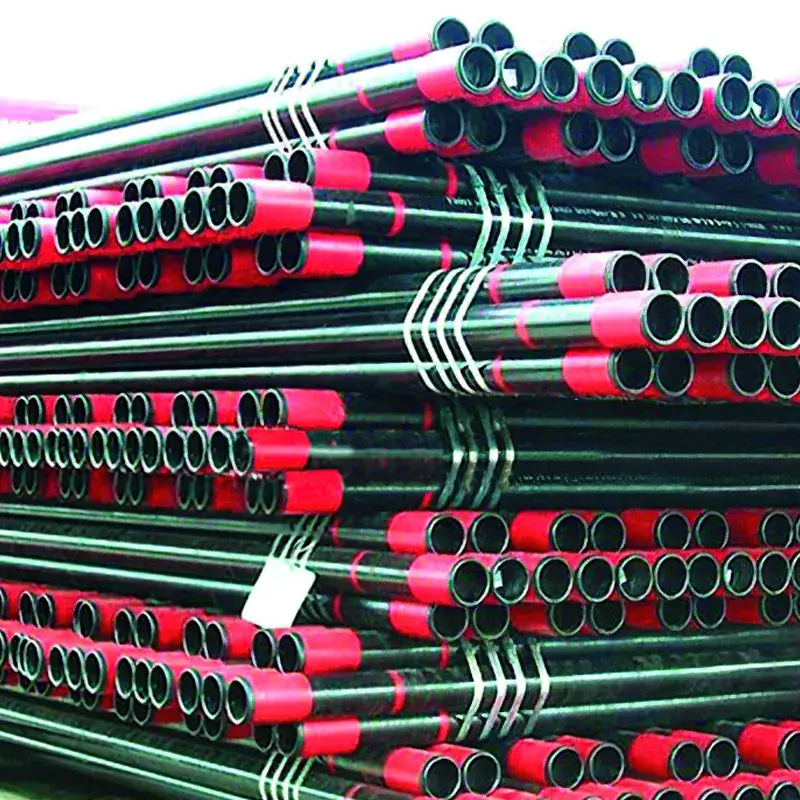
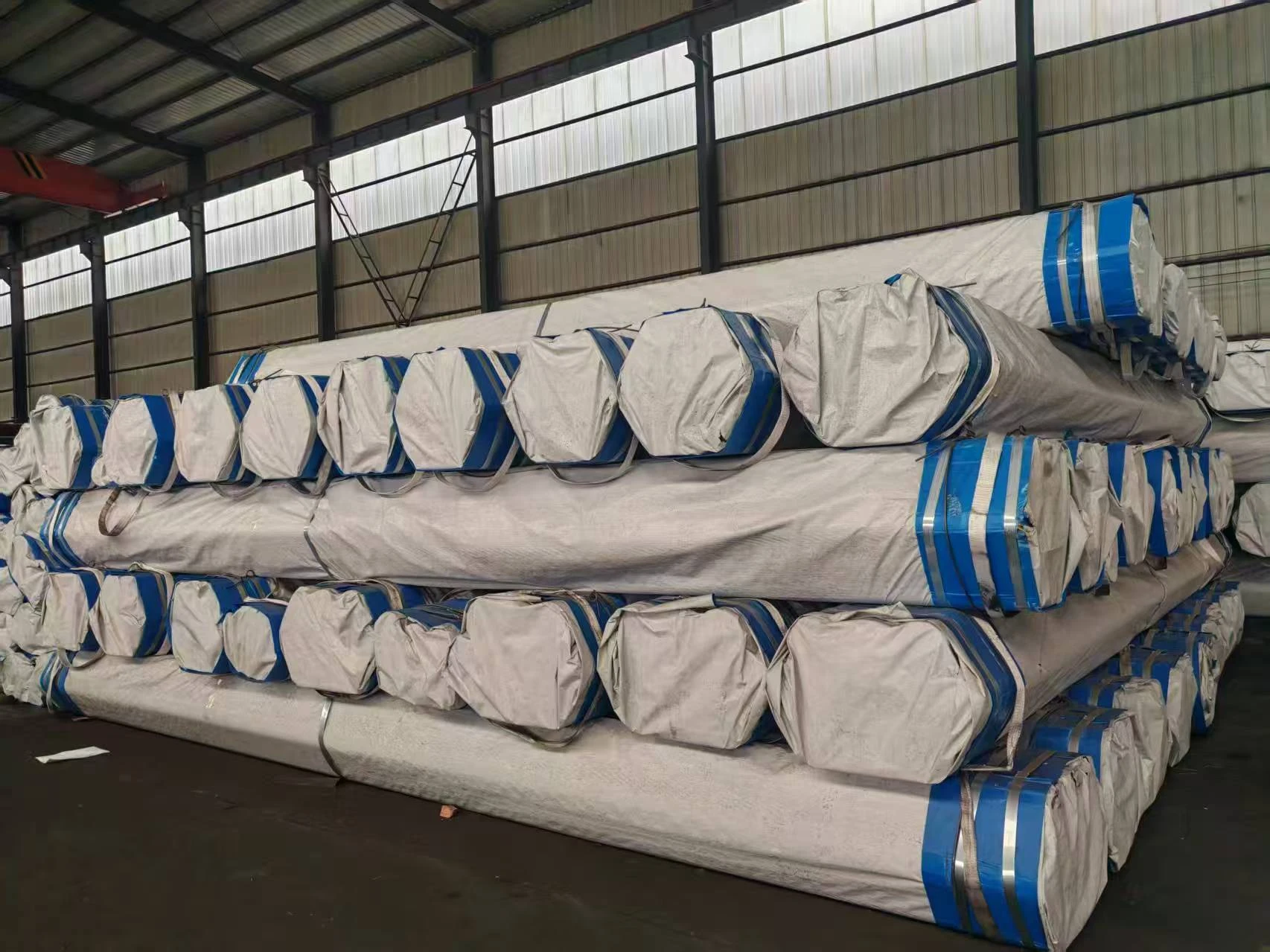
Working in the industrial equipment sector for more than a decade gives you a certain appreciation for the parts that often go unnoticed — like tubing, for example. 825 tubing is one of those kinds of products that you might skip over if you don’t know how integral it is. Frankly, after having specified this grade for numerous projects, I’ve found it reliable, versatile, and in some cases, a bit of an unsung hero.
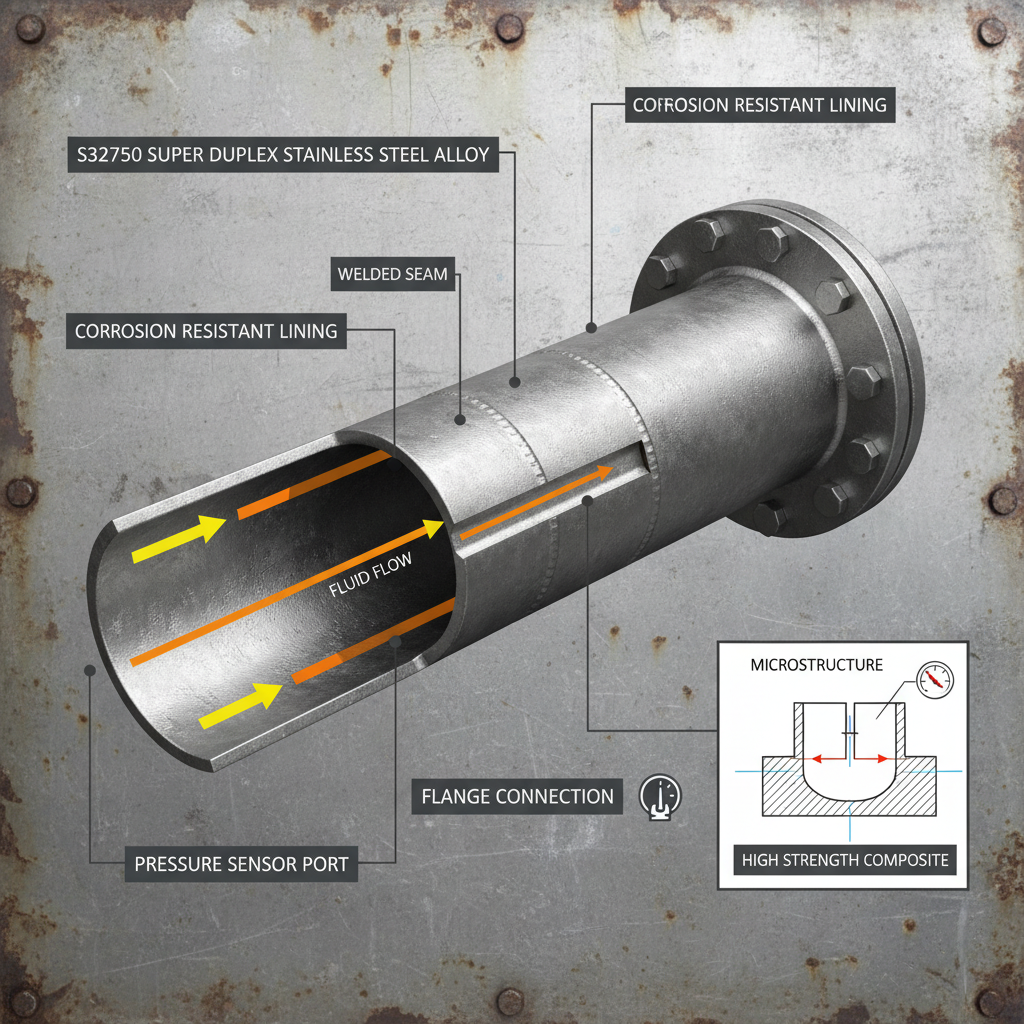
Oddly enough, it’s not always the flashiest component, but when you talk about seamless, corrosion-resistant, and high-strength tubing, 825 tubing steps right up. I guess what draws engineers and fabricators alike is the balance it strikes in alloy composition—mainly nickel, chromium, and molybdenum—making it a tough cookie for corrosive environments, especially in chemical processing or marine settings.
Material Attributes & Usage Context
The alloy 825 typically packs nickel around 38-46%, with chromium hovering near 19.5-23.5%. The molybdenum content (around 2.5-3.5%) helps it fend off pitting and crevice attack, which can be absolute killers in piping or tubing exposed to chlorides. I noticed a customer from a wastewater treatment plant swearing by its longevity after switching from standard stainless steel tubing — they said it “just keeps going.”
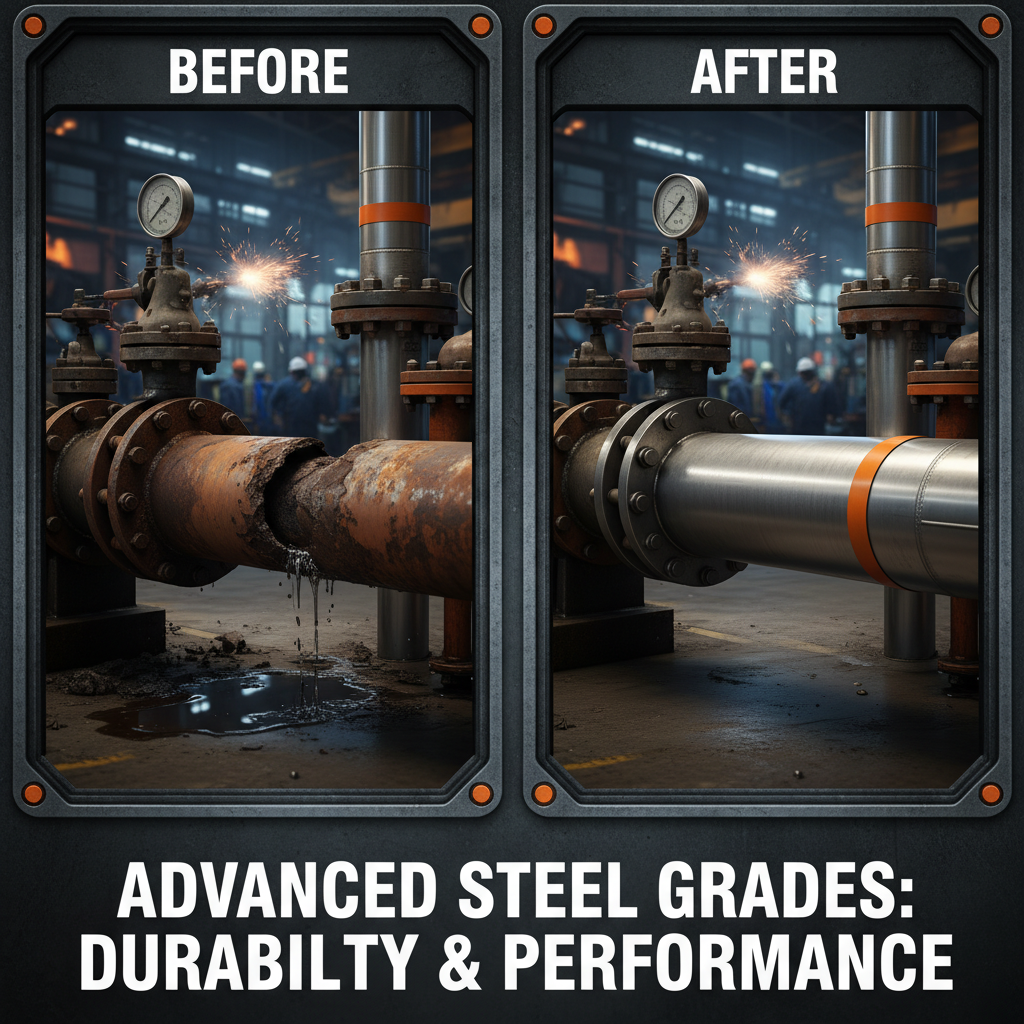
In real terms, this means fewer replacements, less downtime, and frankly, a more predictable operating budget. You might come across it in heat exchangers, chemical transport lines, or even in the oil and gas arena where sulfide stress cracking is a serious concern.
Testing & Quality Control
From what I’ve seen, reputable manufacturers don’t mess around when it comes to testing 825 tubing. Expect standard tests like hydrostatic pressure, intergranular corrosion resistance, and hardness testing aligned with ASTM and ASME standards. Some vendors even offer third-party certifications, which I’d recommend asking for if you’re specifying for critical use cases.
| Specification | Details |
|---|---|
| Material Grade | Alloy 825 (UNS N08825) |
| Composition (approx.) | Ni 38-46%, Cr 19.5-23.5%, Mo 2.5-3.5% |
| Common Sizes | Outer Diameter: 6-114 mm, Wall Thickness: 1-5 mm |
| Standard Lengths | 6 meters (custom cuts available) |
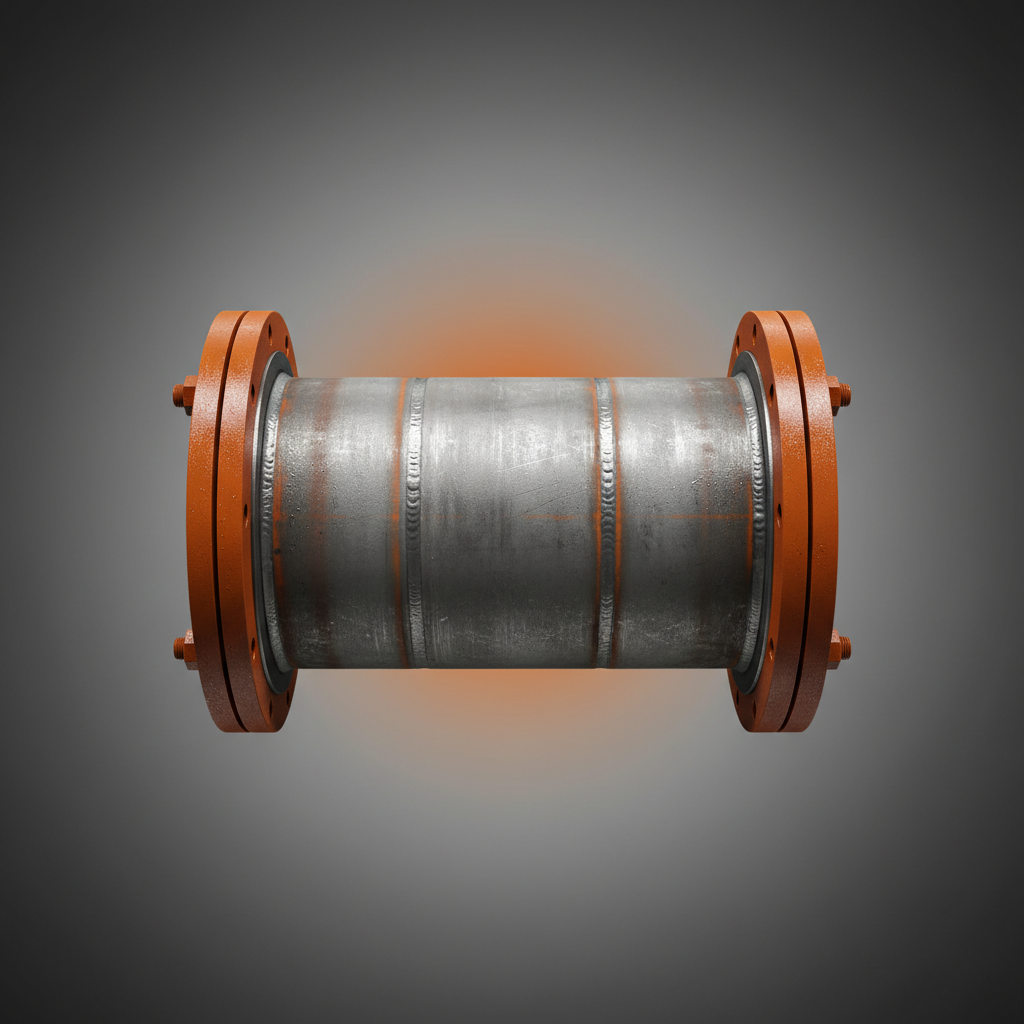
| Manufacturing Process | Seamless & Welded options |
| Applicable Standards | ASTM A269, ATODO B163, ASME B36.19 |
Choosing Your Supplier: A Quick Comparison
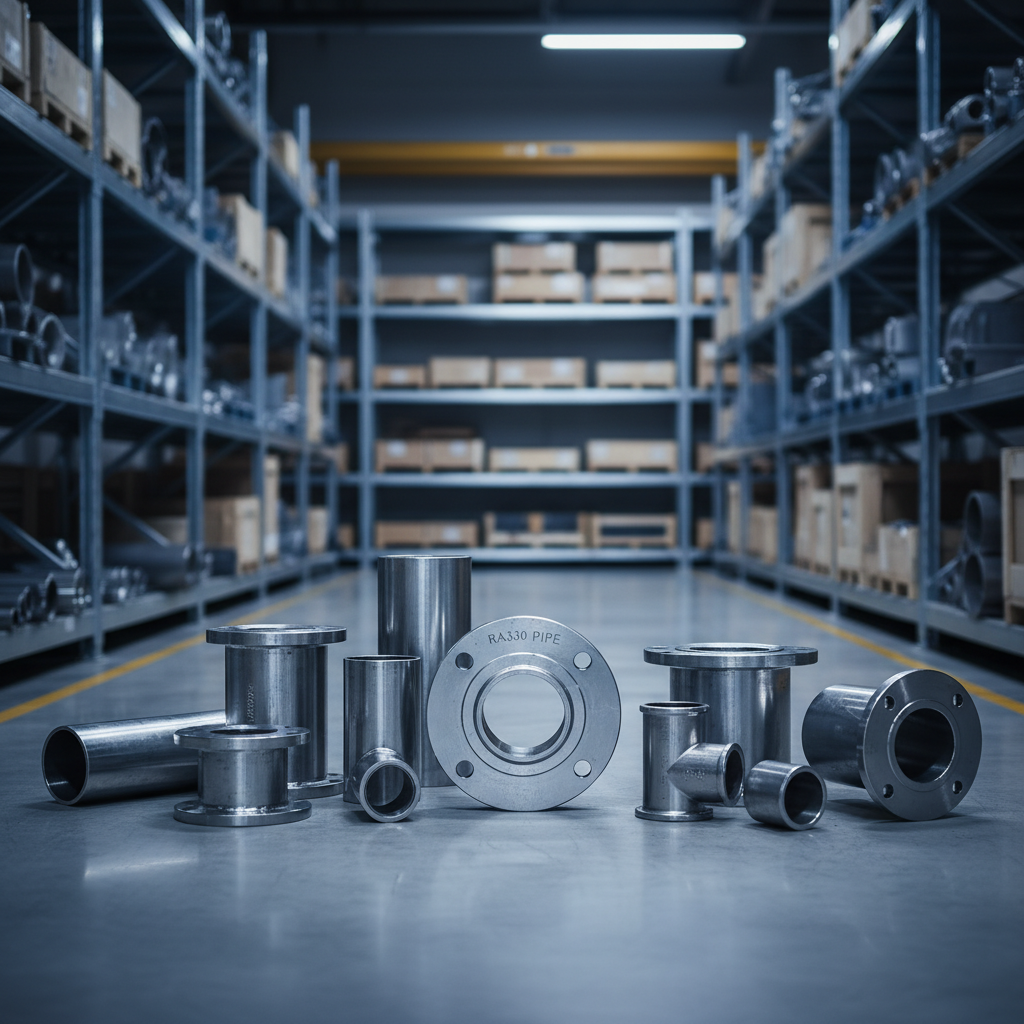
In my experience, selecting a supplier can sometimes feel like taking a leap in the dark—especially if you’re not close to a vendor physically. So I put together a little rundown of some typical supplier traits based on reliability, quality assurance, inventory, and customer service. It’s by no means exhaustive but in an industry where lead times and traceability are king, these points are kind of crucial.
| Supplier | Quality & Certification | Inventory Range | Lead Time | Customer Service |
|---|---|---|---|---|
| World Steel Material | Comprehensive ISO & ASTM certified | Wide range of seamless & welded tubing | Typically 1-2 weeks | Highly responsive, knowledgeable support |
| Industrial Metals Co. | ASTM certified, occasional 3rd party tests | Moderate inventory, mostly welded | 2-3 weeks | Good, but limited technical support |
| SteelTubing Supply Ltd. | Basic certification, lacks 3rd party validation | Small range, mostly standard specs | 1 week (stock dependent) | Average, minimal engineering advice |
Wrapping Up
All in all, specifying 825 tubing feels like opting for peace of mind in challenging chemical and industrial environments. You realize quickly that it’s not just the metals or specs on paper — it’s the behind-the-scenes quality control, the practical experience, and yes, the vendor’s reliability that really counts.
Honestly, if you’re looking for something that’s tough yet adaptable, 825 tubing deserves a spot on your list — and while you might want to shop around, I found that suppliers like World Steel Material tend to offer the best combination of quality and service. Just my two cents, anyway.
What’s your experience been? Any anecdotes or challenges from handling this alloy? For me, it’s always a bit of a thrill to see a specification come through that actually solves the “impossible” corrosion problems on site. Sometimes, that’s all the reward you need.
1. ASTM International Standards Library – Overview of Alloy 825 specs.
2. Chemical Processing Magazine – Best Practices in Tubing Selection.
3. Industrial Equipment Journal – Vendor Reviews & Lead Time Analysis.
Post time: Dec . 31, 2025 04:30
 English
  Arabic
  Bengali
  China
China  French
  German
  Hausa
Hausa  Indonesian
  Italian
  Japanese
  Javanese
  Malay
Malay  Persian
  Portuguese
  Punjabi
  Russian
  Spanish
  Swahili
  Telugu
  Vietnamese