

Why 904L stainless steel tube continues to earn its place in industry
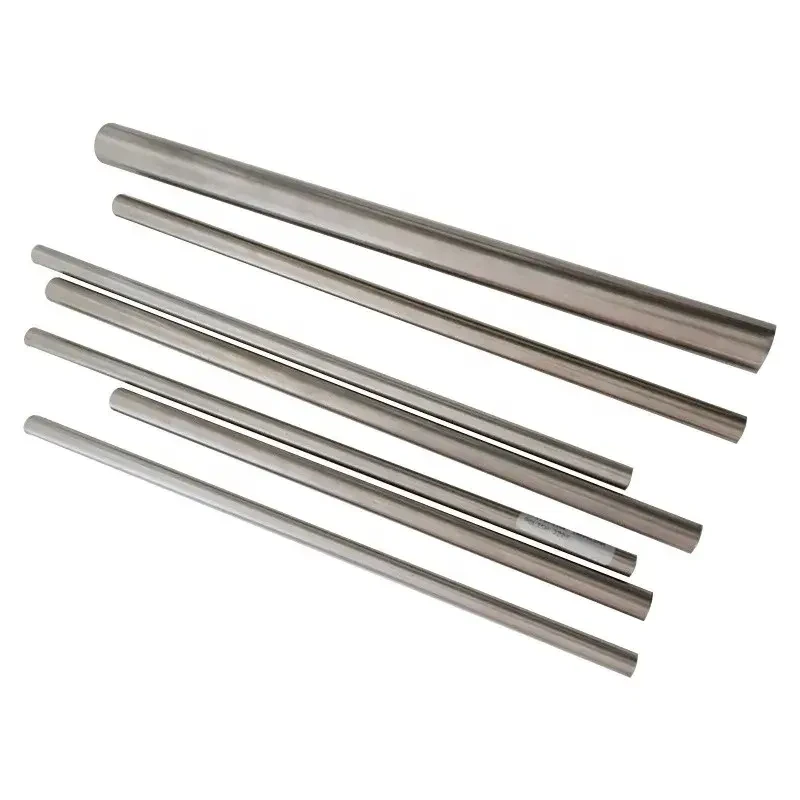
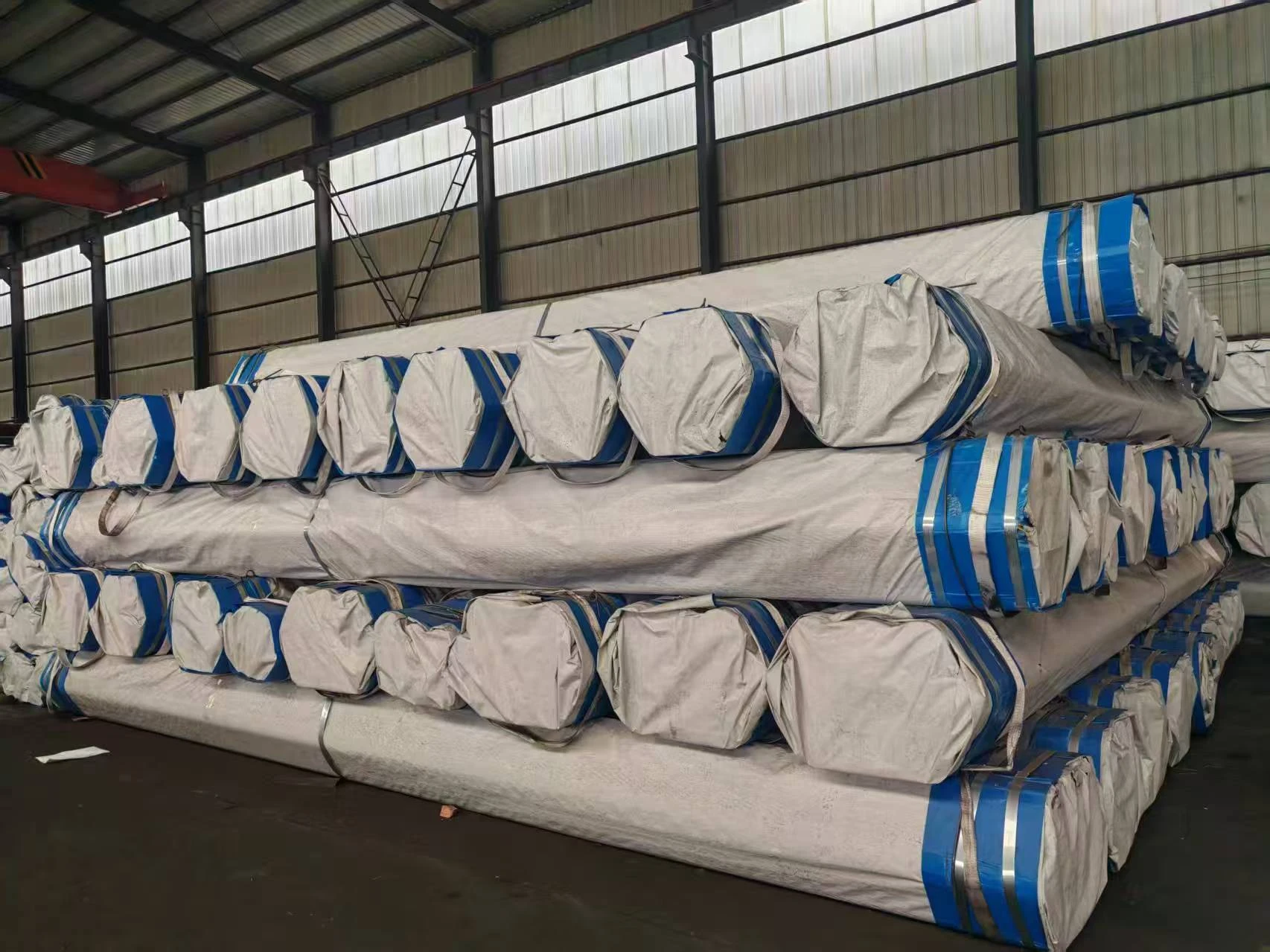
Having spent more than a decade around industrial sites and fabrication floors, I can say it’s always refreshing when a material truly lives up to the hype. 904L stainless steel tube is one of those materials that has steadily carved out a niche — and honestly, for good reasons. It’s not just the chemistry or the fancy numbers on paper; it’s how these tubes behave under real-world conditions that counts.
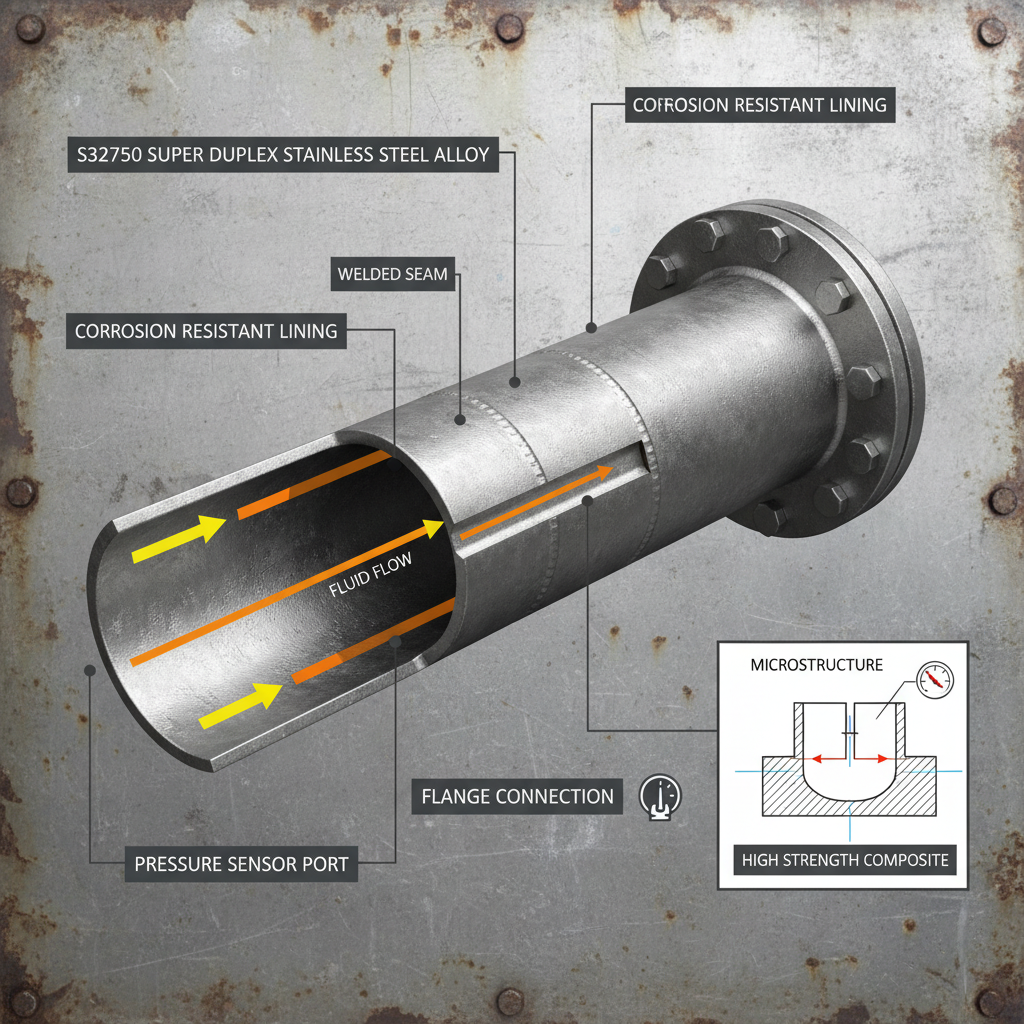
So, what makes 904L stand out? Well, it’s a super austenitic stainless steel, with high levels of chromium, nickel, molybdenum, and copper. This combination means it’s incredibly resistant to corrosive environments — think chemical plants, seawater applications, or anywhere acid resistance is crucial. I recall a project where a client needed tubing for a desalination plant. Ordinary stainless steels failed early; 904L held strong, no fuss.
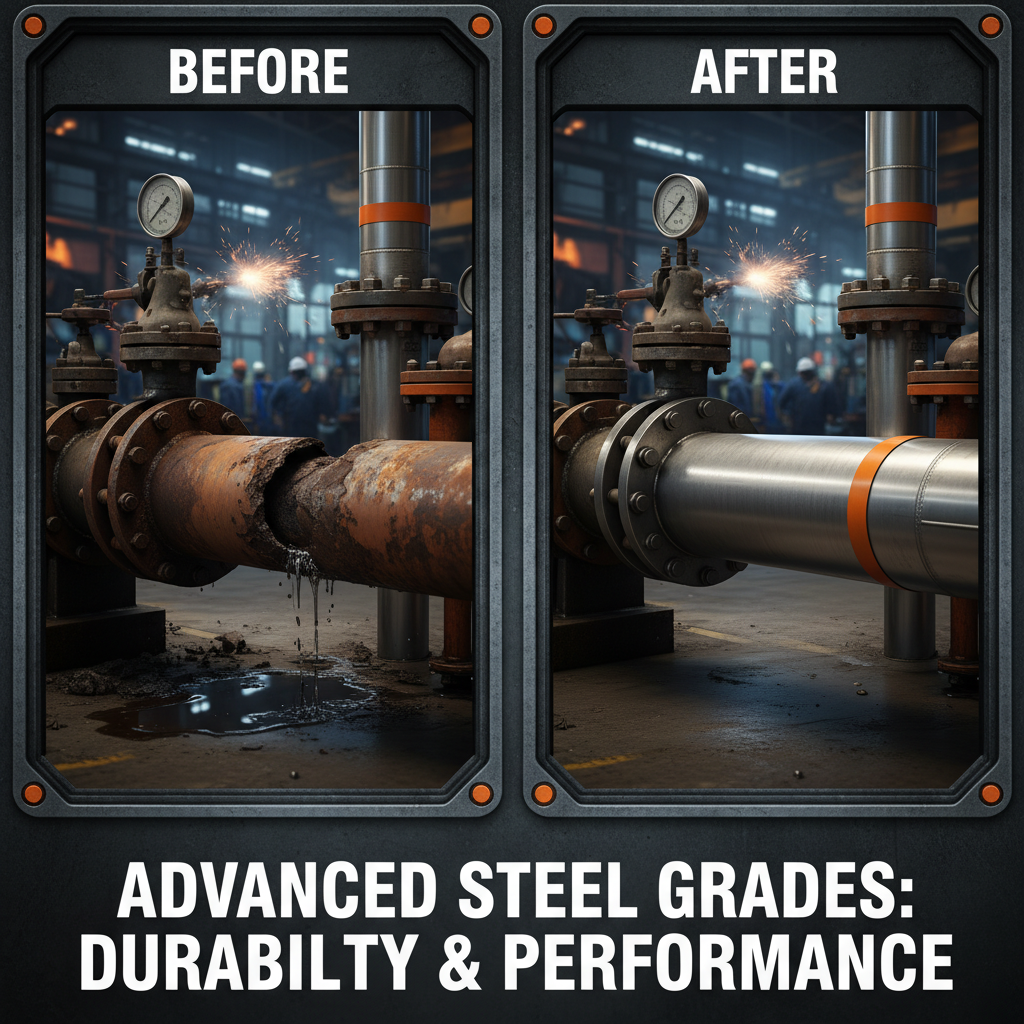
In terms of mechanical properties and durability, 904L’s stress corrosion cracking resistance is a big win, especially in chloride-rich settings. This isn’t just theoretical — many engineers have told me how switching to this grade has lowered maintenance costs dramatically. Though it’s a bit pricier upfront, the long-term savings make it worthwhile. Oddly enough, you don’t always see that reflected in project budgets, which often focus too heavily on initial cost.
Now, a quick glance at some specs might help clarify its profile:
| Property | Typical Value | Units |
|---|---|---|
| Chemical Composition - Chromium | 19–23 | % |
| Nickel | 24–28 | % |
| Molybdenum | 3–4 | % |
| Tensile Strength | 520 min | MPa |
| Yield Strength | 215 min | MPa |
| Elongation | 30 min | % |
| Density | 8.0 | g/cm³ |
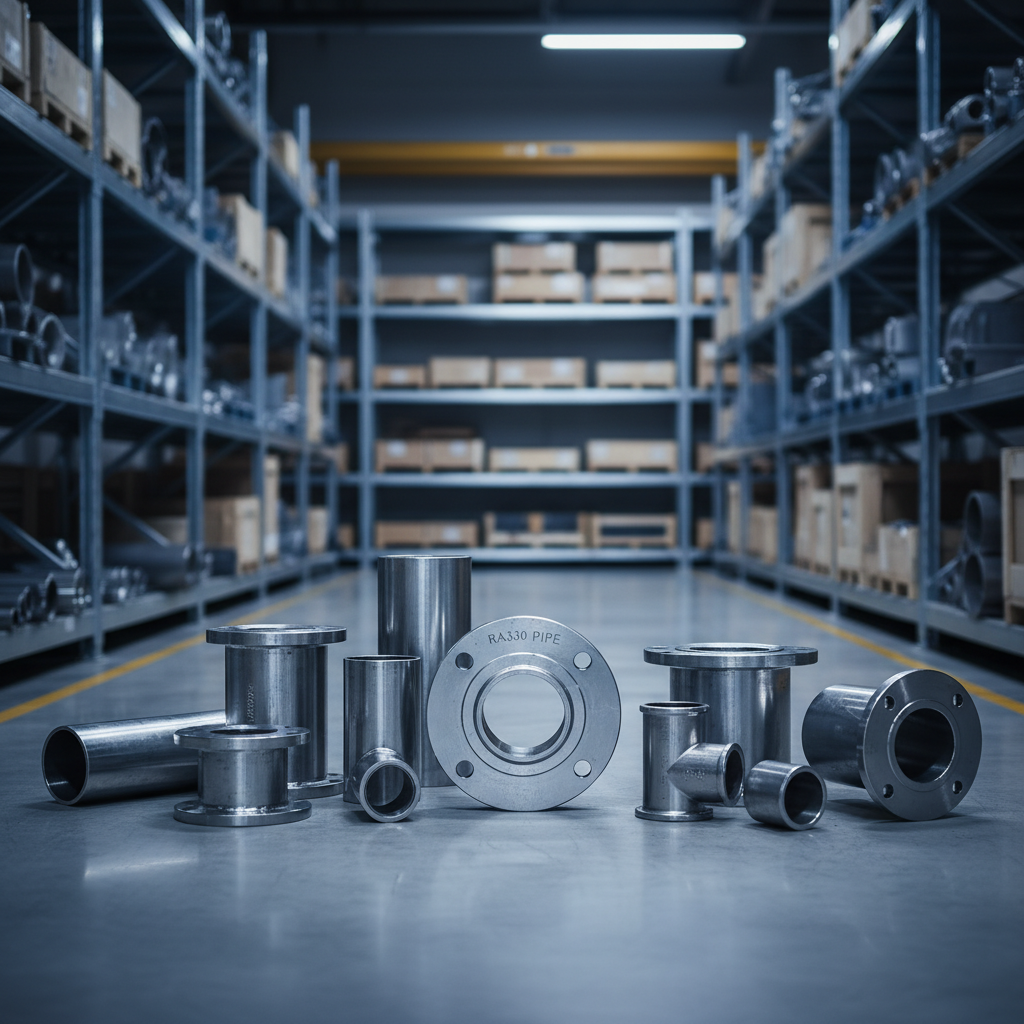
One thing I’ve noticed is how vendor capabilities and consistency can vary — and that really matters with something as high-grade as 904L. Not all suppliers deliver equal quality. For example, some excel in tighter dimensional tolerances or better surface finishes, which often reduces downstream processing time and cost.
Here’s a rough comparison of three notable suppliers, based on industry chatter and my own experience:
| Vendor | Dimensional Accuracy | Surface Finish Quality | Lead Time | Price Competitiveness |
|---|---|---|---|---|
| SteelPro Inc. | Excellent | Very Good | 2–3 weeks | Mid-range |
| AlloyWorks | Good | Excellent | 3–4 weeks | Premium |
| Global Metals Ltd. | Fair | Good | 1–2 weeks | Budget |
Customization and testing can’t be overlooked either — especially for critical industrial setups. 904L tubes can be supplied in various finishes, thicknesses, and dimensional tolerances depending on the order, which is pretty handy if your project calls for very precise specs. Nondestructive testing (NDT) and certifications per ASTM and ASME standards are typically expected. You’d be surprised how many operators rely on having traceability documents to avoid headaches down the line.
I once worked with a client leaning towards a cheaper steel option until a small pilot test with 904L tubes showed zero pitting or discoloration after weeks in a highly acidic environment. That convinced them – the material's upfront cost was justified easily by the lowered risk. It goes to show, sometimes it pays off to take the long view with materials.
In real terms, this steel grade isn’t for every project, but if you need corrosion resistance + robustness in harsh chemical or chloride environments, it’s a solid choice. Many say it’s the “go-to upgrade” from 316L when you want extra assurance without jumping all the way to more exotic alloys.
If you’re curious and want to explore options, I recommend checking trusted suppliers — take a look at 904L stainless steel tube offerings there. It feels like a down-to-earth place with solid product range and documentation.
To wrap up, working with 904L stainless steel tube has definitely broadened my appreciation for choosing the right materials. It’s kinda like investing in peace of mind over the long haul: the immediate cost might sting a bit, but it often saves you countless headaches down the pipe (pun intended).
References:
1. ASTM A269 / ASME SA269 Stainless Steel Tubing Standards.
2. “Corrosion resistance of 904L,” Journal of Materials Engineering, 2022.
3. World Steel Material Technical Data Sheets.
Post time: Dec . 31, 2025 07:30
 English
  Arabic
  Bengali
  China
China  French
  German
  Hausa
Hausa  Indonesian
  Italian
  Japanese
  Javanese
  Malay
Malay  Persian
  Portuguese
  Punjabi
  Russian
  Spanish
  Swahili
  Telugu
  Vietnamese